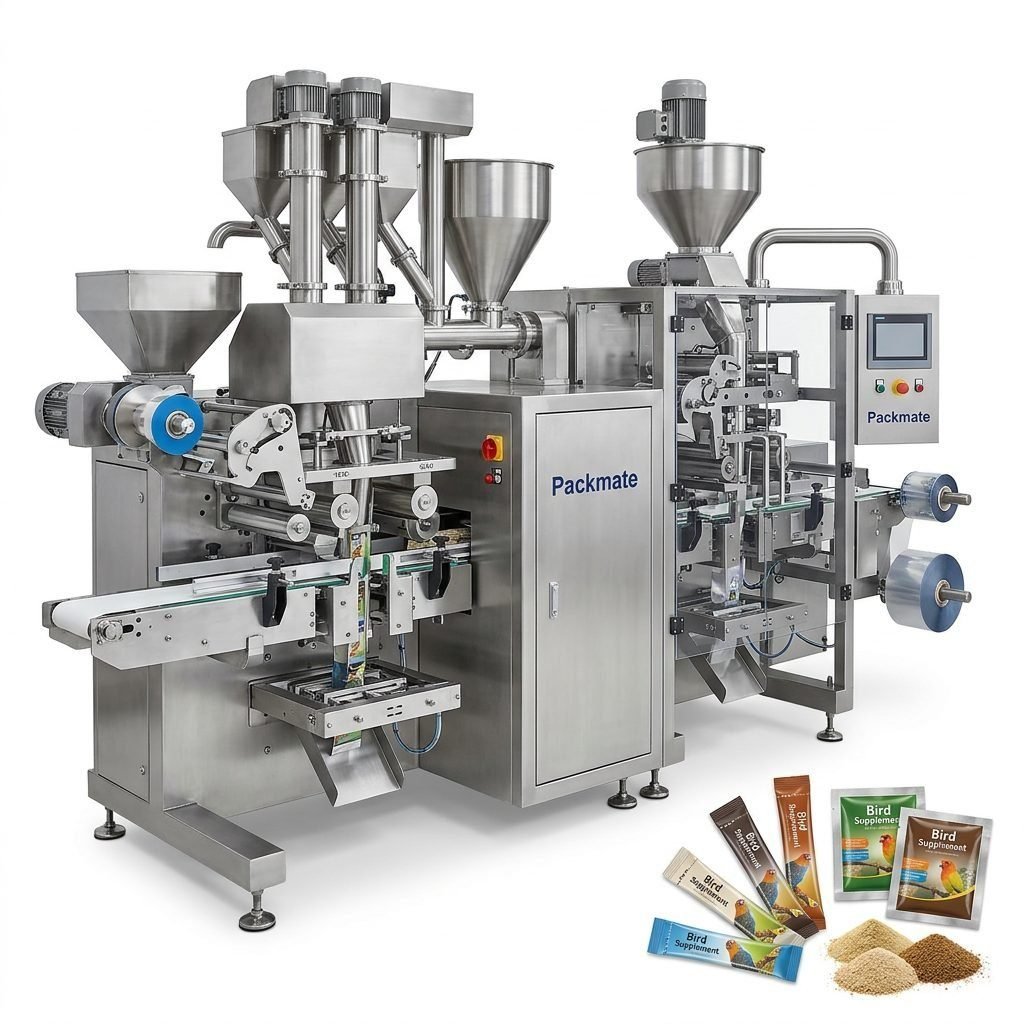
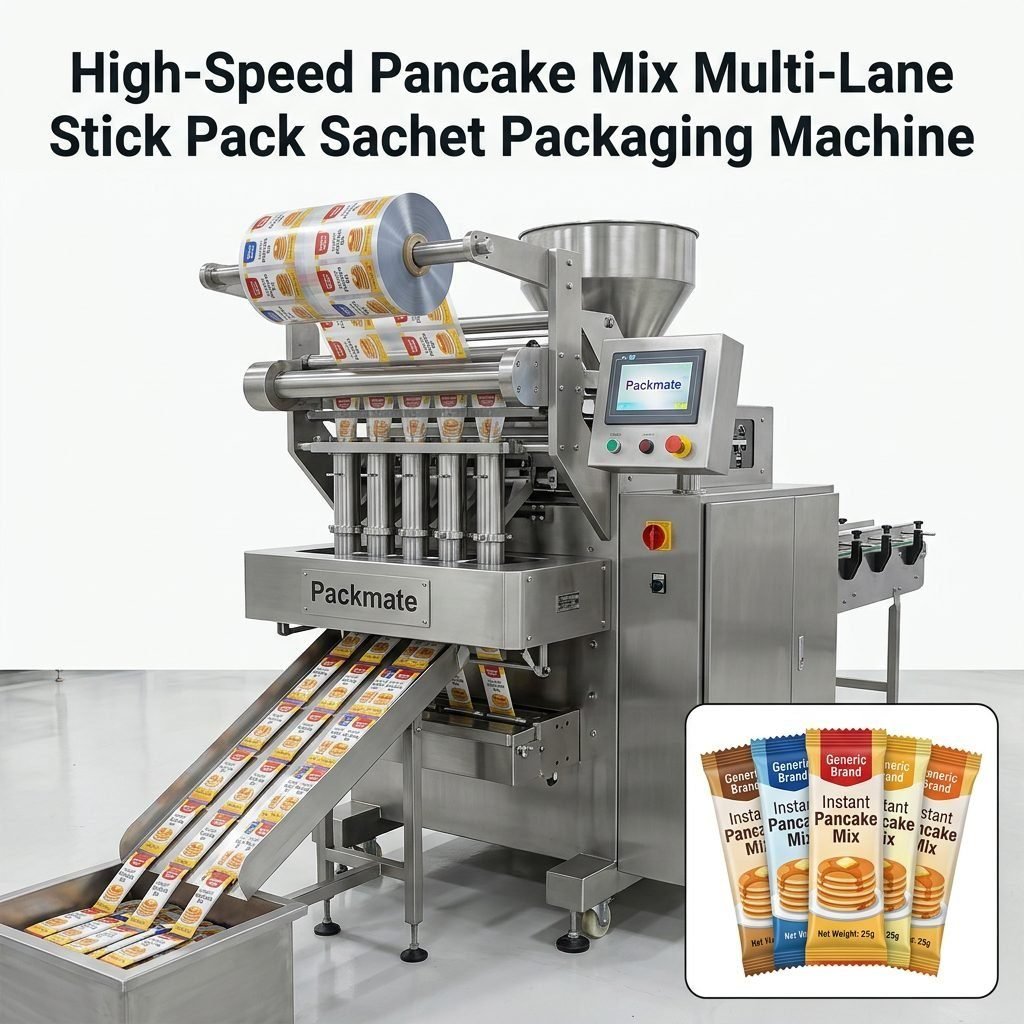
In the fast-paced world of manufacturing, efficiency and product protection are paramount. Strip packaging machines have emerged as a critical solution, especially for industries like pharmaceuticals, food, and health supplements. This guide delves into the world of strip packaging, exploring the various types available and providing a clear framework to help you select the perfect machine for your production line.
What is a Strip Packaging Machine?
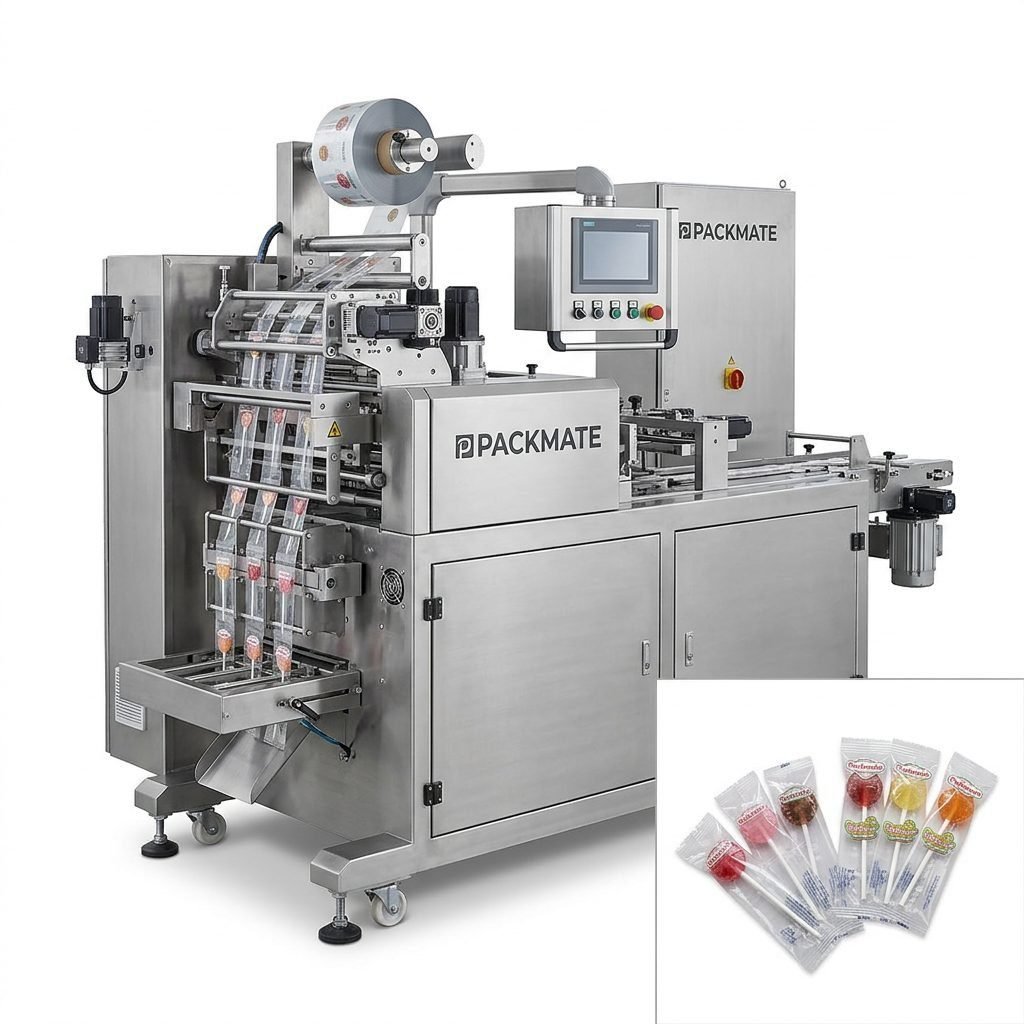
A strip packaging machine is a specialized type of packaging equipment that forms, fills, and seals individual doses of product into a continuous strip or blister pack. Typically, the product is sealed between two layers of film—a forming web and a lidding web. This method is exceptionally popular for tablets, capsules, lozenges, and small hardware items due to its excellent barrier properties, tamper evidence, and consumer convenience.
The process involves several key stages: the forming film is heated and molded into pockets (blisters), the product is precisely dosed into these pockets, the lidding film is placed over the top, and finally, heat and pressure are applied to create a hermetic seal. The continuous strip is then often perforated for easy tear-off by the end-user.
Core Advantages of Strip Packaging
Choosing strip packaging offers numerous benefits for both manufacturers and consumers:
Enhanced Product Integrity: The sealed environment protects against moisture, oxygen, and contamination, significantly extending shelf life.
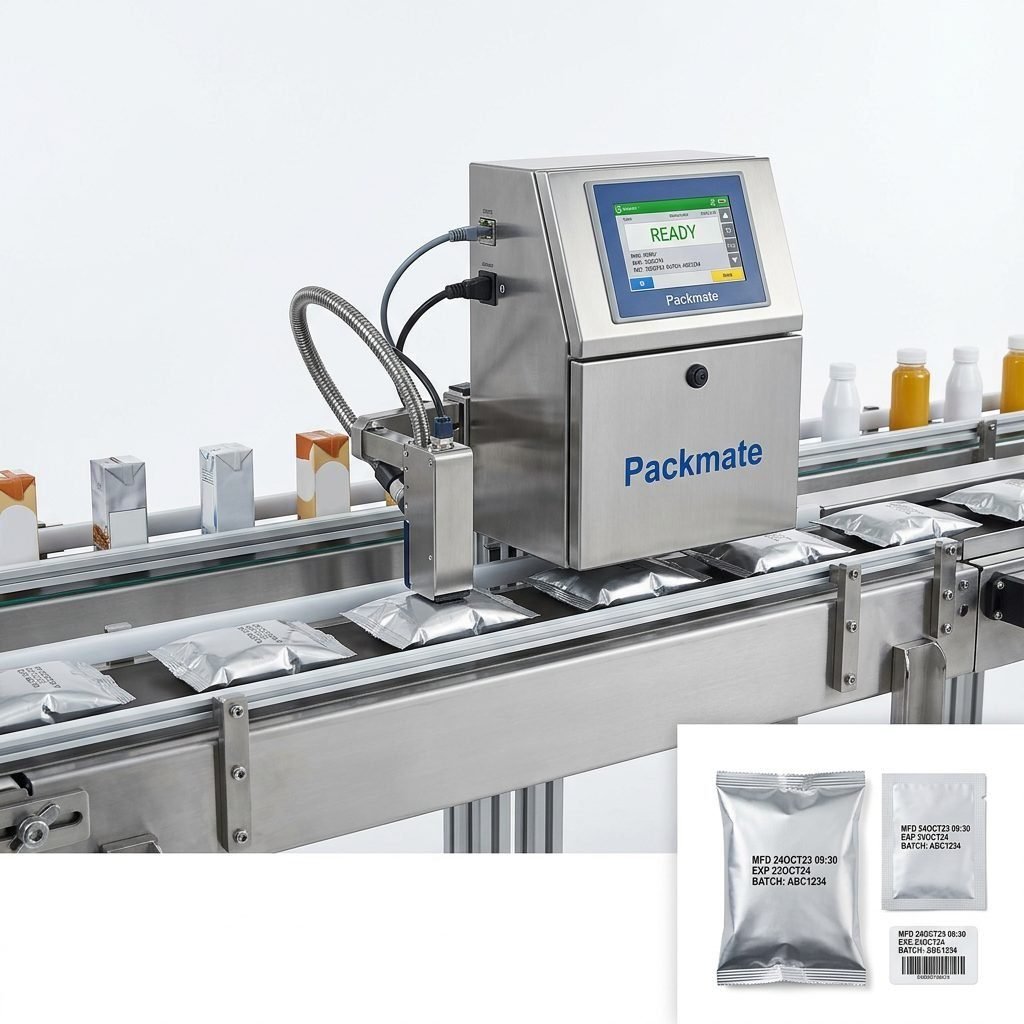
Improved Compliance & Safety: It allows for clear labeling of each dose, supports serialization for track-and-trace, and provides tamper-evidence.
Operational Efficiency: Modern machines are highly automated, offering high-speed production with minimal manual intervention, reducing labor costs.
Consumer Convenience: Strips are portable, easy to use, and often include day-of-the-week labeling for medication adherence.
Main Types of Strip Packaging Machines
Not all strip packaging machines are created equal. The right type depends heavily on your product, output requirements, and budget. Here’s a breakdown of the primary categories:
Thermoform-Fill-Seal (TFS) Machines
This is the most common and versatile type. A TFS machine performs all three operations in one continuous, in-line process. It heats a roll of plastic forming film, uses molds and pressure (or vacuum) to create blisters, fills the blisters with product, and then seals a lidding film (foil or paper) on top. TFS machines are ideal for high-volume production of pharmaceuticals, food items, and electronic components. They offer excellent flexibility in blister size and shape.
Cold Forming (Aluminum Blister) Machines
Also known as aluminum-aluminum blister machines, these use a special laminate film containing aluminum. The film is cold-formed under extremely high pressure into blisters without the application of heat. This creates an exceptionally high barrier against moisture and gases, making it the preferred choice for highly sensitive pharmaceuticals, hygroscopic products, and diagnostic strips. The process is generally slower and more expensive than TFS but provides superior protection.
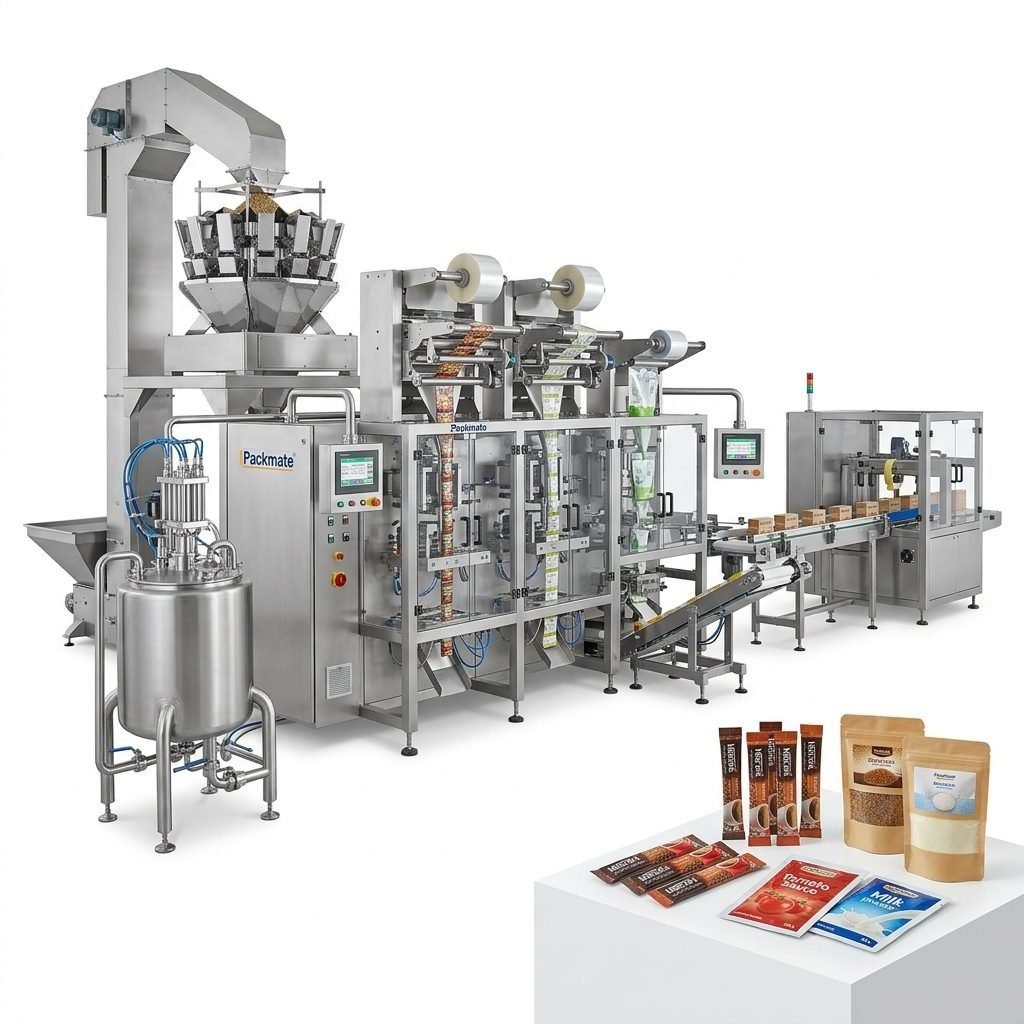
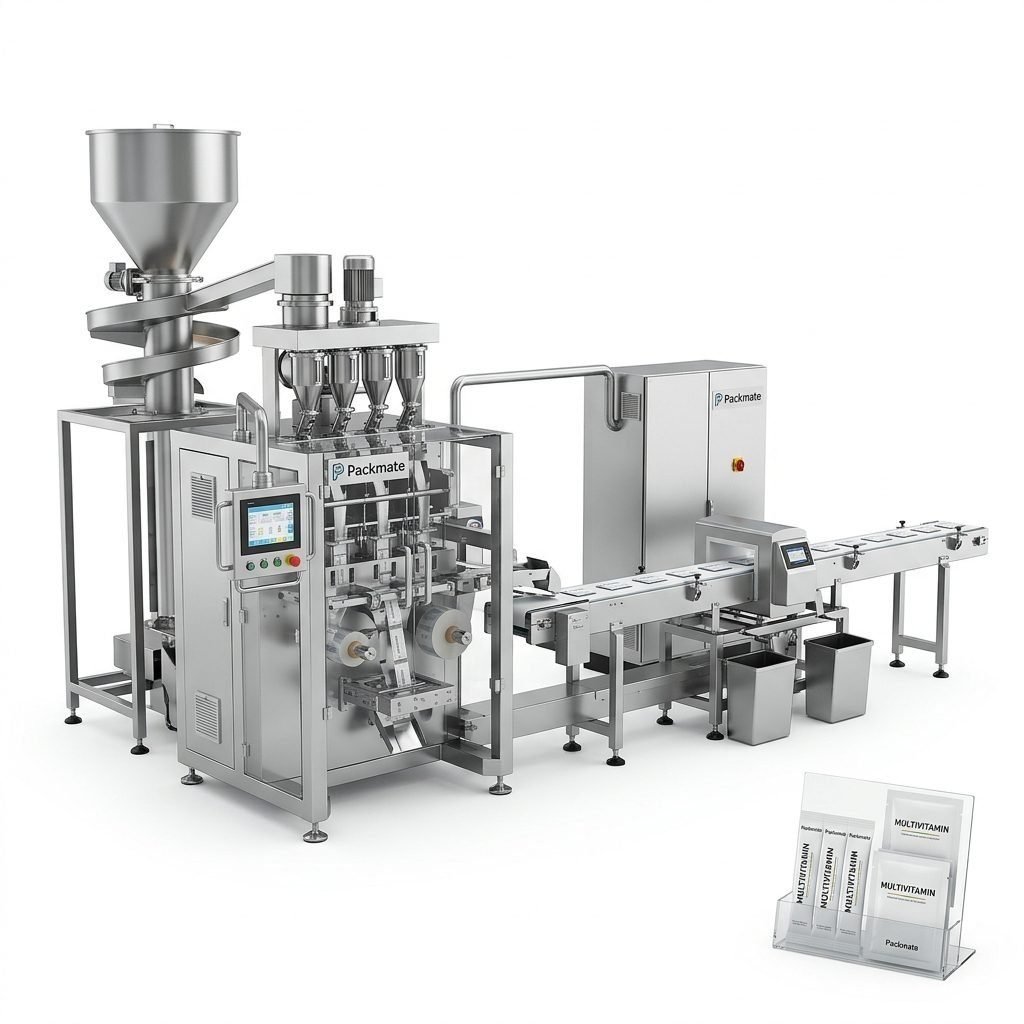
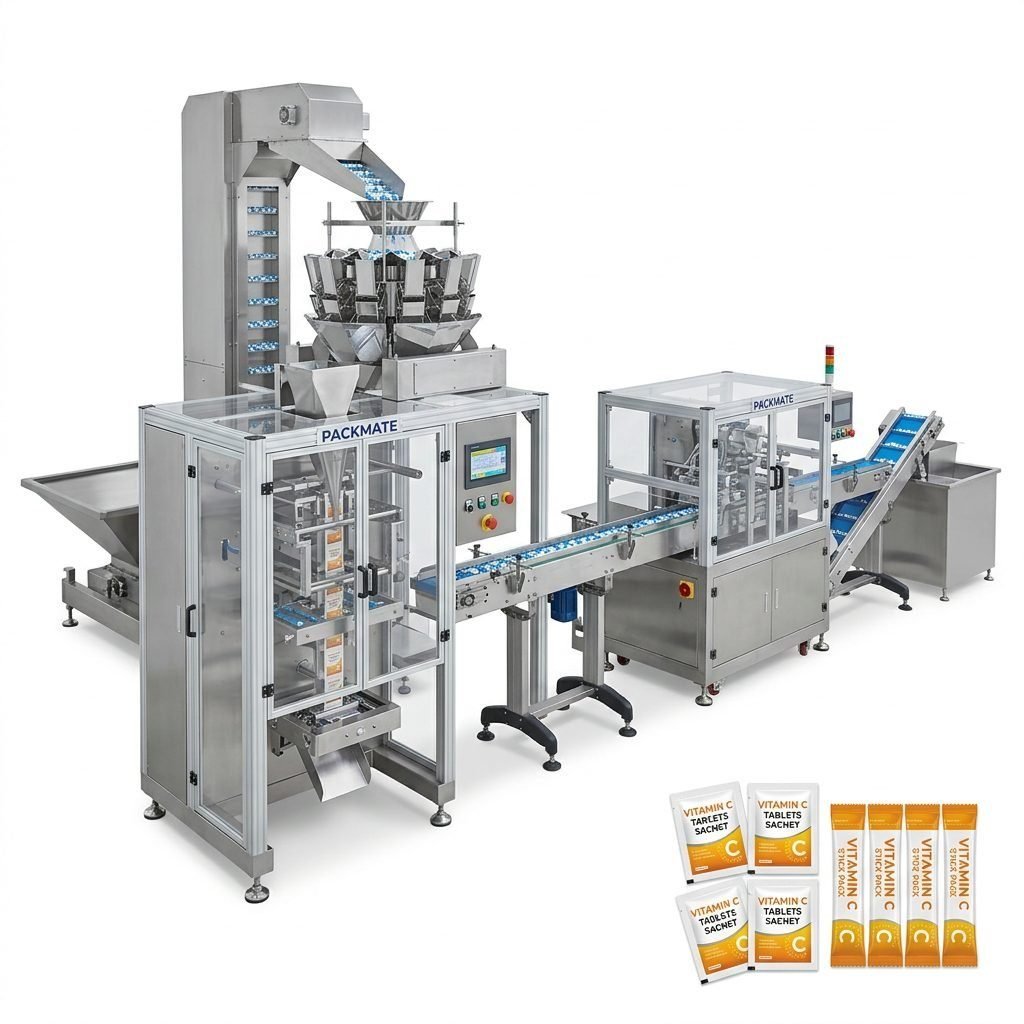
Vertical Form-Fill-Seal (VFFS) for Stick Packs
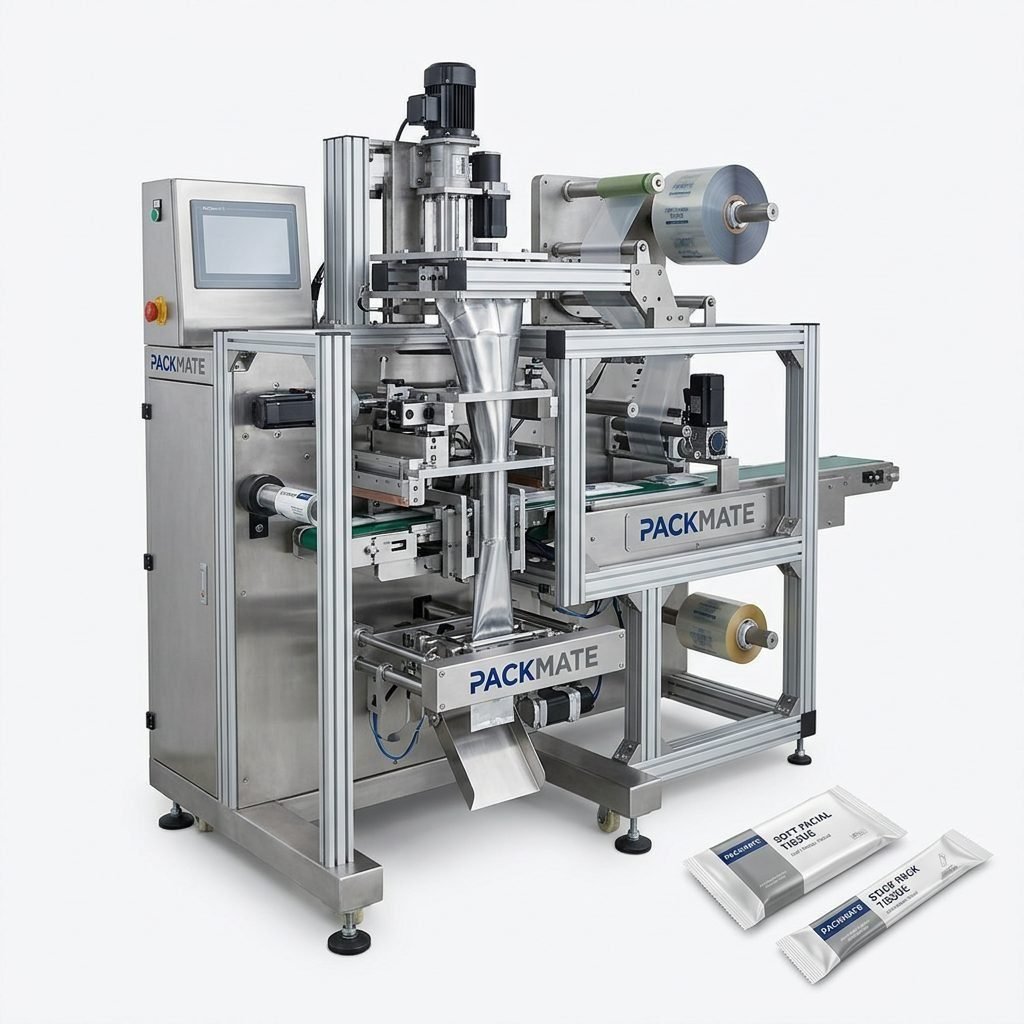
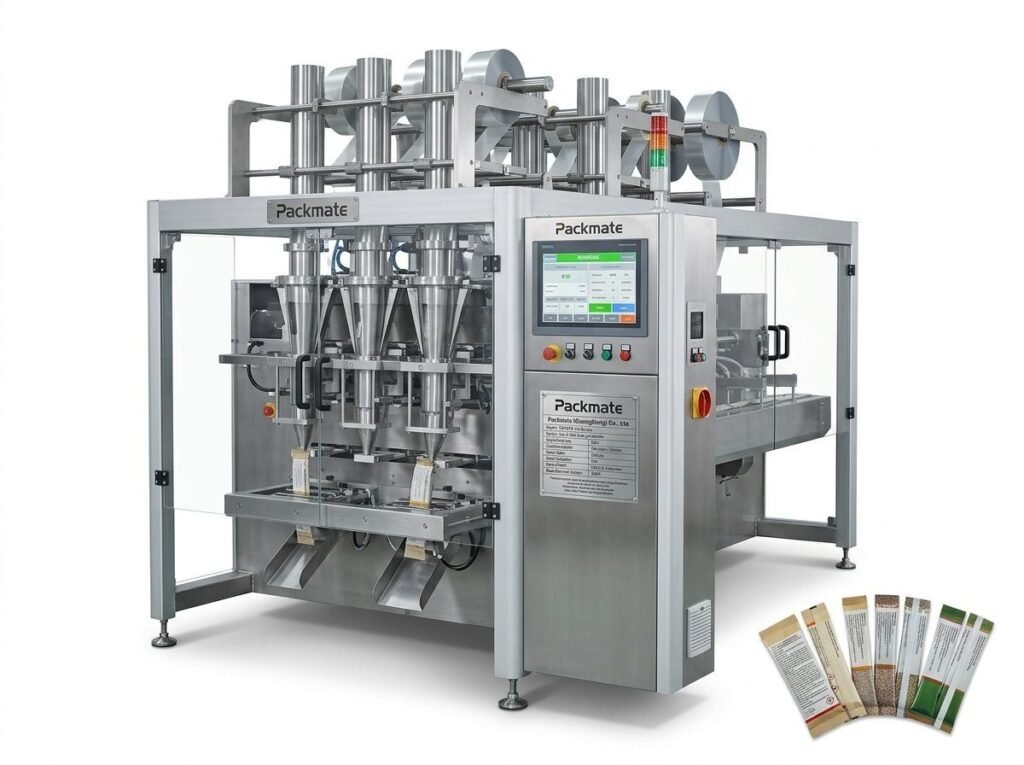
While not a traditional “blister” pack, vertical form-fill-seal technology is extensively used to create strip-like packaging for powders, granules, and liquids—commonly known as stick packs or sachets. The machine forms a tube from a roll of film, fills it with a measured dose of product, and makes vertical and horizontal seals to create individual pouches. These pouches can be perforated to form a strip. This is a highly efficient and lower-cost option for products like instant coffee, sugar, oatmeal, and shampoo samples.
How to Choose the Right Strip Packaging Machine
Selecting a machine is a significant investment. Here are the critical factors to consider, ensuring you make a decision that boosts your productivity and ROI.
1. Product Characteristics
Your product dictates the machine type. Consider its physical form (solid, powder, liquid), sensitivity (to light, moisture, oxygen), abrasiveness, and dosage size. Fragile items may need gentle handling systems, while powders require precise auger fillers.
2. Production Speed & Output Requirements
Calculate your required output in strips or blisters per minute (SPM/BPM). Match this with the machine’s rated speed. Remember to factor in potential future growth to avoid outgrowing your equipment too quickly.
3. Film & Material Compatibility
The machine must be compatible with your chosen packaging materials—PVC, PVDC, Aclar for TFS, or cold-form foil laminates. Ensure the sealing jaws, forming stations, and temperature controls are suited for your specific films.
4. Level of Automation: Options range from semi-automatic machines (manual loading of product or films) to fully automatic, integrated lines with robotic pick-and-place, vision inspection systems, and cartoning units. Higher automation reduces labor but increases upfront cost.
5. Changeover Flexibility: If you run multiple products with different blister sizes, look for machines with quick-change tooling and recipe memory to minimize downtime between production runs.
6. Regulatory & Compliance Needs: For pharmaceuticals, the machine must be designed for easy cleaning (CIP/SIP), generate documentation for validation (IQ/OQ/PQ), and support features like 100% inspection and serialization coding.
7. Supplier Reputation & Support: Partner with a reputable manufacturer like Packmate Machinery, known for over 30 years of expertise. Consider their after-sales service, availability of spare parts, training, and technical support. A reliable partner is as crucial as the machine itself.
Integration with Existing Lines
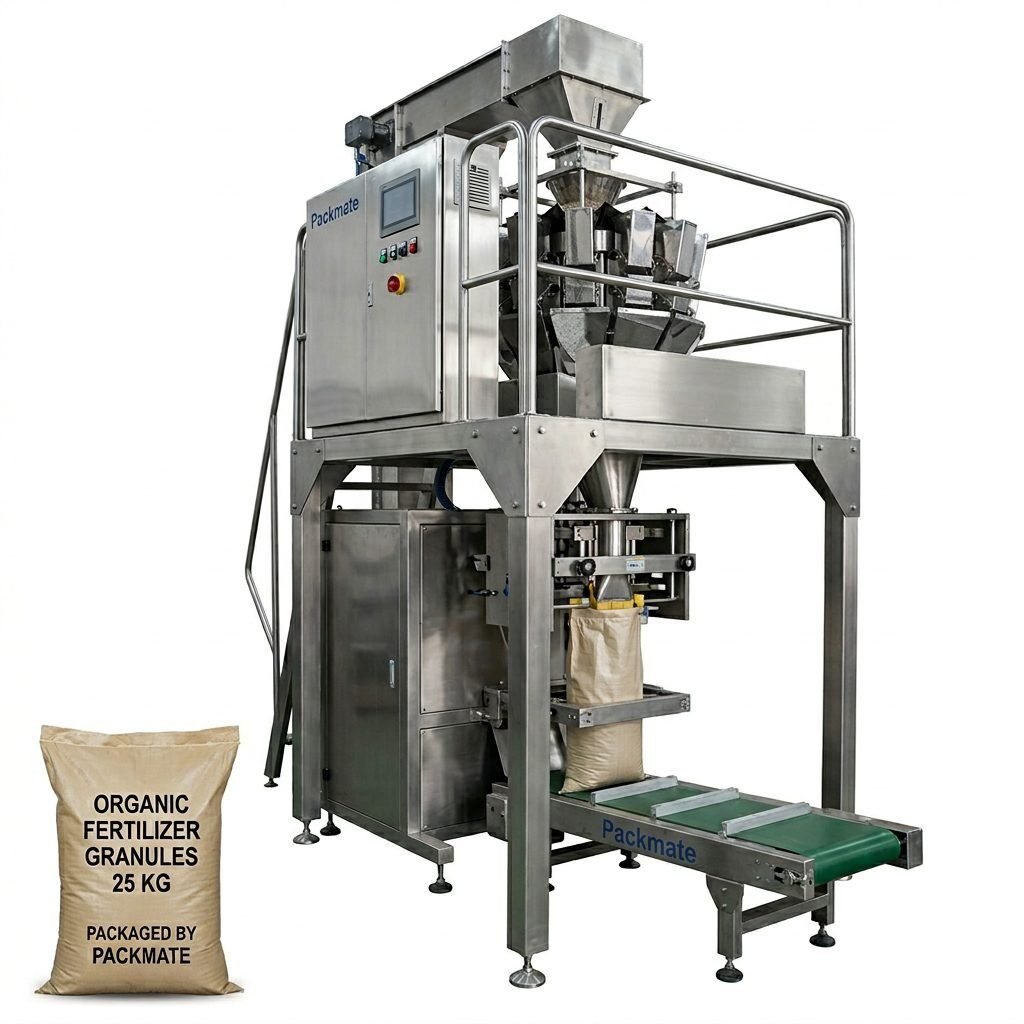
Your new strip packer shouldn’t be an island. Consider how it will integrate with upstream equipment (like tablet presses or mixers) and downstream systems (like cartoners or case packers). A well-integrated, turnkey line from a single supplier often ensures smoother communication between machines, higher overall efficiency, and easier troubleshooting. Explore options for complete weighing and packaging systems for a cohesive solution.
Frequently Asked Questions (FAQ)
What is the main difference between thermoform and cold form strip packaging?
The core difference lies in the forming process and material. Thermoforming uses heat to soften plastic film before forming blisters. Cold forming uses immense pressure to shape a special aluminum-based laminate without heat, resulting in a far superior moisture and oxygen barrier.
What production speed can I expect from a standard machine?
Speeds vary widely. Entry-level machines may run at 50-100 strips per minute, while high-end, multi-lane pharmaceutical machines can exceed 600 blisters per minute. The speed is determined by product complexity, machine type, and the number of lanes.
Can one machine handle different product shapes and sizes?
Yes, but it requires changeover. Machines with quick-change forming dies and sealing tools allow for switching between different blister formats. The ease and time required for this changeover is a key specification to check.
How important is after-sales service when purchasing?
It is critically important. Packaging machines are complex and require maintenance, occasional repairs, and parts replacement. A supplier with a strong global service network, readily available spare parts, and responsive technical support is essential for minimizing costly downtime.
What are the key maintenance requirements for a strip packer?
Regular daily cleaning of product contact parts is vital. Periodic lubrication of moving parts, inspection and calibration of sensors and heaters, and checking the wear on sealing jaws and forming dies are standard preventative maintenance tasks outlined in the machine manual.