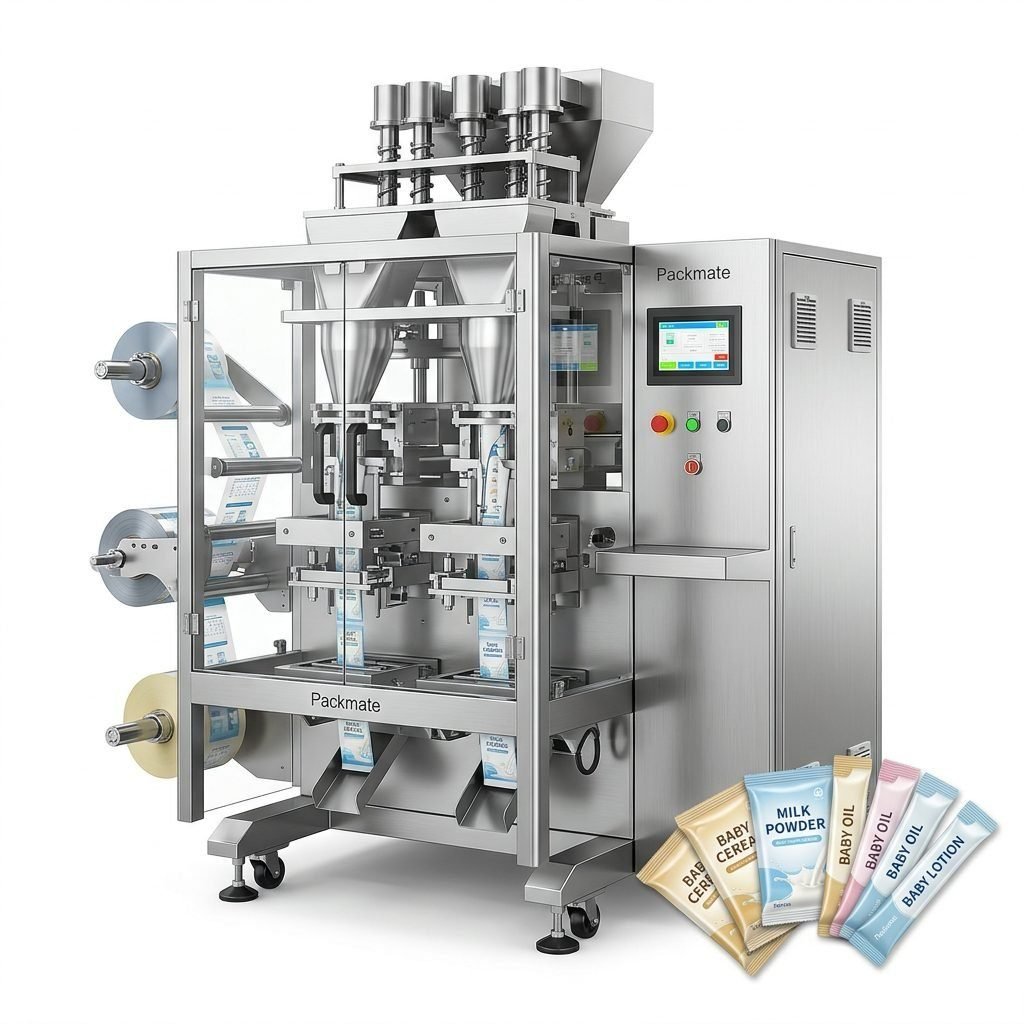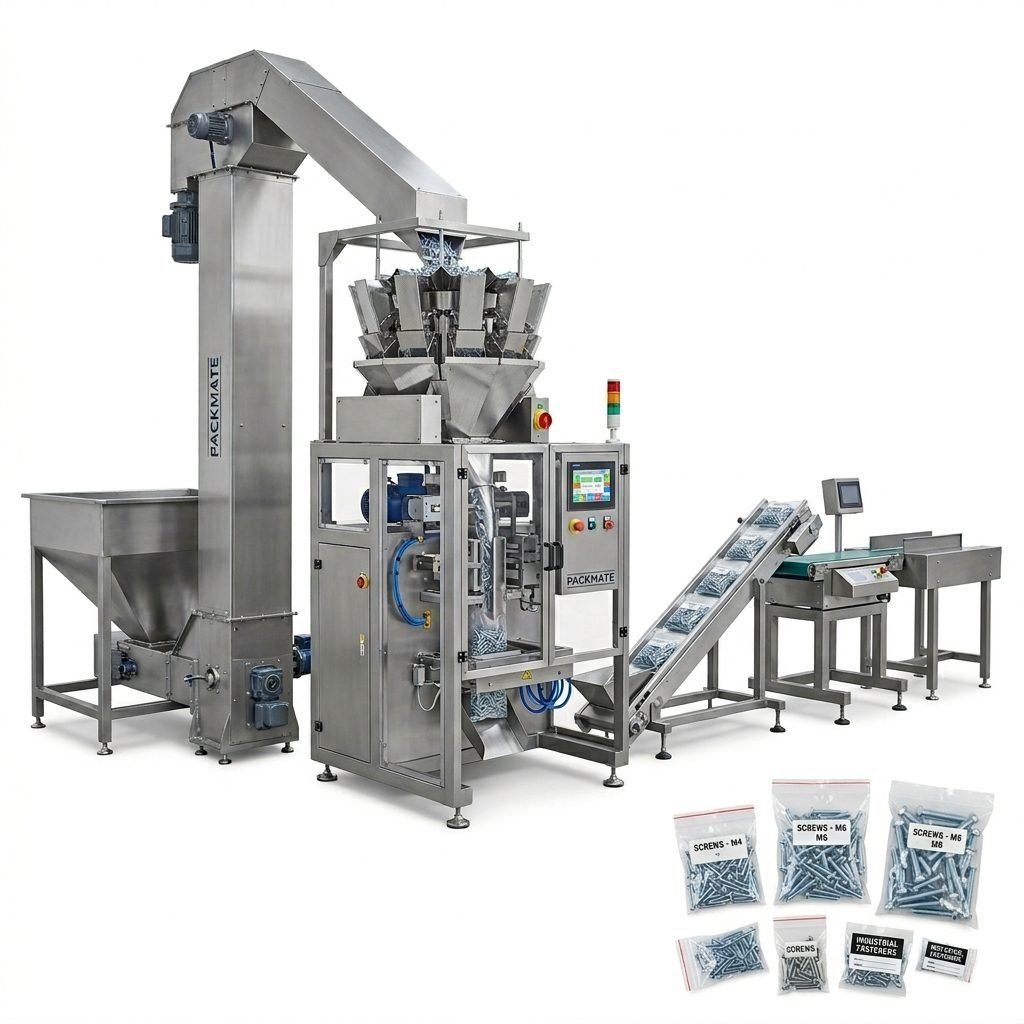
The ice cream industry thrives on innovation, and at the heart of this innovation lies the critical component of packaging machinery. Efficient, reliable, and versatile packaging is not just about containment; it’s about preserving quality, ensuring food safety, enhancing brand appeal, and meeting the logistical demands of a global market. For manufacturers, selecting the right ice cream packaging machinery is a pivotal business decision that impacts productivity, cost, and market competitiveness. This guide delves into the complete spectrum of machinery types and solutions, empowering you to make an informed choice for your production line.
Core Types of Ice Cream Packaging Machinery
The packaging process for ice cream is multifaceted, often requiring a combination of specialized machines to handle different formats and production volumes. Understanding the core types is the first step.
Filling and Sealing Machines
These are the workhorses of ice cream packaging, responsible for the precise deposition of product into containers and hermetically sealing them. Key variations include:
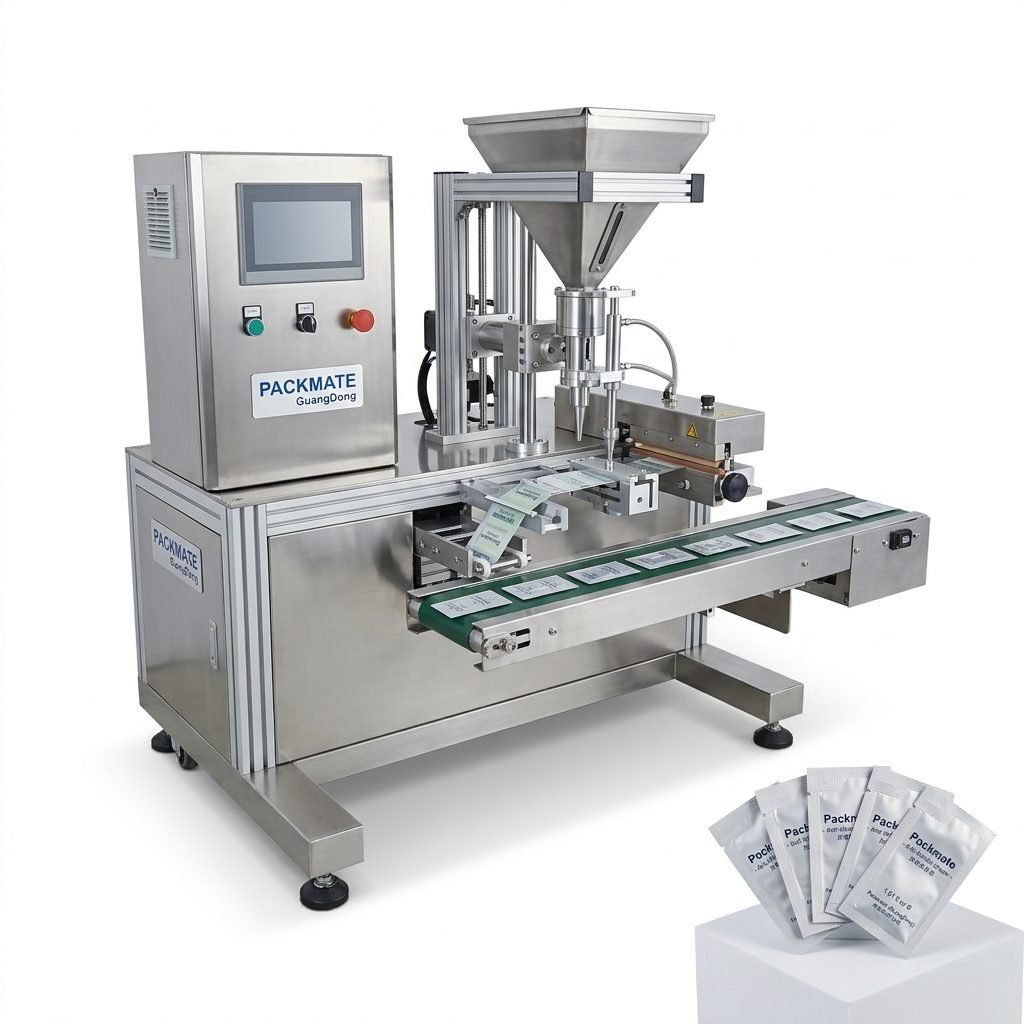
Volumetric Cup Fillers: Ideal for standard-sized cups and cones, these machines use pistons or pumps to dispense a pre-set volume of ice cream. They are known for their speed and consistency, making them perfect for high-volume production of single-serve items.
Weight-Based Fillers: For premium products or bulk packaging where weight is a critical cost and quality factor, net weight fillers offer superior accuracy. They fill to a target weight, compensating for product density variations, which is essential for products like gourmet ice cream or large tubs.
Sealing mechanisms vary from heat sealing lidding film onto plastic cups to applying and crimping foil lids on paper containers. The choice depends on the container material and the required shelf life.
Form-Fill-Seal (FFS) Machines
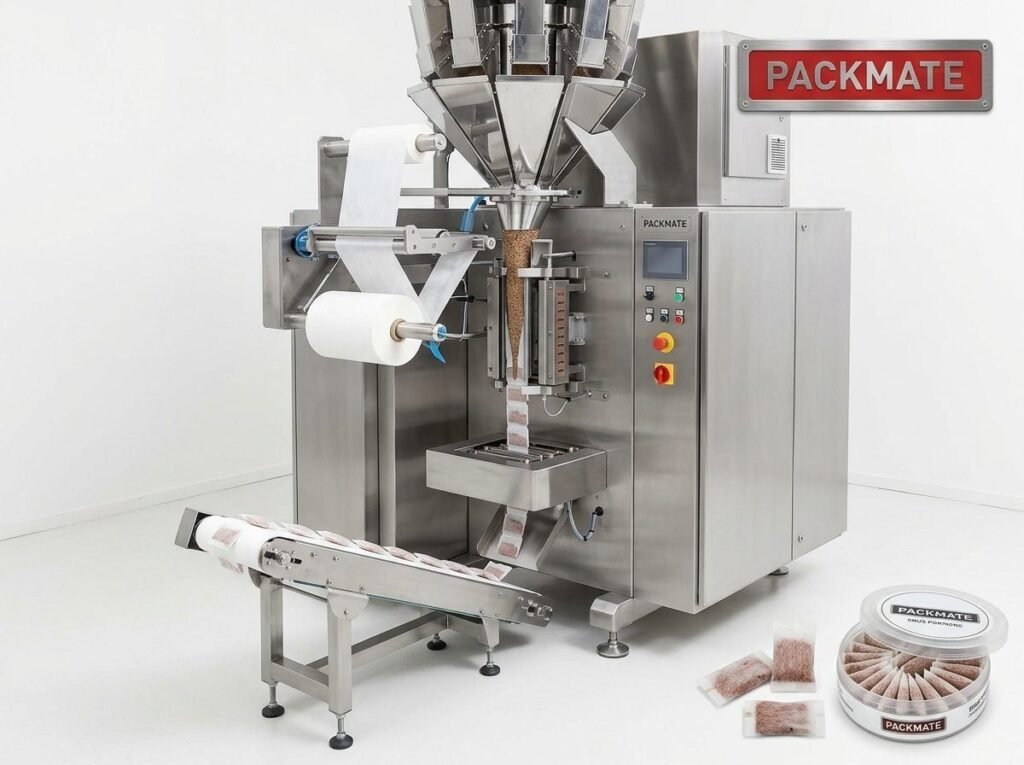
FFS technology represents a high level of automation and efficiency. These machines create the package from a roll of packaging film, form it into a pouch or tube, fill it with product, and then seal it—all in one continuous operation. For ice cream, this is commonly used for:
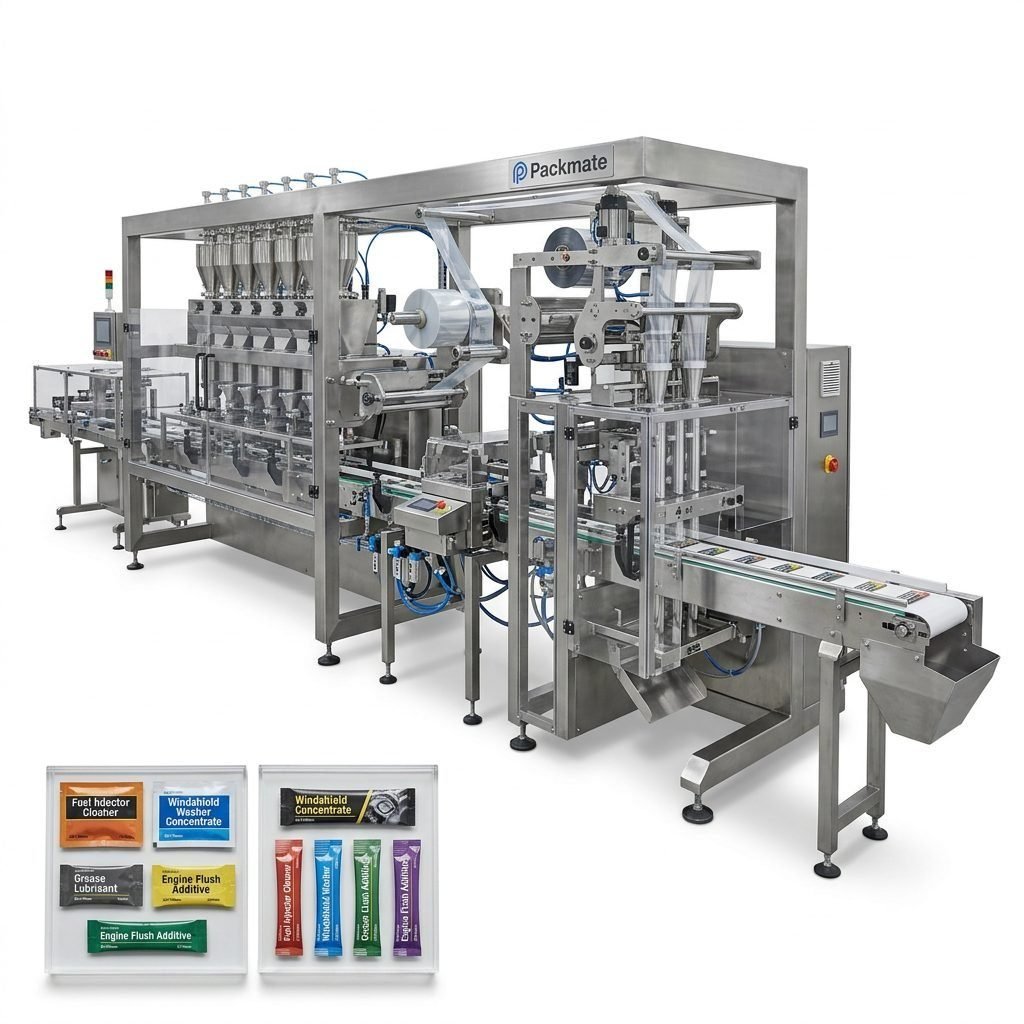
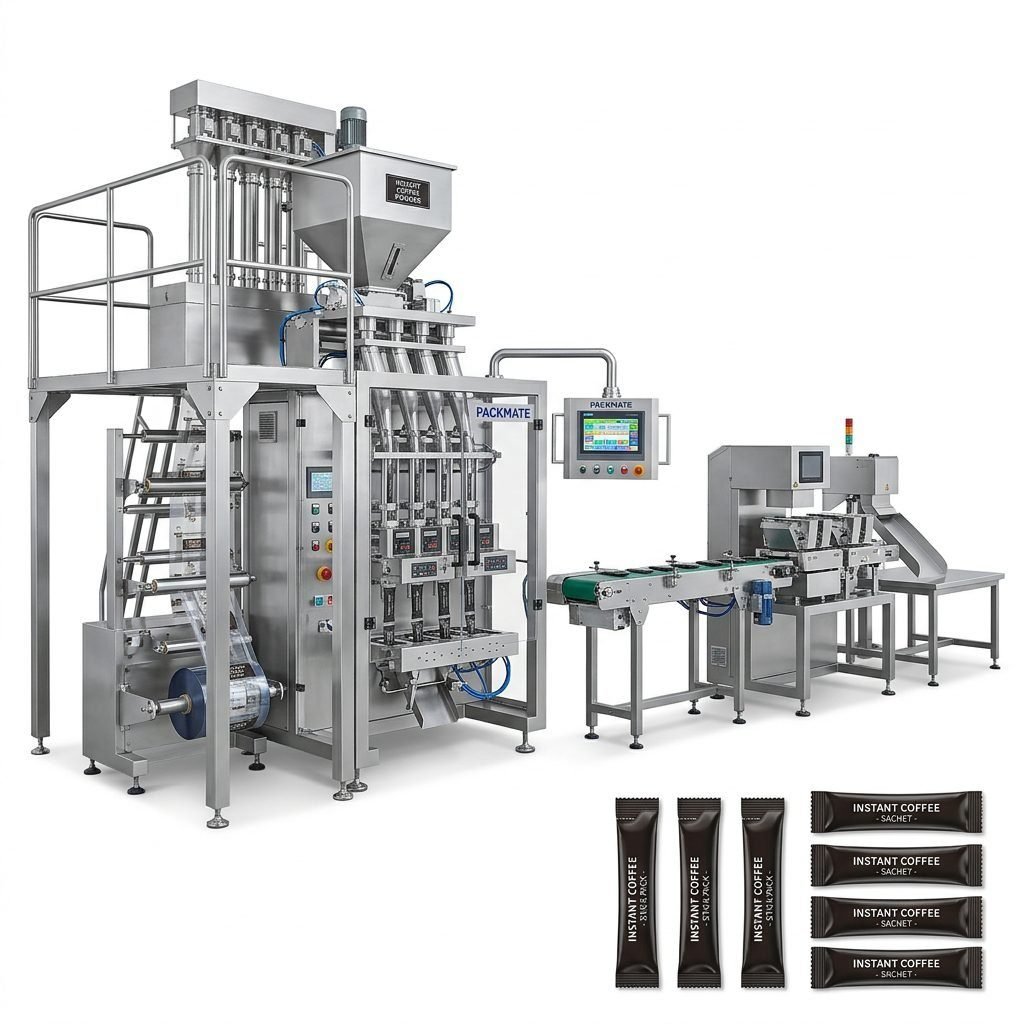
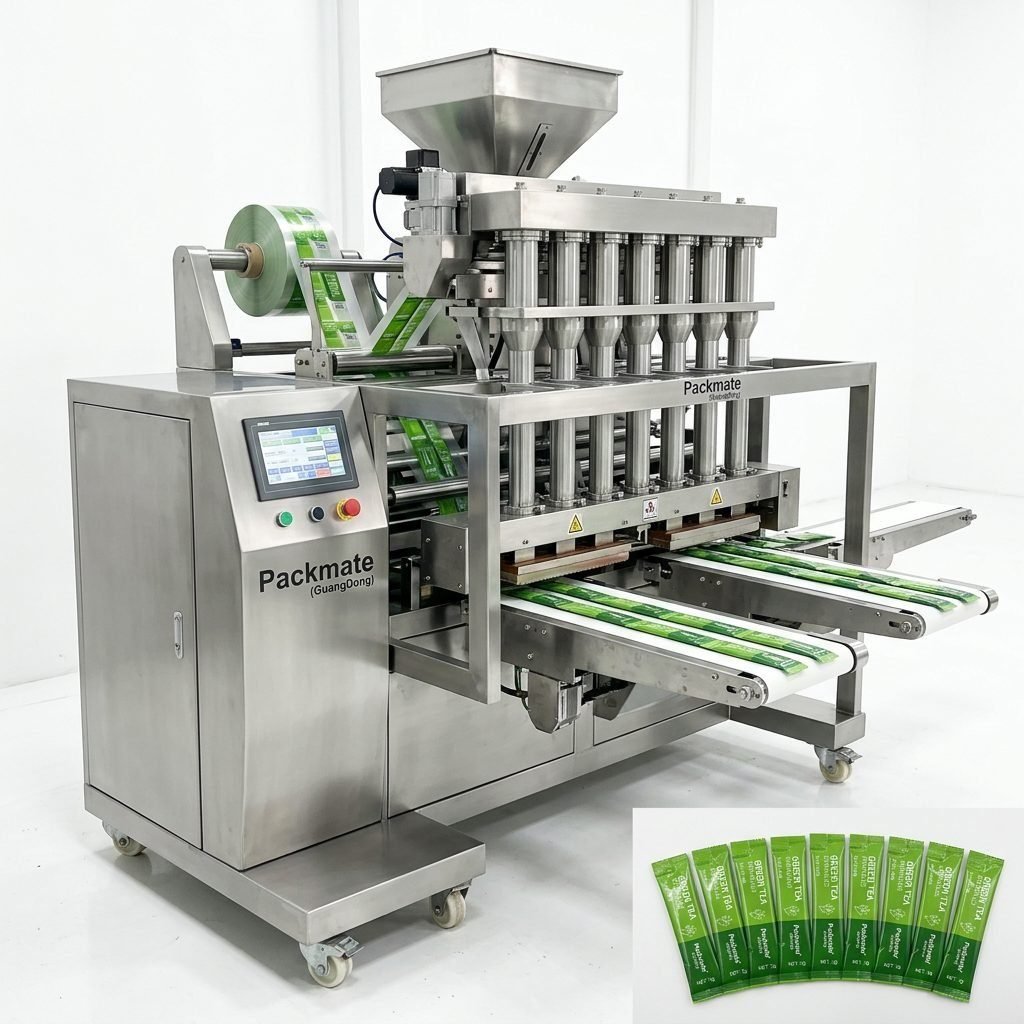
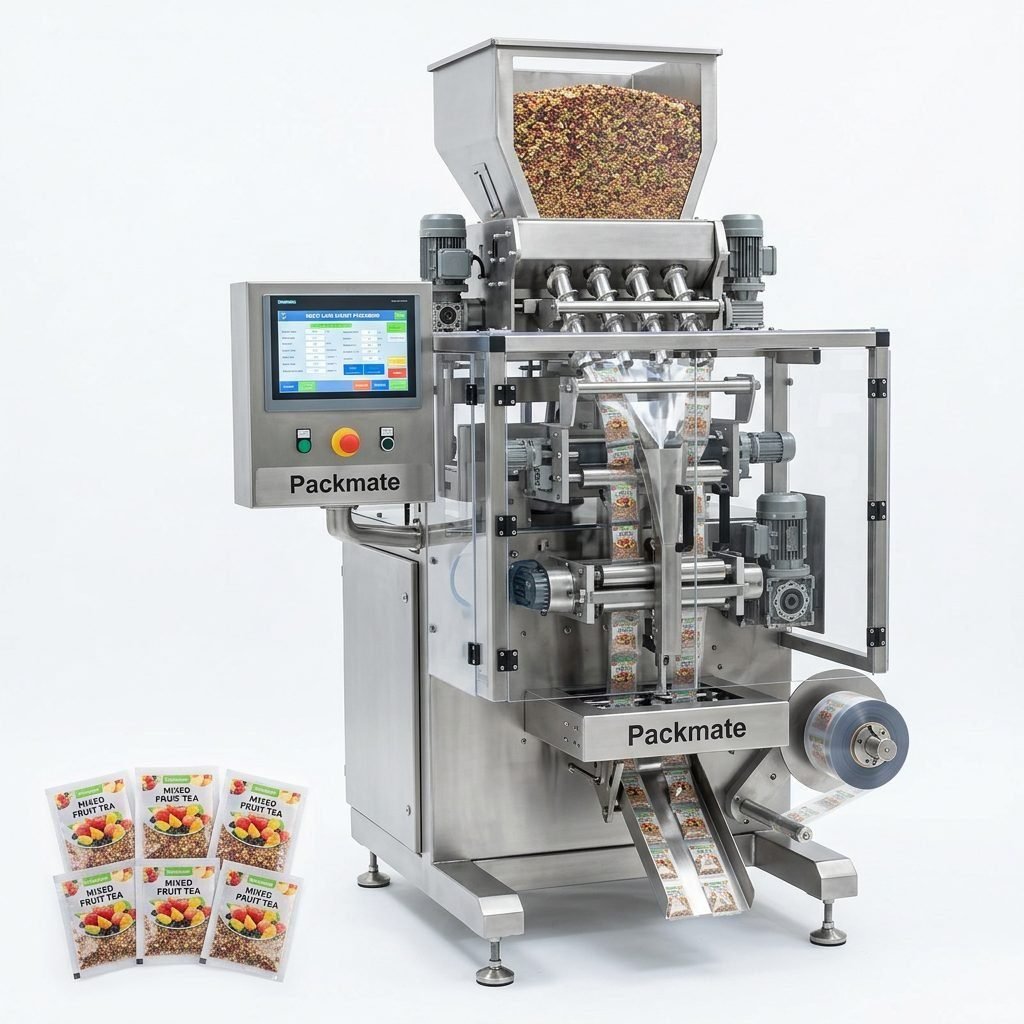
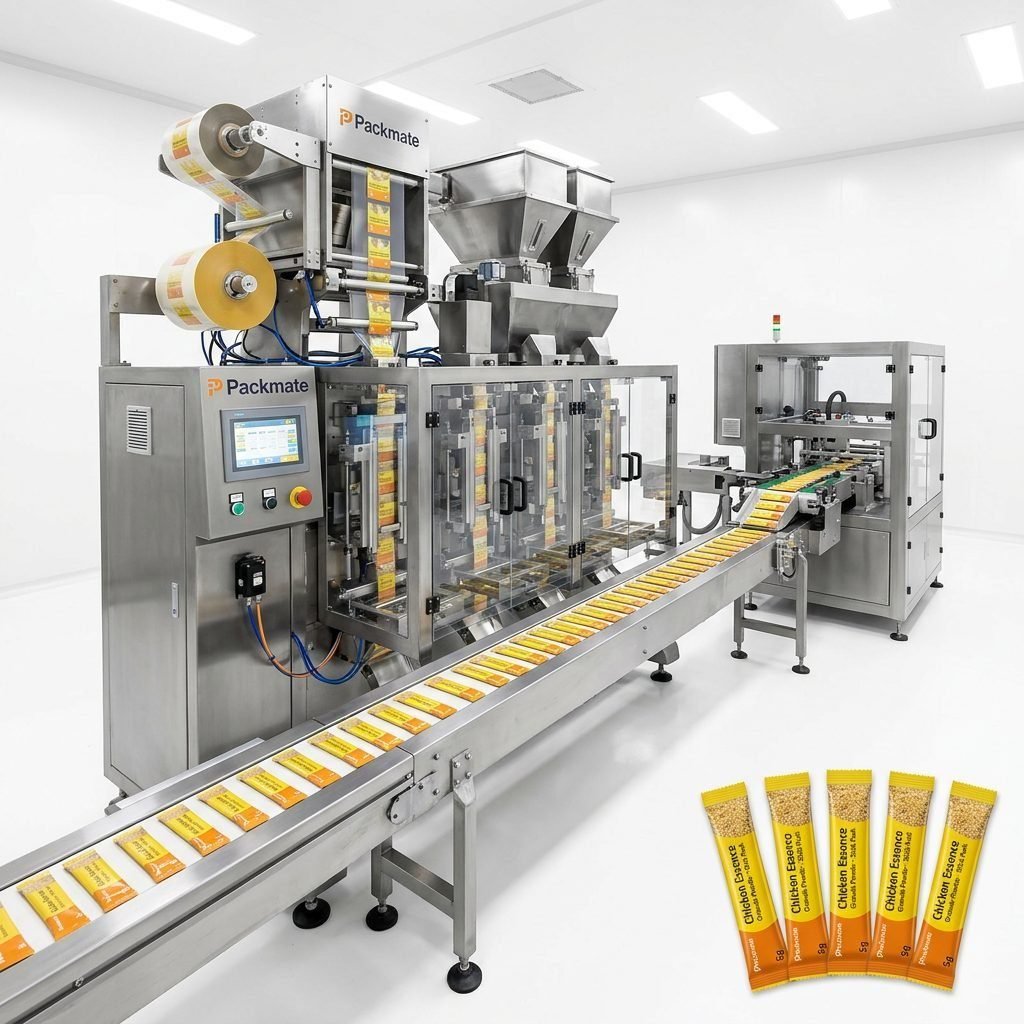
Stick Novelty Packaging: FFS machines are exceptionally efficient for producing ice cream bars, sandwiches, and other stick-based novelties. They can handle complex operations like inserting sticks, applying variegates or coatings, and wrapping in individual sleeves or flow-wrap packs. Manufacturers like Packmate Machinery offer advanced multi-lane systems that dramatically increase output for such products.
Bulk Pouches: For foodservice or industrial-sized portions, FFS machines can produce large, durable pouches filled with soft-serve mix or bulk ice cream.
Cartoning and Secondary Packaging Equipment
Once primary packaging is complete, products often need to be grouped for retail sale. This is where cartoning machines come in.
Automatic Cartoners: These machines erect cardboard cartons, load a specified number of ice cream cups or bars, and then close and seal the carton. They ensure a professional, shelf-ready presentation and protect the primary packages during transport.
Bundling and Shrink Wrapping: For multi-packs, machines can group individual items and apply a shrink film, creating a tight, secure bundle that is easy for consumers to carry.
Key Considerations for Choosing Your Solution
Selecting machinery goes beyond just the type. Several critical factors must align with your business goals.
Production Speed and Capacity
Your required output (e.g., units per minute or hour) dictates the machine’s scale and automation level. A small artisanal producer may prioritize flexibility, while a large-scale manufacturer needs high-speed, multi-lane systems to meet demand. It’s crucial to plan for both current needs and future growth.
Product Versatility and Changeover
If you produce a wide range of products (different cup sizes, stick novelties, tubs), you need machinery that allows for quick and easy changeovers. Look for machines with tool-less adjustments and programmable recipes to minimize downtime between production runs.
Hygiene and Sanitation Design
Ice cream is a sensitive dairy product. Machinery must be designed for easy and thorough cleaning (CIP – Clean-in-Place where possible). Surfaces should be stainless steel, with minimal crevices where bacteria can harbor. This is non-negotiable for food safety compliance.
Companies with deep industry expertise, such as Packmate (GuangDong) Co., Ltd., build this principle into their equipment from the ground up, ensuring machines meet stringent global hygiene standards.
Integration and Automation Level
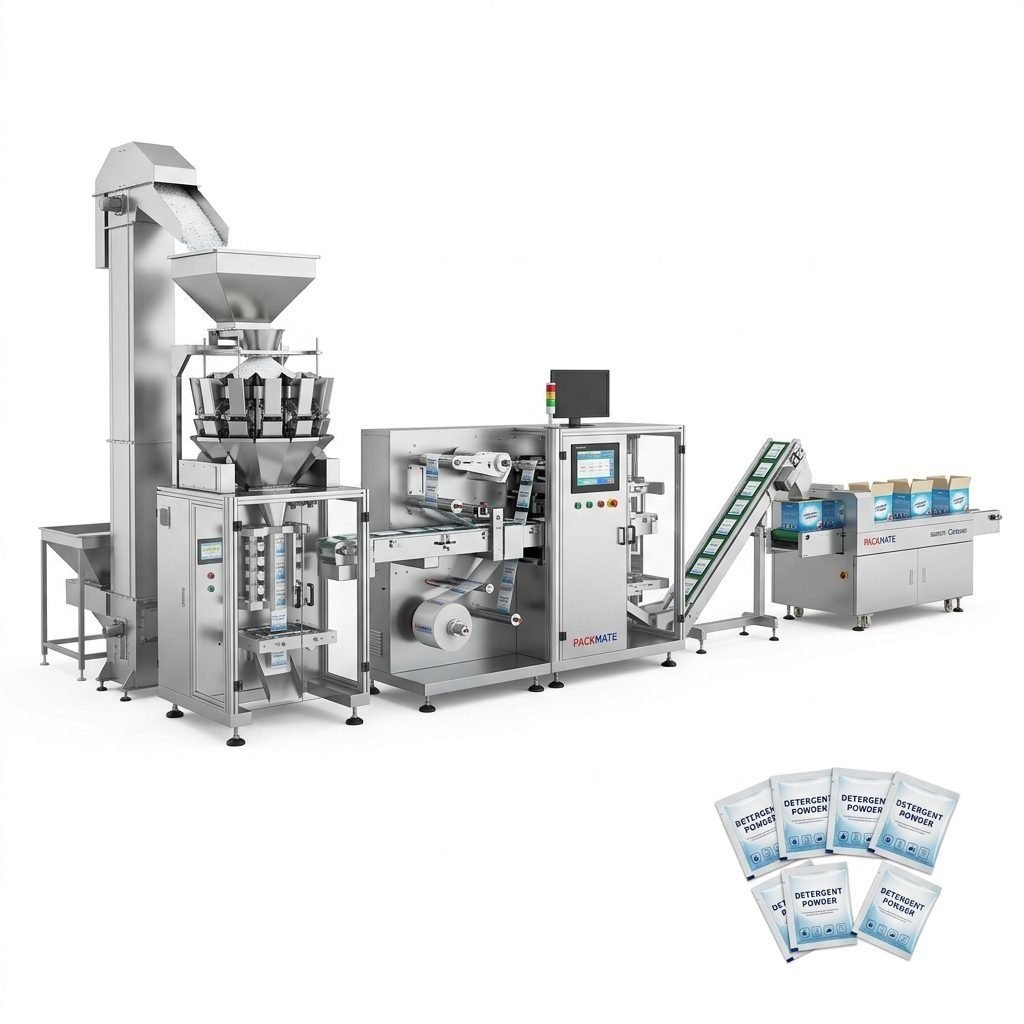
Will the machine stand alone, or does it need to integrate into a complete line? Consider upstream equipment (mixers, freezers) and downstream systems (hardening tunnels, cartoners, palletizers). A turnkey solution from a single supplier can streamline integration, reduce compatibility issues, and provide a single point of support. Exploring a supplier’s full range of filling and packaging lines can reveal optimized, pre-engineered systems.
Trends and Innovations in Ice Cream Packaging
The market is constantly evolving, driven by consumer trends and technological advancements.
Sustainability: There is growing pressure to reduce plastic use. Machinery is adapting to handle new, more sustainable materials like compostable films, paper-based laminates, and mono-material plastics that are easier to recycle. Machines need precise temperature and sealing controls to work effectively with these often more delicate materials.
Smart Packaging and Industry 4.0: Modern machinery is increasingly connected. IoT sensors can monitor performance, predict maintenance needs, and track production data in real-time. This connectivity enables predictive maintenance, reducing unplanned downtime and optimizing overall equipment effectiveness (OEE).
Flexibility for Novel Formats: As brands compete on shelf appeal, unique package shapes and sizes are emerging. Machinery must be adaptable to handle mini-tubs, unusual bar shapes, and hybrid products (e.g., ice cream with baked inclusions).
Implementing Your Packaging Line
Successful implementation is a phased process. It begins with a clear definition of requirements and involves close collaboration with your machinery supplier. Factory acceptance tests (FAT) allow you to see the machine run with your product before installation. Proper training for your operators and maintenance staff is essential for long-term success and maximizing the return on your investment. A reliable partner will offer comprehensive after-sales service and support.
Investing in the right ice cream packaging machinery is an investment in your brand’s future. By carefully evaluating the types of machines, aligning them with your operational needs, and partnering with an experienced manufacturer, you can build a packaging line that ensures product integrity, delights consumers, and drives your business forward in a competitive marketplace.
Frequently Asked Questions (FAQs)
What is the most important factor when choosing ice cream packaging machinery?
The most critical factor is aligning the machine’s capabilities with your specific product requirements and production volume. A machine perfect for high-speed cup filling may be unsuitable for complex stick novelties. Clearly define your product format, output goals, and flexibility needs first.
How do I ensure the machinery meets food safety standards?
Choose equipment constructed with food-grade stainless steel and designed for easy cleaning and sanitation. Reputable manufacturers design machines to comply with international standards like ISO, CE, or 3-A. Always request documentation and certifications from the supplier.
Can one machine handle multiple ice cream product types?
Yes, many machines are designed for versatility and quick changeover. For example, some filling machines can be adjusted for different cup sizes, and certain Form-Fill-Seal lines can be configured for various stick product formats. However, significant format changes may require different tooling or modules.
What is the typical lead time for a new packaging machine?
Lead times vary widely based on complexity, customization, and manufacturer capacity. For standard models, it could be 3-6 months. For highly customized or complete turnkey lines, it can extend to 9 months or more. Planning ahead and engaging with suppliers early is crucial.
What kind of maintenance do these machines require?
Maintenance includes daily cleaning and sanitation, regular lubrication of moving parts, inspection and replacement of wear items (like seals and cutting blades), and periodic calibration of scales and sensors. A proactive, scheduled maintenance plan based on the manufacturer’s recommendations is key to preventing breakdowns.