In the competitive landscape of food production, efficiency and preservation are paramount. Dehydrated foods offer a fantastic solution for extending shelf life and reducing waste, but their quality hinges on one critical factor: packaging. The right packaging machine doesn’t just seal a product; it protects its flavor, nutrients, and integrity from the factory to the consumer’s pantry. This guide delves into the world of the best dehydrated food packaging machines, designed to streamline your processing line and ensure your products stand out for all the right reasons.
Why Specialized Packaging is Non-Negotiable for Dehydrated Foods
Dehydrated foods, from fruits and vegetables to meats and full meals, are highly sensitive to their environment. Their primary enemies are moisture, oxygen, light, and physical damage. A standard bag won’t suffice. Superior packaging machines create a robust barrier, often integrating features like nitrogen flushing to displace oxygen or using multi-layered, high-barrier films. This specialized process is what prevents spoilage, maintains crispness in snacks, and locks in the vital nutrients and flavors that consumers demand. Investing in equipment tailored for this purpose is an investment in product quality and brand reputation.
Key Features of Top-Tier Dehydrated Food Packaging Machines
When evaluating machines, look for these essential characteristics that define efficiency and reliability in processing:
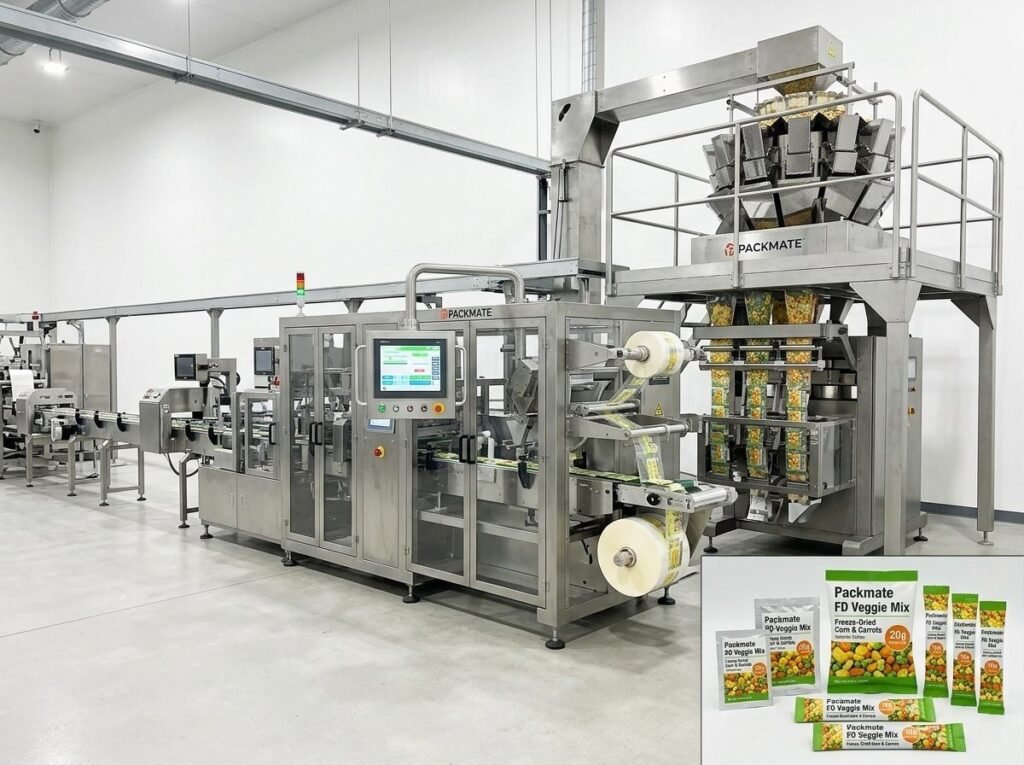
Precision Weighing & Filling: Consistency is key. Machines with integrated multi-head weighers or auger fillers ensure every package contains the exact weight of product, minimizing giveaway and ensuring compliance.
Advanced Sealing Technology: A hermetic seal is the product’s first line of defense. Look for machines with precise temperature control and consistent pressure to create strong, airtight seals on various film types.
Gas Flushing Capability: For optimal shelf life, the ability to flush packages with nitrogen or other inert gases is a game-changer. This significantly reduces oxidative degradation.
High-Speed Operation: To meet production demands, modern machines offer impressive speeds, often handling dozens to hundreds of packages per minute without sacrificing accuracy.
User-Friendly PLC Controls: Intuitive touchscreen interfaces allow for quick changeovers between different product types and package sizes, maximizing uptime and flexibility.
Exploring Machine Types: From Stick Packs to Bulk Bags
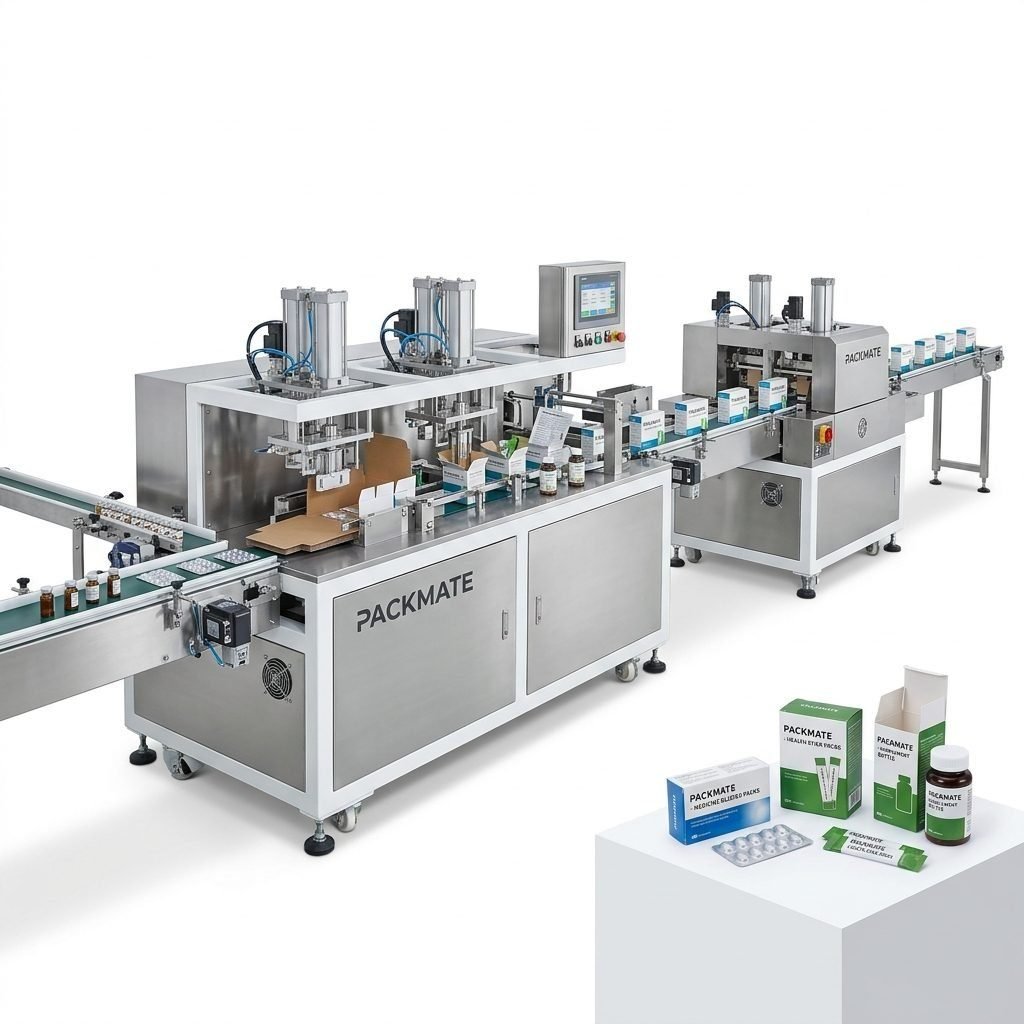
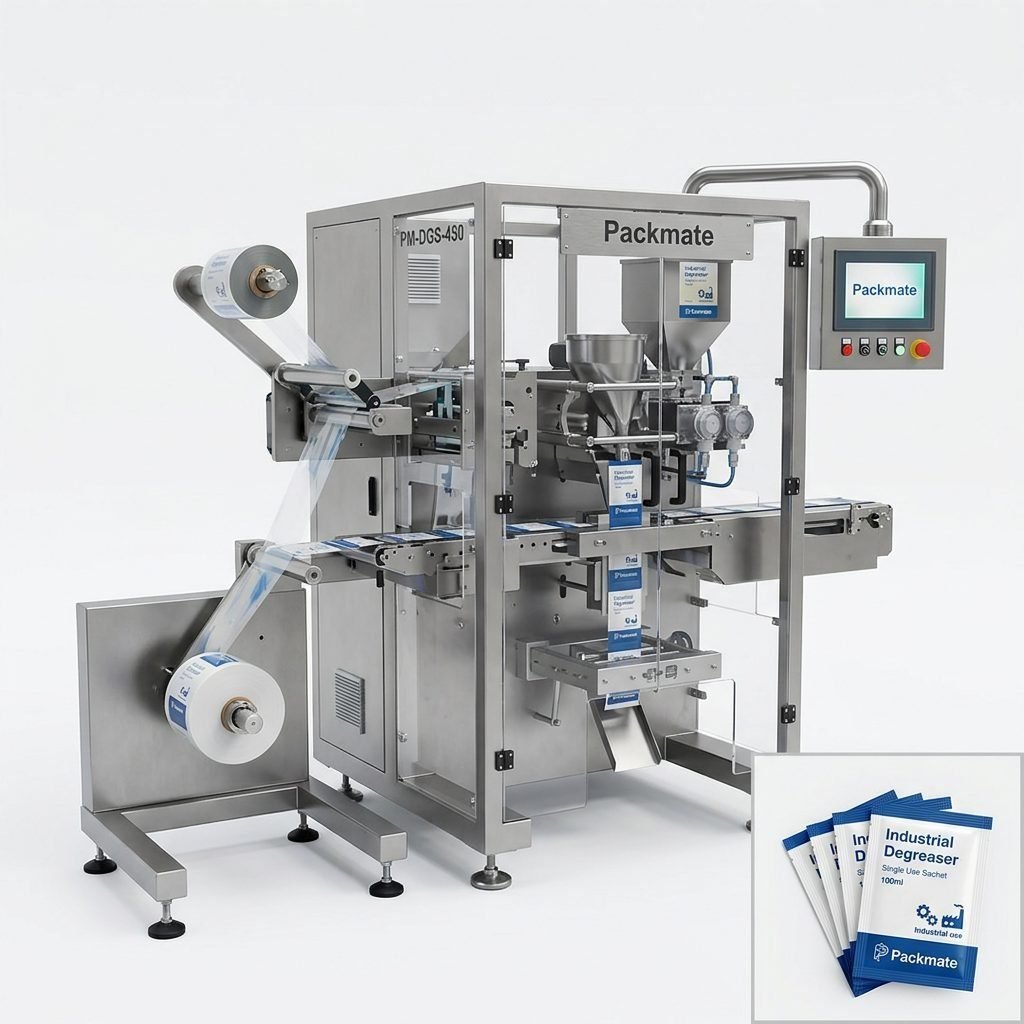
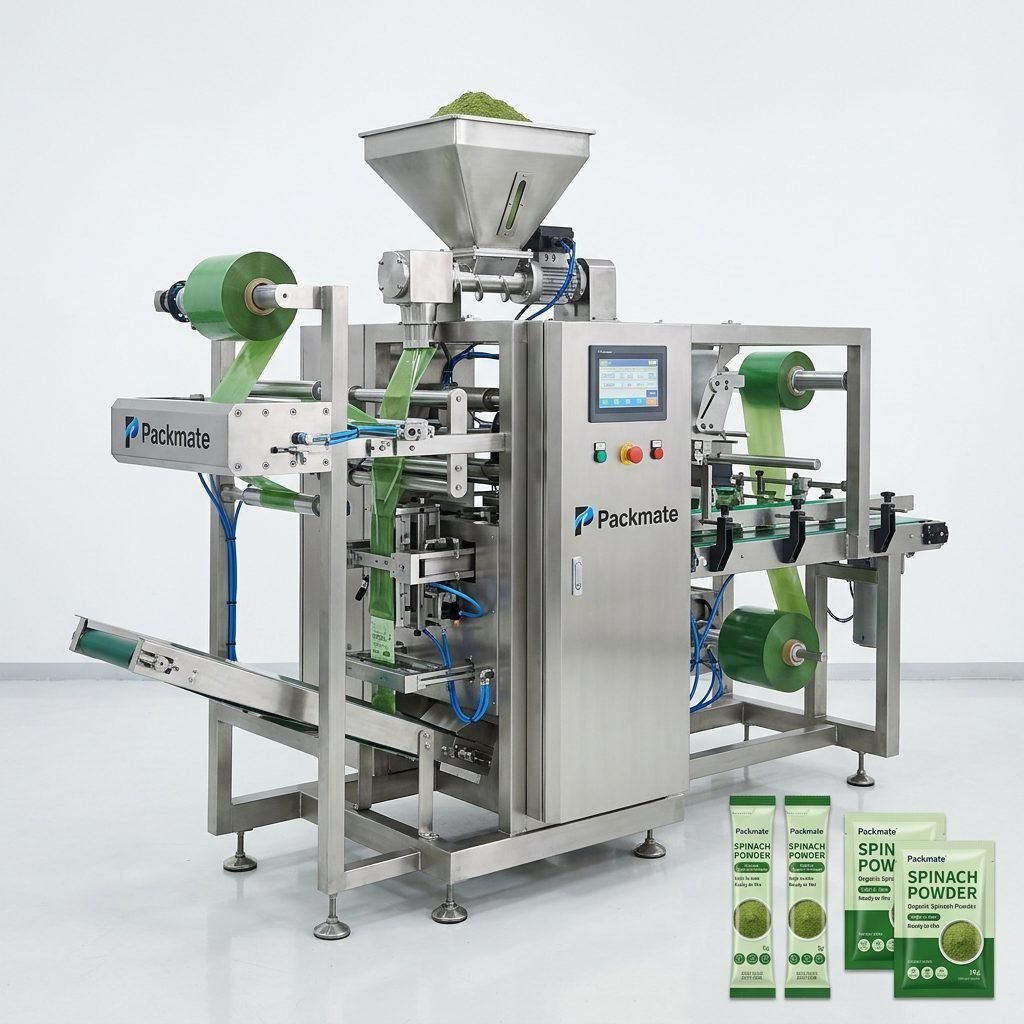
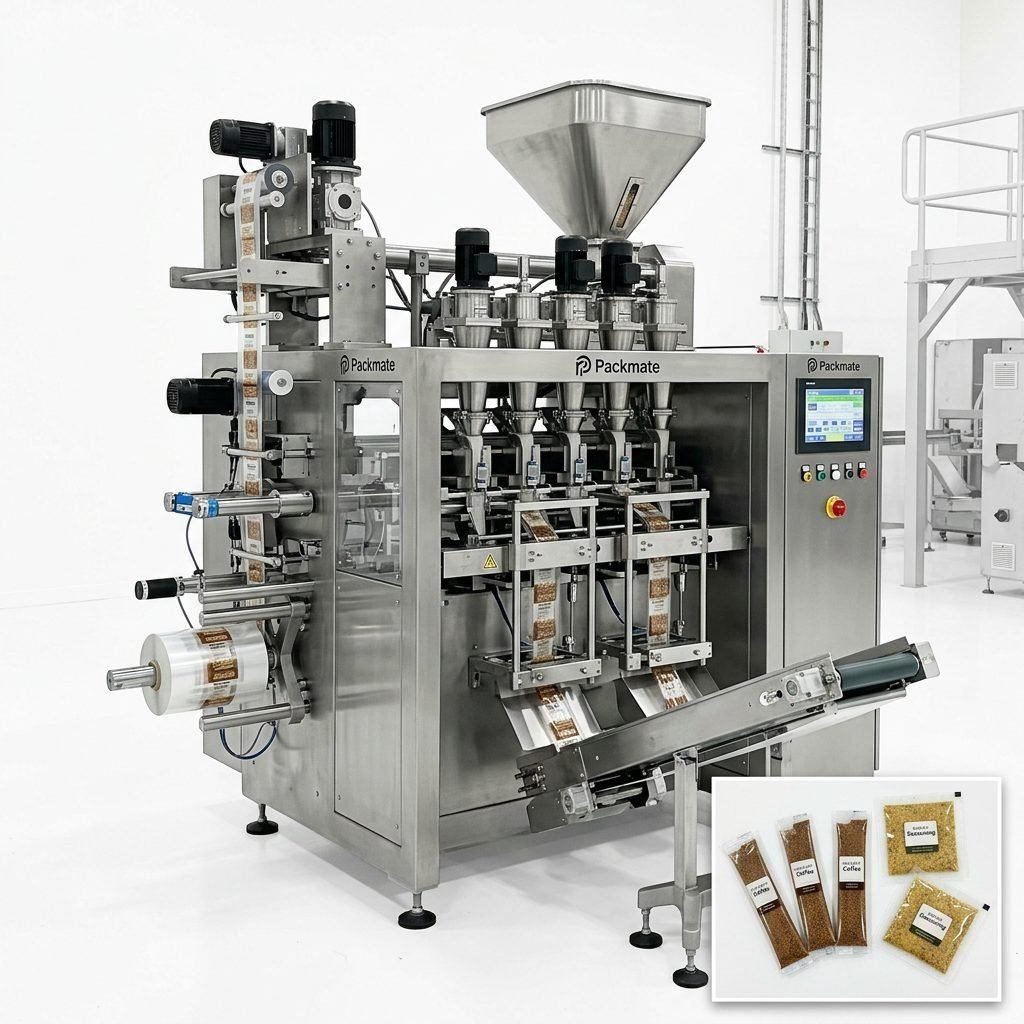
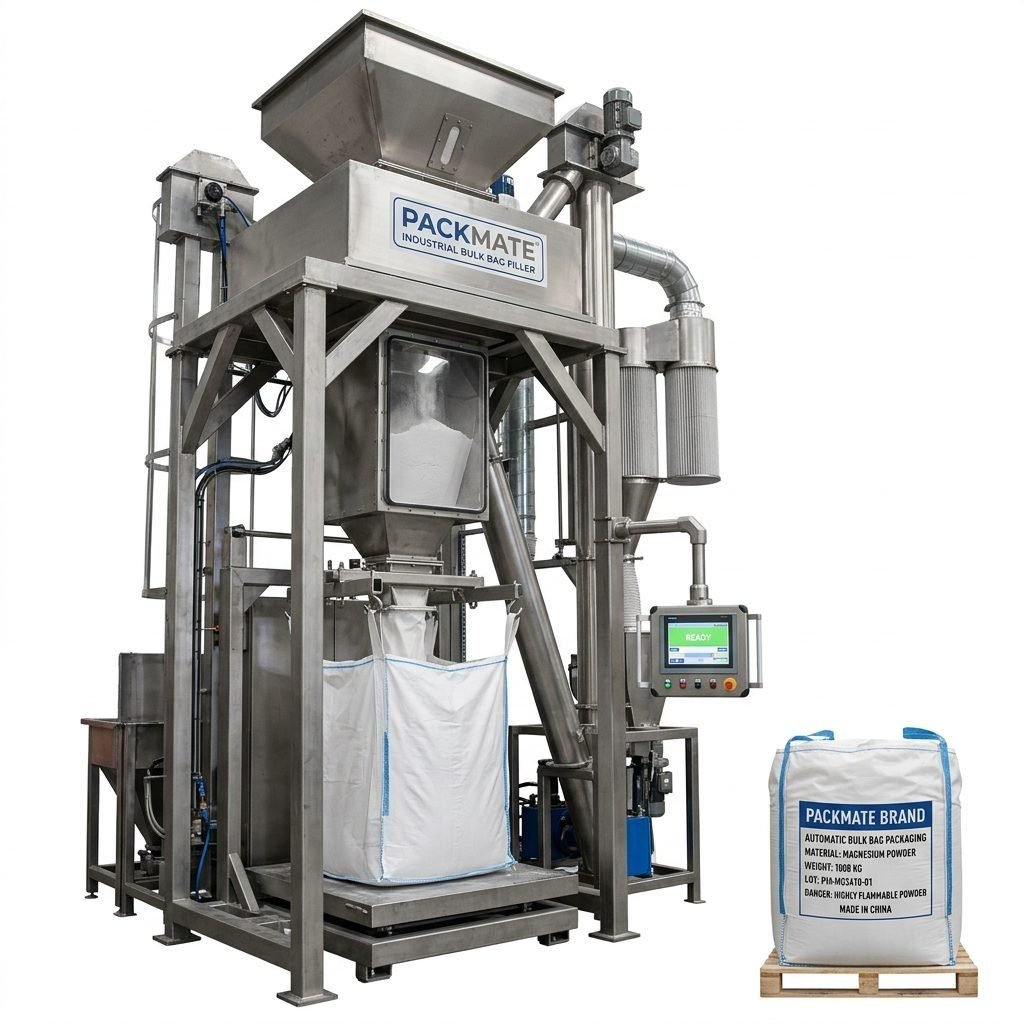
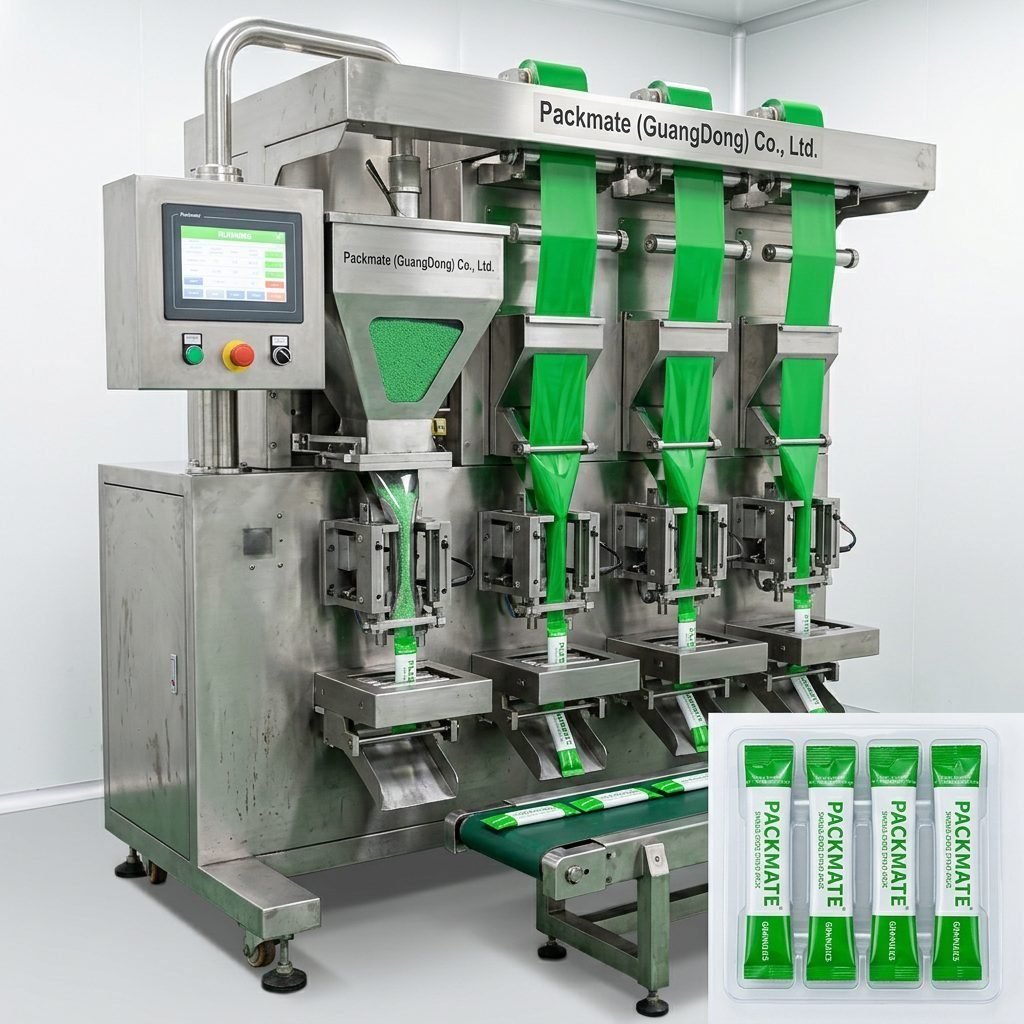
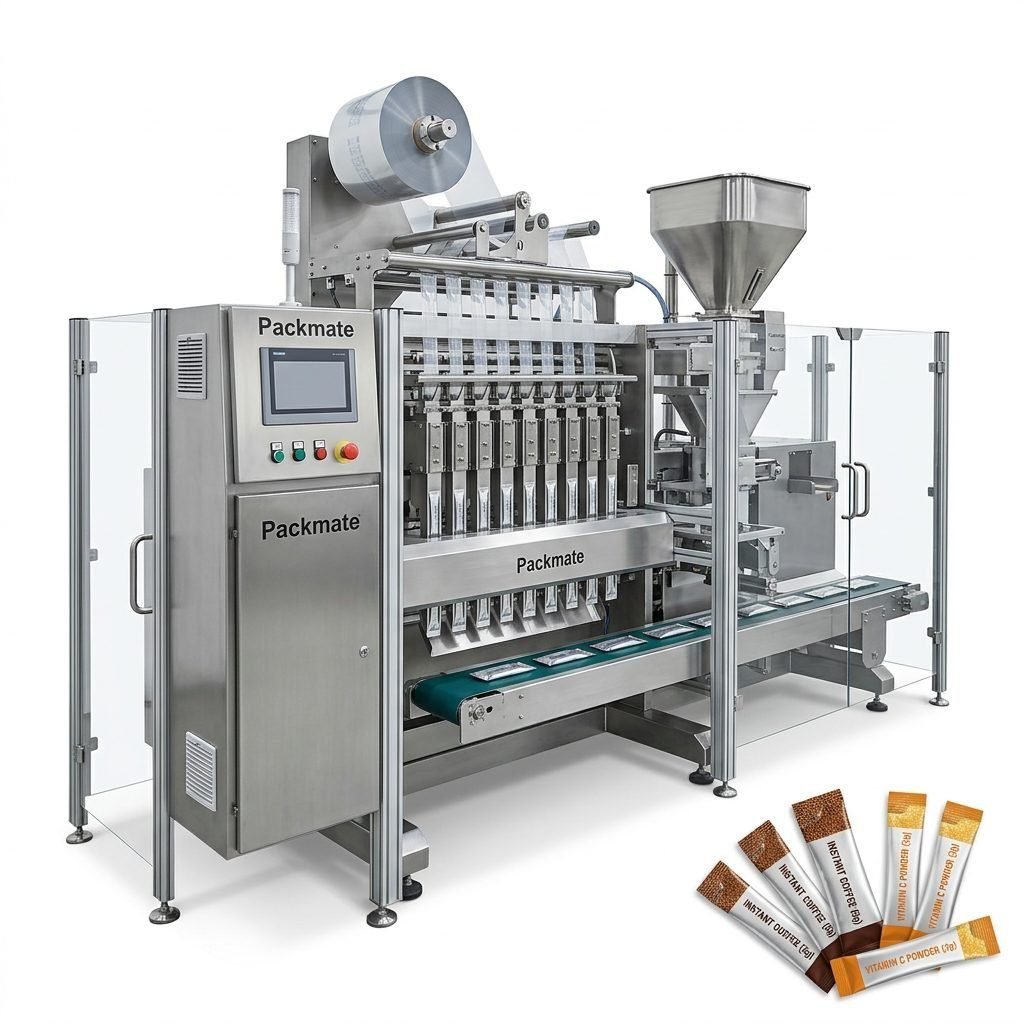
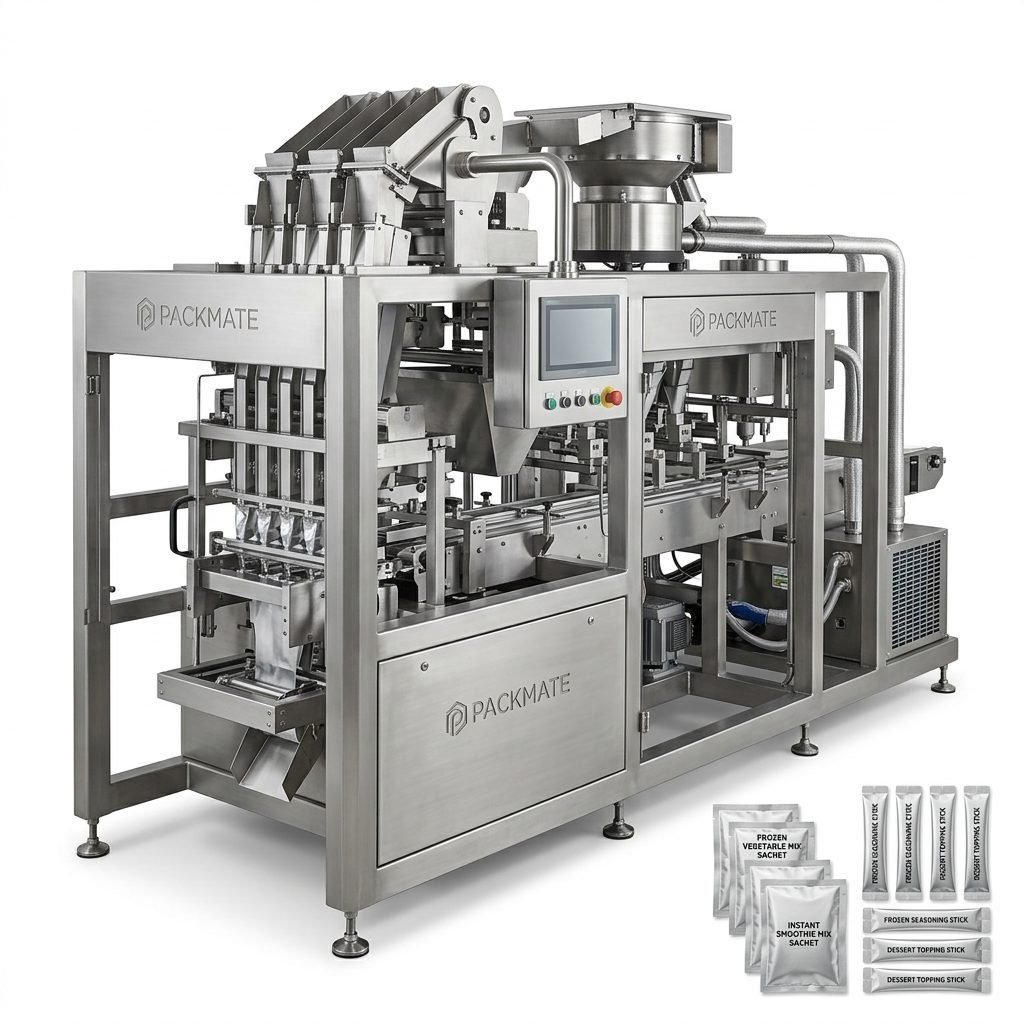
The “best” machine depends entirely on your product format and market. For single-serve portions like powdered soups, drink mixes, or spices, sachet and stick pack machines are ideal. They are compact, efficient, and perfect for on-the-go consumption. For larger quantities, such as family-sized dried fruits or vegetables, vertical form-fill-seal (VFFS) machines create pillow bags or stand-up pouches from a roll of film, offering excellent versatility and barrier properties. For industrial-scale operations supplying commercial kitchens, robust weighing and packaging systems that handle large bag formats are essential.
The Hallmarks of a Reliable Machinery Partner
Choosing a machine is also about choosing a manufacturer. A partner with a proven track record brings invaluable peace of mind. For instance, a company like Packmate Machinery exemplifies the stability and expertise needed in this field. With over 22 years of development and a modern 20,000㎡ facility, they represent the kind of manufacturer that evolves with market needs—from pioneering small sachet machines to developing complex multi-lane systems. This history of innovation, backed by a professional team and advanced production equipment, translates directly into the reliability and performance of the machines they produce.
Maximizing Your ROI: Efficiency Beyond the Machine
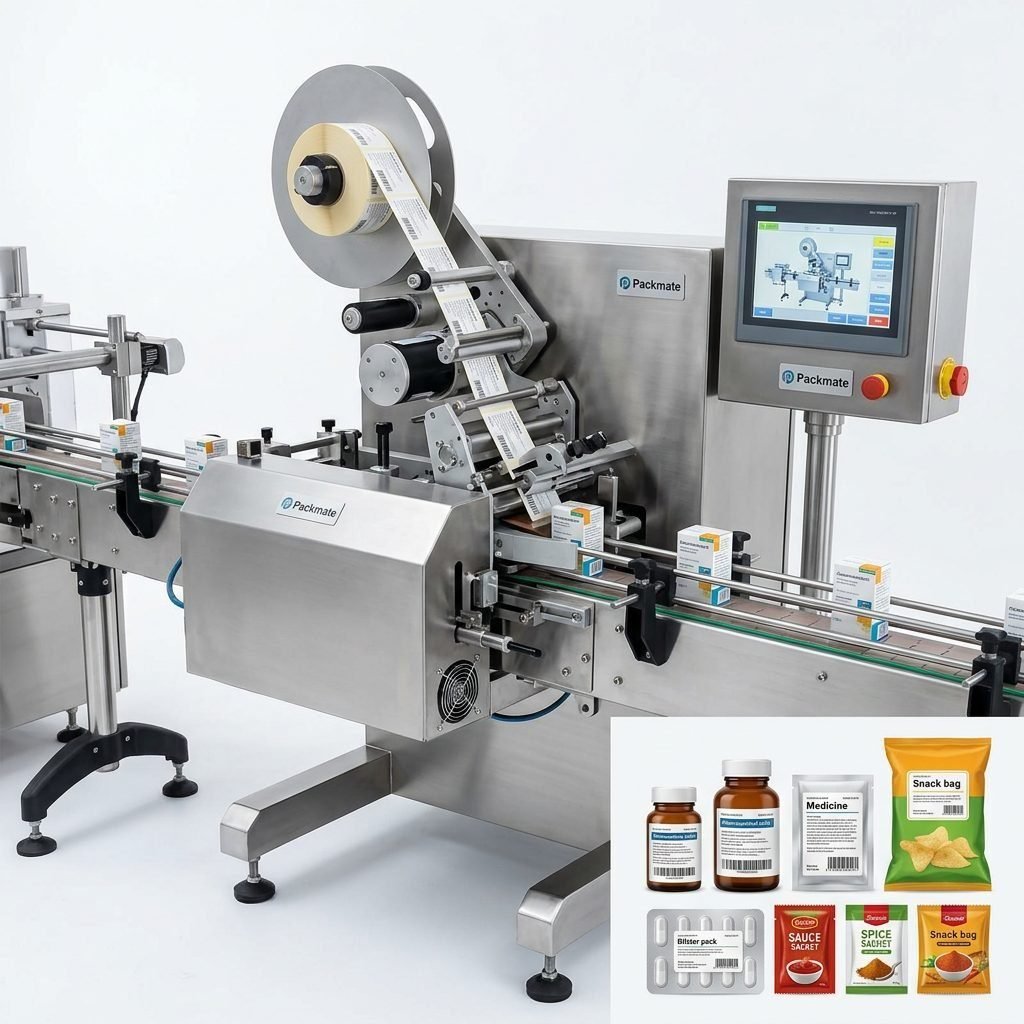
Efficient processing isn’t just about raw speed. It’s about a seamless, integrated line. The best outcomes come from viewing packaging as part of a complete turnkey solution. This includes compatible auxiliary equipment like conveyors, checkweighers, and cartoners. Furthermore, a manufacturer that provides comprehensive after-sales service, training, and readily available spare parts ensures your machine continues to operate at peak efficiency for years, protecting your investment and minimizing costly downtime.
Final Thought: Selecting the best dehydrated food packaging machine is a strategic decision that impacts your product quality, operational costs, and scalability. By prioritizing features like gas flushing, precision, and speed, and partnering with an experienced and reliable manufacturer, you equip your business not just with a machine, but with a cornerstone for sustainable growth and market leadership.
Frequently Asked Questions (FAQ)
What is the most important feature in a packaging machine for dehydrated fruits?
For dehydrated fruits, which are hygroscopic (absorb moisture), an excellent moisture barrier and reliable gas flushing capability are critical. The machine must use high-barrier film and effectively replace oxygen inside the package with nitrogen to maintain crispness and prevent spoilage.
Can one machine handle different types of dehydrated products, like powders and chunks?
Many modern machines are designed for flexibility. The key is a machine with a versatile filling system (e.g., interchangeable augers or cups) and a programmable logic controller (PLC) that allows for easy storage and recall of settings for different products, enabling quick changeovers.
How does packaging speed affect my production line’s overall efficiency?
Packaging speed must be matched with the output of your dehydration and preparation stages. A machine that is too slow creates a bottleneck, while one that is excessively fast for your needs may be an unnecessary capital expense. An integrated filling and packaging line designed for balanced throughput is ideal.
What kind of maintenance do these machines require?
Regular preventative maintenance is essential. This typically includes daily cleaning, lubrication of moving parts as specified by the manufacturer, and periodic inspection of critical components like sealing jaws, cutters, and sensors. Choosing a supplier with strong service support ensures you have access to guidance and genuine spare parts.
Are there machines suitable for small-batch or artisanal producers?
Yes, the market offers semi-automatic and smaller-scale automatic machines that are perfect for startups or businesses focusing on premium, small-batch dehydrated goods. These machines offer the core sealing and barrier functions at a lower output, allowing for quality packaging without the scale of industrial equipment.