Vacuum packaging has revolutionized how we preserve food, extend shelf life, and maintain product quality, both at home and in commercial settings. Whether you’re a home cook looking to reduce waste, a small business owner, or managing a large-scale production facility, choosing the right vacuum packaging machine is crucial. This guide explores the best options available, highlighting key features, applications, and considerations to help you make an informed decision.
Understanding Vacuum Packaging Technology
The core principle of vacuum packaging is simple yet powerful: remove air from a package before sealing it. This process significantly slows down oxidation and inhibits the growth of aerobic bacteria and fungi, which require oxygen to thrive. For home users, this means fresh herbs, bulk meat purchases, and seasonal produce can be preserved for months. In commercial environments, such as food processing or pharmaceutical packaging, it ensures product integrity, safety, and compliance with stringent shelf-life requirements.
Key Benefits Across Different Uses
The advantages of vacuum sealing are universal, though the scale of impact differs. Here’s a breakdown:
For Home Use: Primarily focused on food preservation, reducing freezer burn, marinating foods faster, and organizing pantry items. It’s a tool for economical bulk buying and minimizing household food waste.
For Commercial Use: The stakes are higher. Benefits include extended product shelf life for distribution, enhanced food safety, improved product presentation, and significant cost savings on materials and logistics. For industries beyond food, like electronics or medical supplies, it provides critical protection against moisture and corrosion.
Selecting the Best Machine for Home Use
Home vacuum sealers are typically countertop appliances. They fall into two main categories: external suction sealers and chamber vacuum sealers.
External sealers are the most common and affordable. They suck air out through a channel in the bag before heat-sealing it. They are perfect for dry and semi-moist foods like grains, nuts, and solid cuts of meat. However, they struggle with liquids or very fine powders, as these can be drawn into the machine’s mechanism.
Pro Tip for Home Buyers: Look for a machine with a “moist” or “liquid” setting if you plan to seal soups, sauces, or marinated items. This setting pauses the suction briefly to allow the seal bar to close before liquid is pulled in. Also, consider the bag roll compatibility and cutter features for convenience.
For the serious home chef or someone processing large quantities of game or garden produce, a small chamber vacuum sealer is a game-changer. It places the entire bag inside a chamber, removes the air from around the bag, and then seals it. This method is gentler, handles liquids effortlessly, and can use less expensive, non-textured bags. While a larger investment, it offers near-commercial quality results.
Navigating Commercial Vacuum Packaging Solutions
Commercial needs are diverse, ranging from a small bakery sealing pastry dough to a large meat processor packaging thousands of units per hour. The choice depends on production volume, product type (solid, liquid, powder), and packaging format.
Single-Chamber Machines (SV Series): These are the workhorses for small to medium-sized businesses. An operator loads the product into a bag, places it in the chamber, and starts the cycle. They are versatile, relatively compact, and ideal for batch processing of meats, cheeses, and prepared foods. Companies like Packmate Machinery offer robust single-chamber models known for reliability and ease of maintenance.
Double-Chamber Machines (TV Series): Designed for higher throughput, these feature two chambers. While one chamber is in the vacuum-and-seal cycle, the operator can load the other, virtually eliminating downtime. This is essential for operations where labor efficiency and output are critical.
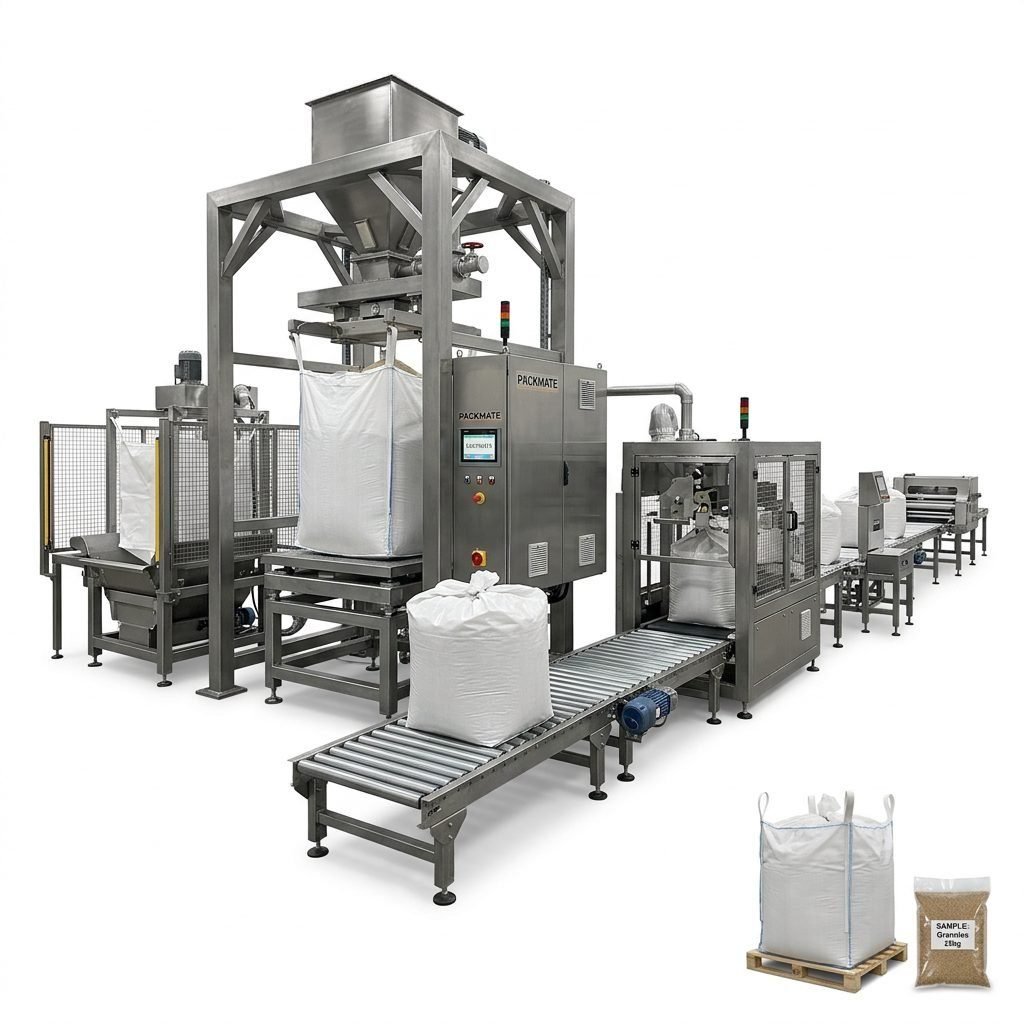
Automatic Belt-Chamber Machines: For high-volume production lines, automatic systems are indispensable. Products are automatically conveyed into a continuous vacuum chamber, sealed, and discharged. These systems integrate seamlessly with upstream filling and downstream labeling equipment, forming a complete packaging line. They are commonly used for packaging nuts, coffee, sliced meats, and frozen vegetables.
Specialized Applications: Beyond Food
Vacuum packaging’s utility extends far beyond the kitchen. In the pharmaceutical and medical industries, it is used to sterilize and preserve sensitive instruments and kits. In electronics, it protects components from moisture and electrostatic discharge during shipping and storage. For retail, vacuum-sealing garments (“space bags”) saves immense space. When selecting a commercial machine, it’s vital to partner with a manufacturer that understands these niche requirements and can provide tailored auxiliary solutions.
Critical Features to Evaluate Before Purchase
Don’t just buy based on price or brand name. Scrutinize these technical and practical aspects:
Vacuum Power & Speed: Measured in cubic feet per minute (CFM) or by ultimate vacuum level (e.g., 99.9% air removal). Higher power creates a stronger vacuum faster, which is crucial for commercial throughput.
Seal Bar Quality & Number: Look for wide, durable seal bars made from materials like anodized aluminum. Double or triple seal bars provide redundancy, ensuring package integrity even if one seal fails.
Chamber Size & Construction: For chamber machines, ensure the internal dimensions accommodate your largest anticipated bag size. The chamber should be made of thick, food-grade stainless steel for durability and hygiene.
Controls & Programmability: Modern machines offer digital controls with programmable memory for different products (e.g., “dry coffee” vs. “moist fish”). This ensures consistency and reduces operator error.
Service & Support: This is perhaps the most critical factor for commercial buyers. A machine is a long-term investment. Choose a supplier with a proven track record of technical support, readily available spare parts, and comprehensive training. A manufacturer with over 30 years of expertise, like Packmate, brings invaluable reliability to your operation.
Maximizing Your Investment: Best Practices
Owning a great machine is only half the battle. Proper use and maintenance are key.
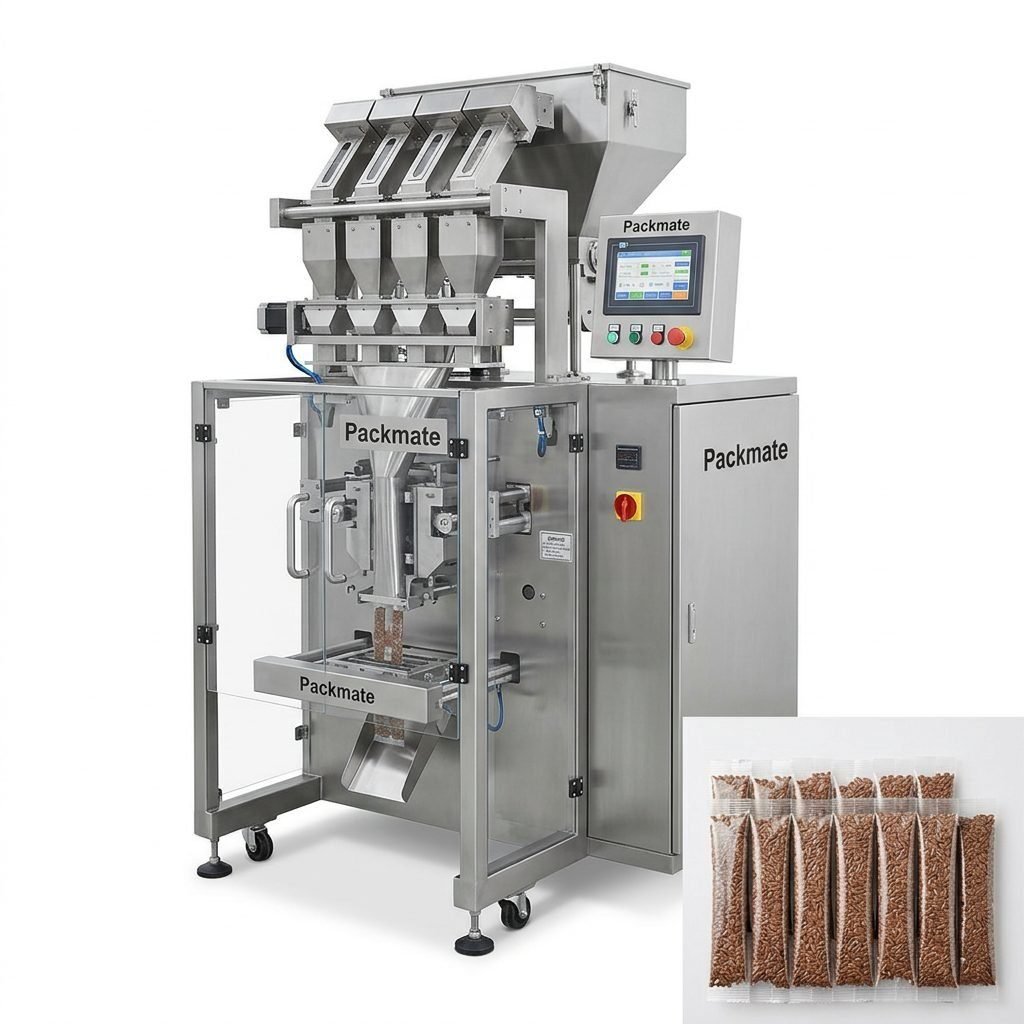
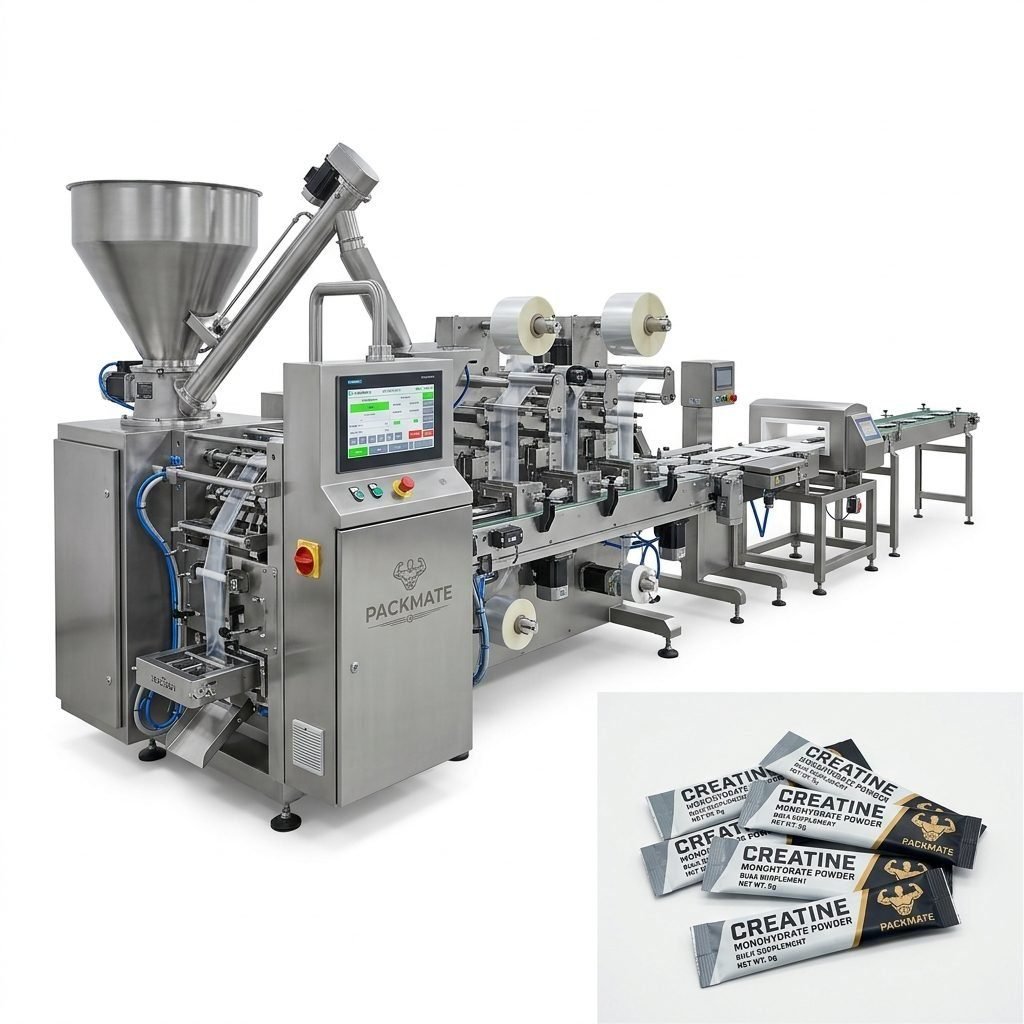
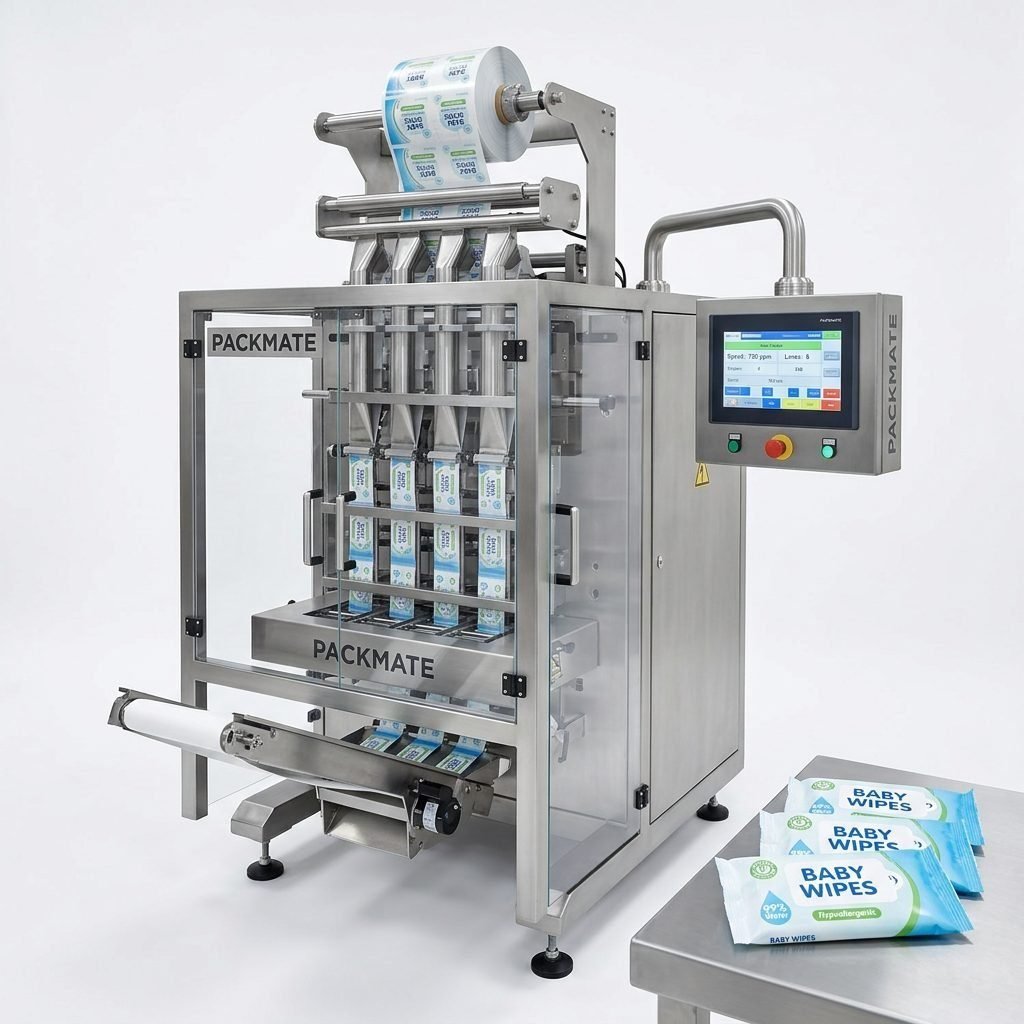
Use the Right Bags: Never compromise on bag quality. Use bags with the appropriate thickness (mil rating) and polymer composition for your product. Commercial operations often benefit from using rollstock and forming the bags on-site with integrated bag making machines for greater flexibility and cost control.
Regular Maintenance: Follow the manufacturer’s schedule for cleaning the seal bar, checking the oil level in the vacuum pump (if applicable), and inspecting gaskets and filters. A well-maintained machine lasts decades.
Operator Training: Ensure all users understand how to load products correctly (avoiding contamination of the seal area), select the right program, and perform basic troubleshooting.
Frequently Asked Questions (FAQ)
1. What is the main difference between a home-use and a commercial vacuum sealer?
The core difference lies in durability, speed, and capability. Home machines are designed for intermittent, low-volume use with pre-made bags. Commercial machines are built for continuous, high-volume operation (8+ hours/day), offer much stronger vacuum levels and faster cycle times, and can often handle a wider range of materials, including liquids and powders, without issue. They are constructed from industrial-grade components for longevity.
2. Can I use any plastic bag with my vacuum sealer?
No, you cannot. You must use bags specifically designed for vacuum sealing. They are made from multi-layered polymers that provide an effective barrier against oxygen and moisture. Using improper bags will result in poor seals, inadequate vacuum, and potential damage to your machine’s sealing mechanism.
3. How does vacuum packaging extend the shelf life of food?
It works through multiple mechanisms: Removing oxygen slows oxidation (rancidity) and starves spoilage-causing aerobic bacteria and molds. It also prevents freezer burn by eliminating air pockets where ice crystals form. For moist products, it inhibits the growth of yeasts and anaerobic bacteria that could otherwise thrive.
4. Is a chamber vacuum sealer worth the extra cost for a small business?
For many small businesses, especially those dealing with liquids, brined products, or delicate items, yes, absolutely. While the initial cost is higher, chamber sealers offer superior vacuum quality, handle liquids perfectly, use cheaper bags, and are generally more robust. The professional results and reduced packaging costs often lead to a rapid return on investment.
5. What routine maintenance does a commercial vacuum machine require?
Essential maintenance includes: Daily cleaning of the seal bar and chamber; Weekly checking of the vacuum pump oil (if oil-lubricated) and inspecting the chamber door gasket for wear; Monthly or quarterly replacing air filters and performing a more thorough inspection as per the manufacturer’s manual. Establishing a preventive maintenance log is highly recommended.