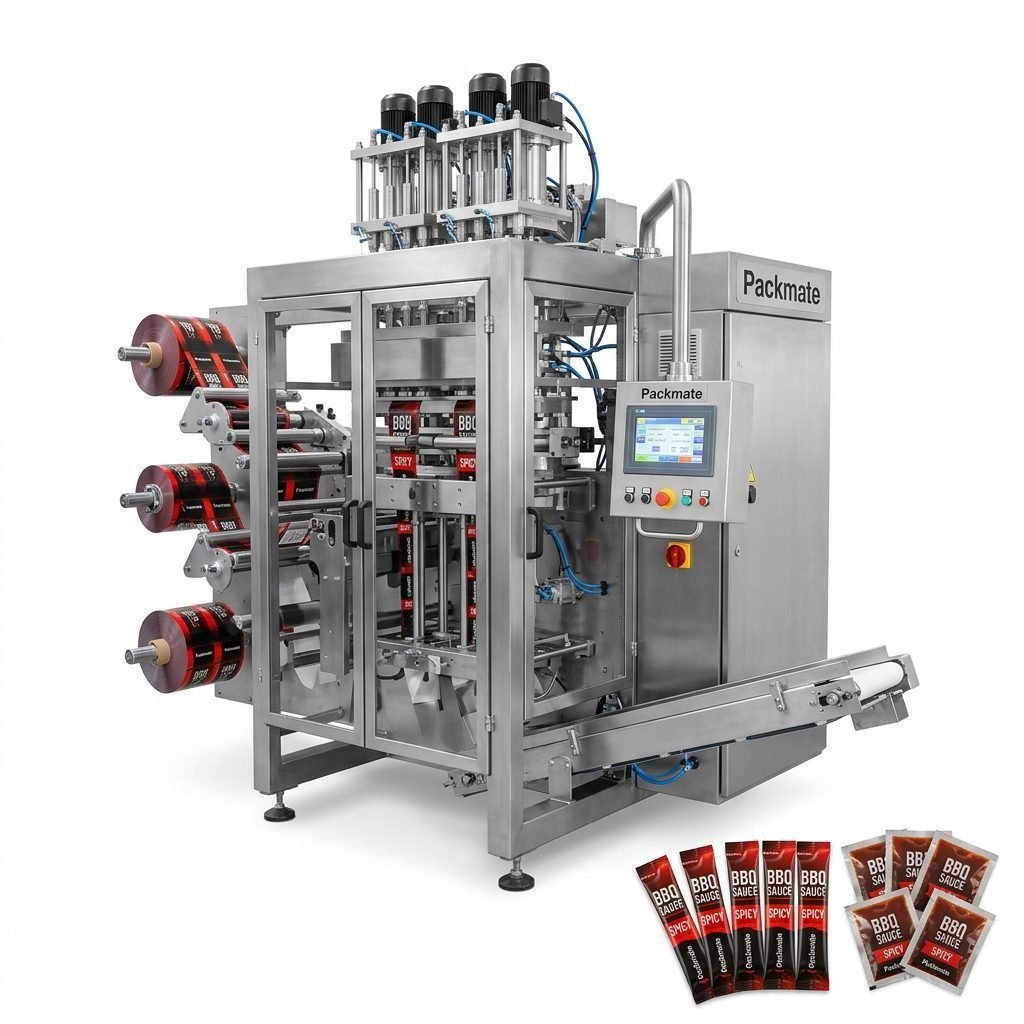
In today’s fast-paced manufacturing world, efficiency and speed are paramount. High-speed fully automatic vertical packaging machines represent a pinnacle of packaging automation, designed to meet the rigorous demands of modern production lines. These sophisticated systems handle a wide range of products—from powders and granules to liquids and solids—with remarkable precision and consistency. For businesses looking to scale operations, reduce labor costs, and enhance product presentation, investing in such advanced machinery is a strategic move. This guide delves into the core functionalities, key benefits, and critical considerations for integrating a high-speed vertical packaging system into your workflow.
Core Functionality and Operational Principles
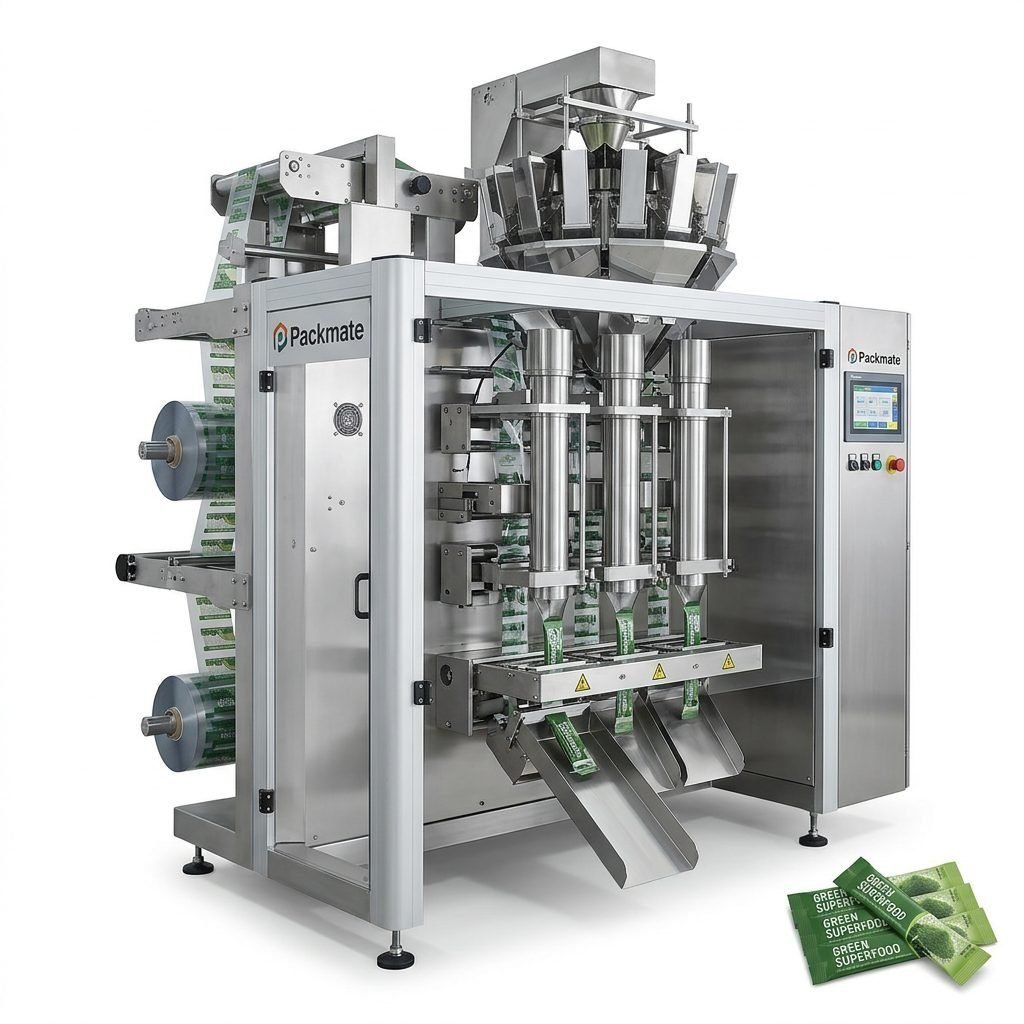
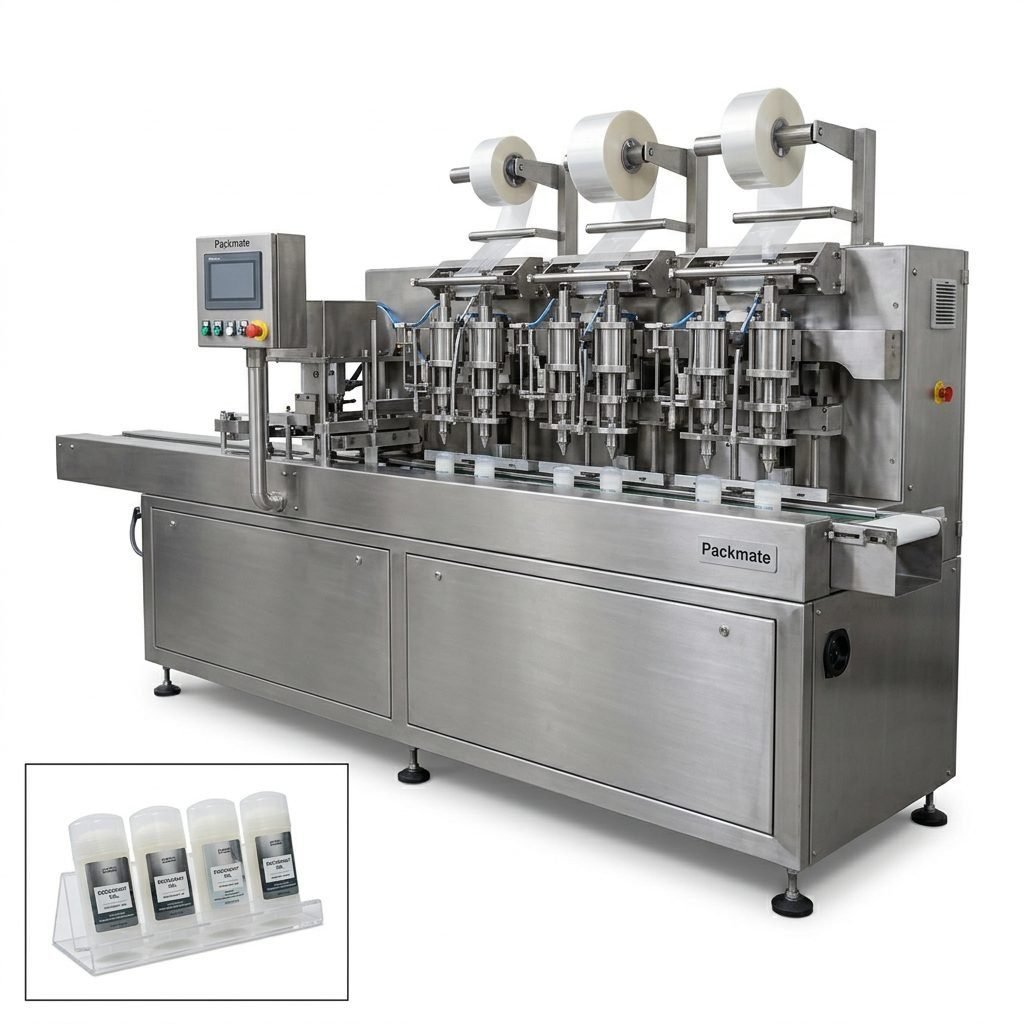
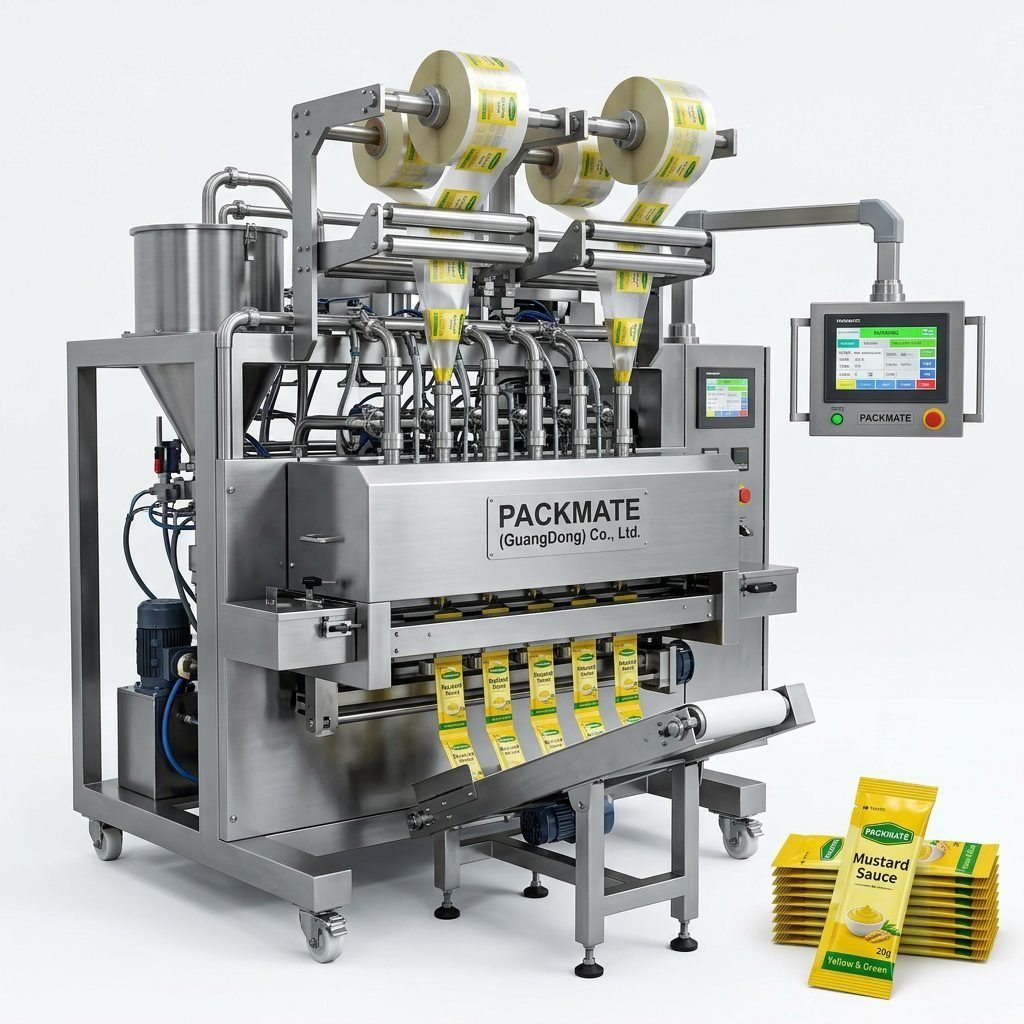
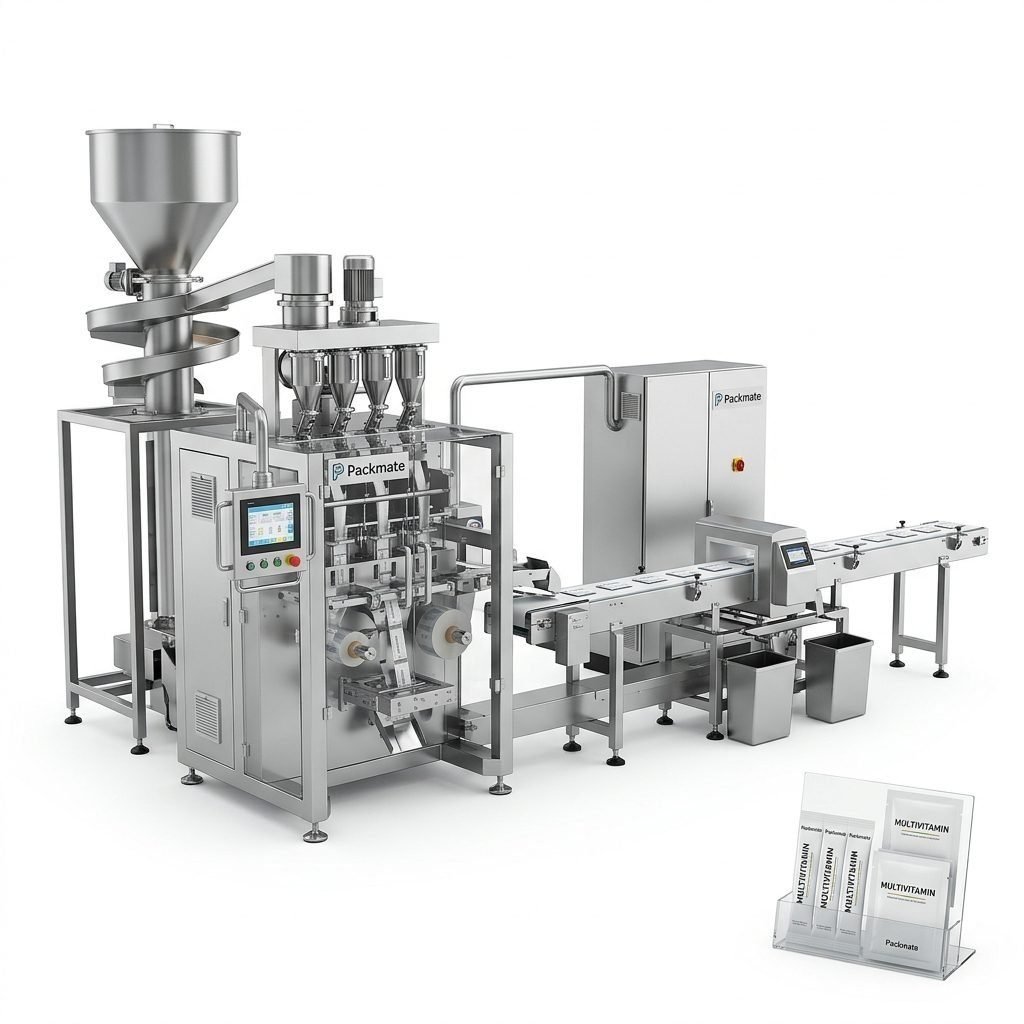
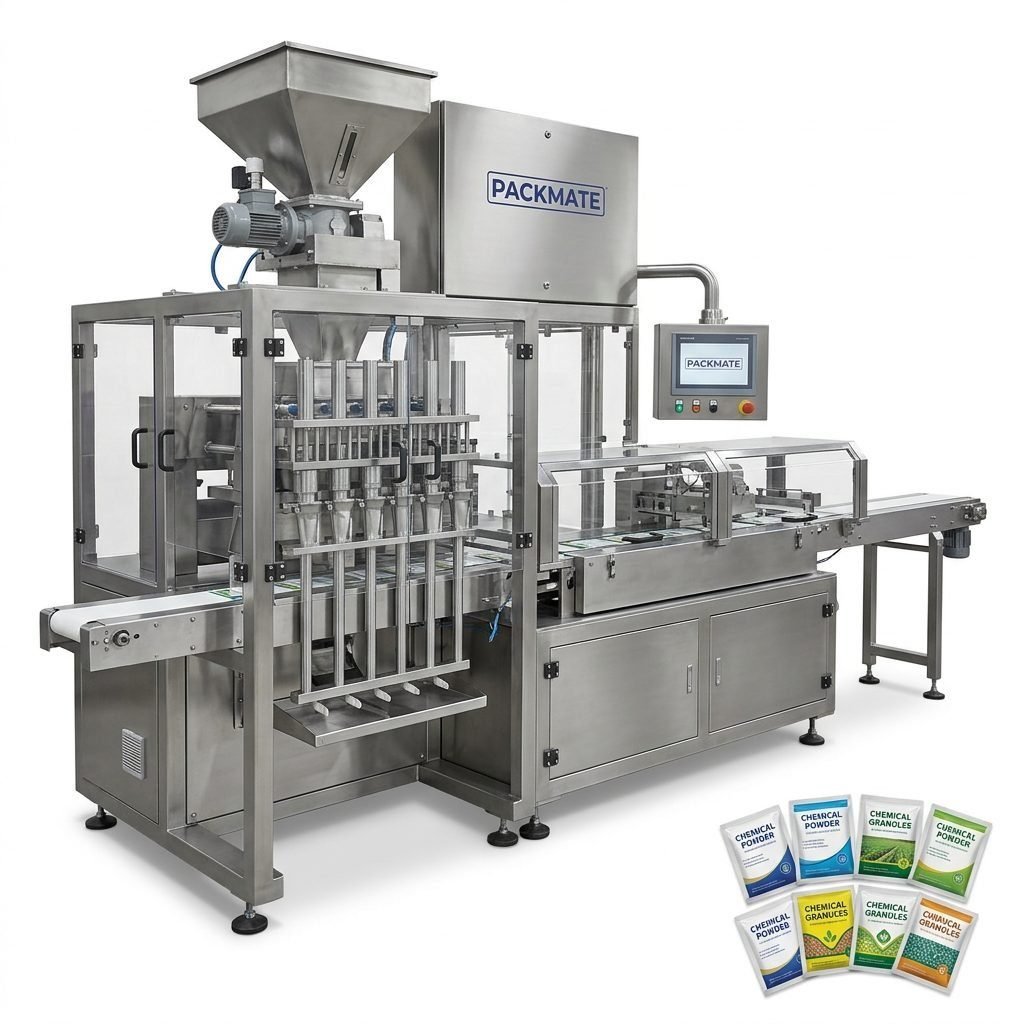
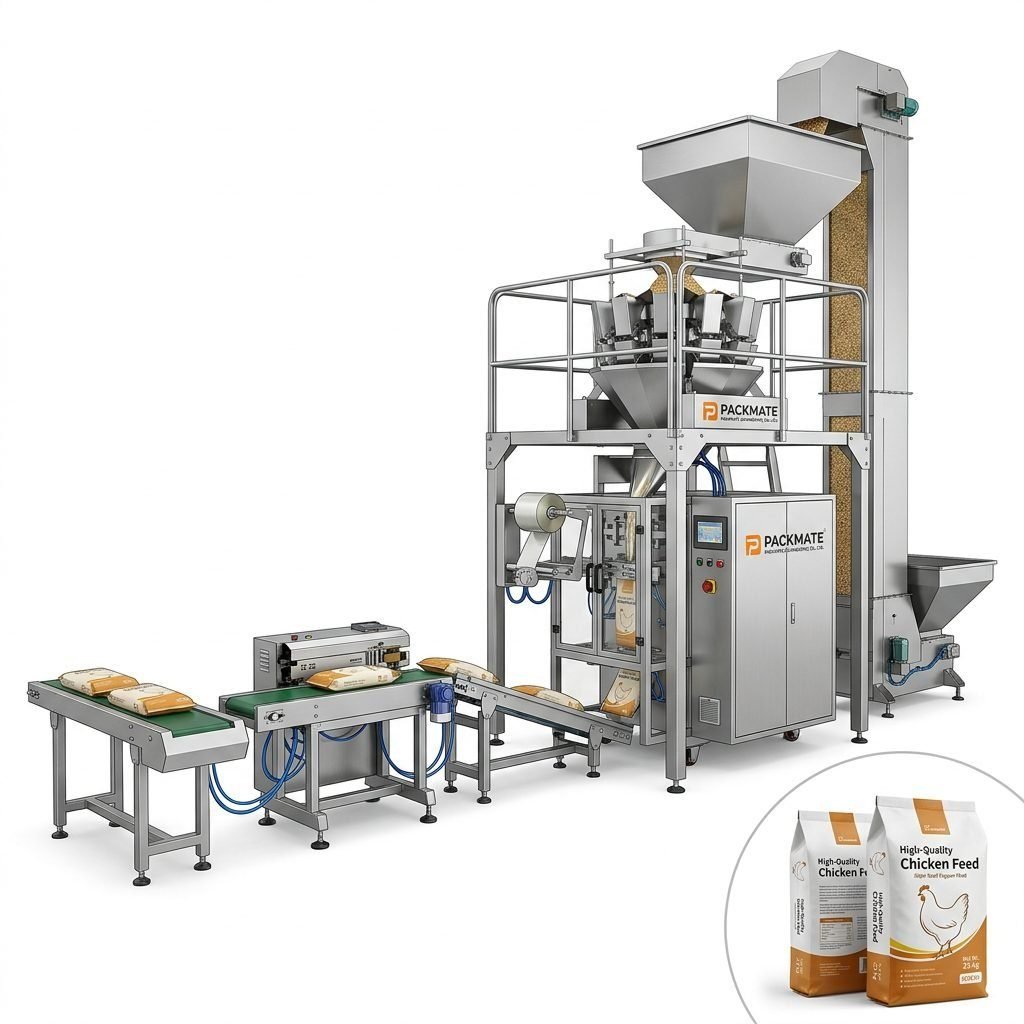
The fundamental operation of a high-speed fully automatic vertical packaging machine is a marvel of synchronized engineering. The process begins with a roll of packaging film, which is formed into a continuous tube around a vertical filling tube. The film is then sealed longitudinally to create a back seam. As the film moves downward, precise cross-sealing jaws create the bottom seal of one pouch and the top seal of the next, simultaneously cutting the individual packages apart. Product is dispensed into the forming tube just before the top seal is made, ensuring a clean, air-tight package. This continuous motion, driven by servo motors and controlled by advanced PLC systems, allows for speeds exceeding hundreds of pouches per minute, depending on the product and pouch size.
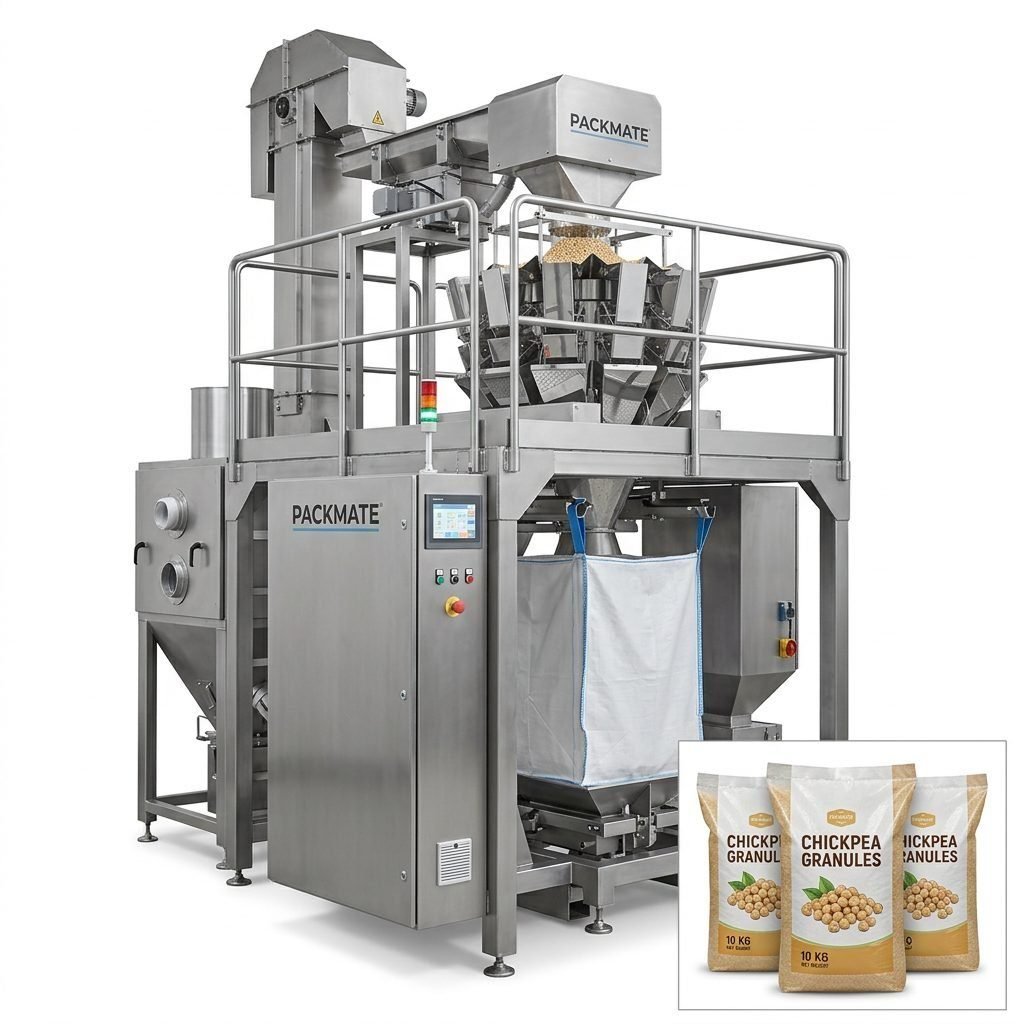
Modern machines offer incredible flexibility. Operators can quickly change parameters like pouch length, width, and seal patterns through a user-friendly touchscreen HMI (Human-Machine Interface). This adaptability makes a single machine suitable for various product lines, from single-serving condiments to bulk coffee or hardware items. The integration of high-accuracy multi-head weighers or liquid pumps ensures that each pouch contains the exact specified weight or volume, minimizing giveaway and maximizing profitability.
Key Components That Drive Performance
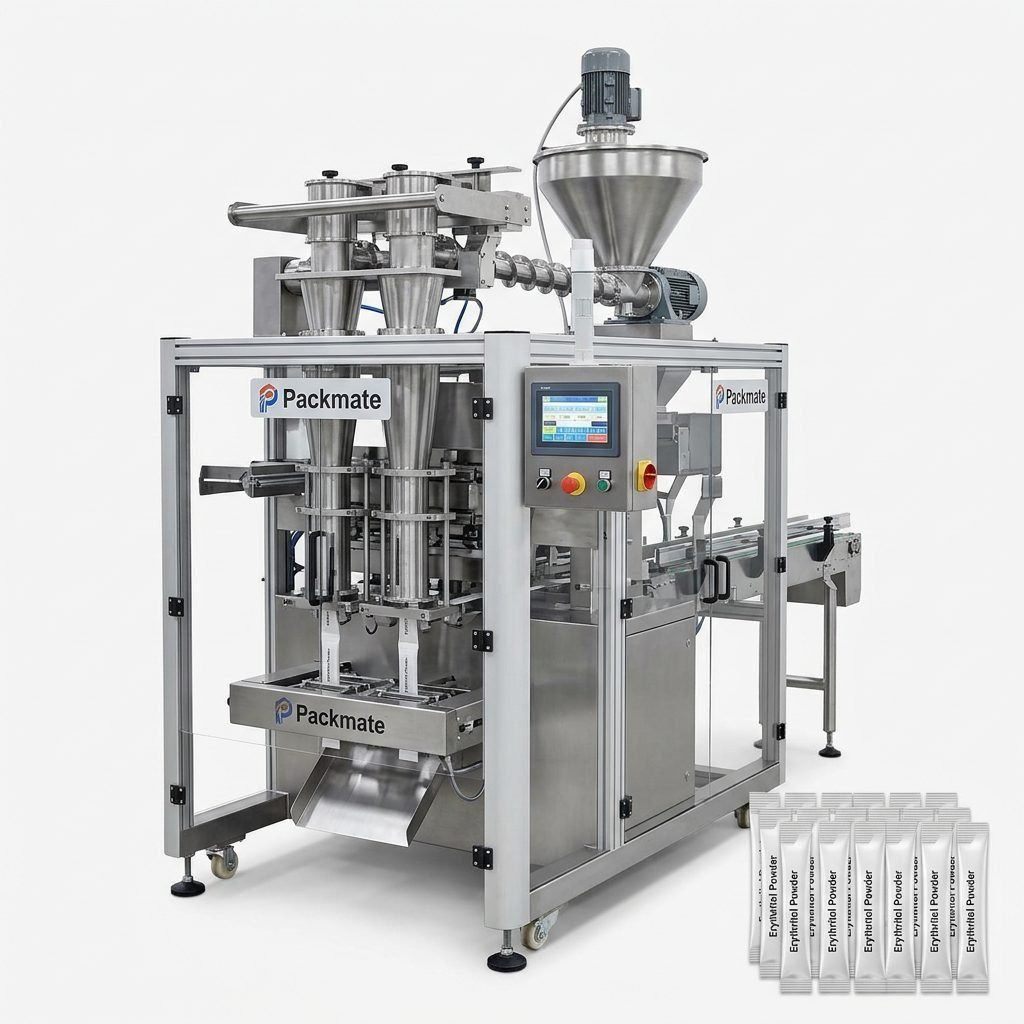
Understanding the machine’s anatomy helps in evaluating its quality and suitability. The film unwinding and guiding system ensures tension control and precise alignment, critical for consistent sealing. The forming shoulder is a custom-designed component that gently shapes the flat film into a tube without stressing the material. The heart of the machine is the sealing and cutting mechanism, often featuring ceramic or Teflon-coated heating elements and durable knives for clean, reliable seals and cuts. Finally, the product feeding system—whether a auger filler for powders, a volumetric cup for granules, or a piston pump for liquids—must be matched perfectly to the product characteristics to ensure smooth, clog-free operation.
Tangible Benefits for Your Production Line
Implementing a high-speed vertical packaging machine delivers a cascade of advantages that directly impact your bottom line and operational excellence.
Dramatic Increase in Output and Efficiency: The most immediate benefit is the sheer speed. Automating the packaging process eliminates the bottleneck of manual labor, allowing production lines to run at their full potential. Machines can operate continuously for extended shifts, significantly boosting daily output and enabling businesses to fulfill larger orders and meet tight deadlines with confidence.
Superior Product Consistency and Quality: Human error in manual packaging leads to variations in seal integrity, fill weight, and overall appearance. An automatic machine performs the same precise actions thousands of times per hour. This results in uniform, professional-looking packages with reliable seals that protect product freshness and shelf life. Consistent quality strengthens brand reputation and reduces customer complaints.
Reduction in Operational Costs: While the initial investment is significant, the long-term savings are substantial. Automation reduces dependency on a large packaging workforce, lowering labor costs and associated management overhead. It also minimizes material waste through precise dosing and reduces product giveaway. Furthermore, efficient machines consume less energy per unit produced compared to running multiple slower units or manual stations.
Enhanced Flexibility and Quick Changeovers: Market demands change rapidly. A high-quality vertical packager allows for quick changeovers between different products and package sizes. With recipe storage in the PLC, operators can recall settings for a previous product run at the touch of a button, drastically reducing downtime and enabling small-batch or just-in-time production strategies.
Improved Workplace Safety and Hygiene: Automating the packaging process removes workers from repetitive tasks that can cause strain injuries. It also minimizes direct human contact with the product, which is a critical advantage in food and pharmaceutical packaging lines where hygiene and contamination control are paramount. The enclosed nature of many modern machines further protects the product from the factory environment.
Selecting the Right Machine for Your Needs
Choosing a high-speed vertical packaging machine is not a one-size-fits-all decision. Key selection criteria include:
- Product Characteristics: Is it free-flowing, sticky, abrasive, or fragile? This determines the best feeding system (auger, volumetric, pump).
- Required Speed (Pouches/Minute): Match the machine’s maximum speed to your current and future production targets.
- Packaging Material: The machine must be compatible with your film (e.g., laminated films, PET/PE, aluminum foil) and capable of creating the required seal type (e.g., fin seal, lap seal).
- Pouch Size Range: Ensure the machine can produce the smallest and largest pouch sizes you require.
- Integration Capabilities: Consider how it will connect with upstream equipment (like mixers or conveyors) and downstream systems (like cartoners or case packers).
Partnering with an experienced manufacturer like Packmate Machinery is crucial. With over 30 years of expertise, they can provide tailored solutions and ensure the machine is perfectly configured for your specific application, whether for sachets and stick packs or larger pouches.
Integration and Maintenance Best Practices
Successful implementation goes beyond purchase. Proper integration into your existing line is vital. This involves ensuring compatible line speeds, installing correct product infeed systems, and programming the machine’s PLC to communicate with other line controllers. Adequate operator training on the HMI, routine maintenance, and basic troubleshooting is essential to maximize uptime.
A robust preventive maintenance schedule is the key to longevity. Daily tasks include cleaning sealing jaws and checking film guides. Weekly inspections might involve verifying tension settings and lubricating moving parts. Having a reliable supply of spare parts, such as sealing jaws, heating elements, and cutting blades, prevents extended downtime. Reputable suppliers offer comprehensive service and support packages to keep your investment running smoothly for years.
The Future: Smart Packaging Lines
The evolution continues toward Industry 4.0. The next generation of high-speed vertical packaging machines features enhanced connectivity for data collection and analysis. Imagine machines that predict maintenance needs based on motor current draw, automatically adjust sealing temperature based on ambient conditions, or provide real-time OEE (Overall Equipment Effectiveness) data to plant managers. This shift towards smart, connected packaging lines promises even greater efficiency, transparency, and control over the manufacturing process.
In conclusion, a high-speed fully automatic vertical packaging machine is more than just a piece of equipment; it is a transformative investment that drives productivity, ensures quality, and reduces costs. By carefully selecting the right machine from a trusted manufacturer and following best practices for operation and maintenance, businesses can secure a powerful competitive advantage in an increasingly demanding market.
Frequently Asked Questions (FAQs)
What is the typical speed range of a high-speed vertical packaging machine?
Speeds vary greatly based on pouch size and product type. For small sachets (e.g., sauce or sugar), speeds can range from 80 to over 200 pouches per minute per lane. Multi-lane machines can achieve proportionally higher total outputs. For larger pouches, speeds are generally lower, typically between 40 and 120 pouches per minute. The specific speed for your application should be confirmed with the machine supplier during the quoting process.
Can one machine handle different types of products?
Yes, but with considerations. A well-designed machine is highly flexible. By changing the product feeding system (e.g., swapping an auger for a pump) and the forming tools, a single machine base can often package different product formats. However, changeover time and complexity vary. For frequently switching between vastly different products (e.g., powder to liquid), dedicated machines or quick-change kits might be recommended for optimal efficiency.
How important is after-sales service and technical support?
Extremely important. This is a critical factor often overlooked during purchase. Complex machinery will require occasional maintenance, spare parts, and technical assistance. Choosing a manufacturer with a strong global service network, readily available spare parts, and responsive technical support—like Packmate Machinery—is essential to minimize downtime and protect your investment over its entire lifespan.
What packaging materials are compatible with these machines?
Modern vertical form-fill-seal (VFFS) machines are compatible with a wide range of roll-stock films. This includes single-layer films like polyethylene (PE) and polypropylene (PP), as well as complex laminated structures (e.g., PET/AL/PE, OPP/CPP) used for barrier protection. The key is to ensure the machine’s sealing system (temperature control, jaw pressure, dwell time) is correctly configured for the specific material’s sealing layer to ensure strong, consistent seals.
What is the expected payback period for such an investment?
The payback period depends on several variables: the machine’s cost, the labor costs it replaces, the increase in output and efficiency, and the reduction in material waste. For operations with high manual packaging labor, many businesses report a payback period of 12 to 24 months. A detailed ROI analysis, factoring in all operational savings and revenue gains from increased capacity, should be conducted with your machine supplier to understand the specific financial impact for your company.