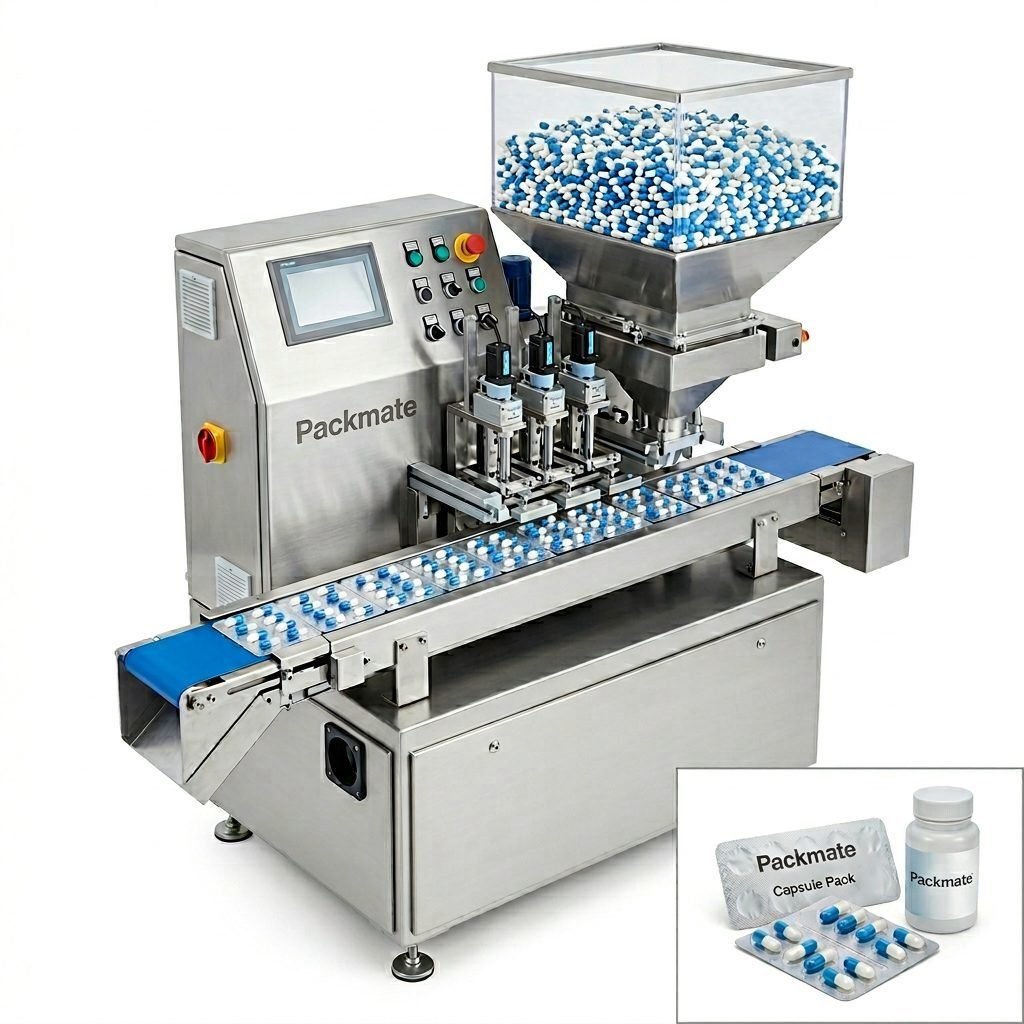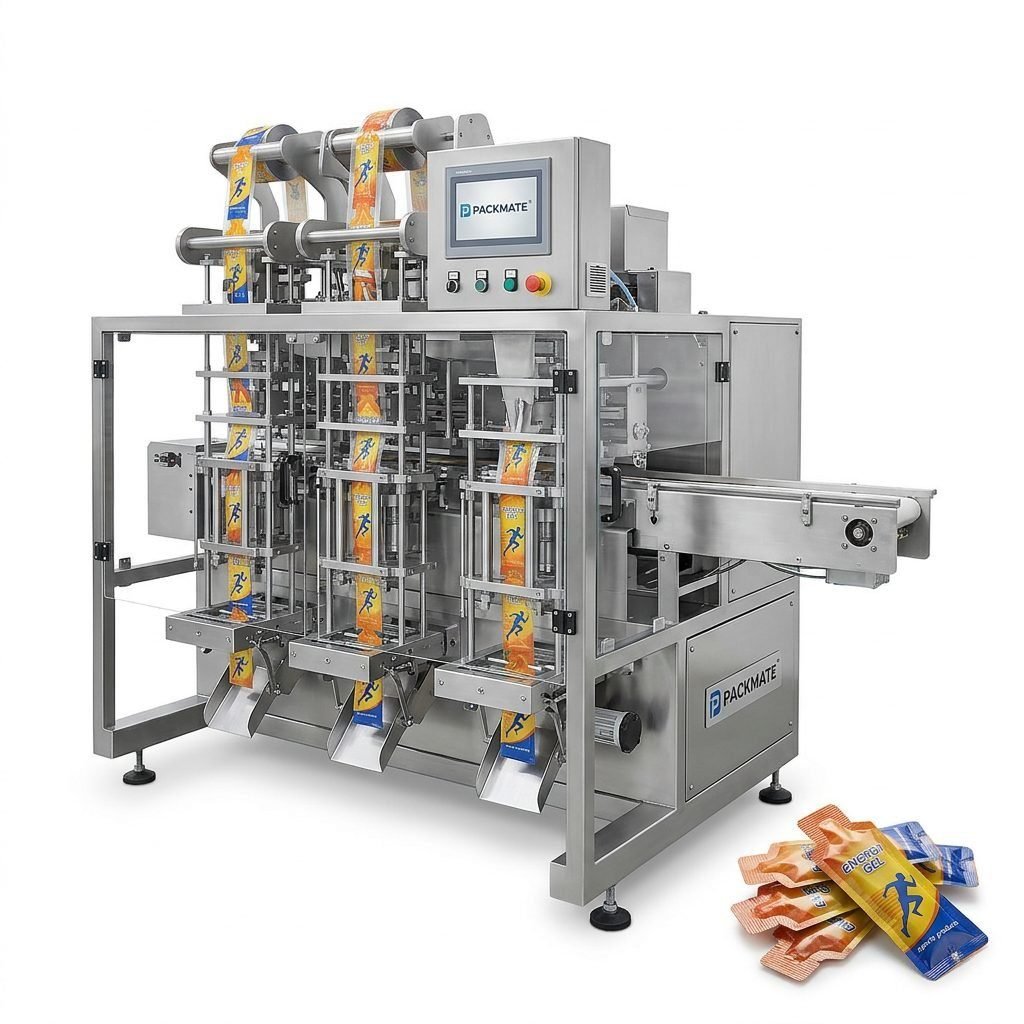
In today’s fast-paced production environments, selecting the right packaging machine is not just an operational decision; it’s a strategic investment in efficiency, brand presentation, and market competitiveness. This guide serves as your comprehensive resource, detailing the various types of product packaging machines available and providing actionable buying tips to ensure you make an informed choice that aligns with your specific needs.
Understanding the Core Types of Packaging Machines
The world of packaging machinery is diverse, with each type designed for specific materials, product forms, and output requirements. Understanding these categories is the first step toward a smart purchase.
1. Bag and Pouch Packaging Machines
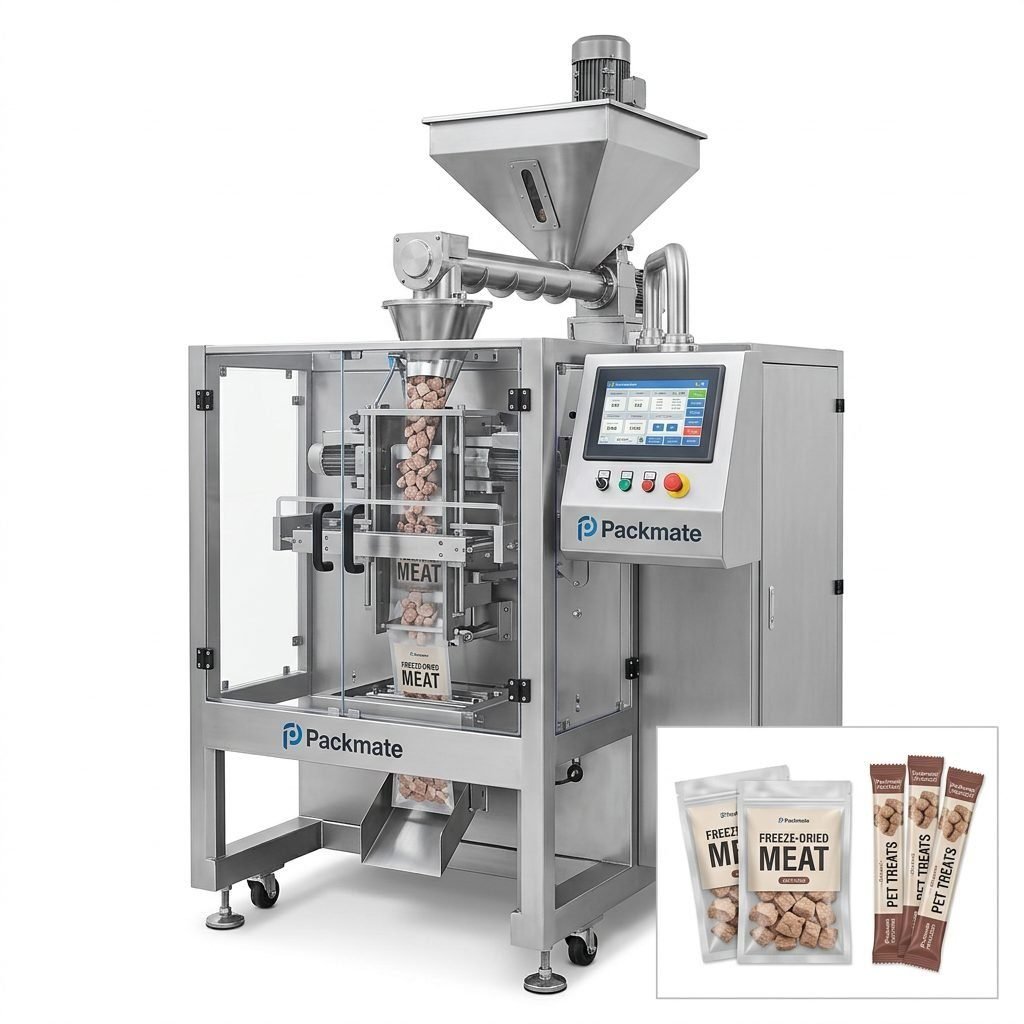
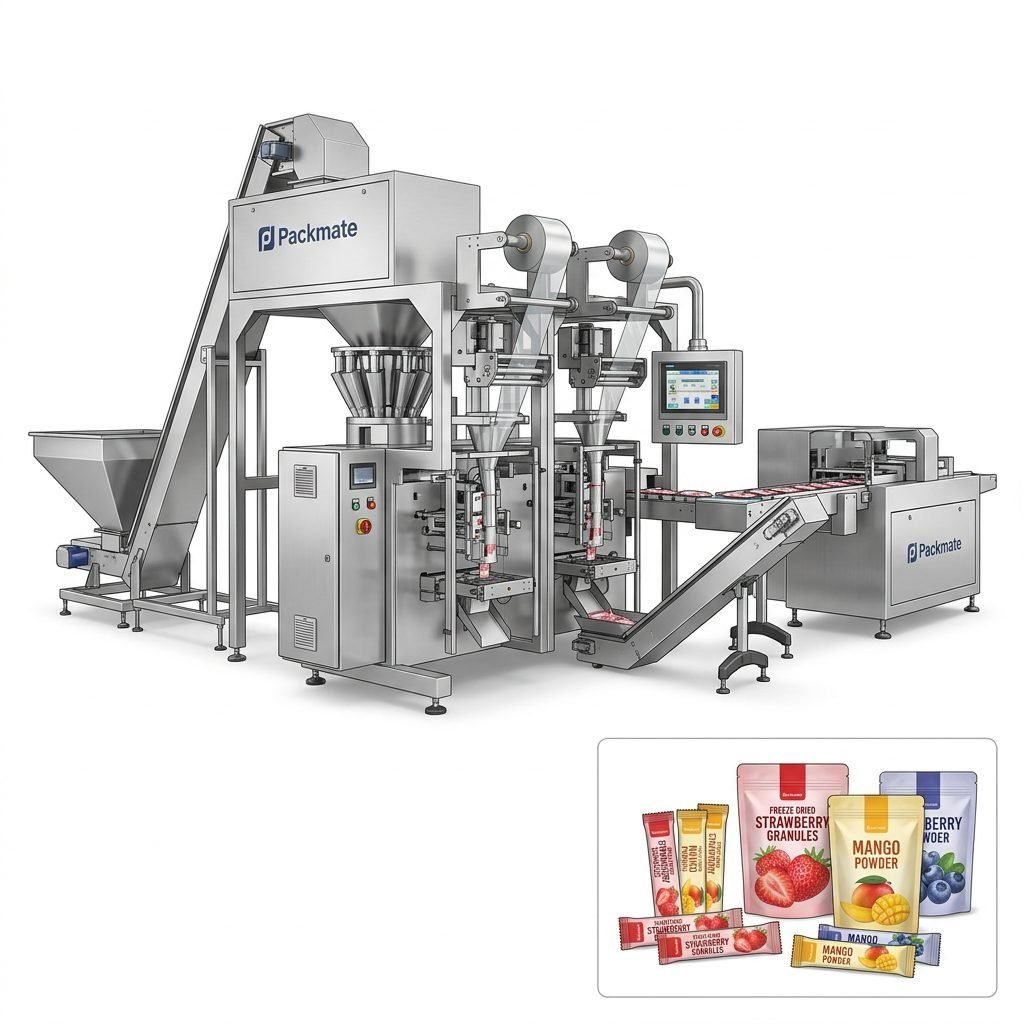
These machines are versatile workhorses for creating bags and pouches from roll stock film. They are ideal for a wide range of products, from snacks and coffee to hardware and pet food. Key functions include forming the bag, filling it with product, and sealing it. For businesses looking to package items in flexible, stand-up, or flat pouches, exploring dedicated Bag & Pouch Packaging Machines is essential. They offer various sealing technologies, including heat sealing for plastics and ultrasonic sealing for more complex laminates.
Key Consideration:
When choosing a bagging machine, pay close attention to the film compatibility and the maximum bag size it can produce. The machine must handle your chosen packaging material (e.g., PET, PE, aluminum foil laminates) reliably to ensure strong, airtight seals that protect product freshness.
2. Sachet and Stick Pack Machines
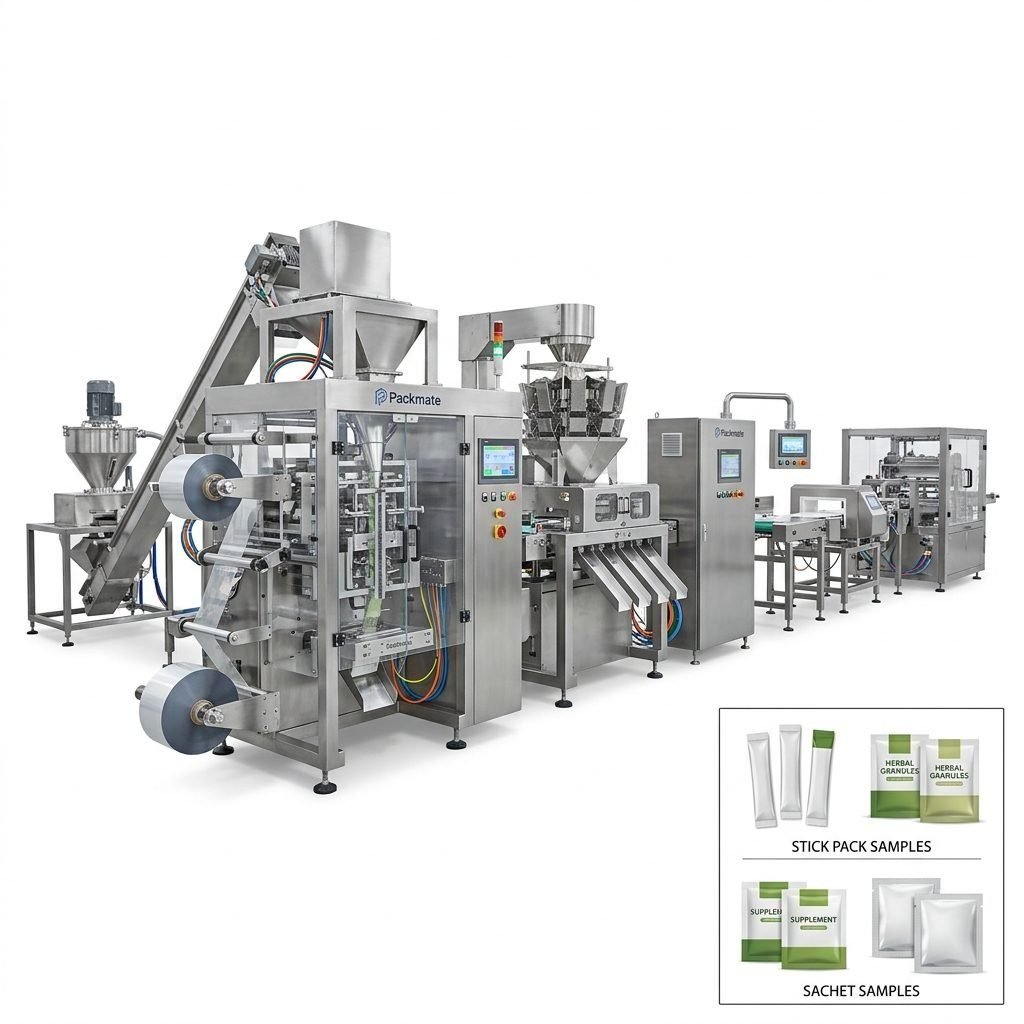
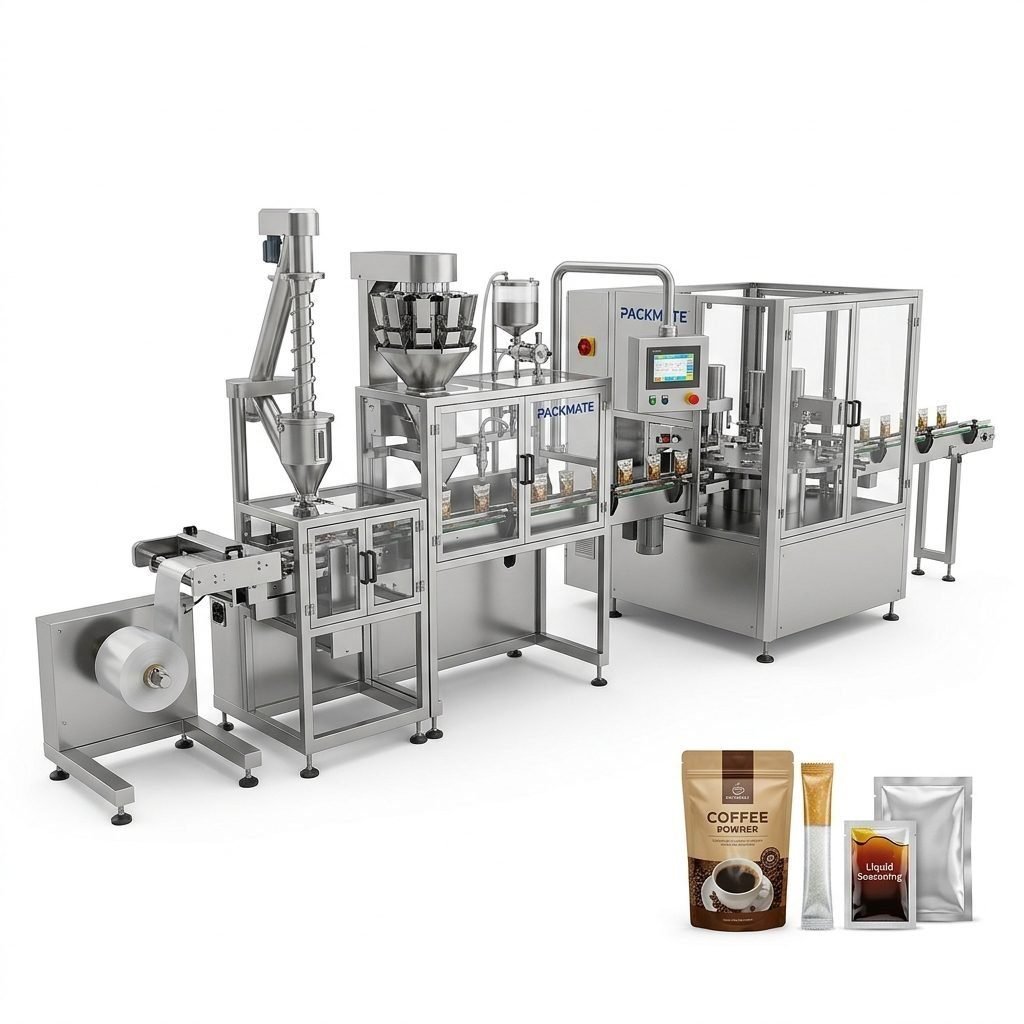
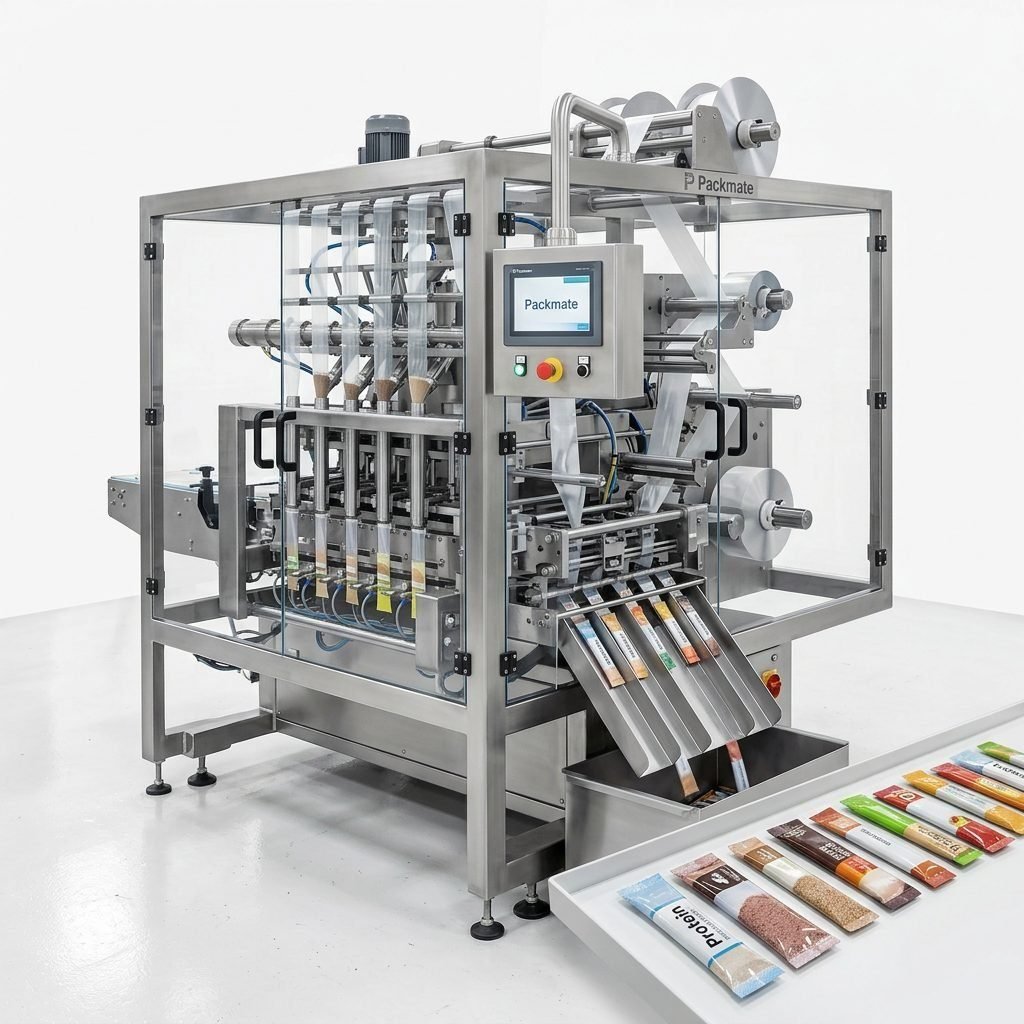
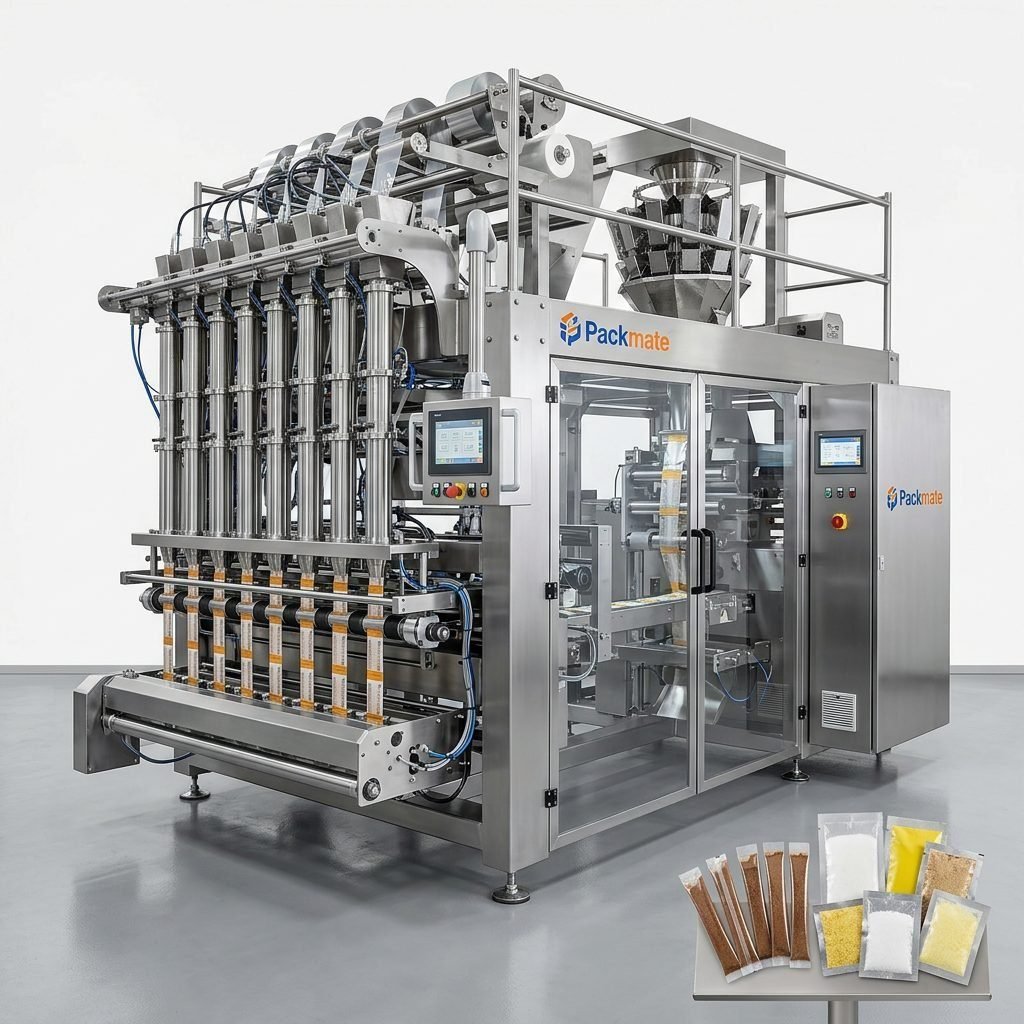
Perfect for single-serve portions, powders, granules, and liquids, sachet and stick pack machines are highly efficient for products like instant coffee, sugar, shampoo samples, and pharmaceuticals. They operate at high speeds, often with multiple lanes, producing small, sealed packets from a single roll of film. For industries requiring precision and hygiene, such as food and pharma, advanced Sachet & Stick Pack Machines are indispensable. They often incorporate features like nitrogen flushing to extend shelf life by displacing oxygen.
3. Weighing and Filling Systems
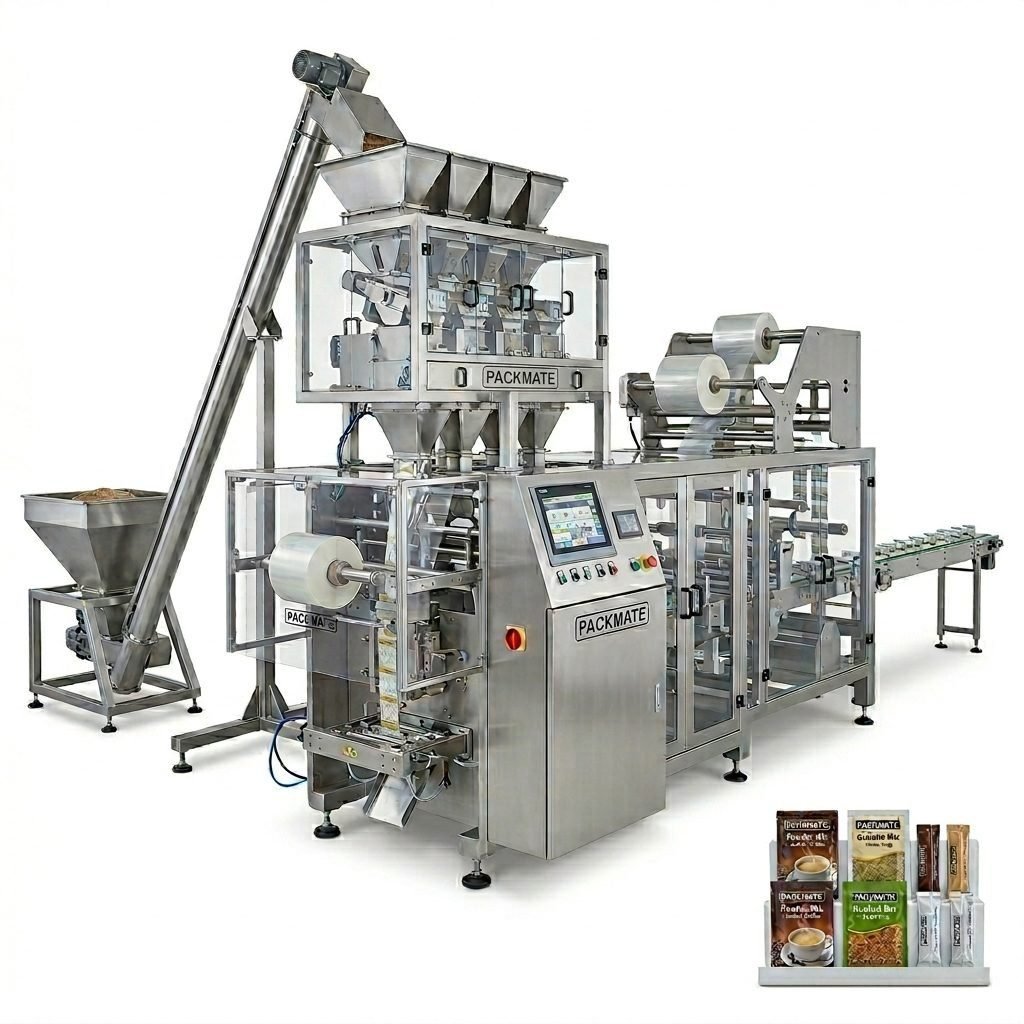
Accuracy is paramount when packaging by weight or volume. These systems combine precision scales or volumetric fillers with the packaging process. They are crucial for free-flowing products like grains, powders, seeds, and liquids. A robust Weighing & Packaging System ensures each package meets strict weight regulations, minimizing product giveaway and ensuring compliance. Systems range from simple auger fillers to complex multi-head weighers that achieve remarkable speed and accuracy.
Critical Buying Tip: Assess Your Product Characteristics
The physical properties of your product directly dictate the type of filling system you need. Granules and powders typically require auger or cup fillers, while liquids and pastes need piston or pump fillers. For irregularly shaped items, a multi-head weigher is often the most efficient solution. Never assume one machine fits all product types.
Essential Buying Tips for Your Packaging Machine
Beyond understanding machine types, a successful purchase hinges on a thorough evaluation of your own requirements and the capabilities of potential suppliers.
1. Define Your Production Requirements Clearly
Start with concrete numbers. What is your required output speed (packages per minute/hour)? What are the dimensions and weight of your finished package? What packaging material will you use? Having these specifications documented will allow suppliers to provide accurate recommendations and quotations. Underestimating your speed requirements is a common pitfall that leads to bottlenecks later.
2. Prioritize Machine Flexibility and Changeover Time
Market demands change. A machine that can handle multiple package sizes or different product types with quick changeovers (under 30 minutes is excellent) offers tremendous long-term value. Look for machines with easy-to-adjust mechanical parts and digital controls that store settings for different products. This flexibility protects your investment against future product line expansions.
3. Evaluate the Manufacturer’s Expertise and Support
The machine is only as good as the company behind it. Investigate the manufacturer’s history, reputation, and after-sales service. A company with deep experience, like Packmate Machinery, which brings over 30 years of specialization in intelligent packaging for food and pharma, offers more than just equipment. They provide reliability, proven innovation, and comprehensive support. Review their case studies and ensure they offer training, readily available spare parts, and responsive technical service.
The Total Cost of Ownership (TCO)
Do not focus solely on the initial purchase price. Calculate the TCO, which includes:
• Energy Consumption: Efficient machines lower operational costs.
• Maintenance Costs: Check the cost and availability of wear parts.
• Downtime: Reliable machines with good service support minimize costly production stops.
• Material Waste: Precise machines reduce film and product giveaway.
A slightly higher initial investment in a robust, efficient machine from a reputable supplier often leads to significantly lower TCO.
4. Consider Future-Proofing and Integration
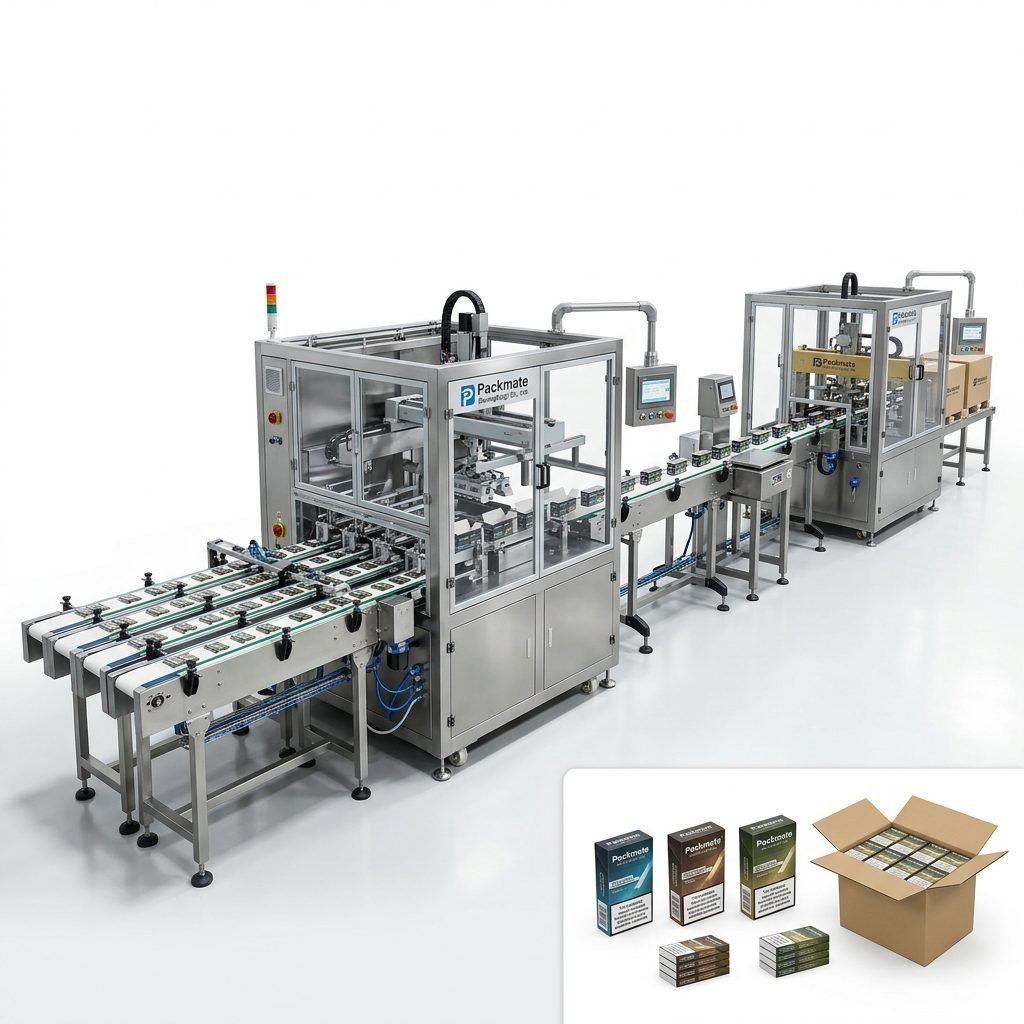
Think about how the machine will fit into your operation today and tomorrow. Can it be integrated into a larger Filling & Packaging Line with conveyors, cartoners, or palletizers? Does it have the connectivity (e.g., IoT capabilities, data output) to support Industry 4.0 initiatives for predictive maintenance and production monitoring? Choosing a machine with integration potential safeguards your ability to scale and automate further.
Conclusion: Making an Informed Investment
Selecting a product packaging machine is a multifaceted process that balances technical specifications, operational needs, and strategic business goals. By thoroughly understanding the different machine types—from versatile pouch packers to high-speed sachet lines—and rigorously applying the buying tips related to production specs, flexibility, supplier quality, and total cost, you can secure a machine that becomes a cornerstone of your operational efficiency and product quality for years to come.
Frequently Asked Questions (FAQs)
What is the typical lead time for a new packaging machine?
Lead times vary significantly based on machine complexity and customization. For standard models, it can range from 8 to 16 weeks. For highly customized or large packaging lines, it may take 20 weeks or more. Always confirm the detailed production and delivery schedule with your supplier during the quotation process.
How do I ensure the machine is compatible with my existing packaging materials?
The safest approach is to provide samples of your exact packaging film (roll stock) to the machine manufacturer for testing. They can run trials to verify seal integrity, film tracking, and overall performance before the machine is built or delivered, preventing costly compatibility issues.
What kind of training and after-sales support should I expect?
Reputable suppliers should offer comprehensive on-site installation and training for your operators and maintenance staff. After-sales support should include access to technical manuals, online support, a readily available inventory of spare parts, and the option for service contracts. Always clarify the warranty period and what it covers.
Can a single machine handle both powders and liquids?
While some machines are designed with modular components that allow for changeover between different filler types (e.g., swapping an auger for a piston pump), it is not typically a quick or simple process. It’s more efficient to dedicate a machine to a specific product form (powder, granule, liquid) or invest in a dual-purpose machine specifically engineered for that purpose from the start.
How important is energy efficiency in a packaging machine?
Extremely important. Energy-efficient drives, servo motors, and optimized heating systems (for sealers) not only reduce your carbon footprint but also significantly lower long-term operational costs. When comparing machines, inquire about their power consumption ratings under standard operating conditions.