In the food industry, safety is not just a priority—it’s a non-negotiable foundation. Every step of the production process, especially packaging, must adhere to stringent standards to protect consumer health. Food-safe packaging machinery is the critical link that ensures products are sealed, protected, and preserved without contamination. This guide delves into the essential equipment, standards, and best practices for achieving impeccable food packaging safety.
Understanding Food Safety in Packaging
Food safety in packaging encompasses all measures taken to prevent biological, chemical, and physical hazards from compromising the product. This begins with the machinery itself. Equipment must be designed and constructed with materials that are non-toxic, corrosion-resistant, and easy to clean and sanitize. Surfaces in contact with food must be smooth, non-absorbent, and free of cracks where bacteria can thrive.
Key Point: The principle of Hazard Analysis and Critical Control Points (HACCP) is often applied to packaging lines. This involves identifying potential contamination points (Critical Control Points or CCPs) within the packaging process and implementing strict controls to mitigate risks.
Core Principles of Food-Safe Machine Design
Modern food-safe packaging equipment is built on several core principles:
- Hygienic Design: Machines feature seamless welds, rounded corners, and sloped surfaces to prevent material accumulation and facilitate drainage.
- Material Compliance: Use of FDA-approved, food-grade stainless steel (e.g., AISI 304 or 316) for all product contact parts.
- Cleanability: Design that allows for easy disassembly for Cleaning-in-Place (CIP) or manual cleaning without hidden areas.
- Contamination Prevention: Integrated features like protective covers, positive air pressure in critical zones, and effective sealing mechanisms.
Essential Types of Food-Safe Packaging Equipment
The right machinery depends on your product format—whether it’s granules, powders, liquids, or solids. Here are some fundamental types:
1. Vertical Form-Fill-Seal (VFFS) Machines
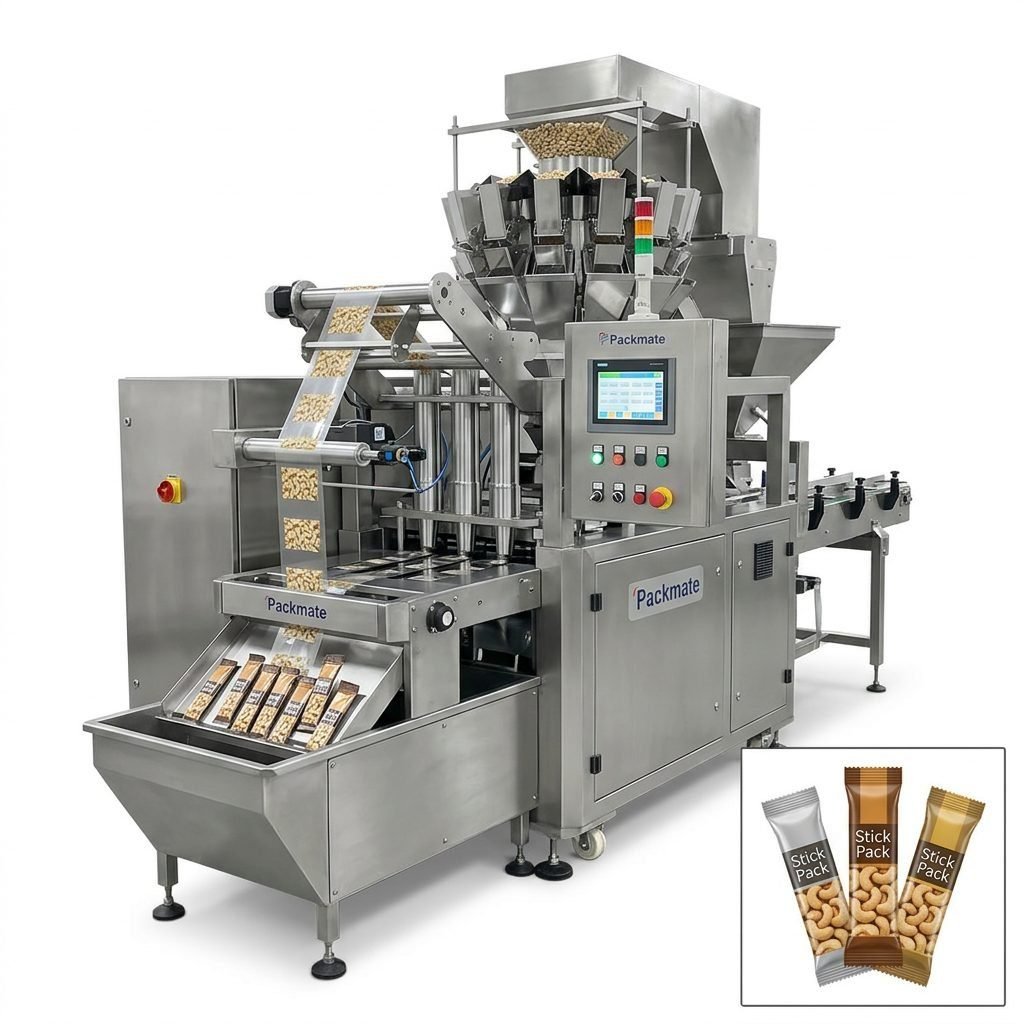
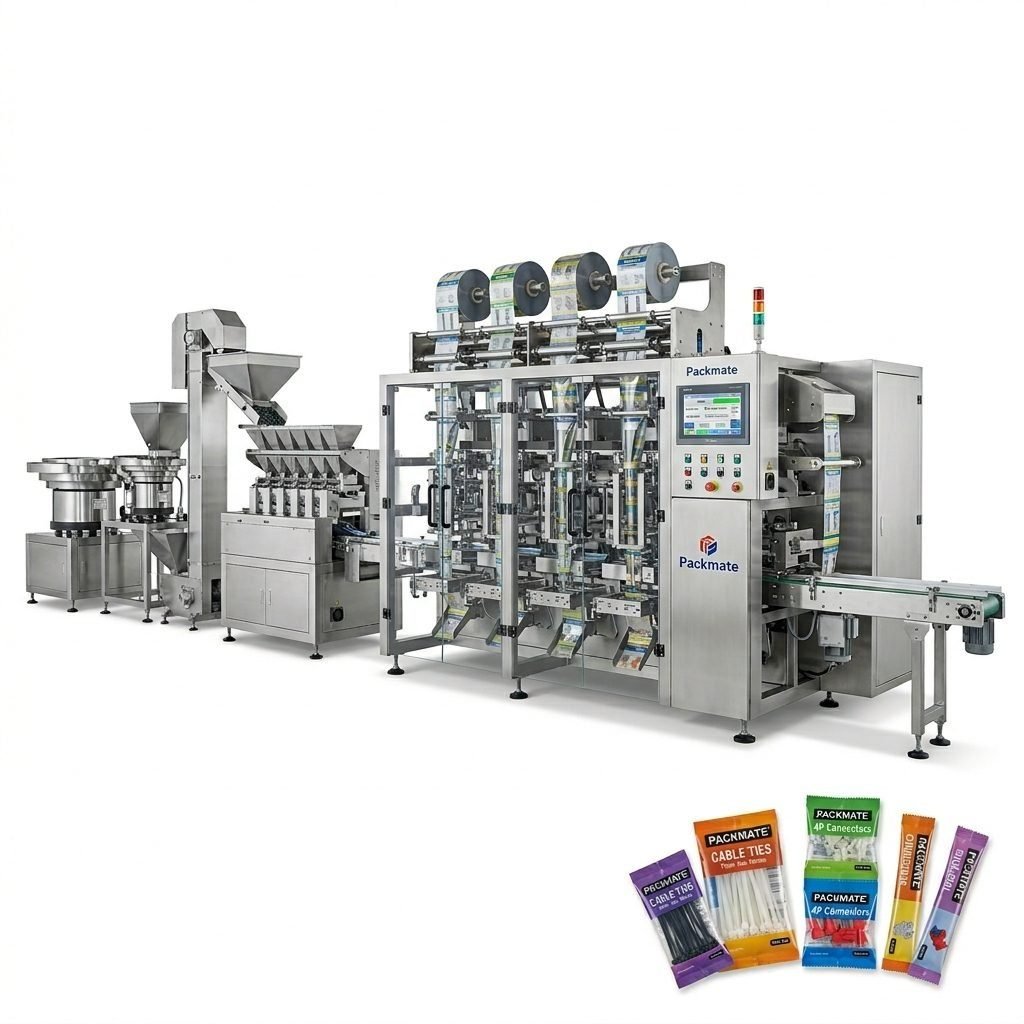
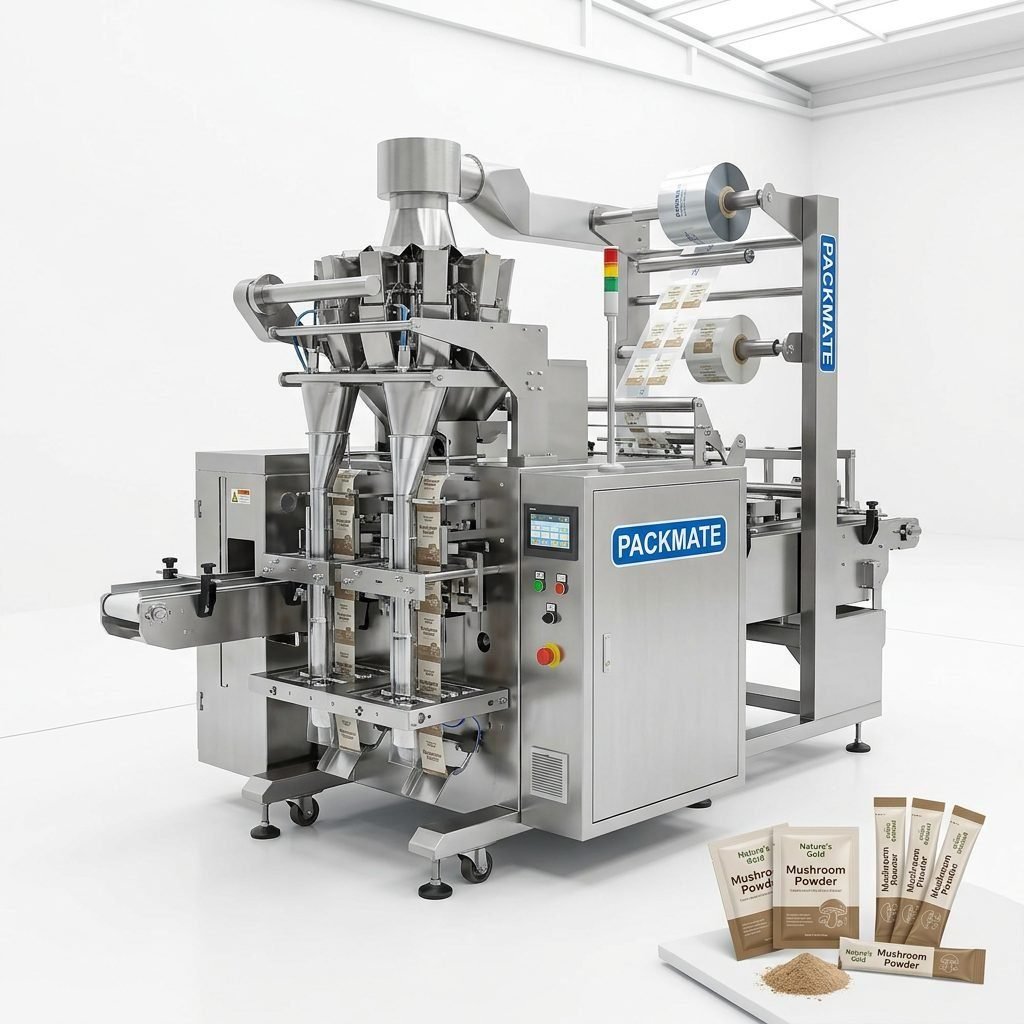
These versatile machines form a bag from a roll of film, fill it with product, and seal it in one continuous operation. For food safety, look for models with easy-access stainless steel frames, tool-less changeover parts, and CIP capabilities for the product hopper and auger systems. They are ideal for snacks, grains, and frozen foods.
2. Sachet & Stick Pack Machines
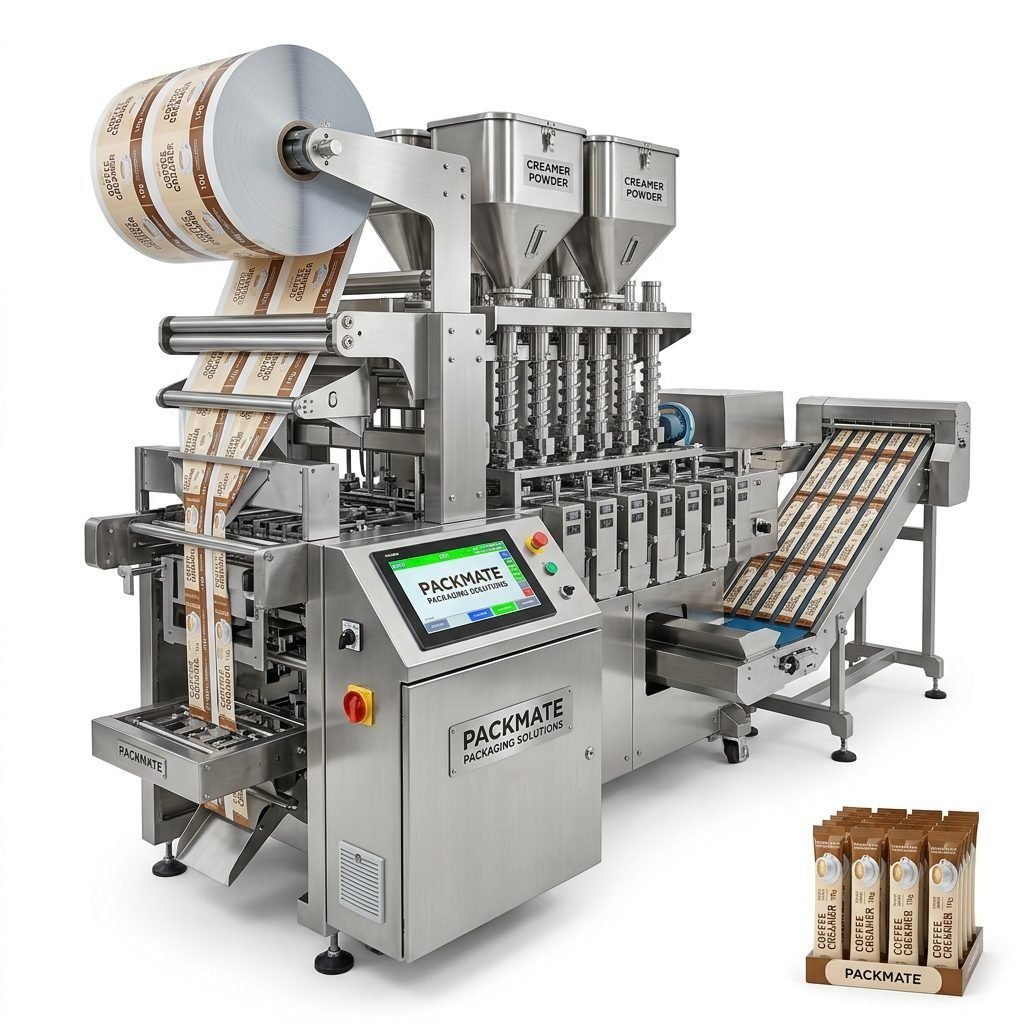
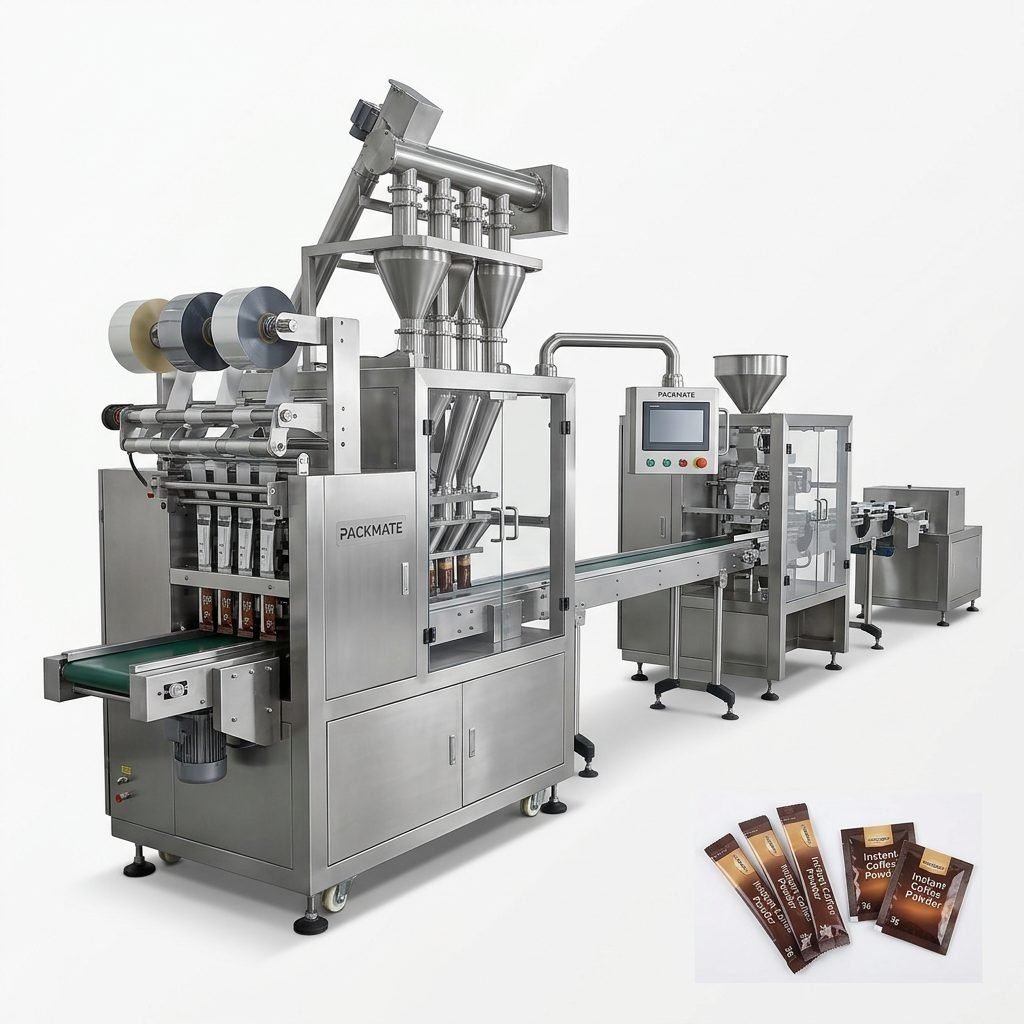
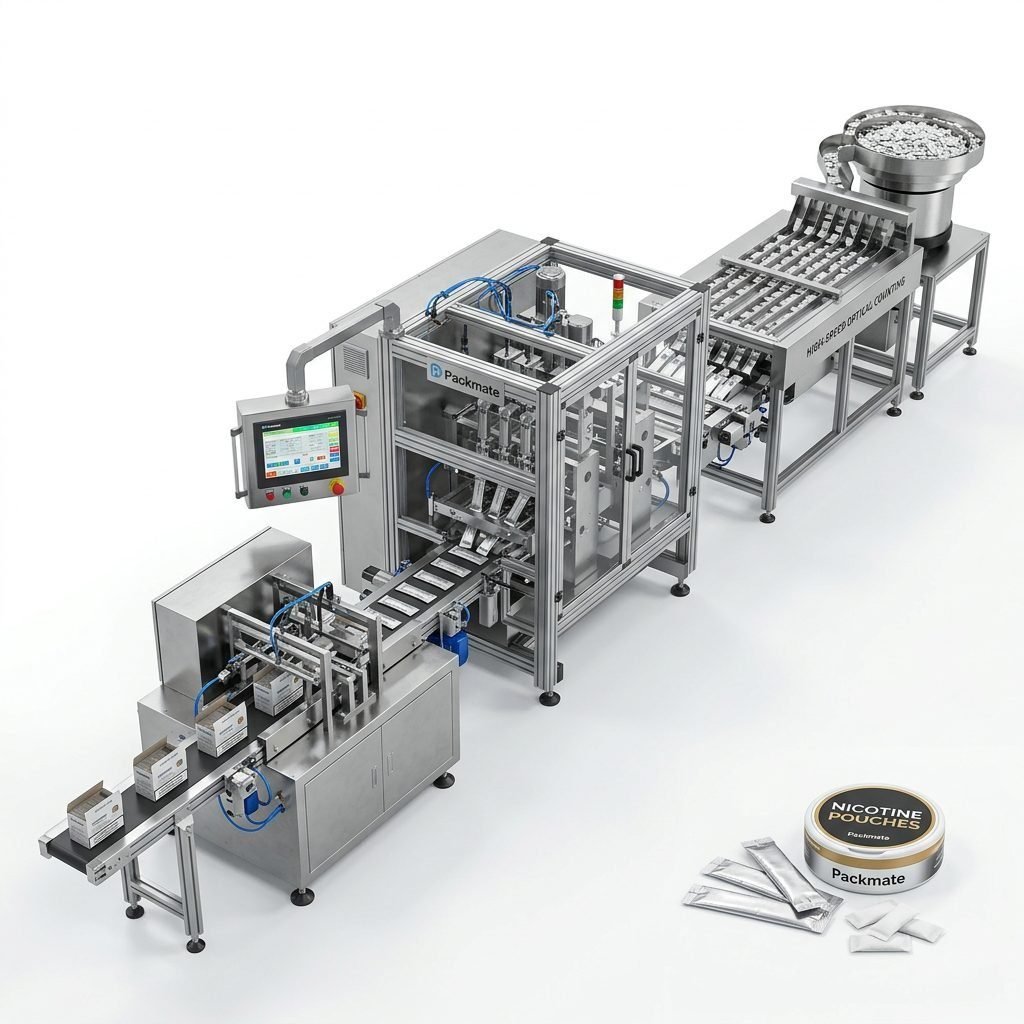
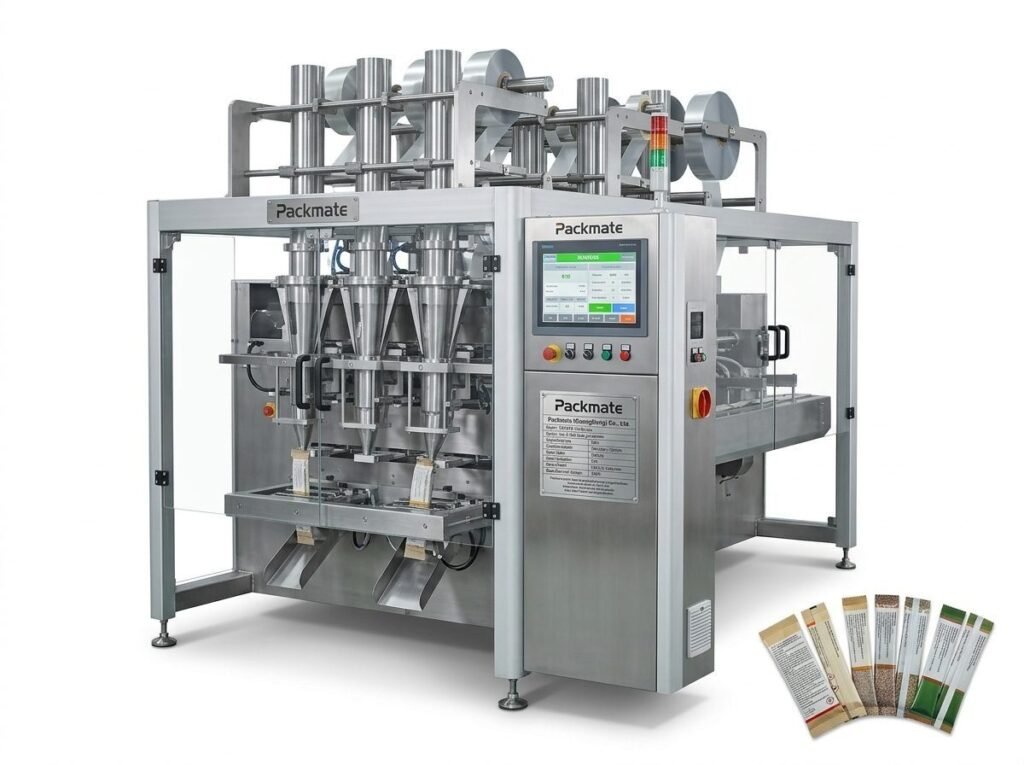
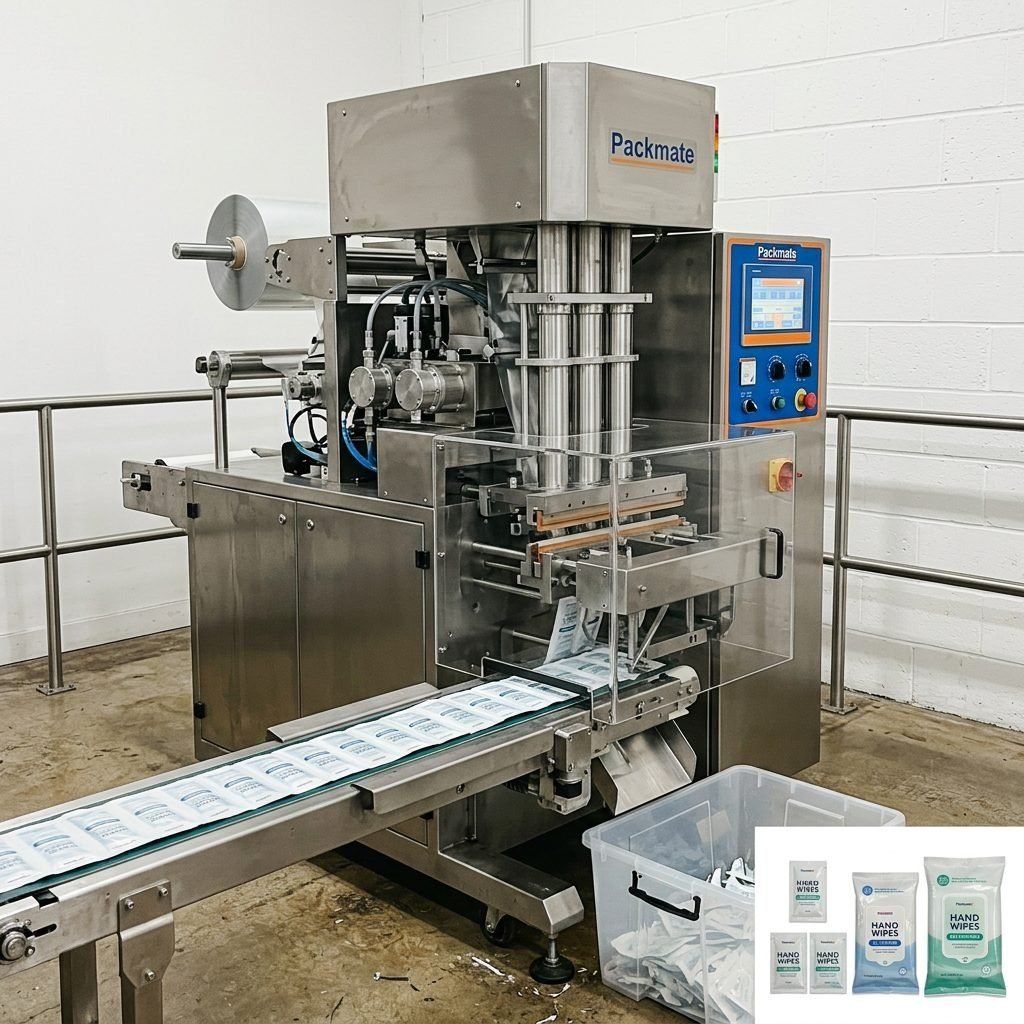
Perfect for single-serve portions of sauces, condiments, powders, or supplements. High-speed, multi-lane sachet machines must ensure precise filling and hermetic sealing to prevent leakage and spoilage. Advanced models feature vision inspection systems to detect and reject sachets with seal defects or incorrect fill levels before they leave the production line. Explore our range of Sachet & Stick Pack Machines designed with these stringent requirements in mind.
3. Liquid & Piston Fillers
Used for bottling juices, oils, dairy products, and sauces. Sanitary piston fillers are constructed with polished stainless steel pistons and cylinders that prevent bacterial harborage. They often integrate with capping and labeling machines in a complete Filling & Packaging Line.
4. Weighing & Dosing Systems
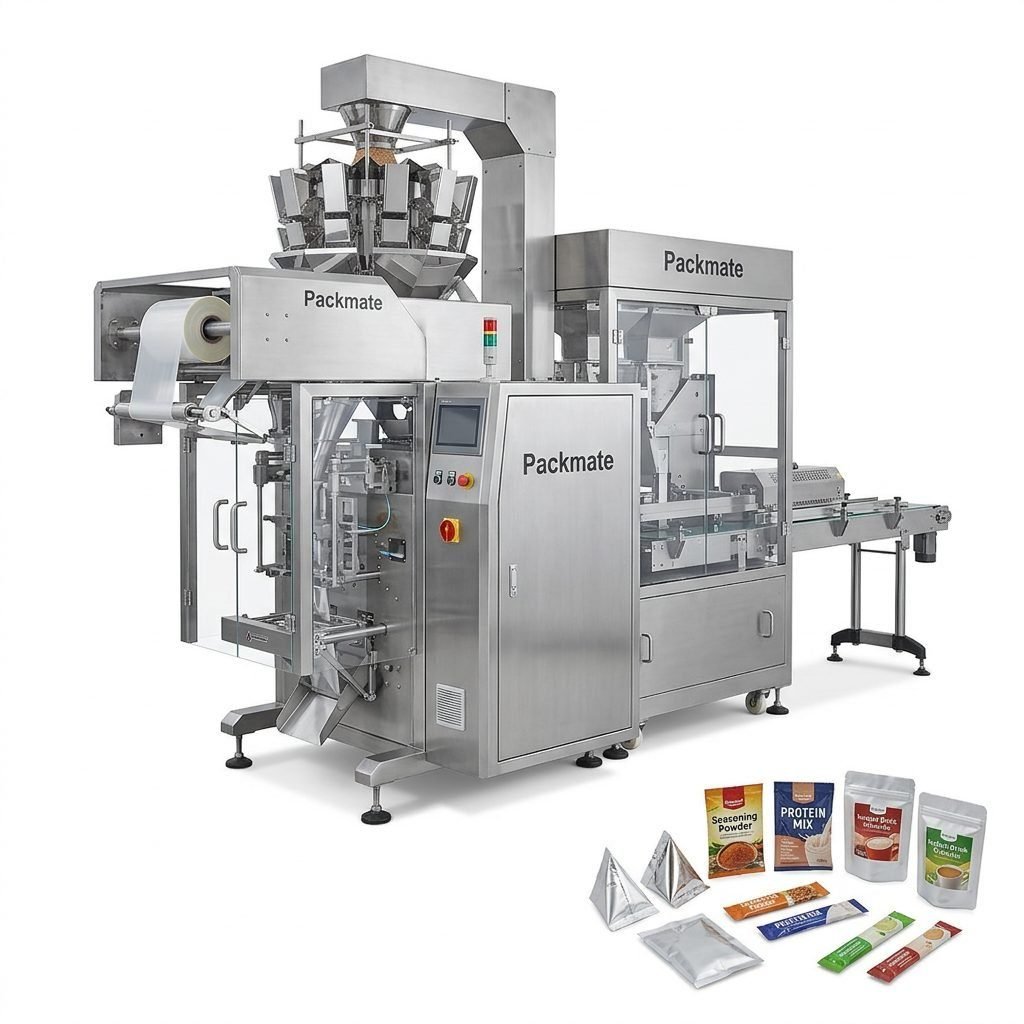
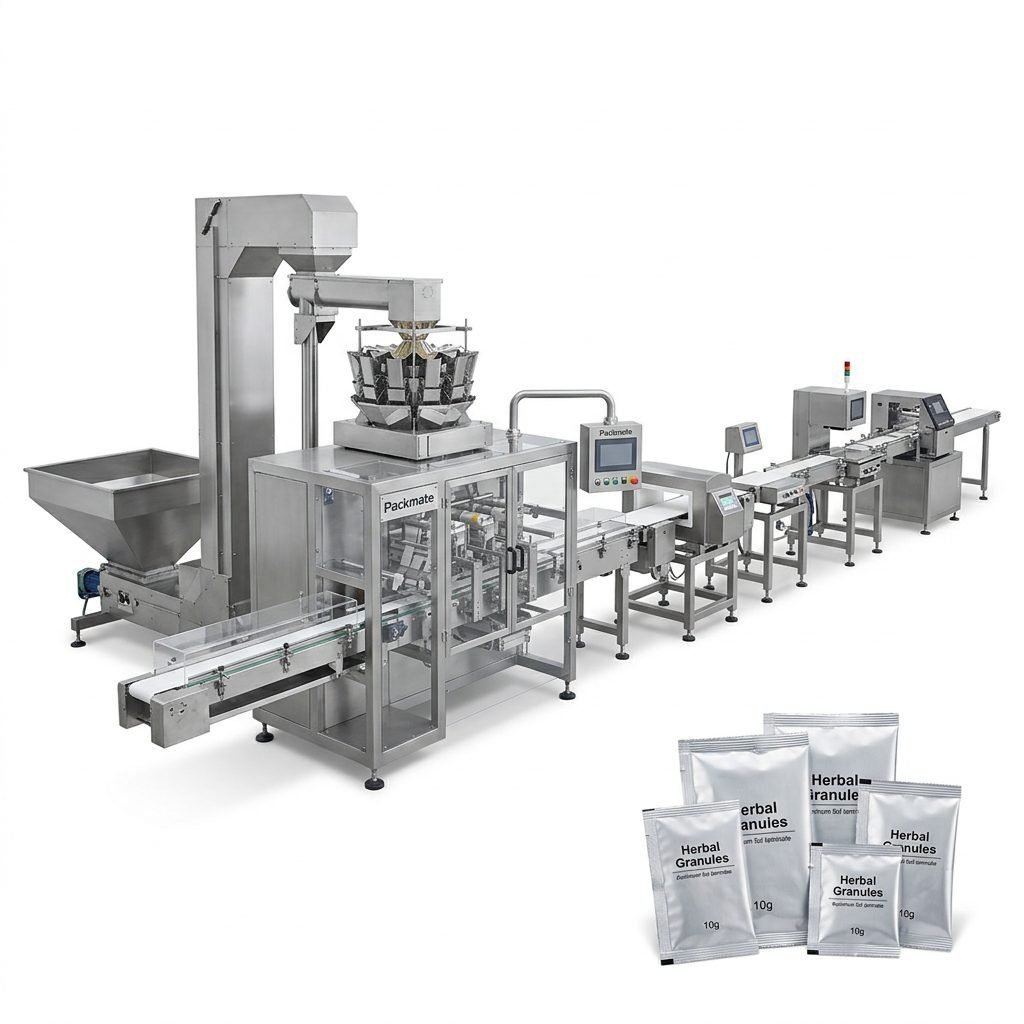
Accuracy is crucial for compliance and cost control. Multi-head weighers and auger filler systems for powders must be designed for rapid, residue-free cleaning to prevent cross-contamination between product batches, especially with allergens. Discover our precision Weighing & Packaging Systems.
The Role of Auxiliary Equipment
Safety extends beyond primary packaging. Auxiliary systems play a vital role:
- Metal Detectors & X-ray Inspection: Mandatory for detecting physical contaminants like metal fragments, glass, or stones within the packaged product.
- Checkweighers: Ensure each package meets weight regulations, rejecting under or over-filled items that could indicate a process fault.
- Coders & Laser Markers: Safely apply batch codes, expiry dates, and traceability information without contacting the food surface.
Integrating such equipment creates a robust safety net. Learn more about supporting your line with our Auxiliary Packaging Equipment.
Implementing a Food-Safe Packaging Operation
Owning the right machinery is only half the battle. Implementation and operation are key.
Validation & Compliance
Before commissioning, equipment must be validated to prove it operates consistently within food safety parameters. This includes installation qualification (IQ), operational qualification (OQ), and performance qualification (PQ). Compliance with local and international standards (like FDA, EFSA, ISO 22000) is essential for market access.
Staff Training & SOPs
Operators and maintenance personnel must be thoroughly trained on hygiene protocols, proper cleaning procedures, and machine operation. Clear Standard Operating Procedures (SOPs) for setup, running, cleaning, and changeover minimize human error.
Proactive Maintenance Tip: Implement a preventive maintenance schedule strictly. Worn seals, damaged gaskets, or misaligned jaws on sealing units are not just mechanical issues—they are direct food safety risks that can lead to leaky packages and microbial ingress.
Choosing a Reliable Machinery Partner
Selecting a manufacturer with proven expertise in food-grade design is critical. A partner like Packmate Machinery brings over 30 years of experience in building intelligent packaging solutions for the food industry. With a 20,000㎡ modern facility and a commitment to innovation, they understand how to engineer reliability and safety into every machine, from bag packaging machines to complete turnkey lines.
Their journey, from a small workshop in 1993 to a leading manufacturer today, is built on a foundation of solving practical challenges in productivity and safety—a philosophy that directly benefits clients seeking dependable, food-safe equipment.
Frequently Asked Questions (FAQs)
1. What is the most important feature to look for in food-safe packaging machinery?
Hygienic design and cleanability are paramount. The machine must be constructed with food-grade materials and designed to be cleaned thoroughly and efficiently without disassembling countless small parts, minimizing downtime and contamination risk.
2. How often should food packaging equipment be cleaned and sanitized?
The frequency depends on the product. High-risk, moist, or allergenic products may require cleaning every shift or between batches. Low-risk dry goods might allow for longer intervals. Always follow a risk-based schedule defined in your HACCP plan.
3. Can existing packaging machinery be upgraded to meet higher food safety standards?
Often, yes. Retrofits can include adding stainless steel covers, replacing contact parts with food-grade versions, or integrating inspection systems. However, a cost-benefit analysis against purchasing a new, purpose-built machine is advisable.
4. Are there specific regulations for packaging machinery for export markets?
Yes. Regulations vary by country and region (e.g., FDA for USA, EFSA for EU, CFSA for China). It’s crucial to ensure your machinery supplier understands the compliance requirements of your target market and can provide necessary documentation.
5. What is the role of automation in food packaging safety?
Automation significantly enhances safety by reducing direct human contact with the product, ensuring consistent and precise operations (like sealing), and integrating real-time monitoring and rejection of non-conforming packages.