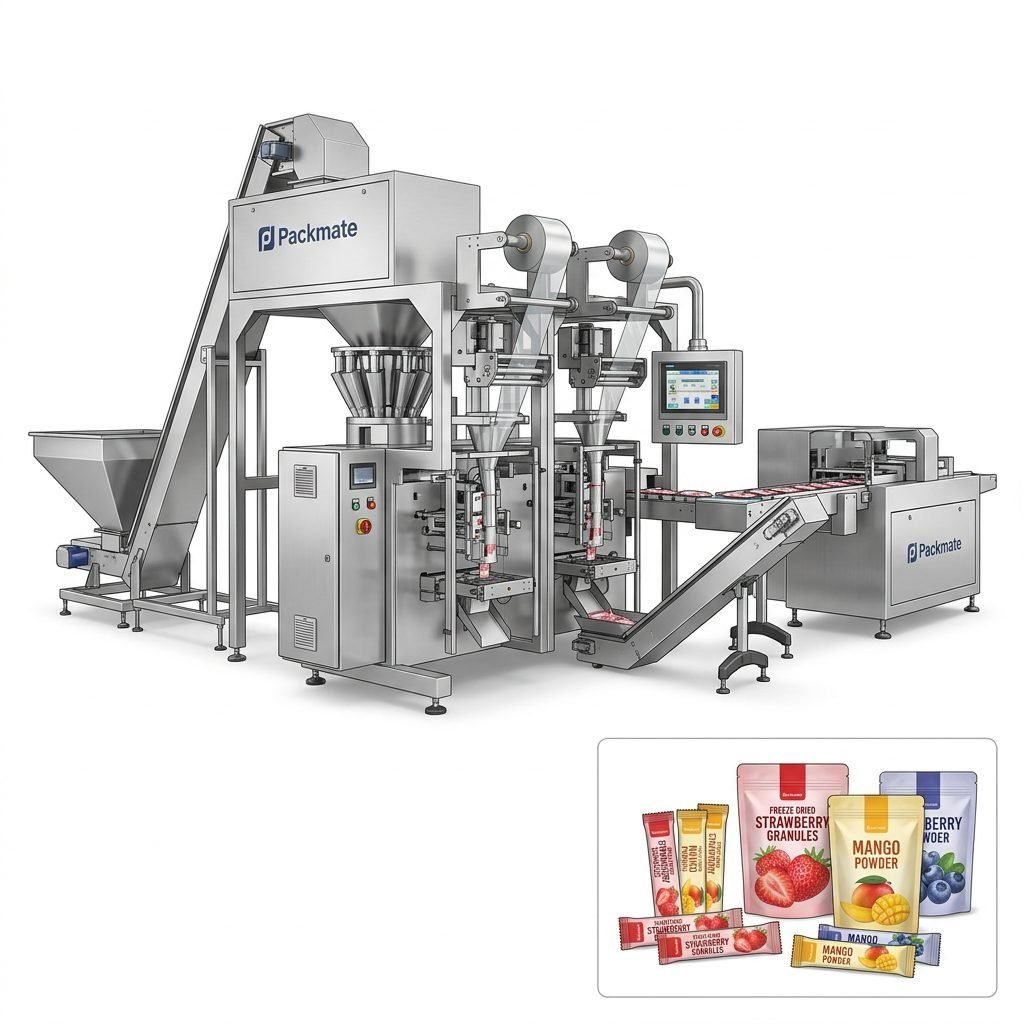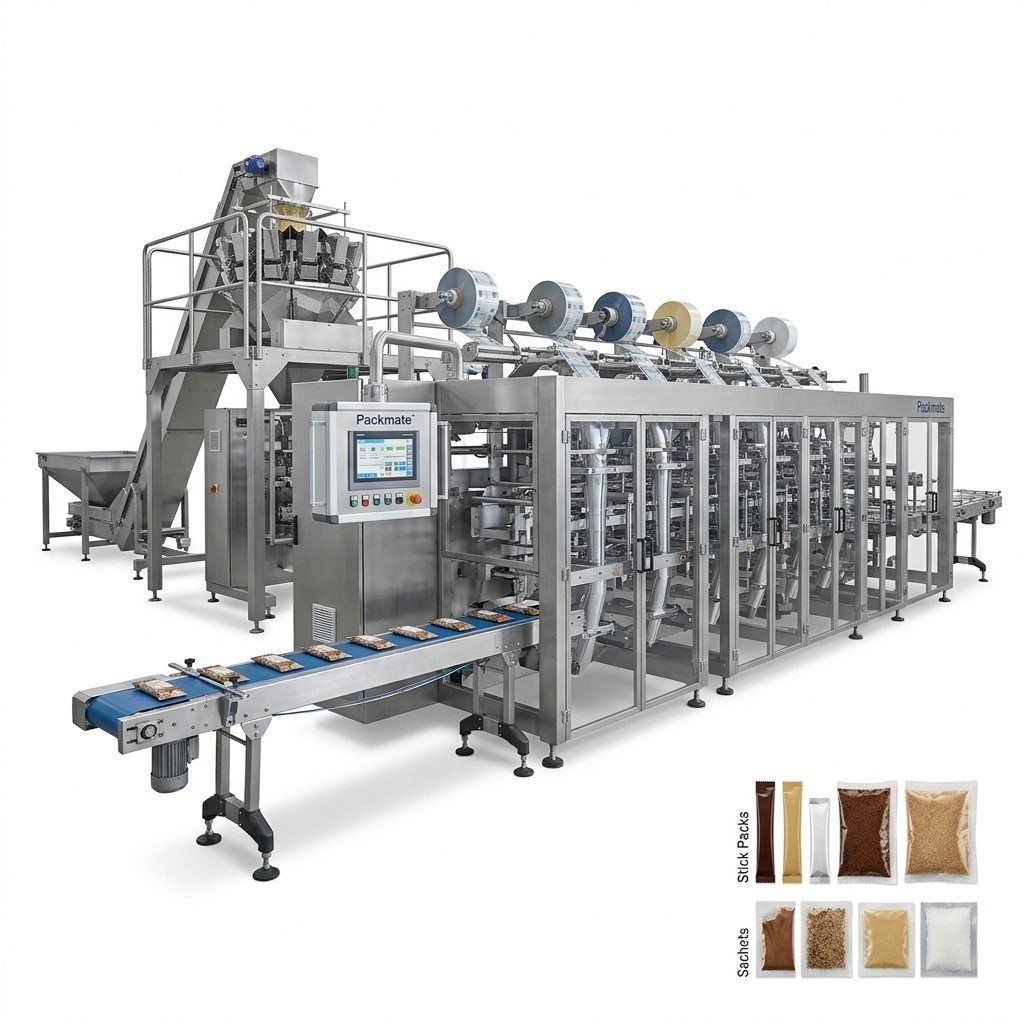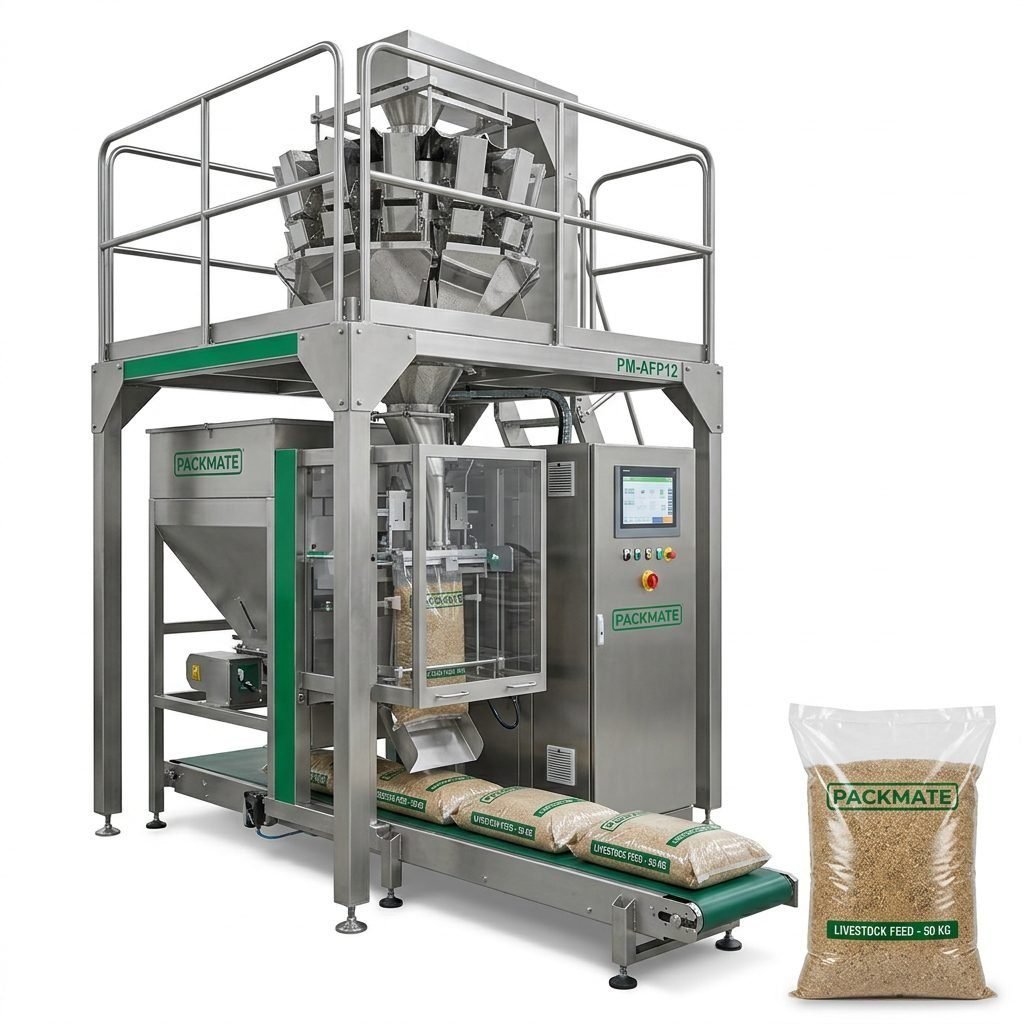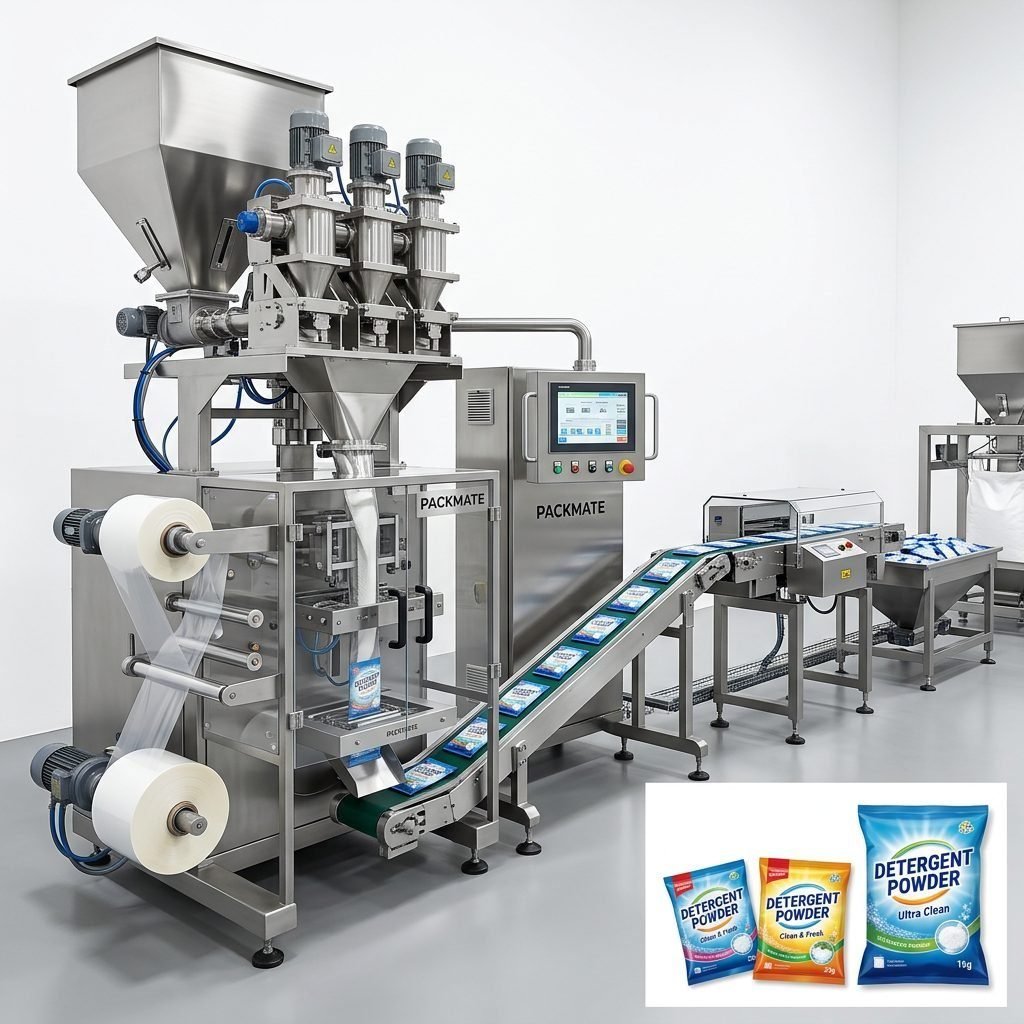
In today’s competitive manufacturing landscape, managing capital expenditure while maintaining operational efficiency is a constant challenge. For businesses in the food, pharmaceutical, and health industries, packaging equipment represents a significant investment. However, purchasing brand-new, high-end machinery isn’t always the most financially prudent path. This is where the market for used packaging equipment presents a compelling and strategic opportunity. Opting for reliable pre-owned machines can unlock substantial cost savings without compromising on performance or output quality.
Why Consider Used Packaging Equipment?
The decision to buy used industrial equipment is driven by more than just initial cost. It’s a calculated business strategy. The primary advantage is, of course, affordability. You can often acquire a high-performance machine for a fraction of the cost of its new counterpart, freeing up capital for other critical areas like marketing, R&D, or inventory. This is especially beneficial for startups, small to medium-sized enterprises (SMEs), or companies looking to add a secondary production line without the hefty price tag.
Furthermore, the lead time is drastically reduced. While a new custom machine might have a delivery schedule of several months, quality used equipment from a reputable dealer is typically available for immediate shipment and installation. This allows you to ramp up production quickly to meet sudden demand or replace a failed unit with minimal downtime. Many used machines, particularly from established manufacturers like Packmate Machinery, are built to last for decades, meaning a well-maintained unit still has a long, productive life ahead.
Finding Affordable & Reliable Options
Navigating the secondary market requires diligence. The key is to source equipment from trustworthy channels. Reputable dealers who refurbish, test, and certify their machines provide a level of security far above private auctions or unverified online listings. Look for sellers who offer a clear history of the equipment, documented maintenance records, and even a limited warranty.
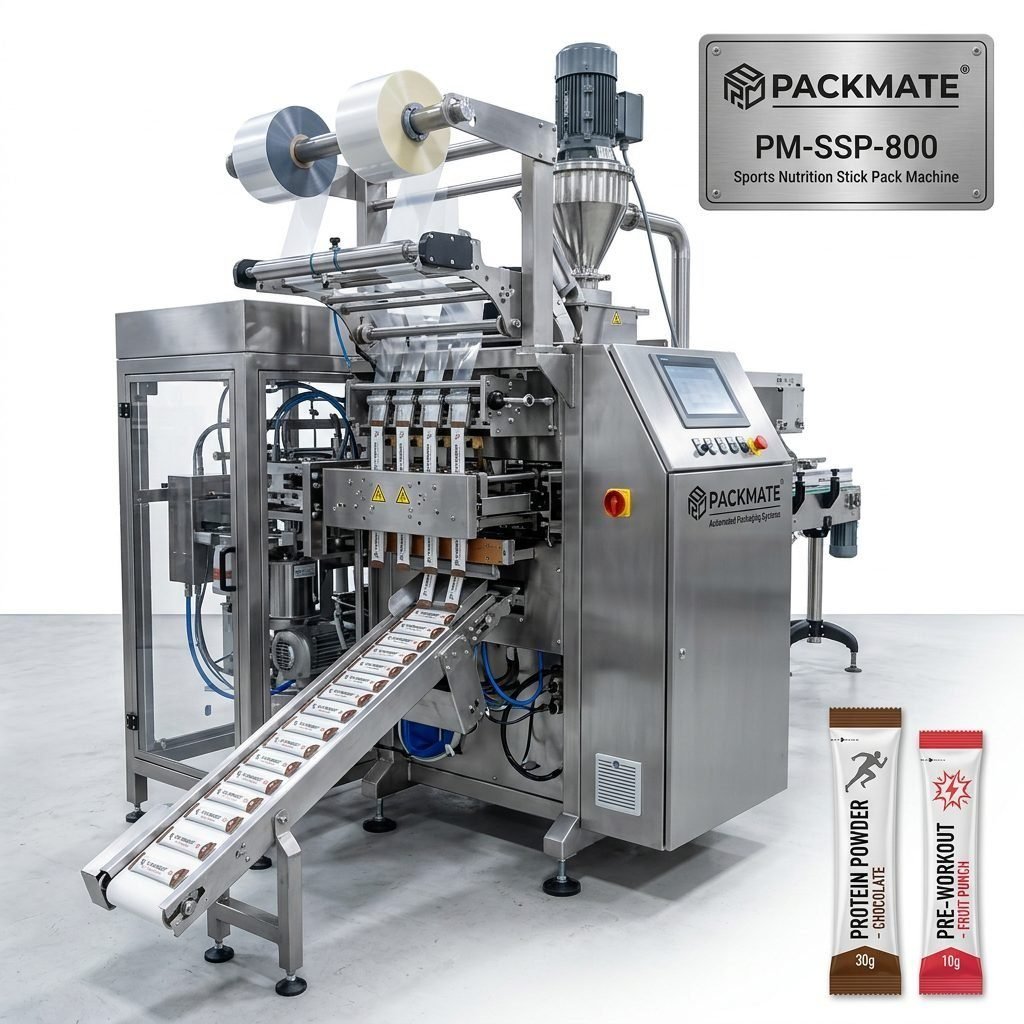
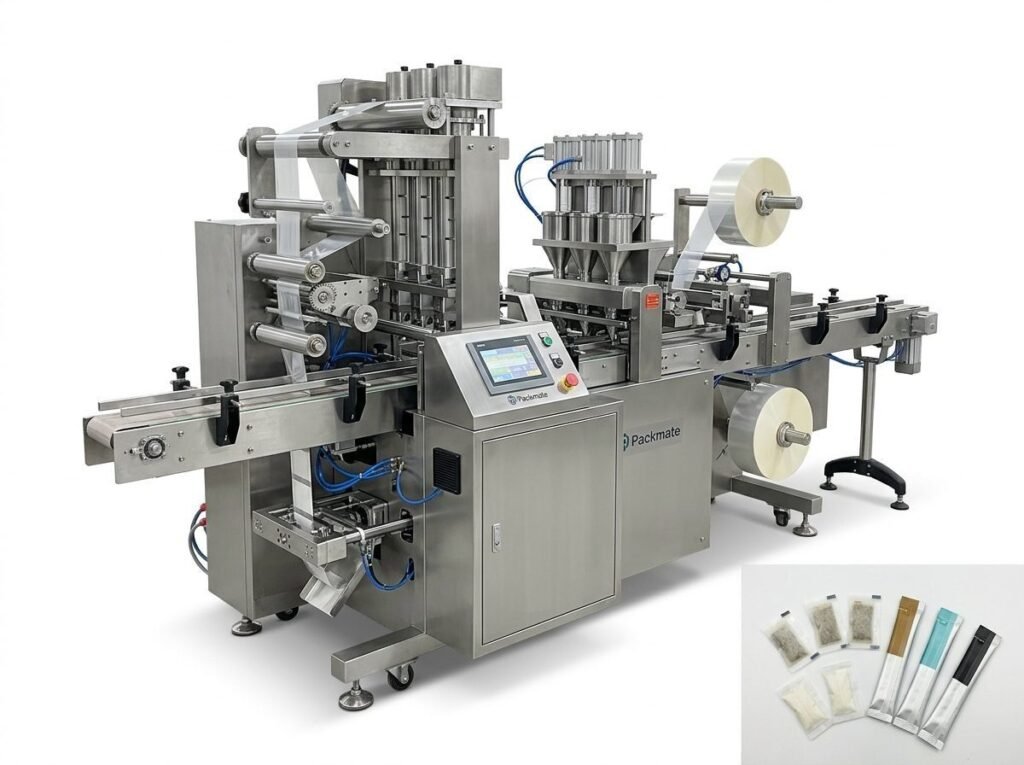
When evaluating affordable and reliable options, focus on the machine’s core functionality and compatibility with your products. For instance, a used sachet or stick pack machine from a known brand can be an excellent investment for packaging powders, granules, or liquids. Assess the wear on critical components and ensure that spare parts and technical support remain accessible. A reliable option isn’t just the cheapest one; it’s the one that offers the best long-term value and operational stability.
Key Benefits at a Glance:
- Major Cost Savings: Reduce initial investment by 40-60% compared to new equipment.
- Quick Deployment: Minimize project lead times and get producing faster.
- Proven Technology: Invest in machinery with a known track record of performance and reliability.
- High ROI: Achieve a faster return on investment due to the lower capital outlay.
- Sustainability: Give quality machinery a second life, supporting circular economy principles.
The Packmate Assurance in Pre-Owned Machinery
Understanding the origin and build quality of used equipment is paramount. Machinery from manufacturers with a legacy of durability and robust engineering is always a safer bet. For over 30 years, Packmate (GuangDong) Co., Ltd. has been a leader in manufacturing intelligent packaging solutions. Their machines are designed and built in a modern 20,000㎡ facility with rigorous quality control, meaning their used equipment often retains exceptional structural and mechanical integrity.
The company’s history, beginning from a small workshop in 1993 to becoming a provider of over 50 machine models today, is rooted in creating reliable and efficient automation. This heritage translates to their products in the secondary market. A used Packmate machine, such as a multi-lane stick packer or a sachet packaging line, benefits from this foundational commitment to quality. When you choose a used machine from a manufacturer with this level of expertise, you’re not just buying metal and motors; you’re investing in decades of engineering refinement.
Critical Inspection Points Before You Buy
To ensure you select a truly reliable piece of used packaging equipment, a thorough inspection is non-negotiable. If an on-site visit isn’t possible, request detailed videos and high-resolution photos from the seller.
Mechanical & Electrical Condition: Check for signs of excessive wear on seals, bearings, chains, and gears. Inspect the control panel, wiring, and PLC for any signs of damage, corrosion, or unprofessional modifications. Ask for the machine’s total operational hours if recorded.
Performance Testing: The ideal scenario is to see the machine run with a material similar to yours. Observe its speed, accuracy (check weigh data if applicable), and noise level. Test all safety features and interlocks. For filling machines, verify dosing consistency.
Hygiene and Cleanability: Especially crucial for food and pharmaceutical applications. Inspect surfaces for pitting, cracks, or stains that could harbor bacteria. Ensure all product-contact parts are made of appropriate, food-grade materials like stainless steel.
Documentation & Support: Secure the original operation and maintenance manuals. Confirm the availability of spare parts—does the original manufacturer or a trusted third party still support this model? Understanding the service and support landscape is critical for minimizing future downtime.
Making the Final Decision
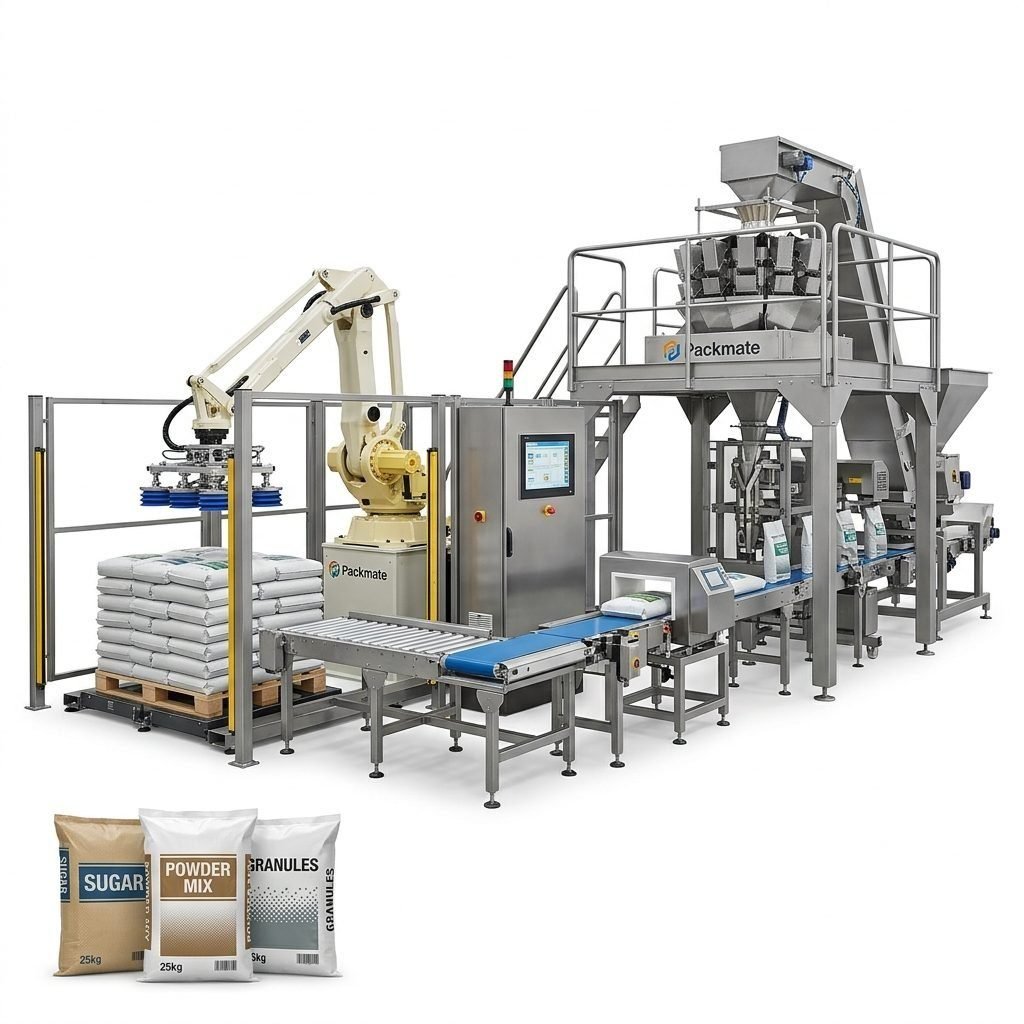
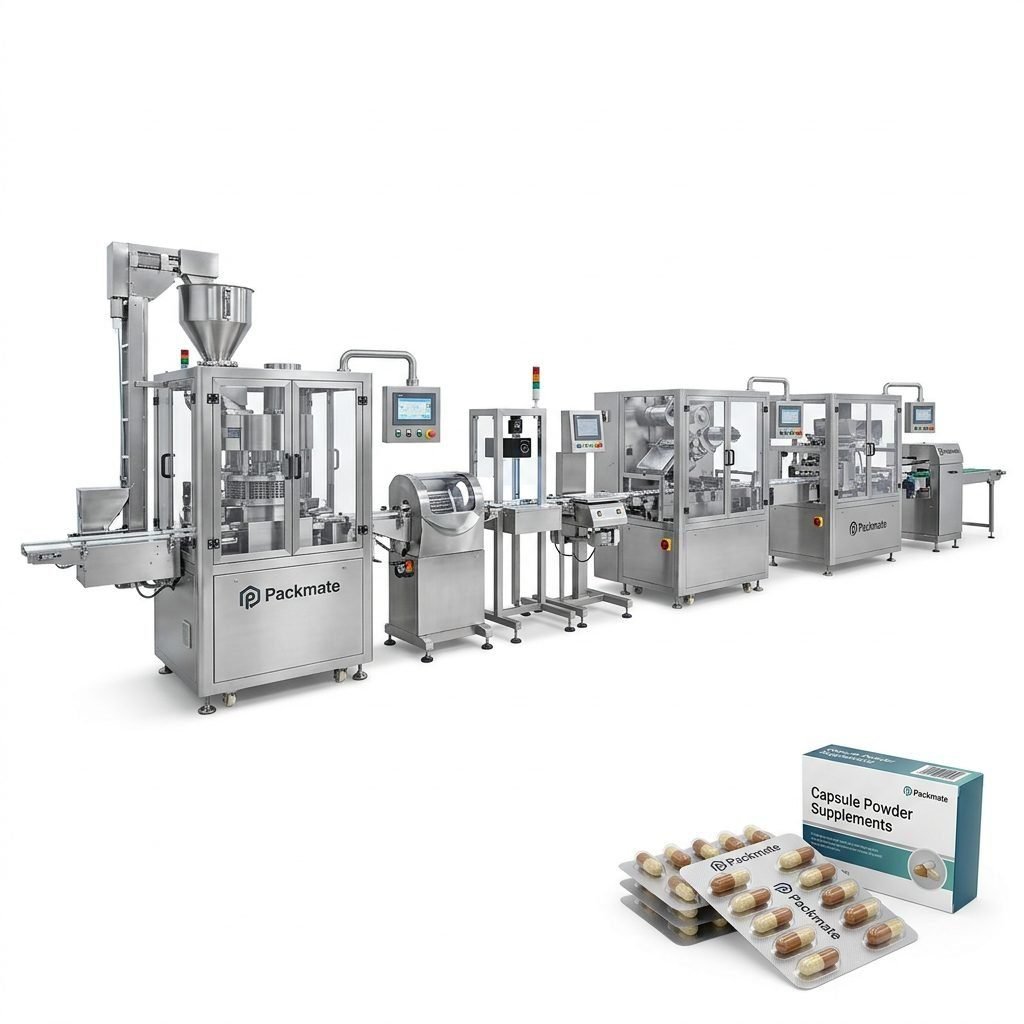
Weigh the total cost of ownership, which includes the purchase price, any necessary refurbishment, installation, and potential parts replacement in the near term. Compare this against the cost and lead time of a new machine. Often, the value proposition of a well-vetted used machine from a reliable source is undeniable. It allows businesses to access advanced packaging technology, like that found in complete filling and packaging lines, at a manageable investment level.
Frequently Asked Questions (FAQs)
Q: Is used packaging equipment less reliable than new equipment?
A: Not necessarily. Reliability depends heavily on the machine’s original build quality, its maintenance history, and how it was used. A used machine from a top-tier manufacturer like Packmate that has been well-maintained can be just as reliable as a new one for many years of service. The key is thorough due diligence before purchase.
Q: What kind of warranty can I expect with used packaging machinery?
A: Warranties vary by seller. Private sales typically come “as-is” with no warranty. Reputable dealers often provide a short-term warranty (e.g., 30-90 days) on parts and labor for the specific components they have refurbished. Always clarify the warranty terms in writing before finalizing a purchase.
Q: How do I ensure spare parts are available for an older used machine?
A: Before buying, research the machine model. Contact the original manufacturer (e.g., check Packmate’s service page) to inquire about parts availability. Many common wear parts are standardized (seals, bearings) and can be sourced generically. For proprietary parts, confirm there is a supply chain in place.
Q: Can used equipment be upgraded or modified for my specific product?
A: In many cases, yes. Reputable equipment dealers and engineering firms can often retrofit or modify used machines. This might include changing fill heads, adjusting sealing jaws, or updating the control system. Discuss your specific needs with the seller or a qualified technician to assess feasibility and cost.
Q: Where is the best place to find quality used packaging equipment?
A> Start with established industrial equipment dealers who specialize in packaging machinery. They often inspect and recondition their inventory. Also, explore direct sales from companies upgrading their own lines, and check trusted online marketplaces dedicated to industrial equipment. Networking within your industry can also lead to private sales of well-cared-for machines.