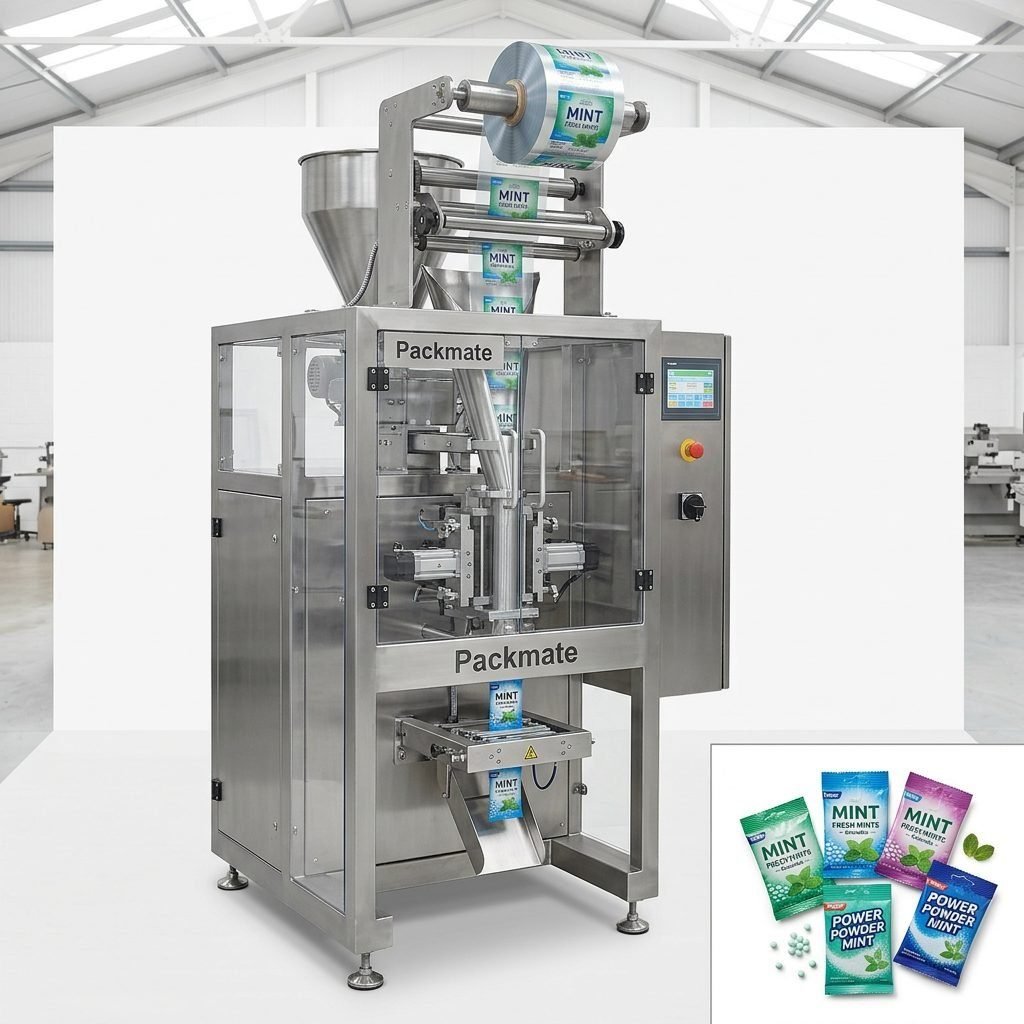
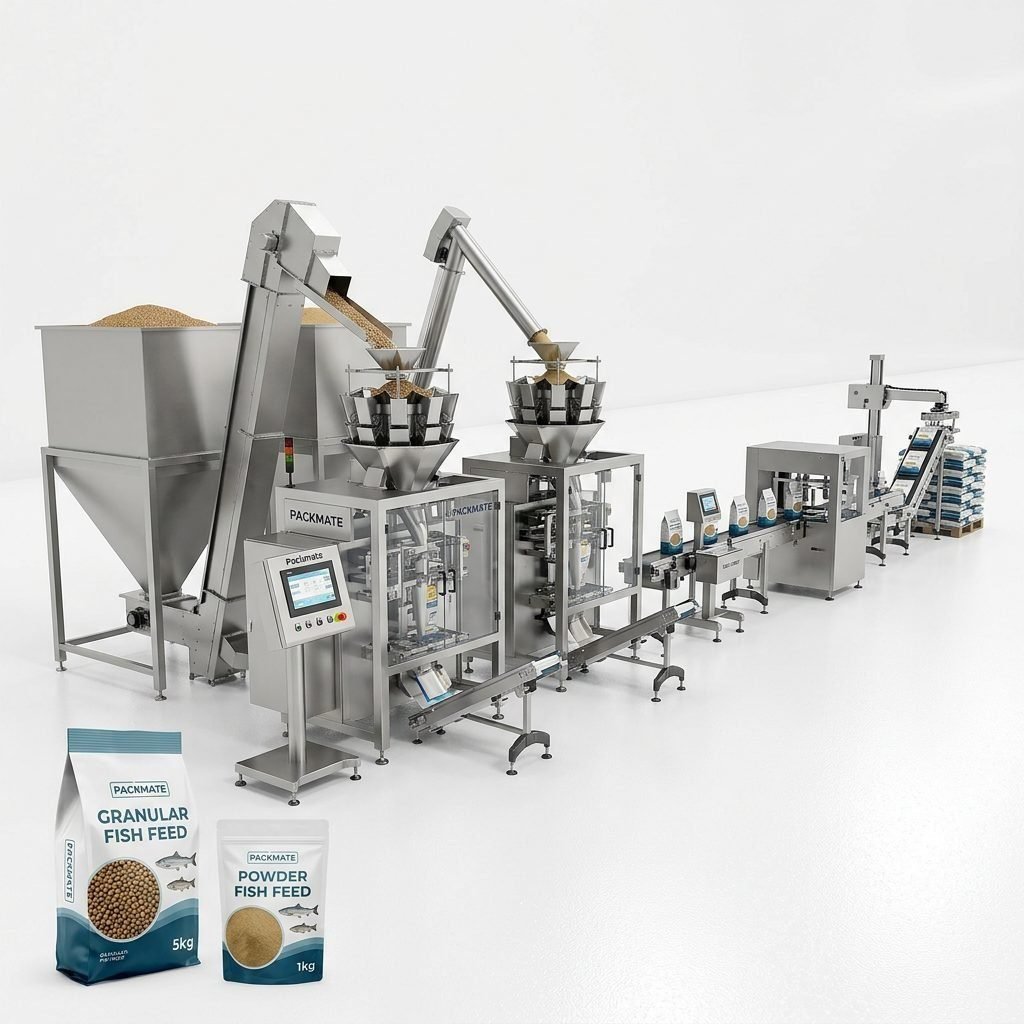
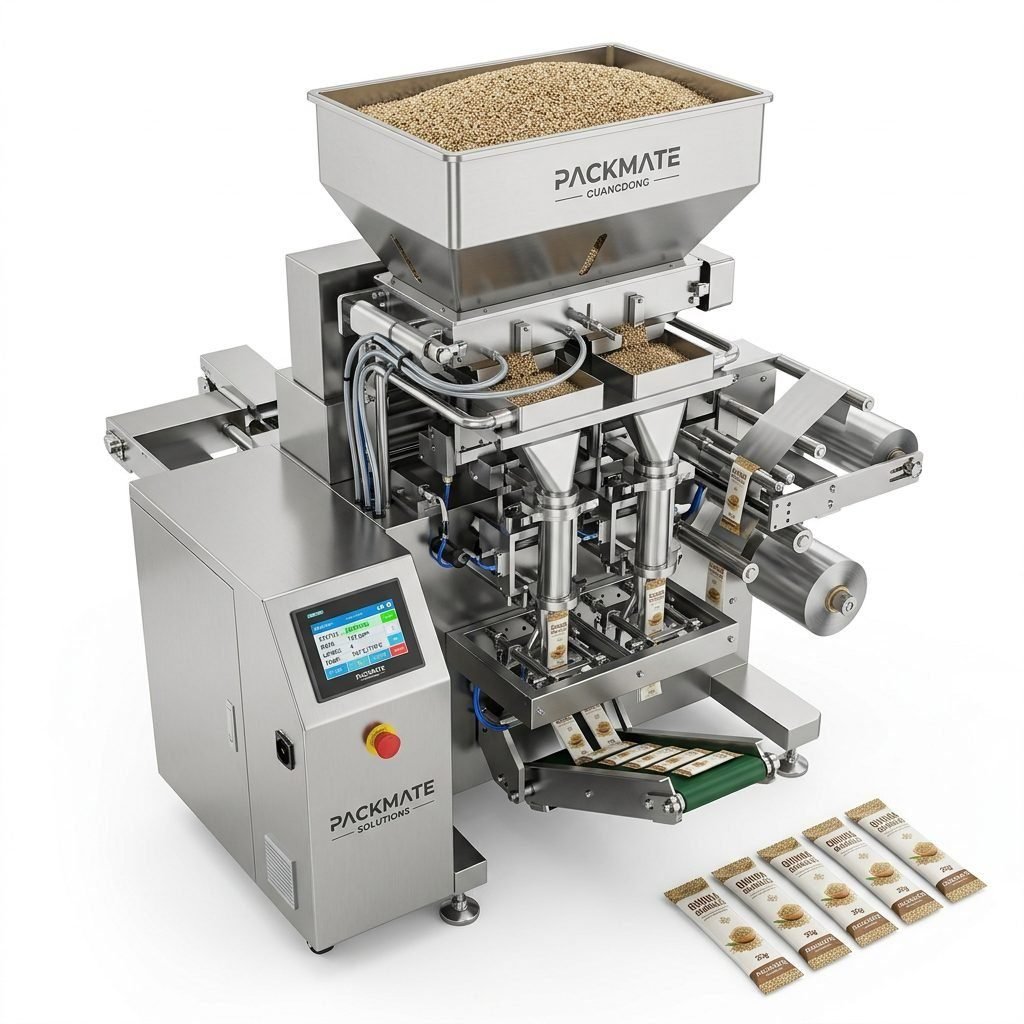
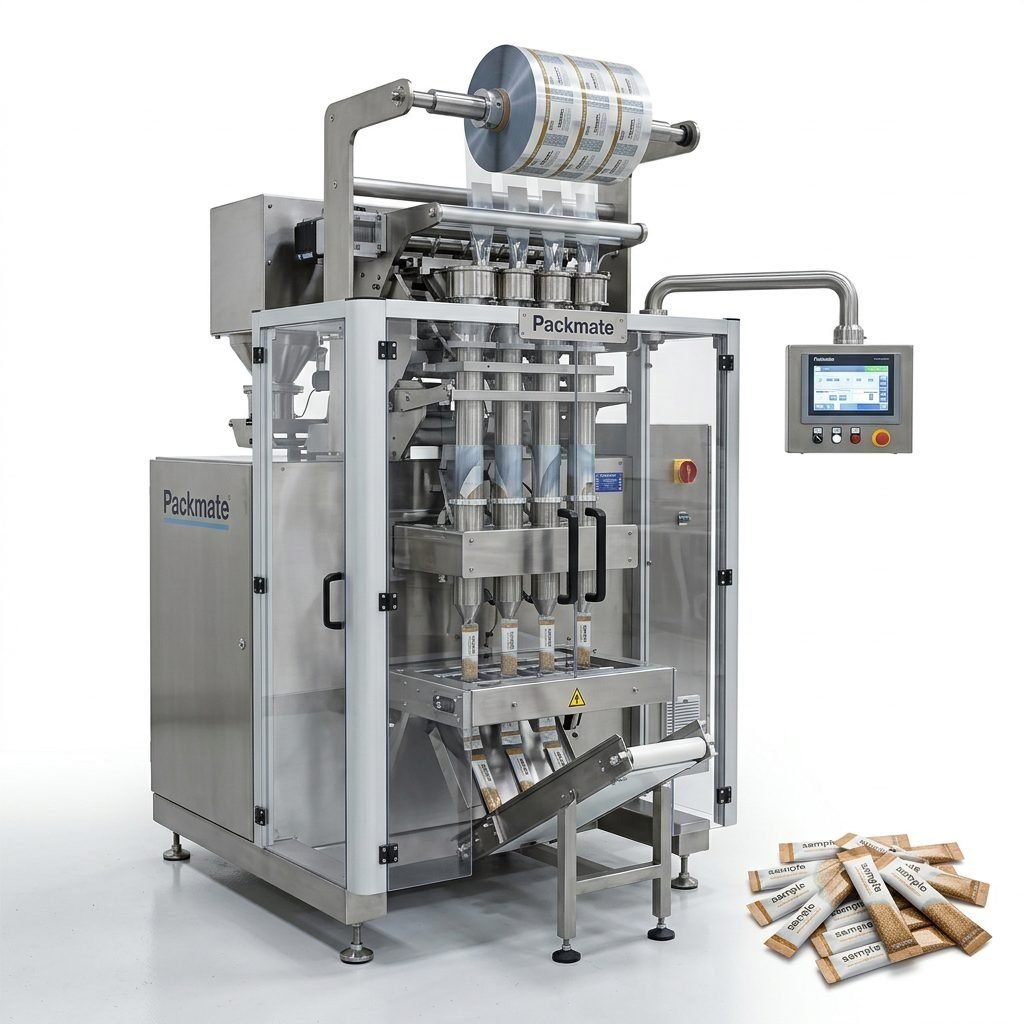
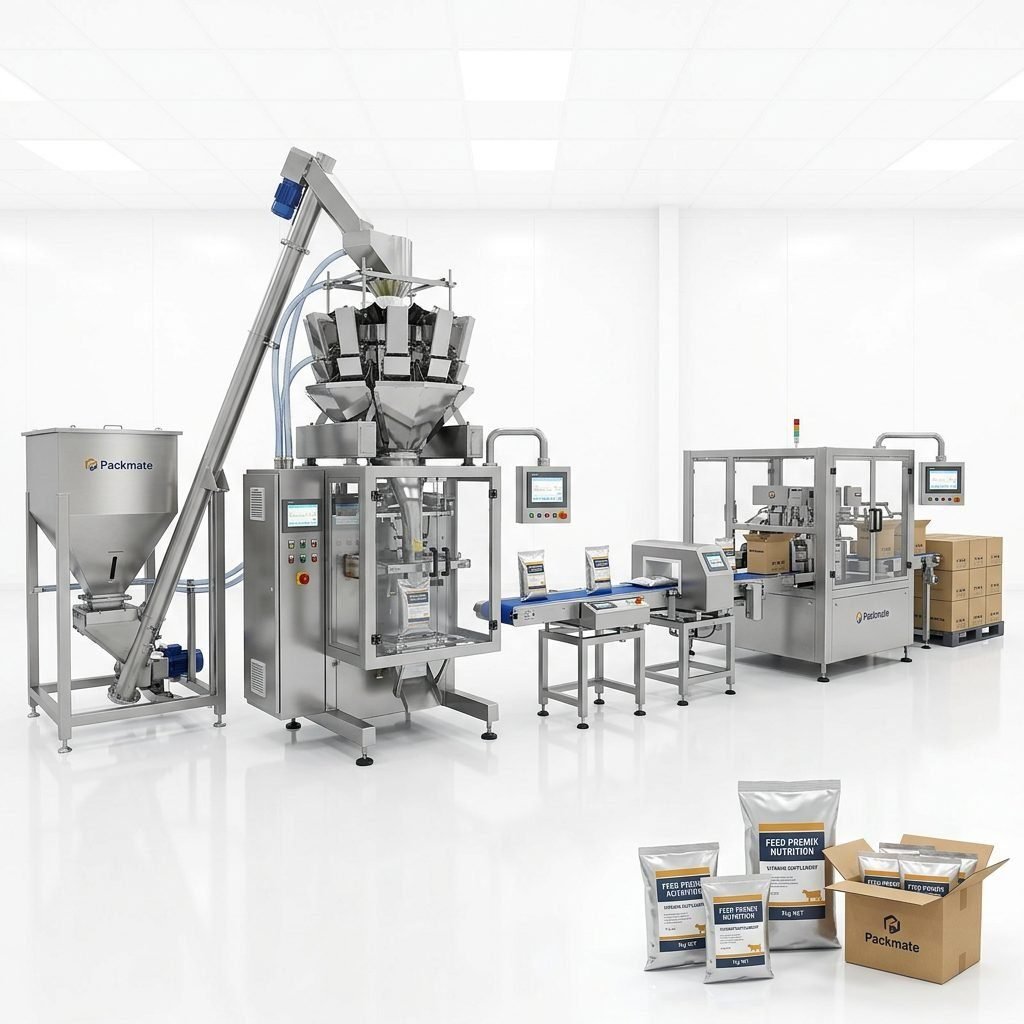
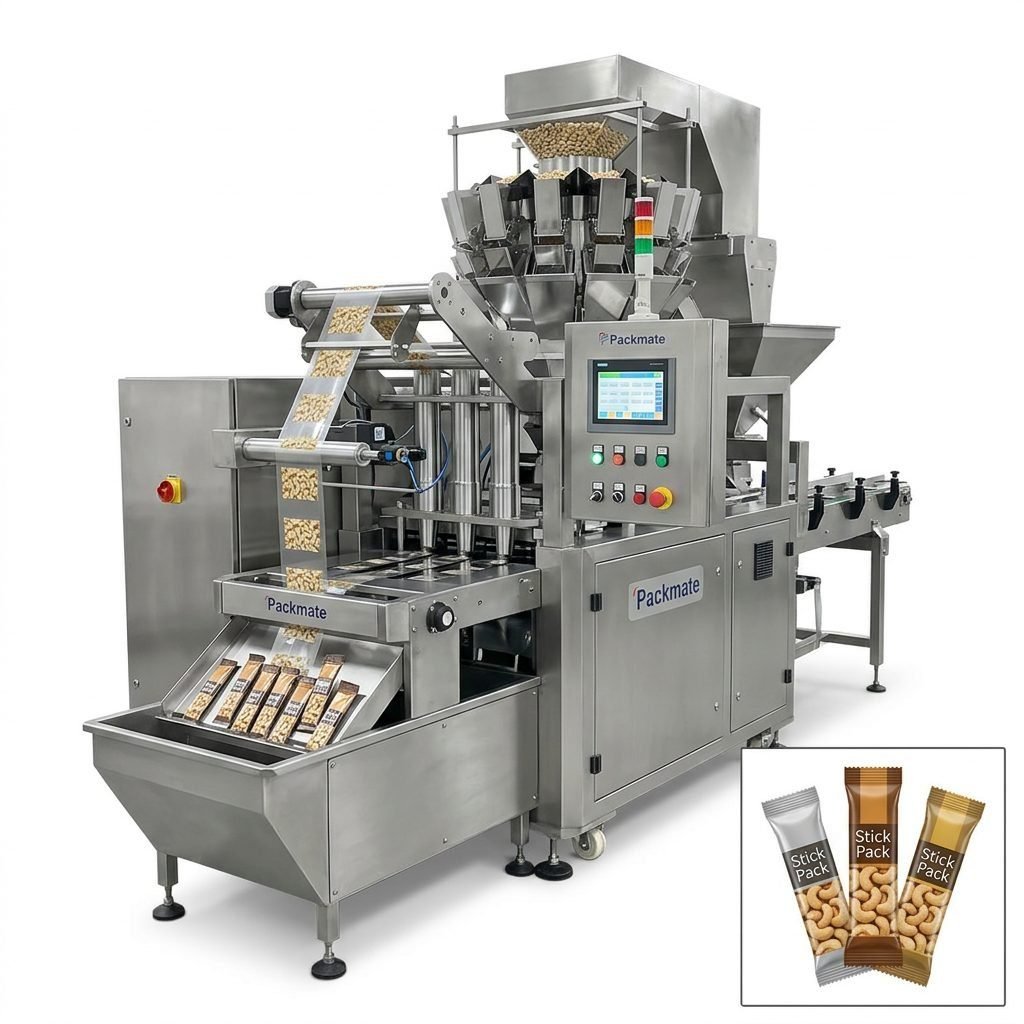
Selecting the right FFS (Form, Fill, Seal) packaging machine is a critical decision that directly impacts your production efficiency, product quality, and overall business profitability. With a myriad of options available in the market, the process can seem overwhelming. This comprehensive guide will walk you through the essential factors to consider, ensuring you invest in a machine that aligns perfectly with your operational needs and growth ambitions.
Understanding Your Product and Packaging Requirements
The foundation of your selection process begins with a deep understanding of what you are packaging. FFS machines are versatile but must be matched to specific product characteristics.
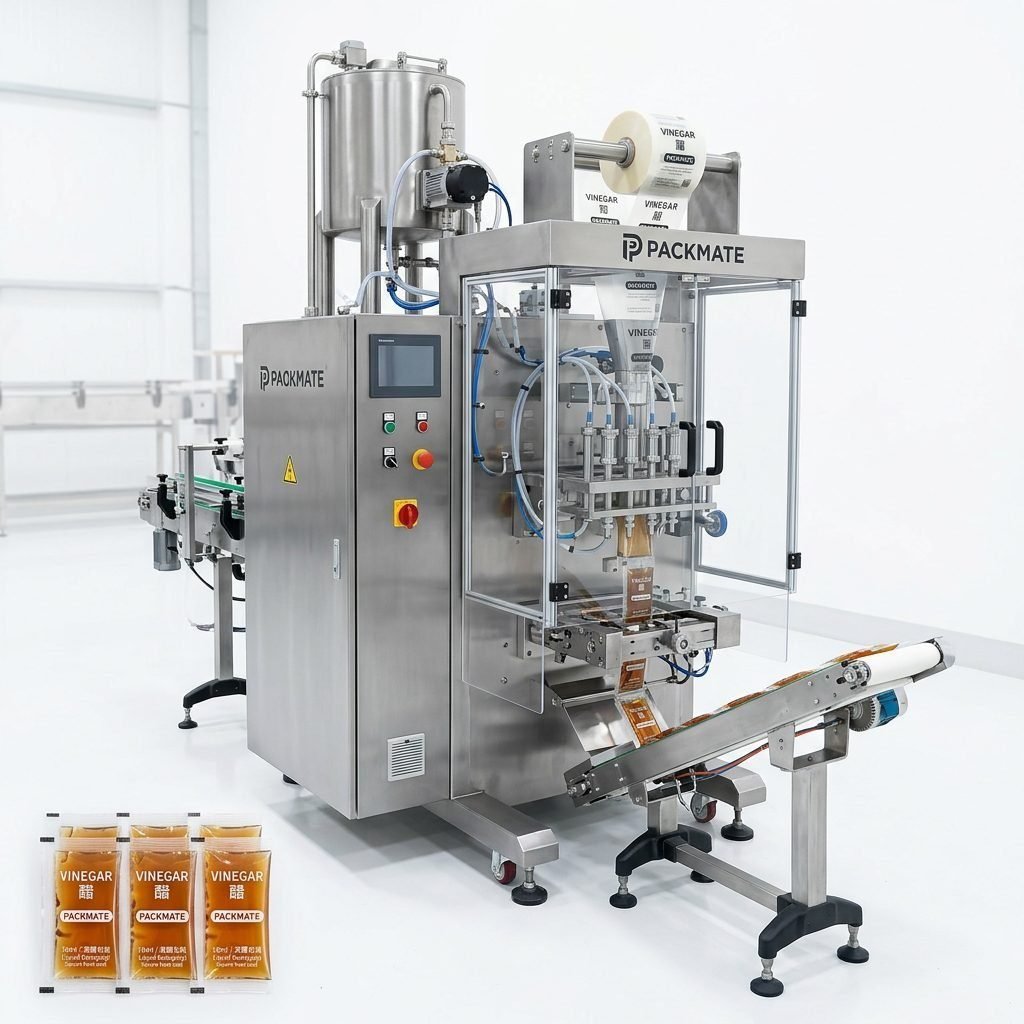
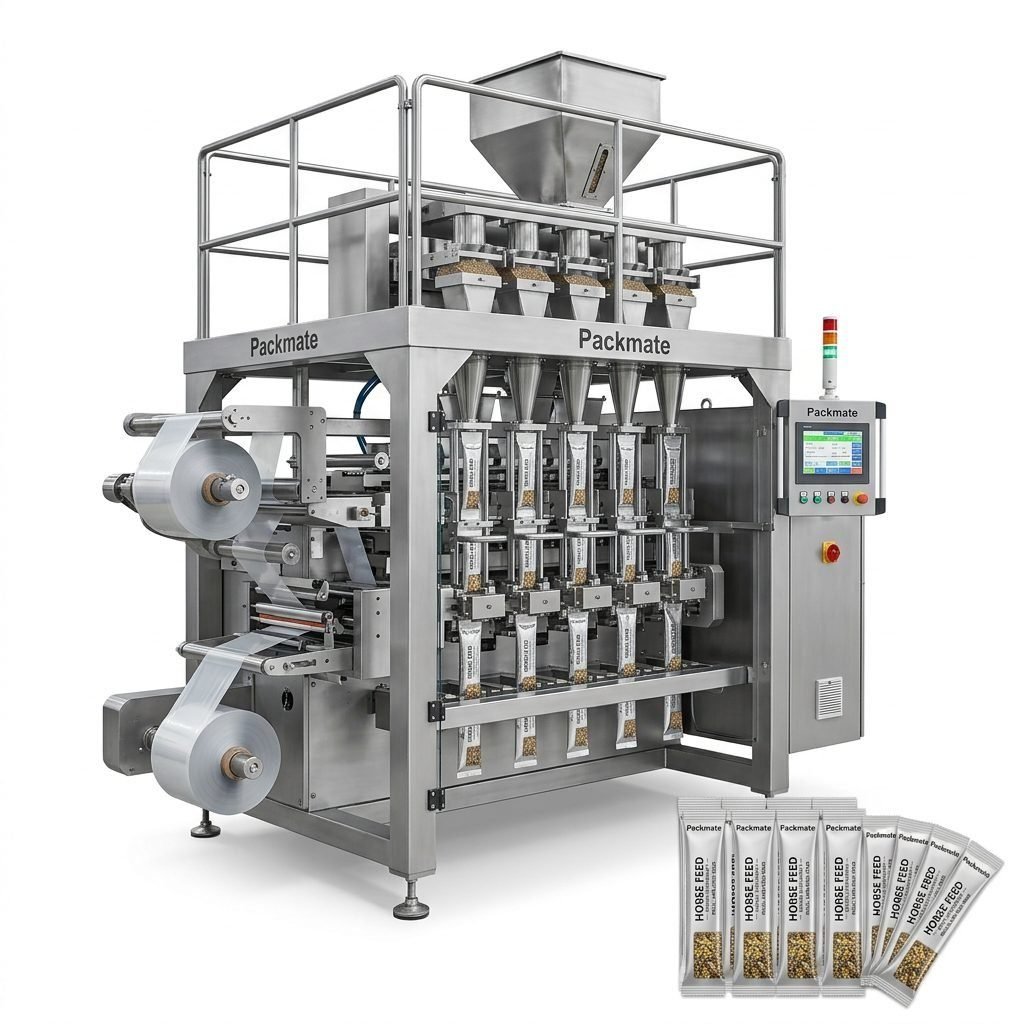
Key questions to ask: What is the physical state of your product? Is it a granule, a fine powder, a viscous liquid, or a solid piece? Each type demands different filling mechanisms—volumetric cups for granules, auger fillers for powders, and piston pumps for liquids. The product’s flowability, abrasiveness, and potential for dust generation are also crucial for choosing compatible machine components.
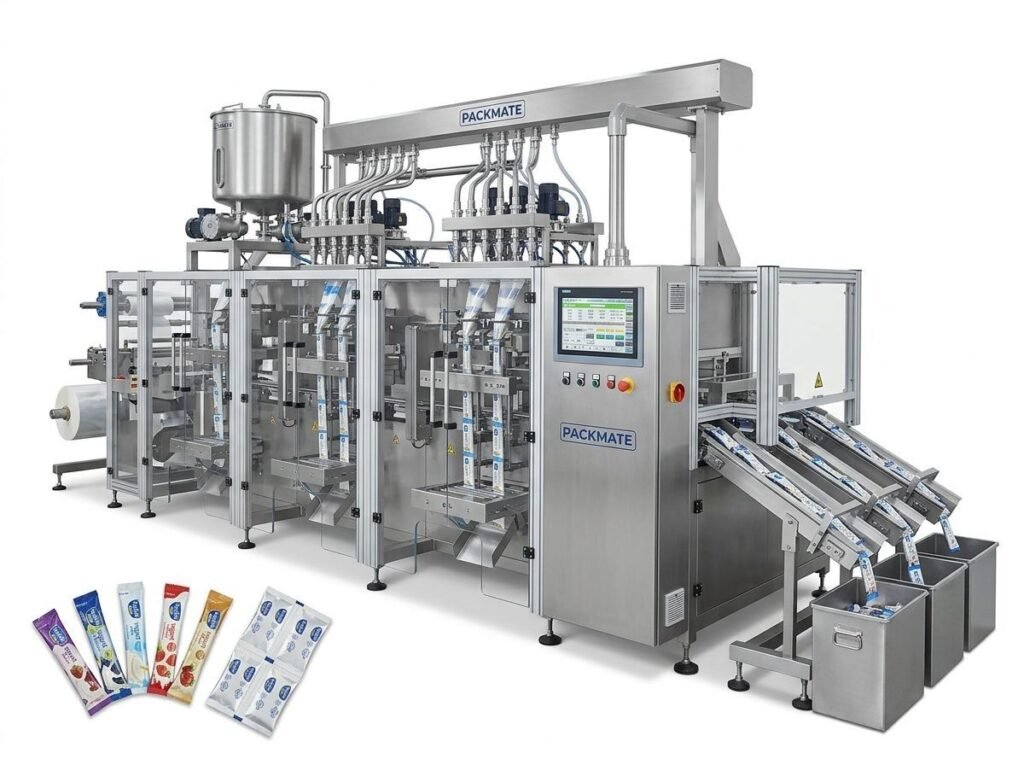
Next, define your packaging specifications. Consider the film material (e.g., laminated films for barrier properties, biodegradable options for sustainability), the bag size and shape (from small sachets to large pouches), and any special features like zippers, spouts, or tear notches. Your desired output speed (bags per minute) will directly influence the machine’s configuration, whether it’s a single lane for lower volumes or a high-speed multi-lane stick pack machine for mass production.
Evaluating Machine Performance and Technology
Beyond basic compatibility, the core performance and technological sophistication of the FFS machine determine long-term reliability and ease of use.
Accuracy and Speed: The primary function is to deliver consistent, precise fills at your target speed. Investigate the machine’s weighing or volumetric filling system’s tolerance levels. A high-precision machine minimizes product giveaway, saving significant costs over time.
Automation and Control: Modern FFS machines are driven by sophisticated PLC (Programmable Logic Controller) systems. A user-friendly HMI (Human-Machine Interface) touchscreen allows for easy recipe changes, parameter adjustments, and real-time monitoring of production data. Look for features like automatic film splicing, fault diagnosis alarms, and production counters.
Flexibility and Changeover: If you run multiple products or bag sizes, quick changeover time is vital. Machines with tool-less adjustments or pre-configured change parts can reduce downtime from hours to minutes, enhancing overall equipment effectiveness (OEE).
Assessing Build Quality and Supplier Support
The machine’s construction and the manufacturer behind it are investments in your future stability.
A robust frame, high-grade stainless steel contact parts (especially for food or pharmaceutical use), and precision-machined components ensure durability and hygiene. Don’t just look at specifications; if possible, request a live video demonstration or visit the factory to see the build quality firsthand.
The supplier’s expertise and support network are arguably as important as the machine itself. A manufacturer with deep industry experience, like Packmate Machinery, brings invaluable application knowledge. They can help you avoid common pitfalls and optimize the line for your specific product. Evaluate their after-sales service: What is the warranty period? How responsive is their technical support? Are training, spare parts, and maintenance services readily available?
Choosing a partner with a proven track record, such as a company that has evolved from a specialized workshop to a provider of complete turnkey packaging solutions, offers greater long-term security for your investment.
Financial Considerations: Total Cost of Ownership (TCO)
The purchase price is just one part of the financial equation. A savvy buyer evaluates the Total Cost of Ownership.
Initial Investment: This includes the machine cost, shipping, installation, and initial training.
Operational Costs: Consider energy consumption, compressed air requirements, and the cost of packaging films and other consumables. A more efficient machine may have a higher upfront cost but lower running expenses.
Maintenance and Downtime Costs: A reliable machine with accessible service points and good local support will have lower maintenance costs and less costly production downtime. Factor in the expected lifespan of the equipment.
Return on Investment (ROI): Ultimately, the right machine should pay for itself. Calculate ROI based on increased output speed, reduced labor through automation, lower material waste from improved accuracy, and enhanced product presentation that can command a higher market price.
Integration and Future-Proofing
Your new FFS machine should not operate in isolation. Consider how it will integrate into your existing or planned production line.
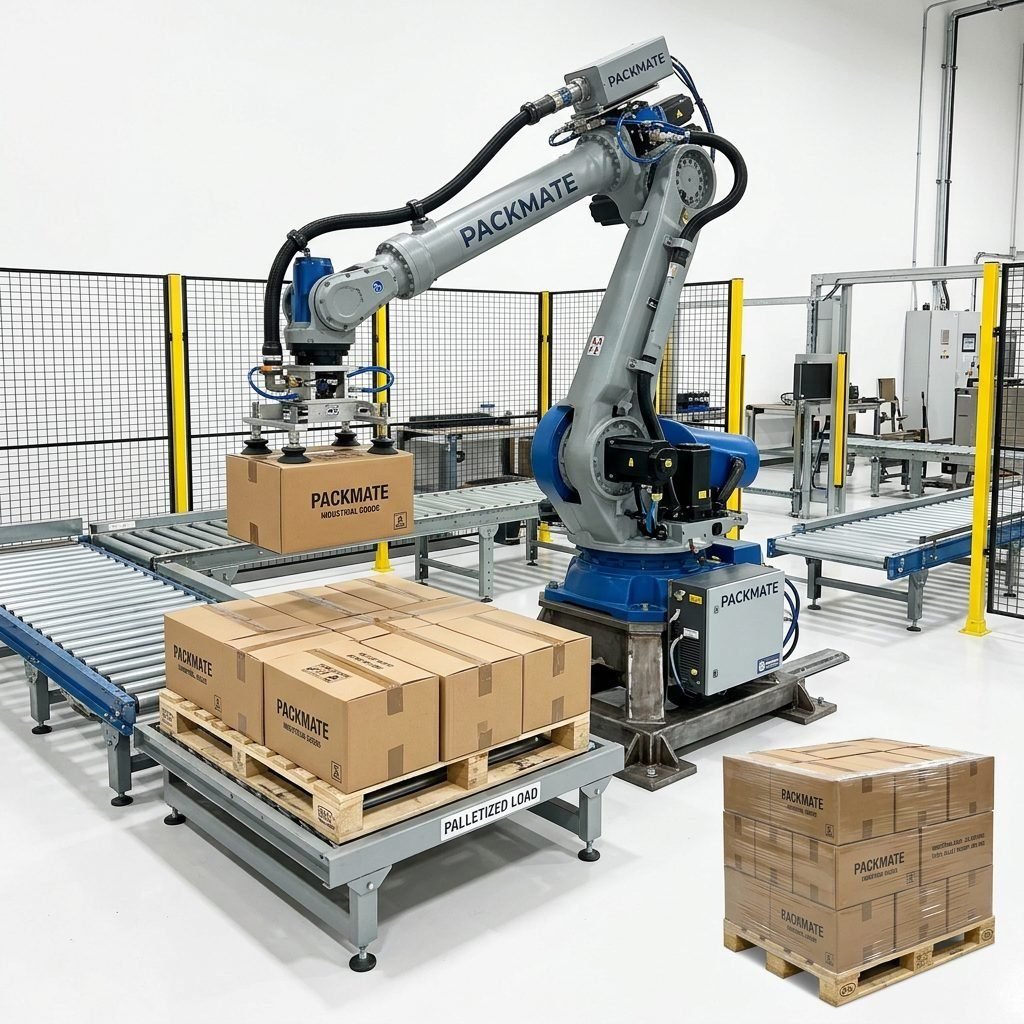
Will it need to connect with upstream equipment like mixers or feeders, or downstream systems like cartoners or case packers? Check the machine’s connectivity options (e.g., industrial communication protocols) for smooth data exchange and line control.
Think about scalability. As your business grows, will the machine be able to handle increased capacity? Can it be upgraded or modified? Selecting a modular machine from a supplier with a broad portfolio, including various auxiliary packaging equipment, provides flexibility for future expansion.
Final Steps: Validation and Decision
Before finalizing your purchase, take concrete steps to validate your choice.
Request Product Trials: Reputable manufacturers will offer to run trials with your actual product and packaging material. This is the best way to verify performance metrics like speed, accuracy, and seal integrity.
Check References: Ask the supplier for contact information of current customers with similar applications. Their firsthand experience with the machine’s performance and the company’s service is invaluable.
Review Documentation: Ensure comprehensive manuals, electrical diagrams, and parts lists are provided. Clear documentation is essential for long-term maintenance and troubleshooting.
By methodically working through these areas—product needs, machine performance, supplier reliability, financials, and integration—you move from a position of uncertainty to one of confidence. The right FFS packaging machine becomes a strategic asset, driving efficiency, ensuring quality, and supporting your business’s competitive edge for years to come.
Frequently Asked Questions (FAQs)
Q1: What is the main difference between a vertical and a horizontal FFS machine?
Vertical FFS (VFFS) machines are typically used for loose, free-flowing products like snacks, granules, or powders, forming bags from a single roll of film. Horizontal FFS (HFFS) machines are often used for more rigid or counted items, forming bags around the product from multiple film webs. The choice depends entirely on your product type.
Q2: How important is the sealing system on an FFS machine?
It is critically important. The seal integrity directly affects product shelf life and prevents leaks or contamination. Look for machines with precise temperature control, consistent pressure application, and the ability to handle your specific film material, whether it’s polyethylene, polypropylene, or laminated structures.
Q3: Can one FFS machine handle multiple, very different products?
While many machines offer flexibility, significant differences (e.g., switching from fine powder to large granules) usually require changing key components like the filling system, funnel, and sometimes the film forming collar. Machines designed for quick changeover facilitate this process but may involve an additional investment in change parts.
Q4: What kind of maintenance does an FFS machine require?
Regular maintenance includes daily cleaning to prevent product buildup, lubrication of moving parts as per the manual, inspection and replacement of wear parts like sealing jaws and cutting blades, and periodic calibration of the weighing/filling system. A good supplier will provide a detailed preventive maintenance schedule.
Q5: How do I ensure the machine meets food safety or pharmaceutical standards?
Specify your industry requirements upfront. For food or pharmaceutical applications, the machine must be constructed with food-grade stainless steel (e.g., 304 or 316L), have smooth, crevice-free surfaces, and be designed for easy cleaning and sanitization (CIP/SIP capabilities). Certifications like CE for Europe or relevant local safety standards are also essential.