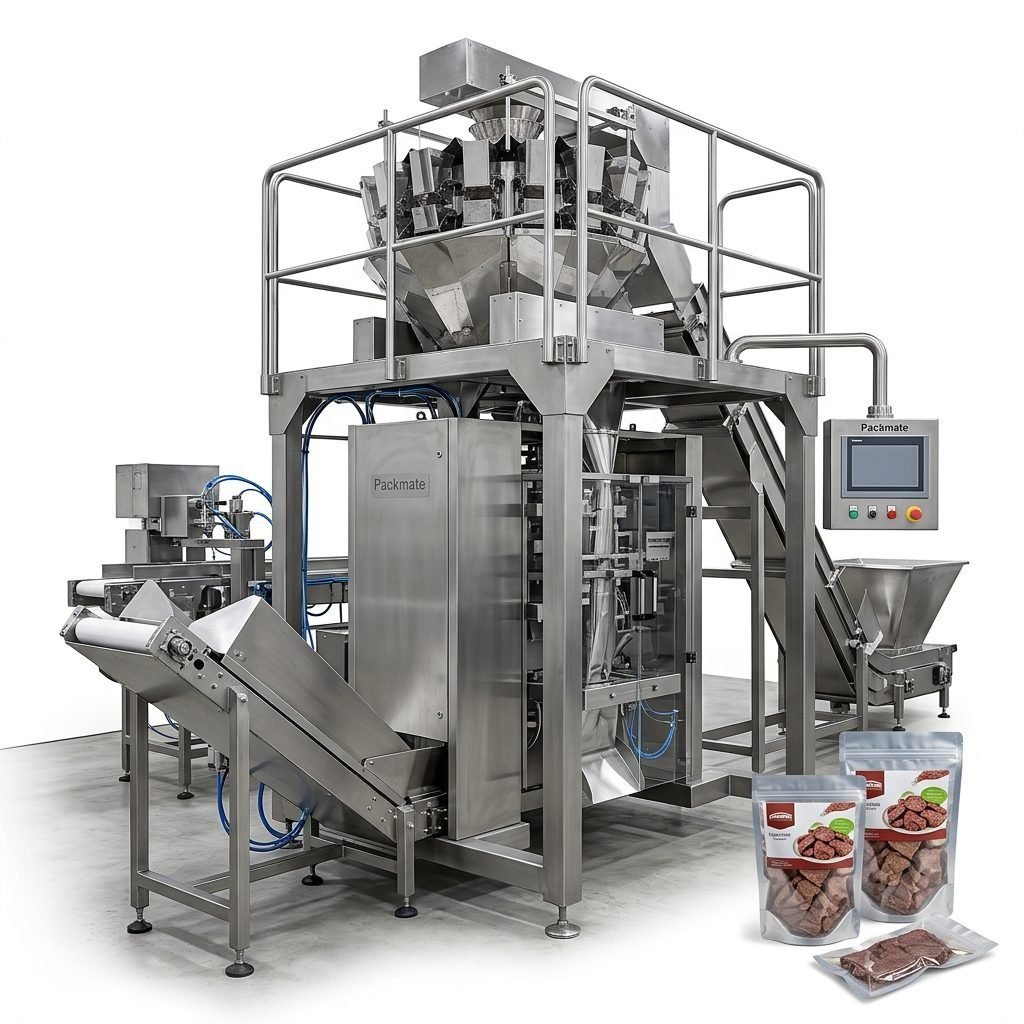
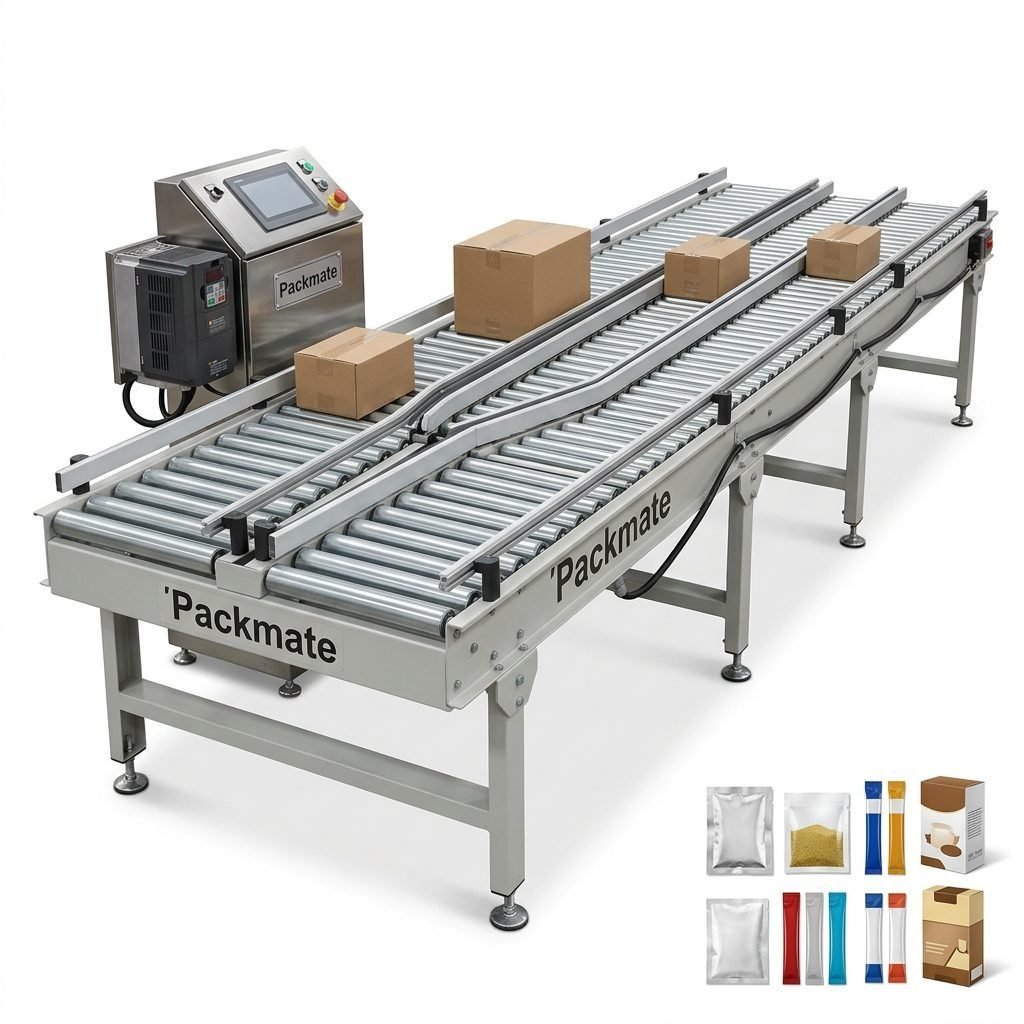
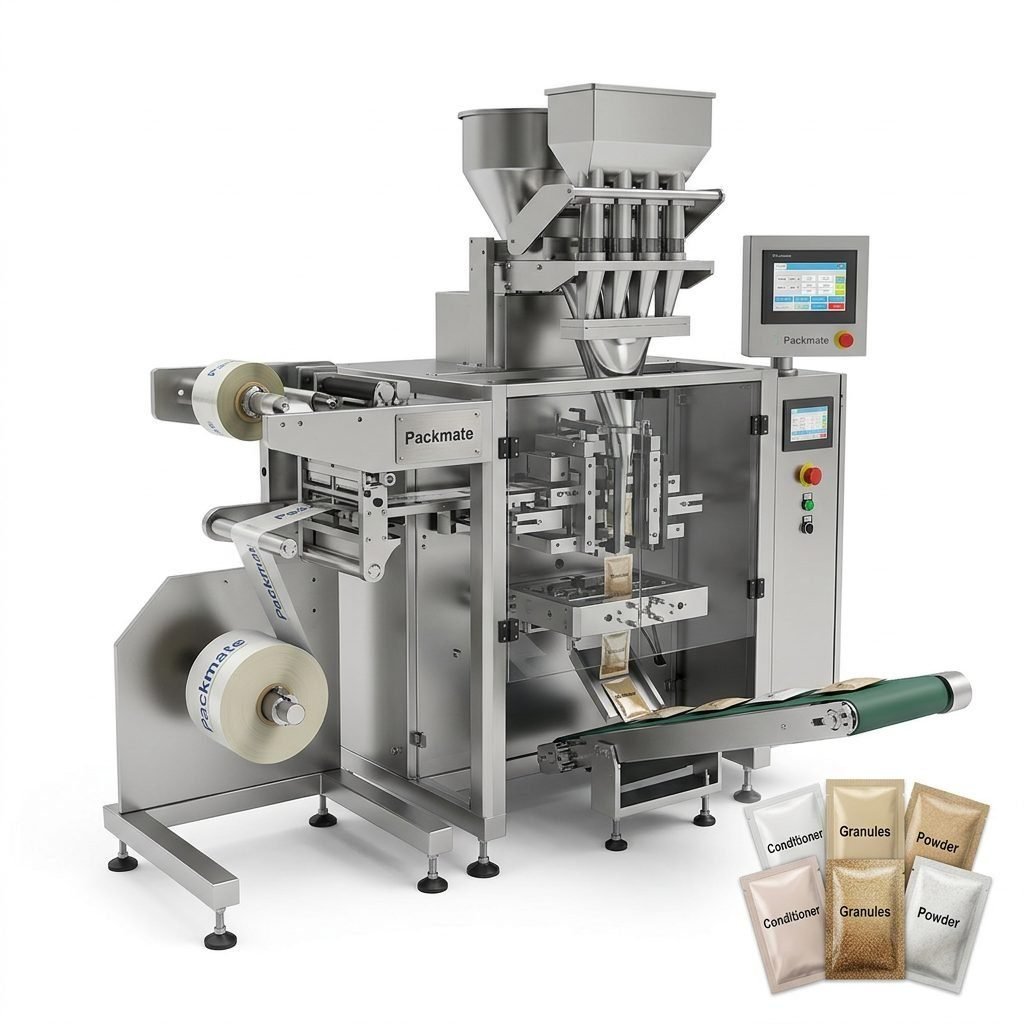
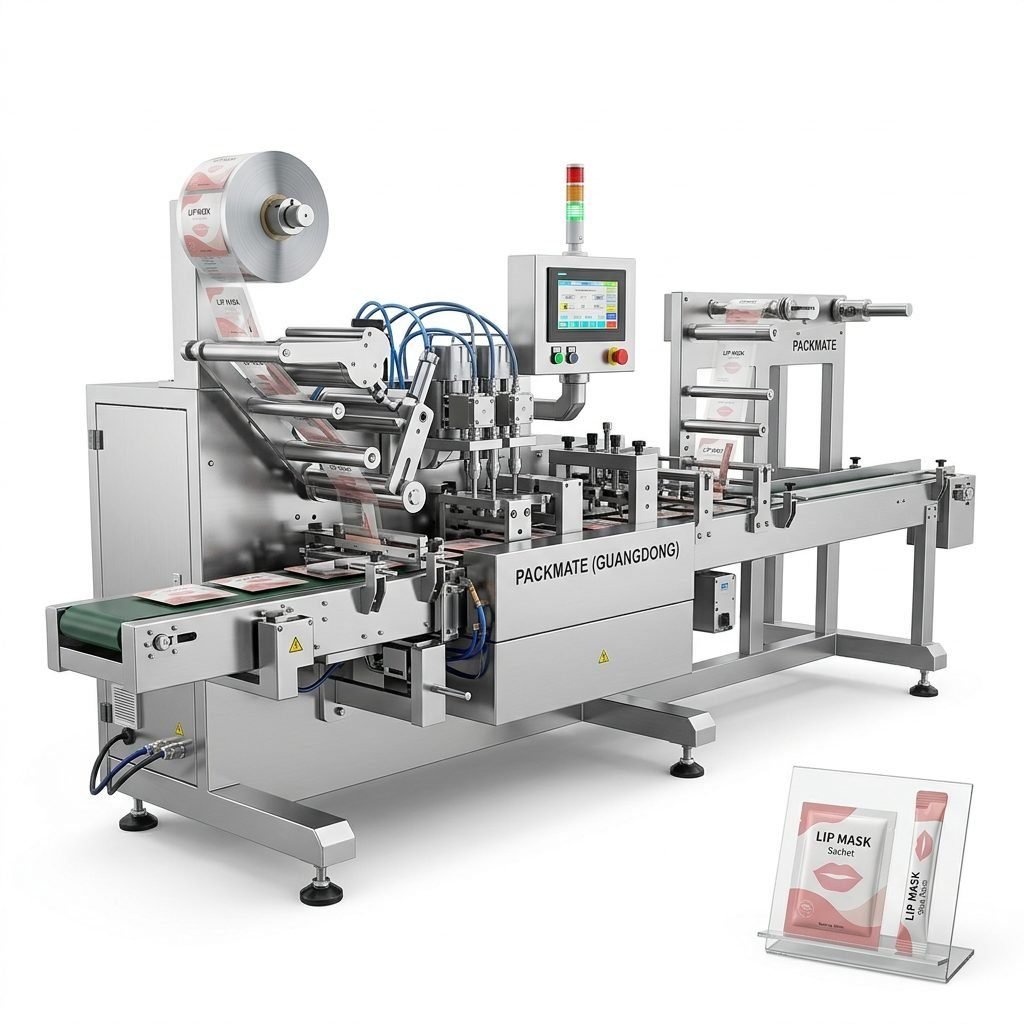
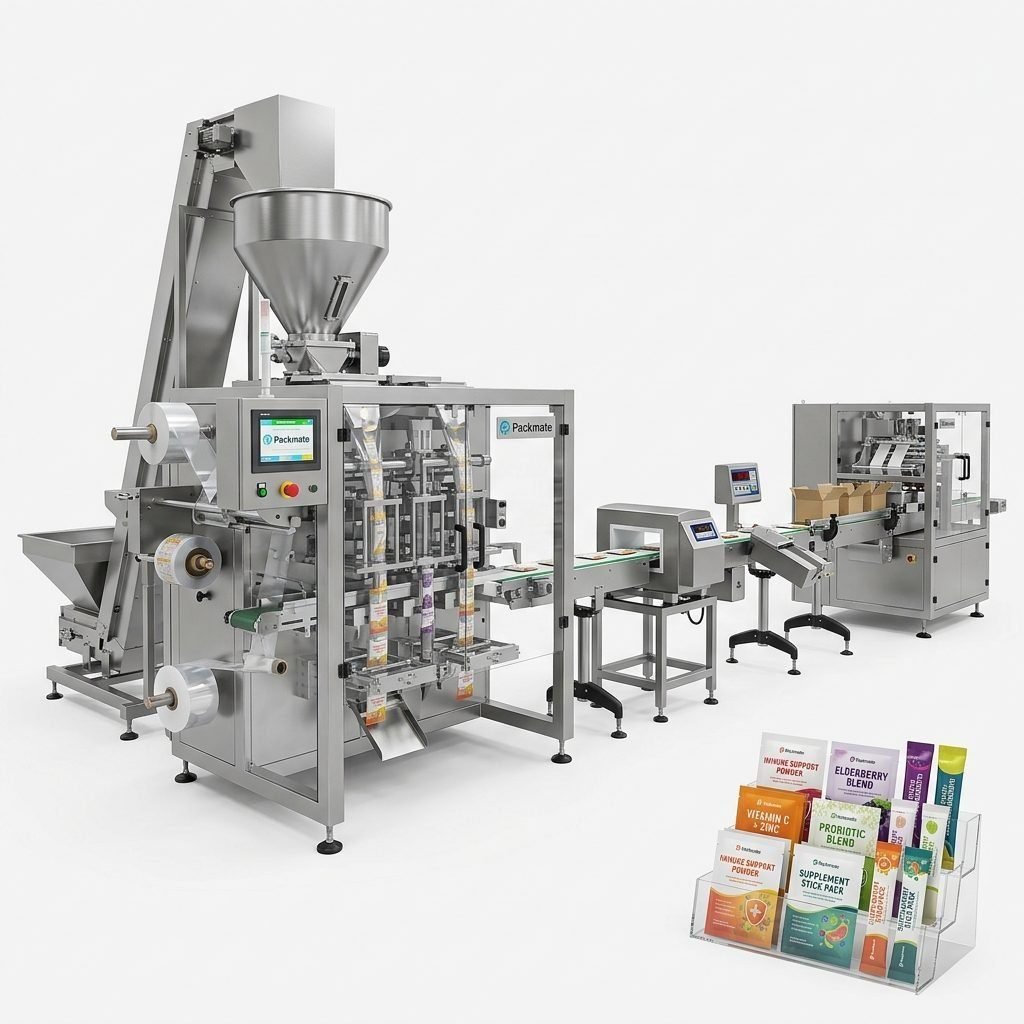
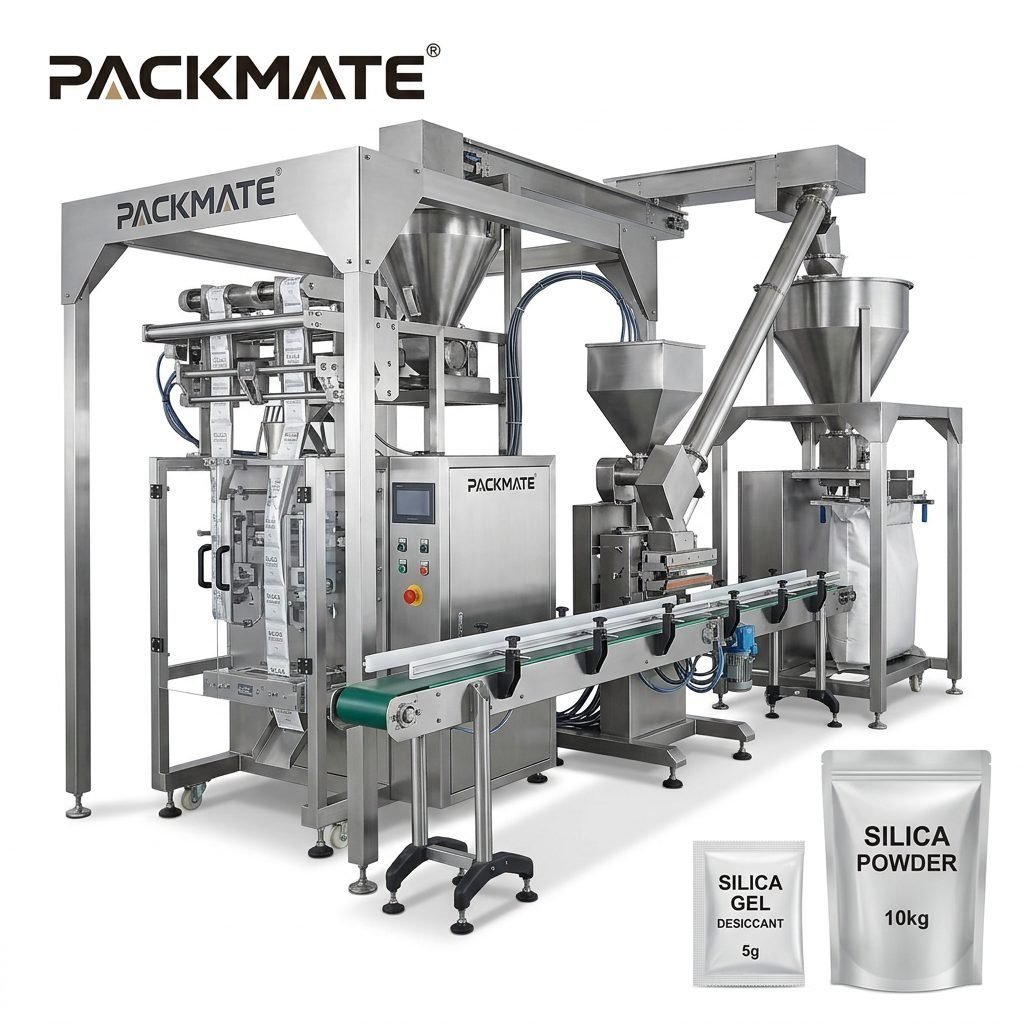
In the fast-paced world of food, pharmaceutical, and health product manufacturing, efficiency, hygiene, and precision are non-negotiable. Liquid unit dose packaging has emerged as a critical solution, offering pre-measured, single-use portions that ensure product integrity, reduce waste, and enhance user convenience. At the heart of this innovative packaging method lies the liquid unit dose packaging machine. This comprehensive guide delves into everything you need to know about these machines, from their core functionality to essential buying considerations, empowering you to make an informed investment for your production line.
What is a Liquid Unit Dose Packaging Machine?
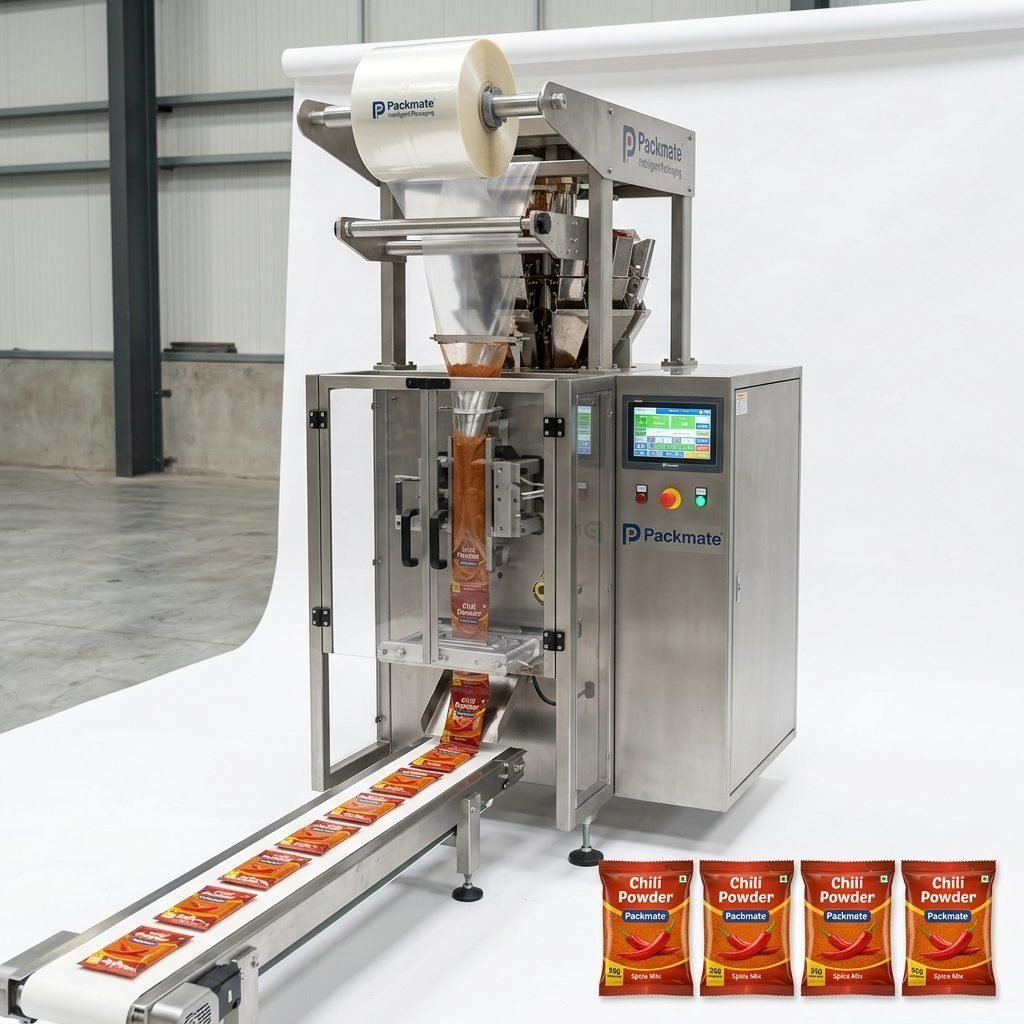
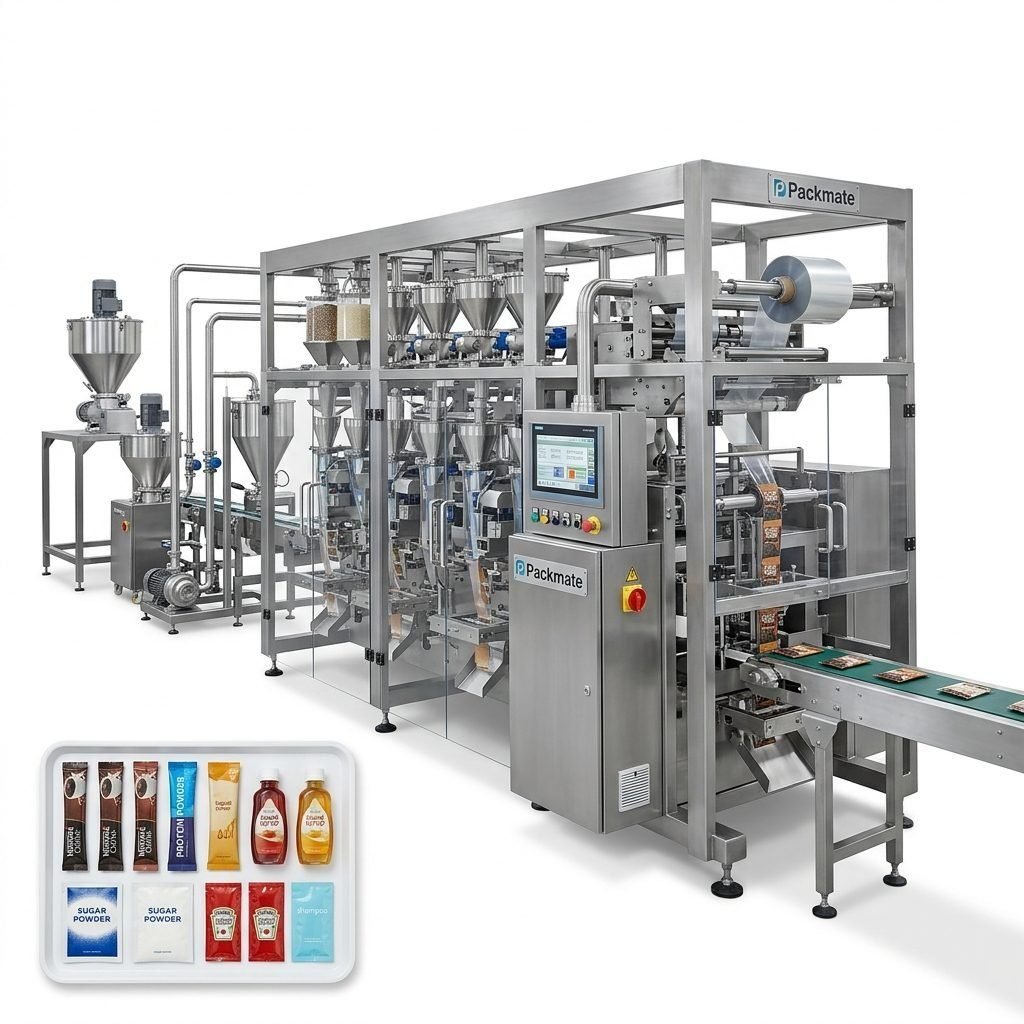
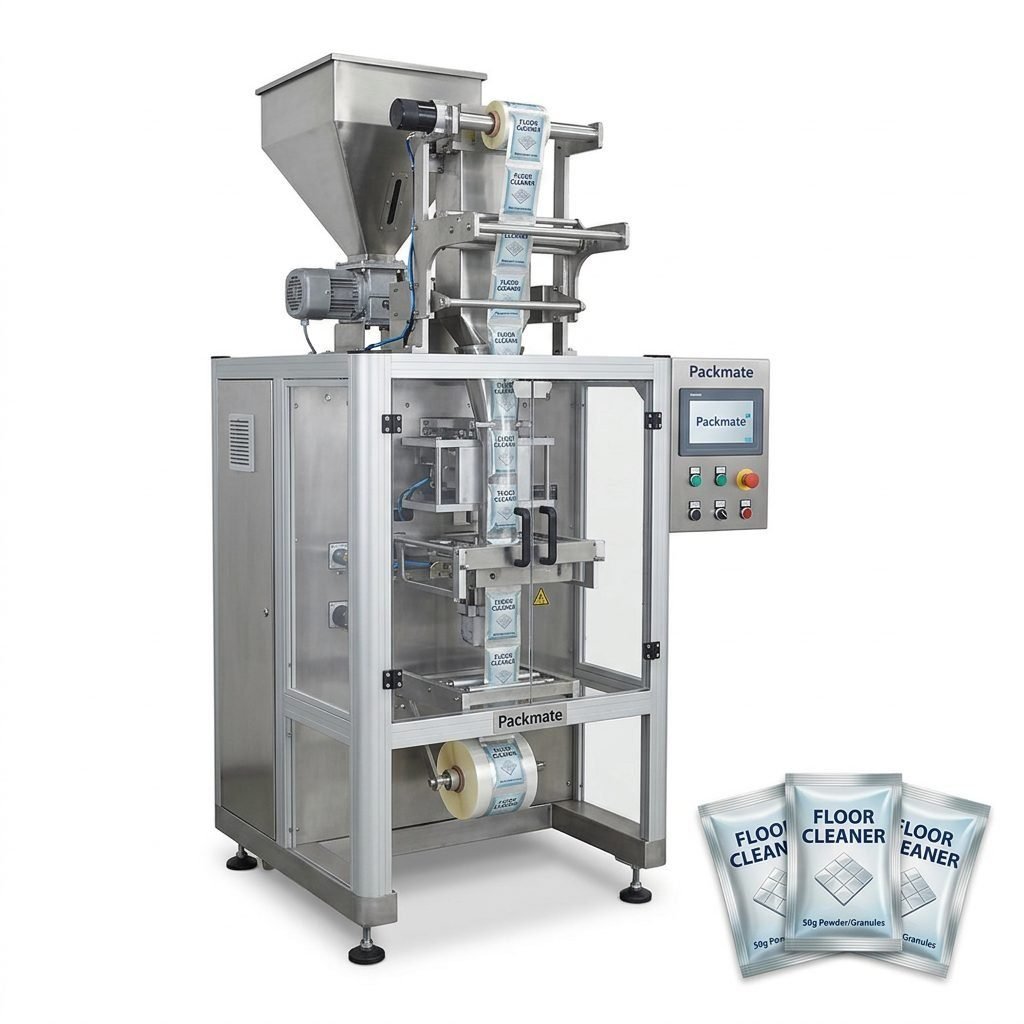
A liquid unit dose packaging machine is a specialized piece of automated packaging equipment designed to accurately measure, fill, and seal precise volumes of liquid into individual pouches or sachets. These single-serving packages are commonly used for products like sauces, condiments, pharmaceuticals, nutraceuticals, coffee creamers, and personal care liquids. The machine automates the entire process: forming the packaging film from a roll, filling it with a metered dose of liquid, and hermetically sealing it to prevent leakage and contamination.
Key Advantages of Unit Dose Packaging
Hygiene & Safety: Each dose is sealed in its own sterile environment, minimizing the risk of cross-contamination and preserving product efficacy, which is paramount in pharmaceutical and food applications.
Accuracy & Consistency: Advanced filling systems ensure each pouch receives the exact same volume, guaranteeing product consistency and compliance with regulatory standards.
Extended Shelf Life: The robust sealing process often incorporates gas flushing to remove oxygen, significantly extending the product’s shelf life compared to bulk containers.
Consumer Convenience: Ready-to-use portions offer portability, ease of use, and eliminate measuring errors, enhancing the end-user experience.
Reduced Waste: By providing exact portions, both manufacturers and consumers minimize product waste from spoilage or overuse.
Core Components and How It Works
Understanding the basic workflow of a liquid unit dose packaging machine clarifies its efficiency. While models vary, the fundamental process involves several integrated stations.
1. Film Unwinding & Forming
The process begins with a roll of laminated packaging film, typically a multi-layer material (e.g., PET/AL/PE) chosen for its barrier properties, strength, and sealability. The film is fed into the machine and guided through a forming collar. Using a combination of heat and mechanical shaping, the flat film is transformed into a continuous tube.
2. Vertical Sealing
A vertical sealing jaw moves along the tube, creating a continuous back seal. This action turns the flat film into a fully enclosed, upright pouch ready for filling.
3. Precision Filling
This is the heart of the operation. The liquid product is fed from a hopper or supply tank into a precision filling system. For non-viscous liquids, piston fillers or peristaltic pumps are common. For thicker, more viscous products like gels or pastes, auger fillers or specialized positive displacement pumps are used. The machine’s control system triggers the filler to dispense a meticulously measured dose into the waiting pouch.
4. Horizontal Sealing & Cutting
After filling, the pouch moves to the horizontal sealing station. Heated jaws clamp above the liquid level to create the top seal of the filled pouch and simultaneously form the bottom seal for the next pouch in the tube. A cutting mechanism then separates the individual, sealed sachet from the continuous web.
Critical Technical Specifications to Evaluate
When assessing machines, look beyond the basic description. Key specs determine if a machine fits your needs:
Filling Range: The minimum and maximum volume the machine can handle (e.g., 1ml – 30ml). Ensure it covers your product’s dose size.
Production Speed: Measured in pouches per minute (PPM). Speeds can range from 60 PPM for standard models to over 600 PPM for high-speed, multi-lane filling lines.
Filling Accuracy: Typically expressed as a tolerance (e.g., ±1%). Higher accuracy is crucial for costly ingredients or regulated products.
Seal Integrity: The machine must produce strong, leak-proof seals. Inquire about seal strength testing and the availability of gas flushing options for sensitive products.
Material Compatibility: The machine must be compatible with your chosen film and the chemical properties of your liquid (e.g., acidity, oil-based). Discuss this with the manufacturer.
Ultimate Buying Guide: Selecting the Right Machine
Choosing the perfect liquid unit dose packaging machine is a strategic decision. Here is a step-by-step framework to guide your selection process.
Step 1: Define Your Product and Production Requirements
Start with a clear understanding of what you are packaging. Is it a water-thin solution, a viscous syrup, or a suspension with particles? Define your target output volume (daily/weekly), required pouch size, and any special needs like nitrogen flushing or aseptic filling. This forms the foundation of your search.
Step 2: Research and Shortlist Reputable Manufacturers
Not all manufacturers are created equal. Look for companies with a proven track record and deep expertise in liquid packaging. A manufacturer like Packmate Machinery, with over 30 years of experience and a 20,000㎡ modern facility, exemplifies the level of commitment to quality and innovation you should seek. Their journey from a small workshop in 1993 to a leading provider of turnkey solutions demonstrates resilience and technical prowess.
Step 3: Evaluate Machine Features and Technology
Compare the technical specifications of shortlisted models. Prioritize features that address your specific challenges. For instance, if you run multiple products, quick changeover systems are vital. If hygiene is critical, look for machines with CIP (Clean-in-Place) capabilities and sanitary design. Advanced PLC controls with touchscreen HMIs offer easier operation and better data tracking.
Step 4: Consider Support, Service, and Total Cost of Ownership
The initial machine price is just one part of the equation. Inquire about warranty terms, availability of spare parts, and the manufacturer’s service network. Can they provide comprehensive training for your operators? Companies that offer robust after-sales service and support help minimize downtime and protect your investment in the long run. Remember, a reliable machine from a supportive partner often provides a lower total cost of ownership than a cheaper, unsupported alternative.
Step 5: Request a Product Sample Test
Before finalizing your decision, the most critical step is to conduct a live test. Reputable manufacturers will offer to run your actual product on their machine. This test allows you to verify filling accuracy, seal quality, production speed, and overall machine performance with your specific materials. It’s the ultimate proof of concept.
Future Trends in Liquid Unit Dose Packaging
The industry continues to evolve. Sustainability is driving demand for recyclable or compostable mono-material films, requiring machines adaptable to new sealing parameters. Smart packaging, integrating IoT sensors for track-and-trace or freshness indicators, is on the horizon. Furthermore, the demand for flexibility will push manufacturers to develop machines that can easily switch between different pouch styles and sizes, catering to the growing need for small-batch and personalized production runs.
Frequently Asked Questions (FAQs)
1. What types of liquids can be packaged with these machines?
Liquid unit dose machines are highly versatile. They can handle a wide range of products including water, oils, sauces, dairy products, pharmaceuticals (syrups, suspensions), nutraceutical liquids, cosmetic serums, and household chemicals. The key is matching the liquid’s viscosity and chemical properties with the appropriate filling system (piston, pump, auger) and compatible packaging film.
2. How do I ensure the seals on the pouches are strong and leak-proof?
Leak-proof seals depend on three factors: the correct packaging film material, properly calibrated sealing jaws (temperature, pressure, dwell time), and a well-maintained machine. Reputable manufacturers perform rigorous seal integrity tests (e.g., burst tests, dye tests) during commissioning. Regular maintenance of sealing jaws and using film from trusted suppliers are essential for consistent seal quality.
3. Can one machine handle different pouch sizes and materials?
Yes, most modern machines are designed for changeover. However, the ease and speed of changeover vary. Look for machines with “quick-change” features for forming tubes, filling nozzles, and sealing jaws. Changing the packaging film material may require adjustments to sealing parameters (temperature/pressure), which a skilled operator can manage. Discuss your flexibility needs with the manufacturer upfront.
4. What is the typical maintenance required for these machines?
Daily maintenance includes cleaning product contact parts to prevent contamination and buildup. Weekly tasks might involve lubricating moving parts (with food-grade lubricants if applicable) and checking for wear on seals and gaskets. Periodic maintenance, as outlined in the manual, includes more thorough inspections and part replacements. Choosing a machine with good service access simplifies maintenance.
5. How do I choose between a single-lane and a multi-lane machine?
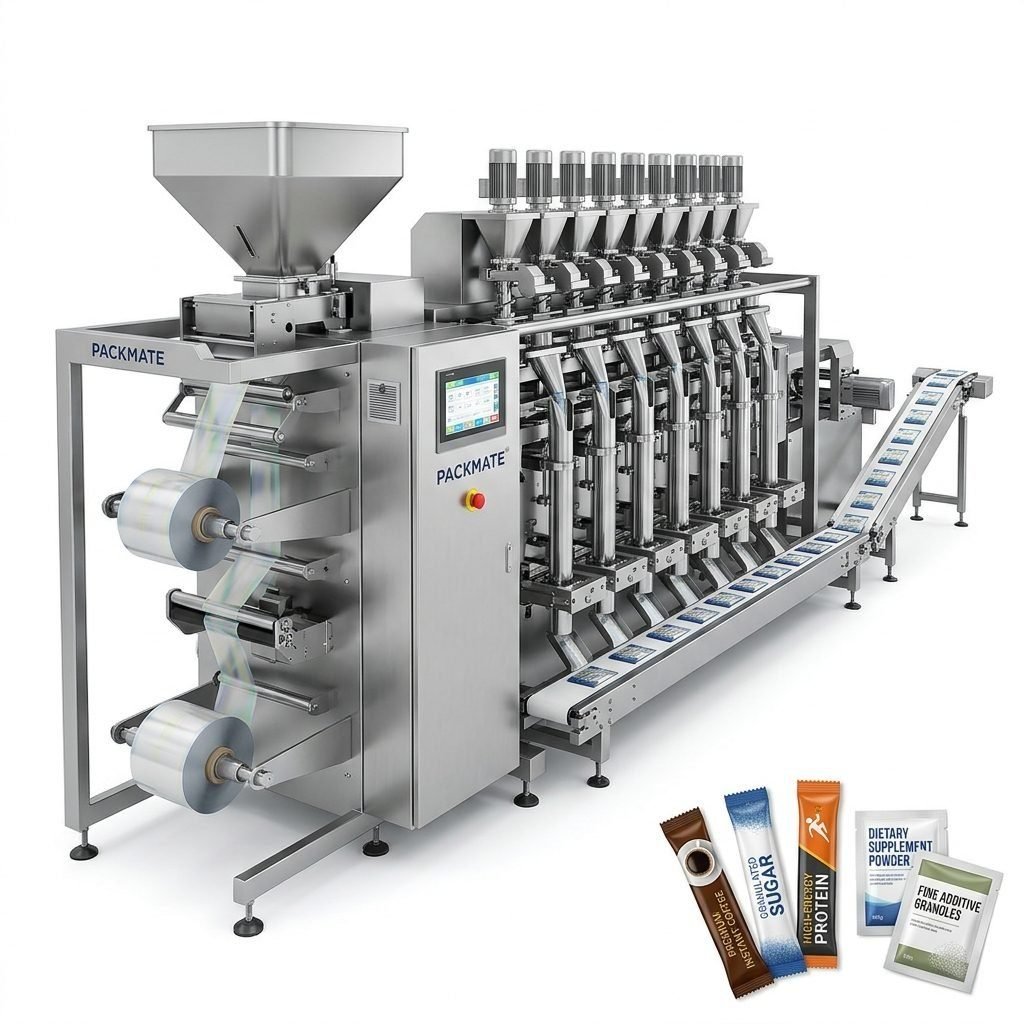
The choice depends entirely on your required output. A single-lane machine is ideal for lower production volumes, R&D, or pilot plants. For high-volume production, multi-lane machines (e.g., 4-lane, 8-lane) run multiple filling heads simultaneously, dramatically increasing output without a proportional increase in floor space. They represent a higher initial investment but a lower cost-per-pouch at scale.