In the fast-paced world of construction, efficiency and material protection are paramount. The right packaging equipment is not just a logistical detail; it’s a critical component of project success, cost management, and brand reputation. This guide delves into the essential equipment and solutions for packaging construction materials, from aggregates and powders to adhesives and specialty products.
Why Specialized Packaging Matters for Construction Materials
The construction industry deals with a unique set of challenges: heavy loads, abrasive materials, environmental exposure, and stringent safety requirements. Standard packaging often fails, leading to product degradation, spillage, and worksite hazards. Specialized construction material packaging equipment is engineered to address these issues directly, ensuring materials arrive on-site in optimal condition.
Investing in robust packaging solutions translates to reduced waste, lower transportation costs, enhanced worker safety, and improved inventory control. It also supports sustainability goals by minimizing material loss and enabling efficient recycling or reuse of packaging.
Core Types of Packaging Equipment
The equipment landscape is diverse, tailored to different material forms and volumes. Key systems include:
For Bulk Solids (Aggregates, Sand, Cement)
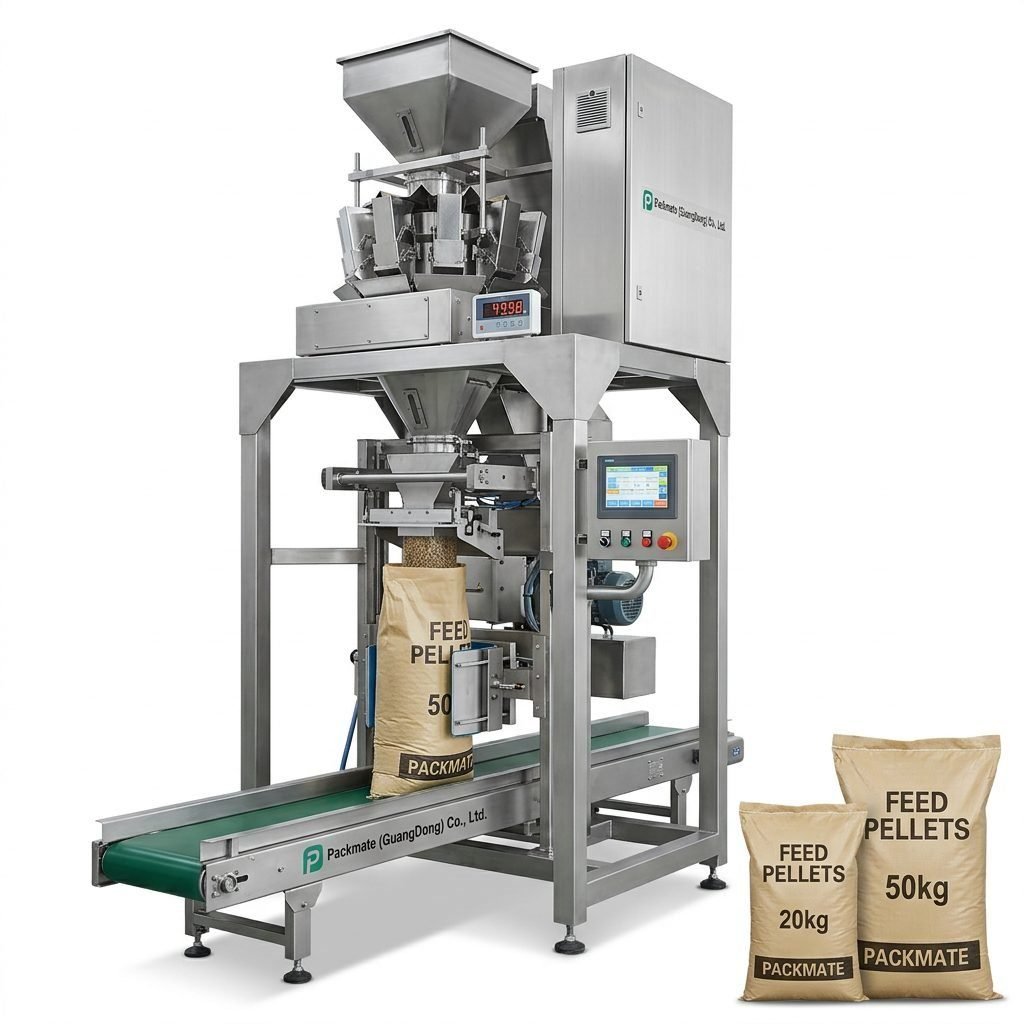
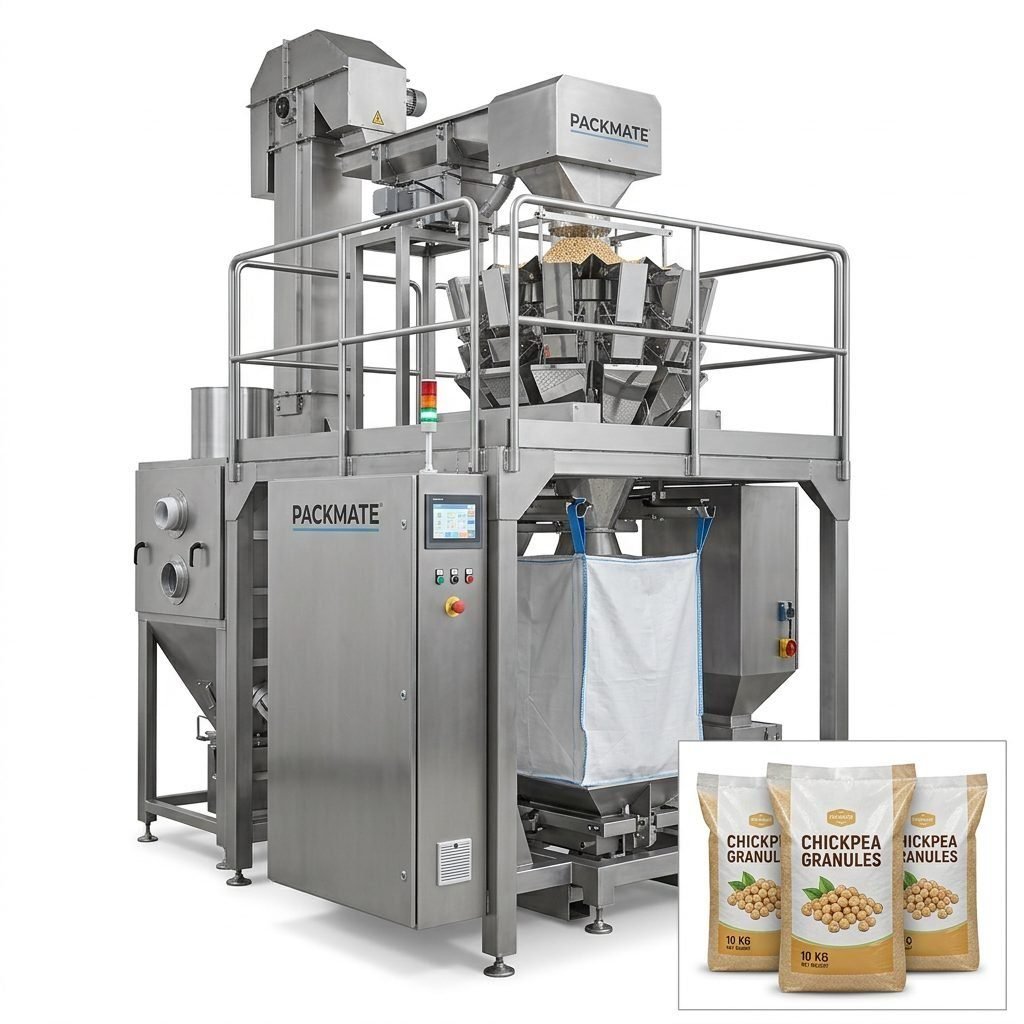
Big Bag (FIBC) Fillers: These automated systems fill large, reusable woven polypropylene bags (up to 2 tons) with precise weights. They are ideal for dry, free-flowing materials and are a cornerstone of bulk material handling. A reliable weighing and packaging system is crucial here for accuracy.
Valve Bag Packers: Used for filling multi-wall paper or plastic bags (typically 25-50 kg) with powders like cement or gypsum. They are fast, efficient, and minimize dust emission.
For Liquids & Pastes (Adhesives, Sealants, Coatings)
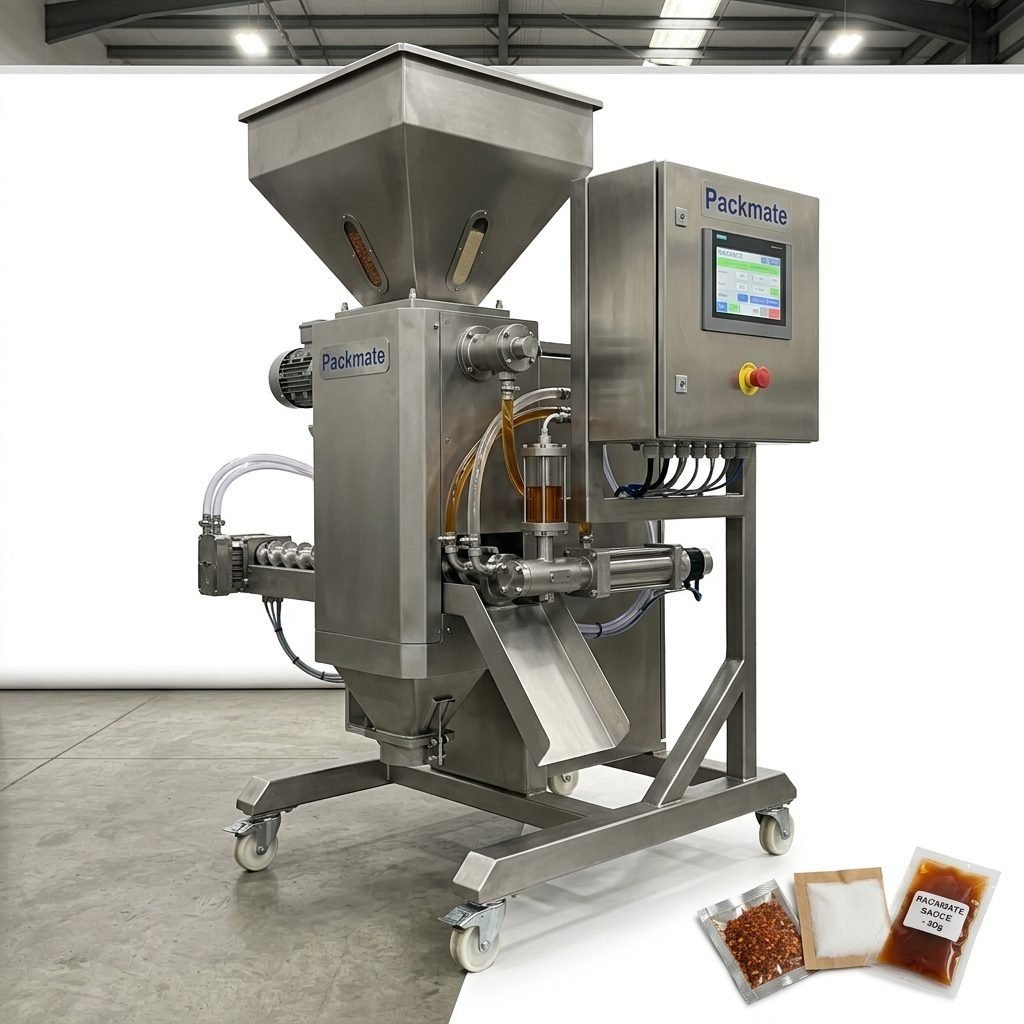
Liquid Filling Lines: These encompass piston fillers, flow meters, and auger fillers for viscous products. They ensure precise volume control and can handle a range of container types, from pails and drums to cartridges. For complete automation, integrating a filling and packaging line with capping and labeling is essential.
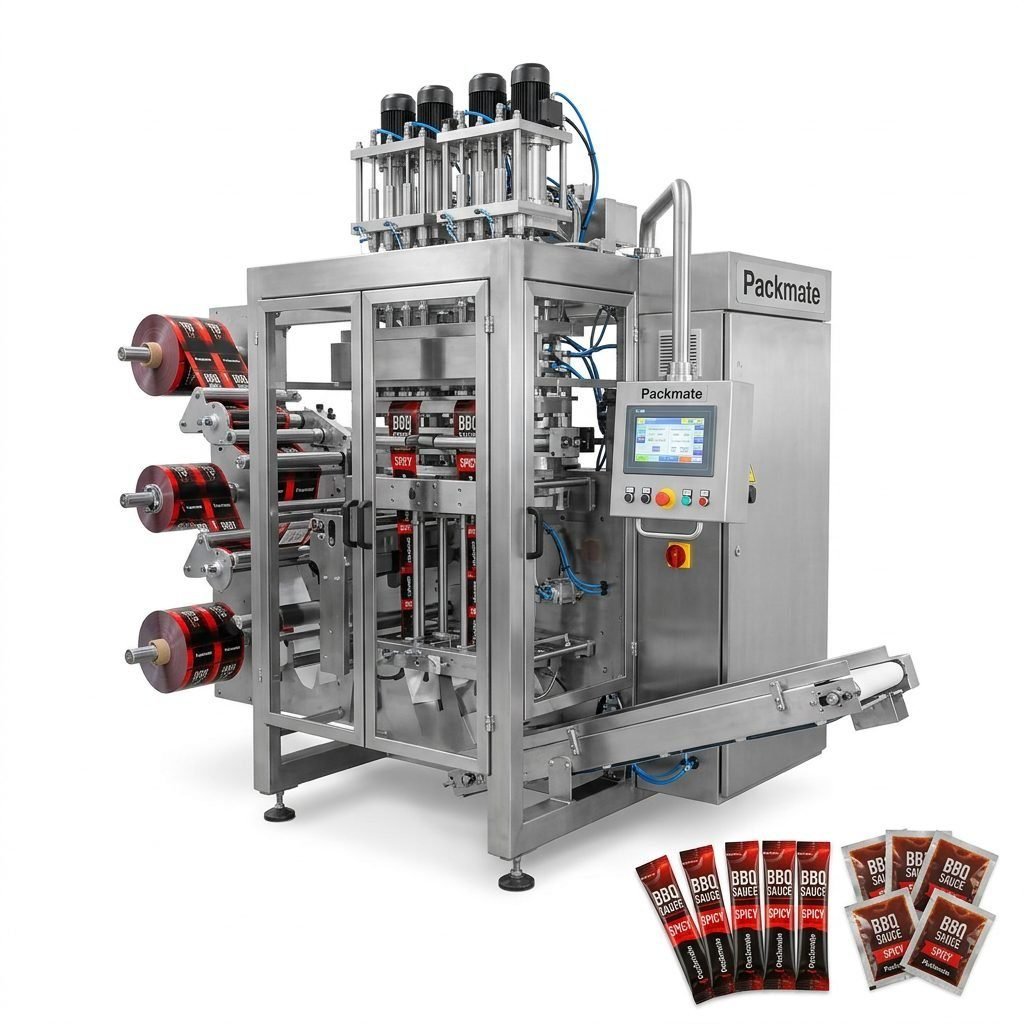
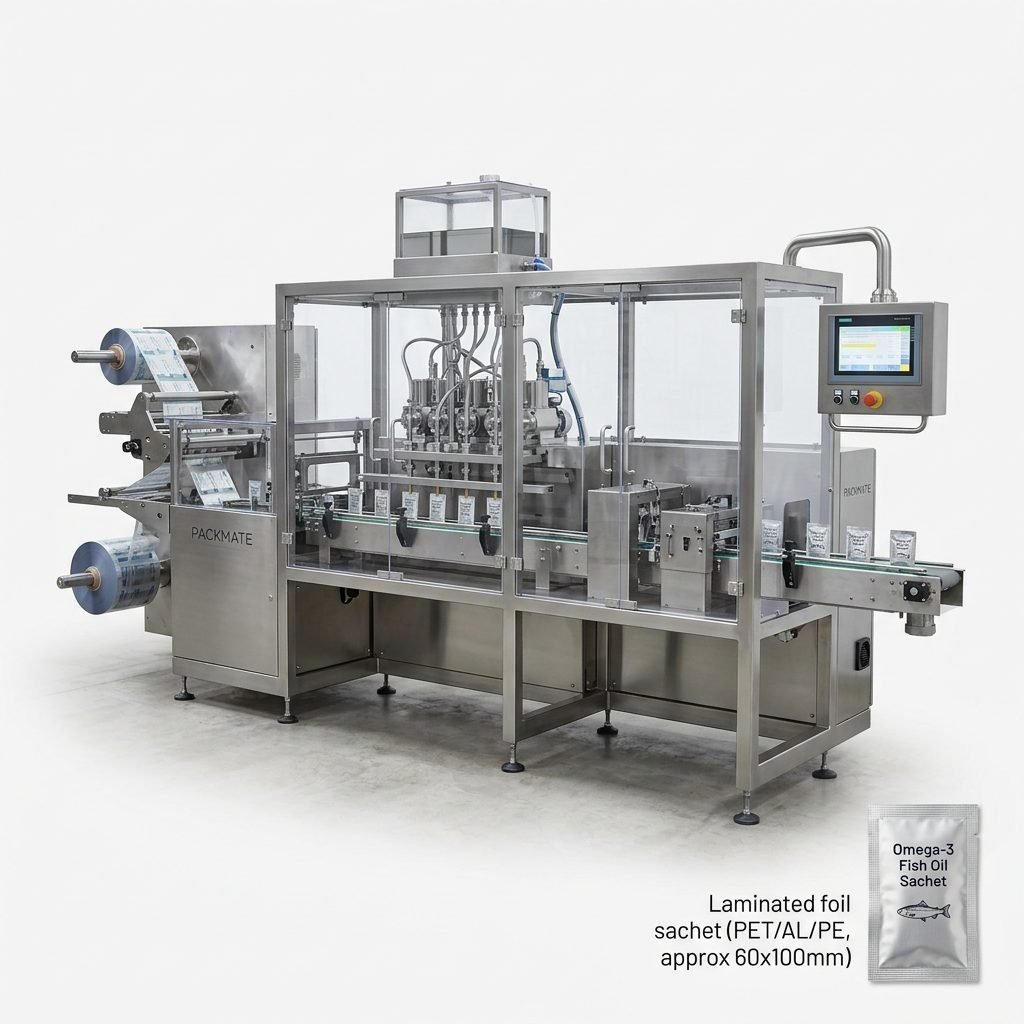
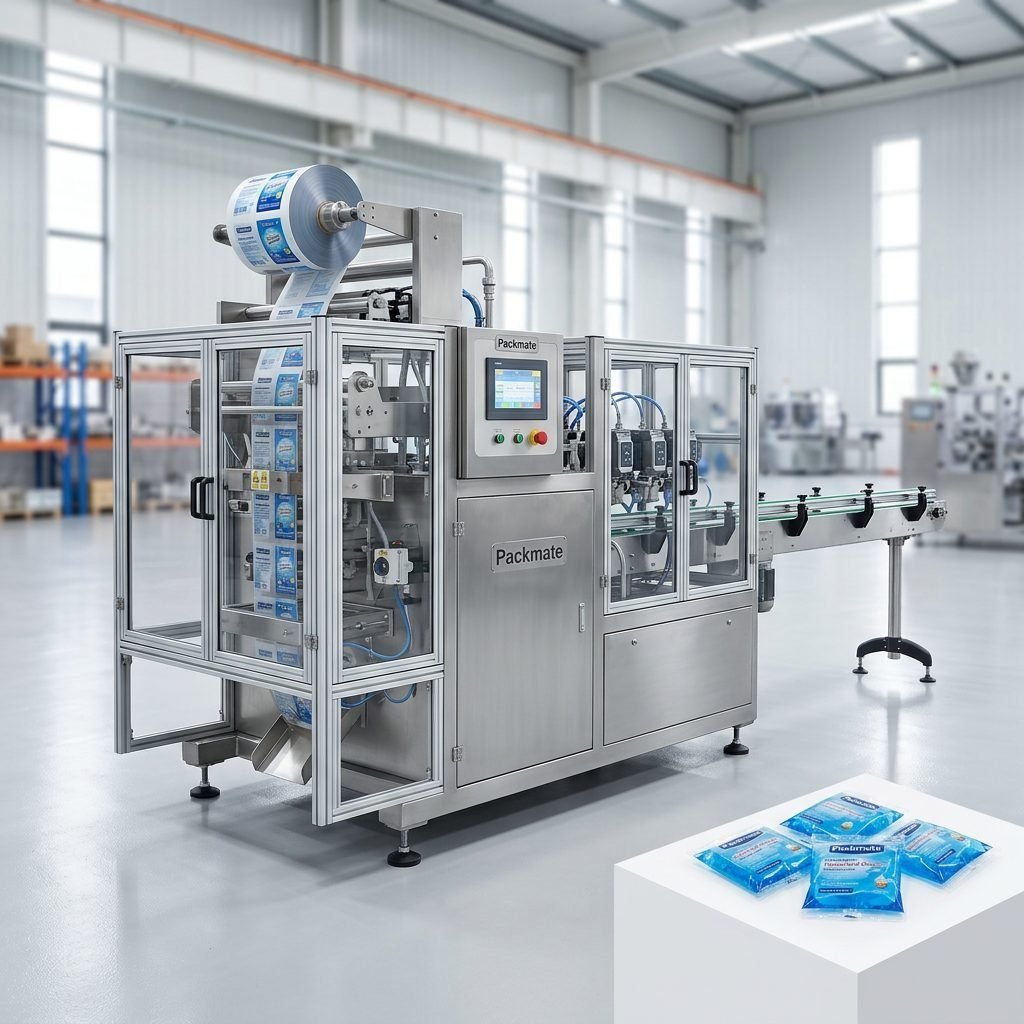
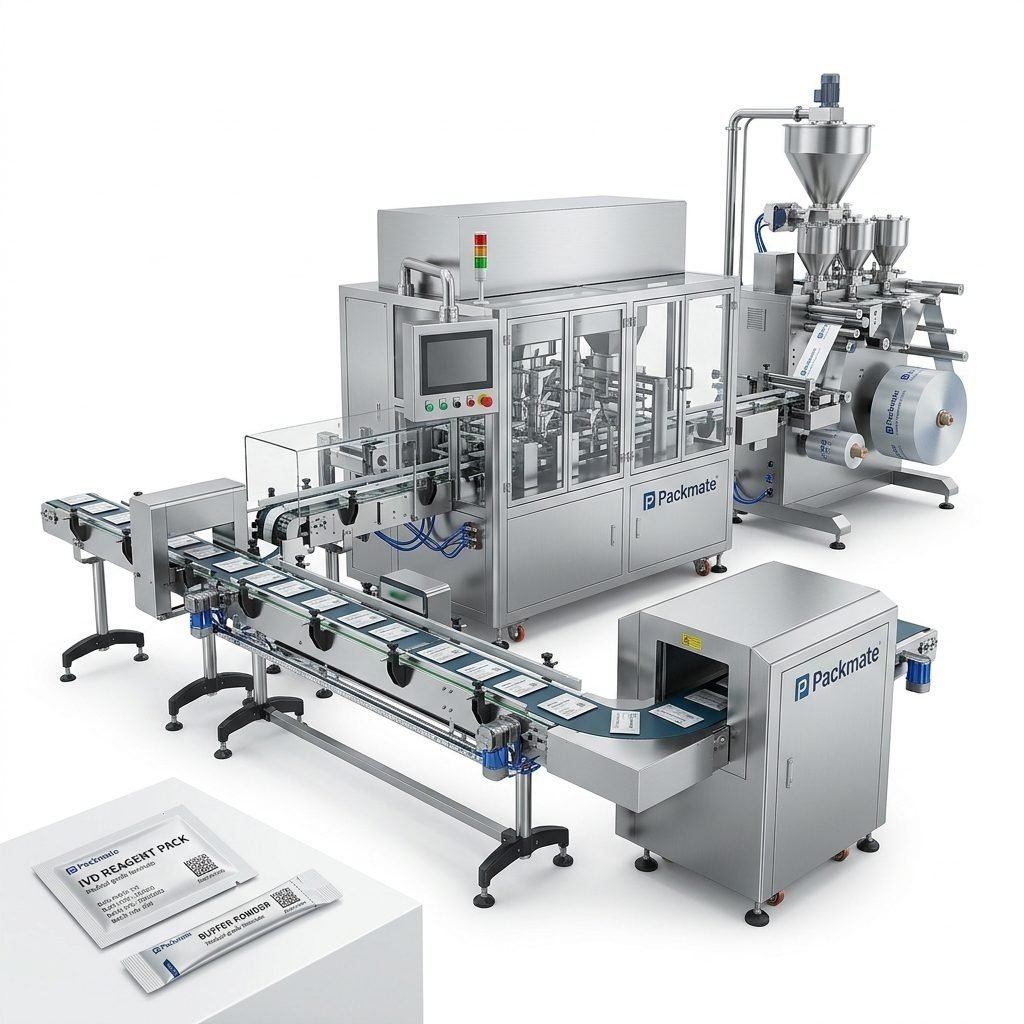
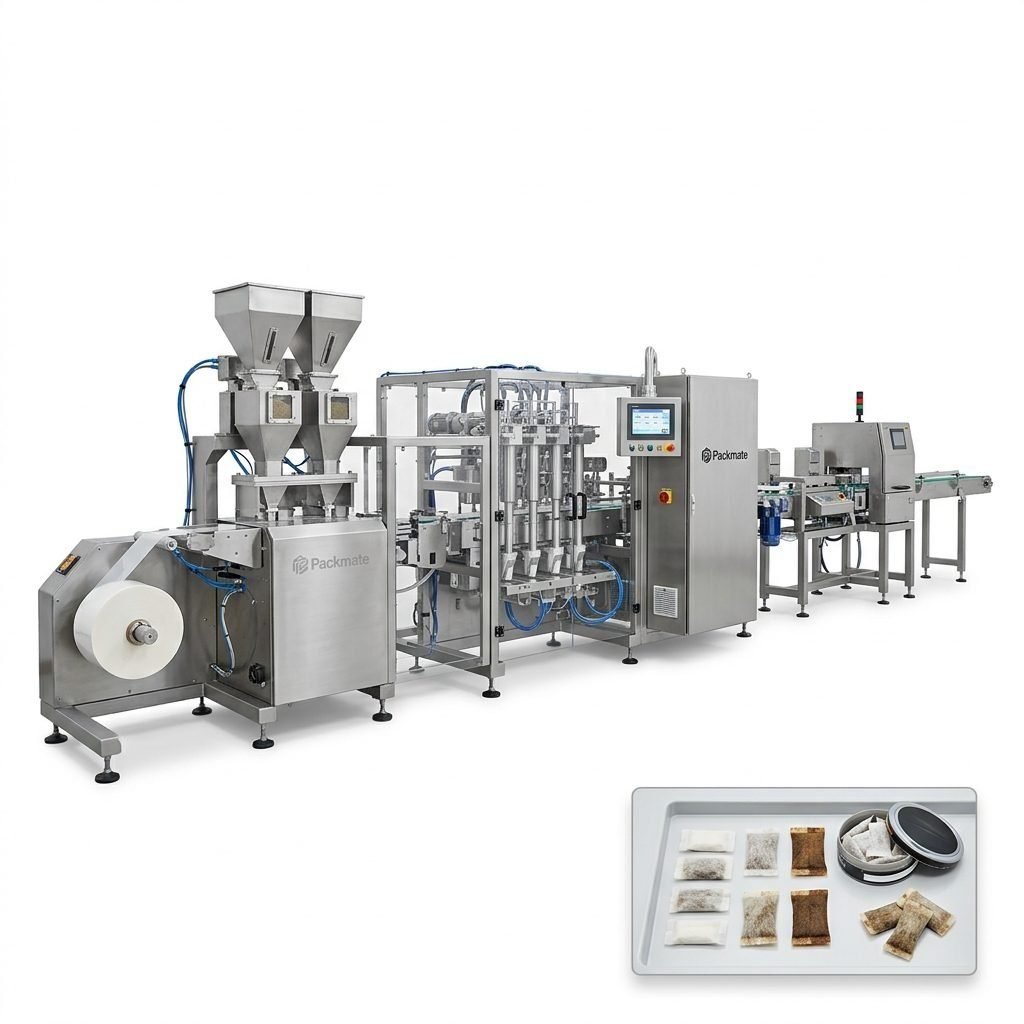
Pouch Packaging Machines: Increasingly popular for single-use applications of grouts, mortars, or repair compounds. Machines form, fill, and seal laminated pouches that are compact and easy to mix. Explore options for bag and pouch packaging machines to find the right fit.
Selecting the Right Equipment: Key Considerations
Choosing equipment requires a careful analysis of your specific needs. Don’t just look at the machine price; consider the total cost of ownership and operational efficiency.
Material Characteristics: Is it free-flowing, abrasive, hygroscopic, or hazardous? This determines the machine’s construction materials (e.g., stainless steel for corrosion resistance) and filling technology.
Production Volume & Speed: High-volume sites need fully automated, high-speed lines, while smaller operations may benefit from semi-automatic equipment.
Bag/Pouch Type & Size: The equipment must be compatible with your chosen packaging format—whether it’s valve bags, open-mouth bags, FIBCs, or pre-made pouches.
Integration & Automation: Consider how the packer integrates with upstream (conveying, weighing) and downstream (palletizing, robotics) processes. Automation reduces labor costs and improves consistency.
Durability & Service Support: Construction material packaging is tough on machinery. Partner with a manufacturer known for robust build quality and reliable after-sales service, like Packmate Machinery, which brings decades of engineering expertise to heavy-duty applications.
Innovations & Sustainable Solutions
The industry is moving towards smarter, greener packaging. Innovations include IoT-enabled machines that provide real-time data on output, downtime, and maintenance needs. Sustainable solutions focus on reducing plastic use, implementing recyclable or biodegradable packaging materials, and designing equipment that handles these new materials effectively.
Furthermore, the concept of the “connected jobsite” is driving demand for packaging that integrates with inventory management software, using QR codes or RFID tags for seamless tracking from factory to foundation.
Implementing Your Packaging Solution
Successful implementation is a phased process:
- Needs Assessment & Planning: Define your materials, volumes, and goals.
- Supplier Selection: Choose a partner with proven experience in construction materials. Review their case studies and industry references.
- Testing & Validation: Always conduct factory acceptance tests (FAT) with your actual material to verify performance.
- Training & Support: Ensure your team is thoroughly trained on operation, safety, and basic maintenance.
By viewing packaging as a strategic system rather than a cost center, construction material suppliers and large contractors can gain a significant competitive edge through improved efficiency, product integrity, and customer satisfaction.
Frequently Asked Questions (FAQs)
What is the most cost-effective packaging for bulk sand or gravel?
For high-volume transport, Big Bags (FIBCs) are typically the most cost-effective. They are reusable, easy to handle with standard equipment, and provide excellent protection. The initial investment in a robust FIBC filling station pays off quickly through reduced bag costs and faster loading/unloading times.
How can I reduce dust when packaging dry powder mixes?
Dust reduction requires a combination of equipment and technique. Use closed-system valve bag packers with integrated dust collection ports. Ensure bags are properly seated on the filling spout, and consider equipment with bottom-fill technology, which fills from the bottom of the bag up, minimizing air displacement and dust.
Can one machine handle different bag sizes or materials?
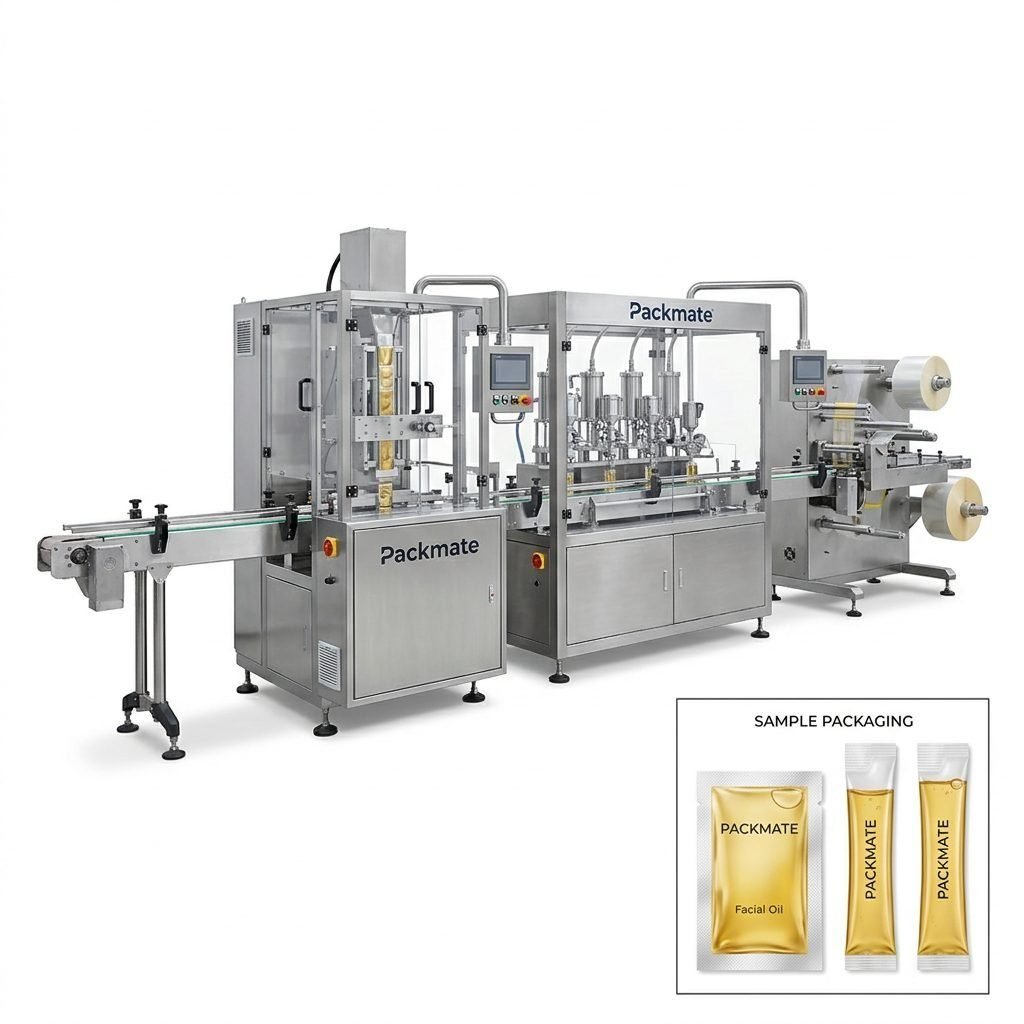
Many modern machines are designed with quick-changeover features. With adjustable forming tubes, sealing jaws, and programmable settings, a single machine can often handle a range of sizes within a product family (e.g., different sizes of stick packs for liquid additives). However, switching between vastly different formats (e.g., from small pouches to large bags) usually requires different dedicated machines or significant modular changeovers.
What maintenance is critical for construction packaging equipment?
Regular cleaning to prevent abrasive material buildup is number one. Also, routinely check and replace wear parts like sealing jaws, gaskets, and filling nozzles. Lubricate moving parts as per the manufacturer’s schedule and regularly calibrate weighing systems to maintain accuracy. A proactive maintenance plan prevents unplanned downtime.
How do I choose between a stick pack and a sachet for liquid construction chemicals?
The choice depends on dosage, application, and user preference. Stick packs are slender and ideal for precise, pre-measured doses added directly to mixing water. Sachets offer a larger, flat surface area, which can be better for thicker gels or pastes and easier to tear open. Assessing the end-user’s workflow on the jobsite is key to making the right decision.