In today’s fast-paced manufacturing world, efficiency and reliability are paramount. For businesses handling granules, powders, and liquids, the right packaging equipment is not just a machine; it’s the backbone of your production line. This guide delves into the world of simplex packaging equipment, exploring comprehensive solutions designed to streamline your operations, enhance product integrity, and boost your bottom line.
Understanding Simplex Packaging Equipment
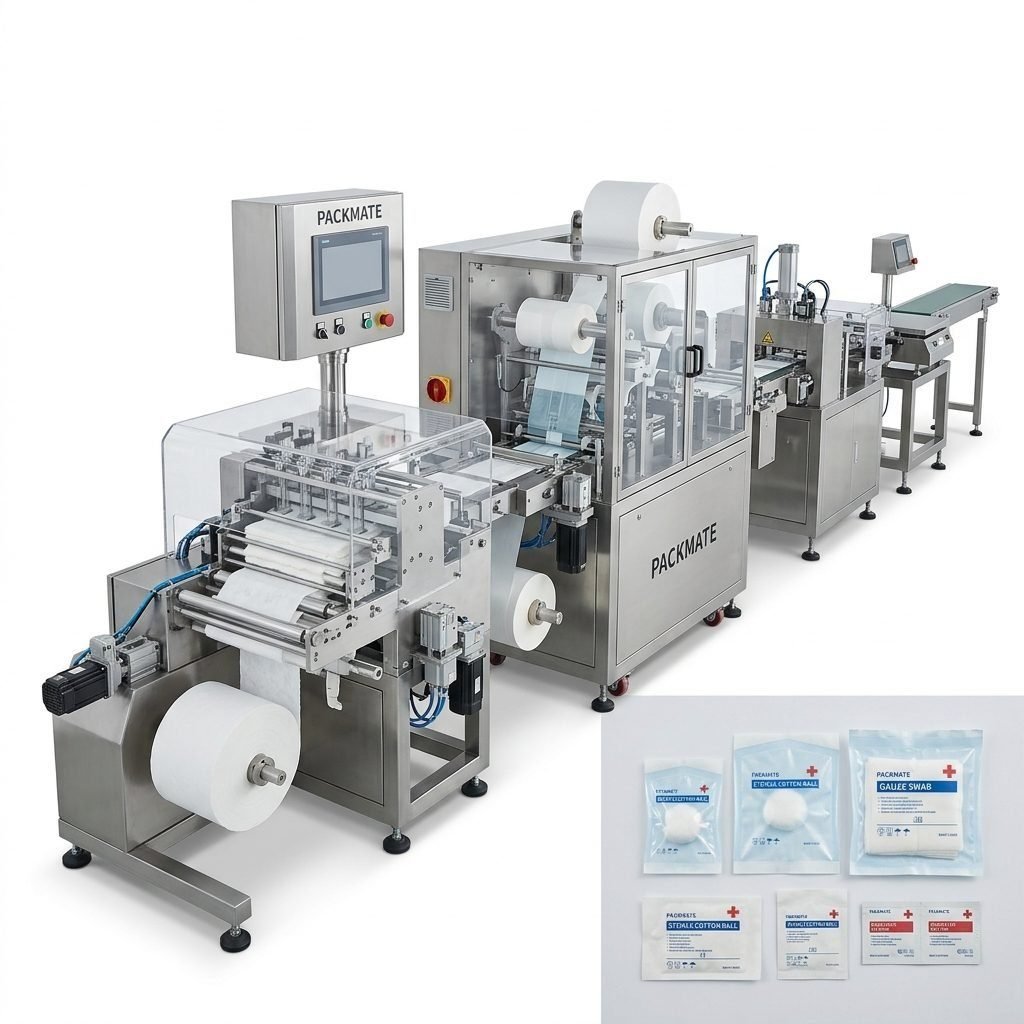
Simplex packaging refers to systems designed for straightforward, efficient, and reliable packaging of products into single-dose or single-unit formats. Unlike complex, multi-function lines, simplex machines excel in high-volume, repetitive tasks with precision and speed. The core principle is simplicity in operation leading to maximum output. This makes them ideal for a vast range of industries, from food and pharmaceuticals to health supplements and chemicals.
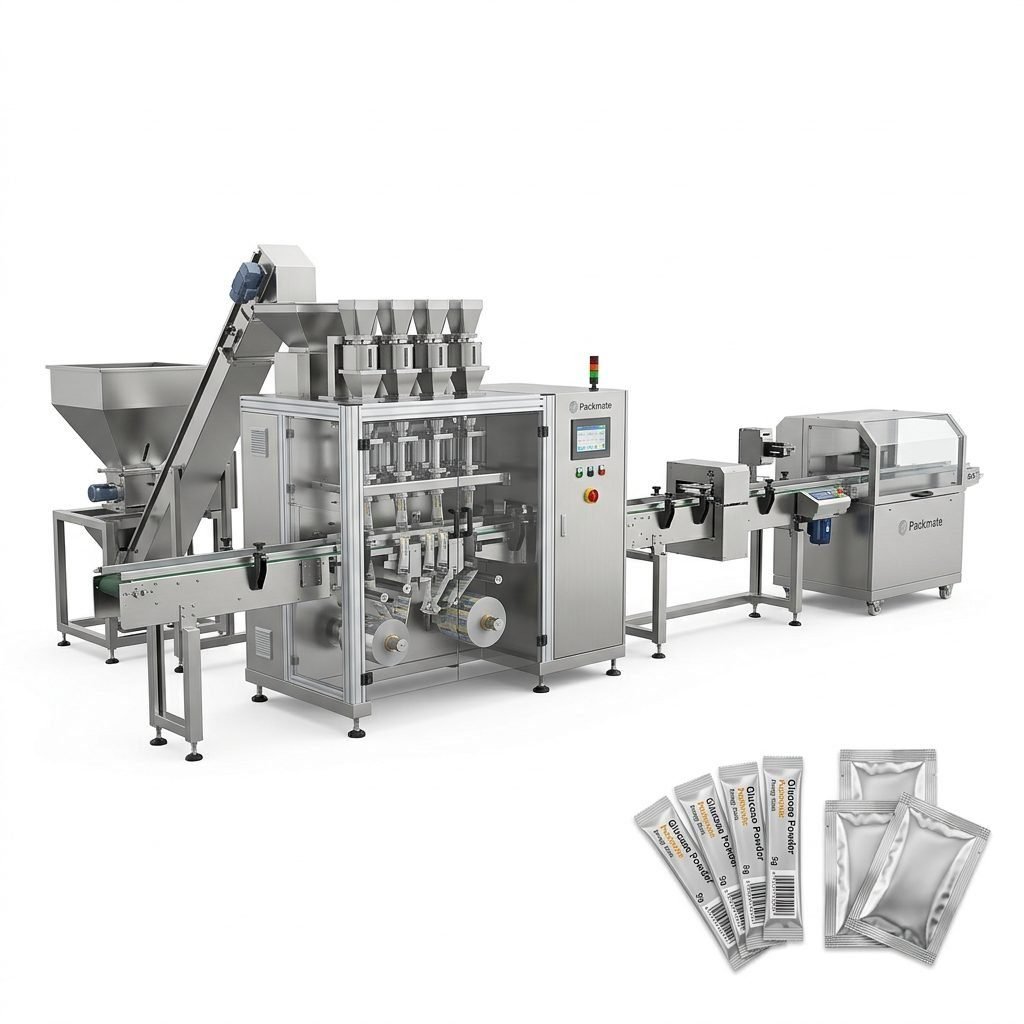
Key Components of a Simplex System
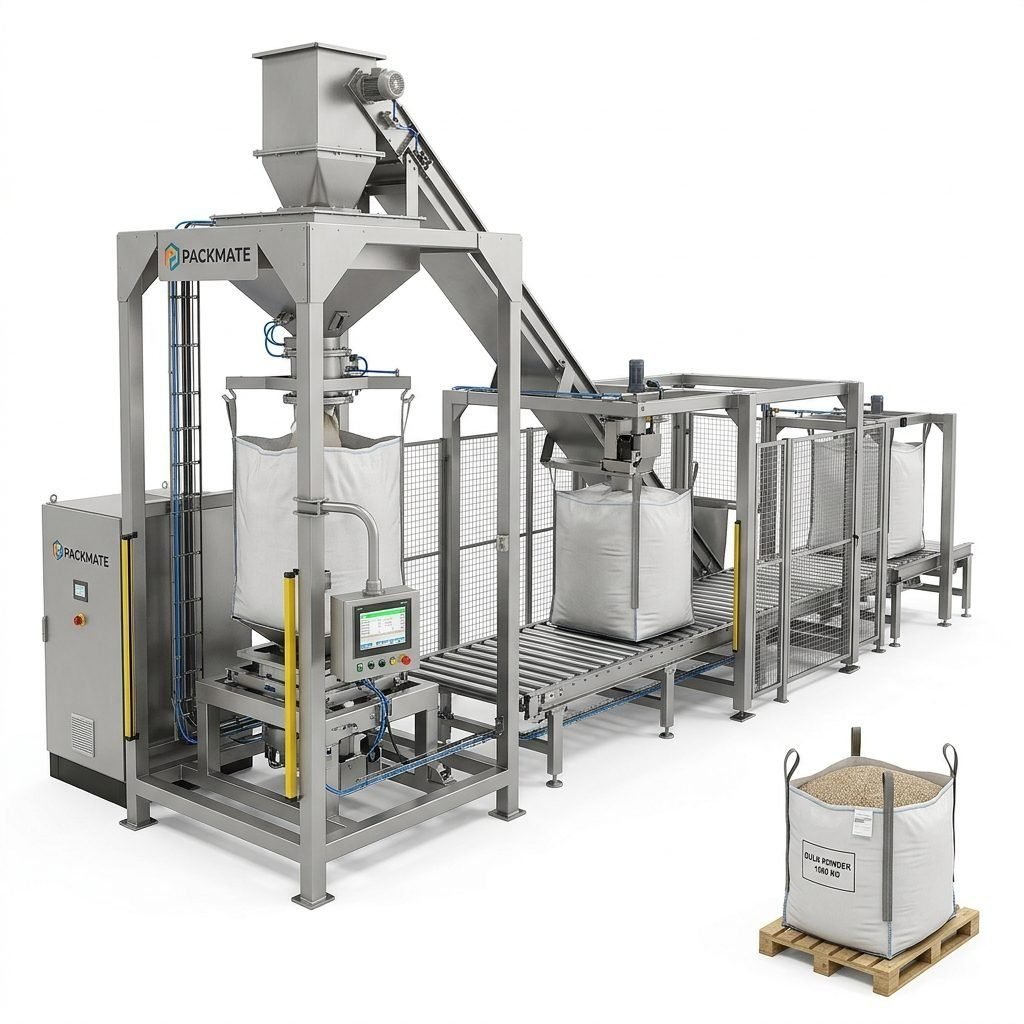
A robust simplex packaging line is more than just a filler or a sealer. It’s an integrated system. Key components typically include:
Feeding System: Precisely meters and delivers product from a hopper to the weighing or filling station.
Weighing/Filling Unit: The heart of accuracy. For powders, a multi-head weigher is common, while liquids use piston or pump fillers.
Film Unwinding & Forming: Rolls of packaging material are formed into tubes or pouches.
Sealing Mechanism: Creates airtight, tamper-evident seals using heat or ultrasonic technology.
Cutting & Discharge: Separates individual packs and discharges them for collection or secondary packaging.
Choosing the Right Simplex Solution for Your Product
Selecting equipment isn’t a one-size-fits-all decision. The optimal solution depends heavily on your product’s physical characteristics.
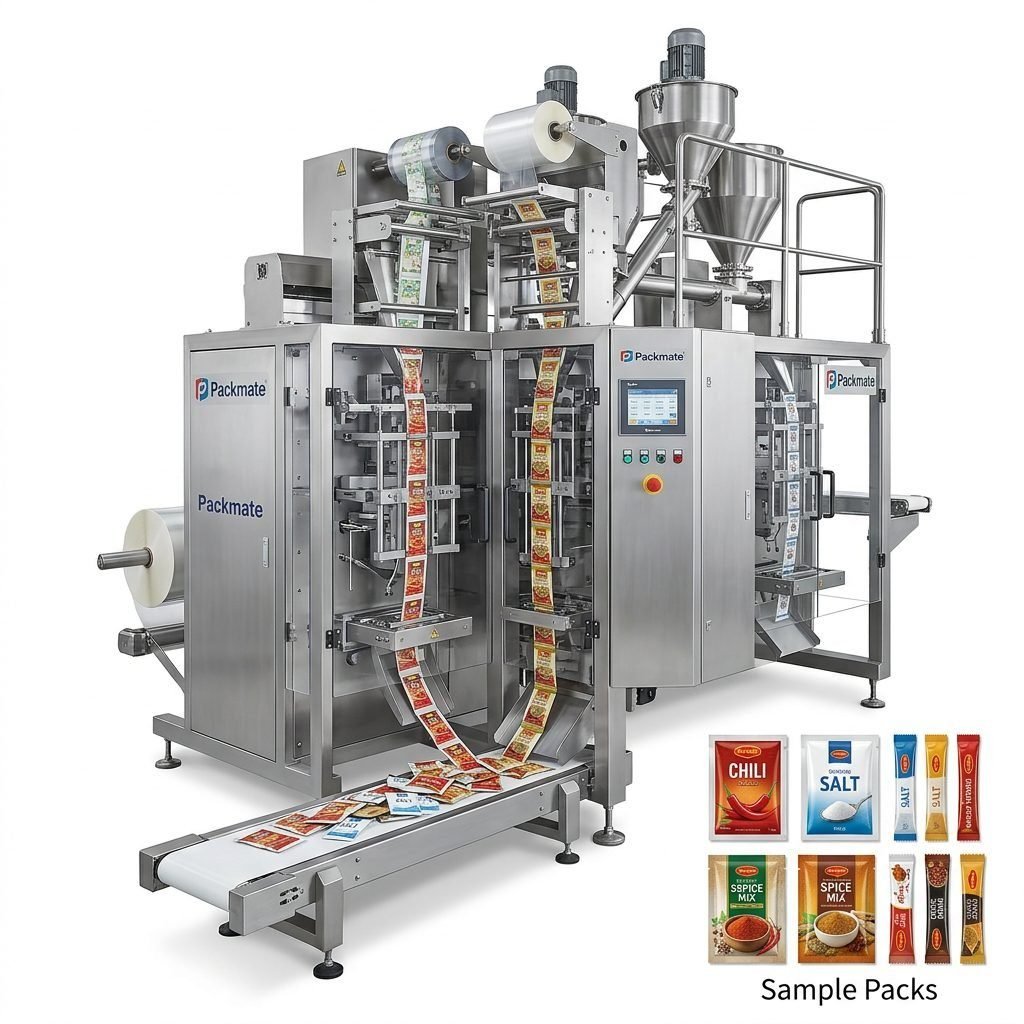
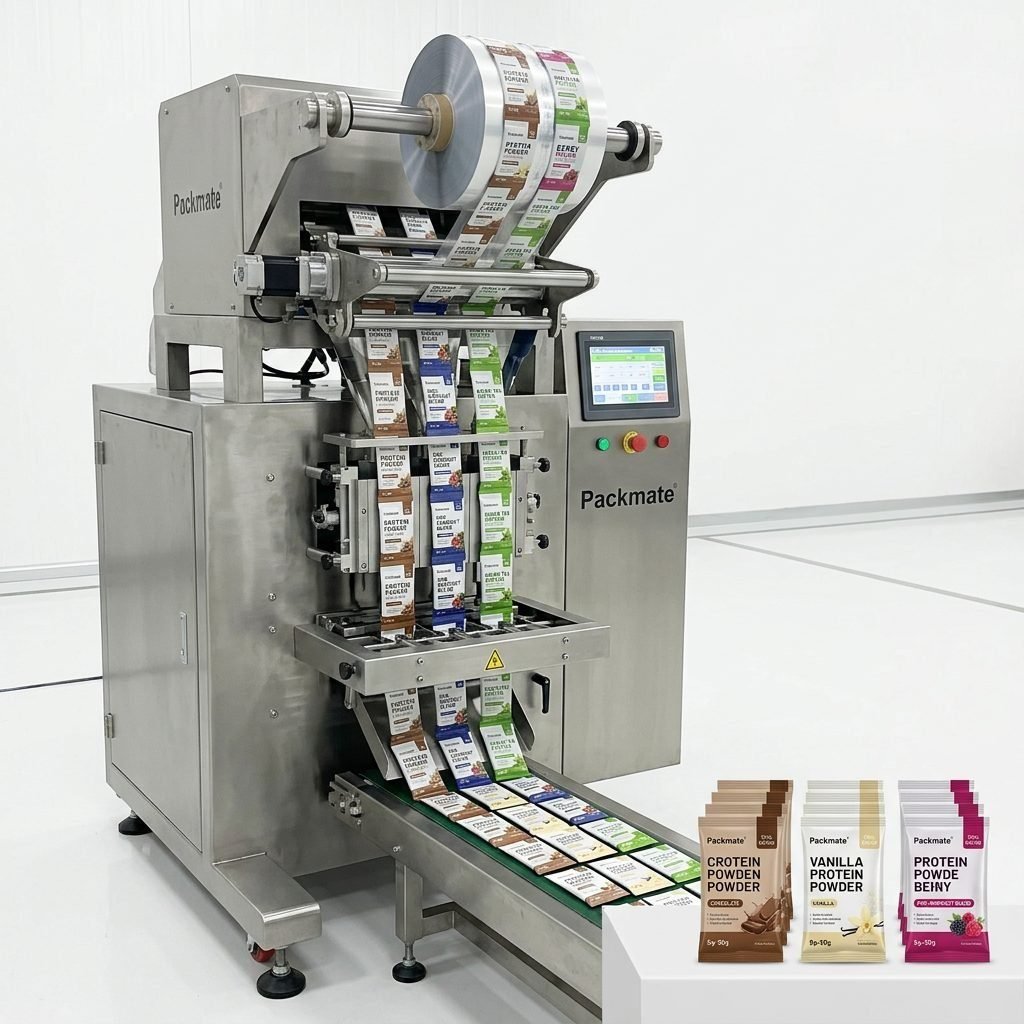
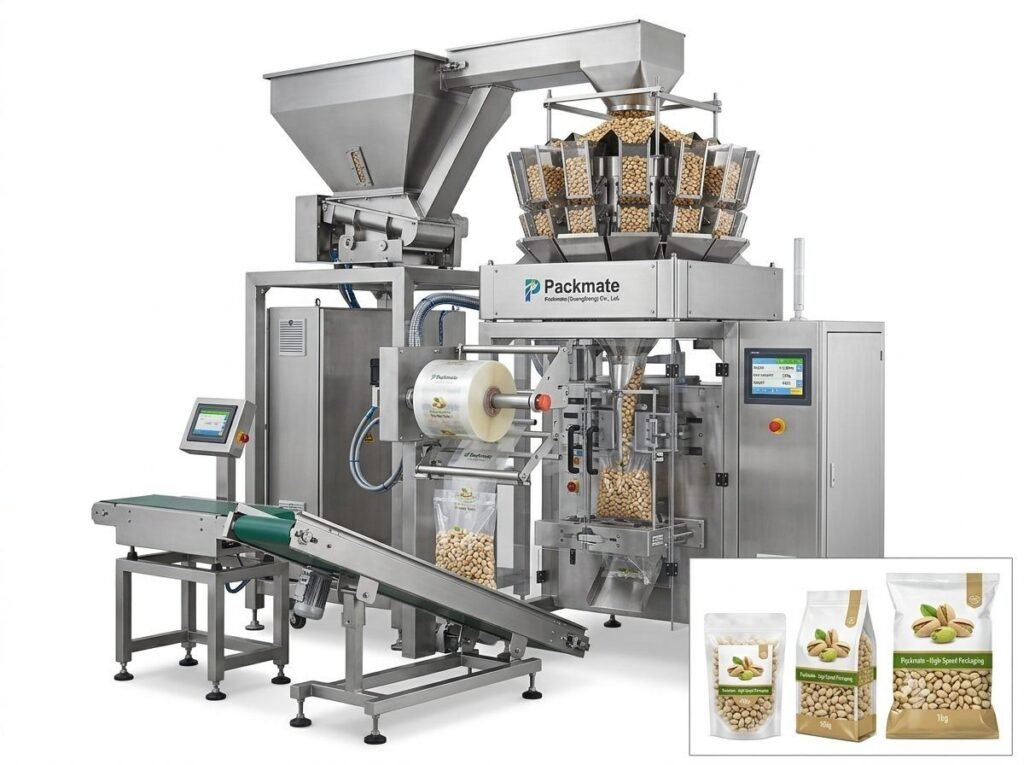
For Granules & Powders (e.g., Coffee, Protein, Spices)
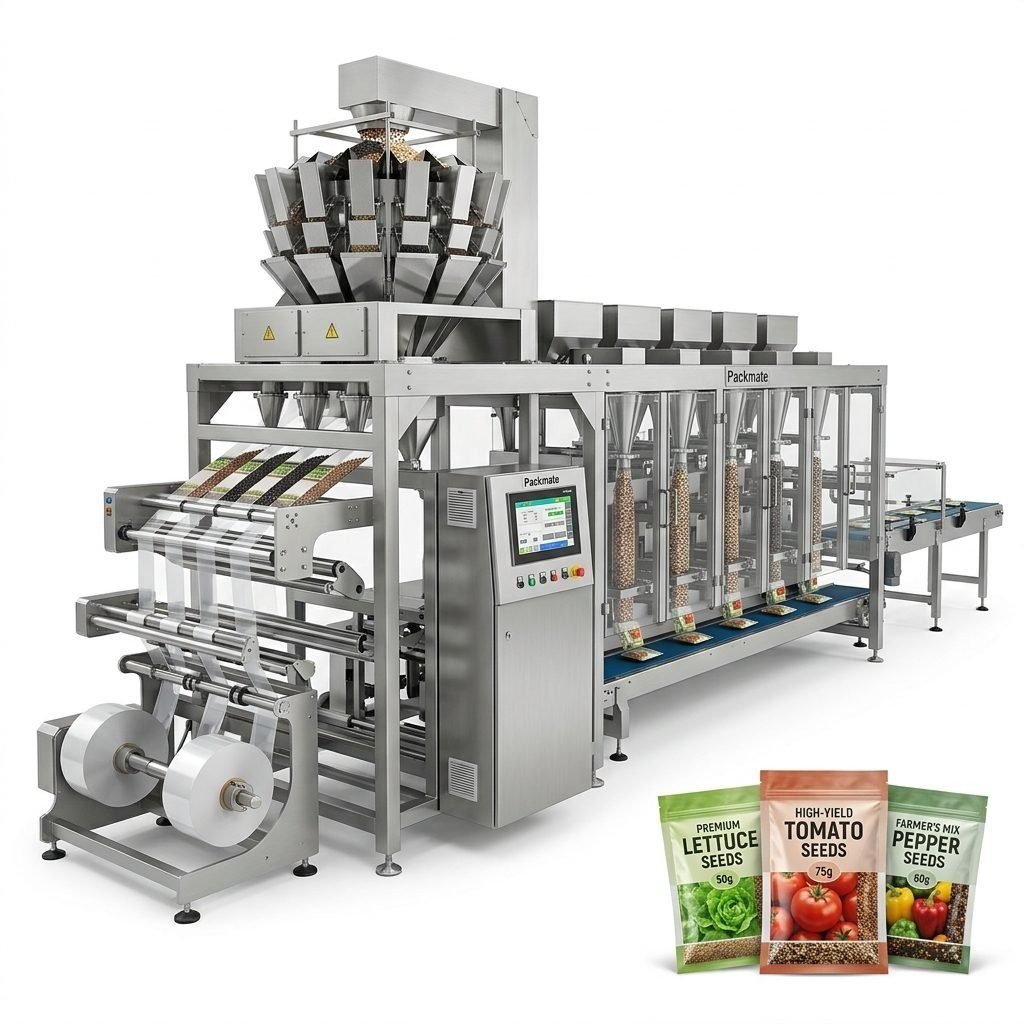
Free-flowing dry products require precision weighing. A multi-head weigher system integrated with a vertical form-fill-seal (VFFS) machine is the industry standard. Look for systems with anti-bridging hoppers and vibration-assisted channels to ensure consistent flow and accurate dosing, which is critical for cost control and customer satisfaction.
For Liquids & Semi-Liquids (e.g., Sauces, Oils, Cosmetics)
Viscosity and foaming tendencies are the main challenges. Piston fillers offer excellent accuracy for a wide viscosity range, while pump fillers are suitable for simpler, low-viscosity liquids. For sticky products, choose machines with easy-clean designs and sanitary fittings. Integrating a complete filling and packaging line ensures seamless transfer from mixing to finished sachet.
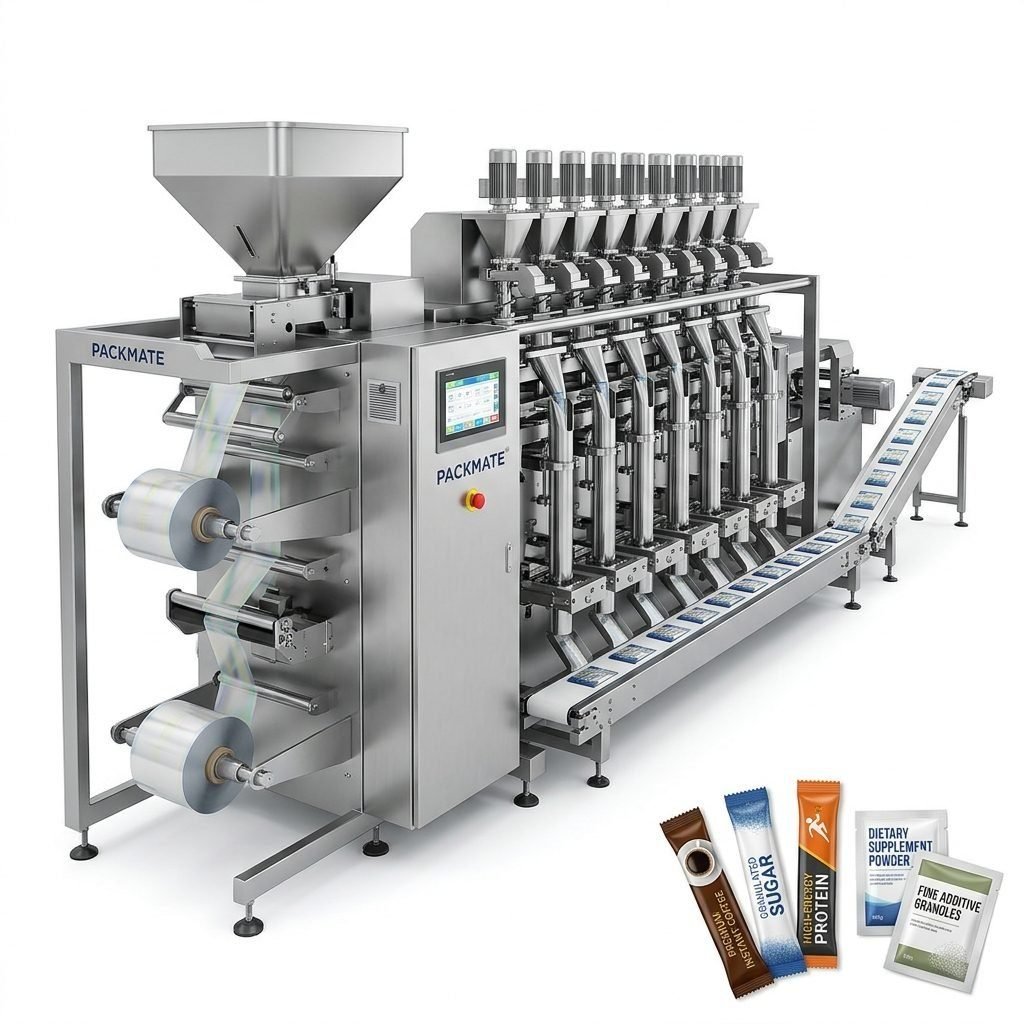
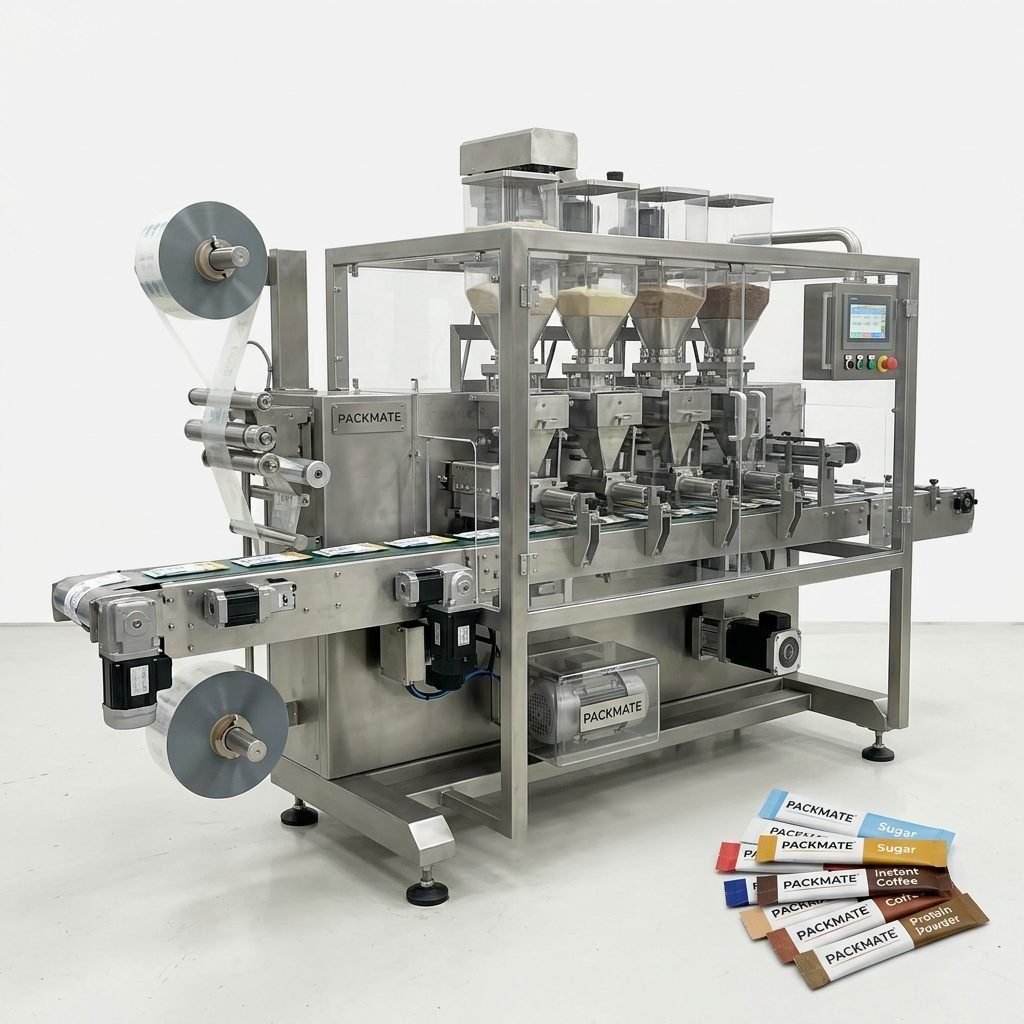
For Stick Packs & Sachets
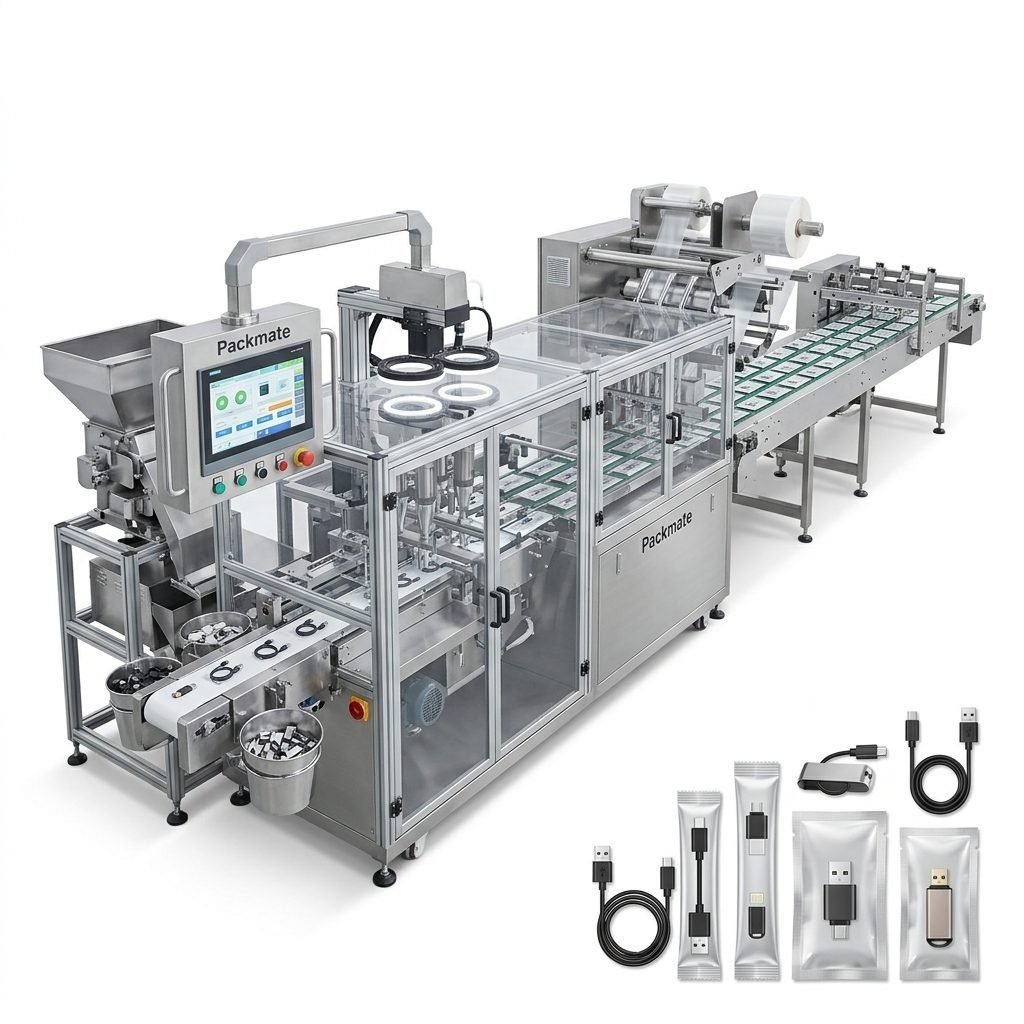
Single-serve portions are hugely popular. Dedicated stick pack and sachet machines are engineered for high-speed production of these small formats. They often feature multi-lane configurations (e.g., 4, 6, 8 lanes) to multiply output. Key considerations include seal integrity to prevent leakage and precision filling for uniform pack appearance.
The Packmate Advantage: Engineering Reliability
With over 30 years of expertise in intelligent packaging, Packmate Machinery embodies the evolution of simplex solutions. From a visionary workshop in 1993 to a modern 20,000㎡ facility today, the focus has always been on building machines that enhance efficiency and reliability. This deep-rooted understanding of the challenges on a production floor translates into equipment that performs consistently under demanding conditions.
Our journey, formally established in 2003 in Zhongshan, Guangdong, saw us master small sachet machines before expanding into high-speed multi-lane stick pack systems. This progression reflects a commitment to solving real-world packaging problems. We don’t just sell machines; we provide complete turnkey packaging solutions, ensuring every component from feeding to discharge works in perfect harmony.
Beyond the Machine: The Total Solution
Investing in packaging equipment is an investment in your brand’s future. The right partner offers more than hardware.
- Customization: Tailoring machine parameters (speed, dose size, film type) to your exact product needs.
- Testing & Validation: Running your actual product through the machine at our facility to guarantee performance before delivery.
- Training & Support: Comprehensive training for your operators and readily available technical support to minimize downtime.
- Spare Parts & Service: Ensuring a long machine lifecycle with genuine, readily available spare parts and maintenance services.
Future-Proofing Your Packaging Line
The packaging landscape is constantly evolving. Sustainability demands, material changes, and e-commerce requirements are shaping new trends. When evaluating simplex equipment, consider its adaptability.
Flexibility: Can the machine handle different film materials, including recyclable or compostable mono-layer structures?
Connectivity: Does it offer data collection capabilities (OEE, output counts, error logs) for integration into Industry 4.0 smart factory systems?
Speed & Changeover: Is it built for quick size changeovers to accommodate shorter production runs and more SKUs?
Choosing a manufacturer with a strong R&D focus, like Packmate, which has developed over 50 machine models, means you are investing in technology designed to meet not just today’s needs, but tomorrow’s challenges.
Frequently Asked Questions (FAQs)
1. What is the typical output speed of a simplex stick pack machine?
Speeds vary by model and product. Modern multi-lane machines can produce from 400 to over 1,200 stick packs per minute per lane. A 4-lane system, therefore, can output 1,600 to 4,800+ sticks per minute. The exact speed for your product is best determined through a production test.
2. How do I ensure accuracy when packaging fine powders?
Fine powders are challenging due to dust and fluidization. The solution involves a combination of a specifically designed multi-head weigher with dust containment, controlled vibration, and sometimes auger filling systems for extreme precision. Proper machine design and setup are critical.
3. Can one machine package both granules and liquids?
Generally, no. The core filling technology differs fundamentally. While some platforms might allow for changeovers between similar product types, switching from a dry powder weigher to a liquid piston filler typically requires a different machine or a major module change. It’s more efficient to have dedicated lines.
4. What kind of maintenance do these machines require?
Regular preventive maintenance is key. This includes daily cleaning, lubrication of moving parts as per schedule, inspection of seals and cutting blades, and calibration of weighing/filling systems. A reliable supplier will provide a detailed maintenance schedule and training.
5. How do I choose between a sachet and a stick pack format?
The choice depends on product characteristics and market preference. Stick packs are ideal for free-flowing granules and powders for single-use dissolution (like drink mixes). Sachets offer a larger surface area, better for marketing graphics and are suitable for thicker products like ointments or sauces. We can advise on the best format for your product.