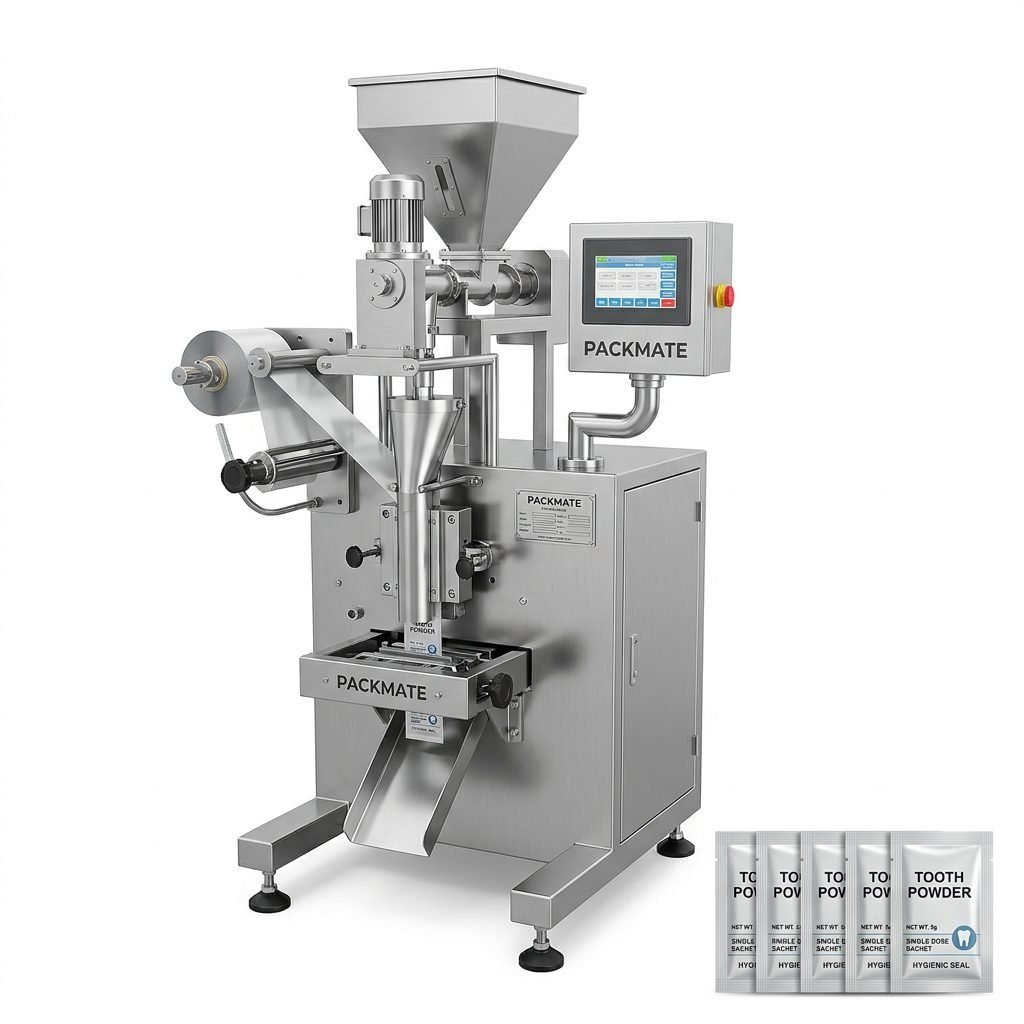
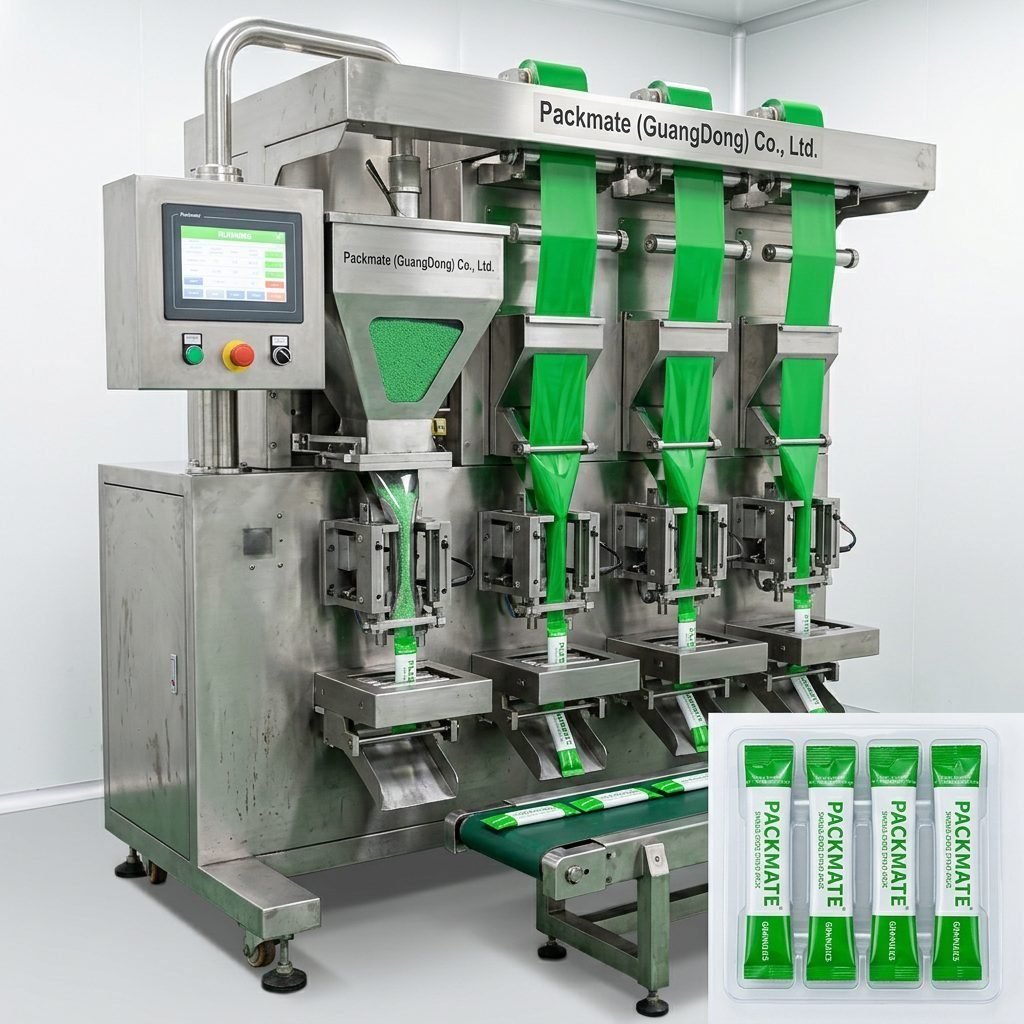
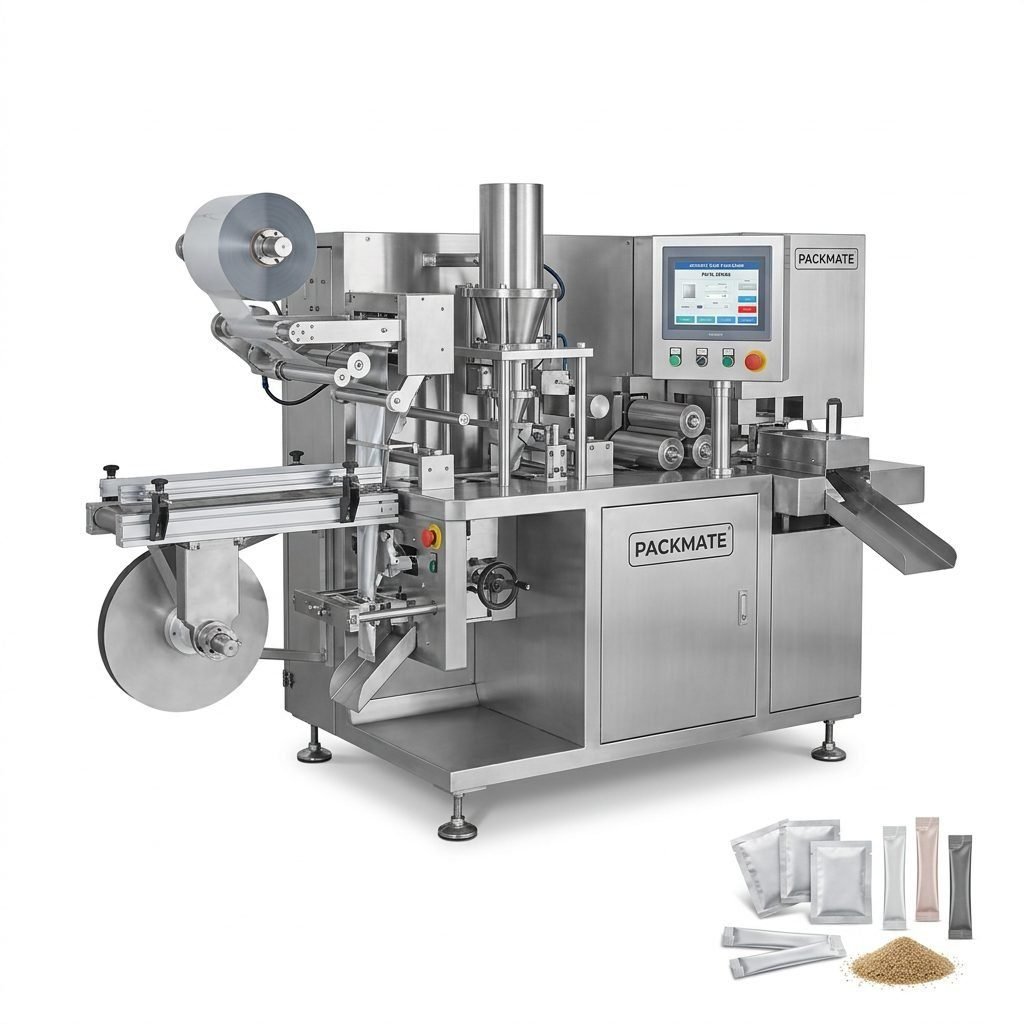
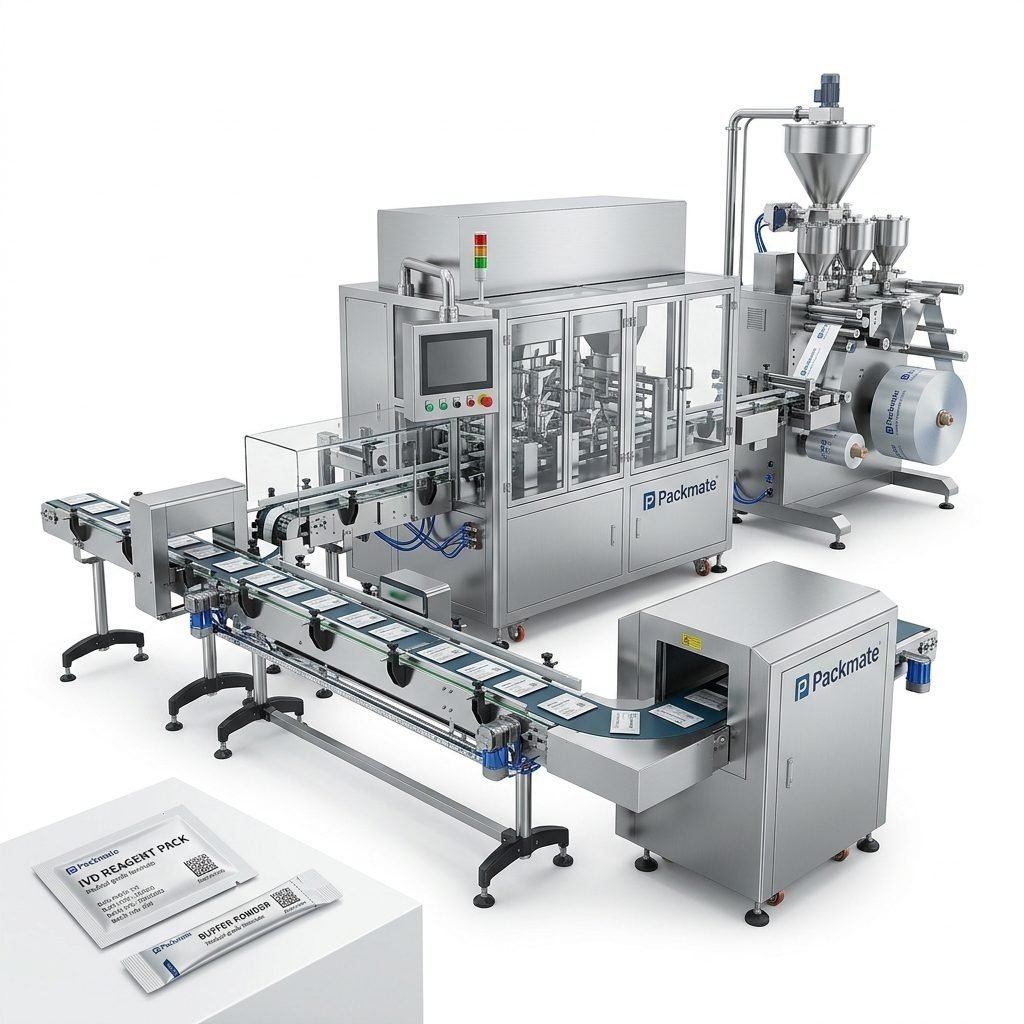
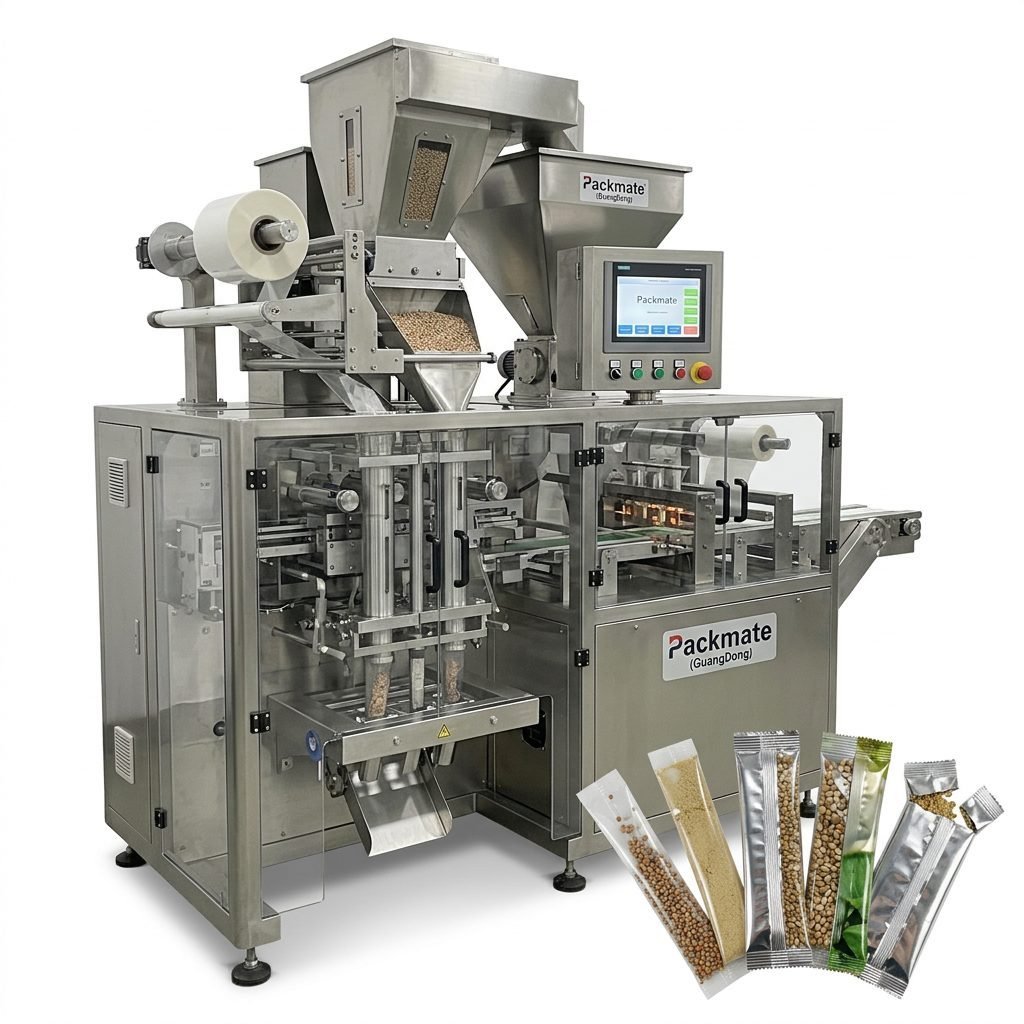
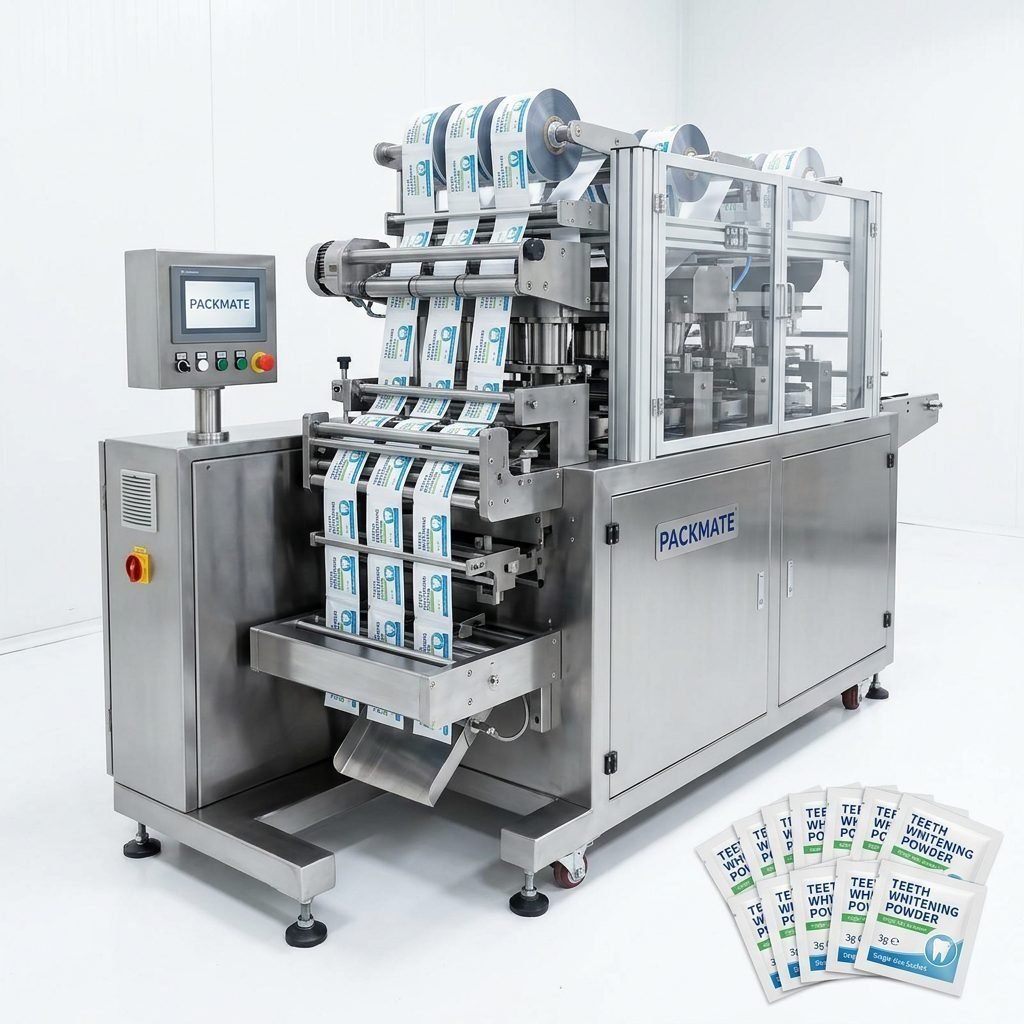
Selecting the right bottle packaging machinery is a critical decision for any business involved in the production of liquids, powders, or granules. The efficiency, reliability, and output quality of your packaging line hinge directly on this choice. This comprehensive guide delves into the various types of bottle fillers and cappers, their specific applications, and provides essential buying tips to help you make an informed investment that boosts your productivity and protects your product integrity.
Core Types of Bottle Packaging Machinery
The packaging process for bottles typically involves several key stages: filling, capping, sealing, and labeling. Understanding the machinery for each stage is the first step.
Bottle Filling Machines
These are the heart of the packaging line, responsible for accurately dispensing your product into containers. The technology used depends heavily on the product’s viscosity and characteristics.
Gravity Fillers: Ideal for free-flowing, thin liquids like water, juices, or oils. Product flows from a tank into bottles by gravity, with fill volume controlled by timing or volume displacement. They are simple, cost-effective, and easy to clean.
Piston Fillers: Excellent for viscous products such as sauces, pastes, creams, and gels. A piston draws a precise volume of product from a hopper and then pushes it into the bottle. They offer high accuracy and handle products with particulates well.
Pump Fillers: Utilize rotary pumps, peristaltic pumps, or gear pumps to transfer product. They are versatile and suitable for a wide range of viscosities, from alcohol to shampoos and chemical products.
Volumetric Cup Fillers: Best for dry, free-flowing powders, granules, or flakes like spices, instant coffee, or protein powder. Pre-measured cups dip into a product bed, fill, and then dump the contents into the container.
Bottle Capping & Sealing Machines
Once filled, bottles must be securely closed. The capping machine must match the closure type.
Screw Cappers (Chuck Cappers): The most common type, applying continuous-thread caps (CT caps). They use spinning chucks to tighten caps onto bottles. Variations include spindle cappers for higher speeds and snap cappers for press-on, twist-off (PT) caps.
Snap Cappers: Apply downward pressure to press fit lids, such as child-resistant caps or plastic over-caps, onto bottles without a threading action.
R.O.P.P. (Roll-On Pilfer-Proof) Cappers: Used primarily in the beverage and pharmaceutical industries for aluminum caps. The machine rolls aluminum blanks onto the bottle’s thread, creating a tamper-evident seal.
Induction Sealers: Often used in conjunction with capping. They apply an electromagnetic field to a foil liner inside the cap, bonding it to the bottle lip, providing an airtight, tamper-evident barrier crucial for product safety and shelf life.
Primary Uses and Industry Applications
Bottle packaging machinery serves a vast array of sectors. The specific requirements of each industry dictate the machine’s features, materials of construction (often stainless steel for hygiene), and sealing integrity.
Food & Beverage Industry
This sector demands high-speed, hygienic, and versatile equipment. Applications include bottling water, juices, sauces, edible oils, dairy products, and condiments. Machines must be easy to clean (CIP/SIP capable) and comply with food safety standards like FDA or EHEDG.
Pharmaceutical & Healthcare
Precision, sterility, and validation are paramount. Machinery for syrups, eye drops, nasal sprays, and liquid supplements requires high-accuracy filling (often peristaltic pumps for sterility) in controlled environments. Tamper-evidence and lot tracking are non-negotiable features.
Cosmetics & Personal Care
From shampoos and lotions to perfumes and serums, this industry needs elegant, reliable packaging. Machines handle a wide viscosity range and often integrate with complete filling and packaging lines that include labeling and cartoning. Aesthetic presentation is key.
Chemicals & Household Products
Detergents, cleaners, oils, and automotive fluids require robust machines that can handle aggressive chemicals. Pump fillers with chemical-resistant components and secure sealing to prevent leaks and evaporation are essential.
Key Buying Tips for Your Investment
Purchasing bottle packaging machinery is a significant capital expenditure. Asking the right questions ensures you get a machine that fits your needs today and scales for tomorrow.
1. Define Your Product and Bottle Specifications
Start with the basics: Product Type (viscosity, acidity, particulates), Bottle Size & Shape (range of containers), and Closure Type (screw cap, spray pump, dropper). Create a detailed specification sheet. This is the foundation for all discussions with suppliers like Packmate Machinery.
2. Determine Required Output Speed (Bottles Per Minute)
Calculate your current and projected production needs. A semi-automatic single-head filler may suffice for a startup, while a high-volume operation will need a fully automatic rotary weighing and packaging system. Don’t overpay for unused speed, but allow for ~20% growth capacity.
3. Prioritize Accuracy and Hygiene
Fill accuracy affects your bottom line (giving away product) and compliance (especially for pharmaceuticals). Look for machines with easy calibration and consistent performance. For food, pharma, or cosmetics, ensure the machine uses food-grade materials (304 or 316L stainless steel) and has a sanitary design.
4. Evaluate Ease of Use and Changeover
Time is money. How quickly can operators change from one bottle size or product to another? Look for machines with tool-less changeover features, easy-to-clean components, and user-friendly PLC (Programmable Logic Controller) interfaces with recipe storage.
5. Assess After-Sales Support and Service
The relationship with your manufacturer begins after purchase. Investigate their warranty, availability of spare parts, technical support (remote and on-site), and training offerings. A reputable company with a long history, such as Packmate with over 22 years of development, will have a robust support network to minimize your downtime.
6. Consider Integration and Future Expansion
Will this machine stand alone or integrate into a line with a labeler, cartoner, or case packer? Ensure the machine has standard communication protocols (e.g., PLC I/O) for integration. Think about future needs—can the filler be upgraded with more heads or connected to a downstream auxiliary packaging equipment?
Frequently Asked Questions (FAQ)
What is the most accurate type of filling machine?
For liquids, piston fillers generally offer the highest precision (±0.1% to ±0.5%), making them ideal for expensive or regulated products. For powders, auger fillers with advanced control systems provide excellent accuracy by measuring by weight (net weigh fillers) rather than volume.
Can one machine handle different bottle sizes and products?
Yes, most modern automatic machines are designed for quick changeover. This involves swapping out parts like bottle guides, filling nozzles, and capping heads. The ease and speed of this process vary by machine design, so it’s a critical factor to discuss during demos.
How important is the sealing method (e.g., induction sealing)?
Extremely important for product integrity. Induction sealing provides a hermetic, tamper-evident seal that extends shelf life by preventing oxygen ingress and moisture loss. It is highly recommended for food, pharmaceutical, and chemical products where safety and freshness are priorities.
What maintenance does bottle packaging machinery require?
Regular maintenance is crucial for longevity and consistent performance. Daily tasks include cleaning and sanitizing. Weekly or monthly checks involve lubricating moving parts, inspecting seals and gaskets for wear, and verifying fill accuracy. Always follow the manufacturer’s maintenance schedule.
How do I choose between a semi-automatic and fully automatic machine?
The choice depends on your production volume, budget, and labor. Semi-automatic machines require an operator to place and remove bottles but are far more affordable and suitable for low to medium output. Fully automatic machines are for high-volume production, offering much higher speeds and reducing labor costs, but at a significantly higher initial investment.