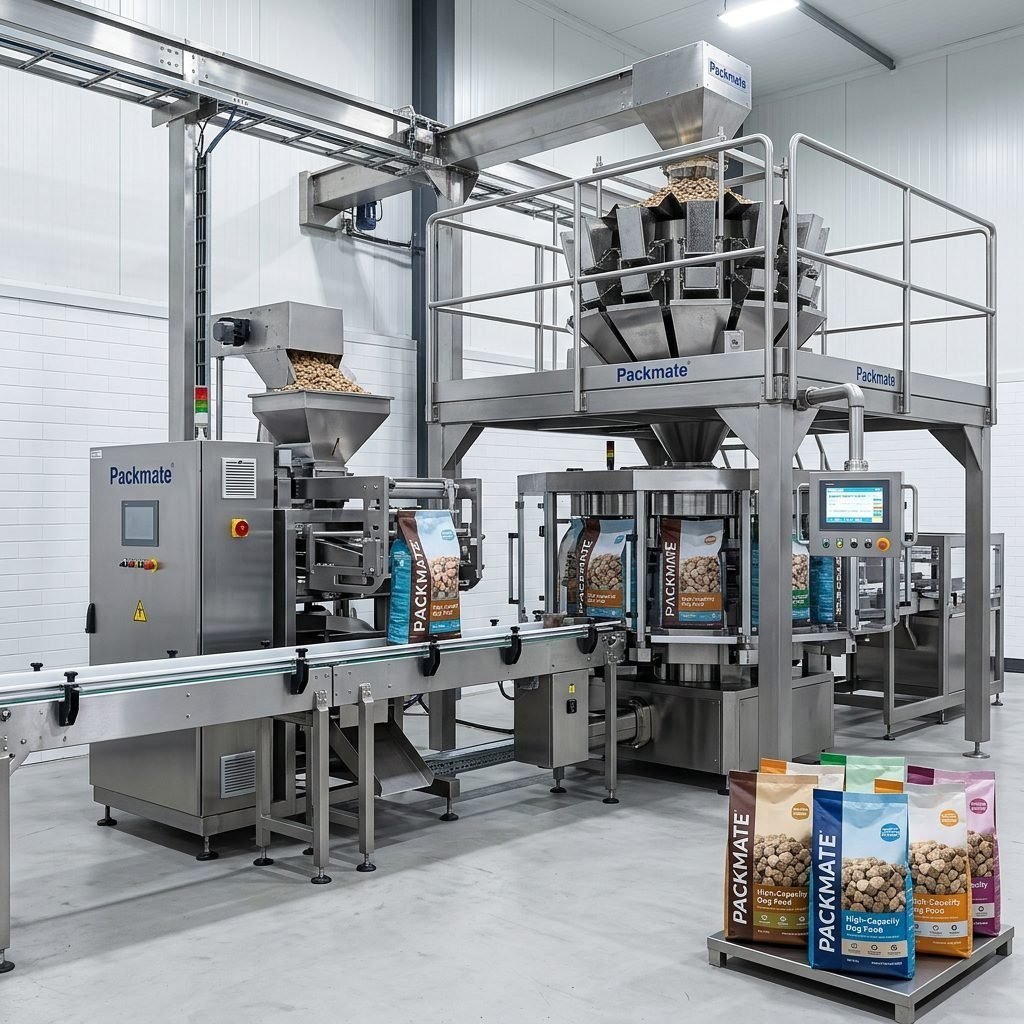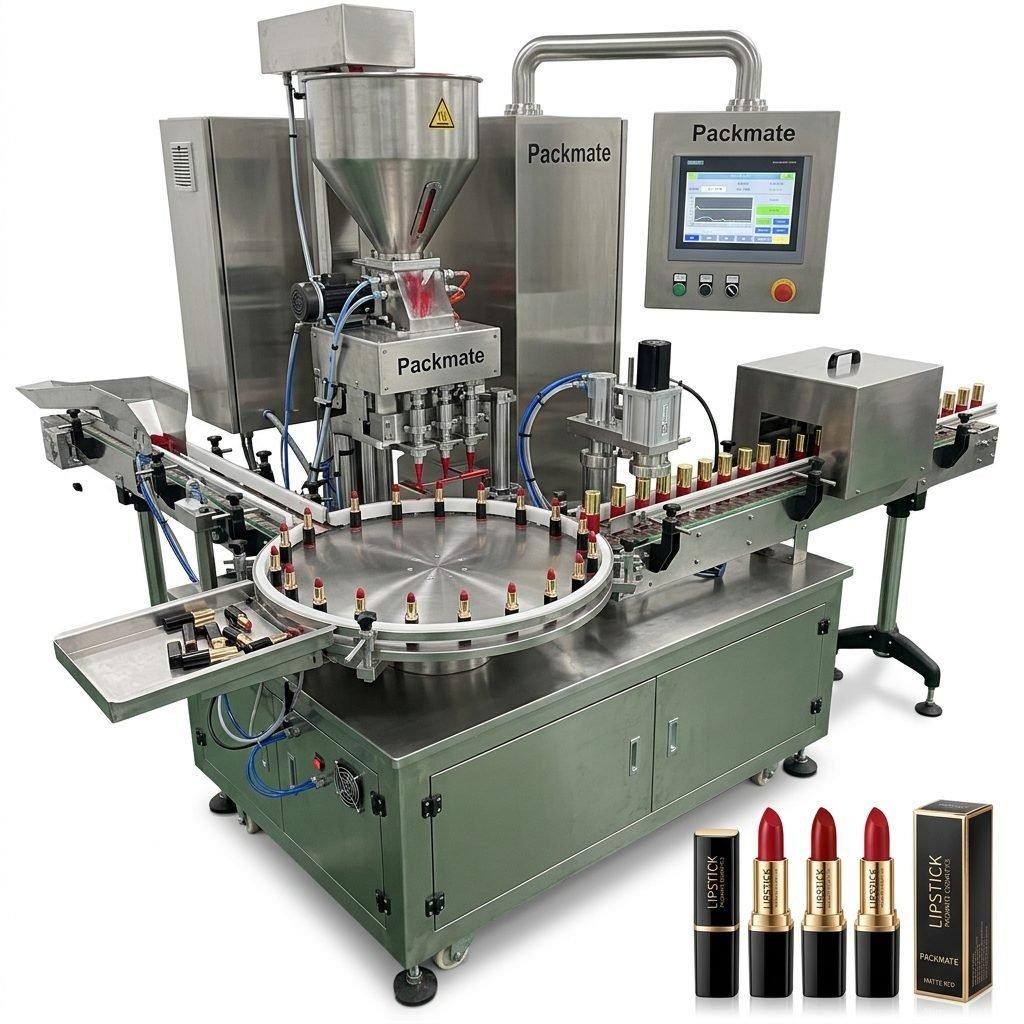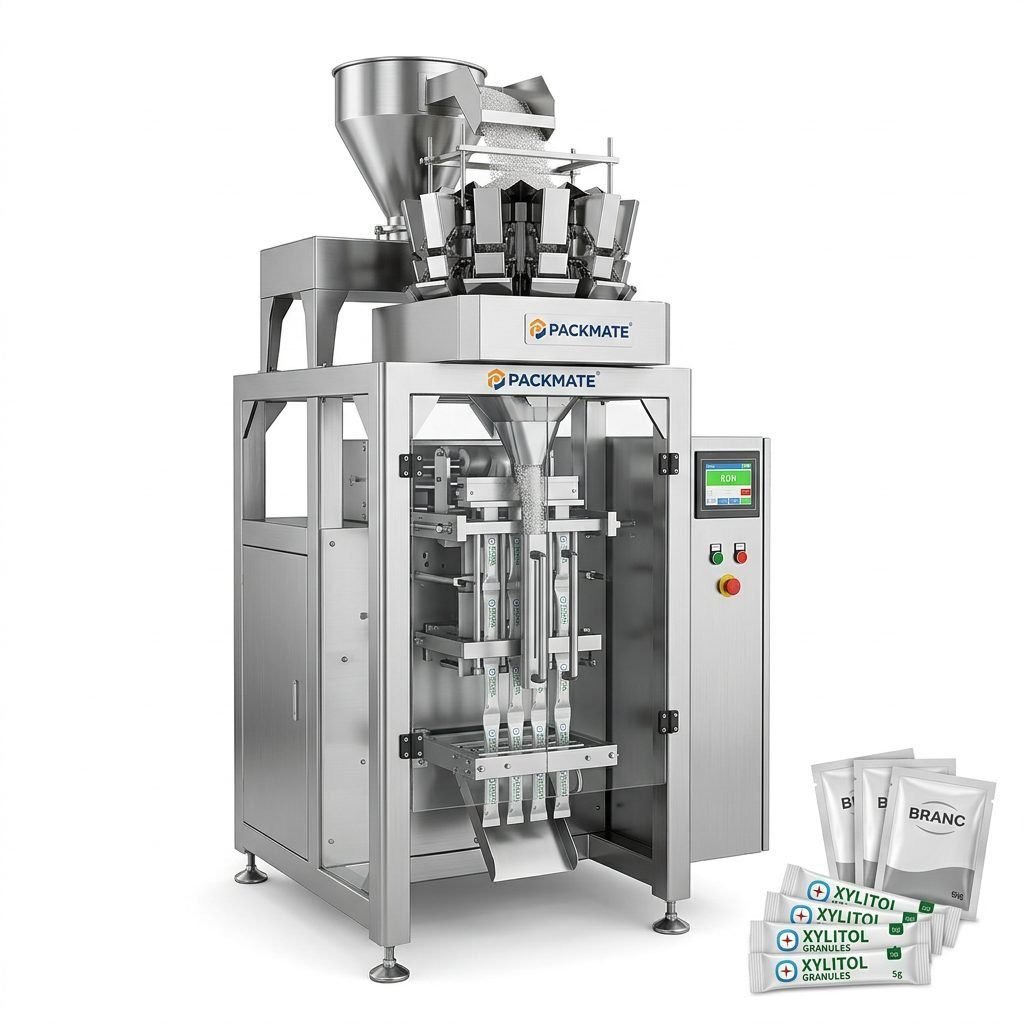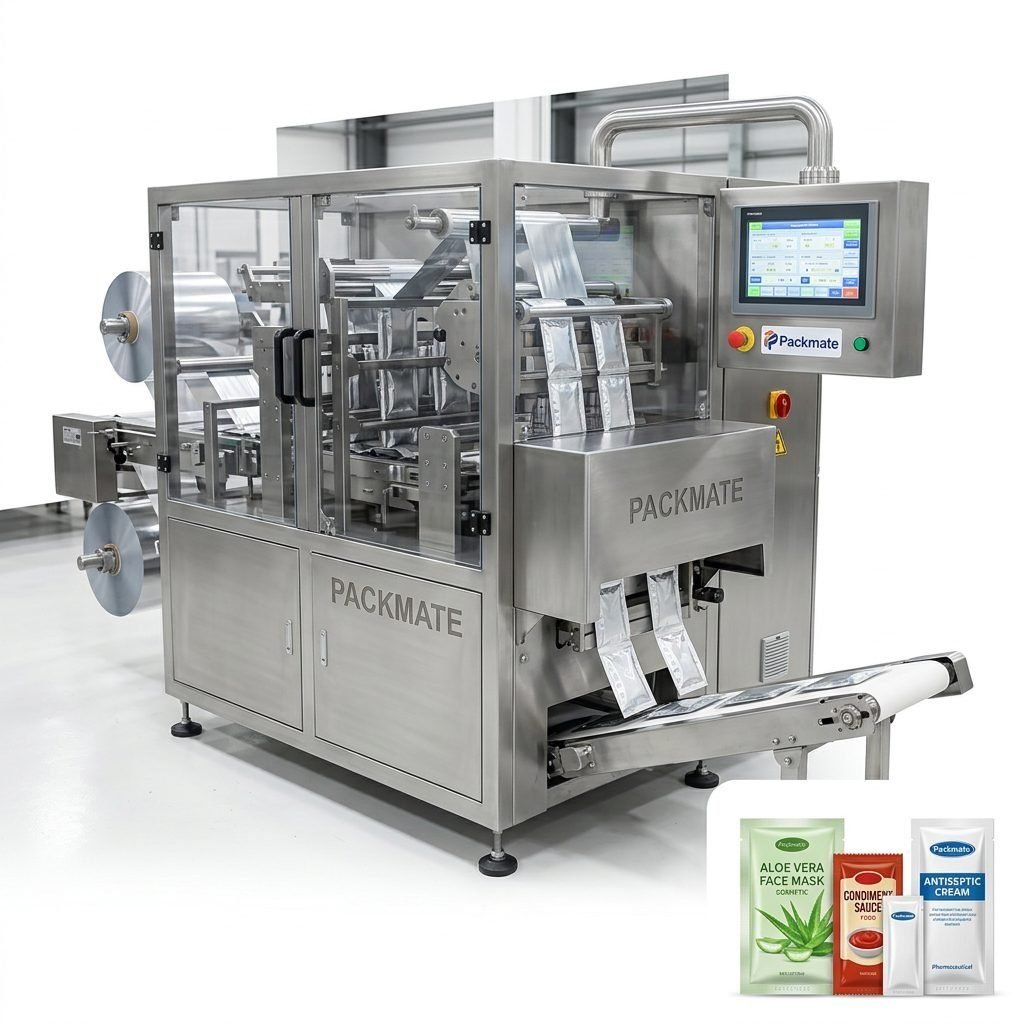
In the competitive world of manufacturing, efficiency is the cornerstone of profitability and growth. For industries dealing with paints, coatings, and liquid products, the packaging stage is a critical juncture where speed, accuracy, and reliability directly impact the bottom line. Selecting the right paint packaging machine is not merely a purchase; it’s a strategic investment in your production line’s future. This guide explores the top paint packaging machines designed to streamline operations, minimize waste, and maximize output for efficient production lines.
The Role of Automation in Paint Packaging
Modern paint production demands more than just filling cans. An efficient packaging line integrates several automated processes: precise filling, secure capping, consistent labeling, and smooth case packing. The goal is to create a seamless flow from the mixing vat to the shipping pallet. Automated paint packaging machines reduce human error, increase throughput, and ensure uniform product presentation, which is vital for brand integrity. For companies looking to scale, automation is the key to meeting rising demand without proportionally increasing labor costs.
When evaluating equipment, consider the versatility of the machine. Can it handle different container sizes, from small touch-up pots to large industrial pails? How quickly can changeovers be executed? The answers to these questions determine a line’s flexibility and overall equipment effectiveness (OEE). Leading manufacturers, like Packmate Machinery, have leveraged decades of experience to build systems that address these very challenges, offering robust solutions that adapt to diverse production needs.
Key Features of High-Performance Filling Machines
At the heart of any paint packaging line is the filling machine. The top performers share several critical characteristics:
Precision Filling Technology: Whether using piston, gravity, or pump-based fillers, accuracy is non-negotiable. Advanced machines offer micro-adjustments to fill volumes, ensuring each container meets exact weight or volume specifications, crucial for compliance and cost control.
Durability and Corrosion Resistance: Paint is abrasive and corrosive. Machines must be constructed with stainless steel contact parts and protective coatings to withstand harsh chemicals and ensure a long operational lifespan with minimal downtime.
Easy Cleanability and Maintenance: Quick cleanup between batches or color changes is essential for efficiency. Machines designed with smooth surfaces, minimal crevices, and accessible components significantly reduce changeover time and maintenance effort.
Integrating a comprehensive filling and packaging line that incorporates these features can transform a bottleneck into a powerhouse of productivity.
Enhancing Line Efficiency with Downstream Equipment
A fast filler is only as good as the equipment that supports it. To build a truly efficient production line, attention must be paid to the downstream processes:
Capping and Sealing: Automatic cappers that apply lids securely at high speeds prevent leaks and contamination. For paints, ensuring an airtight seal is critical for product shelf life and quality.
Labeling and Coding: Automatic labelers apply branding and regulatory information consistently. Integrated inkjet or laser coders print batch numbers and expiration dates directly onto containers, ensuring traceability.
Case Packing and Palletizing: Robotic or automatic case packers organize filled containers into shipping cases, which are then stacked onto pallets by palletizers. This end-stage automation drastically reduces manual handling and labor costs.
Exploring a range of auxiliary packaging equipment is essential for creating a complete, turnkey solution that optimizes every step.
Choosing the Right Machine for Your Production Scale
The “best” machine is the one that matches your specific output requirements and growth trajectory. Operations can be broadly categorized:
For Small to Medium Batch Producers: Semi-automatic or single-lane automatic machines offer an excellent balance of speed and affordability. They provide significant efficiency gains over manual filling while allowing for flexibility in short production runs and frequent product switches.
For Large-Scale and High-Volume Manufacturers: Fully integrated, multi-lane automated lines are necessary. These systems, often custom-configured, can fill, cap, label, and pack thousands of containers per hour. Investing in such a line requires careful planning but delivers the lowest cost per unit and the highest return on investment for mass production.
Partnering with a supplier with a proven track record in delivering reliable packing machines for various scales ensures you get a system tailored to your current and future needs.
The Importance of Supplier Expertise and Support
Technology is only part of the equation. The manufacturer behind the machine plays a pivotal role in the long-term success of your packaging operation. A supplier with deep industry experience, like Packmate Machinery with its 22+ years of company development, brings invaluable insight into solving real-world production challenges.
Key support aspects include comprehensive training for your operators, readily available spare parts, and responsive technical service. The ability to provide a complete service package from installation to ongoing maintenance is what separates equipment vendors from true strategic partners. Reviewing a supplier’s project case studies can provide concrete evidence of their capability and reliability.
Future-Proofing Your Investment
The packaging industry continues to evolve with trends like sustainability, smart manufacturing (Industry 4.0), and customization. When selecting a paint packaging machine, consider its capacity for future upgrades. Can it integrate with factory management software for data collection? Is it designed to handle new, eco-friendly packaging materials? Investing in modular and digitally-ready equipment from an innovative manufacturer protects your investment and keeps your line competitive for years to come.
Ultimately, the top paint packaging machines are those that deliver relentless reliability, precision, and adaptability. They transform the packaging department from a cost center into a value-driving component of the business. By focusing on total line efficiency—from the filler to the palletizer—and partnering with an experienced equipment provider, manufacturers can build a production foundation that supports sustainable growth and market leadership.
Frequently Asked Questions (FAQs)
What types of paint containers can these machines handle?
High-quality paint packaging machines are designed for versatility. They can typically handle a wide range of containers, including metal tins, plastic pails, glass jars, and composite cans. The key is ensuring the machine’s change parts (like filling nozzles and container holders) are available or can be customized for your specific container shapes and sizes, from small sample pots to large 5-gallon buckets.
How do I determine the right speed (containers per hour) for my needs?
Calculate your current and projected daily/weekly output. A good rule is to choose a machine that can meet your peak demand within a standard work shift, allowing some capacity for future growth. For example, if you need to package 20,000 units per week in a 5-day, two-shift operation, you would need a machine capable of at least 2,000 units per hour. Consulting with an expert from the machinery supplier is crucial for accurate sizing.
What is the typical payback period for an automated paint packaging line?
The payback period varies based on the line’s cost, labor savings, waste reduction, and increased output. For semi-automatic systems, payback can often be achieved in 12-24 months. For large, fully automated lines, the period may be 2-4 years. A detailed ROI analysis should factor in reduced labor costs, lower product giveaway from precise filling, decreased material waste, and the value of increased production capacity.
How important is after-sales service and technical support?
Extremely important. Even the most reliable machines require maintenance, occasional repairs, and operator re-training. A supplier with a strong global service network, readily available spare parts, and responsive technical support (remote and on-site) minimizes costly downtime. This support is a critical component of your total cost of ownership and long-term operational success.
Can these machines handle other viscous liquids besides paint?
Yes, absolutely. The technology used for paint packaging—such as piston fillers and positive displacement pumps—is ideal for a wide range of viscous products. This includes adhesives, sealants, lubricants, resins, pastes, and food products like sauces or creams. This versatility makes the equipment a valuable asset for companies with diverse product lines or future diversification plans.