In the fast-paced world of food service, efficiency and presentation are paramount. A burger packaging machine is not just a piece of equipment; it’s a critical component in ensuring your product reaches the customer fresh, intact, and appealing. This guide delves into the different types of burger packaging machines, their specific uses, and essential tips for making a smart purchase decision.
Understanding Burger Packaging Machines
At its core, a burger packaging machine automates the process of wrapping, sealing, and sometimes boxing individual burgers or multiple units. This automation is crucial for maintaining hygiene, speed, and consistency in high-volume environments like fast-food chains, large-scale catering operations, and frozen food production facilities. The primary goal is to protect the burger from contamination, preserve its temperature and moisture, and enhance its visual appeal for the end consumer.
Key Benefit: Implementing an automated packaging system can dramatically increase output while reducing labor costs and minimizing human contact with the food product, which is a fundamental requirement for food safety standards like HACCP.
Primary Types of Burger Packaging Machines
The market offers various machines tailored to different packaging styles and production scales. Choosing the right type depends on your specific needs.
1. Flow Wrap Machines
These are among the most common for single burgers. The burger is placed on a piece of film, which is then wrapped around it and sealed on the bottom and ends. This creates a tight, snug package that is excellent for preserving freshness and is often used for pre-wrapped burgers in supermarket chillers or for takeaway orders. The process is fast and suitable for a wide range of burger sizes.
2. Clamshell Packaging Machines
Clamshell containers are iconic in the fast-food industry. Machines for this style automatically form, fill, and close the plastic clamshells. They are ideal for burgers with taller profiles or those loaded with ingredients, as the rigid container protects the burger from being crushed. This method offers superior product presentation and is customer-friendly for easy opening.
3. Skin Packaging Machines
Skin packaging involves placing the burger on a cardboard backing and then draping a heated plastic film over it, which shrinks and seals tightly to the backing. This creates a very tamper-evident and visually appealing package where the product is clearly visible. It’s highly effective for retail display, as it locks in freshness and prevents freezer burn for frozen burger patties.
4. Tray Sealing Machines
For premium or gourmet burgers, tray sealing is a popular choice. These machines place the burger (often with sides) into a pre-formed plastic or compostable tray and then apply and seal a lidding film on top. This method is excellent for meal kits, ready-to-eat meals in supermarkets, and delivery services where leak prevention and a high-quality look are essential.
Choosing the Right Machine: A Quick Comparison
Flow Wrappers: Best for speed, efficiency, and simple single-burger packaging.
Clamshell Machines: Best for product protection (no crushing) and classic fast-food presentation.
Skin Packers: Best for retail shelf appeal and superior freshness lock for frozen goods.
Tray Sealers: Best for premium, multi-component meals and leak-proof delivery.
Core Uses and Applications
Burger packaging machines serve diverse sectors within the food industry. In quick-service restaurants (QSRs), they are the backbone of the drive-thru and takeaway operation, ensuring every burger is wrapped consistently in seconds. For food manufacturers producing frozen burgers for retail, these machines are vital for portion control, extending shelf life, and creating attractive retail-ready packaging. Catering companies use them to prepare large batches of individually wrapped burgers for events, maintaining hygiene and portion integrity. The versatility extends to packaging plant-based burger patties, sliders, and even other similarly shaped food items like sandwiches or pastries.
Critical Buying Tips for Your Investment
Purchasing a burger packaging machine is a significant investment. Here are the key factors to consider to ensure you select the right equipment for your business.
1. Assess Your Production Volume and Speed
This is the first and most critical question. Determine your current and projected future output (burgers per minute/hour). A small cafe might need a semi-automatic machine, while a national fast-food chain supplier requires a fully automatic, high-speed packaging line. Over-specifying leads to unnecessary cost, while under-specifying creates a production bottleneck.
2. Consider the Packaging Material
The machine and the packaging material are a matched pair. Decide whether you’ll use plastic film, cardboard, clamshells, or compostable/biodegradable materials. The machine must be compatible with your chosen material’s thickness, rigidity, and sealing properties. Sustainability is a growing concern, so consider machines that can handle newer, eco-friendly substrates.
3. Prioritize Hygiene and Ease of Cleaning
Food safety is non-negotiable. Look for machines with stainless steel food-contact surfaces, smooth edges without crevices where debris can accumulate, and designs that allow for quick disassembly and cleaning. This minimizes downtime and ensures compliance with strict health regulations.
4. Evaluate Flexibility and Changeover Time
If you produce burgers of different sizes or use various packaging types, you need a flexible machine. Check how long it takes to change the machine’s settings (like film width or sealing parameters) to accommodate a different product. Quick changeover tools are a major advantage for operations with multiple SKUs.
5. Focus on Reliability and Supplier Support
A machine that frequently breaks down costs more in lost production than its purchase price. Research the manufacturer’s reputation for build quality and reliability. Crucially, ensure they offer comprehensive after-sales support, including readily available technical service, spare parts, and operator training. A partner like Packmate Machinery, with decades of experience in food packaging automation, can provide not just a machine but a reliable, long-term solution backed by expertise.
Pro Tip: Always request a live or video demonstration using a sample of *your actual burger and packaging material*. This is the only way to truly verify the machine’s performance and the final package quality before you buy.
Conclusion
Selecting the ideal burger packaging machine requires a careful balance of your production needs, packaging format, and operational goals. From high-speed flow wrapping for volume output to elegant tray sealing for gourmet presentation, the right machine is a powerful tool for enhancing efficiency, safety, and brand perception. By thoroughly evaluating your requirements and partnering with a reputable supplier who offers robust machines and dependable support, you can make an investment that pays dividends in consistency, customer satisfaction, and business growth for years to come.
Frequently Asked Questions (FAQs)
1. What is the average output speed of a standard automatic burger packaging machine?
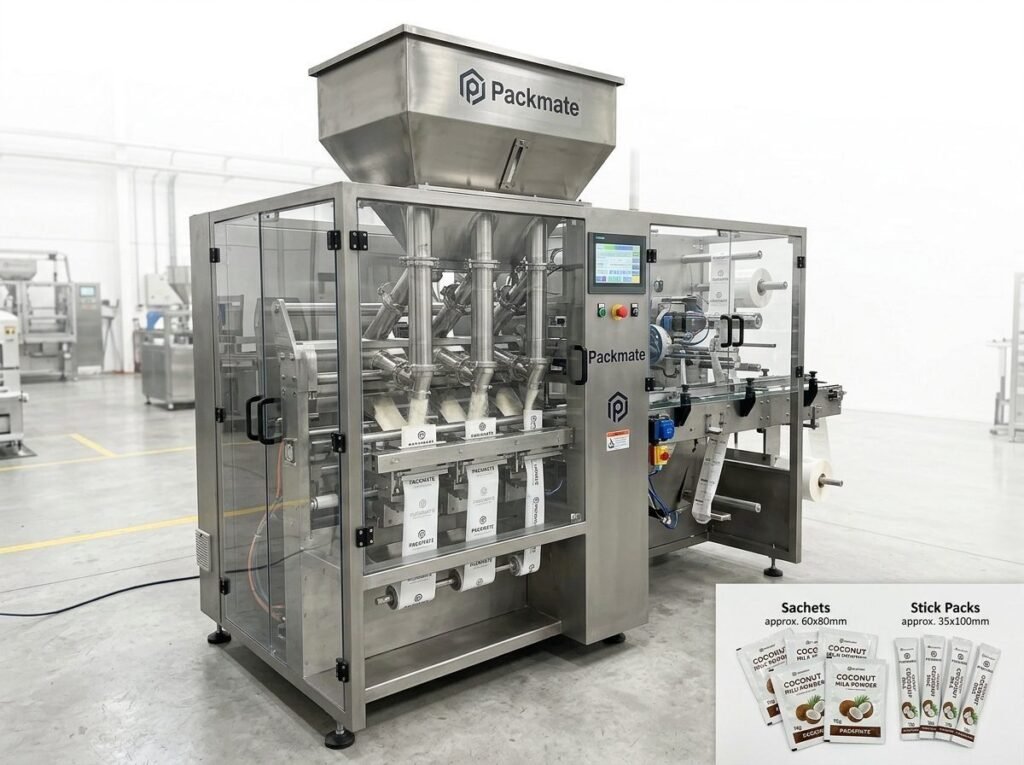
Speeds vary widely by machine type and configuration. Semi-automatic machines may package 10-30 burgers per minute, while fully automatic, multi-lane systems, like some advanced stick pack and sachet lines adapted for food, can achieve 200+ packages per minute. Your required speed should be based on your peak production demands.
2. Can one machine handle different burger sizes and packaging styles?
Many machines offer flexibility, but with limits. Flow wrappers and clamshell machines often have adjustable parts to accommodate a range of sizes. However, switching from a flow wrap to a clamshell style typically requires a completely different machine. For operations with diverse needs, modular systems or machines designed for quick changeovers are the best solution.
3. How important is the machine’s construction material for food safety?
Extremely important. All surfaces that come into direct or indirect contact with food or packaging must be made of food-grade materials, typically 304 or 316 stainless steel. This prevents corrosion, is non-toxic, and is easy to clean and sanitize, which is mandatory for complying with global food safety standards.
4. What are the main maintenance requirements for these machines?
Regular daily cleaning is the most critical task. Technically, maintenance involves periodic lubrication of moving parts, inspection and replacement of wear items like sealing jaws or cutting blades, and calibration of sensors and weighing systems (if equipped). A good supplier will provide a detailed maintenance schedule and training.
5. Where can I see these machines in operation or get a custom evaluation?
Reputable manufacturers often have showrooms or factory test centers where you can see machines running. They also frequently participate in international packaging exhibitions. The best approach is to contact the supplier directly, discuss your specific product, and arrange for a product test or pilot run to evaluate performance with your exact materials.