In today’s fast-paced manufacturing and distribution landscape, efficiency is not just a goal—it’s a necessity. For businesses handling a wide range of products, from food and pharmaceuticals to consumer goods and industrial components, the final packaging stage is critical. This is where shrink wrapping machines come into play, offering a robust, versatile, and efficient solution for creating secure, professional, and tamper-evident packages. By automating the process of applying a tight plastic film around products or product bundles, these machines significantly enhance production speed, reduce material waste, and improve overall packaging consistency.
The Core Mechanism: How Shrink Wrapping Works
The process might seem simple, but it involves precise engineering. Typically, a shrink wrapping machine follows a sequence: product placement or automatic feeding, film wrapping (either via a sleeve or an L-sealer), and then heat application. The heat, often from a heat tunnel or a heat gun, causes the polyethylene or polyolefin film to contract tightly around the product’s contours. This creates a sleek, unitized package that protects against dust, moisture, and handling damage. Modern machines offer various sealing methods, including center-fold, sleeve wrapping, and full web wrapping, to accommodate different product shapes and sizes.
Key Advantage: The primary benefit of shrink wrapping is its ability to bundle multiple items into a single, stable unit. This is invaluable for multi-pack promotions, securing loose parts, and creating ready-for-retail displays. It also provides excellent product visibility, allowing for clear branding and barcode scanning without unboxing.
Types of Shrink Wrapping Machines for Different Needs
Selecting the right equipment depends entirely on your production volume, product type, and desired automation level.
Manual L-Sealers: Ideal for low-volume operations or businesses with highly variable product sizes. An operator places the product and film, and the machine seals the sides before the bundle moves to a separate heat tunnel.
Semi-Automatic Machines: These systems automate either the sealing or the shrinking process, increasing output while maintaining flexibility. They often include an automatic film feed and sealing bar, with manual product loading.
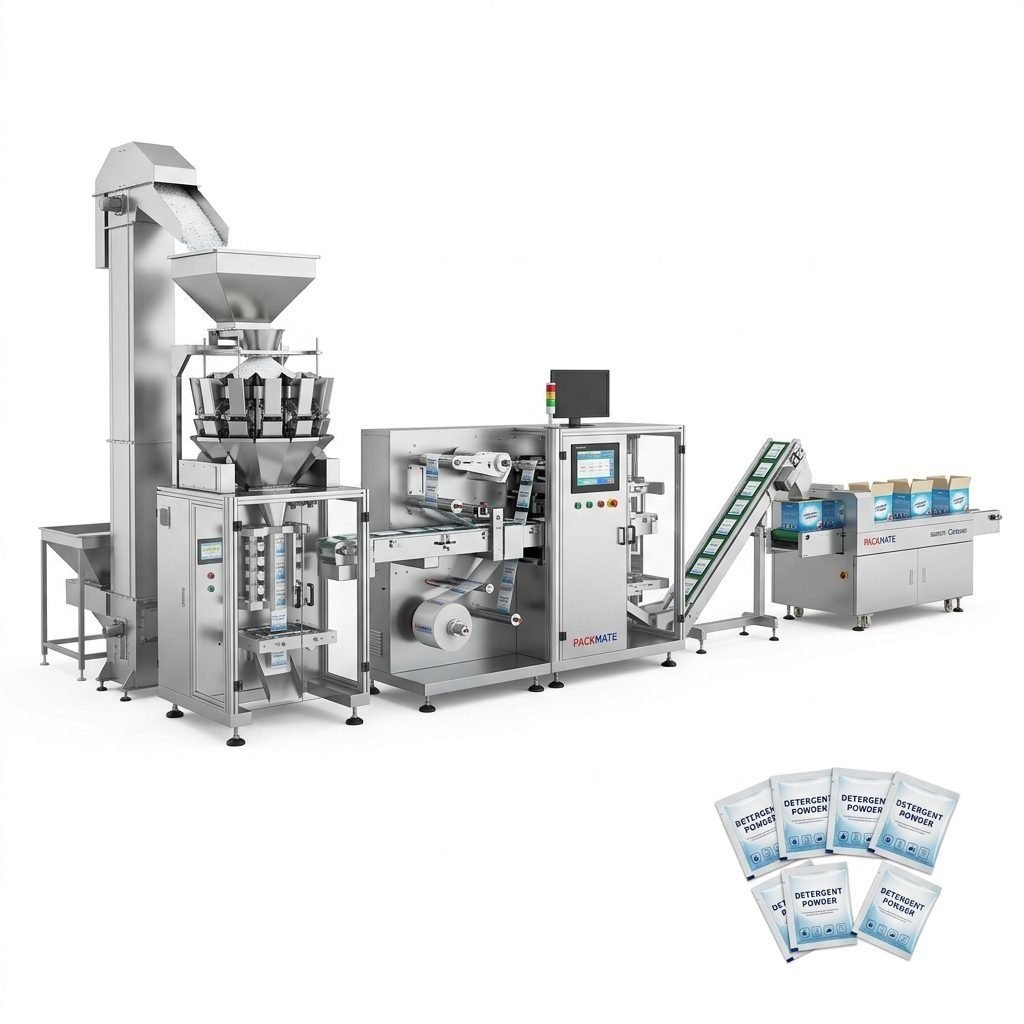
Fully Automatic Shrink Wrapping Lines: The pinnacle of efficiency for high-speed production. These integrated systems automatically feed products, apply film, seal, and shrink in one continuous flow. They can be seamlessly connected with other filling and packaging lines for a complete turnkey solution, dramatically reducing labor costs and maximizing throughput.
Material Considerations: Choosing the Right Film
The efficiency of your packaging solution is partly determined by the shrink film used. Common types include Polyethylene (PE), which is durable and cost-effective for heavy items, and Polyolefin (POF), known for its clarity, strength, and eco-friendlier profile. The choice affects the machine’s temperature settings, sealing performance, and the final package’s look and feel. Partnering with a knowledgeable manufacturer like Packmate Machinery can ensure you select a machine compatible with the optimal film for your product and sustainability goals.
Driving Efficiency Across Key Industries
Shrink wrapping’s versatility makes it a cornerstone technology in numerous sectors.
Food & Beverage:
From bundling cans and bottles to wrapping multi-packs of snacks or frozen food boxes, shrink wrap ensures hygiene, tamper evidence, and secure transit. It also allows for attractive retail-ready packaging.
Pharmaceutical & Healthcare:
Security and contamination prevention are paramount. Shrink wrapping is used for bundling medicine boxes, securing surgical kit components, and creating tamper-evident seals on consumer health products.
Consumer Goods & Electronics:
Whether it’s bundling software boxes, securing tools in a set, or packaging cosmetic kits, shrink wrap provides a clean, professional finish that enhances product presentation and security on the shelf.
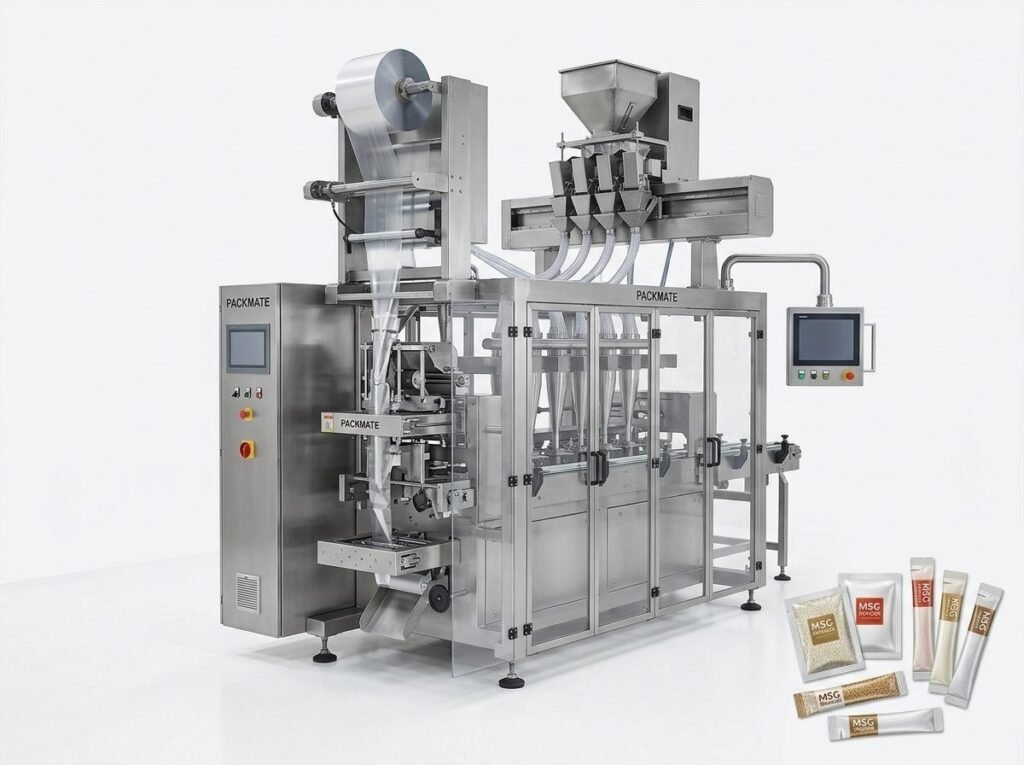
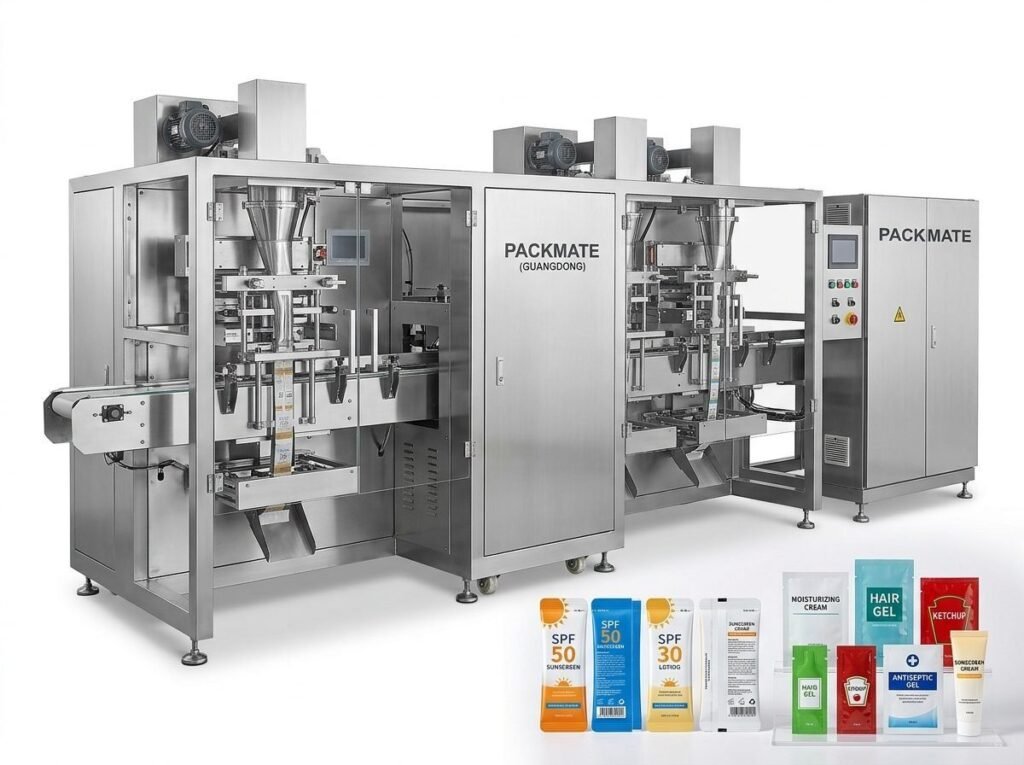
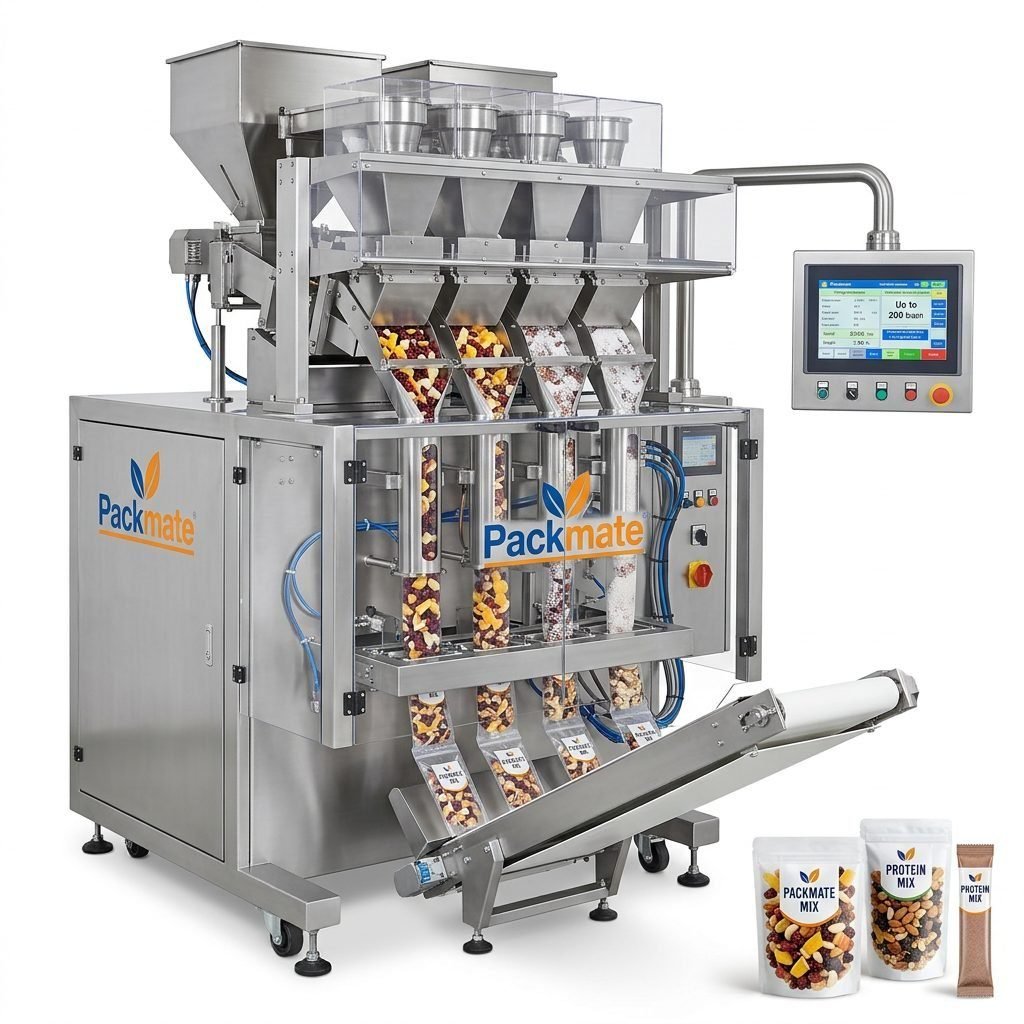
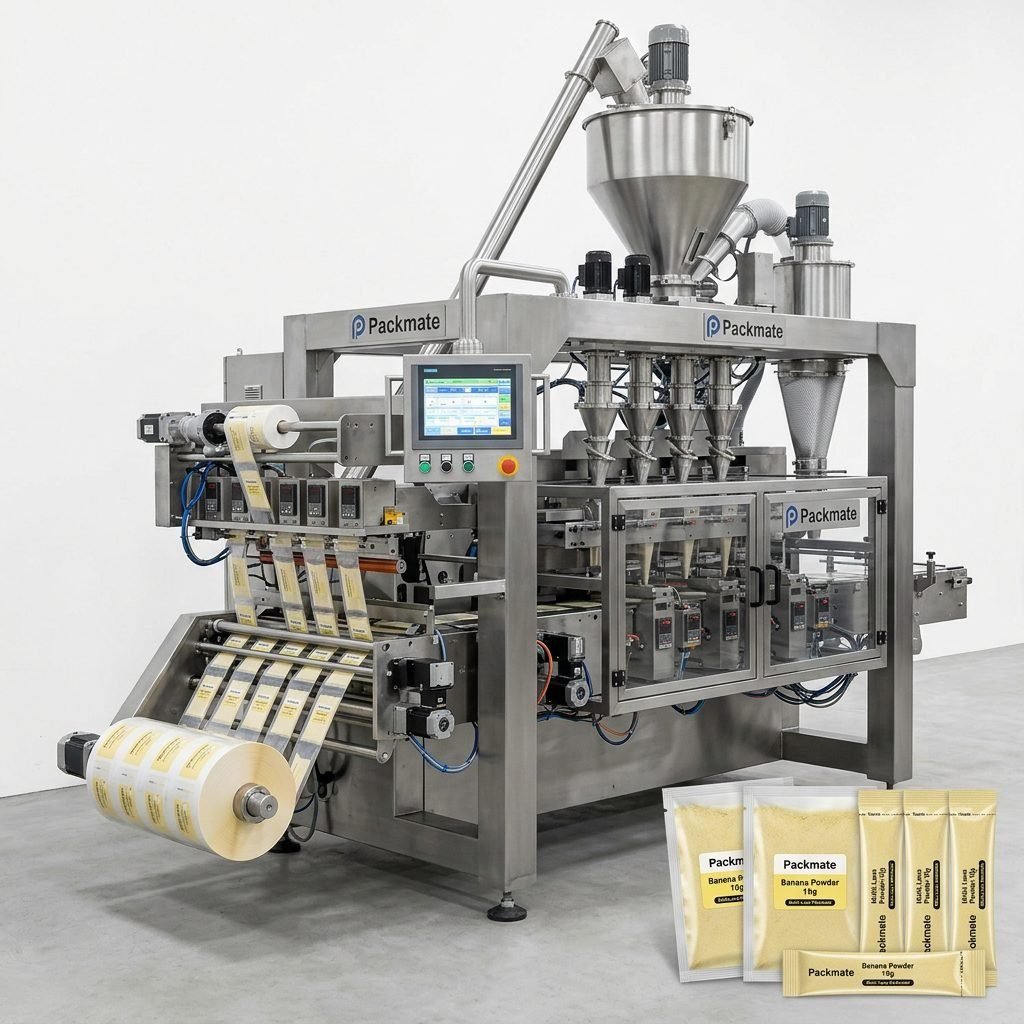
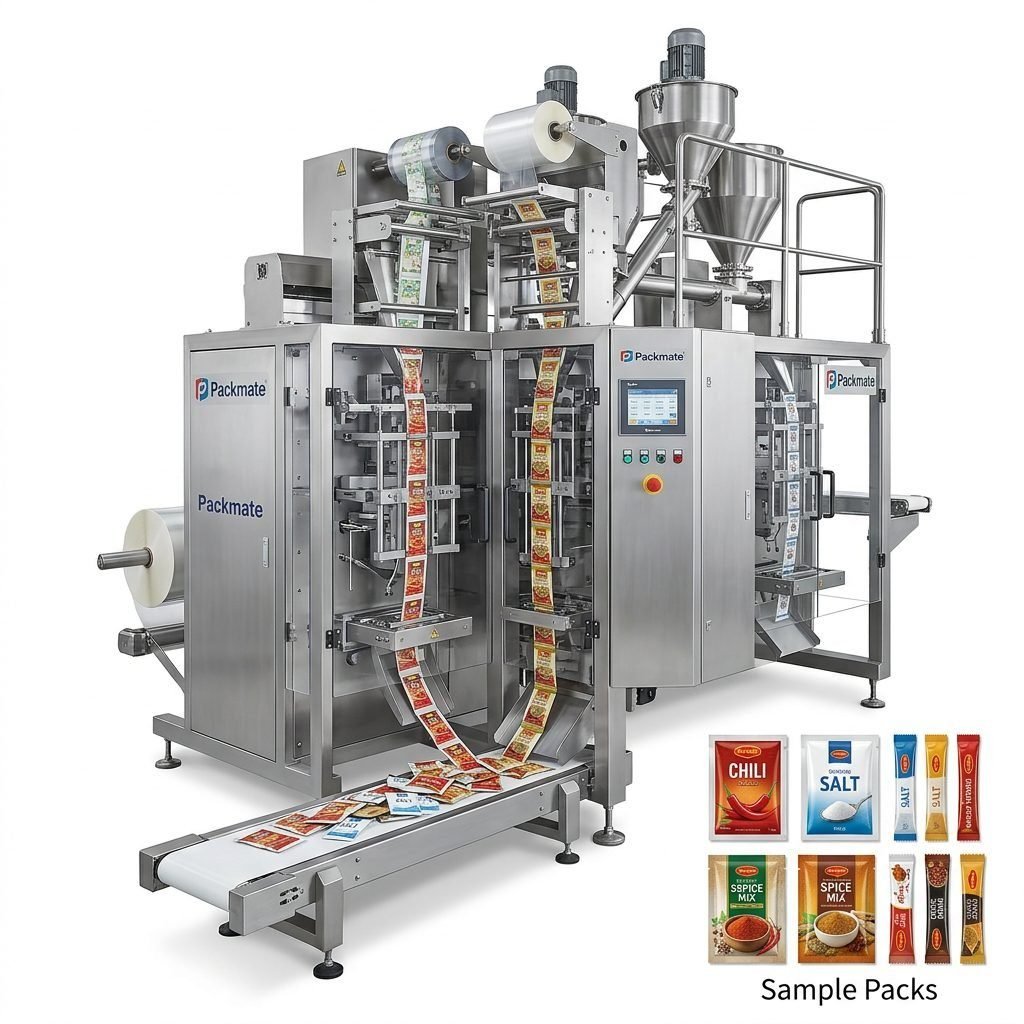
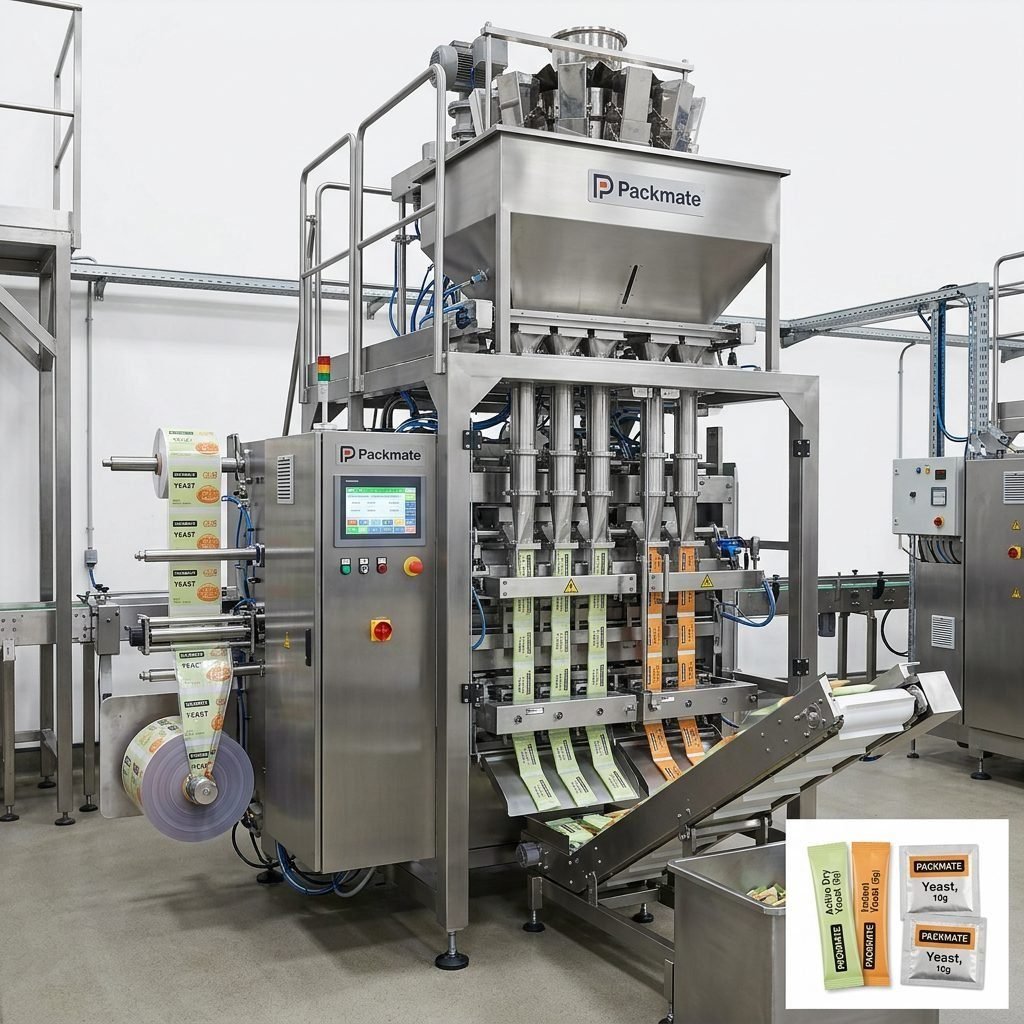
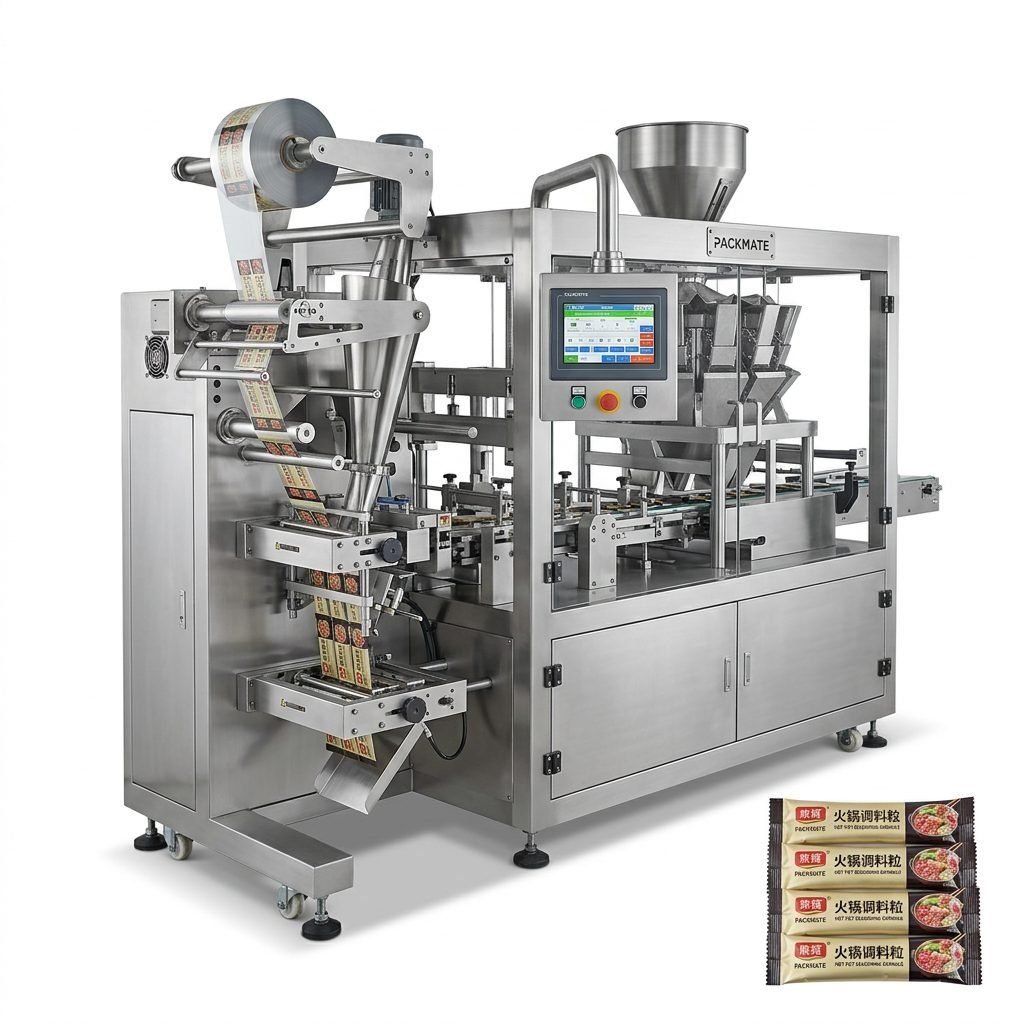
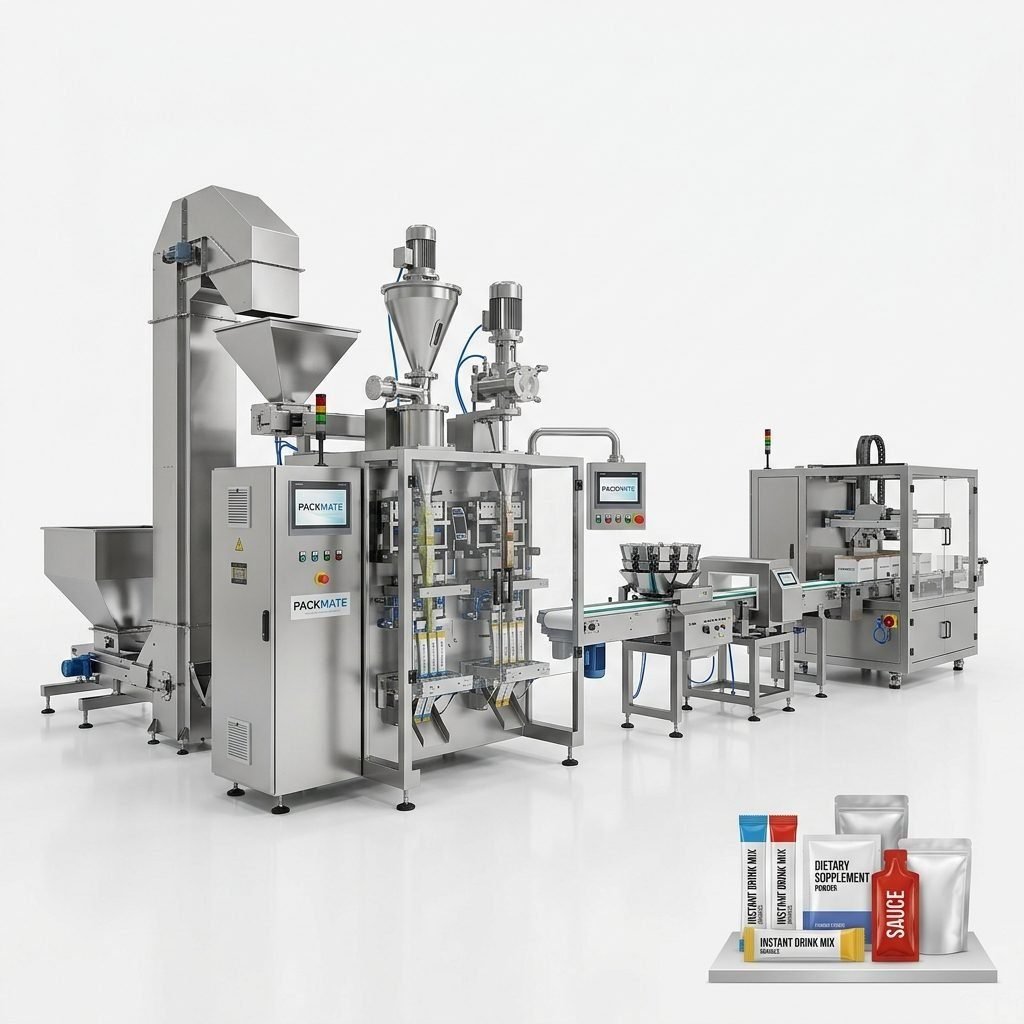
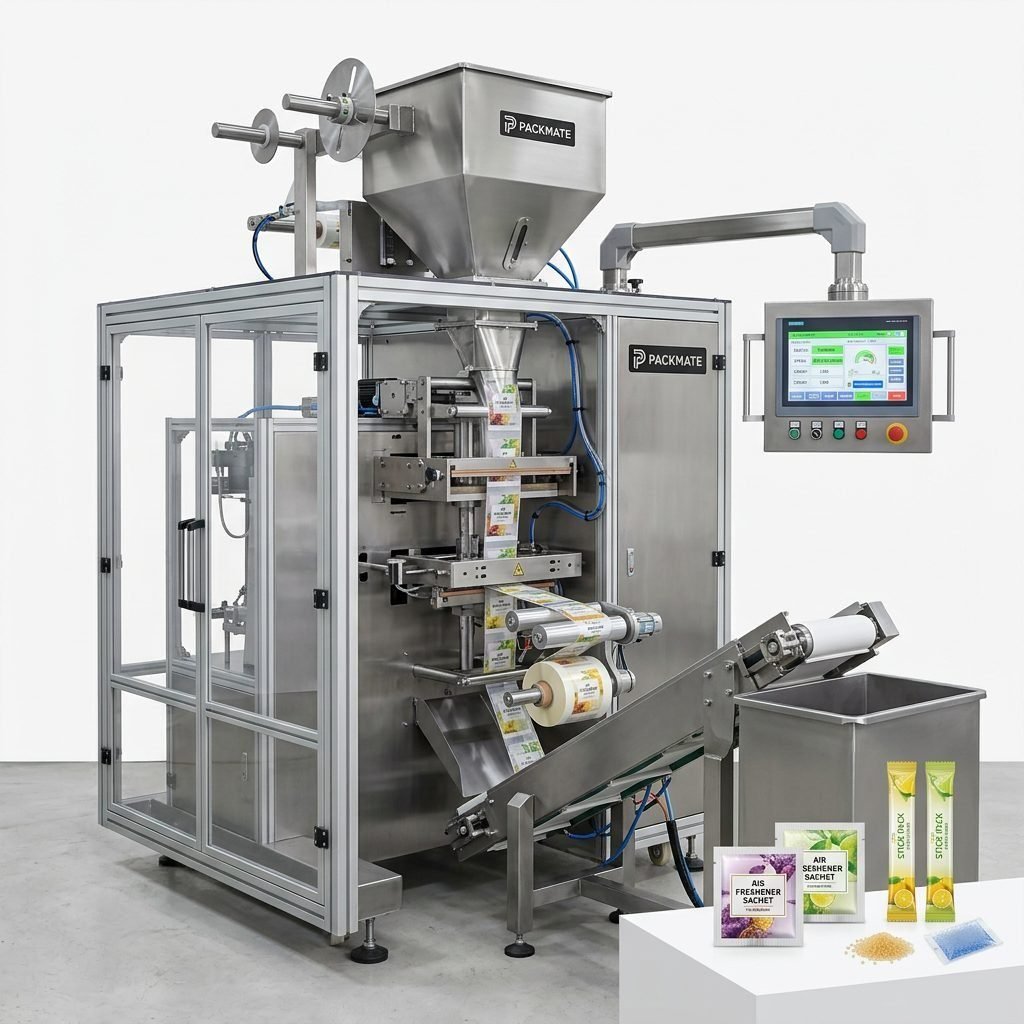
For specialized needs, such as creating small, precise pouches for powders or granules, businesses often integrate shrink wrapping with dedicated sachet and stick pack machines to create a comprehensive packaging ecosystem.
The Packmate Advantage: Engineering Efficiency from the Ground Up
Investing in a shrink wrapping machine is an investment in your operational future. With over 22 years of experience in intelligent packaging solutions, Packmate (GuangDong) Co., Ltd. understands that true efficiency comes from reliability, innovation, and tailored support. Our journey, from a focused workshop to a 20,000㎡ modern facility, has been dedicated to solving real-world packaging challenges.
We don’t just sell machines; we provide complete packaging solutions. Our team of over 125 professional members works to ensure every machine, whether a standalone shrink wrapper or part of a complex integrated line, is built for durability and peak performance. This commitment to quality and innovation ensures that our clients’ packaging lines run smoothly, minimizing downtime and maximizing return on investment.
Conclusion: Streamlining Your Path to Market
Shrink wrapping machines are a fundamental component of modern, efficient packaging operations. They offer speed, security, versatility, and a polished final presentation that consumers and retailers trust. By automating this final step, businesses can achieve significant gains in productivity, reduce costs associated with manual labor and material waste, and ensure consistent, high-quality packaging for every unit that leaves the facility.
Choosing the right partner for this technology is crucial. A manufacturer with deep expertise, a proven track record, and a commitment to after-sales support can make the difference between a simple equipment purchase and a transformative upgrade to your entire packaging process. Exploring the full range of packing machine solutions available is the first step toward building a more efficient and competitive operation.
Frequently Asked Questions (FAQs)
1. What is the main difference between a shrink wrapper and a stretch wrapper?
Shrink wrappers use heat to tighten a plastic film around a product. Stretch wrappers (typically used for pallets) mechanically stretch a film around a load without heat, relying on the film’s elasticity to hold the unit together.
2. Can one shrink wrapping machine handle many different product sizes?
Semi-automatic and manual L-sealers offer great flexibility for varying sizes. Fully automatic machines can often handle a range of sizes, but may require quick-change tooling or adjustments for drastically different product dimensions. It’s best to discuss your product mix with the manufacturer.
3. How do I determine if I need a semi-automatic or fully automatic machine?
The choice hinges on your daily/weekly production volume and labor costs. Semi-automatic is suitable for medium volumes where some manual operation is acceptable. Fully automatic systems are justified for high-volume, consistent production where maximizing speed and minimizing labor are critical.
4. Are there eco-friendly shrink film options available?
Yes. Polyolefin (POF) films are generally considered more environmentally friendly as they are recyclable and produce less smoke when incinerated. Some manufacturers also offer bio-based or biodegradable film options. Discuss sustainability goals with your supplier.
5. What kind of maintenance does a shrink wrapping machine require?
Regular maintenance includes cleaning heat elements and seals, checking and tightening chains/belts, lubricating moving parts, and ensuring electrical connections are secure. A reputable manufacturer will provide a detailed maintenance schedule and offer reliable service and support.