In the competitive world of specialty coffee, the final presentation is almost as crucial as the quality of the roast itself. Drip coffee, a staple in households and cafes globally, requires packaging that not only preserves its rich aroma and flavor but also stands out on the shelf. Selecting the right drip coffee packaging machine is therefore a critical business decision. This guide will walk you through the different types of machines, their key features, and essential buying tips to help you make an informed investment.
Understanding Drip Coffee Packaging Formats
Before choosing a machine, it’s important to understand the common packaging formats for drip coffee. The primary goal is to create a sealed, often nitrogen-flushed environment to lock in freshness and prevent oxidation.
Stand-Up Pouches with Degassing Valve
This is the most popular format for whole bean and ground coffee. The pouch is made from multi-layered, barrier materials, and features a one-way degassing valve. This valve allows carbon dioxide (released by freshly roasted beans) to escape without letting oxygen in, preventing the bag from bursting while maintaining freshness. Machines for this format typically form, fill, and seal the pouch from a roll of film.
Flat Bottom Bags (Gusseted Bags)
Similar to stand-up pouches but with a reinforced flat bottom, these bags offer superior stability and a premium, upright presentation on retail shelves. They are ideal for larger quantities (e.g., 12oz, 1lb, 2lb bags). Packaging machinery for flat bottom bags is often a bit more complex due to the gusset-forming process.
Pre-Made Bags & Pouches
Some businesses, especially smaller roasteries starting out, opt to use pre-made bags. The machine’s role here is primarily automated filling and sealing (often heat sealing or zipper closing). This method can be faster for lower volumes but may offer less flexibility in bag size and material compared to form-fill-seal systems.
Key Consideration:
Your choice of packaging format directly influences the type of machine you need. A vertical form-fill-seal (VFFS) machine is the industry standard for creating pouches from a roll of film, while automatic bag fillers are designed for use with pre-made bags.
Types of Drip Coffee Packaging Machines
Machines range from semi-automatic benchtop models to fully integrated, high-speed production lines. Your production volume, budget, and desired level of automation will guide your choice.
1. Semi-Automatic Weighing & Filling Machines
Perfect for small-batch roasters and startups. These machines often require an operator to manually place an empty bag under the fill head. The machine then automatically weighs and dispenses the precise amount of coffee into the bag. The sealing process (heat sealer or valve applicator) might be a separate manual or semi-automatic step. They are cost-effective and space-saving.
2. Vertical Form-Fill-Seal (VFFS) Machines
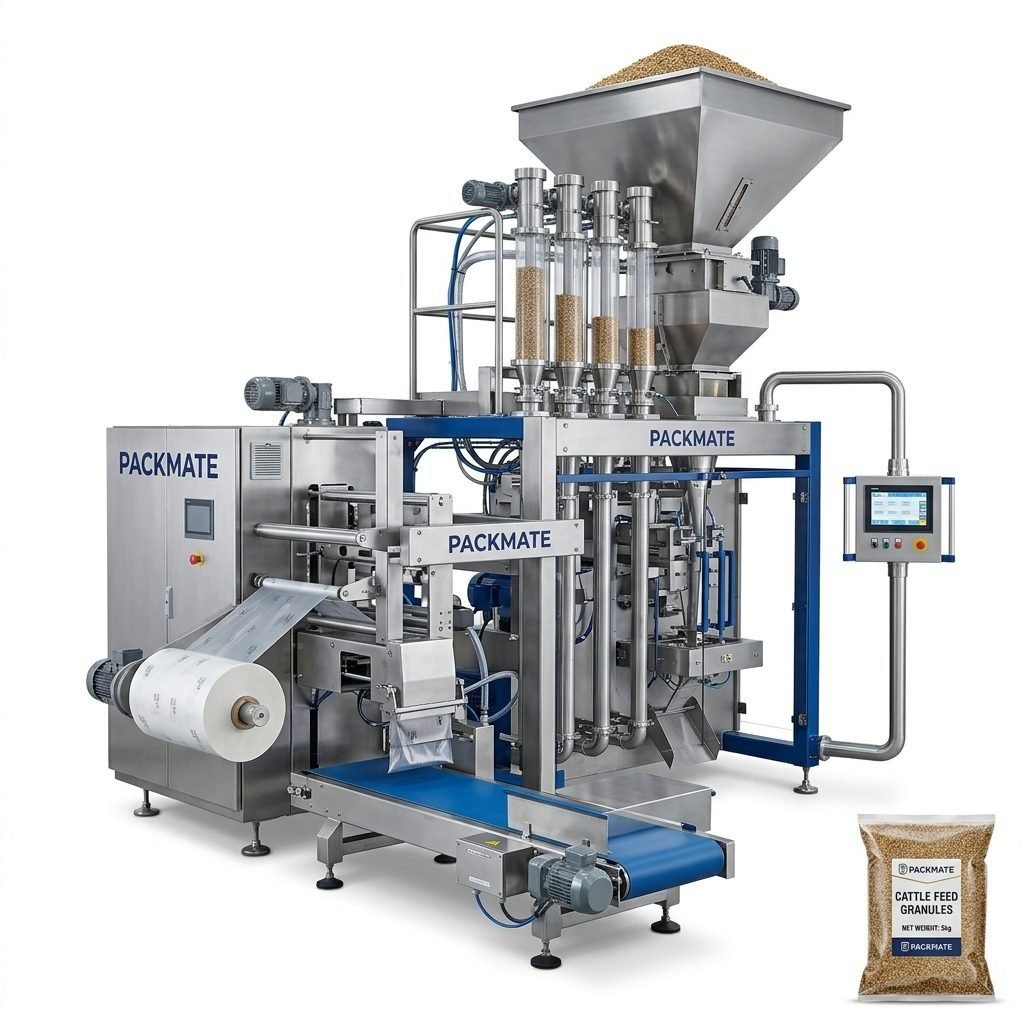
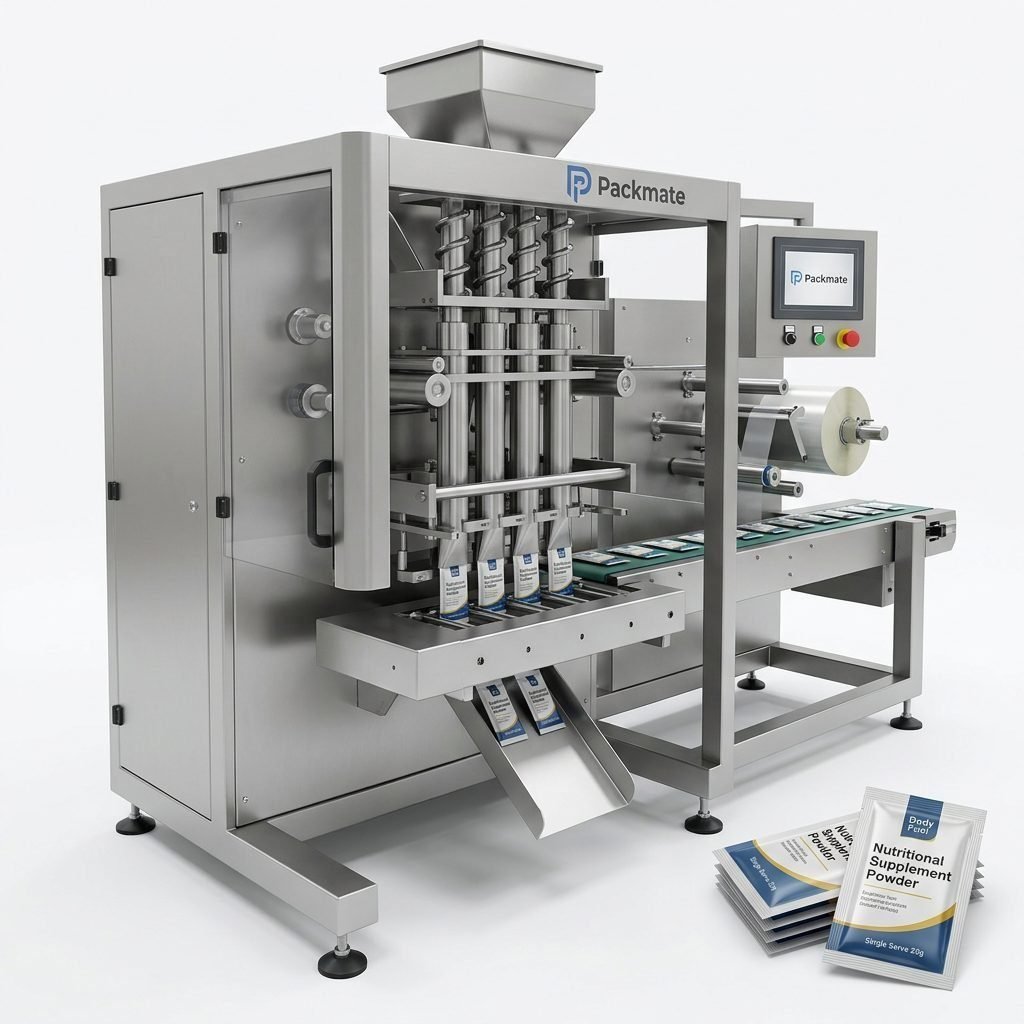
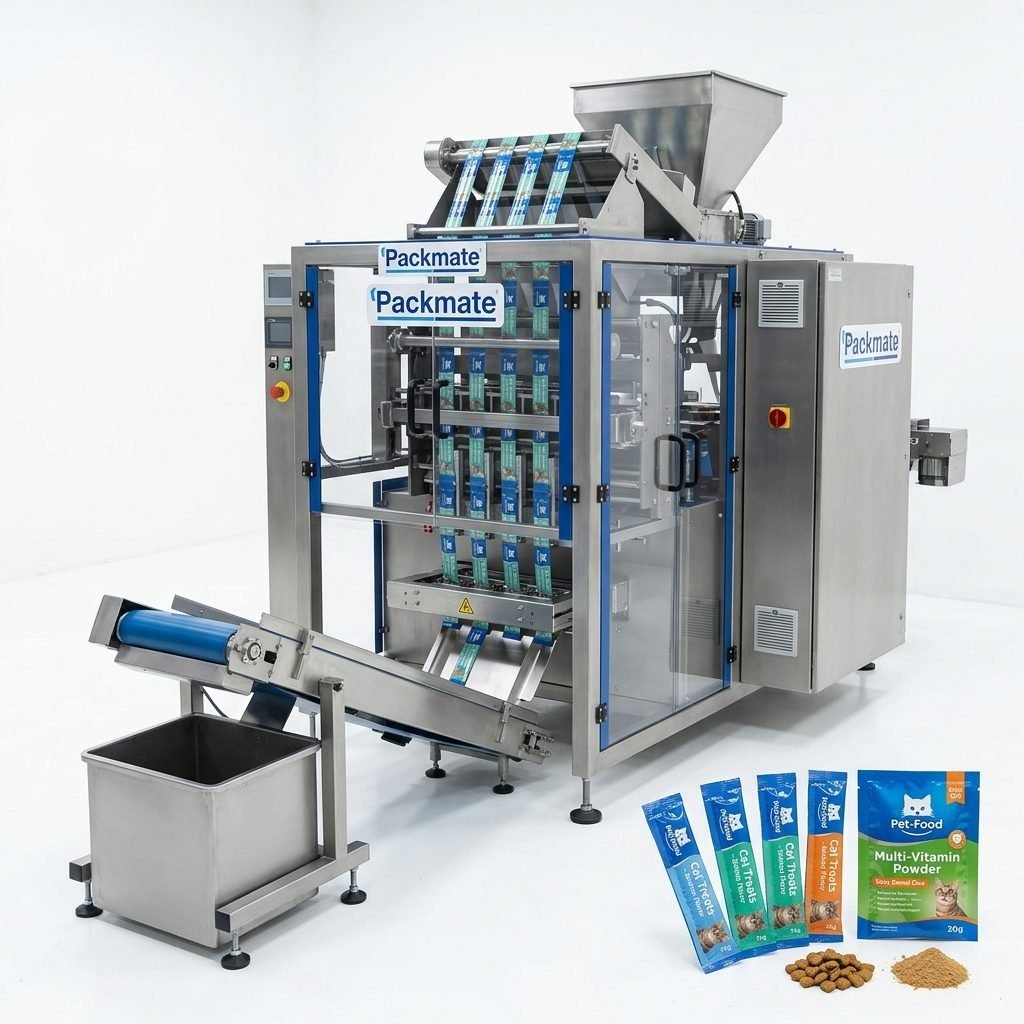
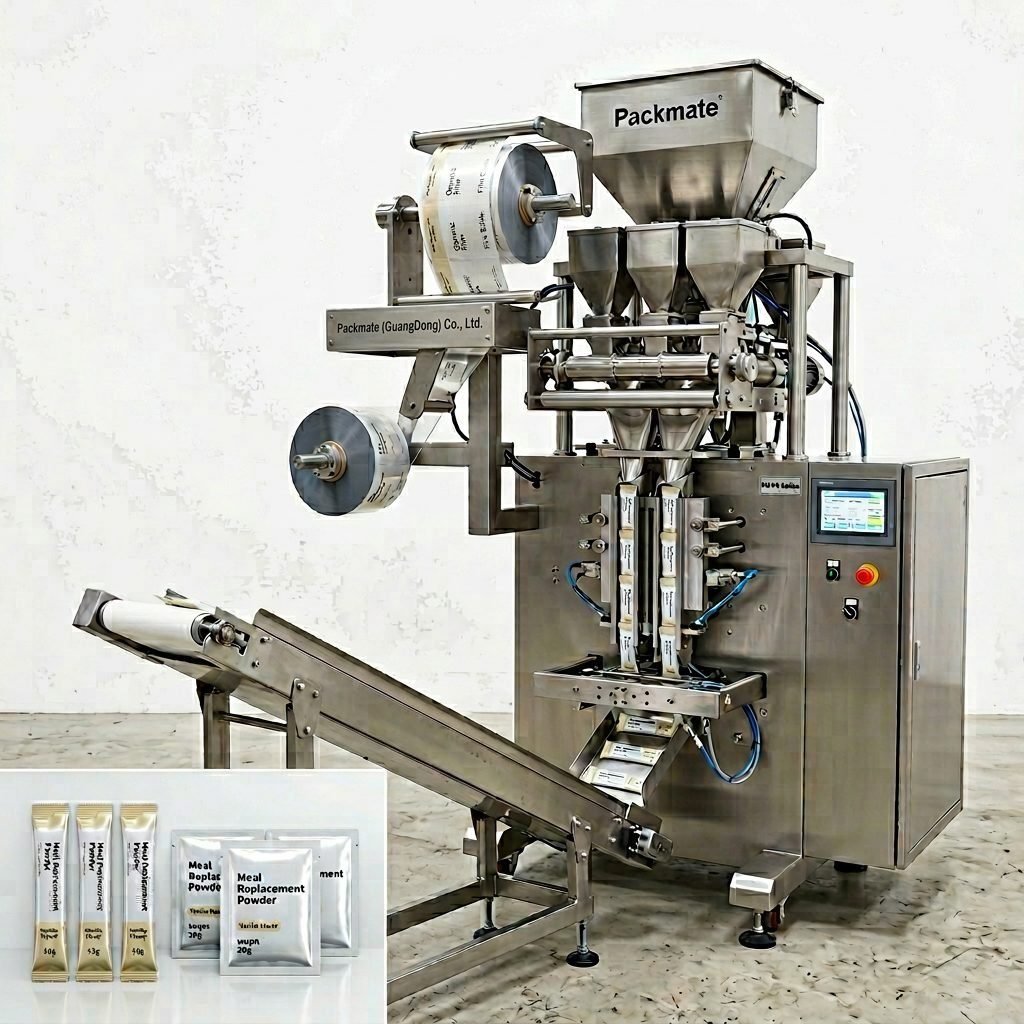
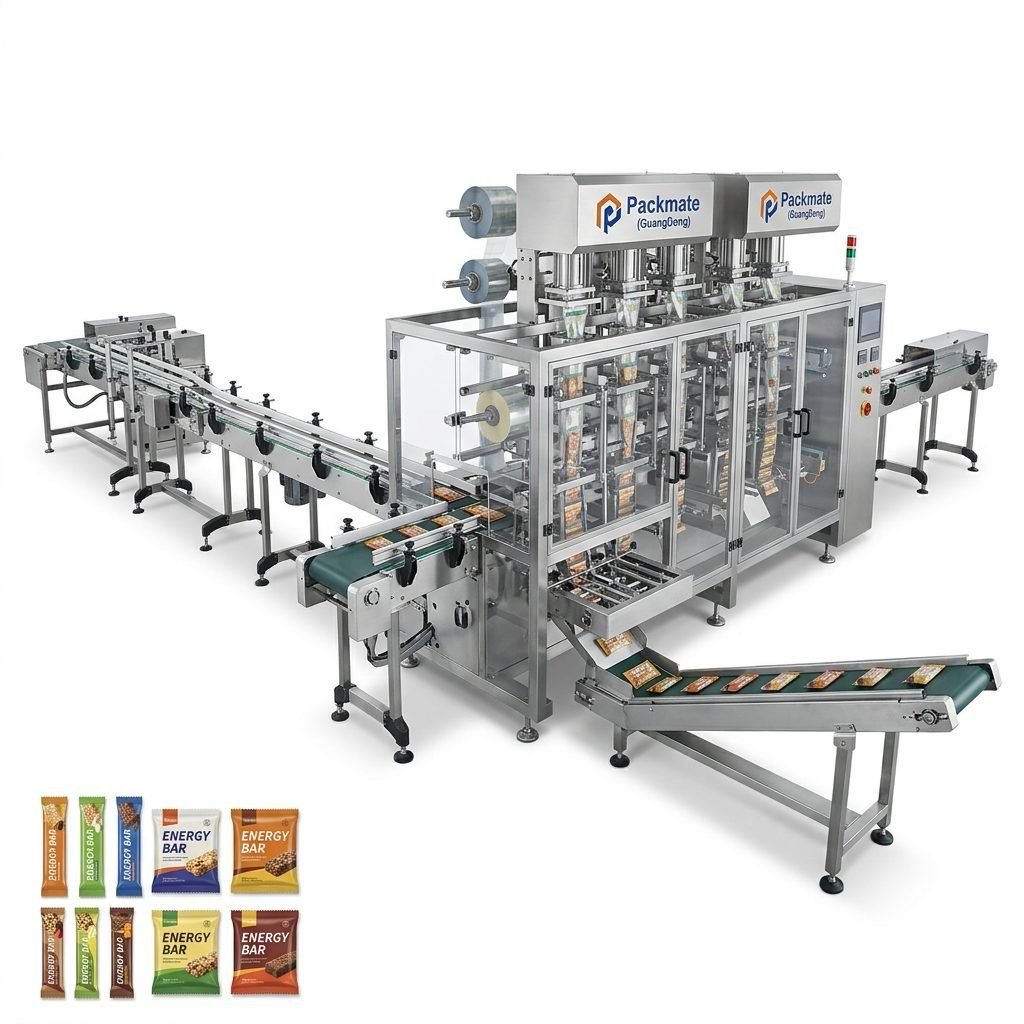
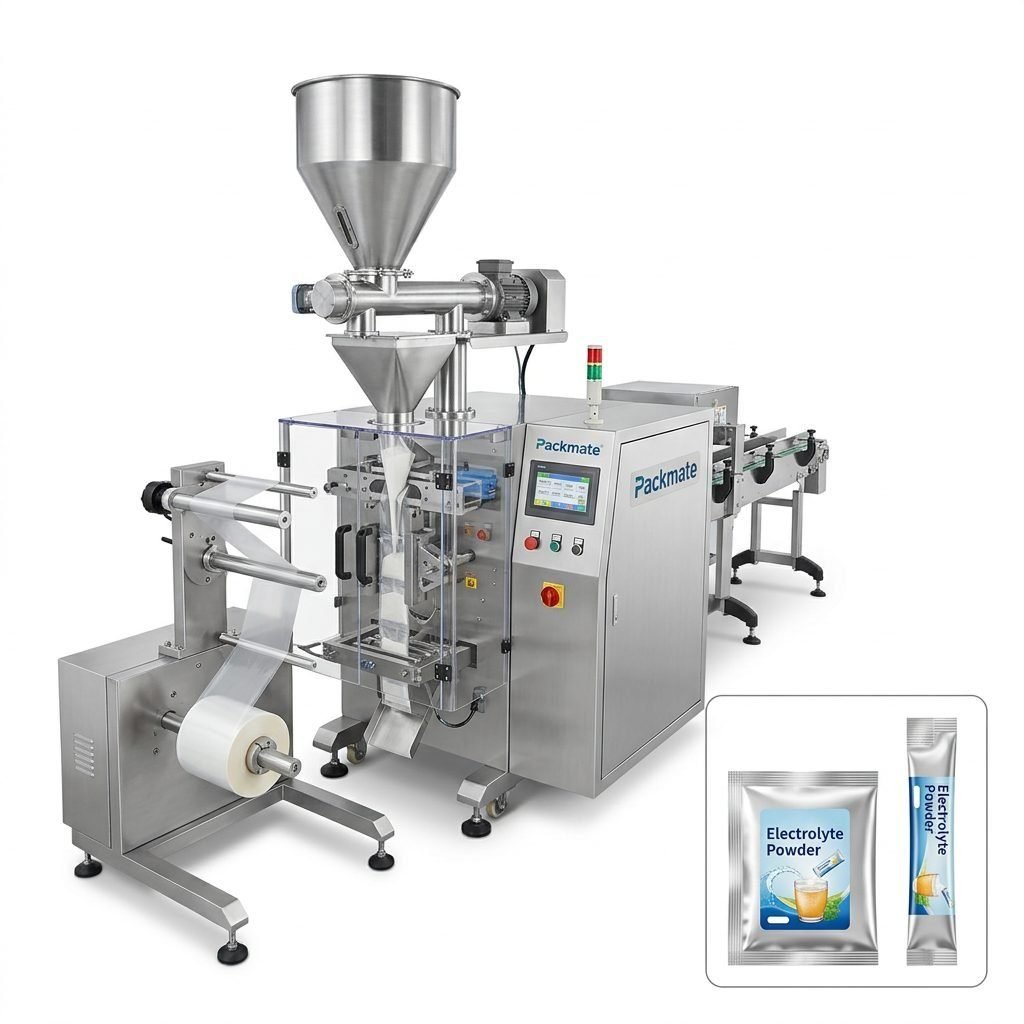
The workhorse of medium to large-scale coffee packaging. A VFFS machine forms a bag from a roll of laminated film, fills it with a pre-weighed dose of coffee (via an integrated multi-head weigher or auger filler), and then seals it—all in one continuous, automated process. Modern VFFS machines can incorporate nitrogen flushing and degassing valve application to create a truly fresh, professional package. Companies like Packmate Machinery offer advanced VFFS solutions tailored for food products like coffee.
3. Integrated Packaging Lines
For high-volume production, a full line integrates several machines. This typically includes a multi-head precision weigher for accurate dosing, a VFFS machine with gas flushing, a valve applicator, and a conveyor system leading to a checkweigher and labeler. These lines maximize efficiency, minimize labor, and ensure consistent, high-quality packaging. Explore complete filling and packaging lines to understand the scope of automated solutions available.
Essential Features to Look For
Beyond the basic type, several features are critical for drip coffee packaging.
Gas Flushing (Nitrogen/CO2 Flushing)
This is non-negotiable for whole bean coffee and highly recommended for ground. The machine replaces the oxygen inside the bag with an inert gas (like nitrogen) before sealing. This dramatically extends shelf life by drastically slowing oxidation, which stales coffee. Look for machines with precise gas flushing systems that achieve very low residual oxygen levels.
Degassing Valve Application
For whole beans, a degassing valve must be applied to the bag. The best packaging machines have an integrated, precise valve applicator that punches a hole and attaches the valve reliably during the bag-forming process. The valve’s functionality is key to maintaining bag integrity.
Precision Weighing System
Accuracy is paramount for customer trust and regulatory compliance. Integrated multi-head weighers or highly accurate auger fillers ensure every bag contains the exact weight stated on the label, minimizing product giveaways. For more on precision systems, see weighing and packaging systems.
Material Compatibility & Sealing Integrity
Ensure the machine can handle the specific laminated films or foil materials you plan to use for your coffee bags. The heat sealing mechanism must create a strong, airtight seal that can withstand handling and transportation. Test seals for strength and consistency.
User-Friendly Controls & Changeover
A clear touchscreen HMI (Human-Machine Interface) simplifies operation and recipe storage (for different bag sizes and coffee products). Quick-change parts and tools for adjusting bag size significantly reduce downtime when switching between products, boosting overall equipment effectiveness (OEE).
Buying Tips for Your Business
Making the right purchase requires careful planning and asking the right questions.
1. Accurately Assess Your Volume & Growth
Don’t just buy for today’s needs. Calculate your current daily/weekly output and project growth for the next 2-3 years. A machine that’s at 80% capacity now will be overwhelmed in a year if you grow. Conversely, a vastly oversized machine is a poor capital investment. Choose a machine with a speed (bags per minute) that matches your projected peak output.
2. Prioritize Freshness Preservation Features
For drip coffee, features that combat staleness are not optional extras; they are core to product quality. Always prioritize machines with effective gas flushing and reliable degassing valve application. This investment directly protects the taste of your coffee, which is your brand’s reputation.
3. Consider Total Cost of Ownership (TCO)
The purchase price is just the beginning. Factor in:
• Installation & Training: Does the supplier provide this?
• Maintenance & Spare Parts: What is the cost and availability of wear parts?
• Energy & Gas Consumption: Efficient machines save money long-term.
• Material Waste: A precise machine wastes less film and coffee.
4. Demand a Material Test & Machine Demonstration
Never buy a packaging machine sight-unseen with your actual materials. Reputable manufacturers like Packmate will offer to test your specific coffee and bag film in their factory. Attend a live demo or request videos of the machine running a product similar to yours. Observe the noise level, ease of operation, and the quality of the finished package.
5. Evaluate Supplier Support & Reputation
The machine is only as good as the company behind it. Research the manufacturer’s history, read client testimonials, and inquire about their after-sales service. Do they have local technicians or clear remote support protocols? What is the warranty period? A reliable partner ensures your investment keeps running smoothly for years. Learn about their commitment to service on their dedicated service page.
Frequently Asked Questions (FAQs)
What is the most important feature in a coffee packaging machine?
For drip coffee, the gas flushing system is arguably the most critical. It is the primary technology that preserves freshness by removing oxygen, directly impacting the shelf life and taste of your final product.
Can one machine handle both whole bean and ground coffee?
Yes, a well-configured VFFS machine with the appropriate filler (e.g., a multi-head weigher for whole beans, an auger filler for fine grounds) can package both. However, changeover between the two may require adjusting filler settings and potentially cleaning to prevent cross-contamination of grinds.
How fast does a typical coffee packaging machine run?
Speeds vary widely. A semi-automatic machine may do 5-15 bags per minute. A single-tube VFFS machine can achieve 30-60 bags per minute. High-speed multi-lane lines can exceed 200 bags per minute. Your required speed depends entirely on your production volume.
Is nitrogen flushing necessary for ground coffee?
Absolutely. Ground coffee has a much larger surface area exposed to air, making it stale far more quickly than whole beans. Nitrogen flushing is essential for ground coffee to achieve a commercially viable shelf life while maintaining flavor.
What maintenance does a coffee packaging machine require?
Daily cleaning of product contact parts (hoppers, funnels, weigher buckets) is crucial to prevent oil buildup from coffee, which can affect machine performance and hygiene. Regular lubrication of moving parts and inspection of seals and wear items (like heat sealing jaws) as per the manufacturer’s manual is necessary for long-term reliability.