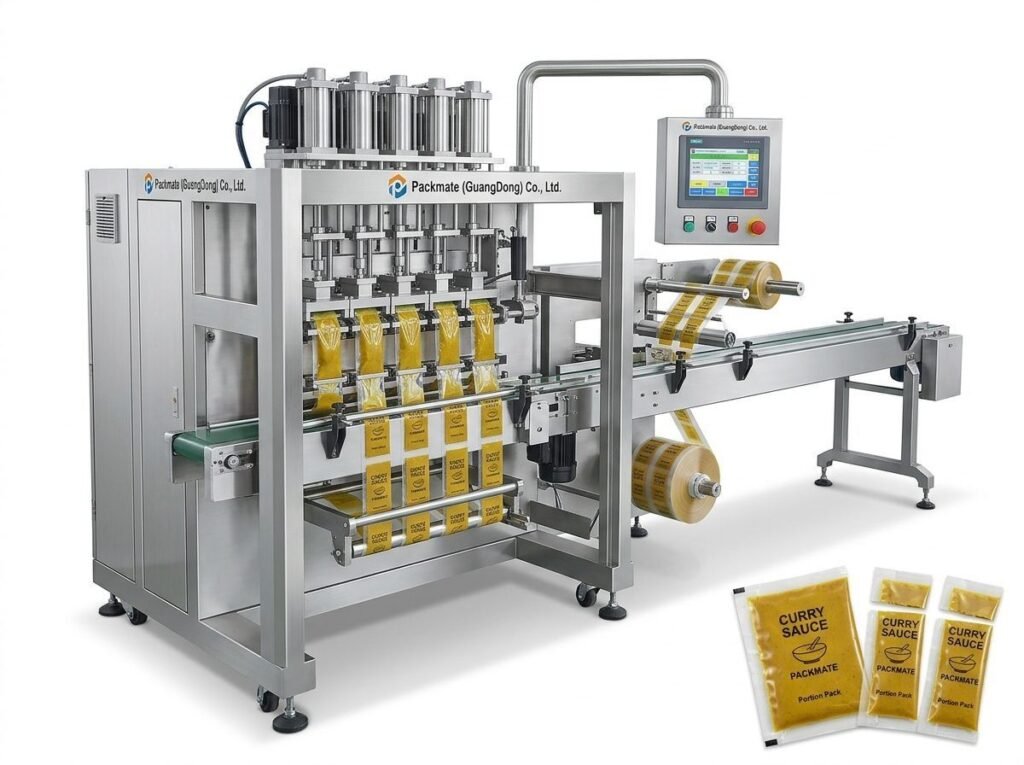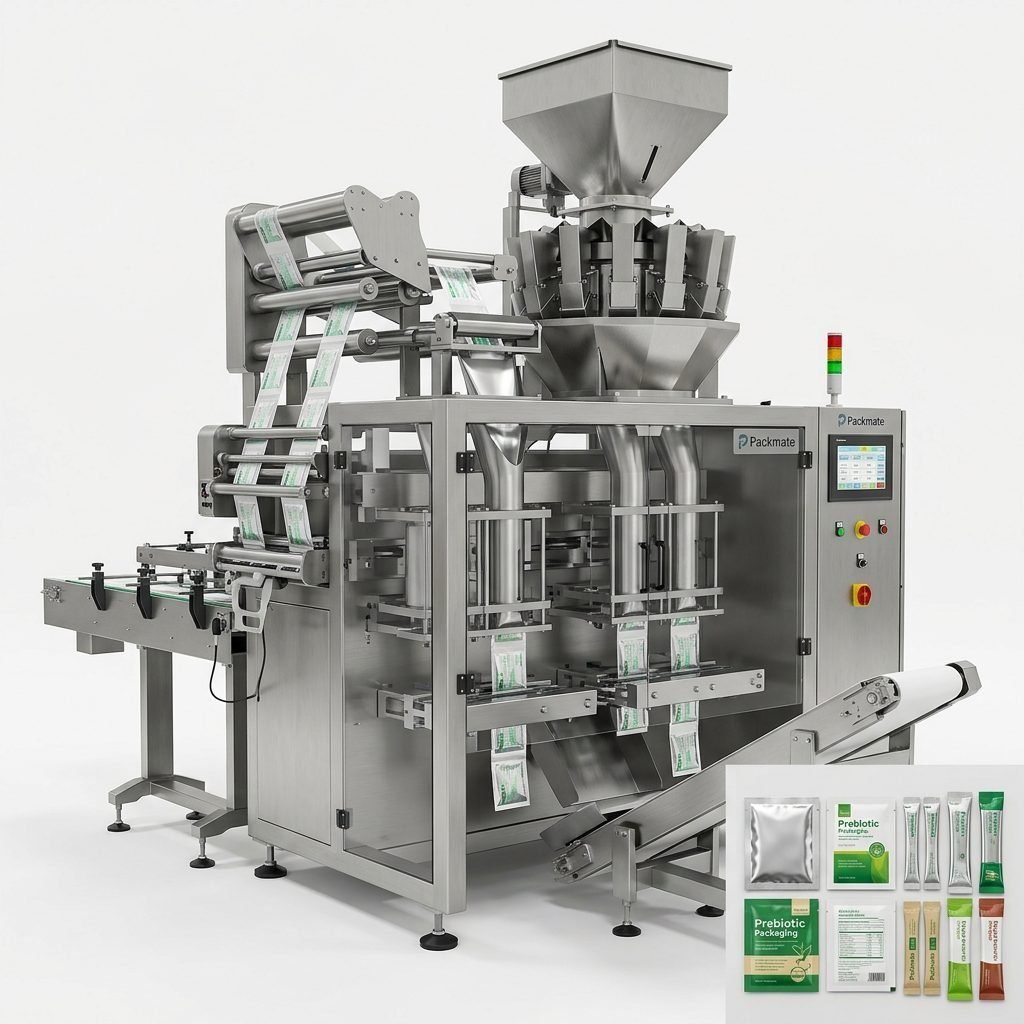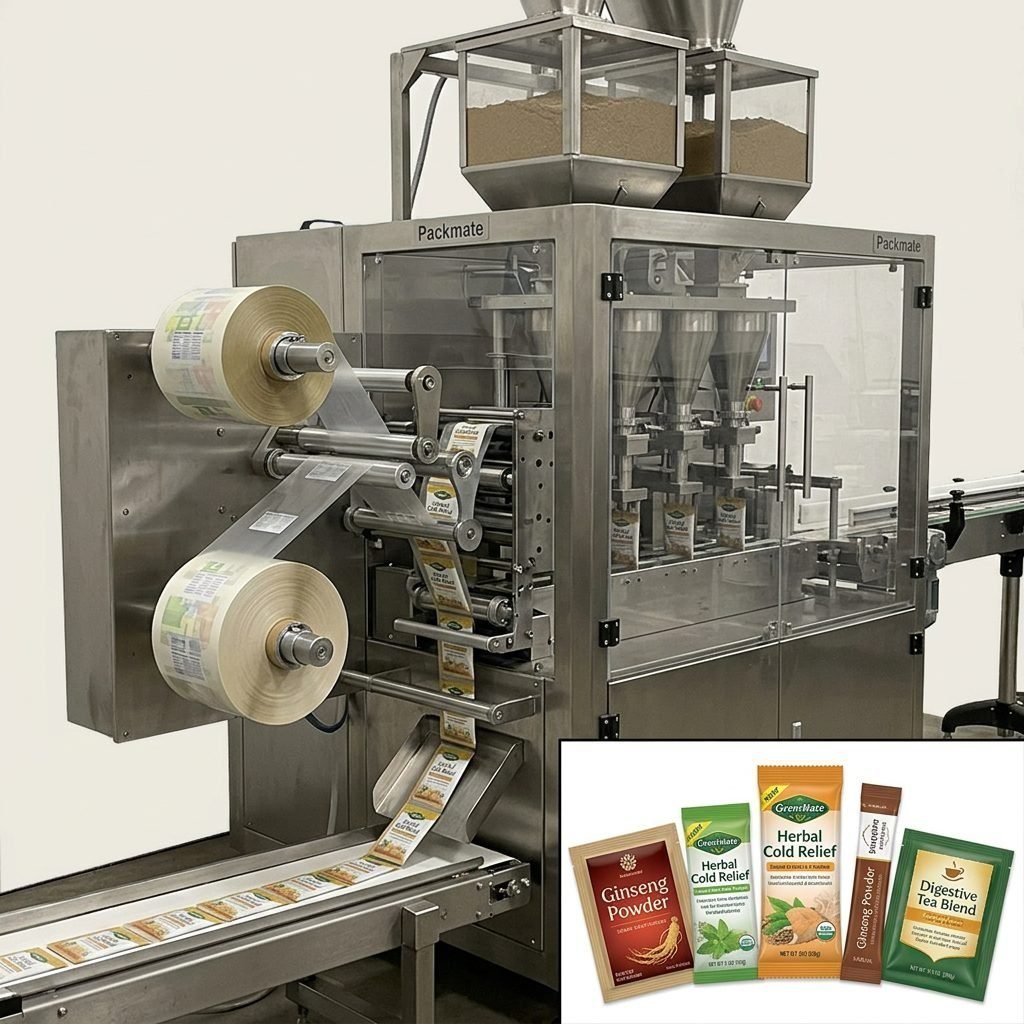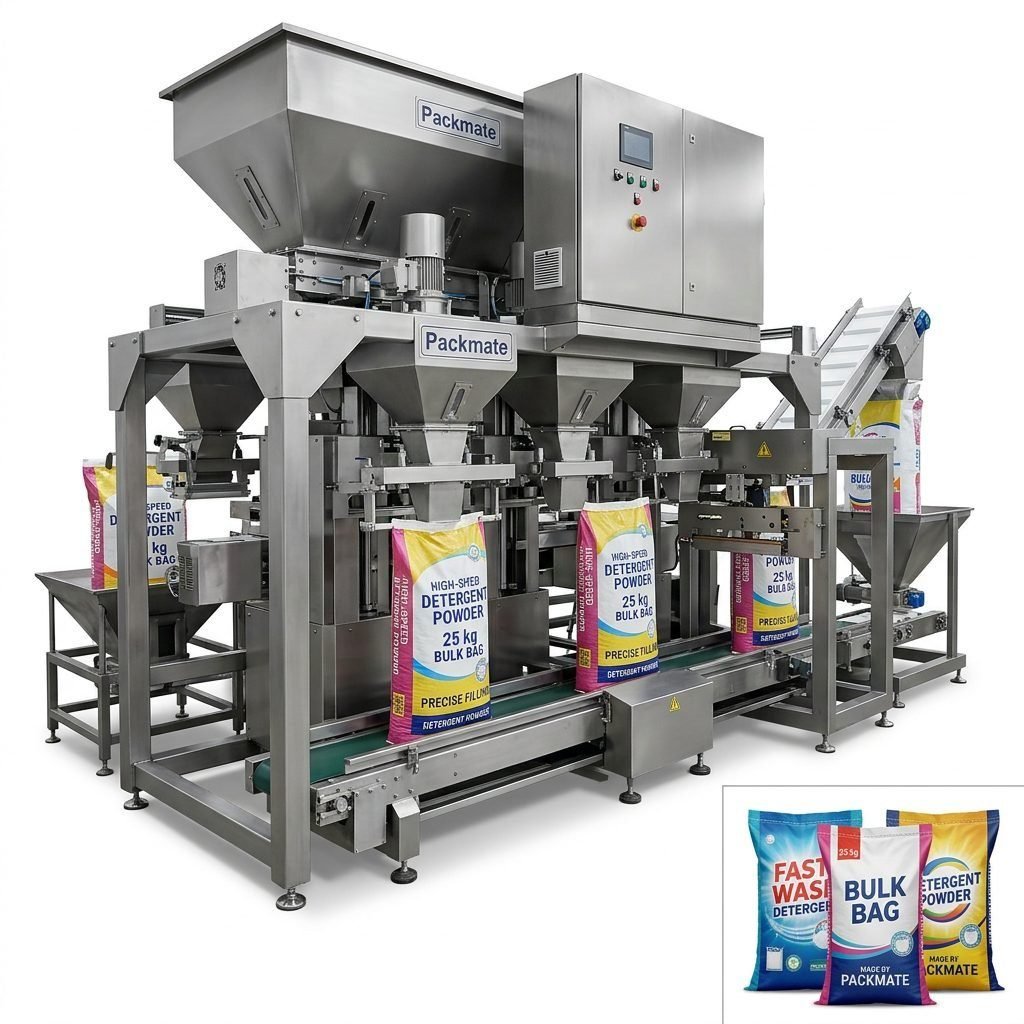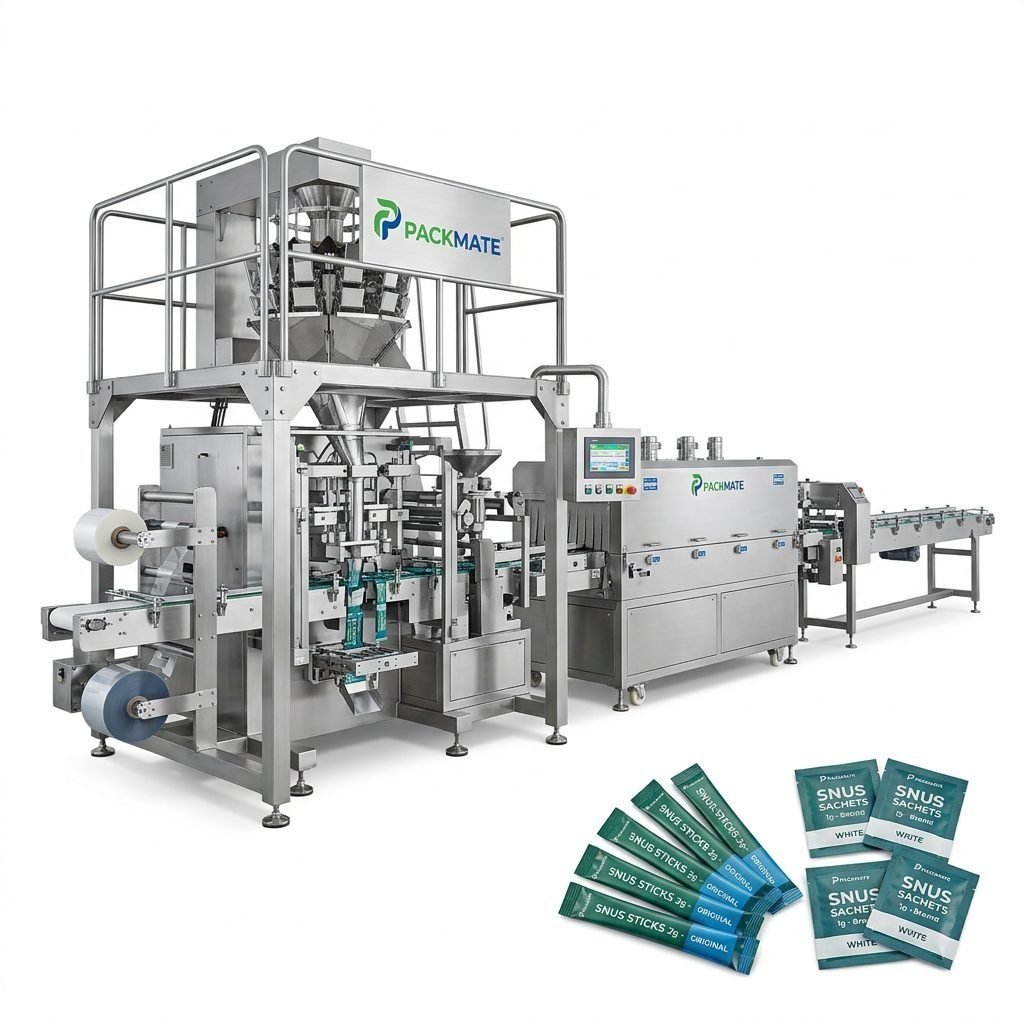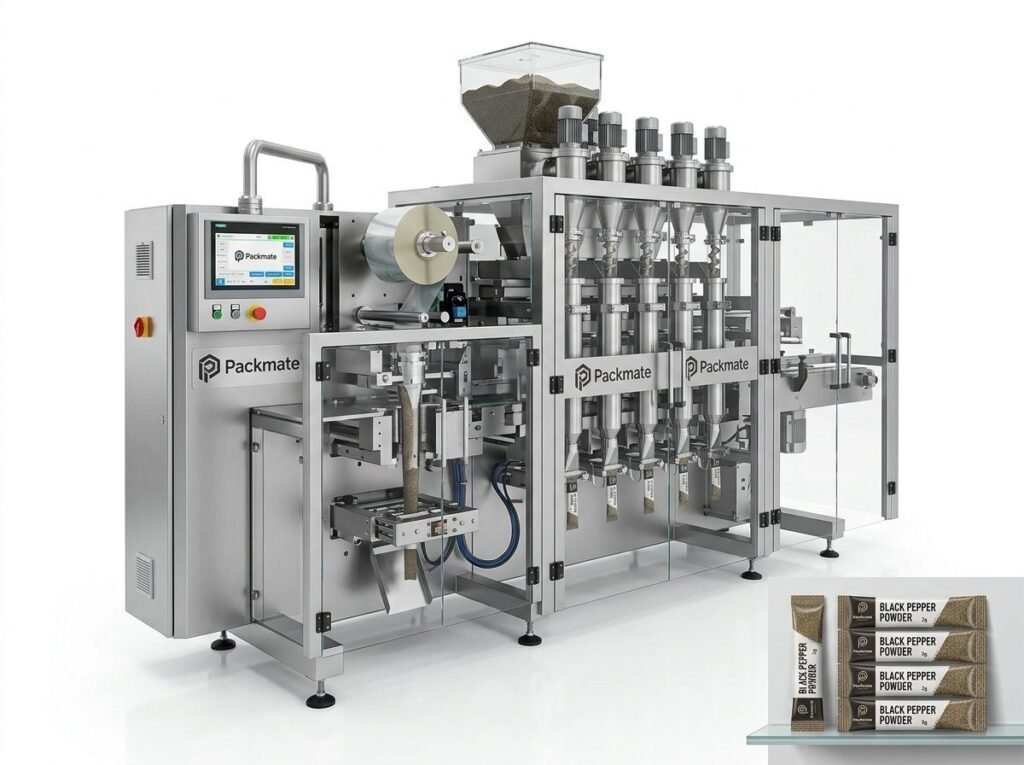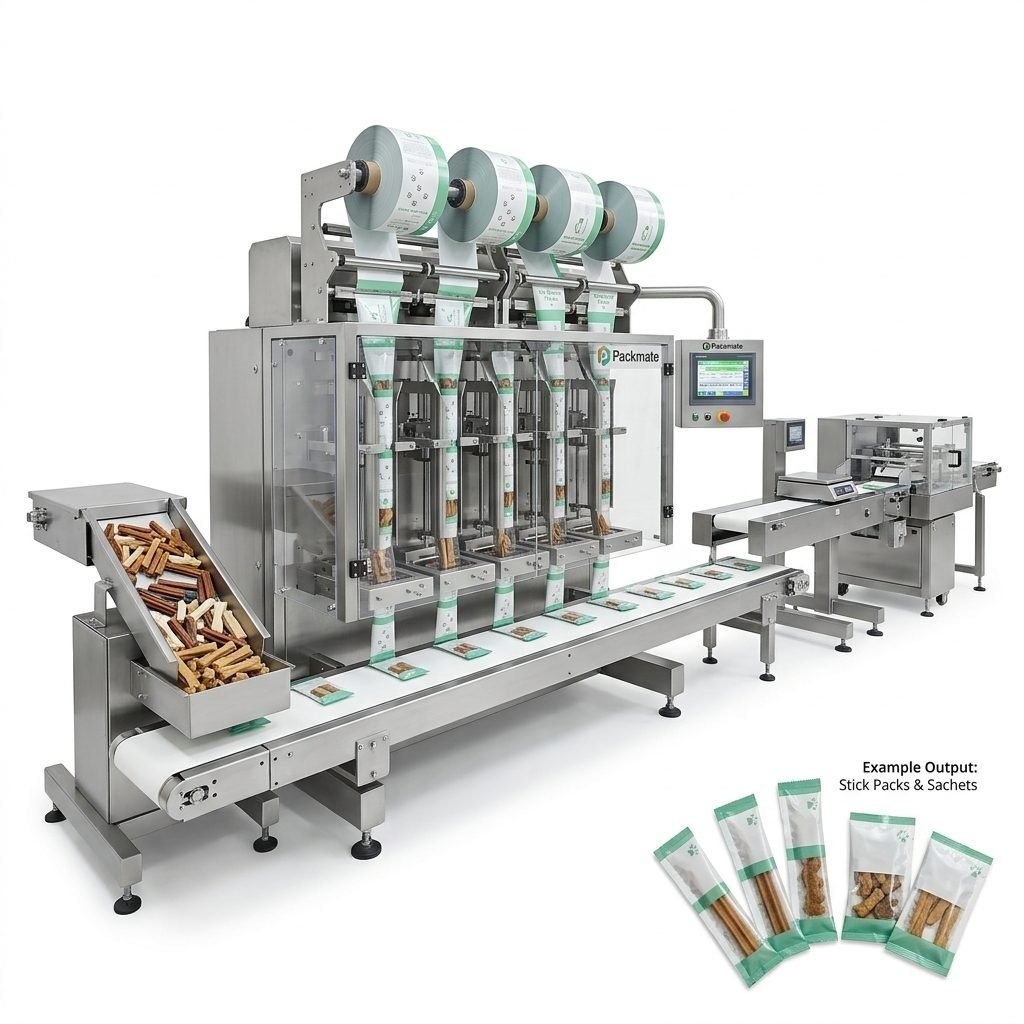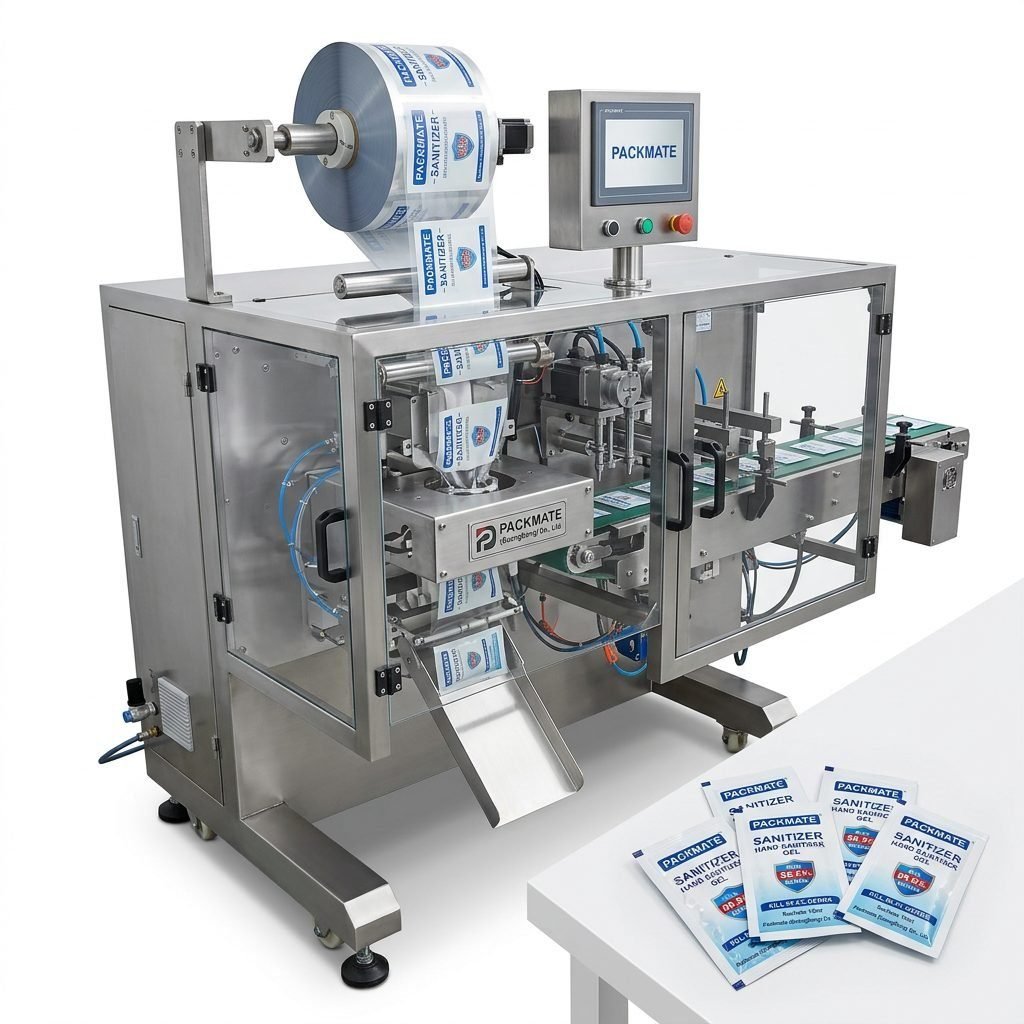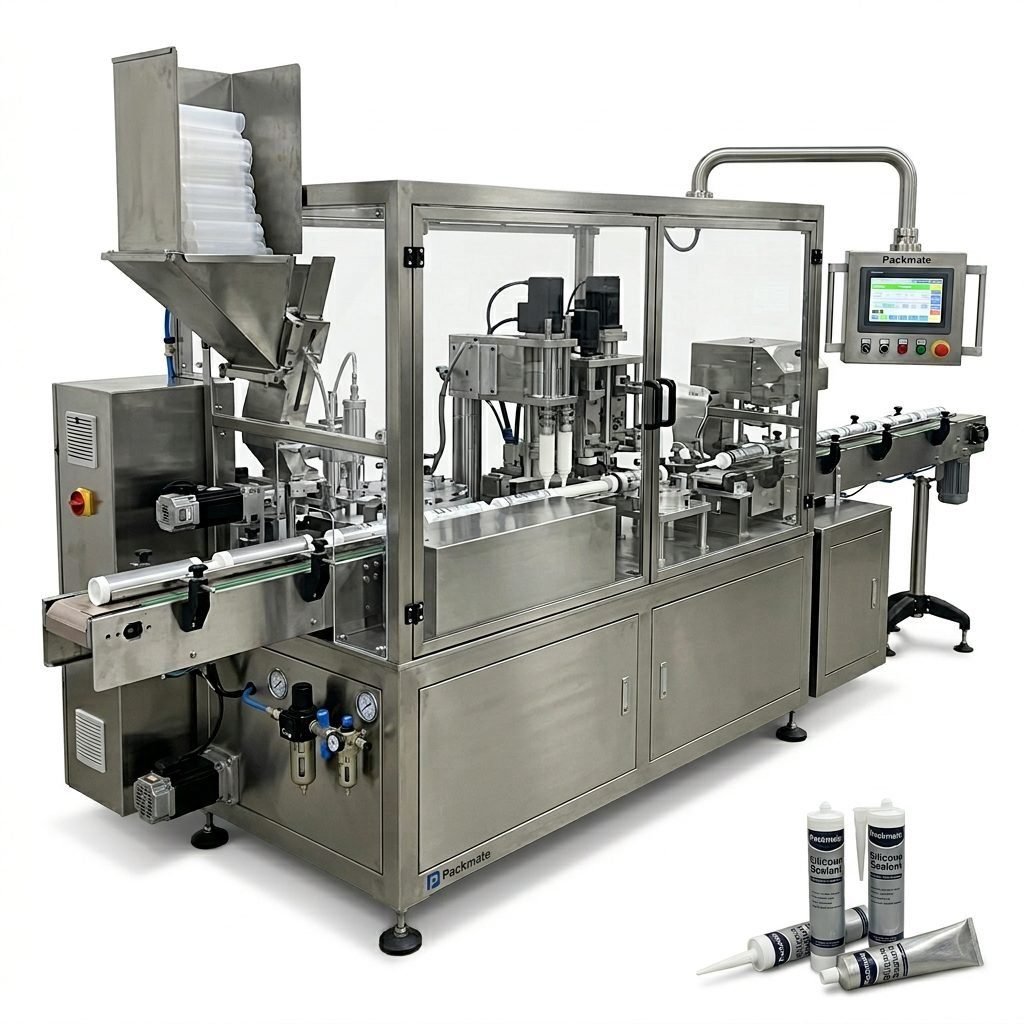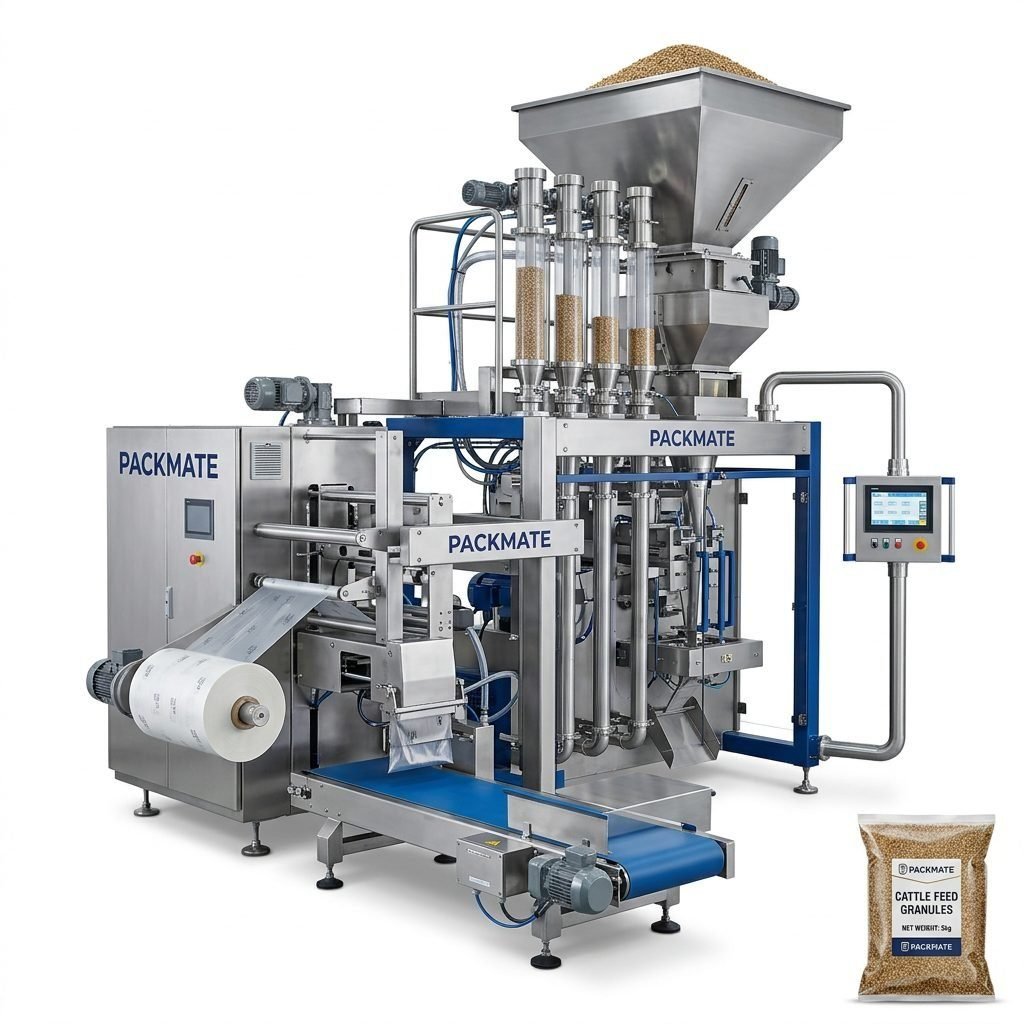
In the fast-paced world of industrial production, packaging machinery serves as the critical backbone for countless sectors, from food and pharmaceuticals to health products. Ensuring these complex systems operate at peak efficiency requires more than just routine check-ups; it demands expert service and a comprehensive maintenance strategy. Downtime is not merely an inconvenience—it translates directly into lost revenue, compromised product quality, and missed delivery deadlines. This article delves into the essential components of professional packaging machinery service and maintenance, outlining solutions that safeguard your investment and optimize your production line’s longevity and performance.
The Critical Pillars of Proactive Machinery Maintenance
A reactive approach to machine care, waiting for a breakdown to occur, is a costly business model. Proactive, scheduled maintenance is the cornerstone of reliability. This involves several key practices:
Preventive Maintenance (PM): Scheduled, routine tasks such as lubrication, cleaning, calibration of sensors and scales, inspection of seals and gaskets, and tightening of loose components. A well-documented PM schedule, tailored to each machine’s operational hours and specific duty cycle, prevents minor issues from escalating into major failures.
Predictive Maintenance (PdM): This advanced approach utilizes condition-monitoring tools and techniques to predict failures before they happen. By analyzing trends in vibration, temperature, noise, or motor current, technicians can identify wear patterns in bearings, gears, or drives, allowing for planned intervention during non-production periods.
Corrective Maintenance: When a fault is identified, swift and accurate corrective action is vital. This requires a deep understanding of mechanical, pneumatic, electrical, and control systems. The goal is not just to fix the immediate problem but to diagnose its root cause to prevent recurrence.
The Role of Specialized Technical Expertise
Modern packaging machinery integrates mechatronics—a fusion of mechanics, electronics, and software. Servicing such equipment requires a team with multidisciplinary skills. Technicians must be proficient in reading electrical schematics and PLC (Programmable Logic Controller) ladder logic, understanding servo motor dynamics, and troubleshooting intricate mechanical assemblies like form-fill-seal mechanisms or precision weighing heads. Partnering with the original manufacturer, such as Packmate Machinery, ensures access to OEM-trained engineers who possess proprietary knowledge of the machine’s design and software parameters, leading to faster, more reliable repairs.
Comprehensive Service Solutions for Every Need
A full-spectrum service provider offers solutions that extend far beyond the repair call. These typically encompass:
Installation & Commissioning: Professional setup and calibration are crucial for achieving the machine’s specified speed, accuracy, and efficiency from day one. This includes mechanical alignment, electrical connection, pneumatic system setup, and software configuration.
On-Demand & Emergency Support: Rapid response teams are essential for minimizing downtime. Many providers offer remote diagnostic support via phone or video call, which can resolve software or minor control issues instantly, followed by on-site assistance if needed.
Operator & Maintenance Training: Empowering your in-house team is a powerful strategy. Comprehensive training on safe operation, daily maintenance routines, and basic troubleshooting builds internal competency and fosters a culture of equipment care.
Spare Parts Management: Guaranteeing the availability of genuine spare parts is non-negotiable. A reliable service partner maintains a comprehensive inventory of critical components—from sealing jaws and film guides to PLC modules and servo drives—ensuring parts are available when required.
Performance Optimization & Upgrades: Service is not only about fixing problems but also about enhancing performance. Experts can analyze your line’s output and suggest mechanical adjustments, control software updates, or retrofits with newer technologies to improve speed, reduce film waste, or enhance sealing consistency.
Building a Partnership with Your Service Provider
The most effective maintenance strategy is built on a strong, collaborative partnership with your service provider. This involves transparent communication, shared performance data, and jointly developed maintenance plans. Look for a provider with a proven track record, like a company with over 22 years of development and a 20,000㎡ modern facility, as this indicates stability and a deep commitment to the industry. Their experience across a wide range of equipment, from sachet and stick pack machines to complete filling and packaging lines, means they understand the interdependencies within a production system. A true partner invests in your success by helping you plan for the future, manage lifecycle costs, and navigate technological changes.
The Tangible Return on Investment (ROI) of Expert Maintenance
Viewing service and maintenance as a strategic investment, rather than a necessary expense, reveals a clear ROI. Key benefits include:
- Maximized Uptime & Output: Reliable machinery meets production schedules and capitalizes on market opportunities.
- Extended Equipment Lifespan: Proper care can add years of productive life to your assets, delaying major capital expenditure.
- Consistent Product Quality: Well-maintained machines produce seals of consistent integrity, accurate fill weights, and pristine packaging appearance, protecting your brand reputation.
- Reduced Total Cost of Ownership: Preventing catastrophic failures avoids expensive emergency repairs and production losses. It also optimizes consumable usage, such as packaging film and energy.
- Enhanced Safety: Regular maintenance ensures safety guards, interlocks, and emergency stops function correctly, protecting your workforce.
Frequently Asked Questions (FAQs)
1. How often should preventive maintenance be performed on our packaging machines?
The frequency depends on the machine’s usage (shifts per day), the product being packaged (abrasive powders vs. non-dusty granules), and the manufacturer’s recommendations. A common baseline is a minor service every 250-500 operational hours and a major inspection annually. Your service provider can help establish a customized schedule based on your specific conditions.
2. Is it better to use OEM spare parts or generic alternatives?
While generic parts may have a lower upfront cost, genuine OEM parts are strongly recommended. They are engineered to exact specifications for fit, function, and durability. Using non-OEM parts can lead to premature wear, compatibility issues, voided warranties, and even safety risks, ultimately costing more in the long run through reduced performance and more frequent failures.
3. Can you provide remote support for troubleshooting?
Yes, most reputable service providers now offer remote support capabilities. With your permission, technicians can often connect securely to your machine’s PLC or HMI (Human-Machine Interface) via the internet to diagnose software faults, adjust parameters, or guide your on-site personnel through corrective steps. This can resolve many issues within minutes, avoiding the cost and delay of a service visit.
4. What should we look for in a packaging machinery service contract?
A comprehensive contract should clearly outline response times (for both remote and on-site support), the scope of preventive maintenance visits, parts discounts, labor rates, and coverage for software updates. It should be flexible enough to cover your critical equipment, such as your primary weighing and packaging system, and provide a clear roadmap for partnership.
5. How can we reduce unexpected breakdowns?
The most effective strategy is a combination of proactive measures: implementing a strict preventive maintenance schedule, training operators to perform basic daily checks and cleaning, monitoring machine performance data for early signs of deviation, and maintaining a small stock of the most critical wear-and-tear spare parts to minimize waiting time during repairs.