In the fast-paced world of manufacturing and product distribution, efficient and reliable packaging is a cornerstone of success. Among the key players in this vital industry sector is Bossar Packaging, a name synonymous with innovation and high-performance packaging machinery. For businesses looking to enhance their production lines, understanding the available types of packaging machines, their distinct benefits, and the critical factors in the purchasing process is essential. This guide delves into the world of Bossar packaging solutions, providing a comprehensive overview to inform your investment decisions.
Understanding Bossar Packaging Machinery
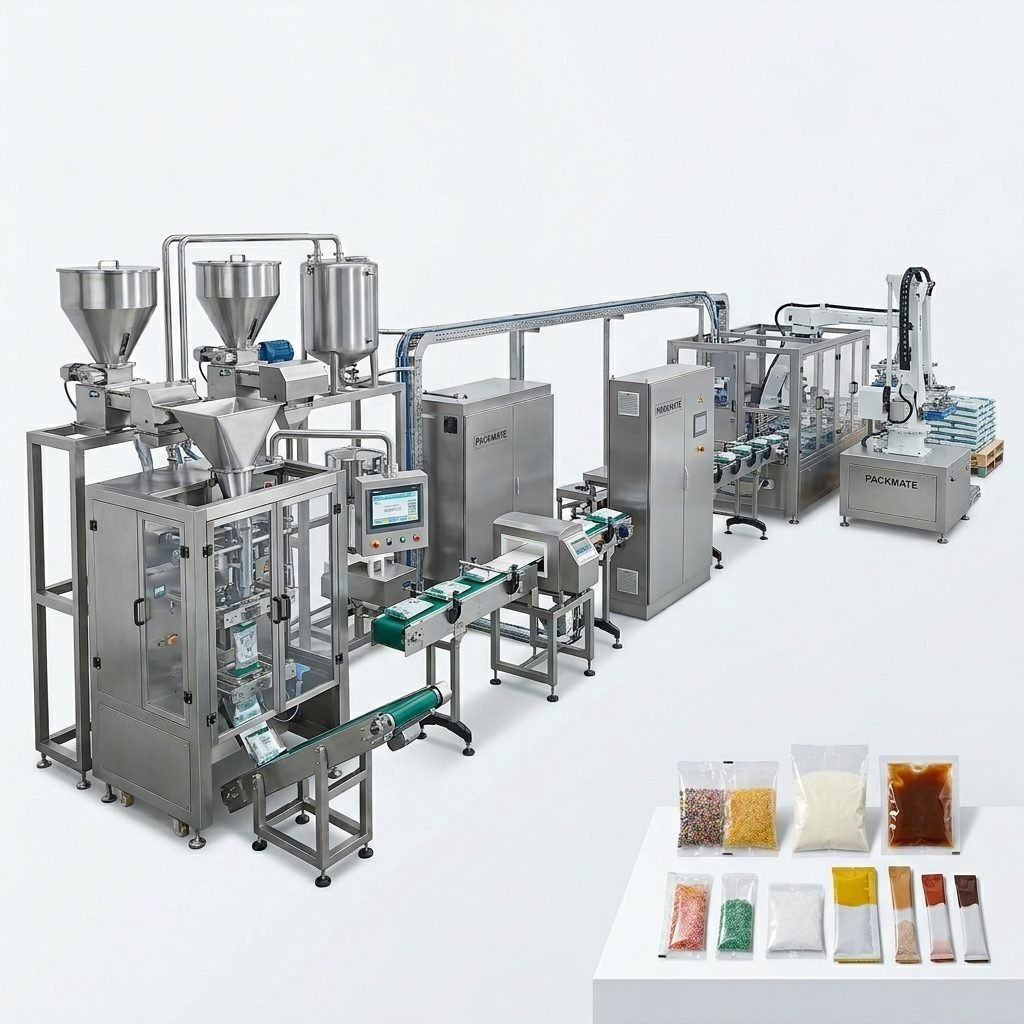
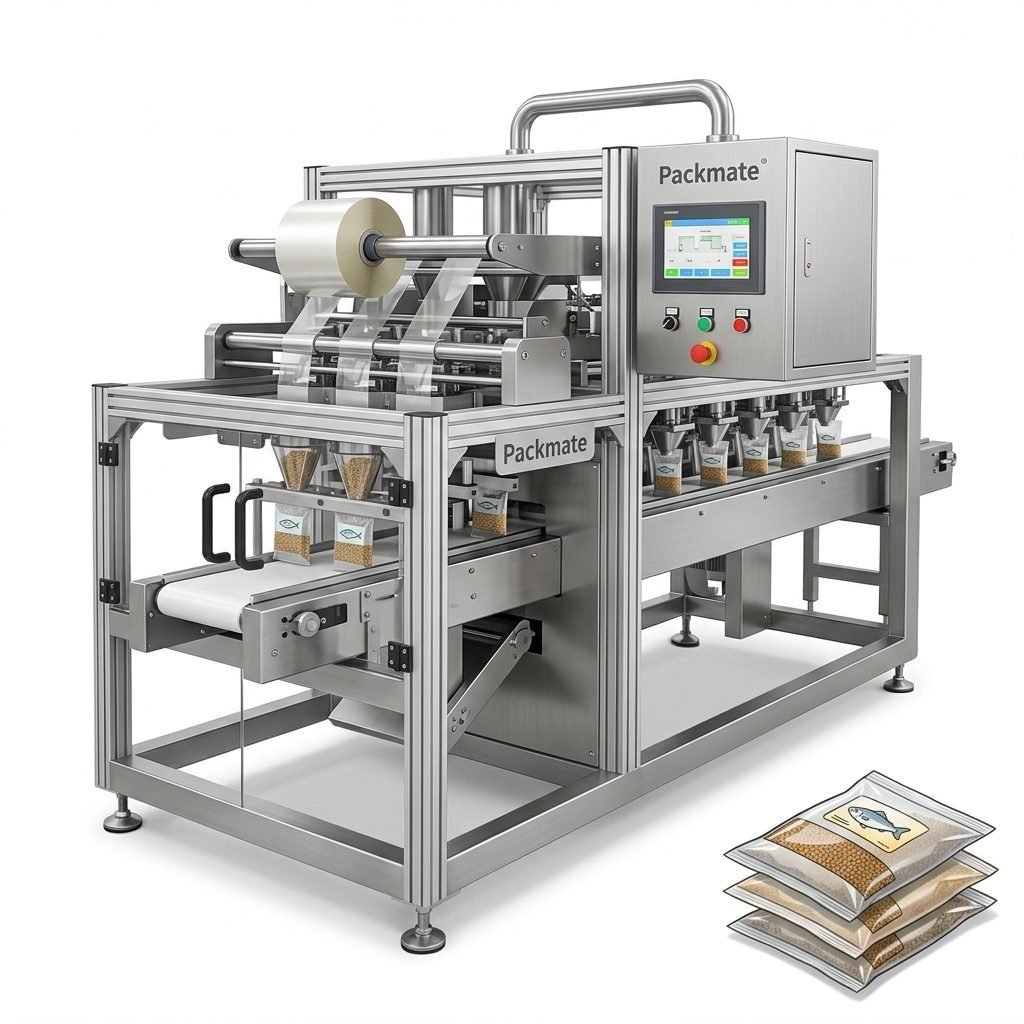
Bossar has established itself as a leader in the design and manufacture of horizontal form-fill-seal (HFFS) packaging machines. These automated systems are engineered to form packaging from a roll of film, fill it with a precise amount of product, and seal it—all in one continuous, high-speed operation. The core philosophy behind Bossar machinery revolves around maximizing efficiency, ensuring product integrity, and offering remarkable versatility to adapt to various market needs, from food and beverages to pharmaceuticals and personal care items.
Key Characteristics of Bossar Machines:
Precision Engineering: Every component is built for accuracy and durability, ensuring consistent package quality and minimal downtime.
Modular Design: Many Bossar systems feature a modular structure, allowing for easy reconfiguration and future upgrades as your product range or output requirements change.
User-Friendly Interface: Modern touch-screen controls make operation, monitoring, and changeovers intuitive for your production team.
Primary Types of Bossar Packaging Machines
The versatility of Bossar’s technology is best illustrated by the range of machine types they offer, each tailored for specific packaging formats and industries.
1. Horizontal Form-Fill-Seal (HFFS) Machines
This is the flagship technology. Bossar’s HFFS machines are renowned for their speed and flexibility. They can create a wide array of pouch styles, including:
- Pillow Bags: The standard, economical bag used for countless dry goods.
- Gusseted Bags: Bags with expandable sides, ideal for bulky products or those requiring a stable base.
- Stand-up Pouches (Doypack): Popular in retail for their shelf presence and resealable options.
- Four-Side Seal Bags: Often used for premium products or items requiring a flat, rigid presentation.
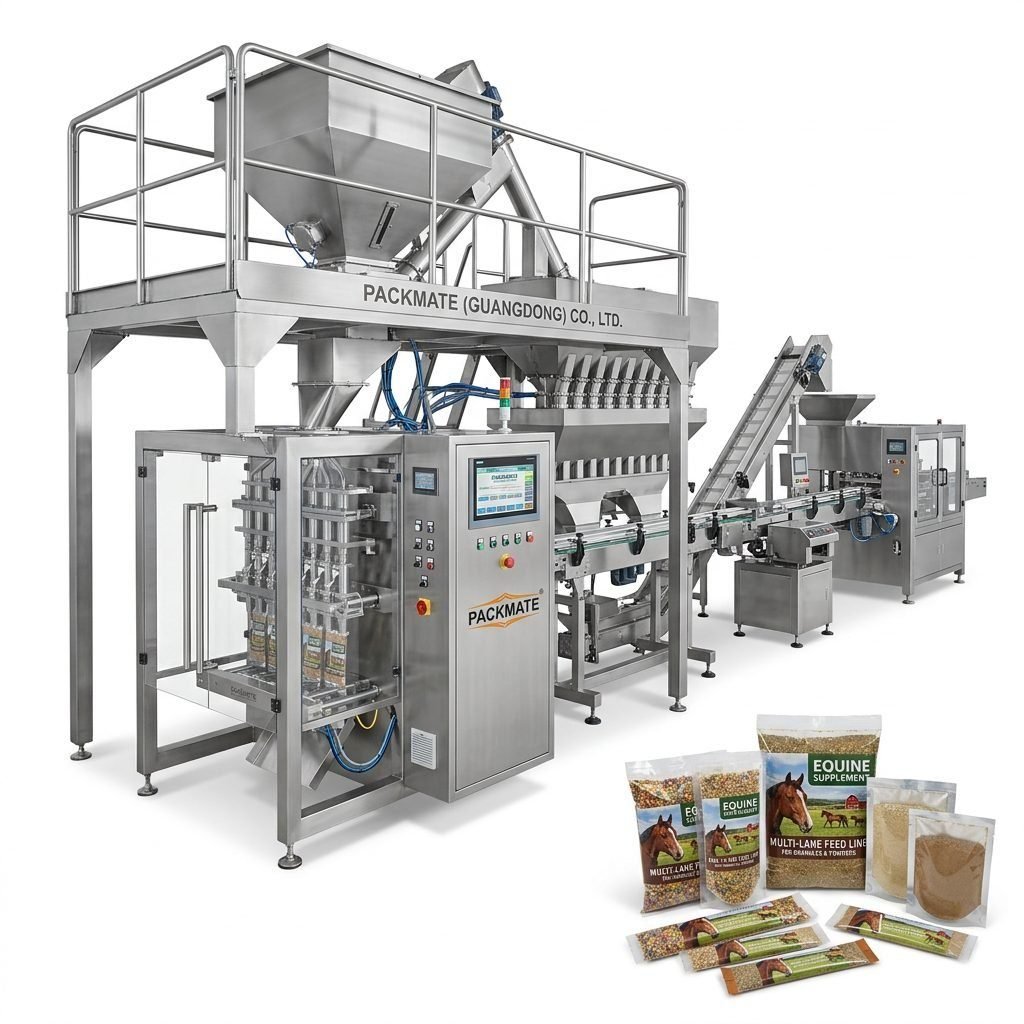
These machines are a perfect fit for integrated filling and packaging lines.
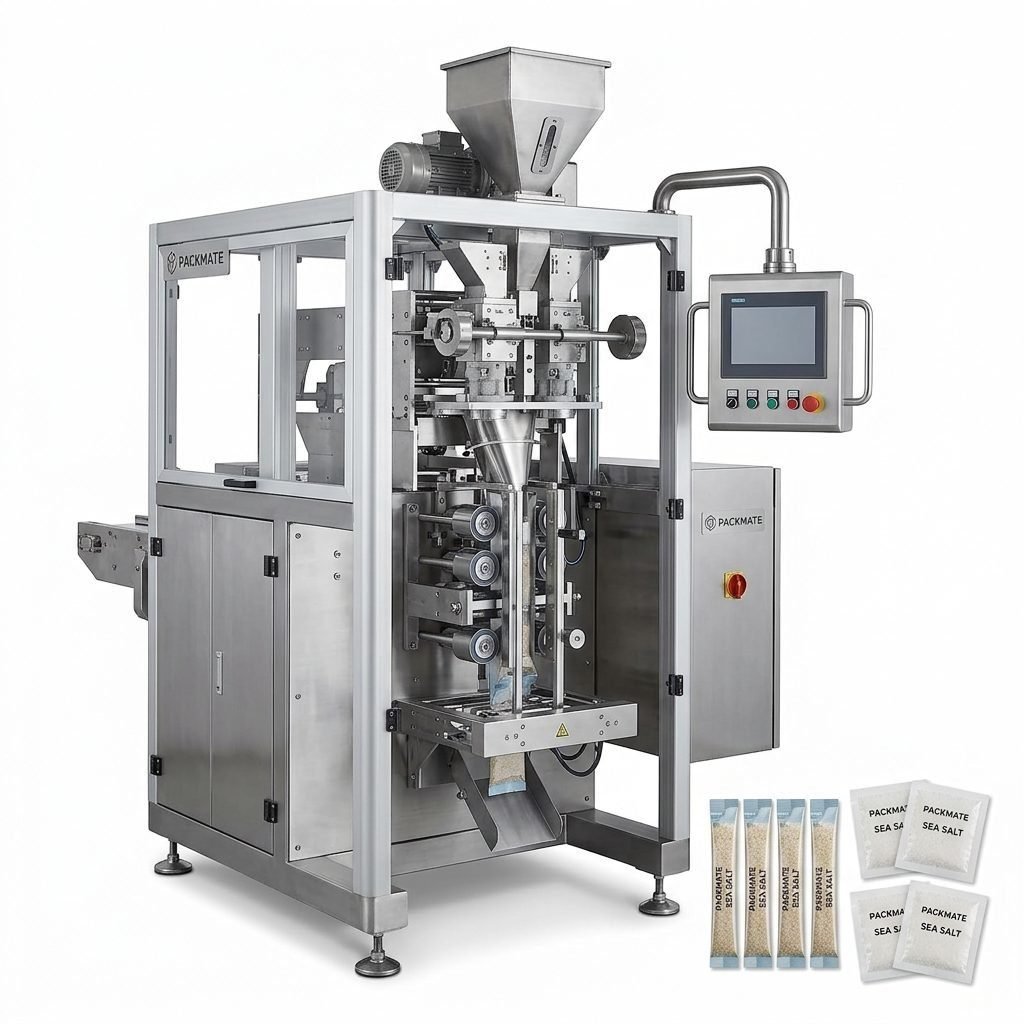
2. Stick Pack Packaging Machines
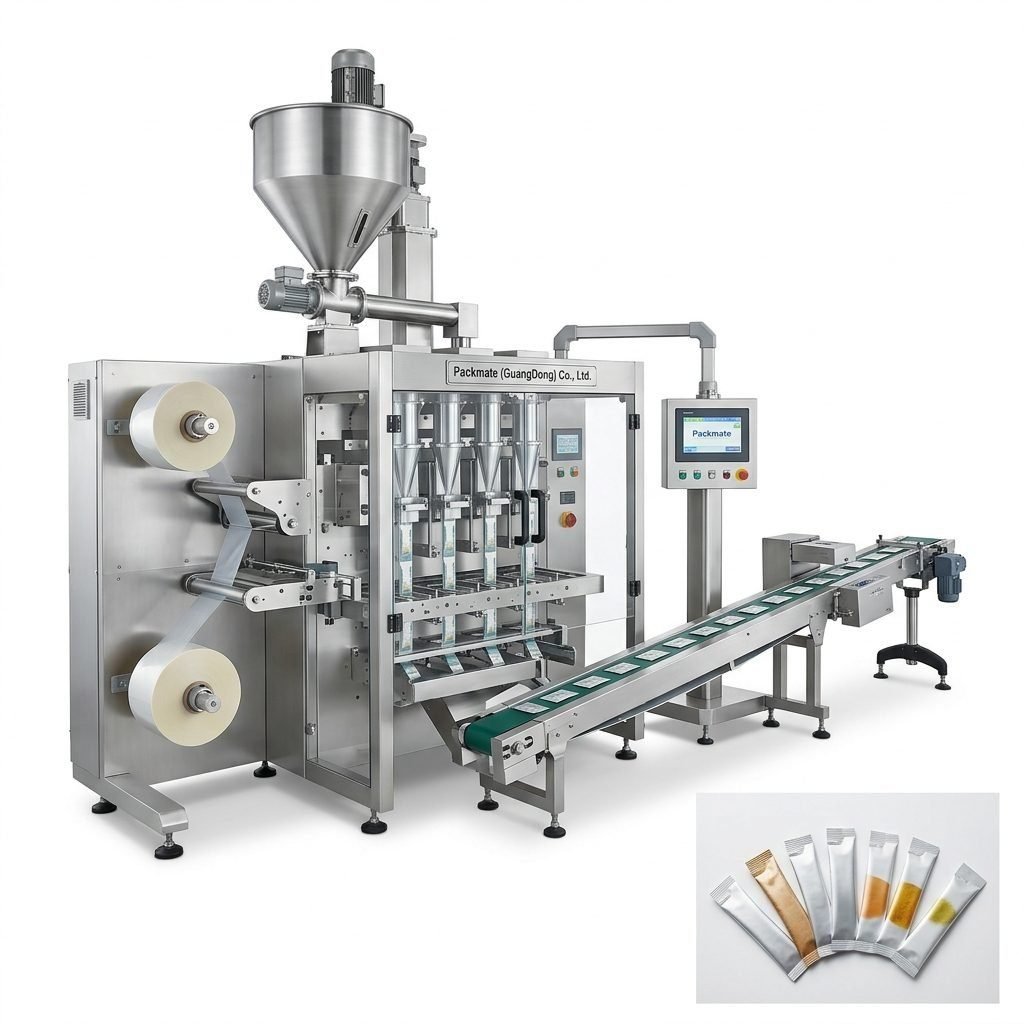
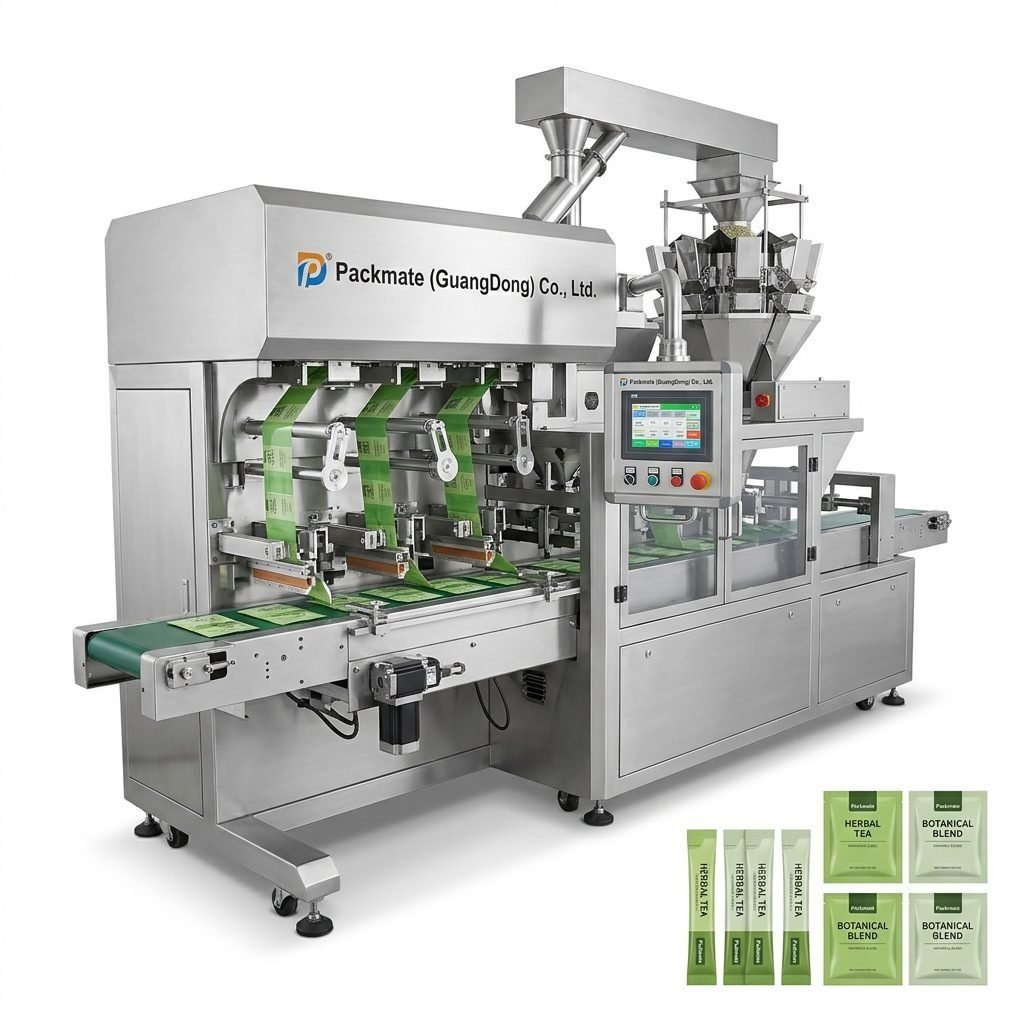
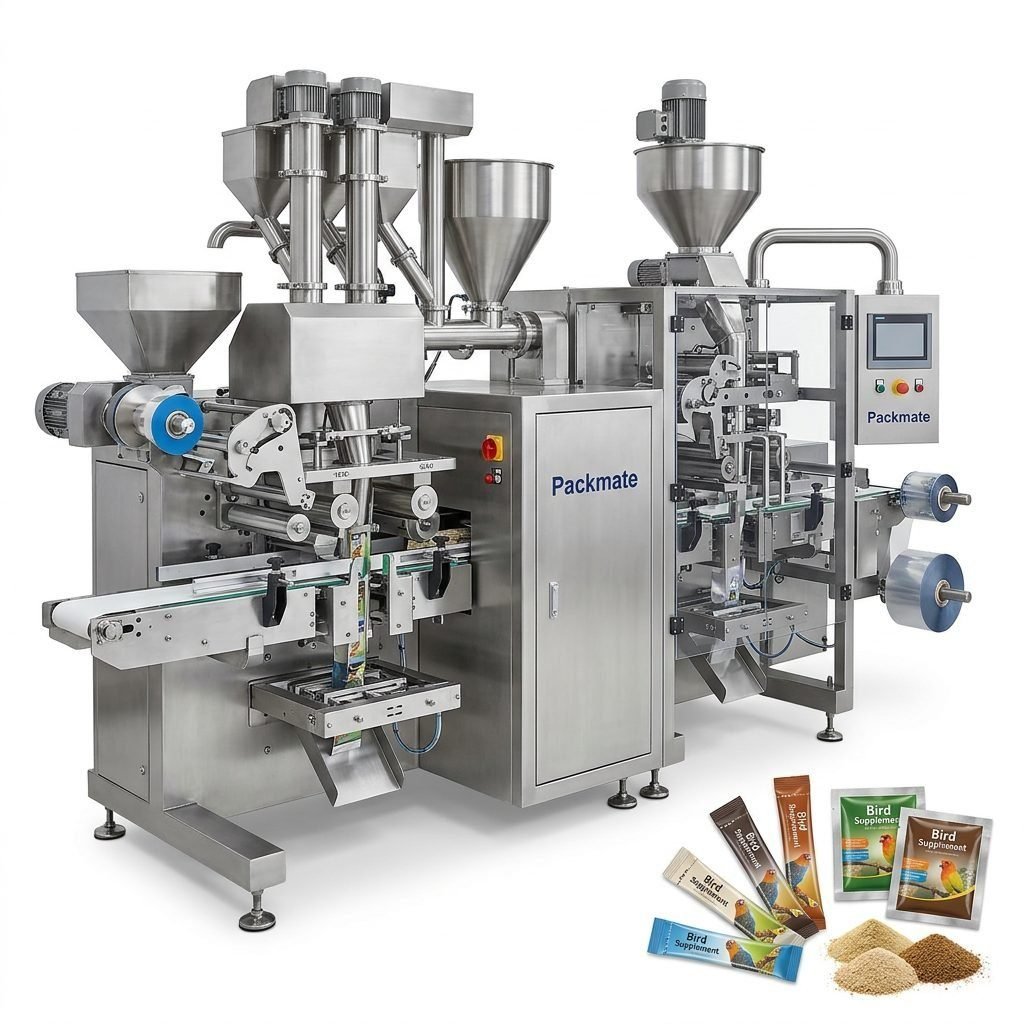
Specializing in long, slender pouches, stick pack machines are ideal for single-serve portions of powders, liquids, or gels—think instant coffee, drink mixes, condiments, or pharmaceuticals. Bossar’s solutions in this category excel at high-speed production with exceptional sealing integrity to prevent leakage.
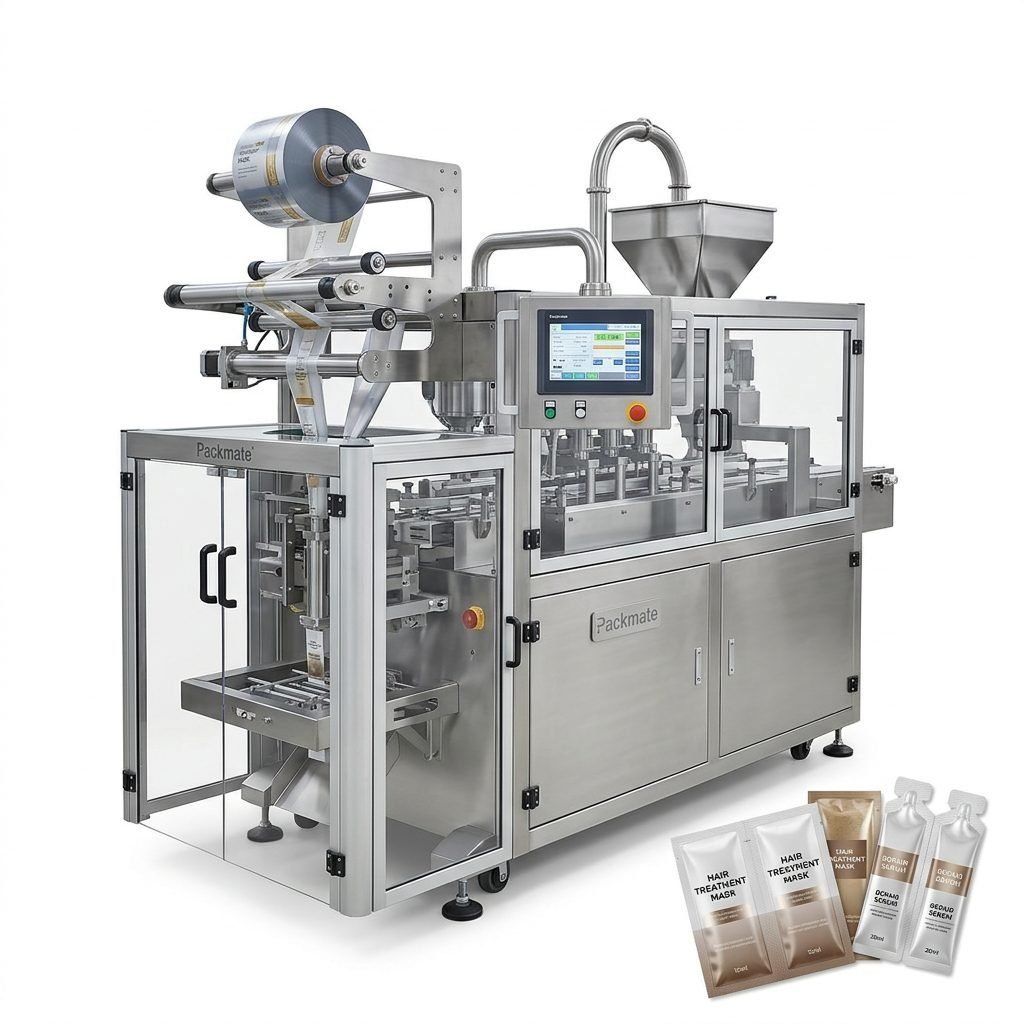
3. Sachet Packaging Machines
Similar to stick packs but often wider, sachets are ubiquitous for samples, sauces, shampoos, and medical powders. Bossar offers machines capable of producing single sachets or connected multi-lane strips, dramatically increasing output. For businesses focusing on this format, exploring dedicated sachet and stick pack machines is crucial.
4. Bag-in-Box Systems
For liquid products in larger volumes, Bossar provides integrated systems that form, fill, and seal a flexible bag which is then automatically placed into a corrugated box. This is a highly efficient solution for wines, juices, oils, and industrial liquids.
Industry Application Spotlight
Food & Beverage: From coffee and snacks to sauces and dairy products. Machines feature food-grade materials and easy-clean designs.
Pharmaceutical & Healthcare: Demands high hygiene standards and precision dosing for powders, tablets, and medical devices.
Personal & Home Care: Handles liquids, creams, and powders for shampoos, detergents, and cosmetics reliably.
Tangible Benefits of Investing in Bossar Equipment
Choosing a Bossar packaging machine translates into measurable advantages for your operation.
Enhanced Production Efficiency and Speed: Automated HFFS processes significantly outpace manual or semi-automatic methods. Bossar machines are engineered for high-speed operation, increasing your output and allowing you to meet larger orders and tighter deadlines.
Superior Product Protection and Shelf Life: Precise sealing technology creates airtight and secure packages. This is vital for preserving freshness, preventing contamination, and extending the shelf life of sensitive products, directly impacting customer satisfaction and reducing waste.
Remarkable Material and Cost Savings: By forming packages from a roll of film, these machines minimize material waste compared to pre-made bags. Advanced controls optimize film usage, and the reduction in labor costs further contributes to a strong return on investment (ROI).
Unmatched Flexibility and Quick Changeovers: The ability to switch between different pouch sizes, styles, and films with minimal downtime is a game-changer. This agility lets you run smaller, customized batches and respond swiftly to market trends without sacrificing efficiency.
Consistent, High-Quality Output: Automation eliminates human error in filling and sealing. Every package produced has a uniform, professional appearance, strengthening your brand image on retail shelves. Consistent quality is a hallmark of reliable bag and pouch packaging machines.
Essential Buying Guide: How to Choose the Right Bossar Machine
Selecting the optimal packaging machine is a strategic decision. Here are the key factors to consider:
1. Define Your Product and Packaging Requirements
Start with the basics: What are you packaging (powder, liquid, solid)? What are its characteristics (abrasive, oily, hygroscopic)? Determine your desired pouch type, size range, and any special features needed (zippers, spouts, tear-notches).
2. Assess Your Production Volume and Speed Needs
Calculate your current and projected output (packages per minute/hour). Bossar offers models with varying speeds. Investing in a machine with some growth capacity is wiser than maxing out your current model immediately.
3. Evaluate the Level of Automation
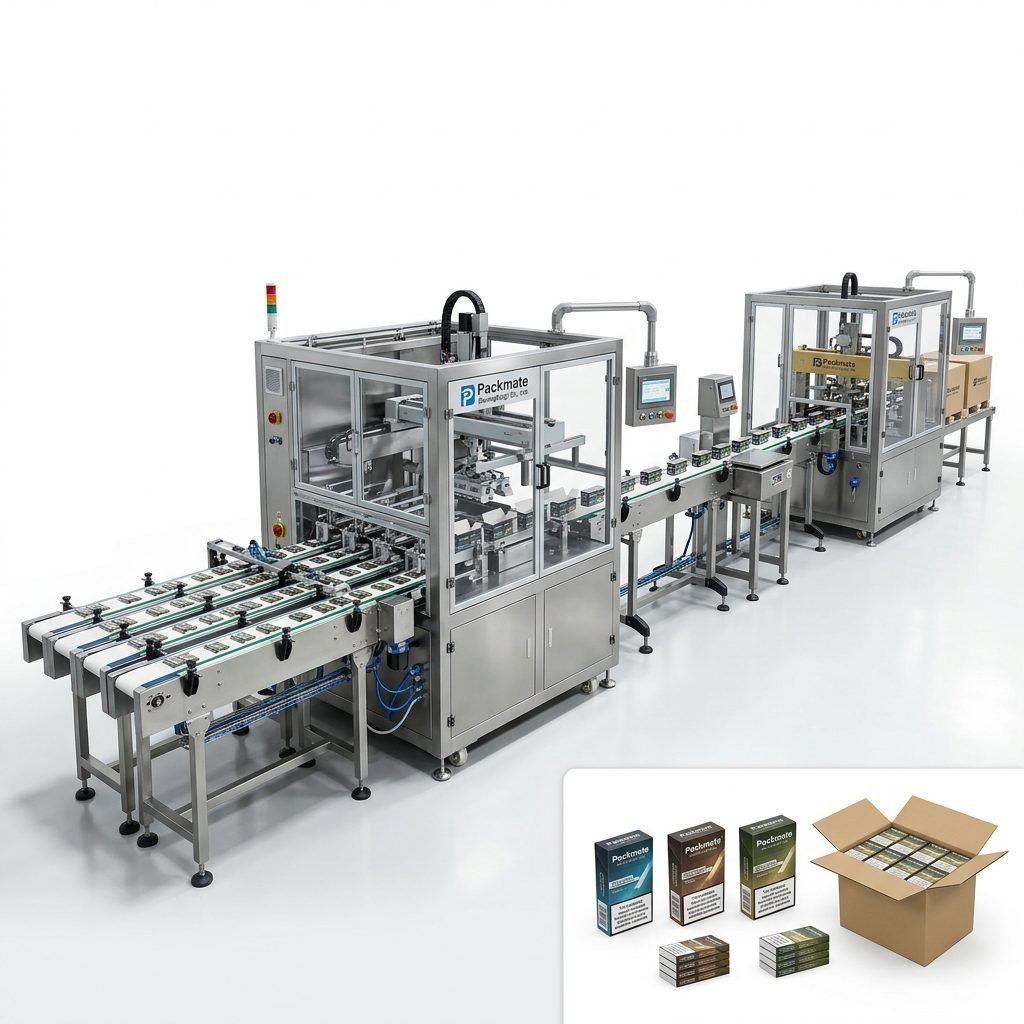
Consider how the machine will integrate into your line. Do you need automated product feeding, check-weighing, or downstream cartoning? Bossar machines can often be linked with auxiliary packaging equipment for a complete turnkey solution.
4. Prioritize Ease of Use and Maintenance
Look for intuitive controls and accessible components. Easy changeover parts and clear maintenance protocols reduce downtime. Reliable supplier support for training and spare parts is non-negotiable.
5. Consider Total Cost of Ownership (TCO)
Look beyond the initial purchase price. Factor in operational costs (film, energy, labor), potential maintenance expenses, and the expected lifespan of the machine. A slightly higher initial investment in a robust, efficient machine often leads to lower TCO.
6. Verify Supplier Credentials and Support
Partner with an authorized and experienced distributor or directly with the manufacturer. Review their installation, training, warranty, and technical support offerings. A strong partnership ensures your machine remains productive for years.
Pre-Purchase Checklist
- Request product samples to run trials on the machine.
- Ask for references from current users in a similar industry.
- Clarify warranty details and service response times.
- Ensure the machine complies with relevant safety and industry standards (e.g., CE, FDA guidelines for food contact).
Frequently Asked Questions (FAQs)
What is the typical lead time for a new Bossar packaging machine?
Lead times can vary based on the model complexity and customization. Standard models may have shorter lead times (e.g., 8-12 weeks), while highly customized or integrated lines require more extensive engineering and production planning. Always confirm the timeline with your supplier during the quotation process.
Can Bossar machines handle recyclable or biodegradable films?
Yes, many modern Bossar machines are designed to work with a variety of sustainable packaging materials, including mono-material plastics and certain compostable films. It is crucial to discuss your specific film specifications with the machine supplier to ensure compatibility with the sealing jaws and film handling systems, as these materials can have different thermal and tensile properties.
How often is routine maintenance required, and is it complex?
Routine maintenance is essential for longevity and consistent performance. Basic daily cleaning and weekly lubrication are typically required. More thorough inspections and part replacements (like sealing jaws or cutter blades) follow a schedule based on operating hours. Bossar provides detailed maintenance manuals, and well-designed machines make common service points easily accessible to trained personnel.
What kind of training is provided for our operators and maintenance staff?
Reputable suppliers offer comprehensive training programs. This usually includes on-site training during installation and commissioning, covering machine operation, changeover procedures, basic troubleshooting, and safety protocols. Additional training resources like manuals, videos, and access to technical support are standard.
Are spare parts readily available, and what is the support structure?
A key factor in choosing a supplier is their spare parts inventory and logistics. Established suppliers like authorized Bossar distributors maintain a stock of common wear parts. Ensure you understand the parts ordering process, shipping times, and the availability of technical support via phone, email, or remote diagnostics to minimize potential downtime.