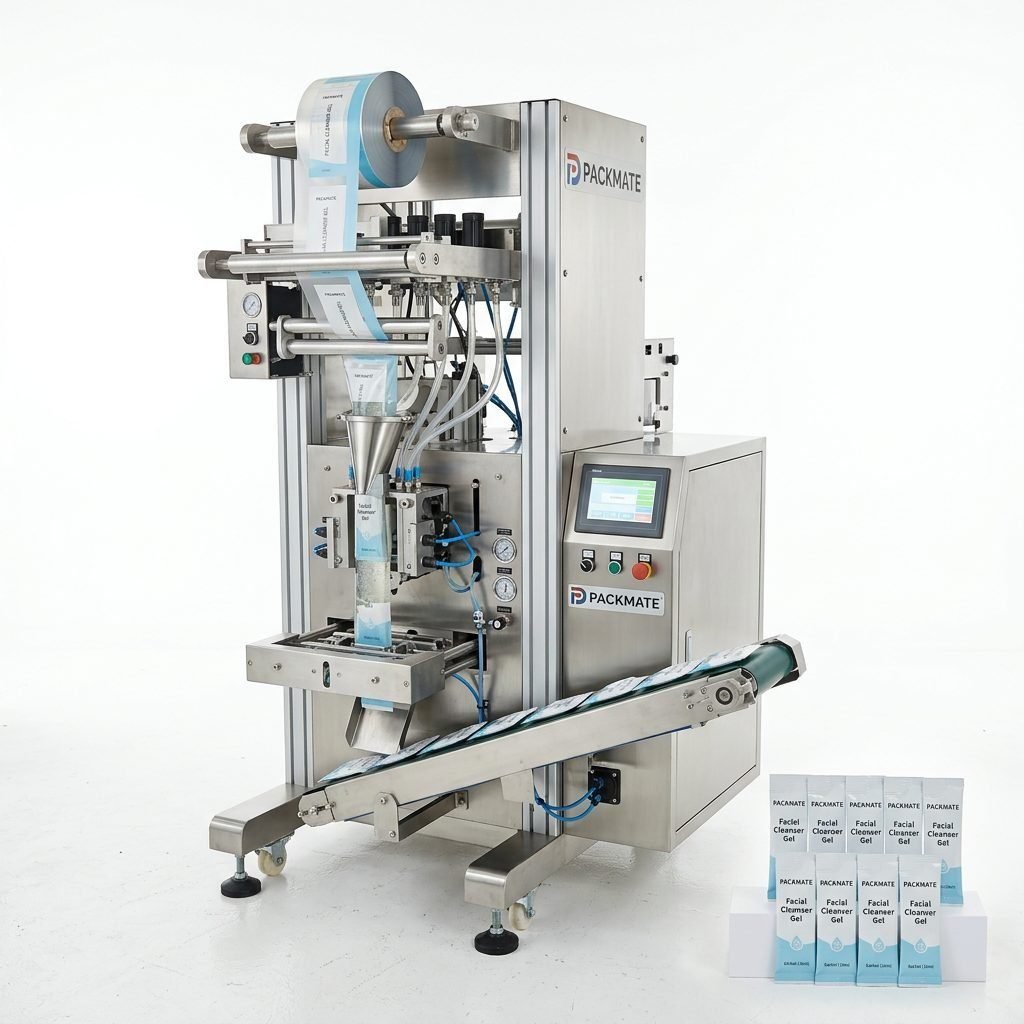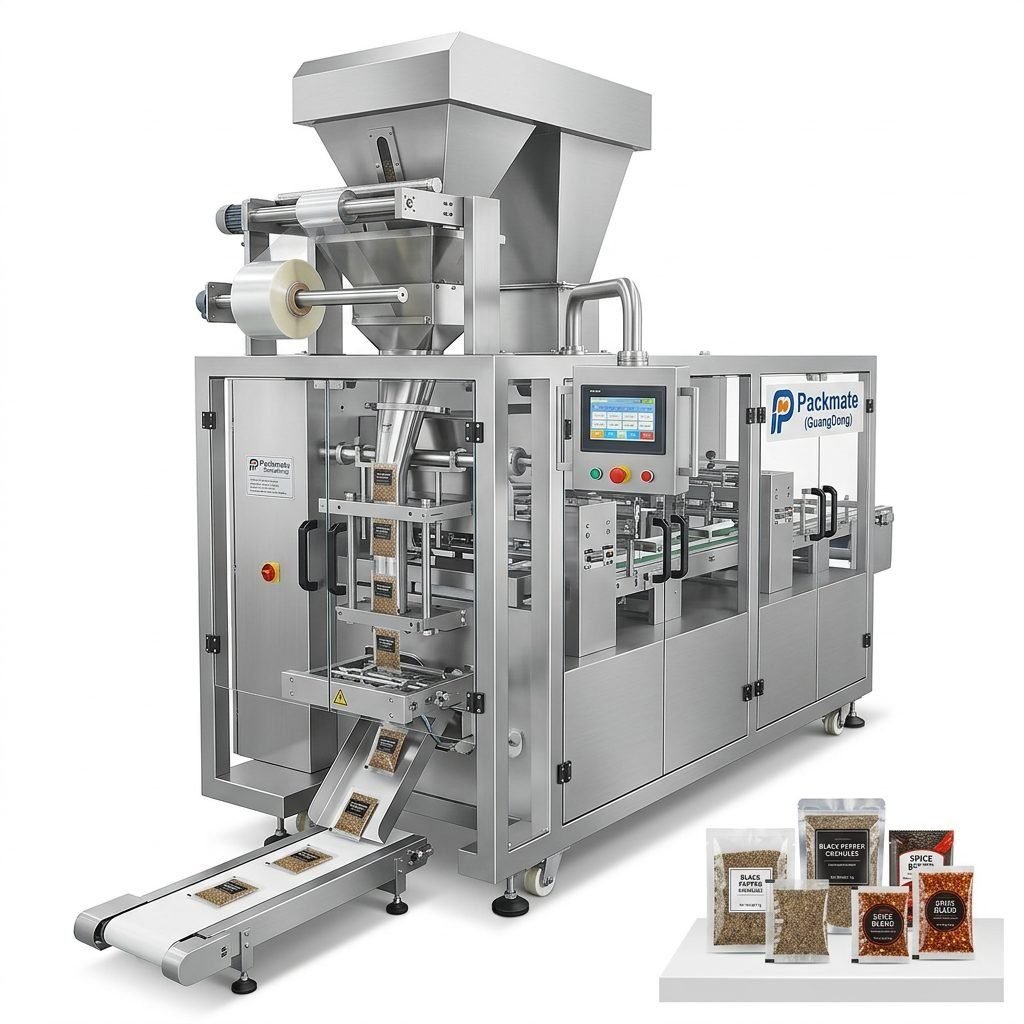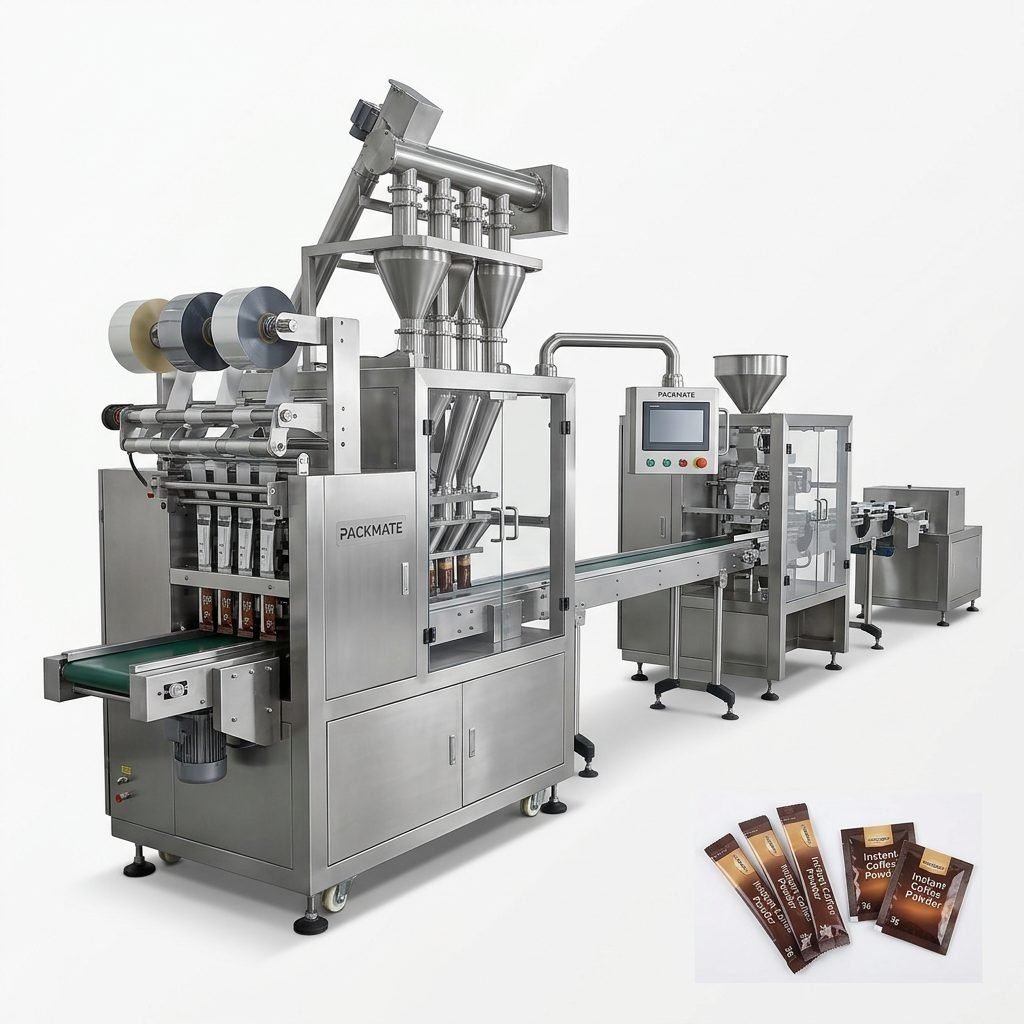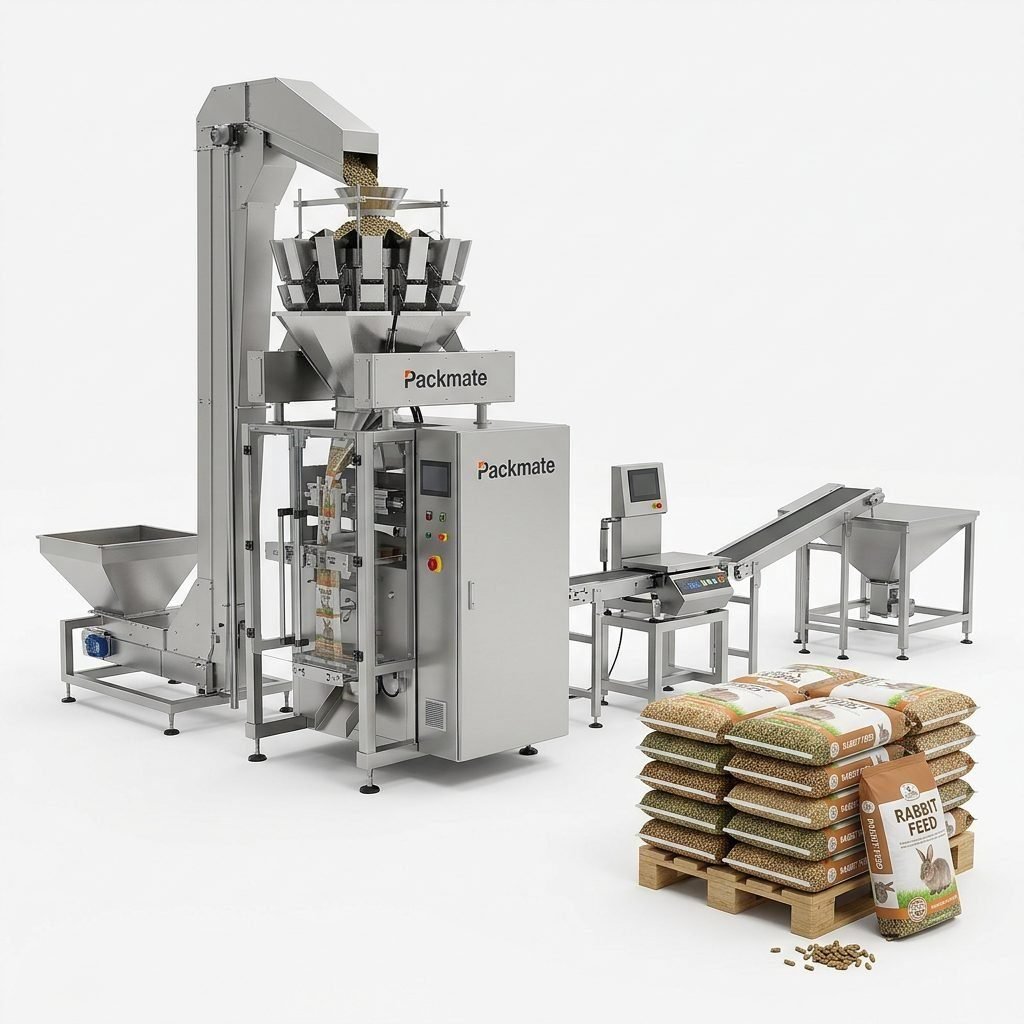
Air fill packaging machines, also known as air cushion or inflatable packaging systems, are essential tools in modern logistics and product protection. These machines create on-demand air pillows or cushions that fill voids in shipping boxes, securing items during transit and minimizing damage. For businesses involved in e-commerce, manufacturing, or distribution, investing in the right air fill packaging machine can lead to significant cost savings, reduced material waste, and enhanced customer satisfaction.
Understanding the Core Technology
At their heart, air fill packaging machines work by sealing two layers of polyethylene film together to form long, interconnected air chambers. A small, integrated pump inflates these chambers, which are then cut to the desired length. The primary advantage is the dramatic reduction in void fill material storage space, as you store flat film rolls instead of bulky pre-inflated materials. This technology offers a sustainable and efficient alternative to traditional packing peanuts, crumpled paper, or bubble wrap.
Key Components of a Standard Machine
A typical machine consists of a film unwind system, a heat sealing mechanism, an inflation pump, and a cutting unit. Advanced models include features like automatic film tracking, adjustable inflation pressure controls, and programmable cut lengths. The reliability of these components directly impacts machine uptime and packaging consistency, making the choice of a reputable manufacturer crucial.
Primary Types of Air Fill Packaging Machines
The market offers several configurations to suit different operational scales and needs. Understanding these types is the first step in making an informed purchase.
1. Manual / Hand-Held Inflators
These are compact, portable devices ideal for low-volume shippers or as a backup system in larger operations. An operator manually feeds the film and triggers the inflation and cut. They are cost-effective and perfect for businesses just starting with air cushion packaging or with sporadic packing needs. Their simplicity means minimal maintenance is required.
2. Semi-Automatic Tabletop Machines
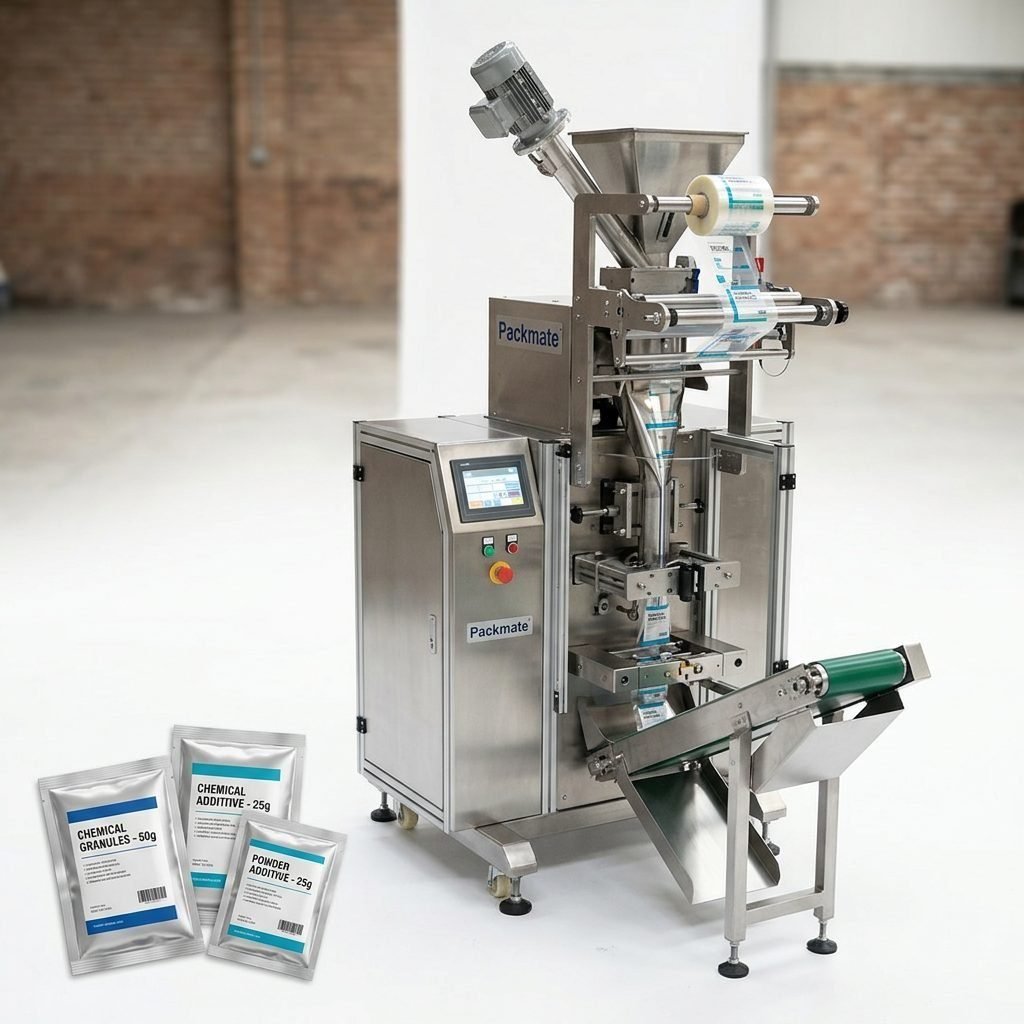
Designed for medium-volume environments, these machines automate the inflation and sealing process. The operator typically initiates a cycle, and the machine produces a continuous strip of air pillows, which are then manually placed into boxes. They offer a good balance between speed, cost, and footprint, fitting well on a packing station bench.
3. Fully Automatic In-Line Systems
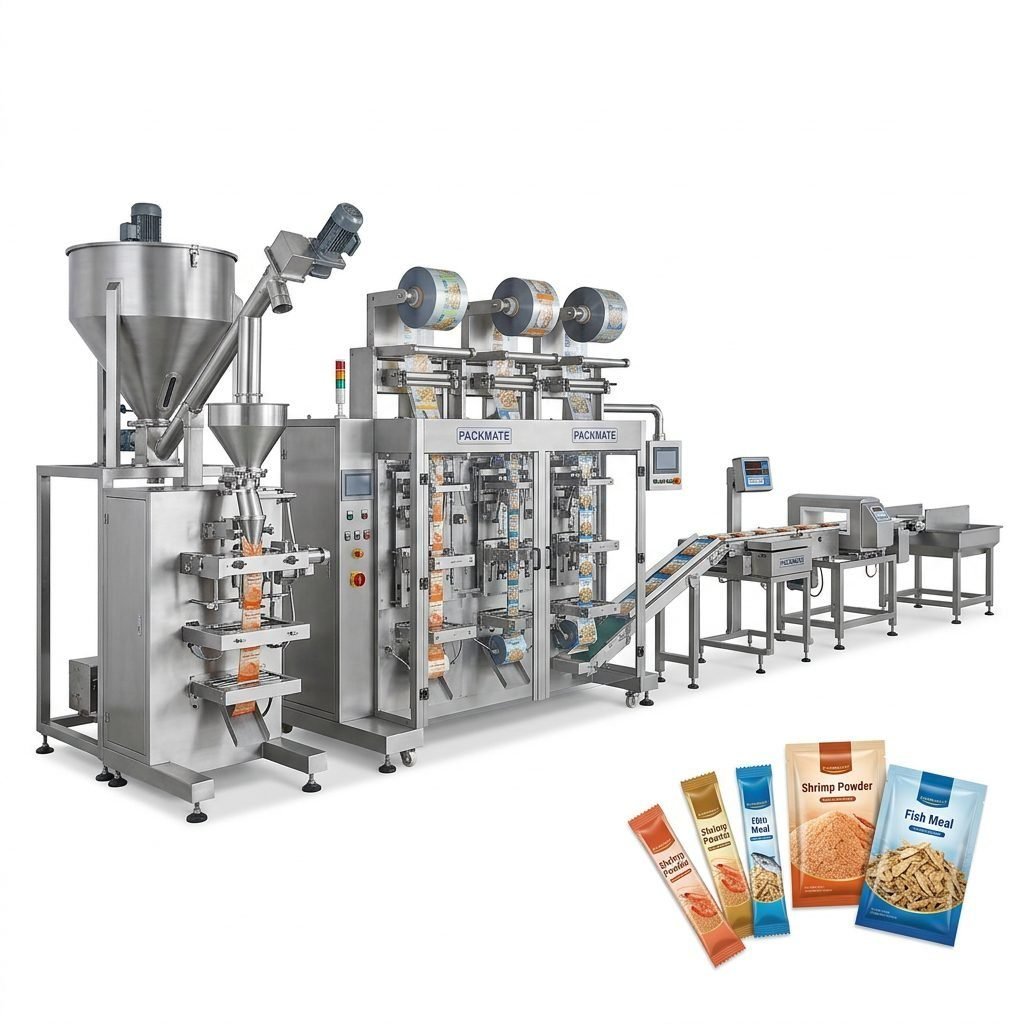
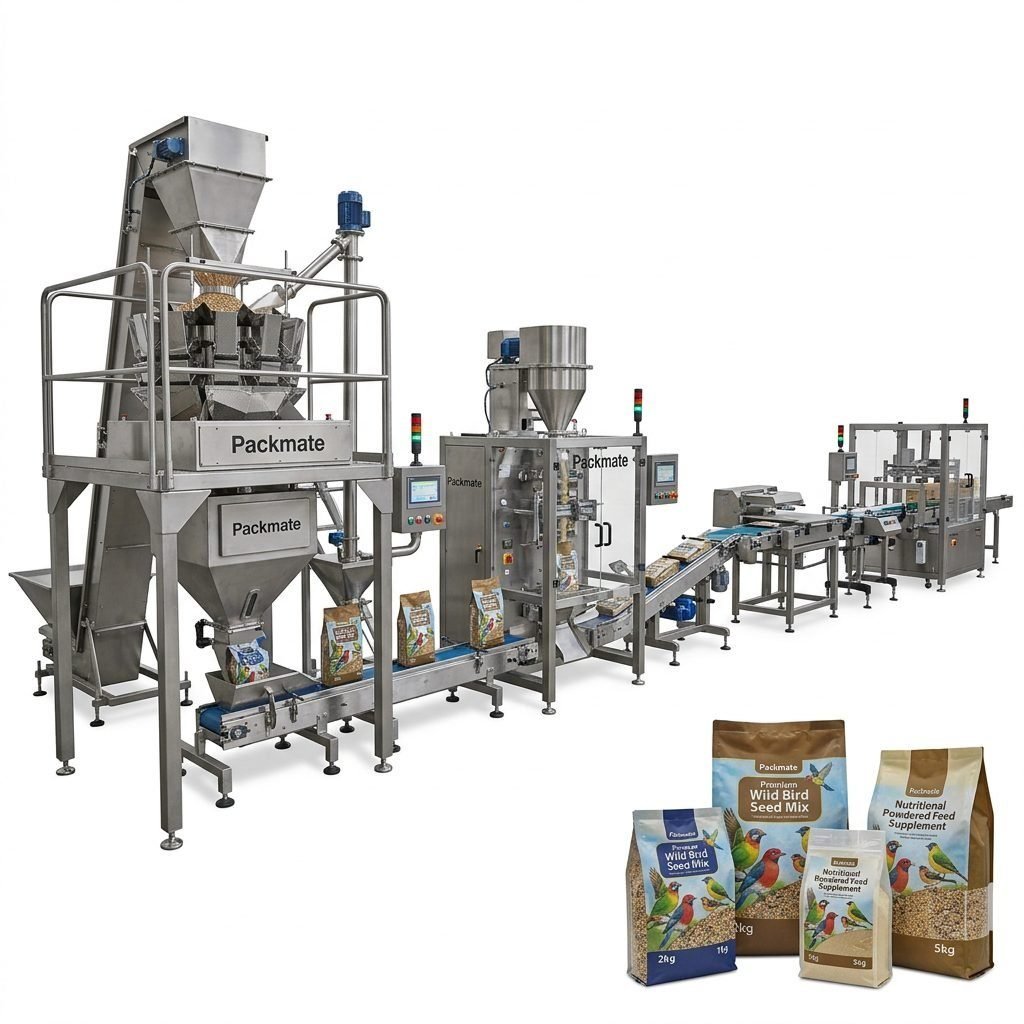
For high-volume distribution centers and e-commerce fulfillment hubs, fully automatic systems are indispensable. These machines integrate directly with conveyor lines. They sense the size of the passing box, dispense the precise amount of inflated cushioning, and often include automatic insertion mechanisms. This maximizes packing speed and minimizes labor, offering the highest return on investment for large-scale operations. Companies like Packmate Machinery specialize in engineering such high-speed, intelligent packaging solutions.
Diverse Applications Across Industries
The versatility of air cushioning makes these machines valuable far beyond simple parcel shipping.
E-commerce & Retail: Protecting everything from electronics and books to ceramics and cosmetics during last-mile delivery. The clean, professional look of air pillows also enhances the unboxing experience.
Electronics Manufacturing: Securing sensitive components like circuit boards, hard drives, and screens from shock and vibration within their inner packaging.
Furniture & Appliance: Filling large voids in cartons for tables, chairs, or small appliances to prevent shifting and corner damage.
Pharmaceutical & Healthcare: Providing cushioning for glass vials, medical devices, and diagnostic equipment, where product integrity is non-negotiable. Hygienic, dust-free air film is often used in these settings.
Critical Factors for Buying the Right Machine
Selecting an air fill packaging machine is a significant decision. Here are the key parameters to evaluate.
Production Volume and Speed Requirements
Accurately assess your average and peak daily pack rates. A manual inflator producing 5-10 cushions per minute cannot support a operation shipping 500 orders daily. Match the machine’s cycle speed (cushions per minute) to your workflow. For automated lines, consider machines from suppliers like Packmate, who offer integrated filling and packaging lines designed for continuous, high-output environments.
Film Material and Cushion Size
Machines are often designed for specific film widths (e.g., 8″, 12″, 20″). The width determines the maximum cushion size. Ensure the machine can use the film grade you need—standard, anti-static, or biodegradable. Consistency in seal strength and inflation level is vital for reliable protection.
Machine Durability and Support
Look for robust construction with metal frames and commercial-grade components. Inquire about the availability of spare parts and the manufacturer’s technical support. A machine with a well-documented service and support program will have a much longer, more productive lifecycle. A company’s history, such as Packmate’s 30+ years in intelligent packaging, can be a strong indicator of reliability and expertise.
Total Cost of Ownership (TCO)
Look beyond the initial purchase price. Calculate the cost per cushion, which includes film cost, electricity, and maintenance. A slightly more expensive machine with higher efficiency and lower film waste can pay for itself quickly. Consider energy-efficient pumps and motors.
Footprint and Integration
Measure your available space. Will the machine fit at the end of your packing line? For automated systems, evaluate compatibility with your existing conveyors, sensors, and warehouse management software (WMS).
Optimizing Your Packaging Operation
Once you have the right machine, proper implementation is key. Train staff on correct film loading and routine cleaning to prevent jams. Regularly audit cushion quality—check for consistent inflation and seal integrity. Analyze box sizes used most frequently and program preset cushion lengths for them to reduce waste and speed up packing. Pairing your air fill machine with the right auxiliary packaging equipment can create a seamless, efficient workflow.
Frequently Asked Questions (FAQ)
What is the typical payback period for an automatic air pillow machine?
The payback period can vary from 6 to 18 months, depending on your volume and the material costs you are replacing (like loose fill). High-volume shippers often see a return on investment very quickly through material savings, reduced shipping costs from lighter packages, and increased packing speed.
Can I use biodegradable film in my machine?
Many modern machines are compatible with biodegradable or recycled-content polyethylene films. However, it is crucial to consult your machine manufacturer first, as some films may have different sealing properties or require slight adjustments to heat or speed settings to seal properly.
How much maintenance do these machines require?
Routine maintenance is generally minimal. It primarily involves keeping the sealing elements clean from film residue, checking for wear on the cutting blade, and ensuring the film path is clear. Following the manufacturer’s recommended maintenance schedule is essential to prevent unexpected downtime.
Are air cushions effective for heavy items?
Yes, but the application is key. For heavy, dense products, air cushions are best used as void fill to prevent movement, not as the primary cushioning against impacts. They should be combined with other protective materials like corner boards or pads when shipping very heavy or fragile items.
What happens if the machine malfunctions during a high-volume shift?
This highlights the importance of choosing a supplier with reliable support. Look for manufacturers that offer prompt technical assistance, possibly even remote diagnostics. For critical operations, having a backup manual unit or a service contract with guaranteed response times is a wise contingency plan.