Choosing the right commercial vacuum sealer packaging machine is a critical investment for any food processing, meal prep, or manufacturing business. It directly impacts product shelf life, presentation, operational efficiency, and ultimately, your bottom line. With a vast array of models and features on the market, navigating the options can be daunting. This comprehensive buying guide is designed to equip you with the essential knowledge to make an informed decision that aligns perfectly with your production needs and business goals.
Understanding Your Core Packaging Requirements
Before diving into machine specifications, a thorough assessment of your specific needs is the crucial first step. This internal audit will form the foundation of your search.
Product Profile Analysis
What are you packaging? The physical characteristics of your product dictate the machine type.
- Solid Foods: Meats, cheeses, and vegetables require robust sealing and strong vacuum capabilities.
- Liquids & Semi-Liquids: Soups, sauces, or marinated products need liquid-tight sealing and often specialized nozzles or pre-freezing to prevent spillage during the vacuum process.
- Powders & Granules: Coffee, spices, or powdered ingredients demand excellent dust management systems to protect the machine’s pump and ensure a clean seal.
- Fragile Items: Delicate baked goods or chips may require gentle vacuum settings or modified atmosphere packaging (MAP) to prevent crushing.
Next, quantify your production volume. Are you sealing dozens of bags per hour or hundreds? This determines whether a single-chamber, double-chamber, or automated belt-chamber sealer is appropriate. Also, consider your bag size range. Ensure the machine’s sealing bar length and chamber depth can accommodate your smallest and largest bag dimensions. Don’t forget about future growth—choosing a machine with some capacity headroom is often wiser.
Key Technical Features to Evaluate
Once you know your requirements, you can effectively compare machines based on their technical specifications. These features are the heart of the equipment’s performance.
1. Vacuum Pump Type and Performance
The vacuum pump is the engine of the machine. There are two primary types:
- Oil Rotary Vane Pumps: Known for deep, strong vacuum levels and durability under heavy use. They require regular oil changes and maintenance.
- Oil-Less (Dry) Pumps: More environmentally friendly, require less maintenance, and are ideal for clean environments (e.g., pharmaceuticals). They can be slightly noisier and may have a shorter lifespan under extreme continuous use.
Look for the vacuum strength measured in inches of Mercury (inHg) or millibar (mbar). A higher rating (e.g., 29.9 inHg) indicates a stronger vacuum, which is crucial for maximizing shelf life, especially for perishables.
2. Sealing System and Bar
The seal is what locks in the vacuum. A double-seal (two parallel seal wires) is the industry standard for commercial reliability, providing a redundant barrier against seal failure. The sealing bar material is also important; nickel-chromium alloy bars offer excellent heat distribution and longevity. The seal time should be adjustable to accommodate different bag materials, from thin polyethylene to multilayer laminates.
3. Chamber Design and Usability
The chamber houses the bag during the vacuum process. Single-chamber sealers are cost-effective for lower-volume operations but have downtime while loading/unloading. Double-chamber (or dual-chamber) sealers dramatically increase output, as one chamber can be loaded while the other is in cycle. For the highest throughput, automated belt-chamber systems are the solution, moving bags continuously through the vacuum and seal process.
Consider ergonomic features like lid opening effort, chamber depth (for larger bags), and the ease of cleaning food particles or liquid spills from the chamber interior.
4. Control Panel and Programmability
A user-friendly, intuitive control panel saves time and reduces errors. Digital touch panels are becoming the norm. Look for the ability to save custom programs for different products. Key programmable functions include:
- Vacuum time/depth
- Seal time
- Gas flush time and ratio (for MAP)
- Cooling time
This programmability ensures consistent, repeatable results across shifts and operators.
Beyond the Machine: Material and Support
The machine is only one part of the system. The quality of vacuum bags and rolls you use is equally critical. Ensure the machine is compatible with the bag material (nylon/PE, PET/PE, etc.) you plan to use. Poor-quality bags will lead to seal failures and wasted product, regardless of the machine’s quality.
Perhaps the most overlooked factor is after-sales support and service. A commercial machine is a long-term asset. Investigate the manufacturer’s or distributor’s reputation for:
- Warranty: What is covered and for how long?
- Technical Support: Is phone or online support readily available?
- Parts Availability: How quickly can common wear parts (seal bars, gaskets) be sourced?
- Service Network: Are there trained technicians in your region?
Choosing a supplier with a strong track record, like Packmate Machinery with over two decades of experience in packaging solutions, provides invaluable peace of mind. Their expertise extends beyond just selling a machine to offering complete turnkey solutions and reliable support.
Budgeting and Total Cost of Ownership (TCO)
While the initial purchase price is important, savvy buyers evaluate the Total Cost of Ownership. This includes:
- Initial Investment: Machine cost, any necessary accessories (gas flush attachments, hose kits).
- Operational Costs: Energy consumption, maintenance kits (oil, gaskets), spare parts (seal bars).
- Labor Efficiency: A faster, more automated machine may have a higher price but can save significantly on labor costs over time.
- Downtime Cost: A reliable machine from a reputable supplier minimizes costly production stoppages.
Investing in a robust, feature-appropriate machine from a trusted manufacturer often proves more economical in the long run than opting for the lowest-priced model.
Making the Final Decision
Armed with your requirements and knowledge of key features, you’re ready to select. Create a shortlist of 2-3 models that fit your criteria. If possible, request a live demonstration using your actual product and bags. This is the best way to verify performance. Ask for customer references, especially from businesses similar to yours. Finally, review the sales and service agreement thoroughly before committing.
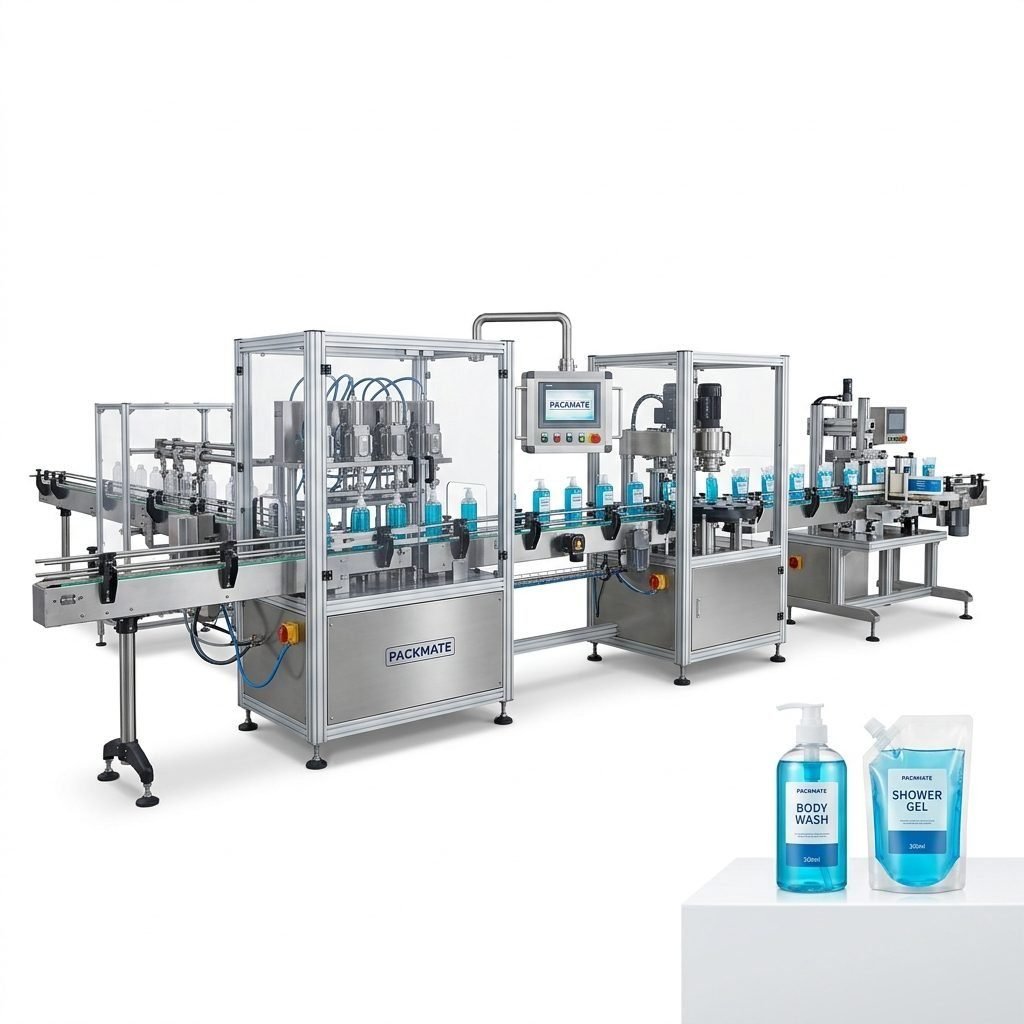
For businesses looking to integrate their vacuum sealer into a larger automated line, exploring complete filling and packaging lines from a single supplier can streamline compatibility and support.
Frequently Asked Questions (FAQ)
1. What is the main difference between a chamber vacuum sealer and an external suction sealer?
Chamber sealers place the entire bag inside a sealed chamber. They achieve a much stronger, more consistent vacuum, handle liquids effectively, and are essential for Modified Atmosphere Packaging (MAP). External sealers use a nozzle to suck air from the bag. They are generally less expensive and faster for dry products but cannot handle liquids well and achieve a weaker vacuum, resulting in a shorter shelf life for perishables.
2. How often does a commercial vacuum sealer need maintenance?
Regular maintenance is key to longevity. Daily cleaning of the chamber and seal bar area is essential. For oil pumps, oil should be checked weekly and changed every 3-6 months depending on use. Seal bars and chamber gaskets are wear items and should be inspected monthly. Always follow the manufacturer’s specific maintenance schedule outlined in the manual.
3. Can I use any type of vacuum bag with my machine?
No. You must use bags designed for chamber vacuum sealers. These are typically textured (to allow air channels for evacuation) and made from materials that bond properly under heat sealing. Using improper bags will lead to failed seals, poor vacuum, and potential damage to the machine’s sealing system.
4. What is Modified Atmosphere Packaging (MAP) and do I need it?
MAP replaces the air inside the package with a protective gas mix (often nitrogen and/or carbon dioxide). It inhibits bacterial growth and oxidation, significantly extending shelf life and preserving the color and texture of products like fresh meats, salads, and snacks. If extended shelf life and premium presentation are critical, a machine with a gas flush function is a valuable investment.
5. My business is growing. Should I buy a machine for my current needs or future capacity?
It is generally recommended to plan for near-term growth. If you are near the upper limit of a smaller machine’s capacity, stepping up to the next model size or opting for a double-chamber sealer can prevent a costly upgrade in just a year or two. Consider a machine that is 20-30% more capable than your current peak demand to accommodate growth comfortably.