Vacuum sealer packaging machines have revolutionized how we preserve food and other perishable items, both in home kitchens and commercial operations. These devices remove air from a package before sealing it, creating an environment where spoilage organisms struggle to survive. This ultimate guide explores everything you need to know about these versatile machines, from their core benefits to selecting the right model for your specific needs.
How Vacuum Sealer Packaging Machines Work
The fundamental principle behind vacuum sealing is simple yet powerful. The machine extracts the air from a specially designed plastic bag or pouch, then hermetically seals the opening. This process dramatically reduces the oxygen inside the package, which is the primary catalyst for oxidation, bacterial growth, and freezer burn. For commercial users, this translates to extended shelf life, reduced food waste, and significant cost savings. At home, it means being able to buy in bulk, prepare meals in advance, and keep leftovers fresh for much longer.
Key Components and Technology
Modern vacuum sealers, whether for home or commercial packing machines, consist of a sealing bar, a vacuum channel, and a control system. Advanced models may include features like pulse vacuuming for delicate items, gas flush options for commercial preservation (Modified Atmosphere Packaging), and programmable settings for different bag materials. The quality of the seal is paramount, which is why industrial-grade machines from manufacturers with deep expertise, such as Packmate Machinery, prioritize durable sealing elements and consistent performance.
Benefits for Home Use
Transforming your home kitchen with a vacuum sealer opens up a world of possibilities. The most immediate benefit is dramatically extended food freshness. Meats, cheeses, and vegetables can last 3-5 times longer in the refrigerator. For freezer storage, vacuum sealing is a game-changer, preventing freezer burn for months or even years, allowing you to preserve seasonal produce or sale-priced meats without quality loss.
Beyond preservation, these machines excel at meal prepping. You can vacuum-seal individual portions of soups, stews, or marinated meats, creating ready-to-cook meals that save time on busy weeknights. They are also invaluable for sous vide cooking, as the airtight bag ensures perfect water bath circulation. For organizing, vacuum sealing is perfect for protecting important documents, first-aid supplies, or outdoor gear from moisture.
Advantages in Commercial & Industrial Settings
In commercial food service, retail, and manufacturing, vacuum packaging is not a luxury but a critical operational tool. The core advantage is inventory management and waste reduction. By extending the shelf life of ingredients and prepared foods, businesses can order in larger, more economical quantities and reduce spoilage-related losses. This directly impacts the bottom line.
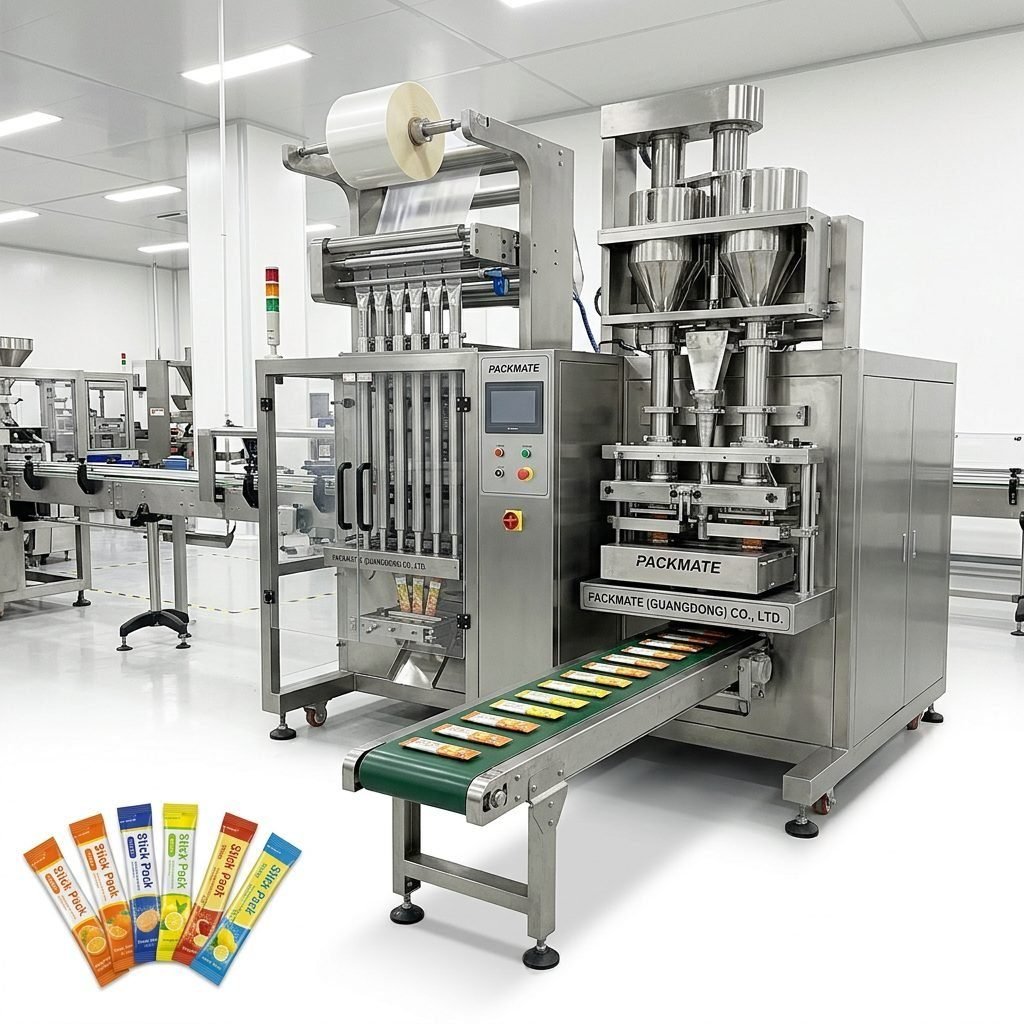
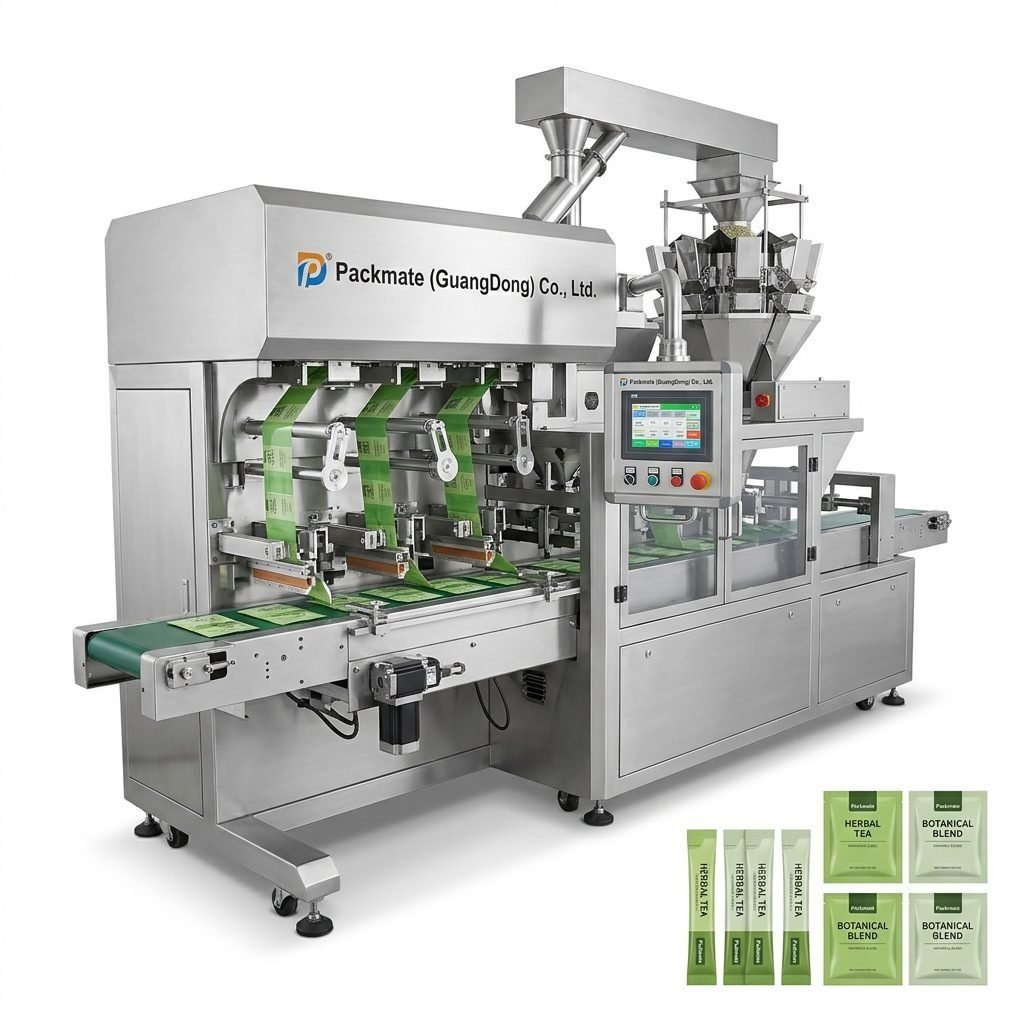
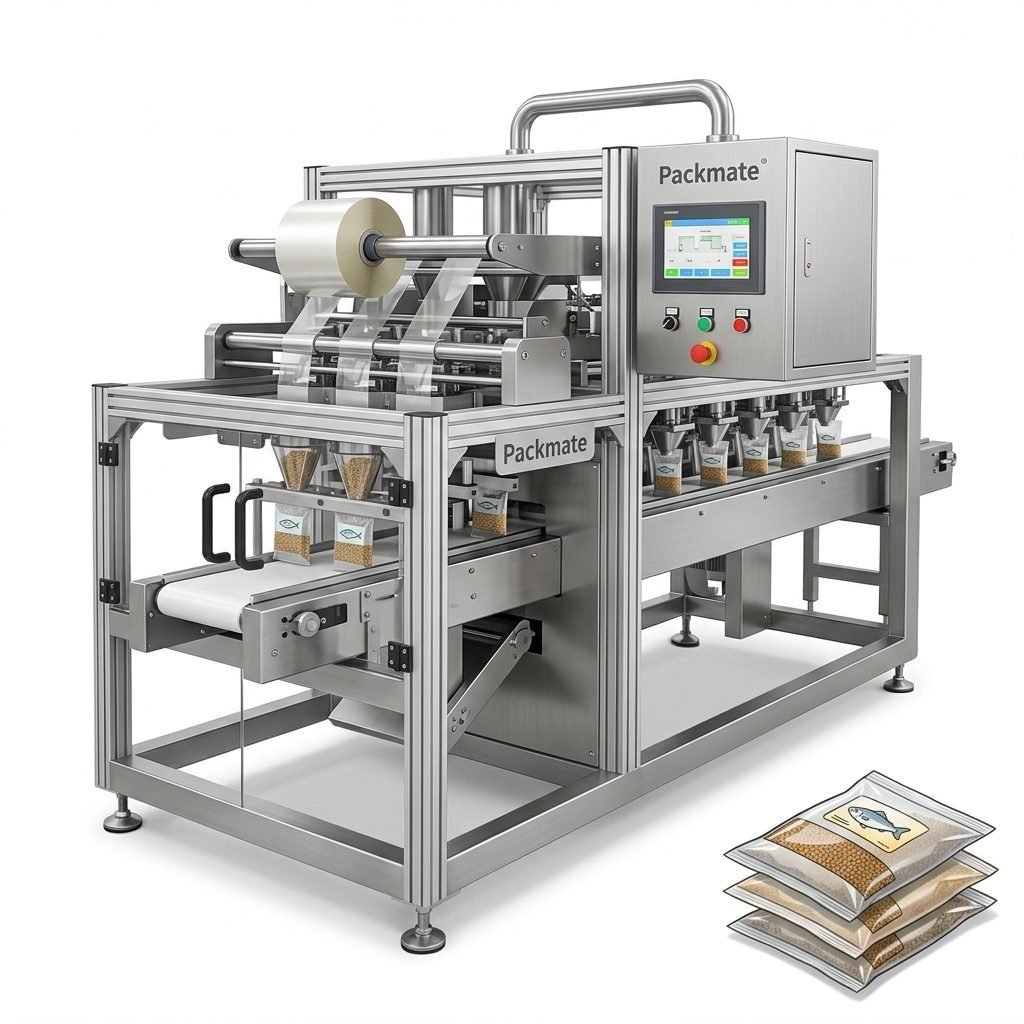
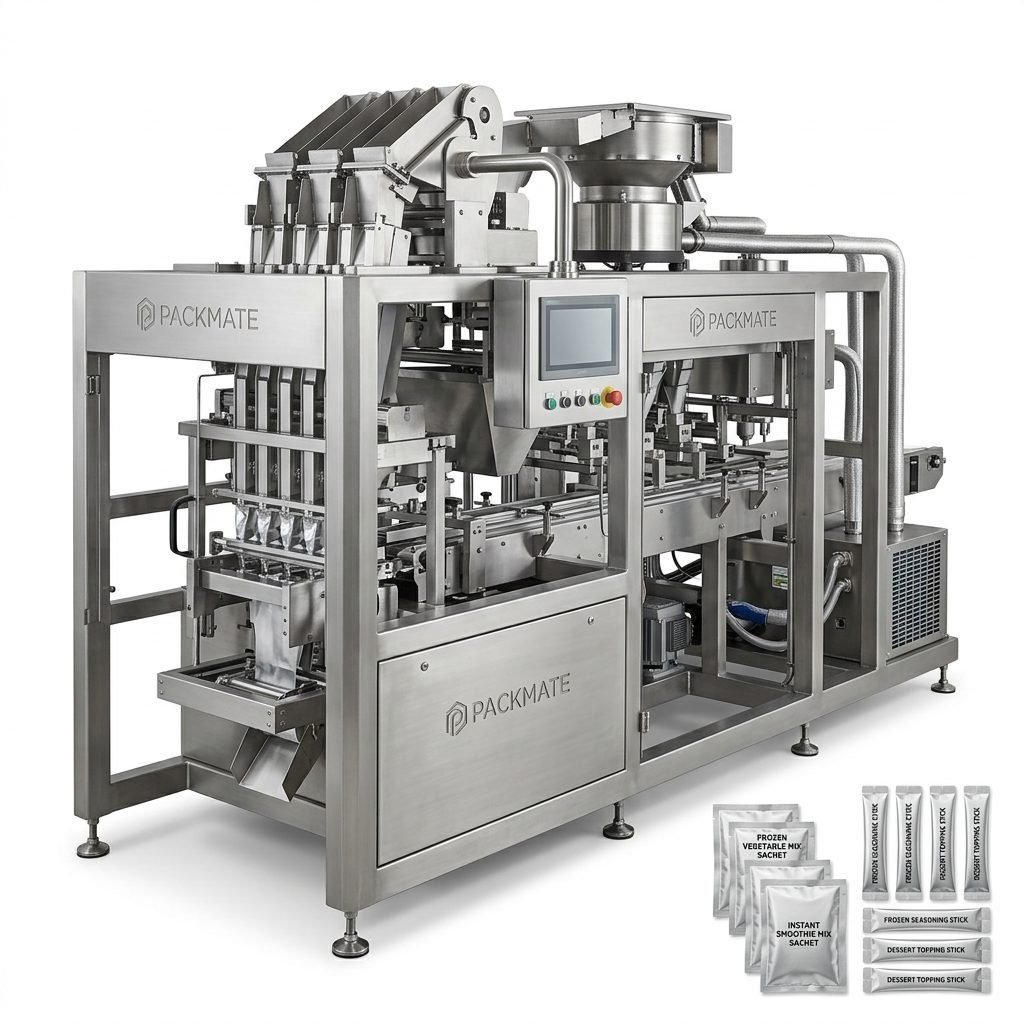
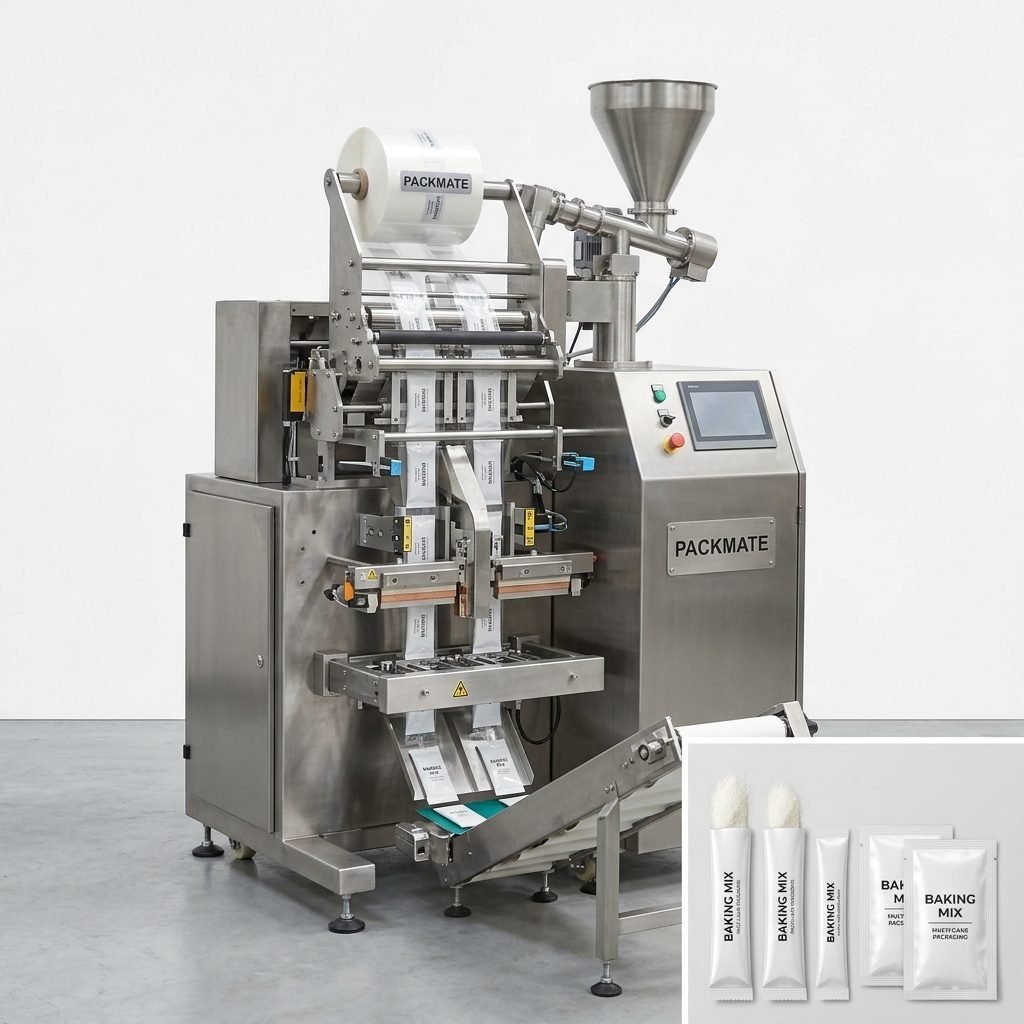
Furthermore, vacuum-sealed products have a superior presentation. The tight, clear packaging looks professional and protects the product from damage during handling and transport. For businesses involved in portion-controlled packaging like sachets and stick packs, integrating vacuum or gas flushing technology can be essential for product integrity. Commercial machines are built for durability and high throughput, capable of sealing hundreds of packages per hour with unwavering reliability, a standard upheld by experienced manufacturers in the field.
Choosing Between Chamber and External Vacuum Sealers
One of the most critical decisions is selecting the machine type. External (or Suction) Sealers are common for home and light commercial use. The bag is placed outside the machine, with a nozzle sucking out the air. They are generally more affordable and work well with textured bags for liquids or powders. However, they are less powerful than chamber models.
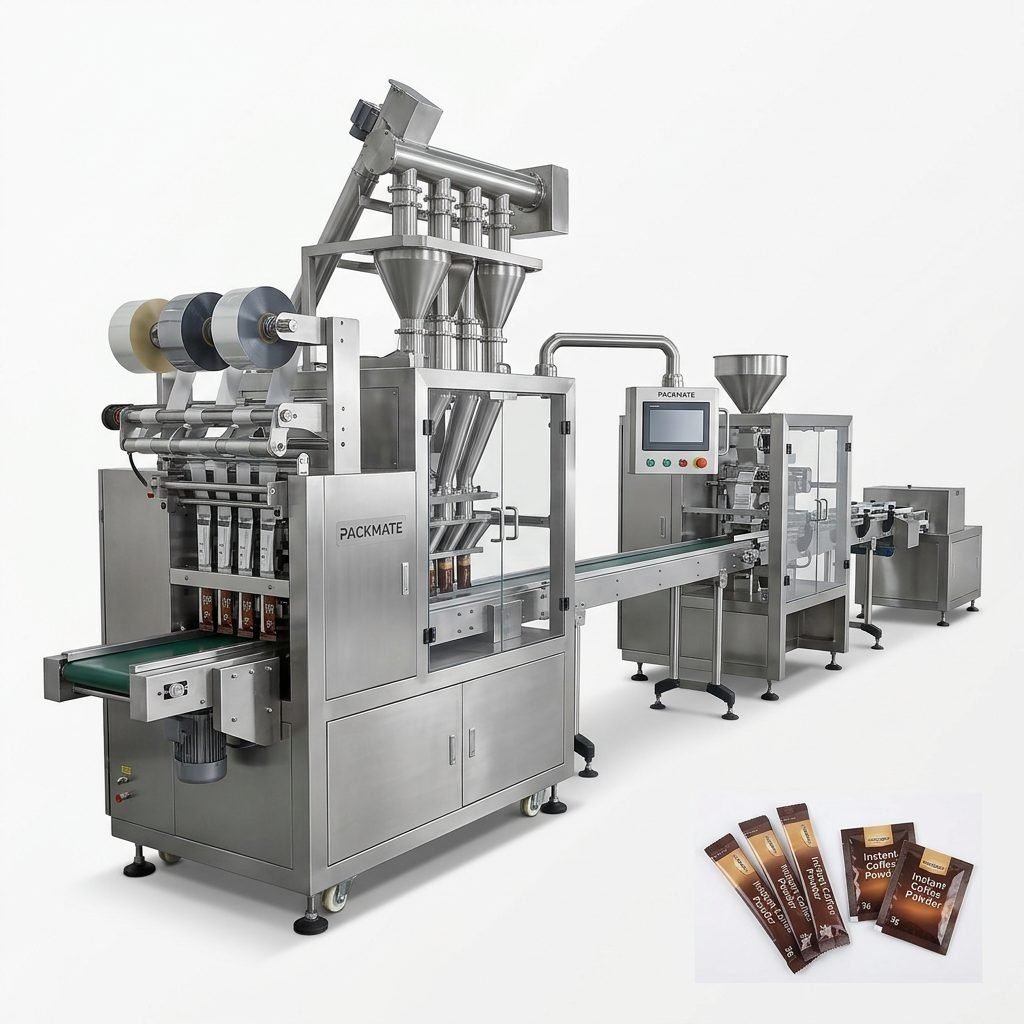
Chamber Vacuum Sealers place the entire bag inside a sealed chamber. A pump removes the air from the entire chamber, resulting in a stronger, more complete vacuum. This method is faster, better for sealing liquids, and is the industry standard for serious commercial applications. They are typically larger, more powerful, and a larger investment. For businesses looking to scale, exploring complete filling and packaging lines that incorporate chamber sealers is a logical progression.
Essential Features to Consider
When evaluating vacuum sealers, pay close attention to these features:
- Vacuum Strength: Measured in bar or CFM (for external sealers). Stronger vacuum equals better preservation.
- Seal Quality & Width: Look for double or pulse seals for redundancy. A wider seal bar is more reliable.
- Bag Compatibility & Roll Storage: Many machines allow you to cut and seal bags from a roll, which is more economical than pre-made bags.
- Cycle Time & Automation: For commercial use, speed is money. Automatic machines significantly outpace manual ones.
- Construction & Durability: Stainless steel construction is preferred for hygiene and longevity, especially in food environments.
Investing in a machine from a company with a proven track record, like Packmate with over 22 years of development and a 20,000㎡ modern facility, ensures access to technical support, genuine spare parts, and reliable performance that protects your investment.
Applications Beyond Food
While food preservation is the primary use, vacuum sealing has diverse applications. In healthcare, it is used for sterilizing medical instruments and packaging sterile supplies. Electronics manufacturers use it to protect sensitive components from moisture and corrosion. Even hobbyists use vacuum sealers for storing collectibles, protecting important paperwork from water damage, or compressing bulky items like bedding for storage.
Maintenance and Best Practices
To ensure longevity and consistent seals, regular maintenance is key. Always keep the sealing bar clean from debris or liquid residues. Use the correct bag thickness and type for your machine—using bags that are too thick can strain the sealer, while bags that are too thin may puncture. For commercial machines, follow the manufacturer’s scheduled maintenance for the vacuum pump and sealing elements. Proper training for operators on how to use auxiliary packaging equipment in harmony with the sealer is also crucial for a smooth workflow.
Making the Right Investment
Choosing a vacuum sealer is an investment in efficiency and preservation. For home users, a reliable external sealer with good vacuum strength and seal width is often sufficient. For small businesses like butcher shops, cafes, or meal prep services, a sturdy chamber vacuum sealer is typically the minimum entry point. Large-scale food processors and manufacturers need to consider automated, high-speed chamber systems that can be integrated into production lines.
Ultimately, the best machine aligns with your volume, product type, and budget. Partnering with an established manufacturer provides not just a machine, but a solution. Companies that offer comprehensive support, from installation and training to after-sales service, help ensure that your vacuum packaging operation runs smoothly and delivers the promised return on investment for years to come.
Frequently Asked Questions (FAQs)
What is the main difference between a home and a commercial vacuum sealer?
The primary differences are power, speed, durability, and features. Commercial sealers are built from heavier-duty materials (like stainless steel) for continuous use, have much stronger vacuum pumps for faster and more complete air removal, offer higher sealing speeds, and often include professional features like gas flushing or programmable memory. Home models are designed for intermittent use and lower volumes.
Can I vacuum seal liquids?
Yes, but the method depends on the machine. Chamber vacuum sealers excel at sealing liquids because the vacuum is applied evenly around the bag, preventing the liquid from being sucked out. With external sealers, you typically need to use the “Pulse” or “Moist” setting, freeze the liquid first, or use bags with a textured interior to create air channels.
How much longer does vacuum-sealed food last?
In the refrigerator, vacuum-sealed foods typically last 3 to 5 times longer than those stored in conventional packaging. In the freezer, they can be stored for 2 to 3 years without noticeable freezer burn, compared to a few months for standard wrapping. Exact times vary by food type.
Are vacuum sealer bags reusable?
Generally, they are not designed to be reused for food after the initial seal is cut open, as cleaning them thoroughly and re-sealing effectively is very difficult and can compromise food safety. However, you can reuse bags for non-food items like organizing hardware or craft supplies.
What maintenance does a vacuum sealer require?
Basic maintenance includes wiping the sealing bar clean after every use to remove any residue, ensuring the vacuum channel is clear, and occasionally checking the seal bar for wear. For chamber machines, oil levels in the vacuum pump (if oil-lubricated) must be monitored and changed per the manufacturer’s schedule. Always refer to the user manual for specific maintenance instructions.