Navigating the world of food packaging machinery can be a complex task. With numerous machine types, configurations, and technical specifications to consider, making the right investment is crucial for operational efficiency and product quality. This comprehensive guide is designed to simplify your selection process, offering practical tips and direct access to valuable PDF resources for deeper technical understanding.
Understanding Your Packaging Needs
Before diving into machine specifications, a thorough analysis of your specific requirements is the essential first step. This foundational assessment will guide every subsequent decision.
Key Factors to Define:
Product Characteristics: Is your product a powder, granule, liquid, paste, or solid? Each type demands different filling and handling mechanisms. For example, hygroscopic powders require specialized auger fillers, while viscous liquids need piston fillers.
Production Speed & Output: Calculate your required output in packs per minute (PPM) or units per hour (UPH). Be realistic about your current needs and future growth projections to avoid under or over-specifying your machinery.
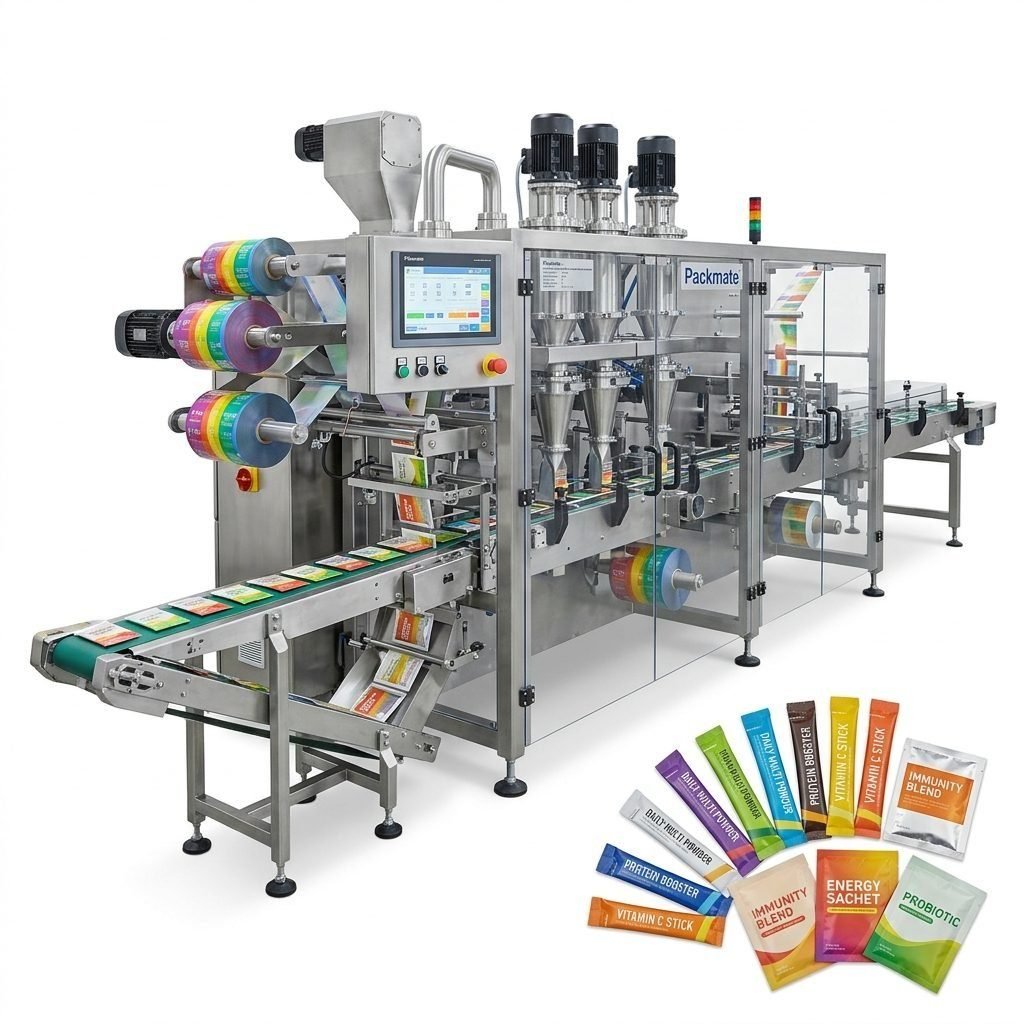
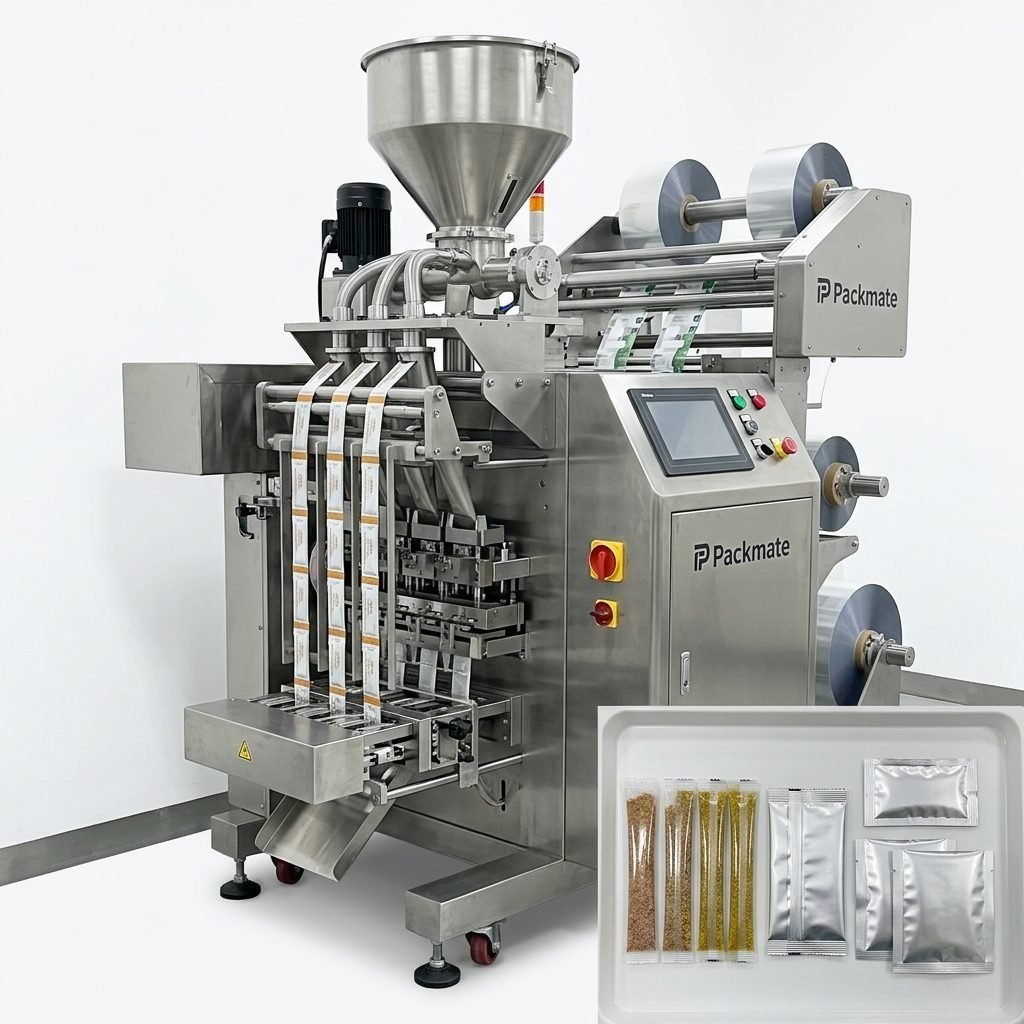
Packaging Materials & Formats: Determine your desired final package. Are you producing sachets, stick packs, pillow bags, gusseted bags, or stand-up pouches? The material (laminate film, aluminum foil, recyclable mono-material) directly influences the type of forming, sealing, and cutting systems needed.
Core Types of Food Packaging Machinery
The market offers a wide array of equipment, often categorized by their function in the packaging line. Understanding these core types is vital.
Vertical Form-Fill-Seal (VFFS) Machines
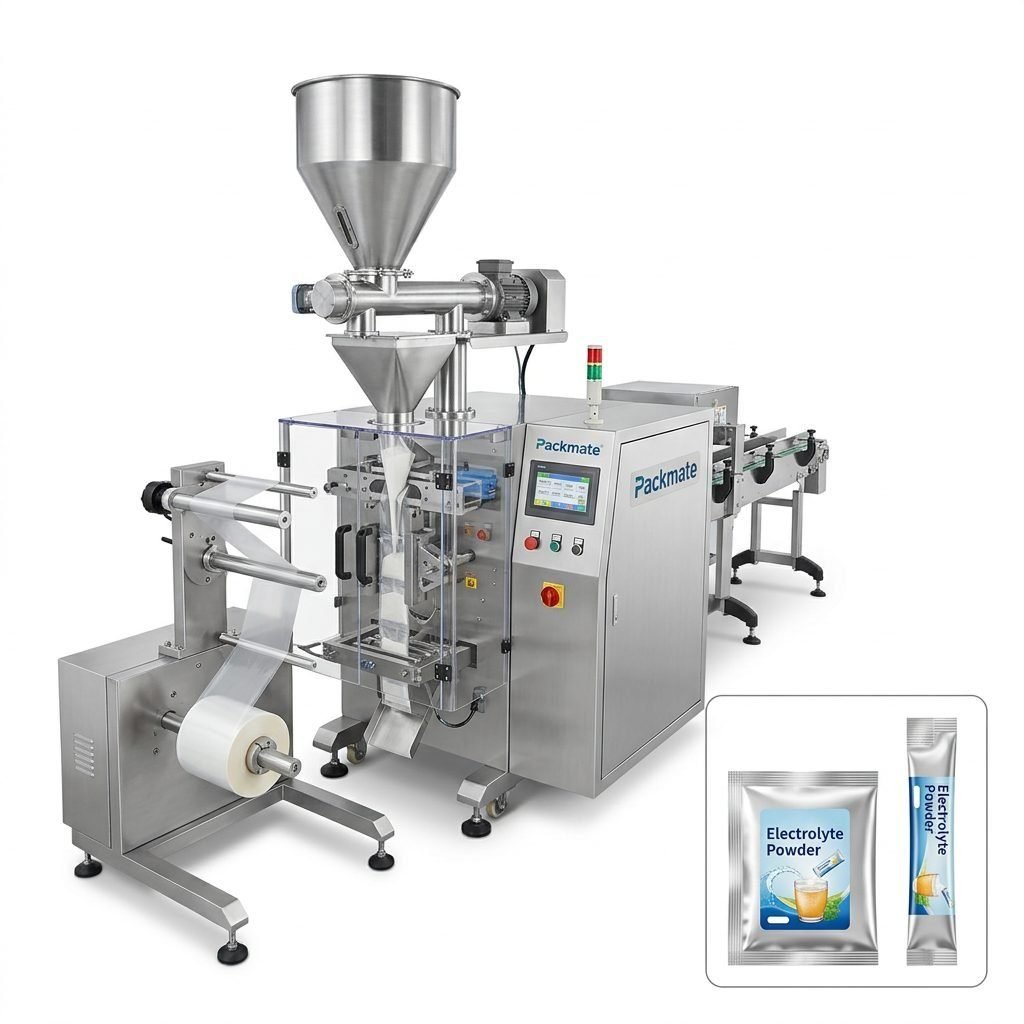
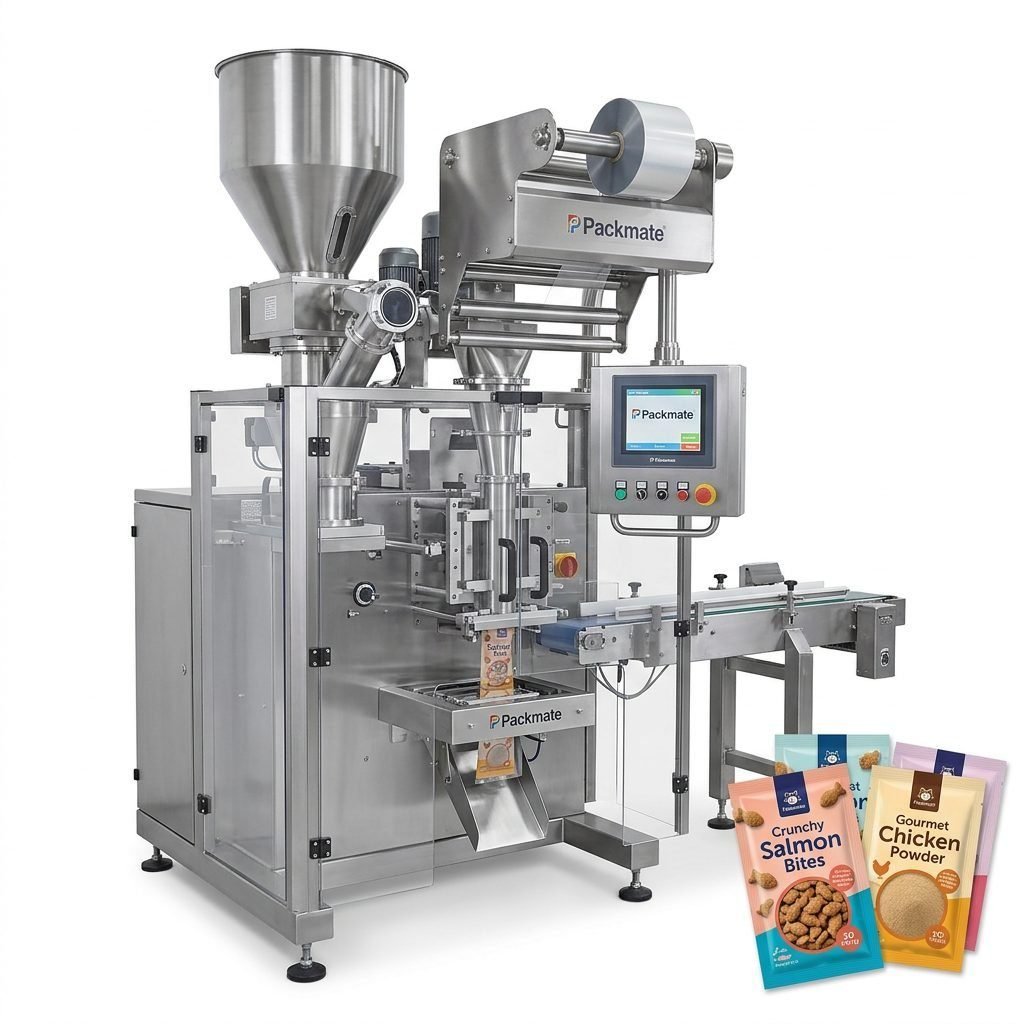
These are the workhorses of the industry for producing bags and pouches from a roll of flat film. The machine forms the bag, fills it with product, and seals it in a continuous vertical motion. They are highly versatile and suitable for a vast range of dry foods, snacks, and frozen products. For a detailed look at advanced VFFS solutions, explore our range of bag & pouch packaging machines.
Horizontal Form-Fill-Seal (HFFS) Machines
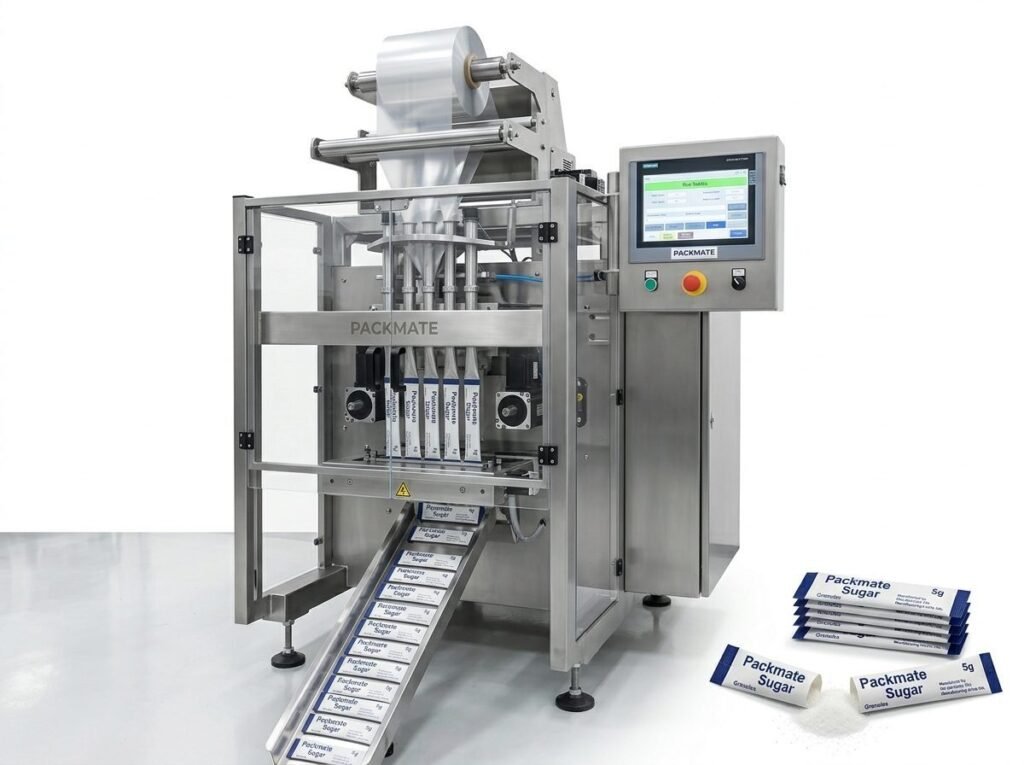
Ideal for producing precise, neat packages like stick packs and sachets, HFFS machines work on a horizontal plane. They are often used for single-serve portions of sugar, coffee, sauces, and condiments, offering excellent presentation and high-speed capabilities.
Filling Machines
Filling technology is critical for accuracy and speed. Common types include:
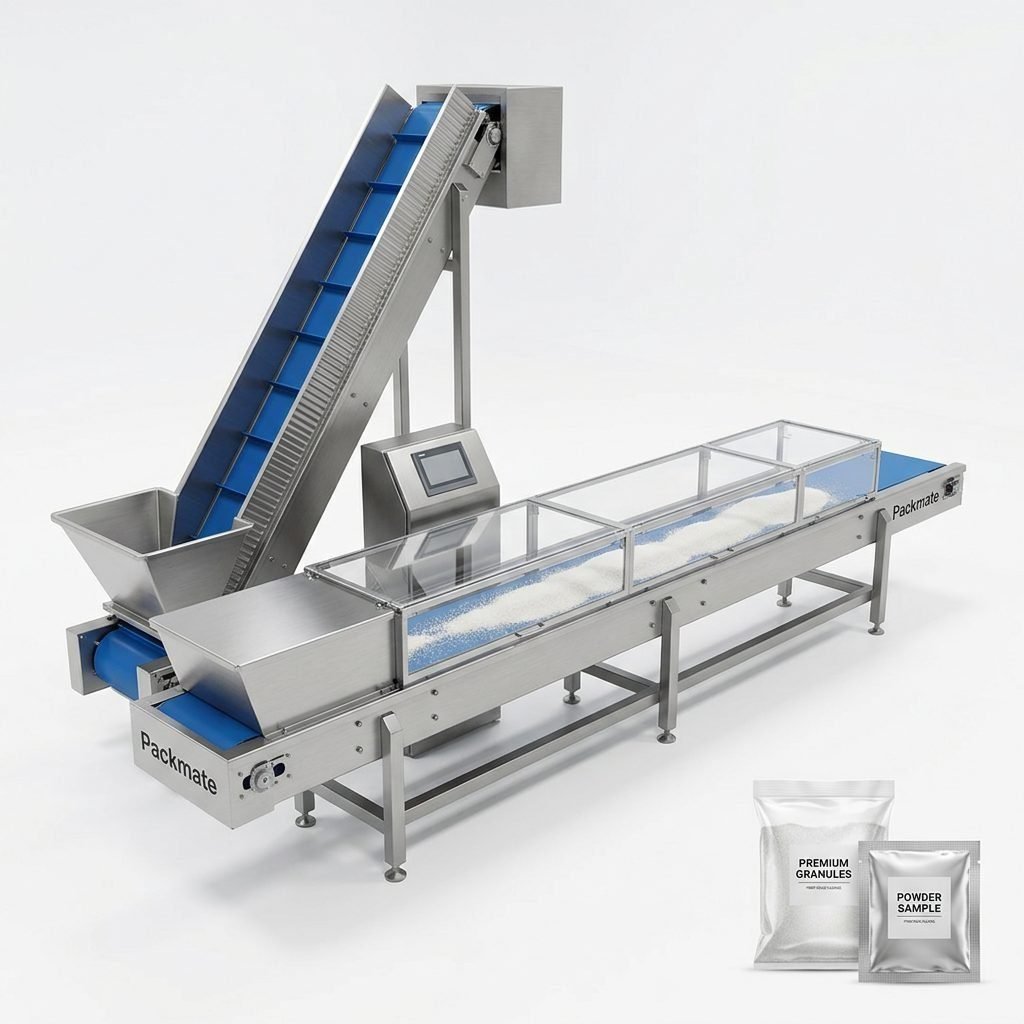
- Auger Fillers: Best for powders and granular products. Accuracy depends on powder characteristics and auger design.
- Volumetric Cup Fillers: Suitable for uniform-sized free-flowing products like nuts or candies.
- Liquid Fillers (Piston/Gravity/Flowmeter): Used for oils, sauces, and beverages. Piston fillers offer high precision for viscous products.
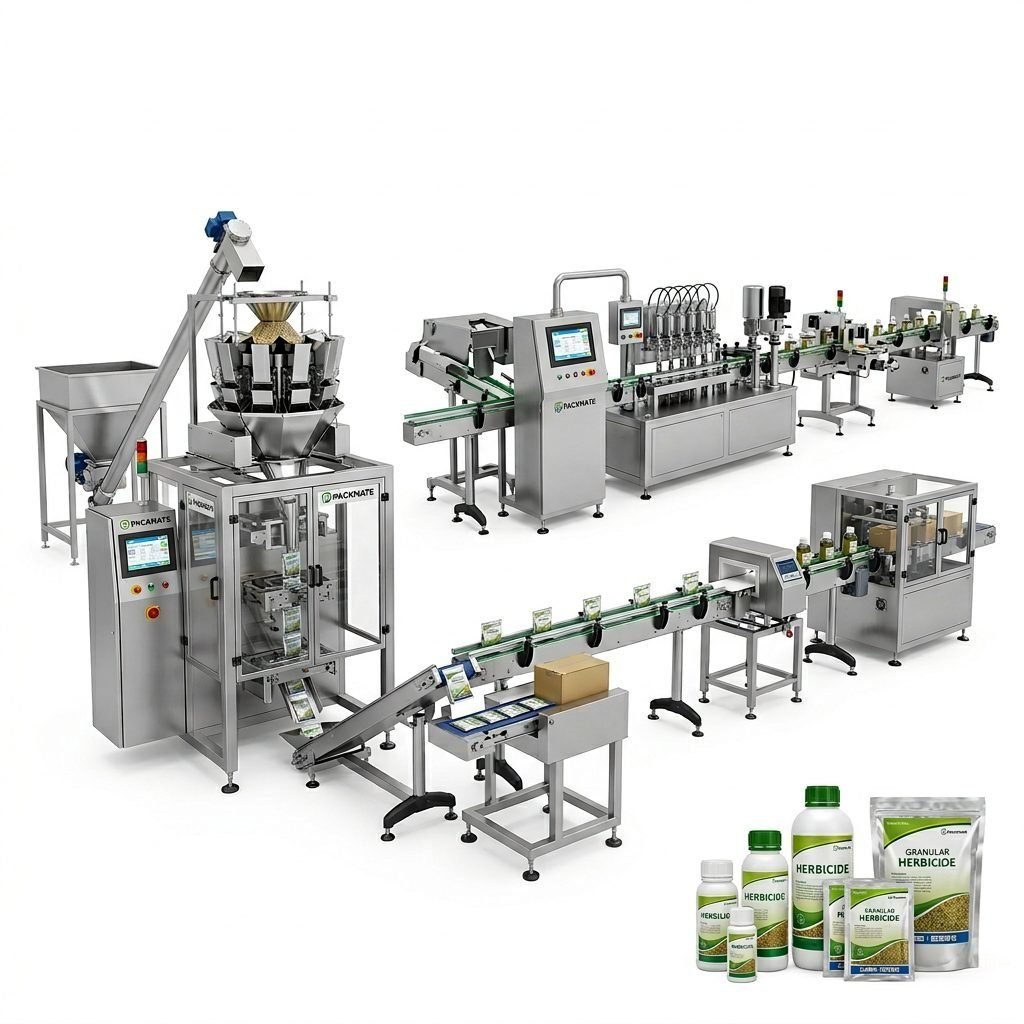
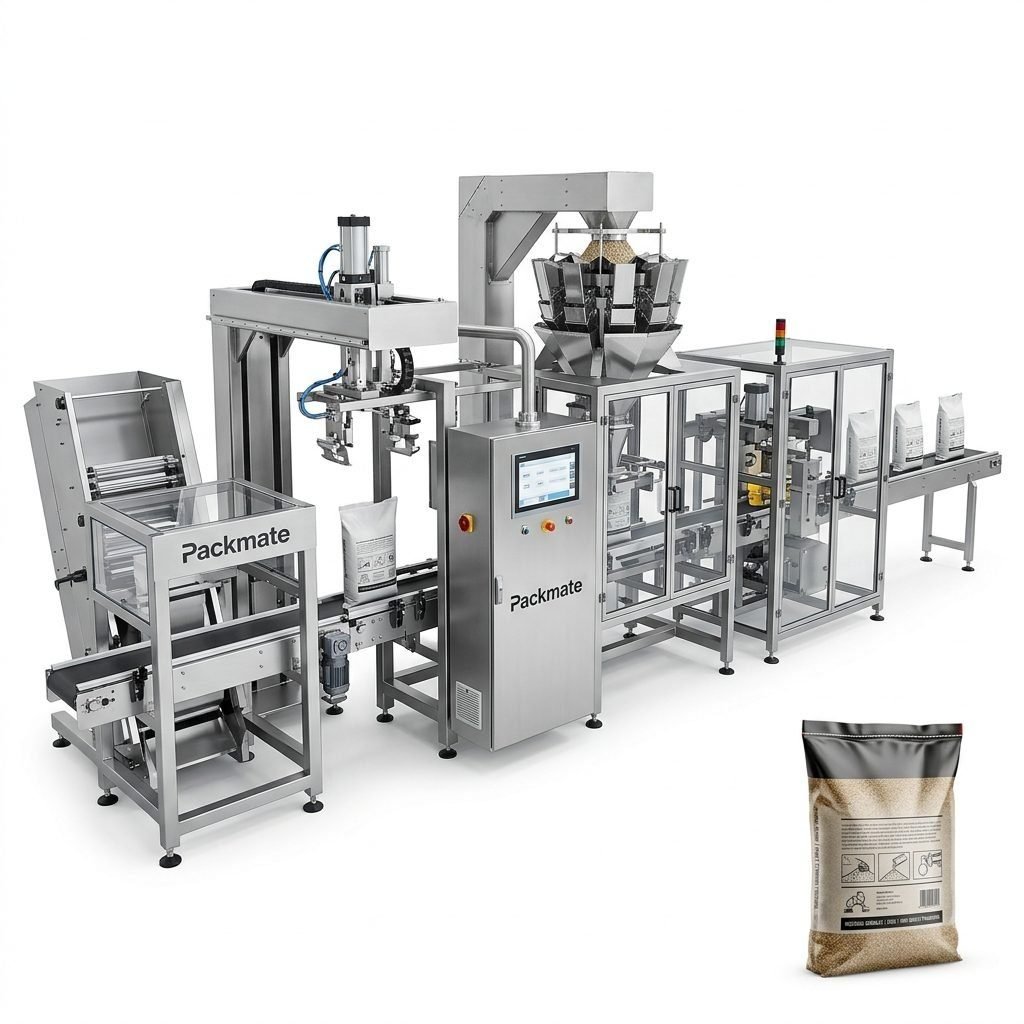
For complex production needs, integrating these into a complete filling & packaging line ensures seamless operation.
Essential Selection Criteria and Tips
With a clear understanding of machine types, focus on these critical evaluation criteria to make an informed purchase.
1. Machine Flexibility and Changeover Time
In today’s market, the ability to run multiple package sizes or products on one machine is a significant advantage. Evaluate how quickly and easily tooling can be changed. Machines with quick-change systems for formers, fillers, and sealers minimize downtime and increase overall equipment effectiveness (OEE).
2. Hygiene, Safety, and Construction
Food-grade compliance is non-negotiable. Look for machines constructed with stainless steel (304 or 316 grade) in product contact areas. Design should facilitate easy cleaning without tool disassembly (CIP – Clean-in-Place features). Safety guards, emergency stops, and compliance with international standards (CE, UL) are mandatory.
3. Control System and Automation Level
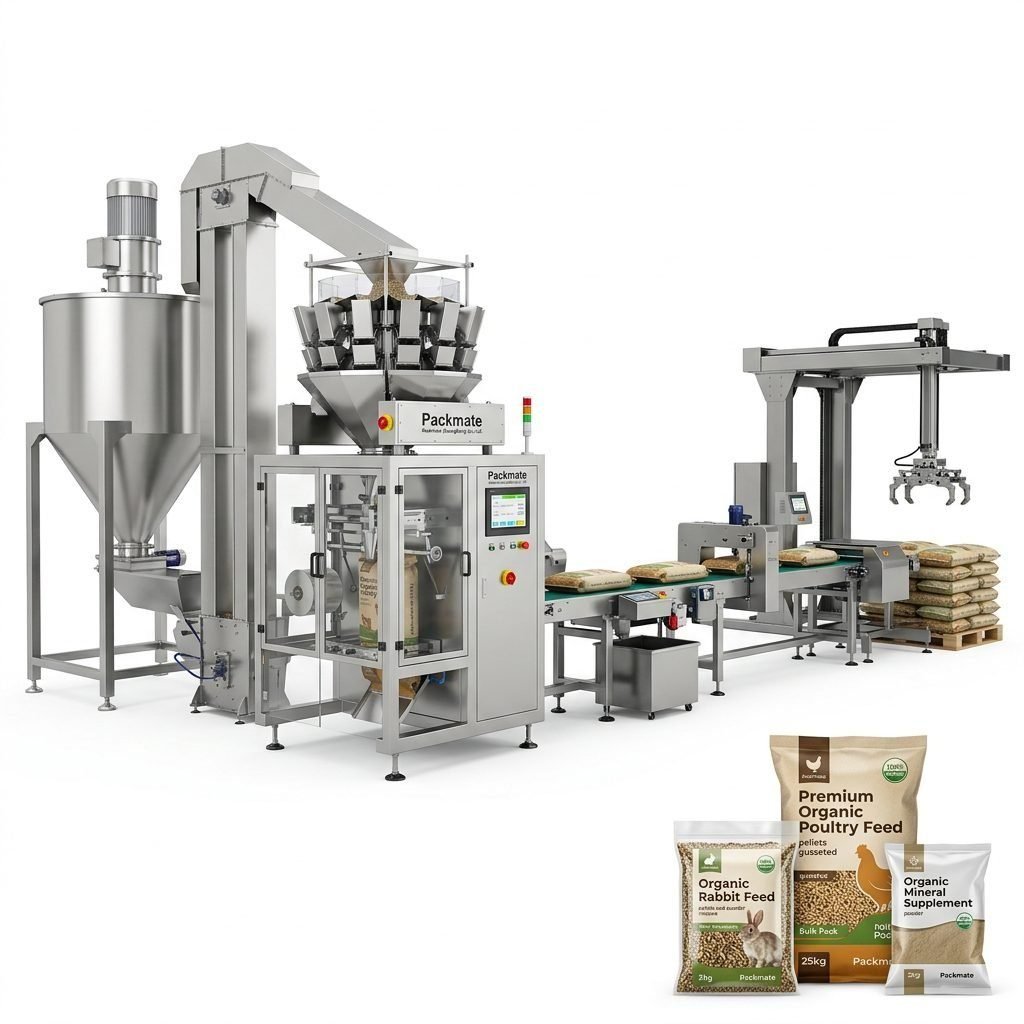
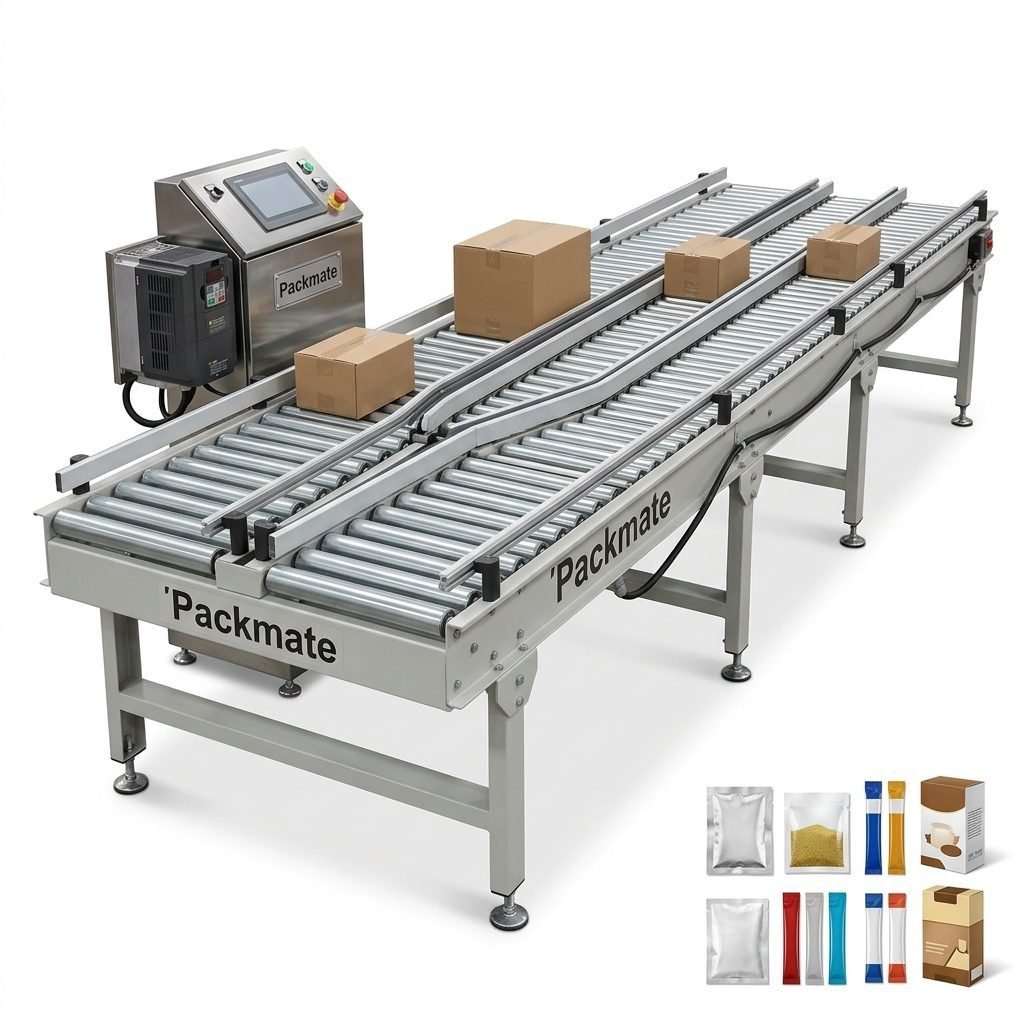
A user-friendly Human-Machine Interface (HMI) with recipe storage simplifies operation. Consider the level of automation you need: from semi-automatic to fully automated lines with integrated weighing & packaging systems and robotics. Higher automation reduces labor costs and improves consistency.
4. Supplier Reputation and Support
The machine is only as good as the company behind it. Research the manufacturer’s history, client portfolio, and after-sales service. A supplier with over 30 years of experience, like Packmate Machinery, brings invaluable expertise in solving real-world packaging challenges. Review their case studies and ensure they offer comprehensive training, spare parts availability, and technical support.
Leveraging Technical Resources: The Value of PDF Guides
Manufacturer-provided documentation is an invaluable, often underutilized resource. Detailed PDF catalogs, specification sheets, and manuals offer objective data to compare options.
What to Look for in a Technical PDF:
- Detailed Specifications: Exact dimensions, power requirements, air consumption, speed ranges, and accuracy metrics.
- Clear Diagrams and Layouts: Machine footprint, component labeling, and possible line configurations.
- Material Compatibility Lists: Approved film types and thicknesses the machine can handle.
- Optional Accessories: A list of available add-ons like date coders, checkweighers, or nitrogen flushing systems.
Accessing these resources early in your research phase allows for a more accurate comparison and helps formulate precise questions for suppliers.
Implementing Your New Machinery
Successful implementation goes beyond the purchase order. Proper planning for installation and operation is key to a rapid return on investment.
Post-Purchase Checklist:
Site Preparation: Ensure your facility meets all utility requirements (electrical, compressed air, floor load) and has adequate space for operation, maintenance, and material flow.
Comprehensive Training: Insist on thorough training for operators, mechanics, and electricians. Understanding basic troubleshooting can prevent prolonged downtime.
Spare Parts Strategy: Work with your supplier to identify and stock critical spare parts (like seals, sensors, and commonly worn components) to minimize future stoppages.
Performance Validation: Run extended production tests with your actual product and packaging materials to verify speed, accuracy, and seal integrity before final acceptance.
Frequently Asked Questions (FAQs)
What is the typical lead time for a new packaging machine?
Lead times vary significantly based on machine complexity, customization, and manufacturer backlog. For standard models, expect 8-16 weeks. Highly customized or fully integrated lines can take 20 weeks or more. Always confirm timelines with your supplier during the quotation process.
How do I choose between a Vertical (VFFS) and Horizontal (HFFS) machine?
The choice primarily depends on your desired package format and product. VFFS machines are best for bags and pouches (like chips or frozen vegetables), while HFFS machines excel at producing flat, precise sachets and stick packs (like ketchup or instant coffee). Product flow characteristics and required production speed are also deciding factors.
What are the most common causes of packaging machine downtime?
Frequent causes include film web breaks due to misalignment or poor film quality, filling system blockages (especially with cohesive powders), seal quality issues from contaminated seal jaws or incorrect temperature/pressure settings, and minor sensor faults. A robust preventive maintenance schedule is the best defense.
Can one machine handle different packaging materials?
Most machines have a range of compatible materials, but switching between very different films (e.g., from a laminate to a recyclable mono-material) often requires adjustments or changes to the former, sealing jaws, and possibly the film feeding system. Discuss your multi-material needs explicitly with the machine builder.
Where can I find reliable technical guides and catalogs for download?
Reputable manufacturers provide these resources on their websites. You can find detailed catalogs and specification sheets for various packaging solutions, including comprehensive machine catalogs available for download, which provide in-depth technical data to aid your selection process.