In the fast-paced world of logistics and e-commerce, efficient shipping is the backbone of customer satisfaction and business success. The right distribution packaging equipment is not merely a tool; it’s a strategic asset that can dramatically streamline operations, reduce costs, and ensure products arrive in pristine condition. This article explores the top categories of equipment essential for creating an efficient, reliable, and scalable shipping process.
Automated Carton Erectors and Sealers
Manual box assembly is a significant bottleneck in high-volume environments. Automated carton erectors and sealers transform flat corrugated blanks into set-up, bottom-sealed, or fully sealed boxes in seconds. These systems integrate seamlessly with conveyor lines, automatically adjusting to various box sizes. The result is a dramatic increase in packaging speed and consistency while reducing labor costs and physical strain on workers. For businesses experiencing seasonal spikes or steady growth, this automation is a game-changer for maintaining throughput.
Key Benefit: The transition from manual to automated box forming can increase packaging line speed by 300% or more, while also ensuring every carton has a uniform, secure seal that minimizes the risk of damage during transit.
High-Speed Taping and Labeling Systems
Once a carton is sealed, it needs to be secured and identified. Advanced taping machines apply pressure-sensitive tape with precision, offering options for single-top, single-bottom, or full “L” and “H” sealing patterns for maximum security. Following this, automated print-and-apply labeling systems are crucial. They print variable data (like shipping addresses, tracking barcodes, and compliance labels) on demand and accurately place them onto the moving carton. This eliminates the errors and delays associated with manual labeling and pre-printed label inventory.
Choosing the Right Void Fill Solution
Protecting products from shock and vibration inside the box is non-negotiable. The market offers several automated void fill solutions, each with advantages. Air pillow systems are cost-effective and use minimal warehouse space, as they create cushioning on demand from a roll of film. Paper filling systems, which crumple kraft paper into a dense nest, offer excellent protection and are fully recyclable, appealing to eco-conscious brands. For fragile or high-value items, foam-in-bag systems provide superior, form-fitting cushioning. Integrating these systems with scales and dimensioners can automatically dispense the precise amount of dunnage needed for each unique order, optimizing material use.
Automated Bagging and Pouch Packaging
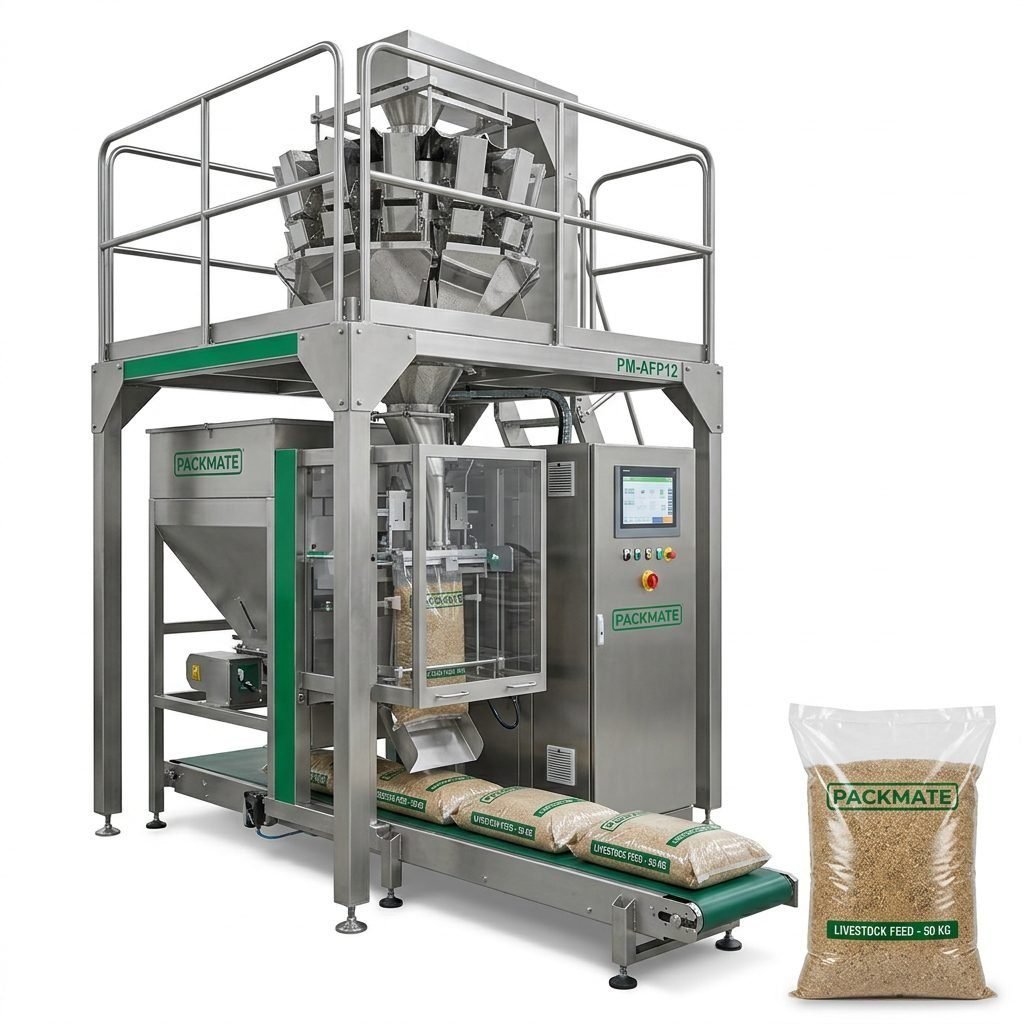
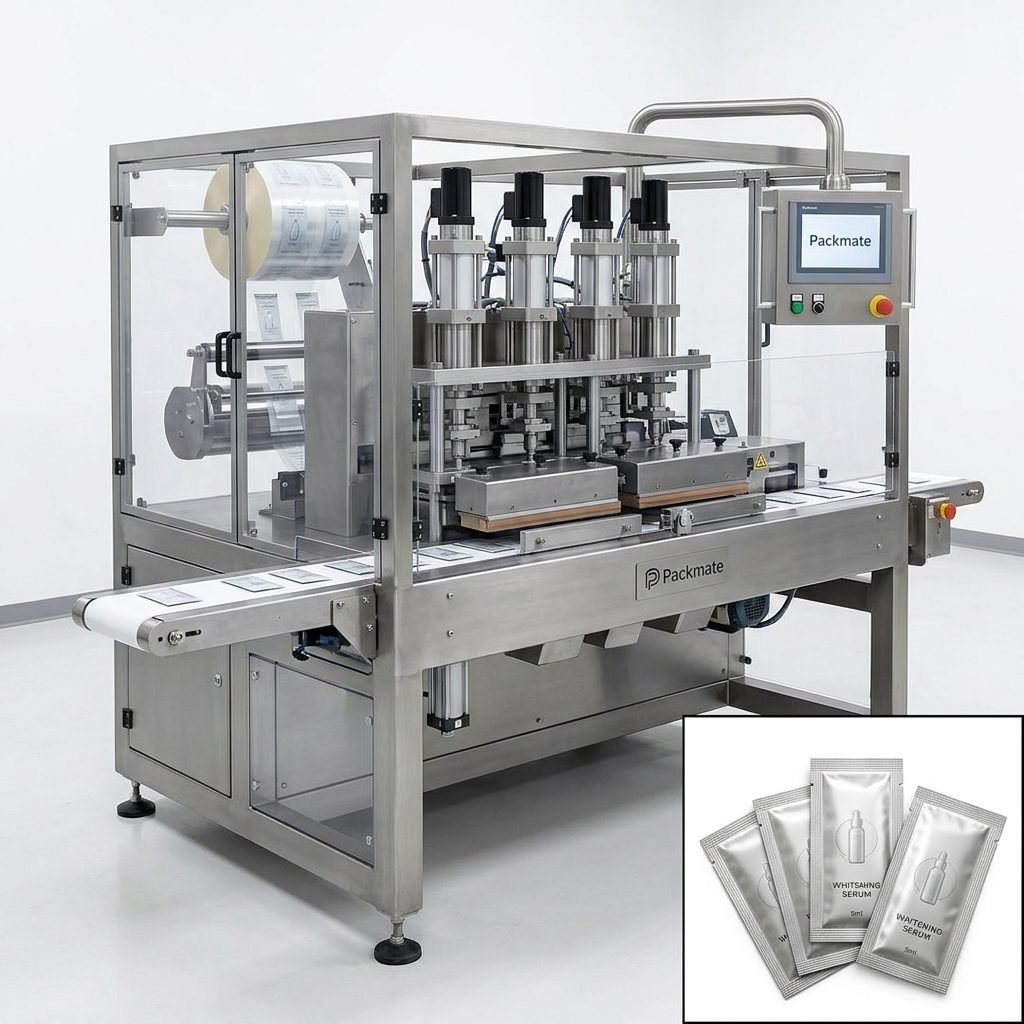
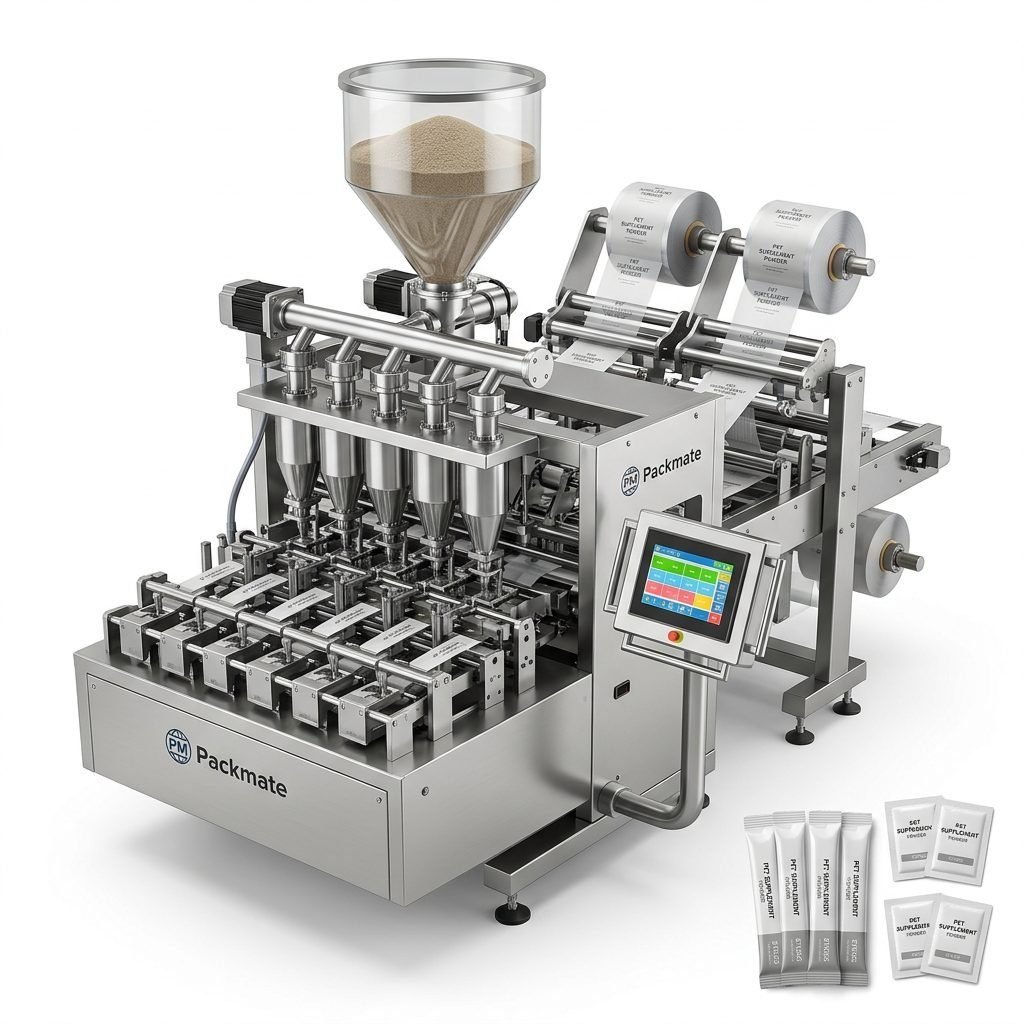
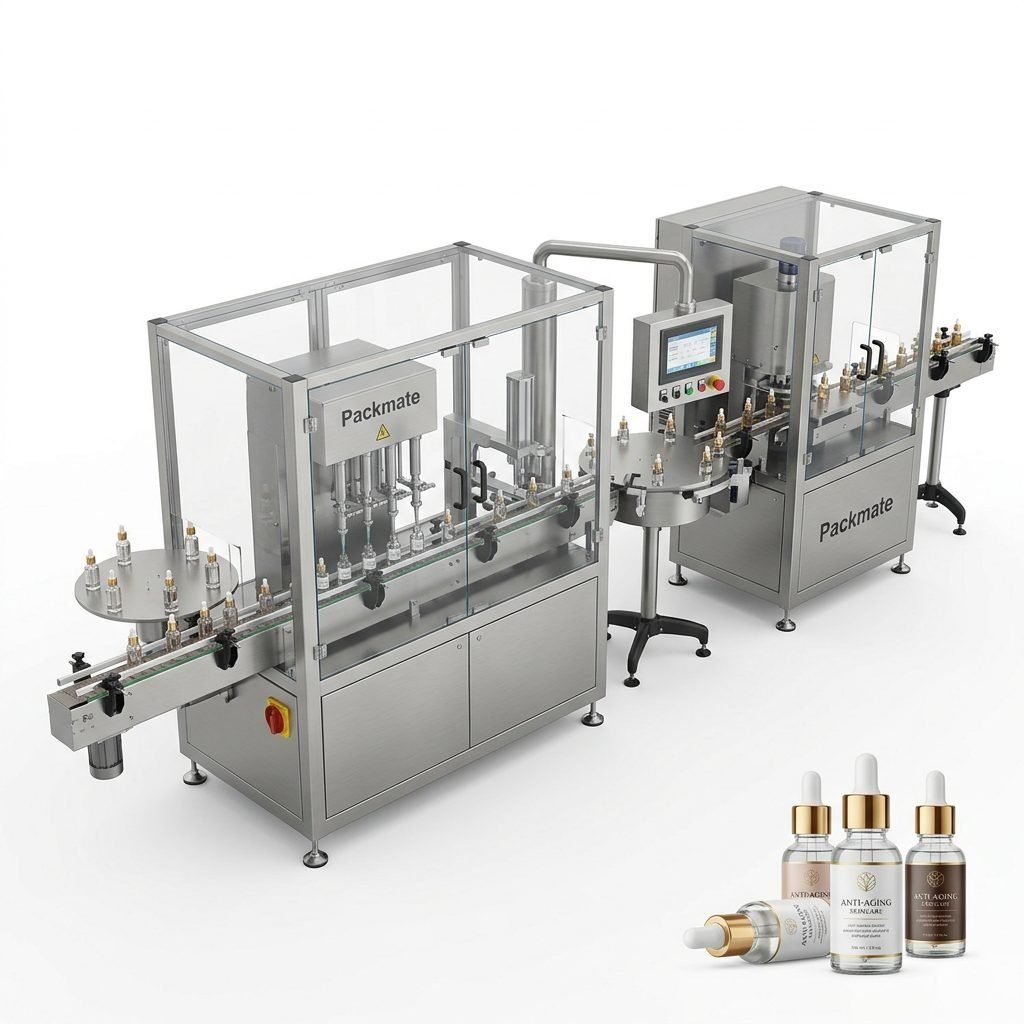
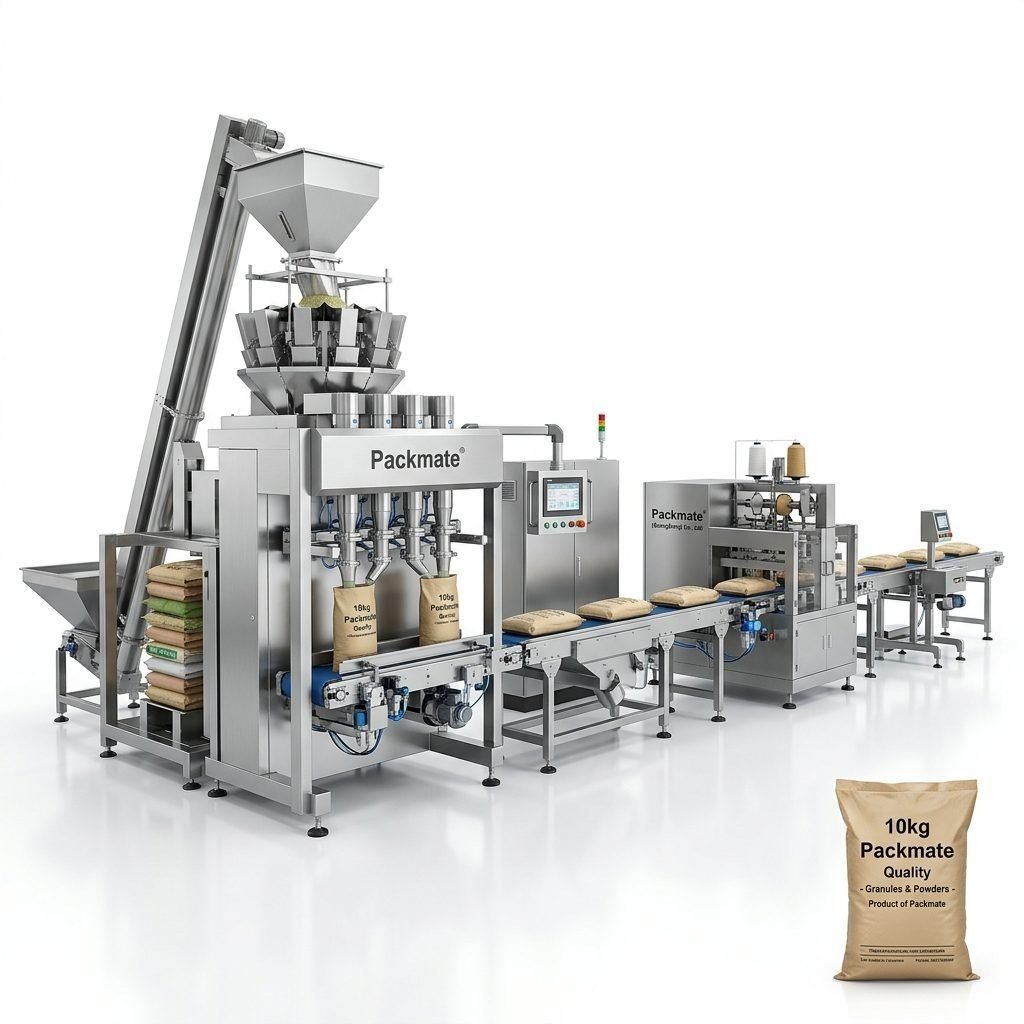
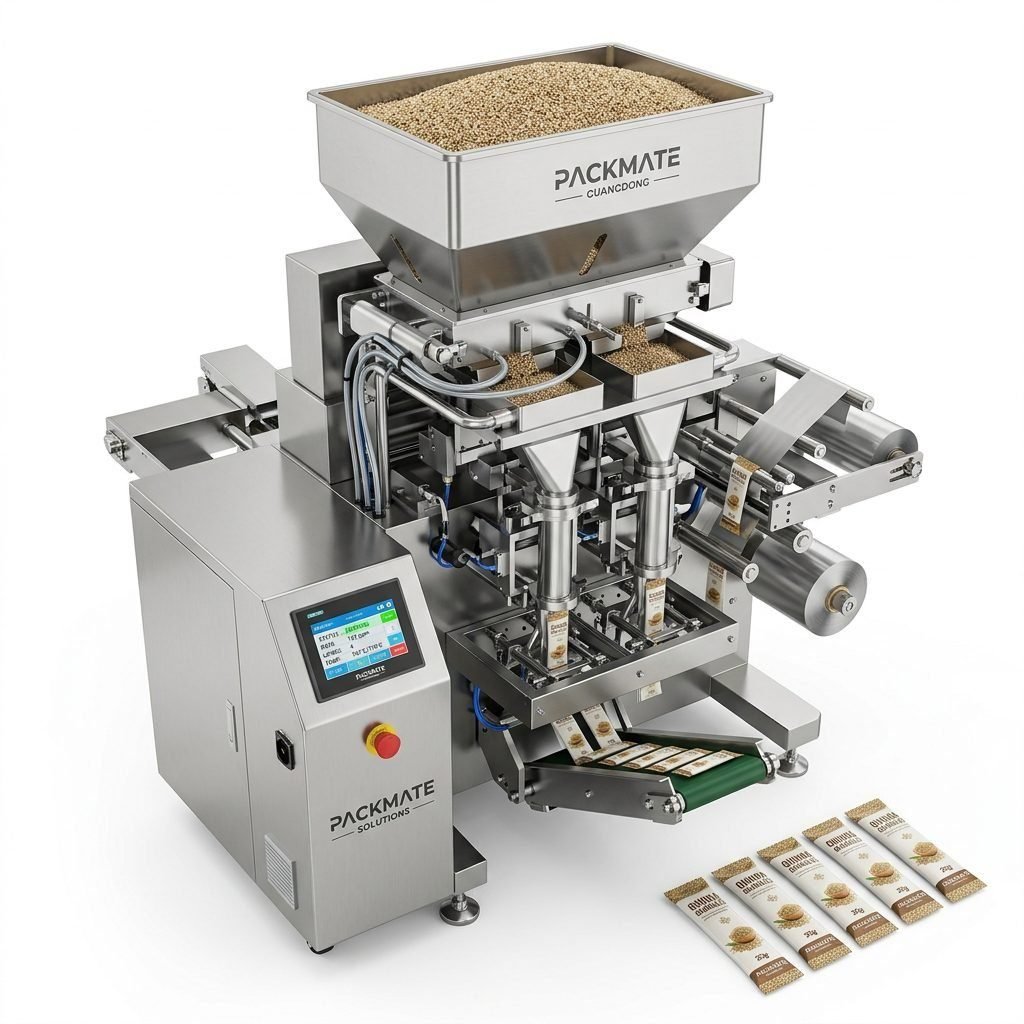
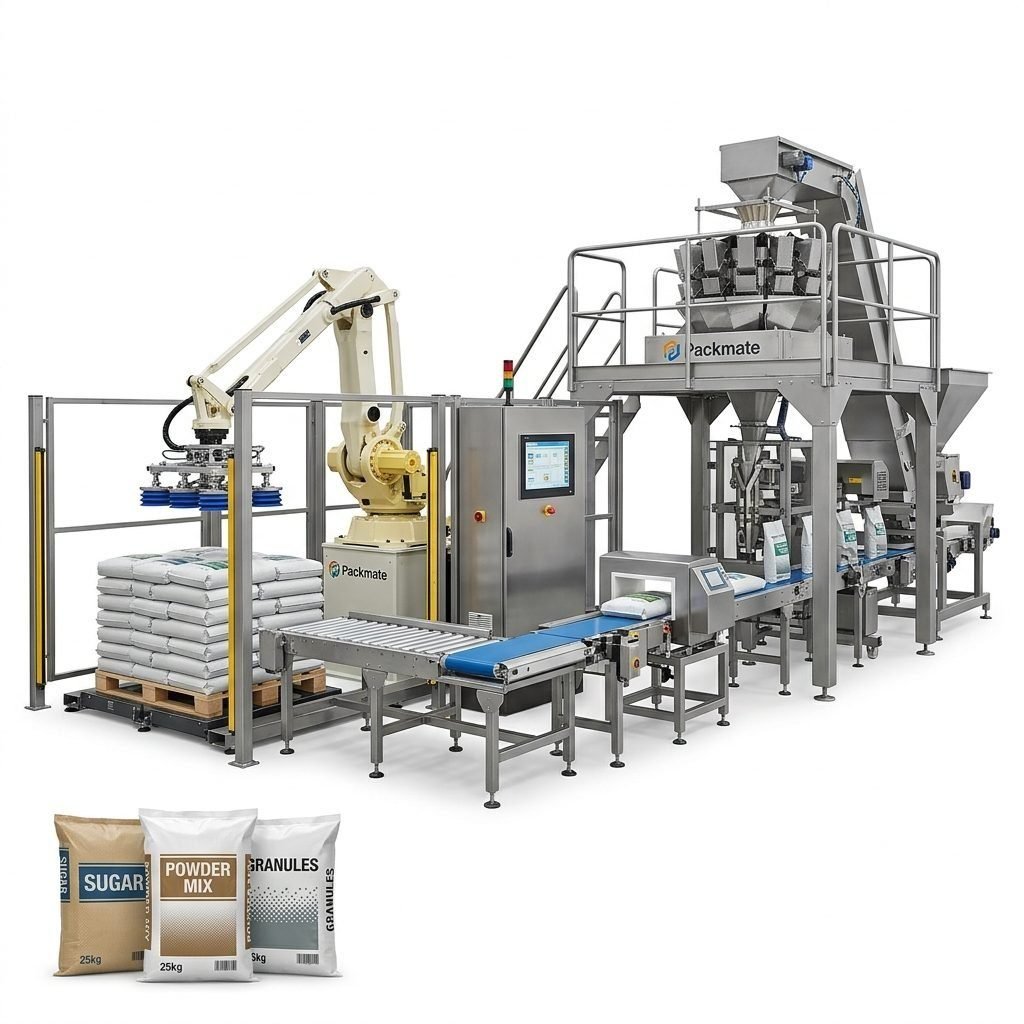
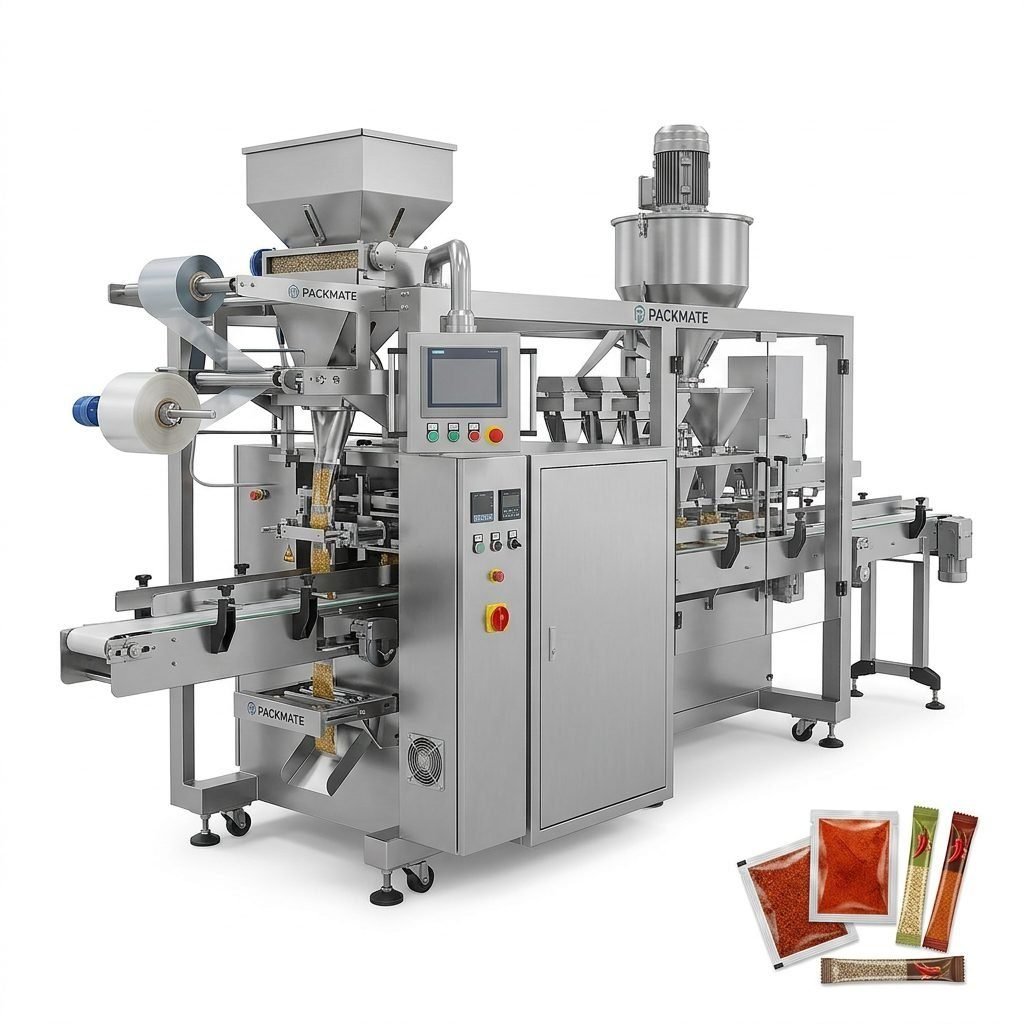
For many products, especially in apparel, soft goods, or small parts, flexible packaging like mailer bags or poly bags is more efficient than rigid boxes. Automated bagging machines open, inflate, and present bags for easy product insertion at high speeds. More advanced systems can automatically insert products, seal the bag, and apply a label in one continuous motion. This method significantly reduces packaging material costs and shipping weight (dimensional weight), leading to substantial savings on carrier fees. Companies like Packmate Machinery specialize in such automated solutions for various industries.
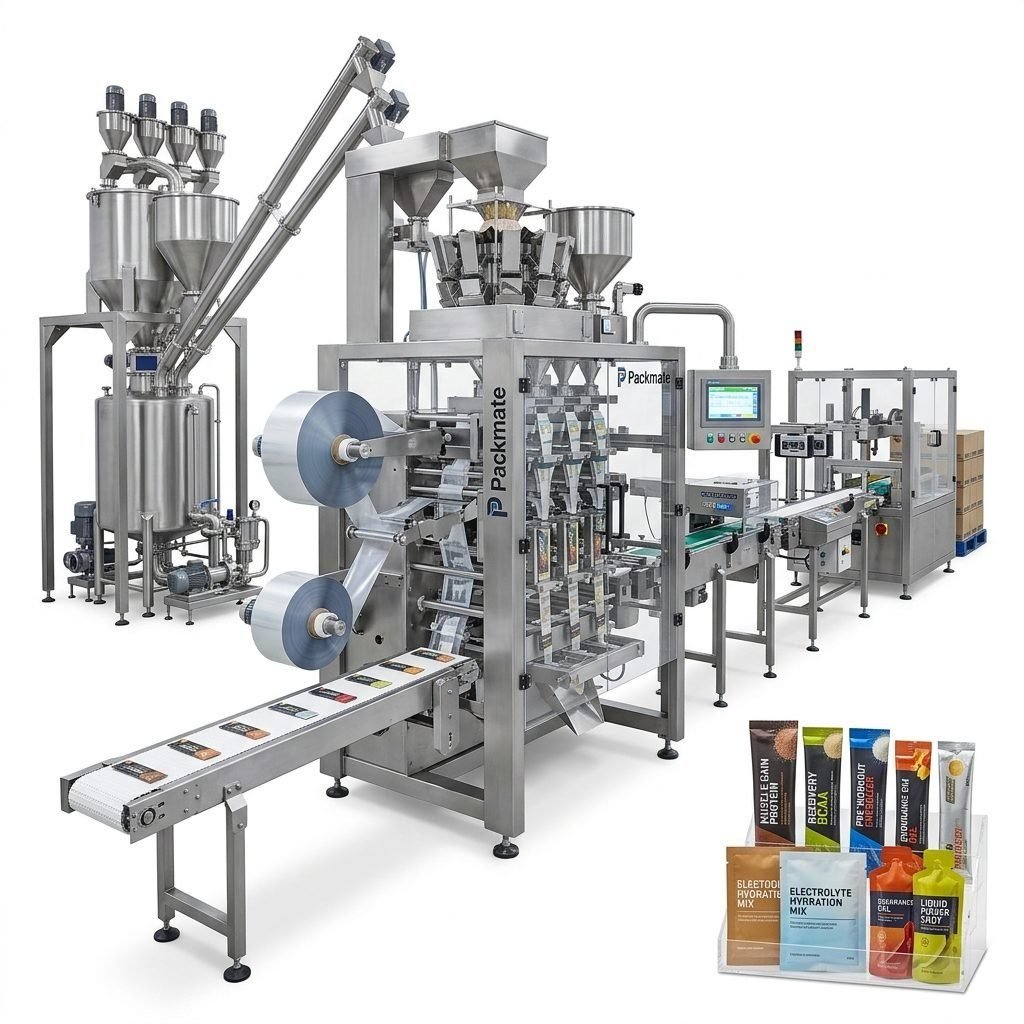
Integration is Key: The most significant efficiency gains come from integrating individual machines into a cohesive system. A modern distribution line might sequence a carton erector, an automated weighing and packaging system, a void fill dispenser, a top sealer, and a labeler—all controlled by a central Warehouse Management System (WMS). This orchestration minimizes human touchpoints and creates a seamless flow from picking to shipping.
The Role of Weighing, Cubing, and Shipping Software
Efficiency extends beyond physical packaging. In-line dimensioning and weighing systems (dimensioners) capture the precise size and weight of every package as it moves down the line. This data is critical for:
- Accurate Carrier Billing: Ensuring you are charged correctly based on actual dimensional weight.
- Optimized Carton Selection: Software can analyze order contents and recommend the smallest possible carton size, saving on materials and freight.
- Real-Time Analytics: Providing insights into packaging material usage, shipping costs, and line performance.
This data feeds directly into shipping software, which automatically compares rates across carriers, selects the best service, and generates compliant documentation and labels.
Sustainability in Distribution Packaging
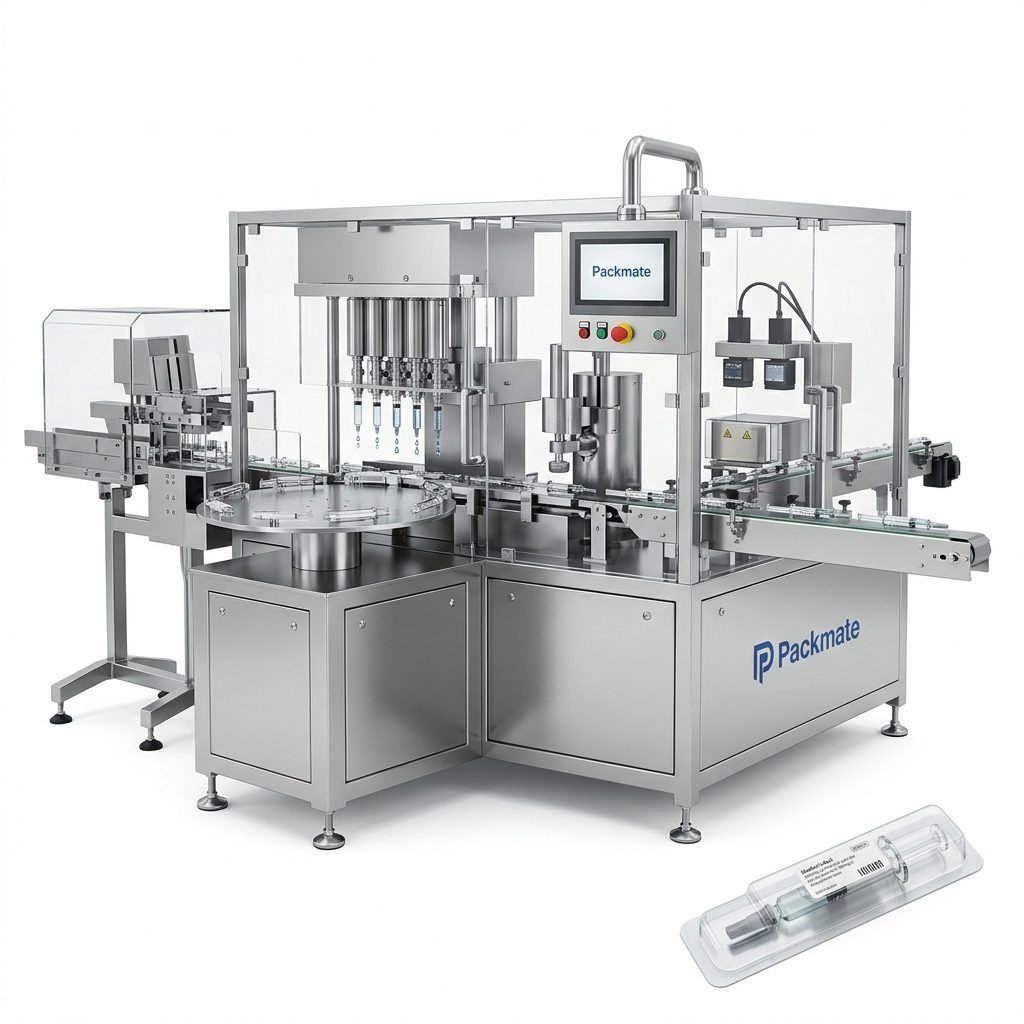
Modern equipment also supports sustainability goals. Right-sizing technology prevents the use of excessively large boxes. On-demand void fill systems eliminate waste compared to pre-made loose fill. Furthermore, many machines can easily handle recycled or biodegradable content materials, such as corrugated cardboard and paper cushioning. Investing in efficient equipment is an investment in reducing your operation’s overall environmental footprint. For businesses looking to implement a complete, sustainable line, exploring integrated filling and packaging lines is a logical step.
Frequently Asked Questions (FAQs)
1. What is the typical return on investment (ROI) for automated packaging equipment?
ROI depends on your current labor costs, order volume, and error rates. However, many businesses see a full payback within 12-24 months due to labor savings, reduced material waste, lower shipping costs from optimized packaging, and decreased product damage claims.
2. Can automated systems handle a wide variety of box or product sizes?
Yes. Most modern equipment is designed with flexibility in mind. Carton erectors, sealers, and baggers often feature quick-change mechanisms or automatic adjustments controlled by the line’s software, allowing for rapid changeovers between different SKUs with minimal downtime.
3. How do I choose between different types of void fill (air pillows, paper, foam)?
The choice hinges on your product fragility, sustainability priorities, and cost structure. Air pillows are great for lightweight, non-fragile items. Paper is ideal for medium protection and maximum recyclability. Foam-in-bag offers the highest level of protection for delicate electronics or luxury items. A packaging audit from a supplier can help determine the best fit.
4. Is it difficult to integrate new equipment with our existing warehouse software (WMS/ERP)?
Reputable equipment manufacturers design their systems with standard communication protocols (APIs, PLC interfaces). While integration requires planning and IT resources, experienced vendors will work with your team to ensure data from dimensioners, scales, and labelers flows correctly into your WMS for seamless operation. You can learn more about support and integration by visiting a manufacturer’s service page.
5. We are a growing business. Should we start with a semi-automatic or fully automatic system?
For small to mid-volume operations (e.g., a few hundred packages per day), well-designed semi-automatic equipment (where an operator presents the product or box) can offer an excellent balance of improved efficiency and lower upfront cost. As volume grows into the thousands of packages per day, the justification for full automation—where the system handles the product from start to finish with minimal human intervention—becomes much stronger.