In today’s fast-paced manufacturing world, packaging machinery is the silent engine driving efficiency, consistency, and scalability. From the food on our shelves to the pharmaceuticals in our cabinets, automated packaging systems ensure products are protected, presented, and delivered reliably. For businesses, selecting the right machinery is not just an operational decision; it’s a strategic investment that impacts productivity, cost, and brand reputation.
Understanding the Different Types of Packaging Machinery
The landscape of packaging machinery is diverse, with each type designed for specific functions, materials, and production volumes. Understanding these categories is the first step toward making an informed choice.
Filling Machines
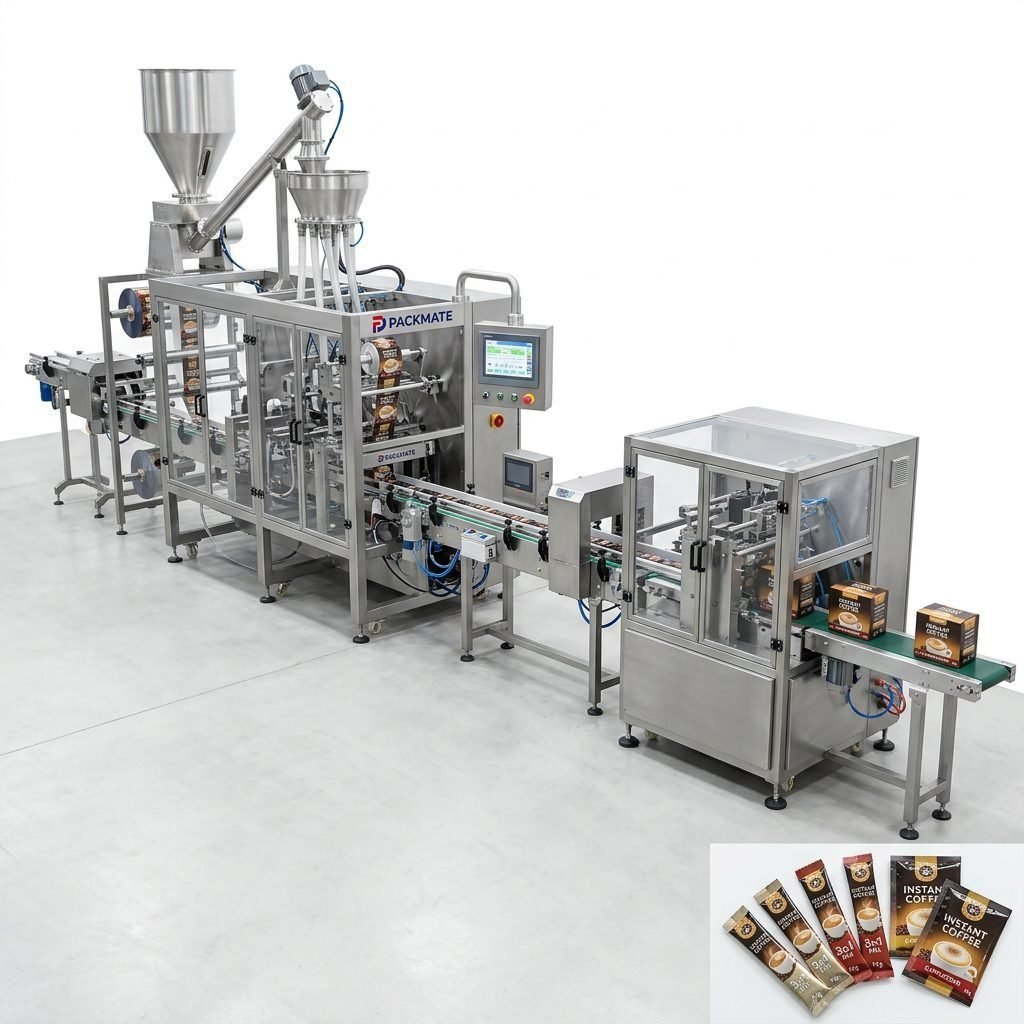
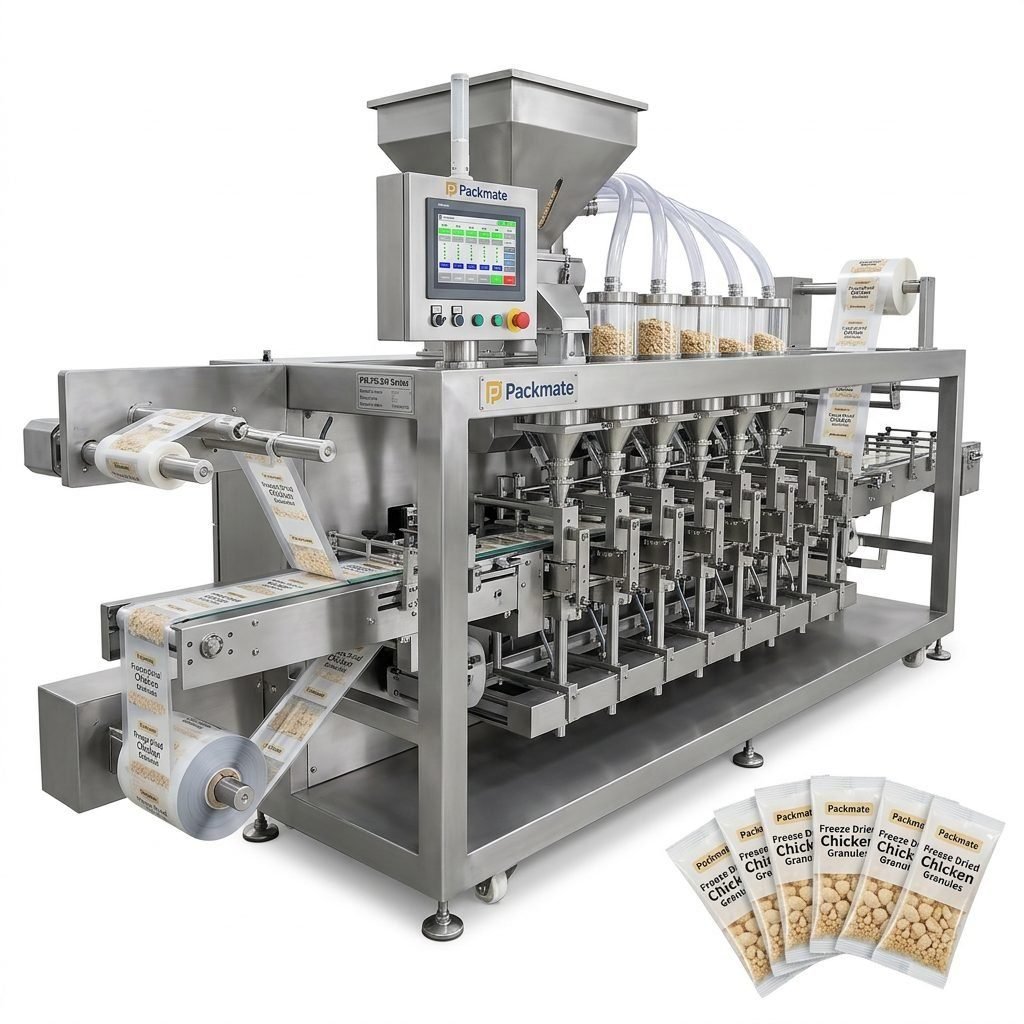
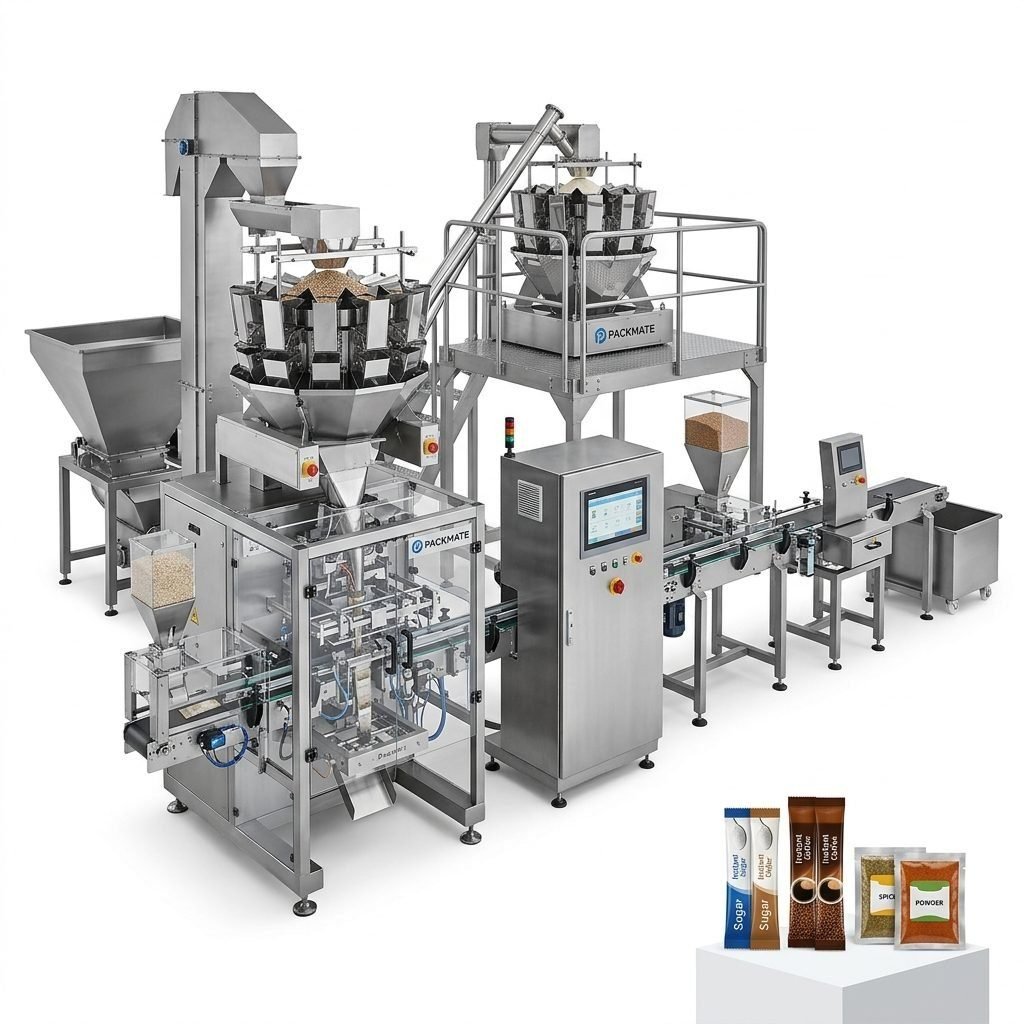
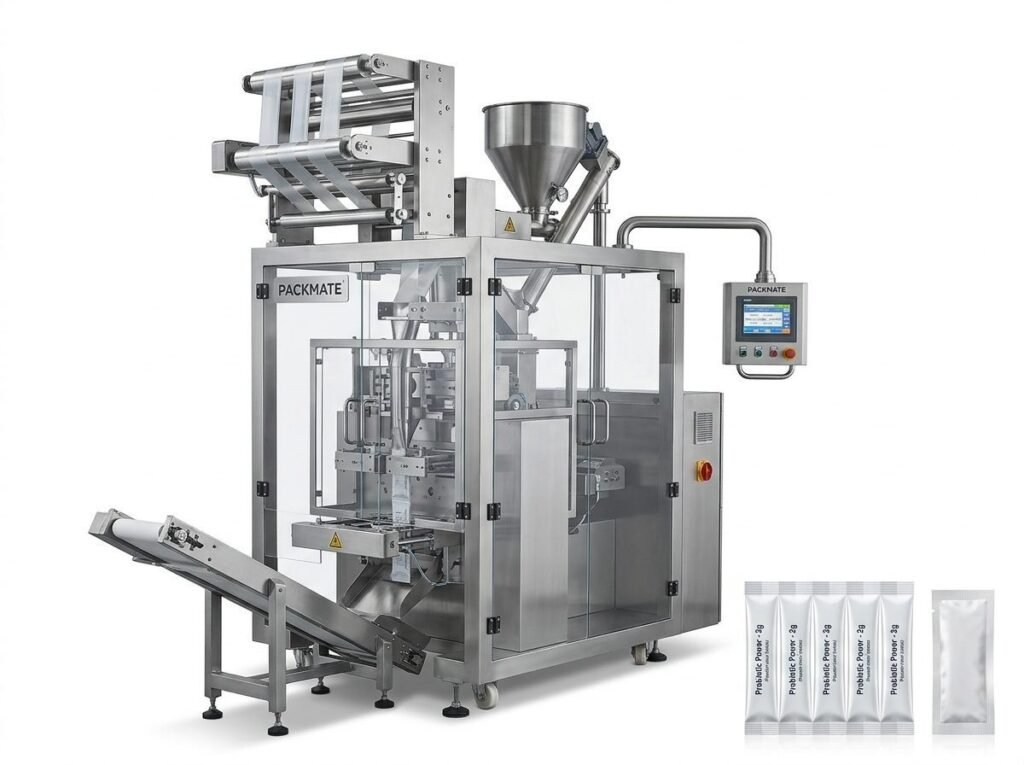
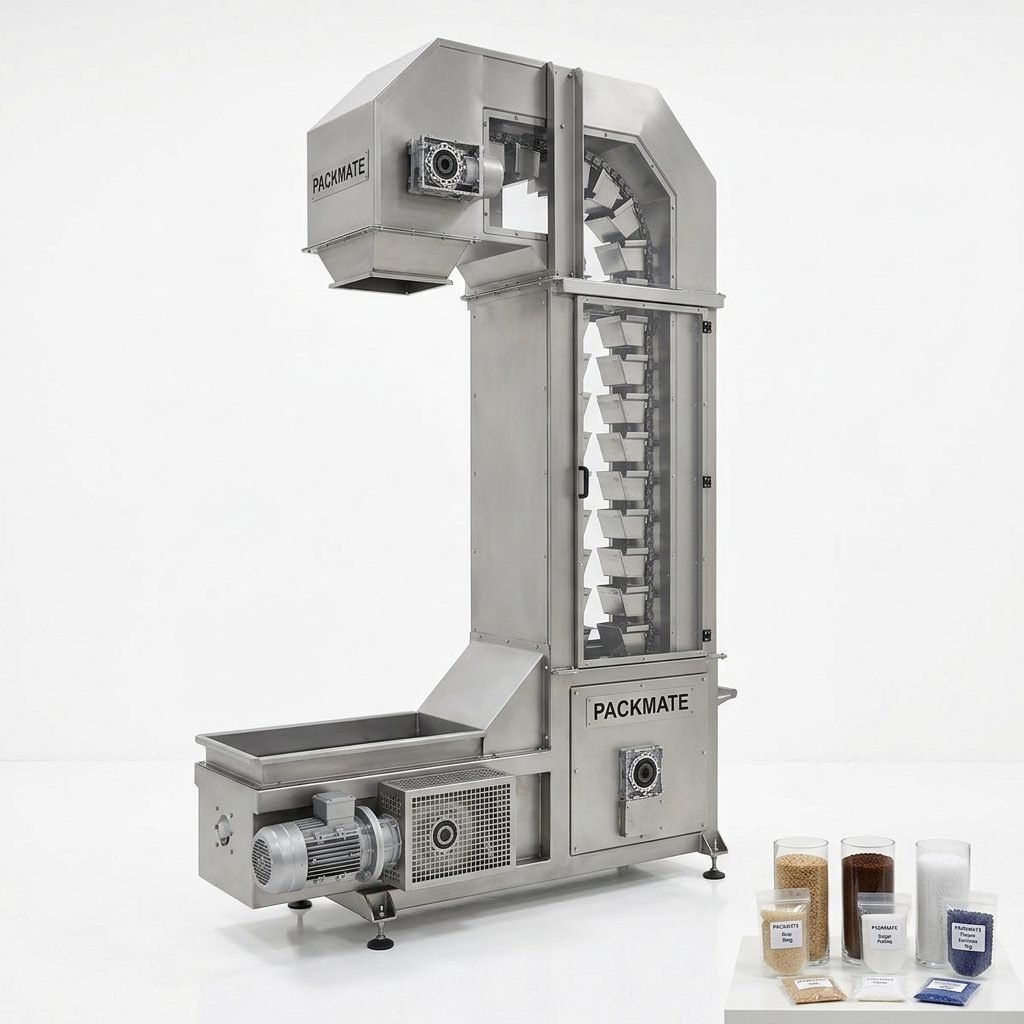
These machines are responsible for accurately dispensing product into containers or pouches. They are categorized by the product form they handle. Liquid fillers use pumps or gravity for beverages, oils, and chemicals. Powder fillers handle fine materials like flour, spices, or protein powders, often using auger systems for precision. Granule fillers are ideal for items like coffee beans, nuts, or grains, utilizing cup or weigh-cell systems. For viscous products like pastes or creams, piston fillers are the preferred choice.
Key Consideration:
The choice of filler is paramount and depends entirely on your product’s physical characteristics. An incorrect match can lead to massive waste, inaccurate portions, and machine downtime.
Sealing Machines
Once the product is in its package, sealing machines create a secure closure. This includes heat sealers for plastic pouches and sachets, cappers for screwing lids onto bottles, and induction sealers that apply tamper-evident foil liners under plastic caps. The seal is critical for product safety, shelf life, and preventing leaks.
Labeling and Coding Machines
This category applies essential information and branding. Labelers automatically apply pre-printed labels to containers, while coders (like inkjet or laser printers) directly mark dates, batch numbers, and barcodes onto the packaging. This ensures traceability and compliance with regulatory standards.
Wrapping and Bundling Machines
These machines handle the secondary packaging stage. Flow wrappers encase individual products in flexible film, commonly used for candy bars or biscuits. Shrink wrappers apply a loose sleeve of film that then shrinks tightly around a product or multi-pack when heated. Cartoning machines erect, load, and close cardboard boxes, providing greater protection for retail display.
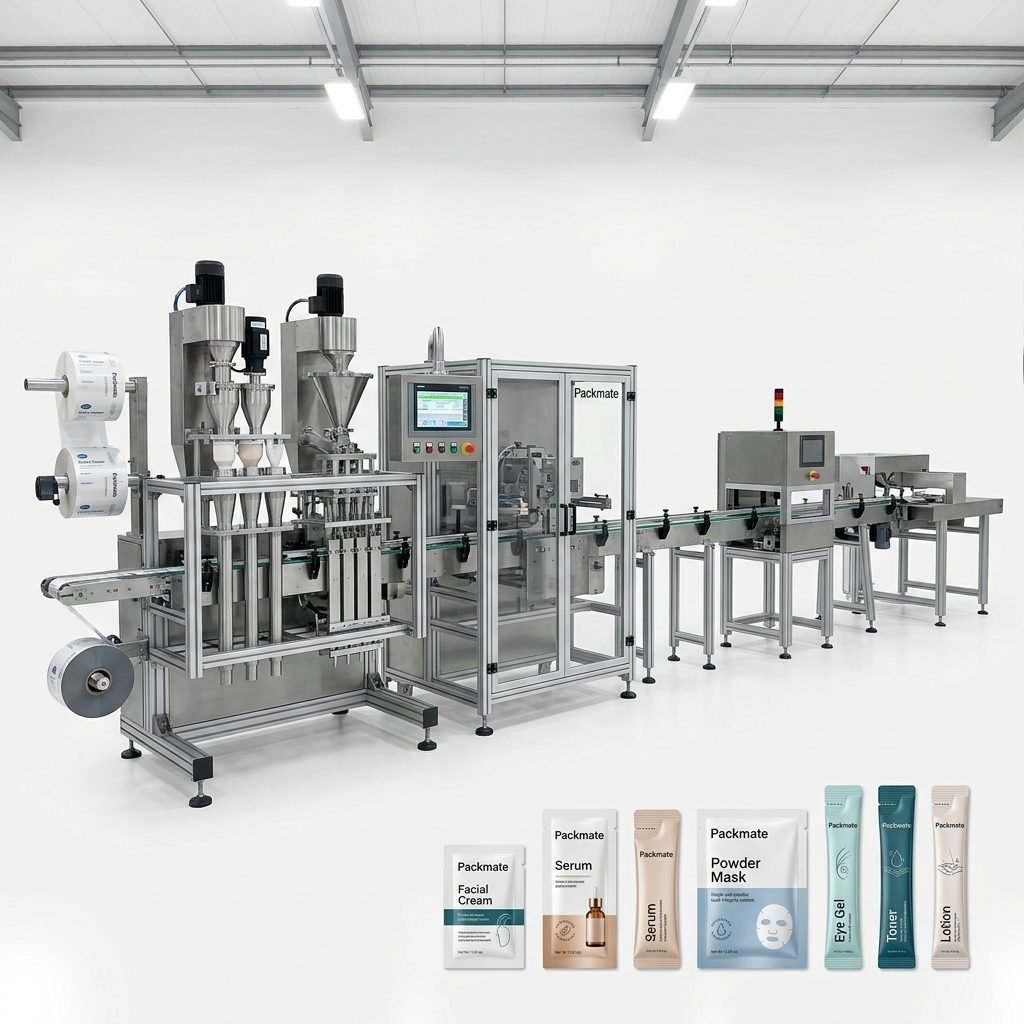
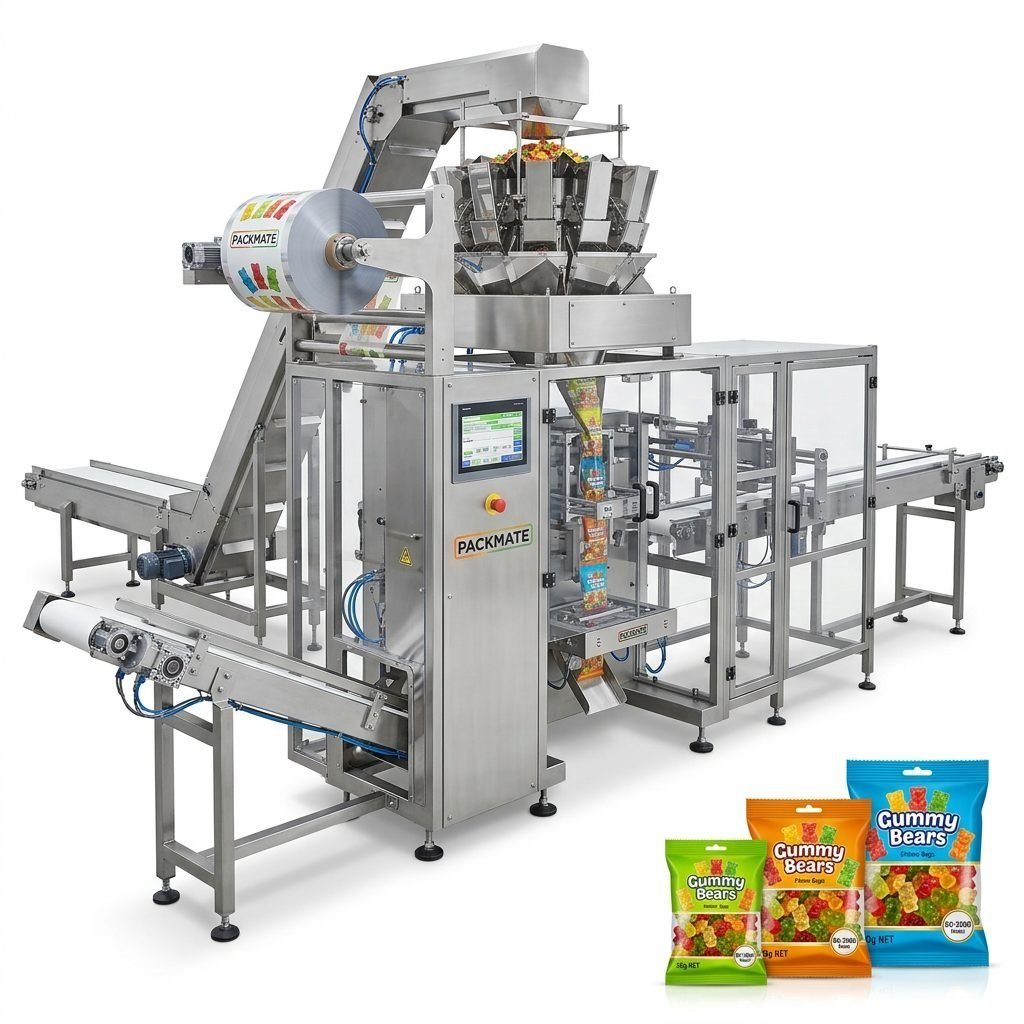
For businesses looking to integrate these systems, exploring a complete filling & packaging line from a single supplier can streamline compatibility and efficiency.
The Multifaceted Benefits of Automated Packaging
Investing in modern packaging machinery delivers a compelling return on investment across several key business areas.
Dramatically Increased Efficiency and Speed: Machines operate at constant, high speeds far beyond human capability, significantly boosting output and meeting tight deadlines.
Unmatched Consistency and Accuracy: Automated systems eliminate human error in filling weights, seal quality, and label placement. Every package meets the same high standard, enhancing brand trust.
Substantial Labor and Cost Savings: While the initial investment is notable, machinery reduces long-term reliance on manual labor for repetitive tasks, lowering operational costs and reallocating human resources to more skilled roles.
Enhanced Safety and Hygiene: Automated systems minimize direct human contact with products, which is crucial in food and pharmaceutical packaging. They also perform potentially hazardous tasks like working with heat or heavy materials.
Improved Flexibility: Many modern machines are designed for quick changeovers, allowing production lines to switch between different package sizes or products with minimal downtime, enabling smaller, more responsive production runs.
The Scalability Advantage
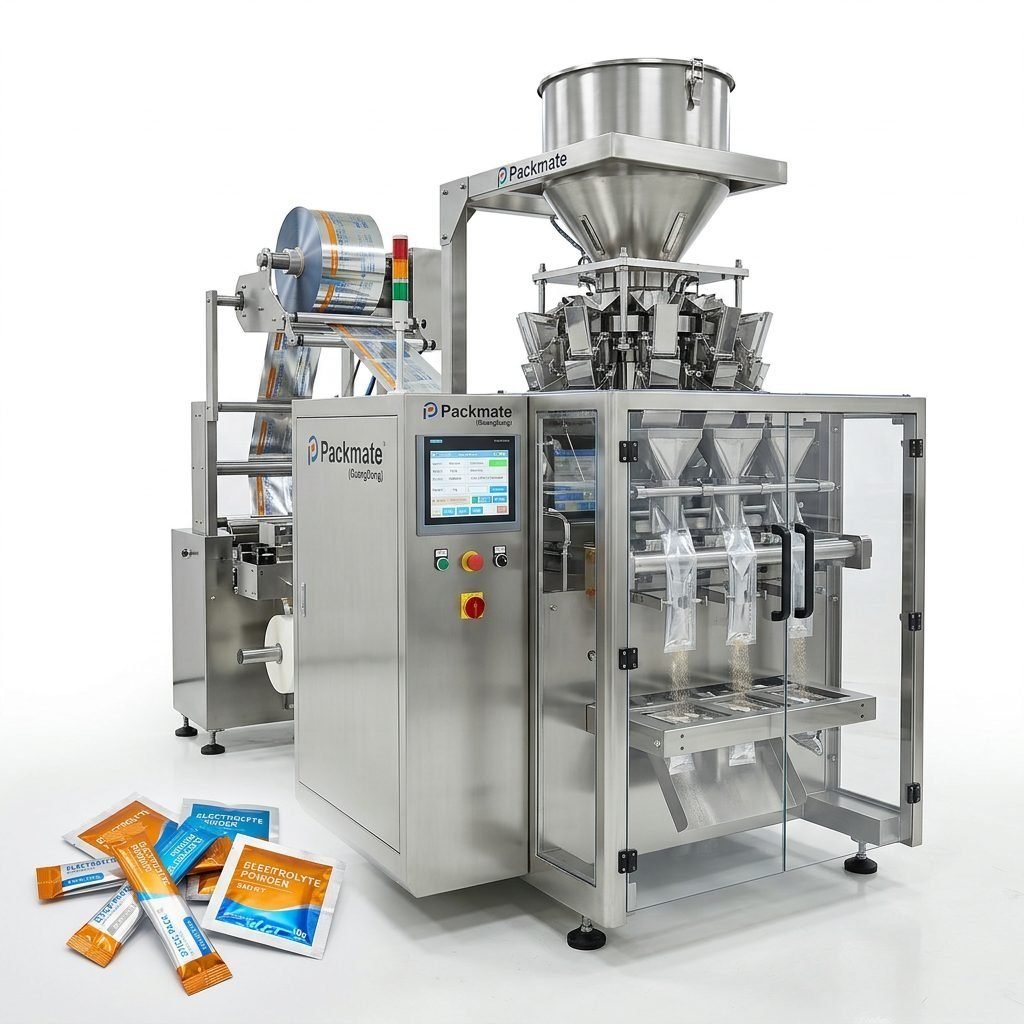
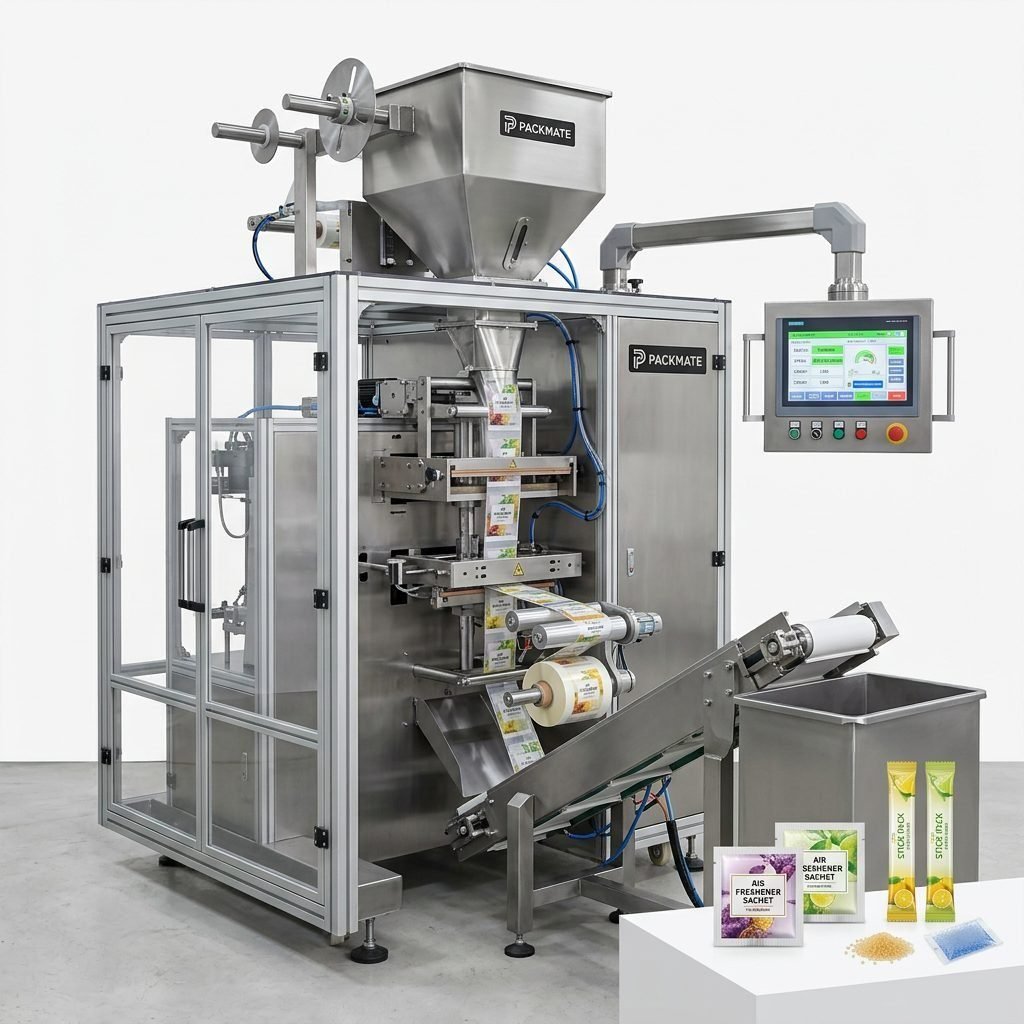
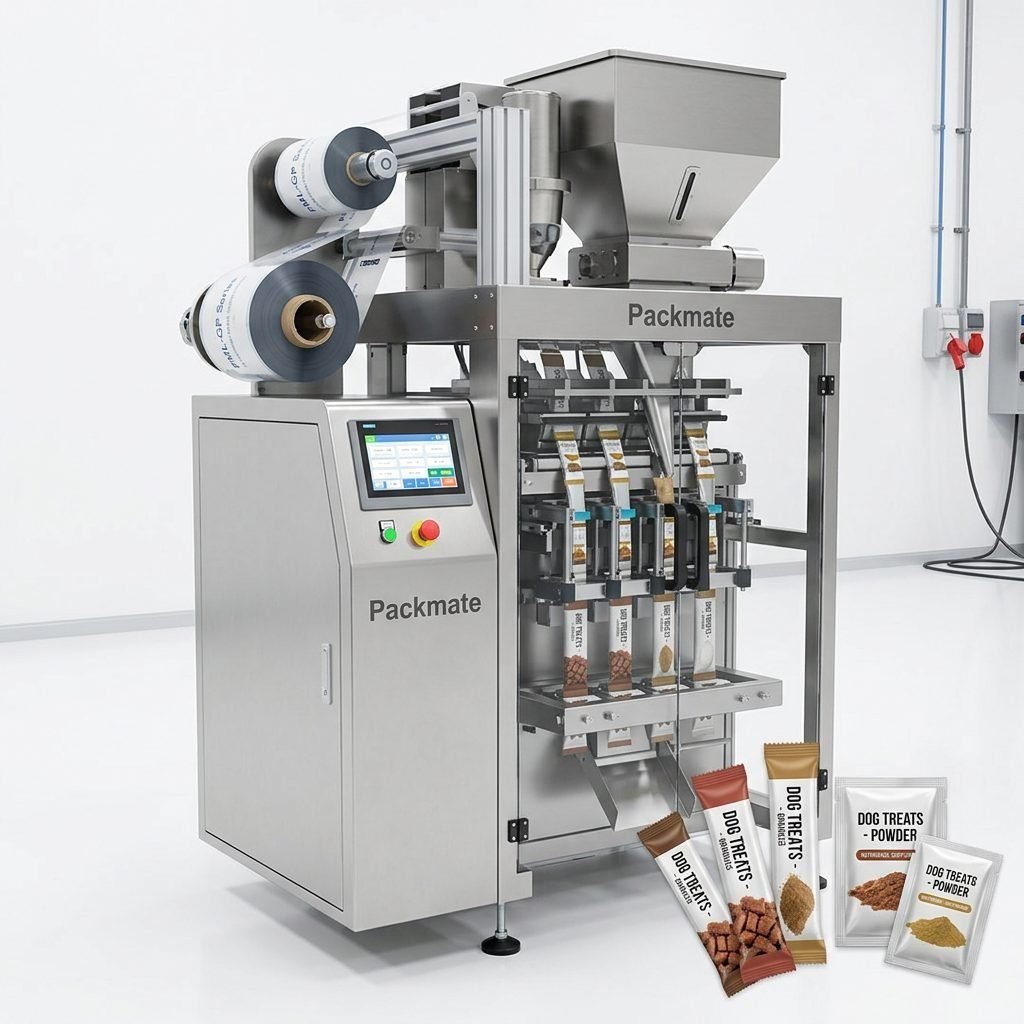
Automated packaging provides a clear path for growth. Starting with a semi-automatic machine is feasible for small batches. As demand increases, you can upgrade to fully automatic or multi-lane systems, such as high-speed bagging machines, without completely redesigning your process. This scalability protects your initial investment while supporting future expansion.
How to Choose the Right Packaging Machinery: A Strategic Guide
Selecting equipment requires a careful analysis of your current and future needs. Rushing this decision can lead to costly mismatches.
1. Define Your Core Requirements
Start with the fundamentals: Product Characteristics: Is it liquid, powder, granule, or solid? What is its viscosity, abrasiveness, or sensitivity? Packaging Materials: What type of pouch, bottle, or carton will you use? Production Speed: Calculate your required output in packages per minute/hour. Available Space: Precisely measure your factory floor layout to ensure the machine and necessary clearances will fit.
2. Evaluate Machine Capabilities and Technology
Look beyond the brochure. Assess the precision and range of the filling system. Investigate the ease and time required for changeovers between different products or package sizes. Examine the control system—is it user-friendly with a clear HMI (Human-Machine Interface)? Consider future-proof features like IoT connectivity for predictive maintenance.
3. Prioritize Build Quality and Supplier Support
The machine’s construction determines its longevity and reliability. Opt for robust frames, high-grade stainless steel in product-contact areas, and reputable component brands (e.g., for motors and PLCs). Crucially, evaluate the manufacturer. A supplier with deep expertise, like Packmate Machinery with over 30 years in the industry, offers invaluable support. Ensure they provide comprehensive installation, training, readily available spare parts, and responsive technical service.
4. Analyze Total Cost of Ownership (TCO)
The purchase price is just one part of the cost. Factor in installation, ongoing energy consumption, routine maintenance costs, and the price of consumables (like sealing jaws or coding ink). A slightly more expensive machine with higher efficiency and lower maintenance can have a far better TCO over 5-10 years.
5. Request a Live Demonstration or Trial
Never buy based on specifications alone. Insist on seeing the machine run, preferably with a sample of your actual product and packaging materials. This is the only way to verify performance, speed, and compatibility. It also reveals the machine’s noise level and operational smoothness.
For specialized needs, such as producing portion-controlled packs for the growing smokeless tobacco market, it is wise to consult experts in snus and nicotine packaging machines who understand the unique regulatory and precision requirements.
Frequently Asked Questions (FAQs)
What is the typical payback period for packaging machinery?
The payback period varies widely but often ranges from 1 to 3 years. It depends on the machine’s cost, the labor savings it generates, the reduction in material waste, and the increase in production output. A detailed ROI analysis with your supplier is essential.
Can one machine handle different package sizes?
Many modern machines are designed with quick-changeover capabilities. This allows operators to switch tools (like forming shoulders, filling nozzles, or sealing jaws) to accommodate different package dimensions, often in under 30 minutes. This flexibility is key for producers with multiple SKUs.
How important is after-sales service when choosing a supplier?
Extremely important. Packaging machinery is a long-term investment. Even the best equipment may require maintenance or spare parts. A supplier with a strong global service network, readily available technical support, and comprehensive training ensures maximum uptime and protects your investment for years to come.
What’s the difference between semi-automatic and fully automatic machines?
Semi-automatic machines require an operator to perform certain tasks, like placing empty packages or initiating a cycle. They are lower-cost and suitable for lower-volume or pilot production. Fully automatic machines are integrated into a production line and handle the entire process—from feeding empty packaging to discharging finished boxes—with minimal human intervention, maximizing speed and efficiency for high-volume runs.
How do I ensure my packaging line is hygienic and easy to clean?
For food and pharmaceutical applications, look for machines designed with hygienic principles: extensive use of smooth, polished stainless steel, minimal crevices where product can accumulate, CIP (Clean-in-Place) capabilities for liquid lines, and easy access for manual cleaning. Compliance with standards like FDA or EHEDG is a strong indicator.