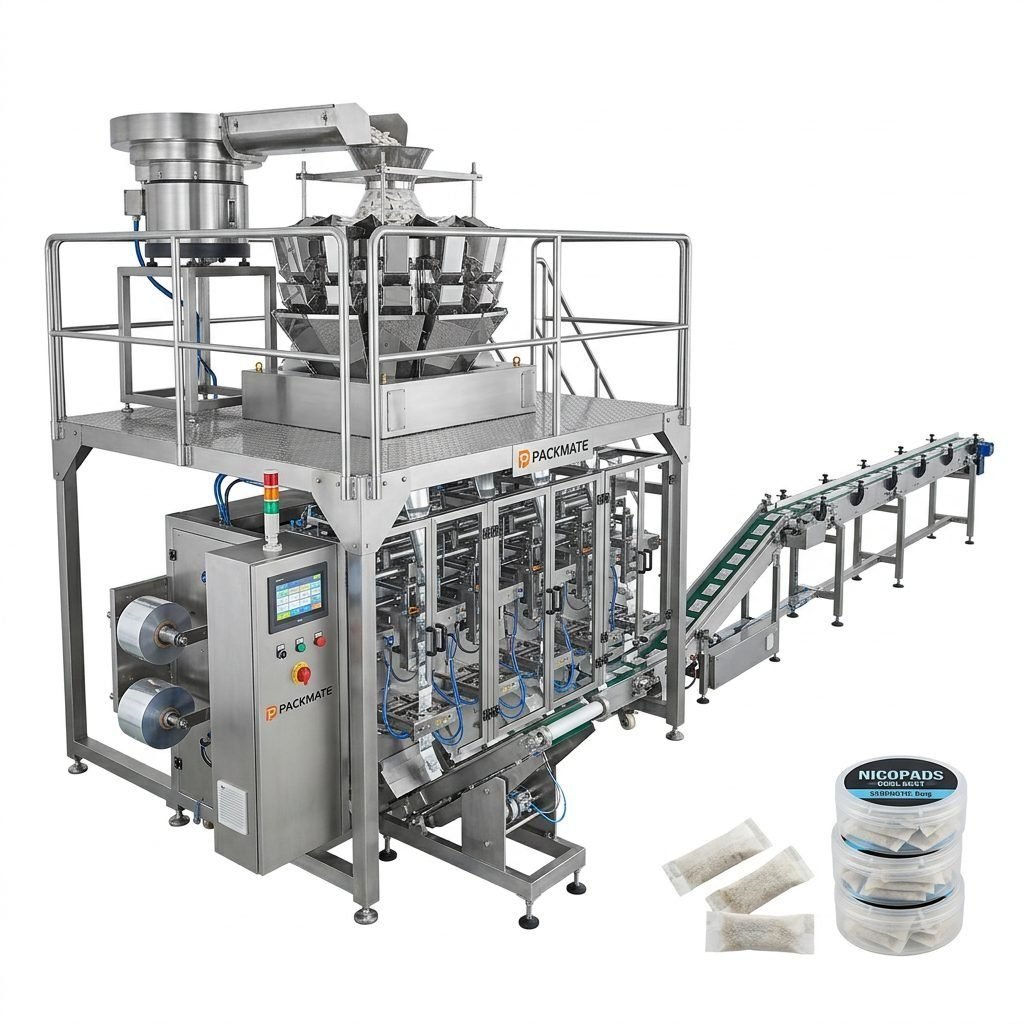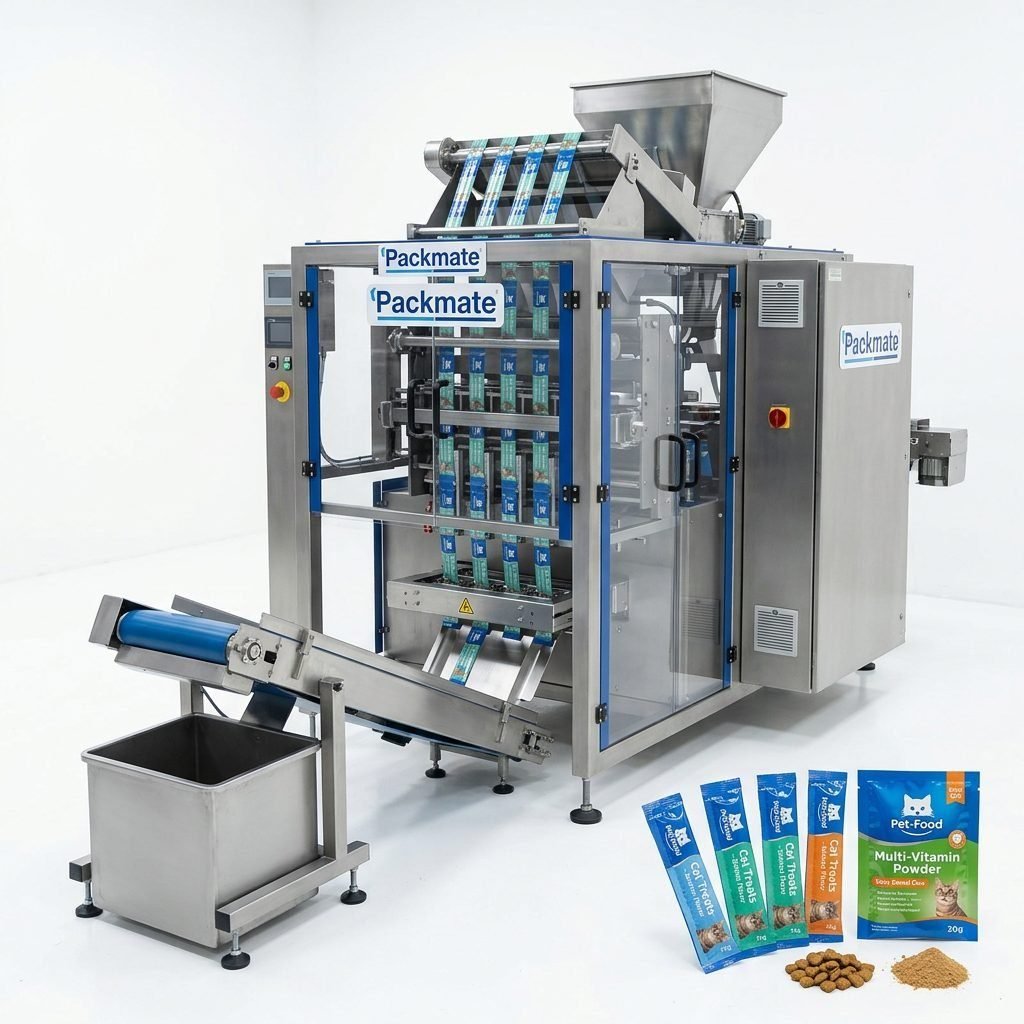
In the fast-paced world of manufacturing, efficiency and precision are paramount, especially when handling delicate products like powders. Whether it’s food ingredients, pharmaceuticals, nutritional supplements, or industrial chemicals, the right packaging solution protects product integrity, ensures accurate dosing, and enhances brand appeal. This ultimate guide delves into the world of powder packaging machines and solutions, exploring the technology, key considerations, and how to select the perfect system for your operational needs.
Understanding Powder Packaging Challenges
Powders present unique challenges that set them apart from granules or liquids. Their fine, often cohesive nature can lead to issues like dust generation, bridging in hoppers, inconsistent flow, and inaccurate filling. These problems directly impact production speed, waste levels, and final product quality. A packaging machine not specifically engineered for powders will struggle with these characteristics, leading to downtime and costly product giveaway.
The goal of modern powder packaging is to overcome these hurdles through intelligent machine design. This involves creating systems that ensure precise weight control, minimize cross-contamination, maintain a hygienic environment, and operate at high speeds without compromising accuracy. The evolution from manual scooping to fully automated, computer-controlled lines represents a significant leap in productivity and consistency for powder-based industries.
Core Technologies in Modern Powder Packaging
Today’s powder packaging machines leverage advanced technologies to achieve unparalleled performance. The heart of any system is its filling mechanism. Common types include:
Auger Fillers: The most prevalent solution for powders. A rotating screw (auger) within a tube dispenses a consistent volume of product. Modern auger systems feature servo motors for exceptional precision, anti-bridging devices, and easy-clean designs.
Net Weight Scales: These systems weigh each dose before dropping it into the package. They are ideal for high-value products where absolute weight accuracy is critical, as they constantly check and adjust for any variance in powder density.
Volumetric Cup Fillers: Suitable for free-flowing powders, these use rotating cups to scoop a set volume. They are often a cost-effective solution for high-speed applications where extreme precision is slightly less critical.
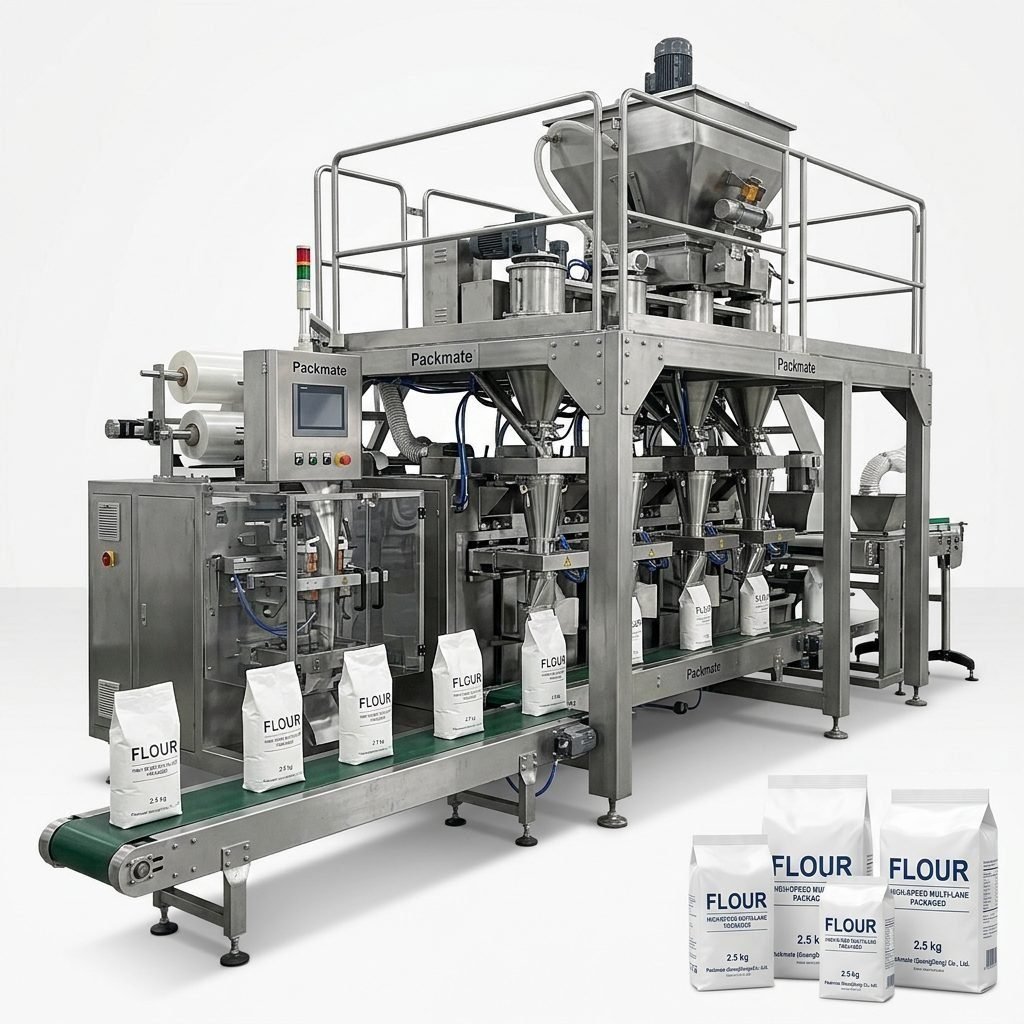
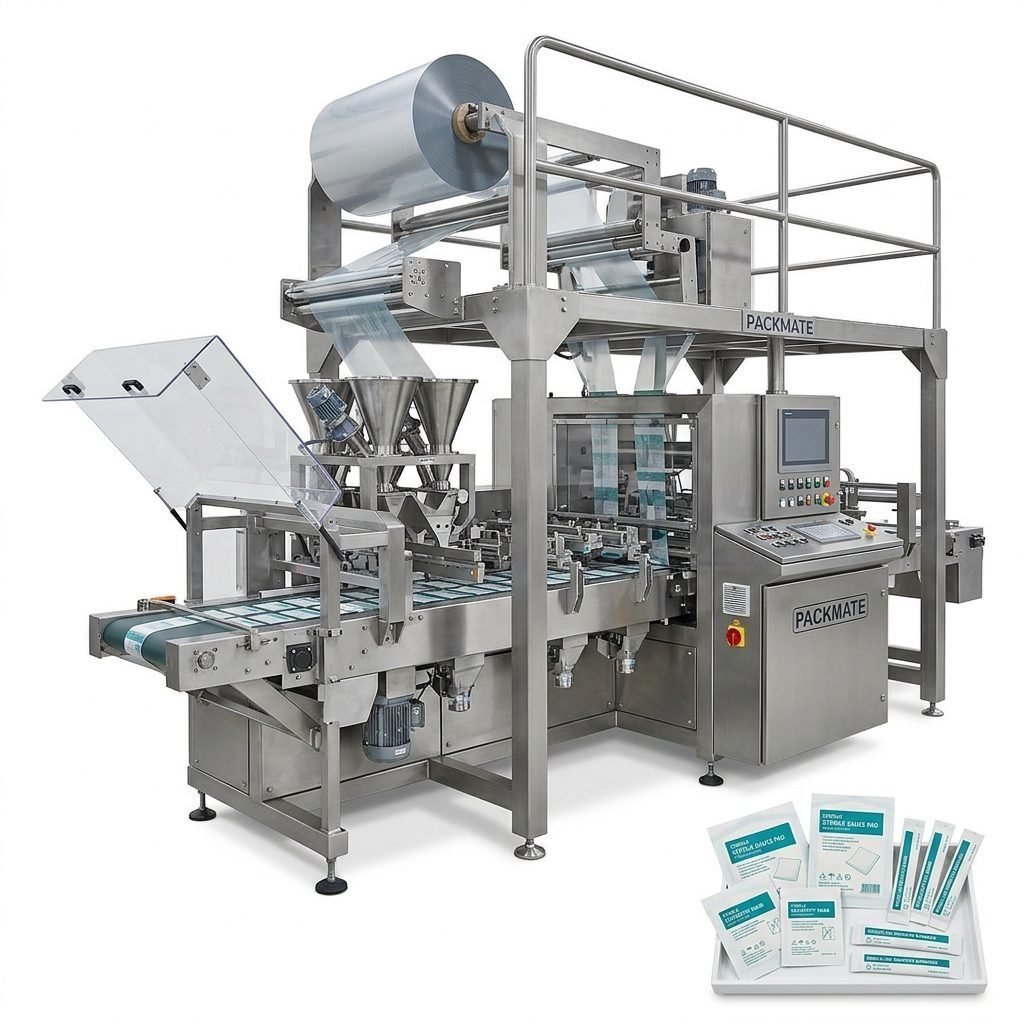
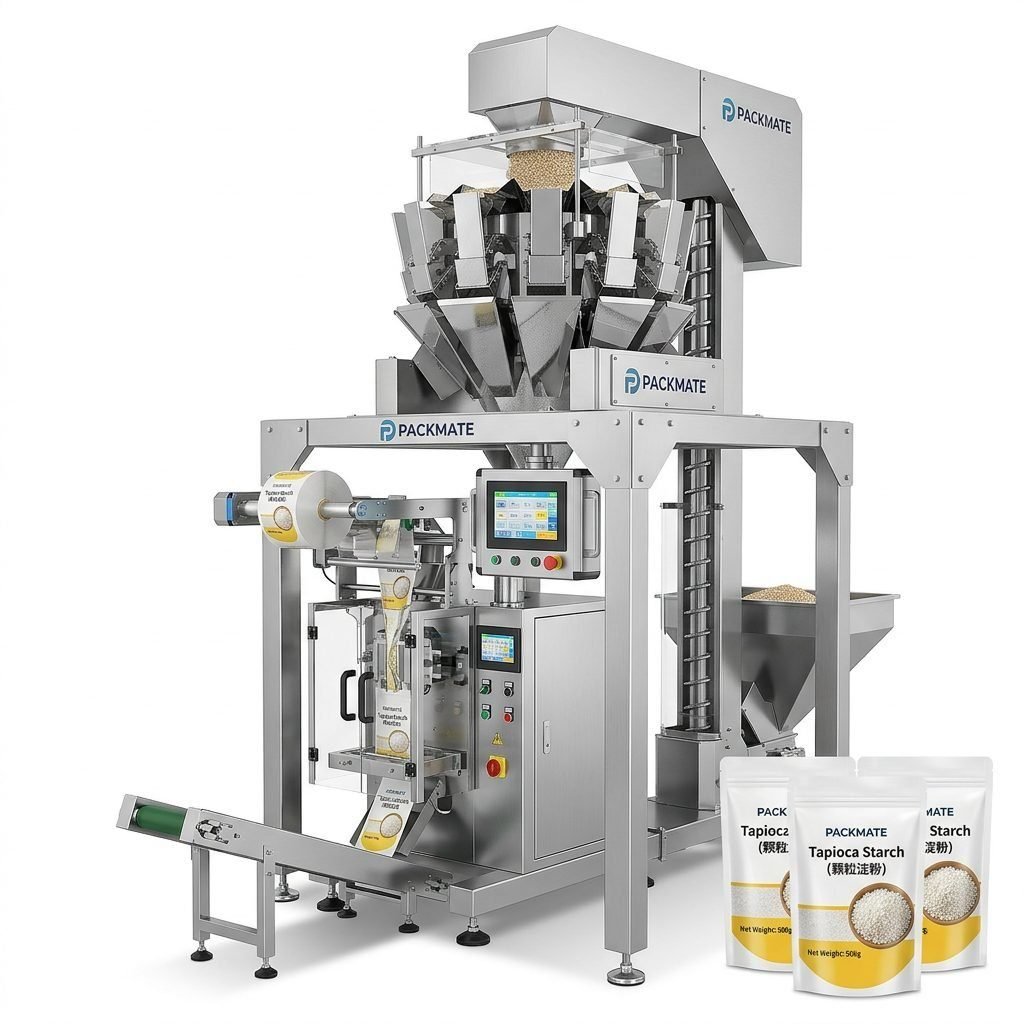
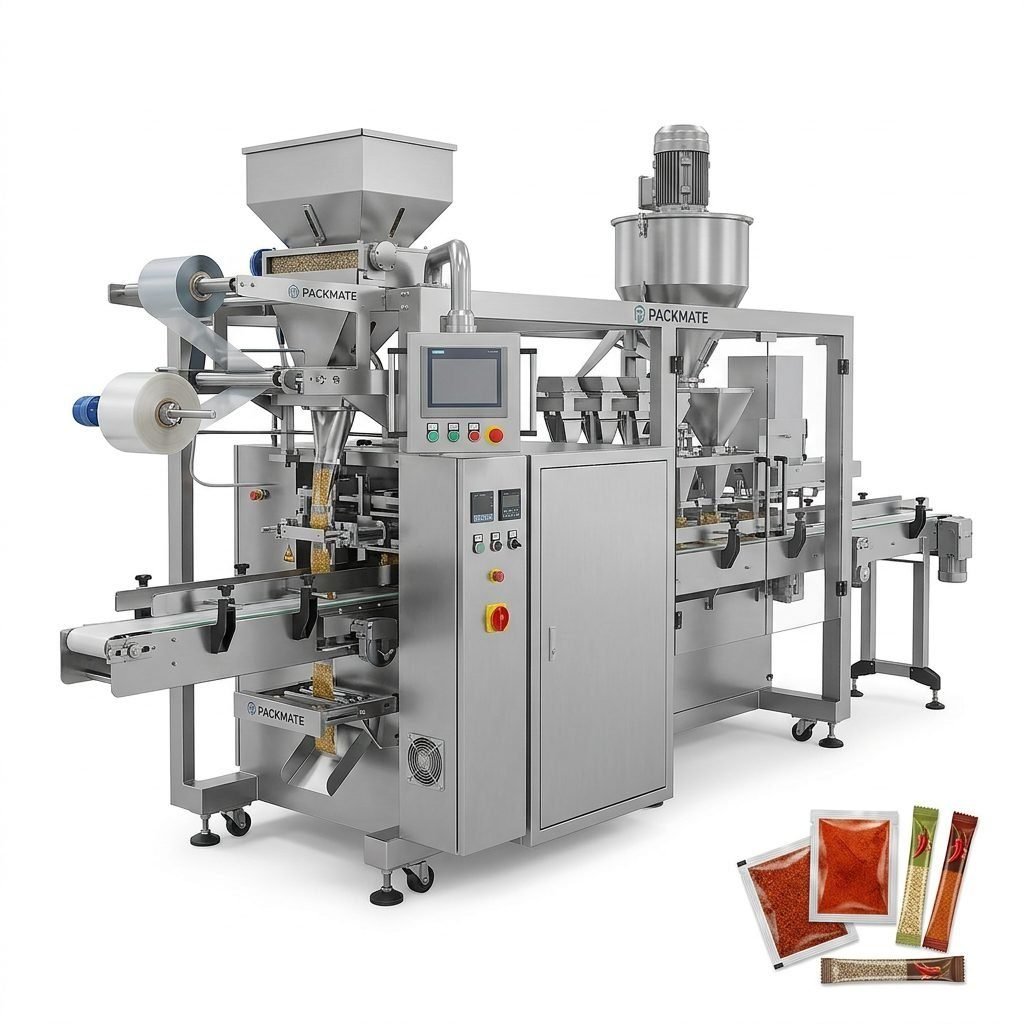
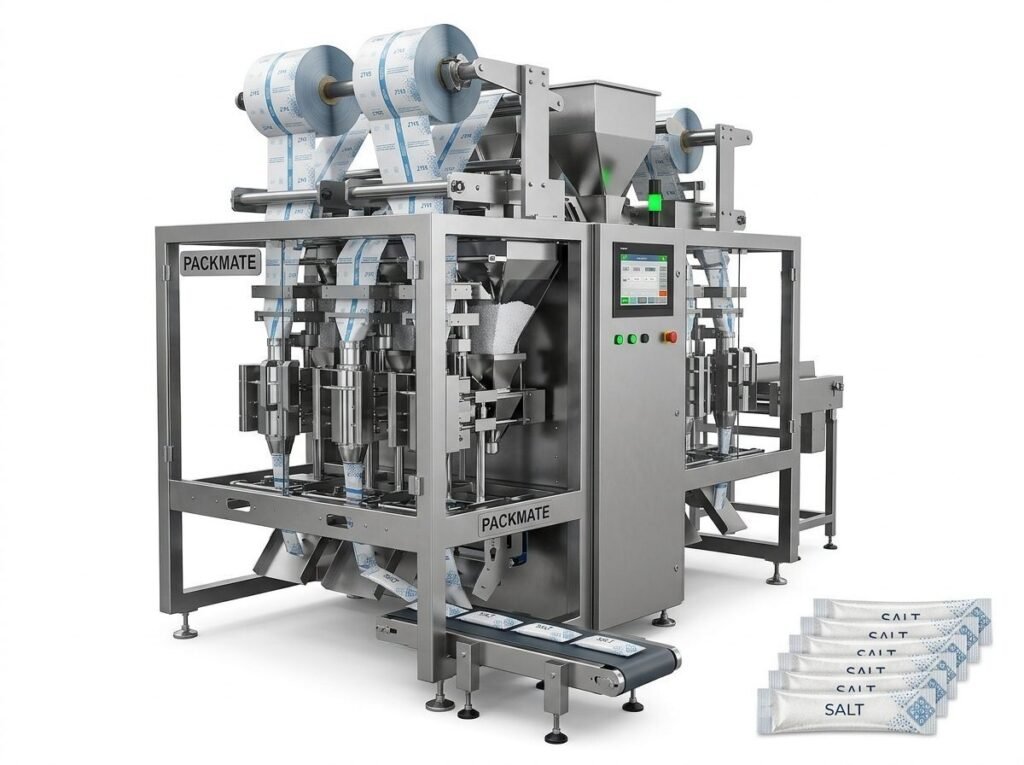
Beyond filling, integrated systems combine forming, sealing, and coding into one seamless line. For instance, a vertical form-fill-seal (VFFS) machine creates the pouch from a roll of film, fills it with powder via an auger, and seals it—all in one continuous operation. This integration is key to achieving a true turnkey packaging line.
Selecting the Right Machine: A Buyer’s Checklist
Choosing a powder packaging machine is a significant investment. Here are the essential factors to consider to ensure you select equipment that delivers a strong return on investment:
1. Product Characteristics: Analyze your powder’s flowability, density, abrasiveness, and hygroscopicity. A cohesive spice blend requires a different auger design than free-flowing milk powder.
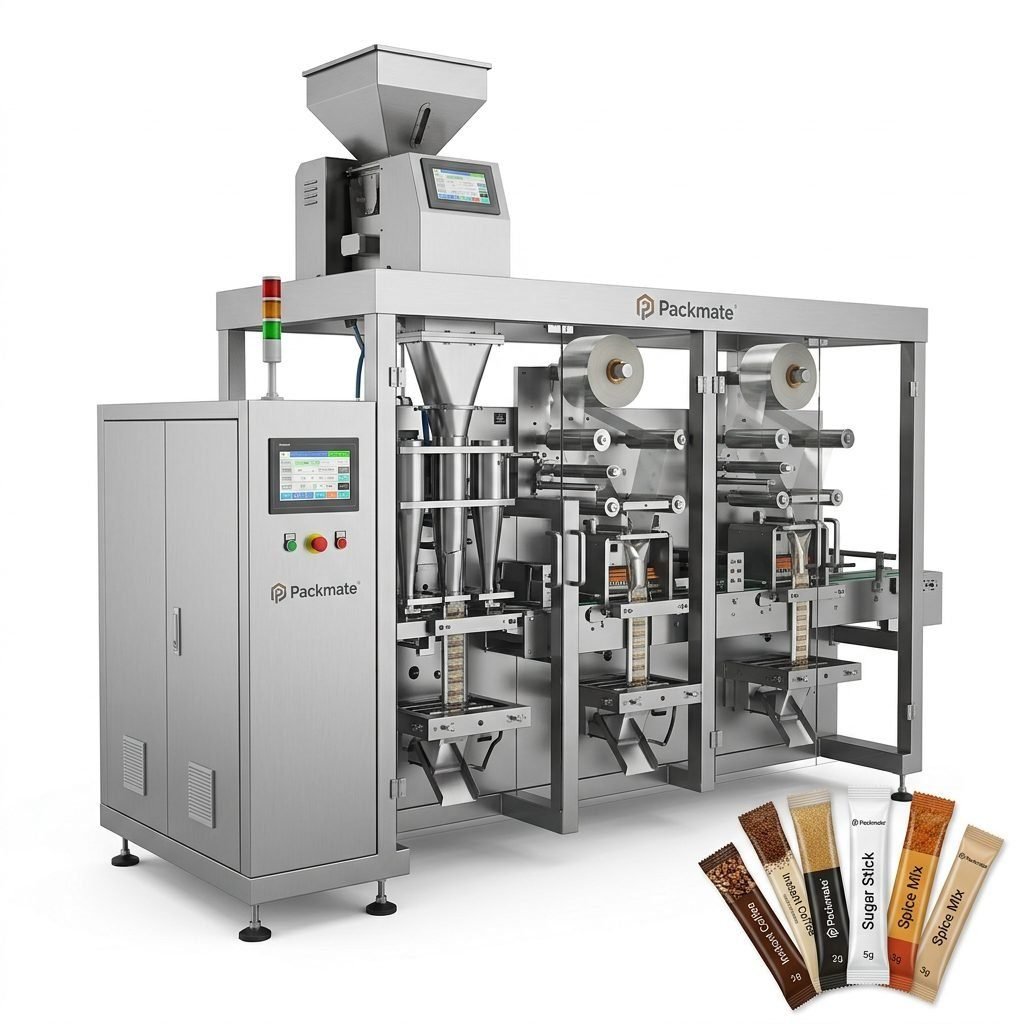
2. Packaging Format & Speed: Determine your desired output: sachets, stick packs, pouches, or cans? Required speed (packs per minute) will dictate the machine’s level of automation and number of lanes.
3. Accuracy Requirements: Define your acceptable weight tolerance. Pharmaceutical applications demand near-perfect accuracy, which may necessitate a net weight scale system.
4. Hygiene & Cleanability: For food or pharmaceutical use, machines with stainless steel contact parts, CIP (Clean-in-Place) capabilities, and minimal crevices are non-negotiable.
5. Integration & Scalability: Consider future needs. Can the machine integrate with upstream (mixing) and downstream (cartoning) equipment? Choosing a modular system from a provider like Packmate Machinery allows for easier future expansion.
Beyond the Machine: The Complete Solution Mindset
The most successful packaging operations view the machine as one component of a broader solution. A holistic approach encompasses several critical elements:
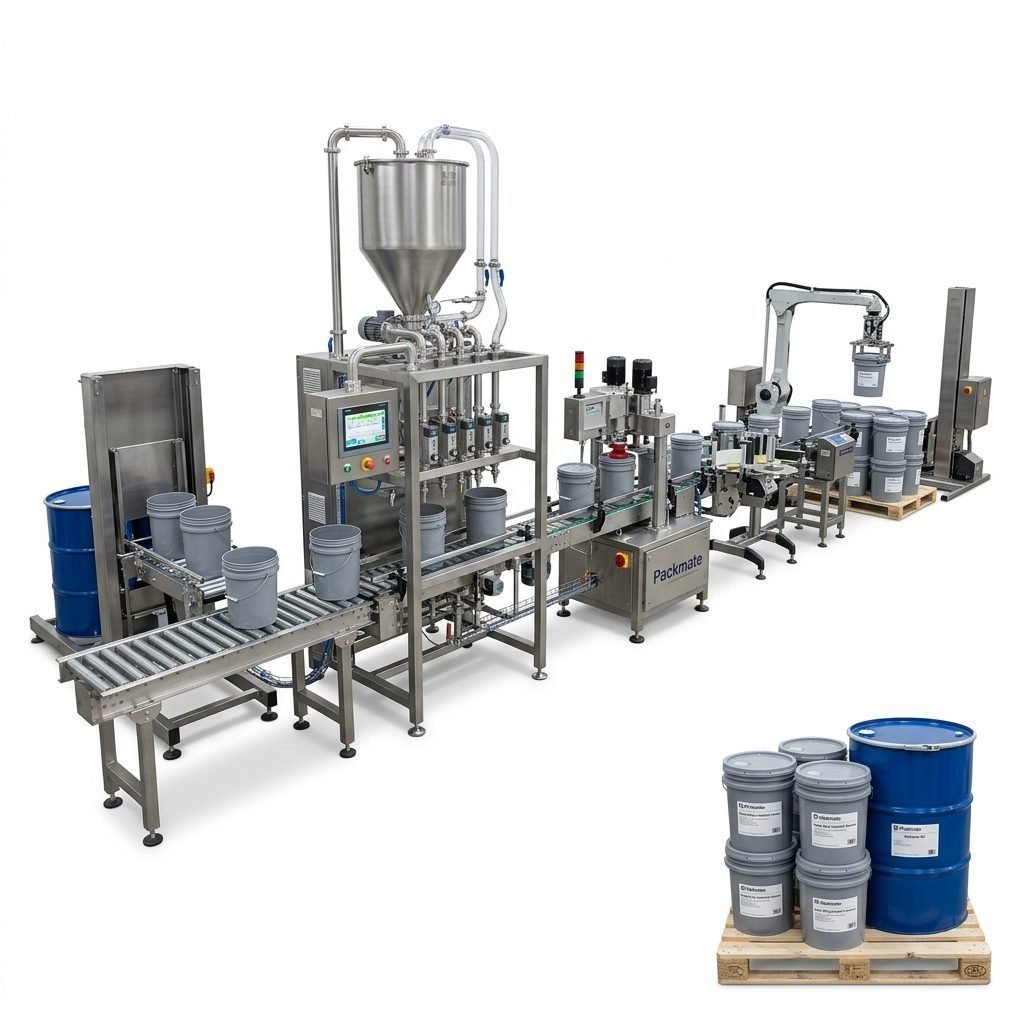
Material Handling: How will powder be fed to the machine? Solutions range from simple hoppers to complex pneumatic conveying systems that prevent segregation and ensure a consistent supply.
Film & Material Selection: The packaging material must be compatible with the powder and the machine. Barrier properties (moisture, oxygen), seal integrity, and machinability on high-speed equipment are all vital considerations. Partnering with a machine supplier who understands material science is a major advantage.
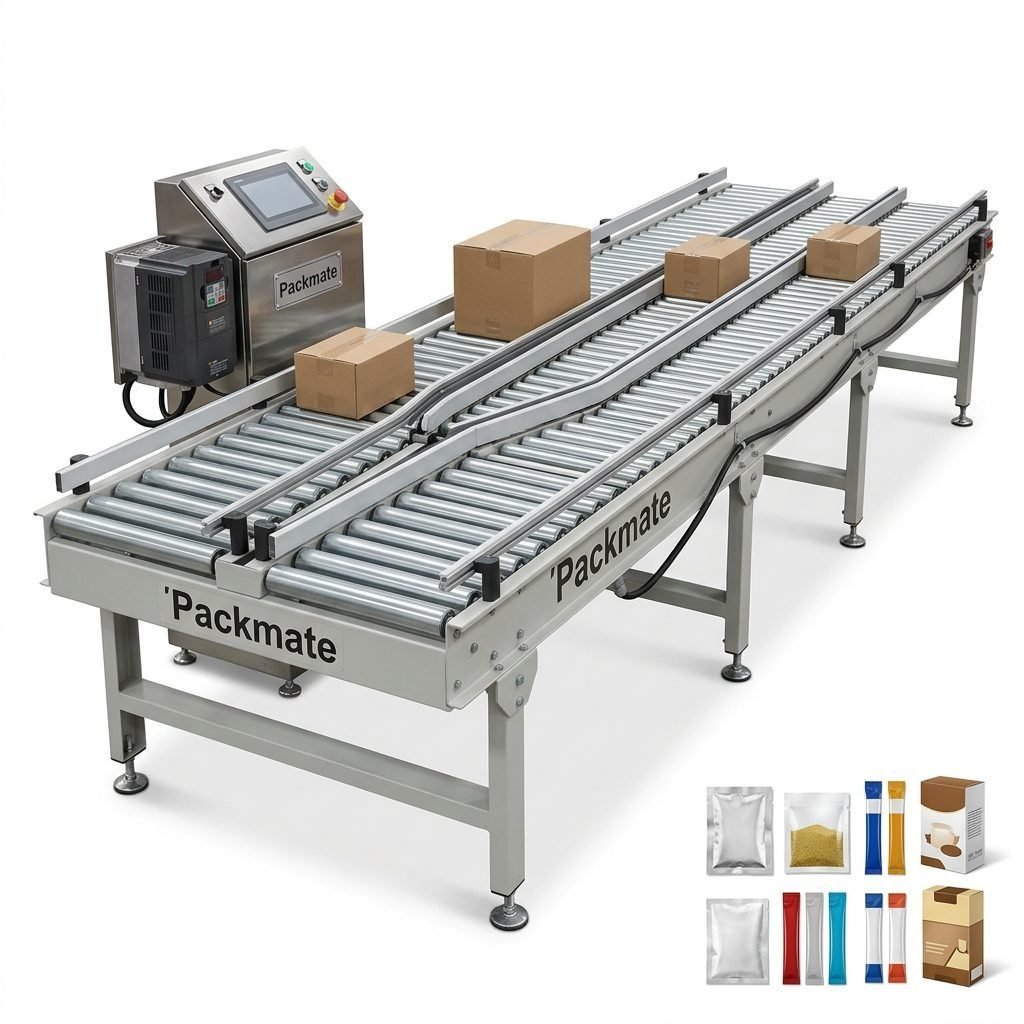
Quality Control Integration: Modern lines often include checkweighers, metal detectors, and vision systems inline to reject any non-conforming packs, ensuring 100% quality assurance.
Service & Support: The value of a machine is also defined by the support behind it. Look for suppliers offering comprehensive training, readily available spare parts, and responsive technical service to minimize downtime.
This complete-solution philosophy is what transforms a simple packaging station into a robust, reliable production asset. Exploring different application cases can provide valuable insights into how these elements come together in real-world scenarios.
Innovations Shaping the Future of Powder Packaging
The industry is continuously evolving, driven by demands for greater sustainability, flexibility, and data intelligence. Key trends include:
Smart Manufacturing & IoT: Machines are becoming data hubs, providing real-time insights into OEE (Overall Equipment Effectiveness), predictive maintenance alerts, and detailed production reports via cloud connectivity.
Sustainable Packaging: There is a growing shift towards mono-material, recyclable, or compostable films. Machines must be adaptable to handle these sometimes more challenging new materials without sacrificing speed or seal quality.
Flexibility & Quick Changeover: Market trends require shorter runs and more SKUs. Machines designed with tool-less changeover and recipe memory allow producers to switch between different powder products and package sizes in minutes, not hours.
Investing in equipment that embraces these trends future-proofs your operation, ensuring you remain competitive in a dynamic market. For specialized needs, such as creating small, precise doses, exploring dedicated sachet and stick pack machines is highly recommended.
Frequently Asked Questions (FAQs)
What is the most accurate type of powder filler?
For the highest level of weight accuracy, especially with valuable or regulated powders, net weight scale systems are superior. They weigh each dose independently, compensating for any variations in powder density or flow, ensuring each package meets the exact target weight.
How do I prevent powder dust from contaminating the sealing area?
Modern machines employ several strategies: using dedicated suction nozzles near the filling point, designing smooth product pathways to minimize turbulence, and implementing positive pressure zones in critical areas. Proper machine maintenance and regular cleaning schedules are also essential to control dust.
Can one machine handle different types of powders?
Yes, but with considerations. Many machines are designed for flexibility. Key factors include the ability to easily change the auger type/size, thorough cleaning procedures between product runs to prevent cross-contamination, and programmable recipes for different products. It’s crucial to discuss your specific product range with the machine supplier.
What maintenance does a powder packaging machine require?
Regular maintenance is vital for longevity and accuracy. Daily tasks include cleaning contact parts and checking for wear. Weekly or monthly schedules should involve lubricating moving parts, inspecting seals and gaskets, and calibrating the weighing system. Always follow the manufacturer’s recommended maintenance protocol.
How do I choose between a single-lane and a multi-lane machine?
The choice depends on your required output speed. Single-lane machines are cost-effective for lower volumes or pilot production. Multi-lane machines (e.g., 4, 8, or 12 lanes) run multiple packages simultaneously, dramatically increasing output for high-volume production needs and offering a better return on investment for large-scale operations.