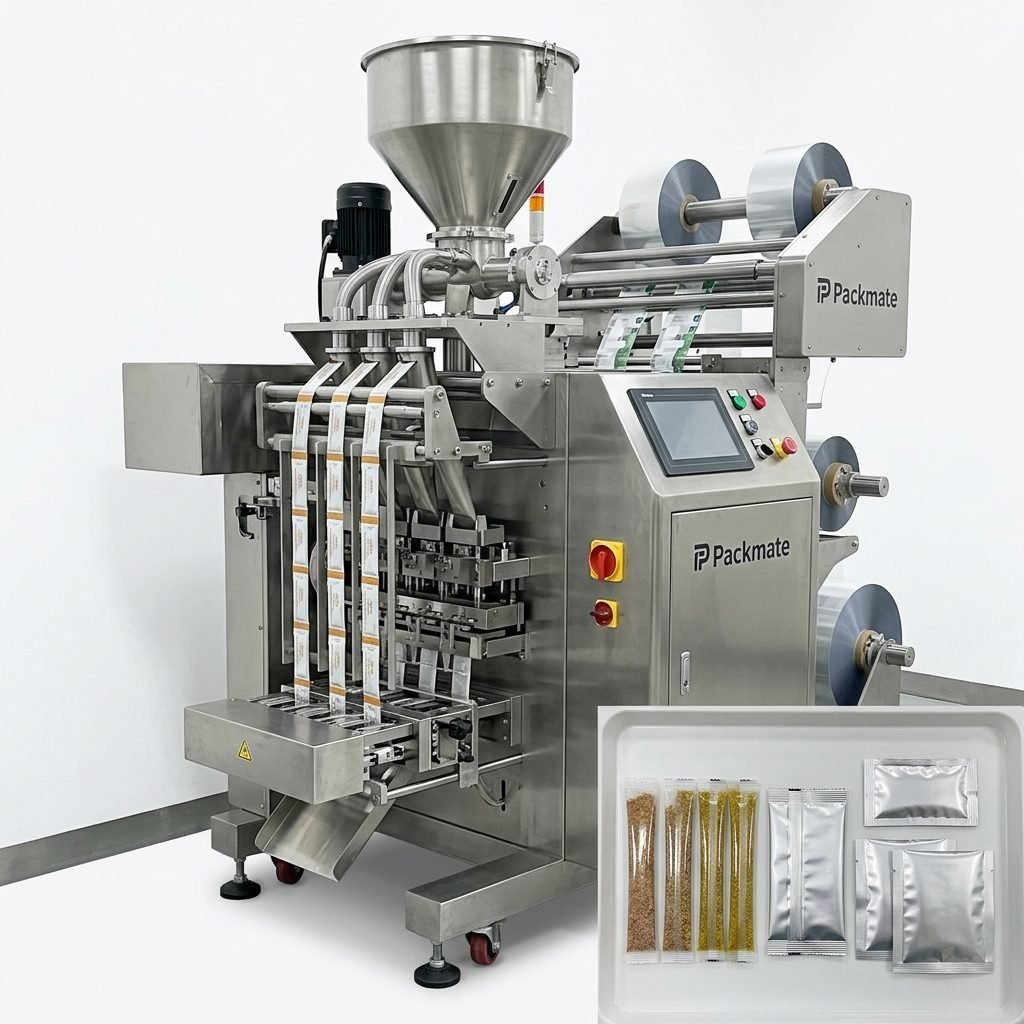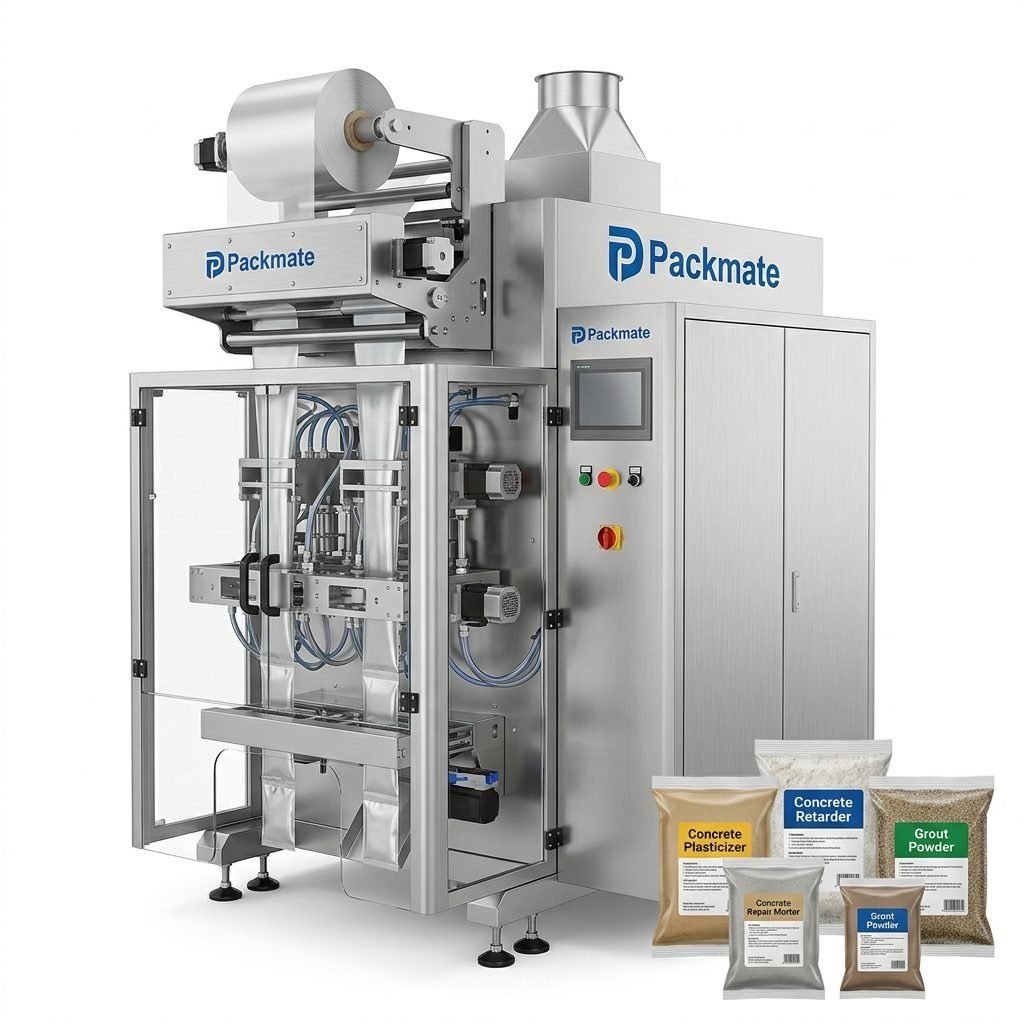
In today’s fast-paced food industry, efficiency and hygiene are paramount. Meal packaging equipment plays a crucial role in ensuring products reach consumers safely, attractively, and cost-effectively. This guide explores the world of efficient meal packaging solutions, from single-serve sachets to complete production lines, helping you make informed decisions for your business.
Understanding Meal Packaging Equipment
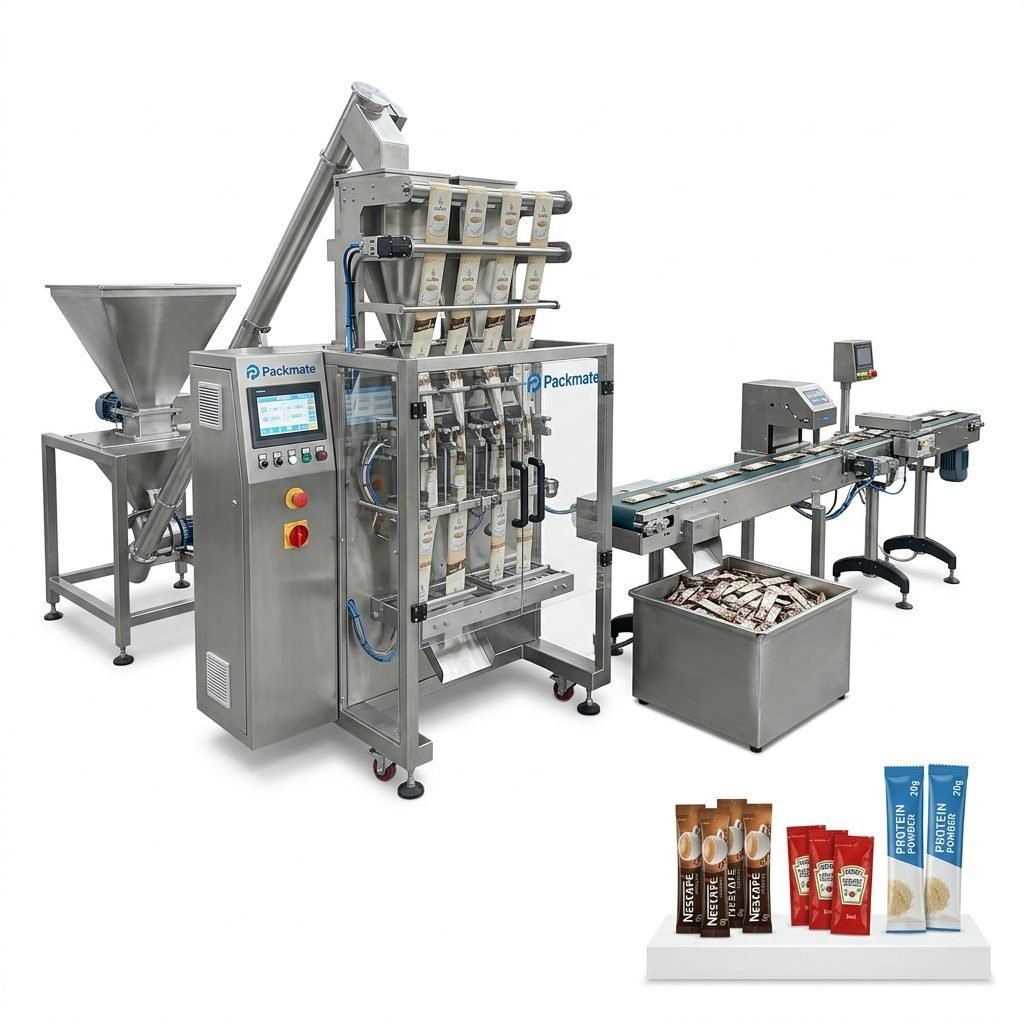
Meal packaging equipment encompasses a wide range of machinery designed to portion, fill, seal, and sometimes label pre-portioned food items. This includes equipment for creating stick packs for condiments, sachets for sauces or drink mixes, and larger pouches for ready-to-eat meals. The primary goal is to automate the packaging process, increasing speed, consistency, and hygiene while reducing labor costs and material waste.
Key Takeaway: Modern packaging isn’t just about containment; it’s a critical component of brand presentation, shelf life extension, and operational efficiency. Investing in the right equipment directly impacts your bottom line and market competitiveness.
Core Types of Packaging Machinery
The landscape of meal packaging equipment is diverse. Key categories include:
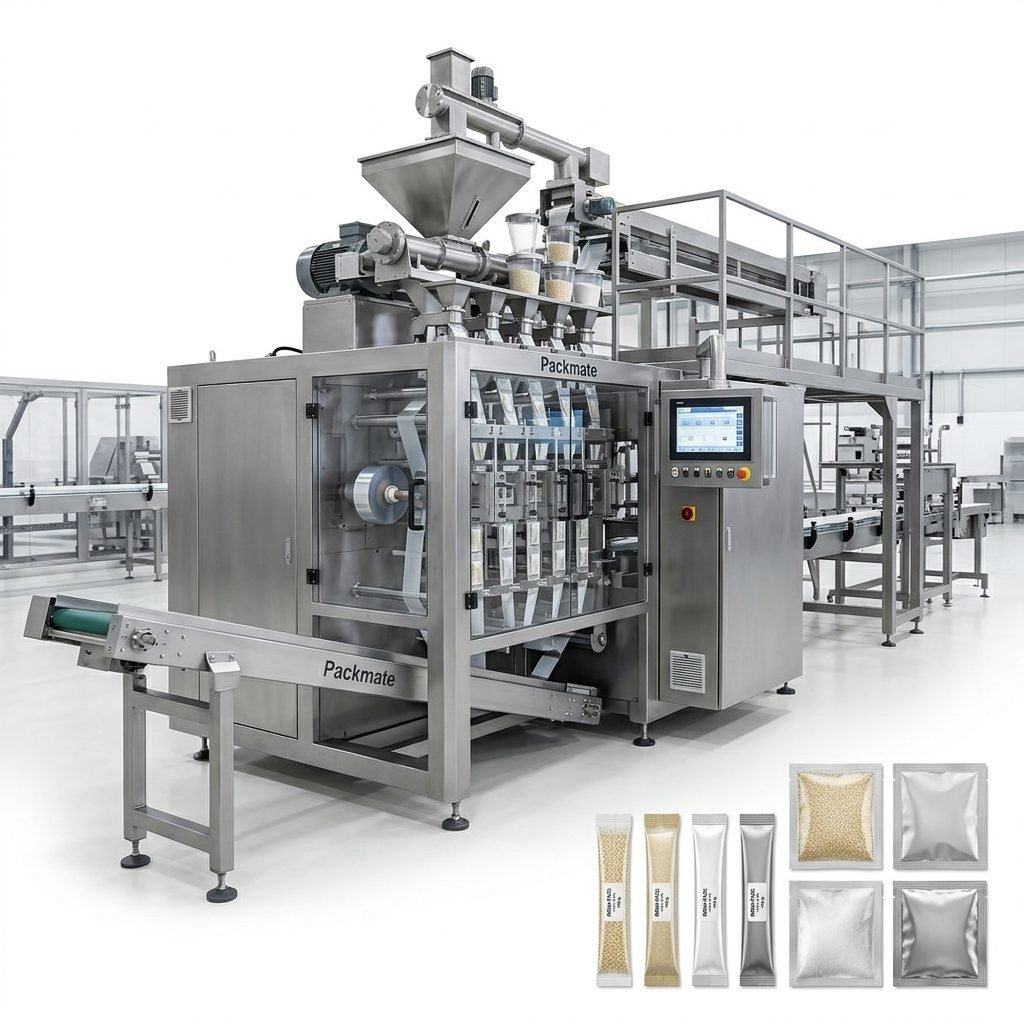
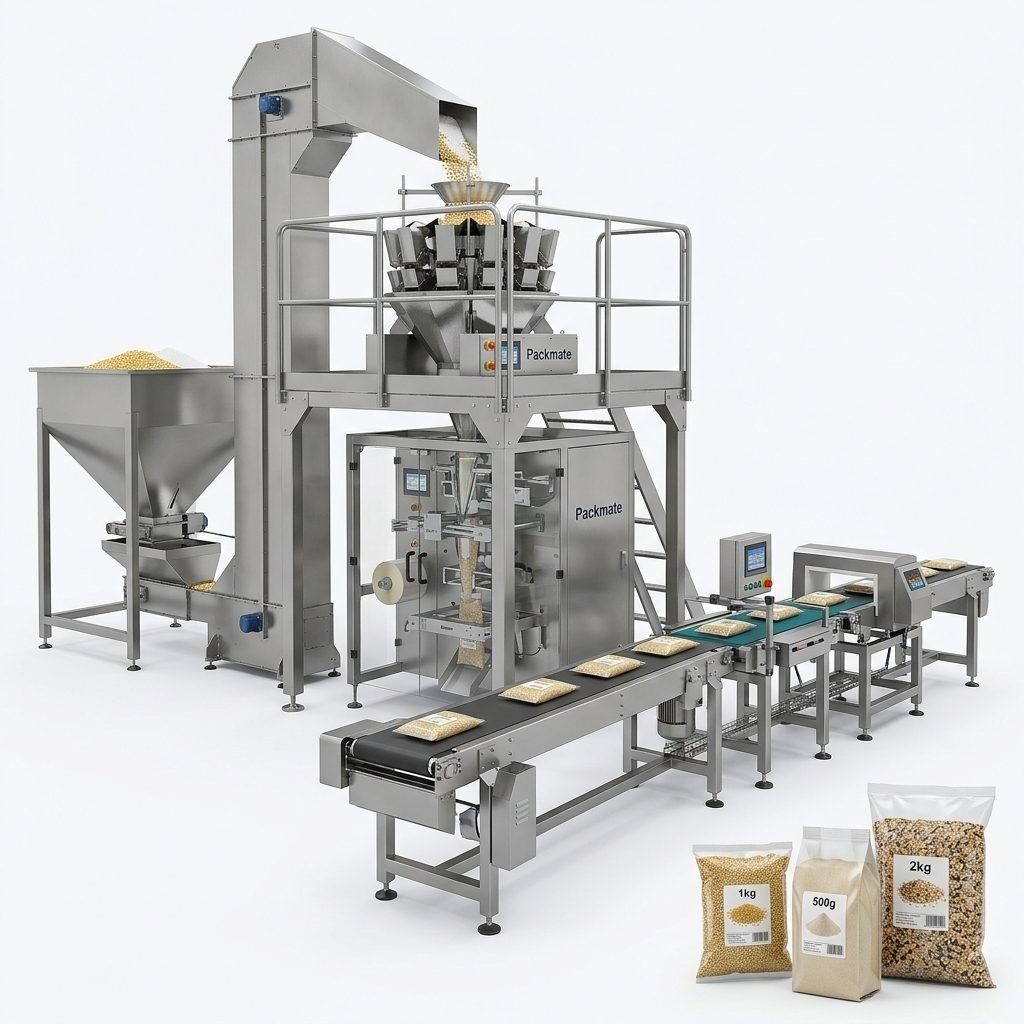
- Vertical Form-Fill-Seal (VFFS) Machines: These are workhorses for creating bags and pouches from a roll of film, filling them with product, and sealing them in one continuous operation. Ideal for snacks, grains, and powders.
- Horizontal Form-Fill-Seal (HFFS) Machines: Often used for more rigid structures or specific pouch styles, these machines form packages horizontally before filling and sealing.
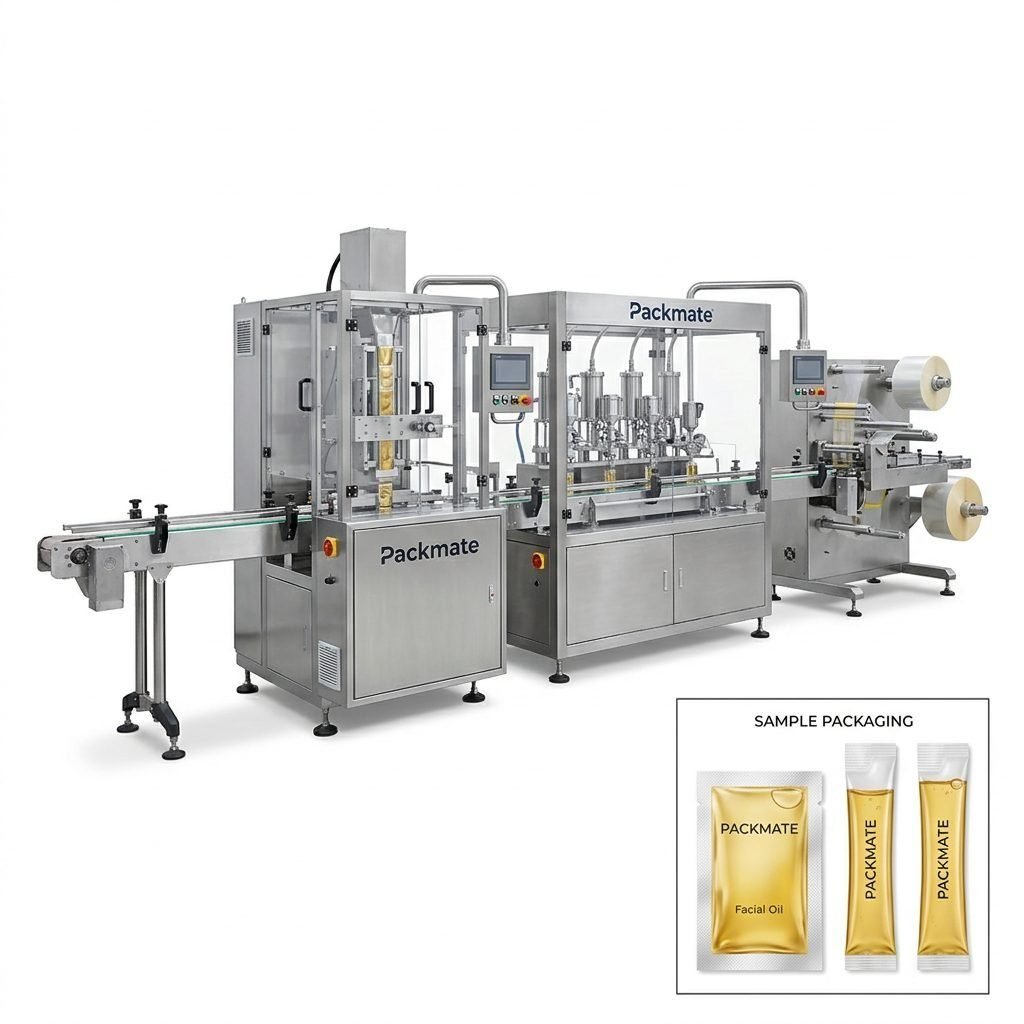
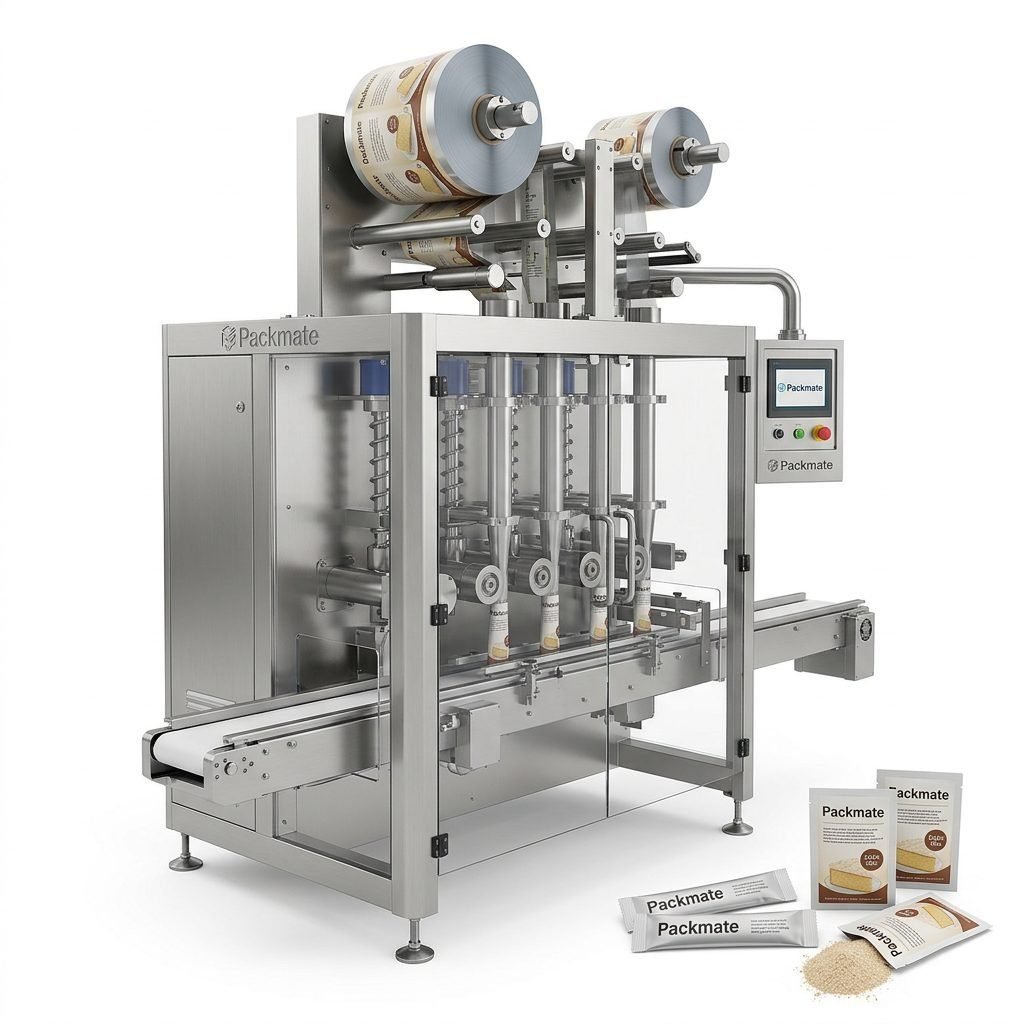
- Sachet and Stick Pack Machines: Specialized for small, single-serve portions. High-speed, multi-lane stick pack machines can produce thousands of units per minute, perfect for sugar, coffee, or seasoning.
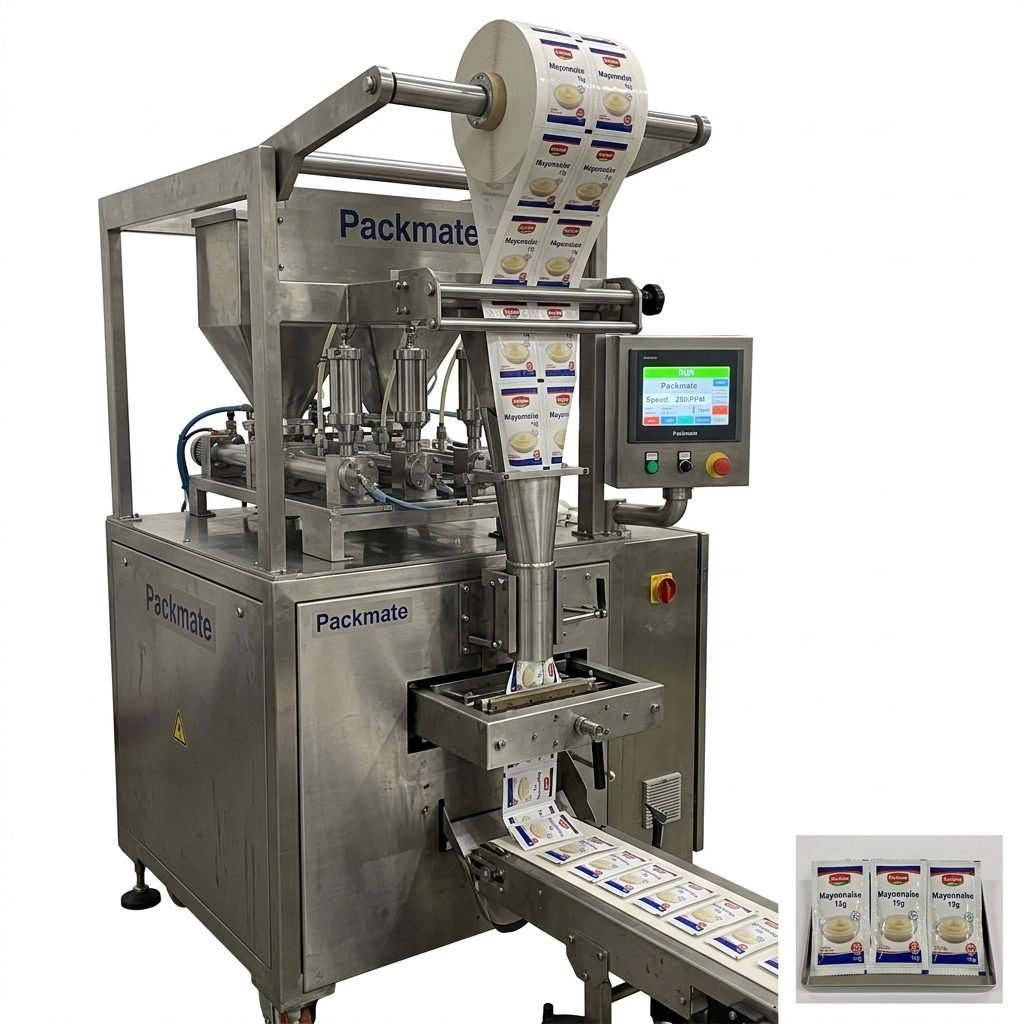
- Liquid and Paste Filling Lines: Designed to handle viscous products like sauces, dressings, or oils with precision and minimal drip.
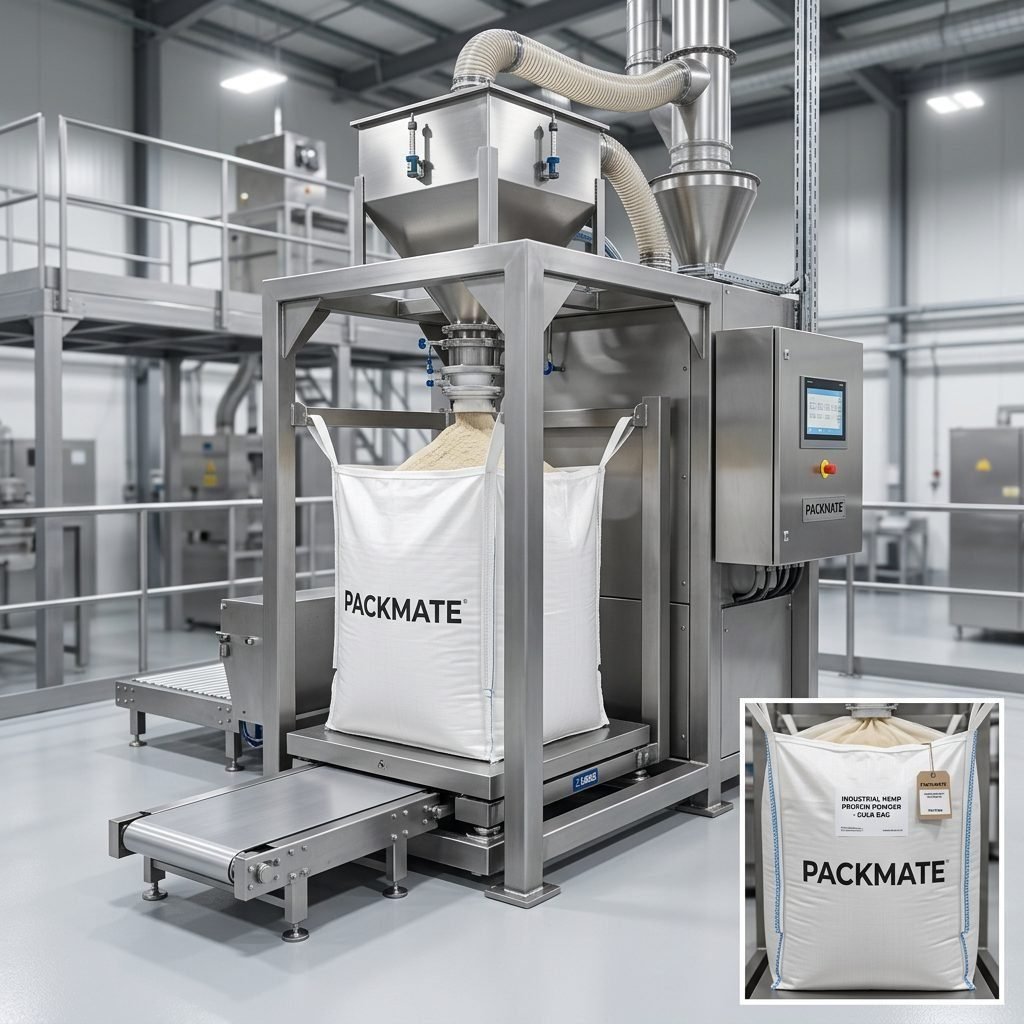
- Weighing and Dosing Systems: Integrated systems that ensure each package contains the exact weight or volume of product, crucial for cost control and regulatory compliance.
The Role of Automation and Integration
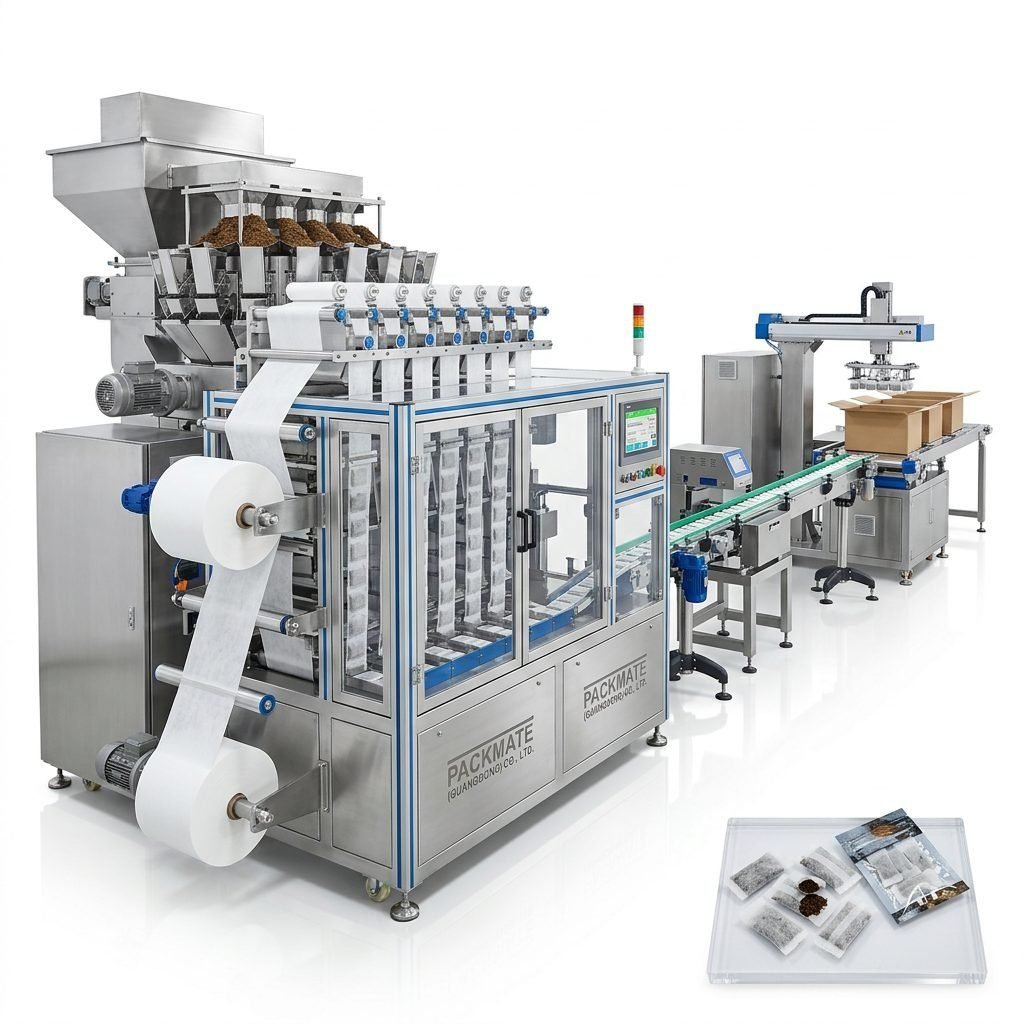
Standalone machines are powerful, but the true efficiency leap comes from integrated packaging lines. A complete line might include a bulk feeder, multi-head weigher, VFFS machine, metal detector, checkweigher, and case packer—all synchronized. This turnkey approach minimizes human handling, maximizes throughput, and ensures a consistent, high-quality output. For businesses looking to scale, this integration is non-negotiable.
Choosing the Right Equipment: A Strategic Decision
Selecting meal packaging equipment requires careful analysis. Consider your product characteristics (powder, granule, liquid), required production speed, packaging material (film type, barrier properties), and available factory footprint. Furthermore, compliance with food safety standards (like FDA, CE) is mandatory. Partnering with an experienced manufacturer who can provide a tailored solution is often more effective than purchasing off-the-shelf machines.
Benefits of Advanced Packaging Solutions
Upgrading to modern, efficient meal packaging equipment delivers tangible returns:
- Enhanced Productivity: Automated lines run 24/7, dramatically increasing output compared to manual operations.
- Superior Product Protection: Precise sealing and the use of high-barrier materials extend shelf life and maintain product freshness.
- Reduced Operational Costs: Automation cuts labor expenses, while precise dosing minimizes product giveaway. Efficient machines also reduce film waste.
- Improved Hygiene and Safety: Closed systems limit product exposure to contaminants, and machines built with food-grade materials are easy to clean and maintain.
- Brand Consistency and Appeal: Machines produce packages with uniform seals and graphics, strengthening brand perception on the shelf.
Innovation in Packaging Technology
The field is continuously evolving. Trends include the integration of Industry 4.0 principles, where machines are equipped with IoT sensors for predictive maintenance and real-time production data monitoring. There’s also a growing demand for flexibility—machines that can quickly switch between different package sizes or formats to accommodate smaller batch production runs. Sustainability is another major driver, pushing for equipment that can handle recyclable or compostable mono-material films efficiently.
Partnering with a Trusted Manufacturer
The success of your packaging operation heavily depends on the quality and reliability of your equipment supplier. A partner like Packmate Machinery brings over two decades of engineering expertise to the table. With a 20,000㎡ modern facility and a portfolio of over 50 machine models, they specialize in creating intelligent packaging solutions for food, pharmaceutical, and health products. Their journey from a small workshop to a leading manufacturer underscores a commitment to solving real-world packaging challenges with innovation and quality.
From initial concept to final installation, a full-service provider offers comprehensive support, including feasibility studies, factory layout planning, machine customization, operator training, and after-sales service. This end-to-end support ensures a smooth transition and maximizes your investment’s return. Exploring their range of packing machines is a solid first step in this strategic partnership.
Frequently Asked Questions (FAQs)
1. What factors most influence the choice of meal packaging equipment?
The key factors are: Product type (e.g., liquid, powder, solid), desired production speed (packages per minute), packaging material (laminate structure, thickness), available budget, and required level of automation. A detailed product and production analysis is essential before selection.
2. How can I ensure the packaging machine is hygienic and easy to clean?
Look for machines constructed with food-grade stainless steel (e.g., SS304 or SS316) on all product contact surfaces. Design features like rounded corners, quick-release parts, and CIP (Clean-in-Place) capabilities significantly reduce cleaning time and improve sanitation compliance.
3. What is the typical lead time for receiving and installing a new packaging line?
Lead times vary based on machine complexity and customization. For standard models, it can range from 8 to 16 weeks after order confirmation. For fully custom, integrated turnkey lines, the timeline can extend to 20 weeks or more, including factory acceptance testing and shipping.
4. Can one machine handle different package sizes or products?
Many modern machines offer quick-changeover features. By swapping out parts like forming tubes, dosing heads, or sealing jaws, a single machine can often accommodate a range of package sizes. However, switching between vastly different product types (e.g., powder to liquid) may require more extensive reconfiguration or a dedicated machine.
5. What kind of after-sales support should I expect from the manufacturer?
Comprehensive support includes detailed installation guidance and on-site commissioning, thorough operator and maintenance training, provision of operation and parts manuals, access to a stock of wear parts and consumables, and availability of remote technical support and on-site service visits. A reliable warranty period is also standard.