In today’s fast-paced manufacturing world, advanced packaging equipment is the backbone of efficient, reliable, and cost-effective production. Whether you’re in the food, pharmaceutical, or health industries, selecting the right machinery can significantly impact your output quality, operational costs, and market competitiveness. This comprehensive guide delves into the various types of packaging equipment, their distinct benefits, and provides actionable tips to help you make an informed selection that aligns with your specific production needs and business goals.
Understanding the Core Types of Packaging Equipment
The landscape of packaging machinery is diverse, with each type designed for specific materials, product forms, and output requirements. Understanding these categories is the first step toward optimizing your packaging line.
Bag and Pouch Packaging Machines
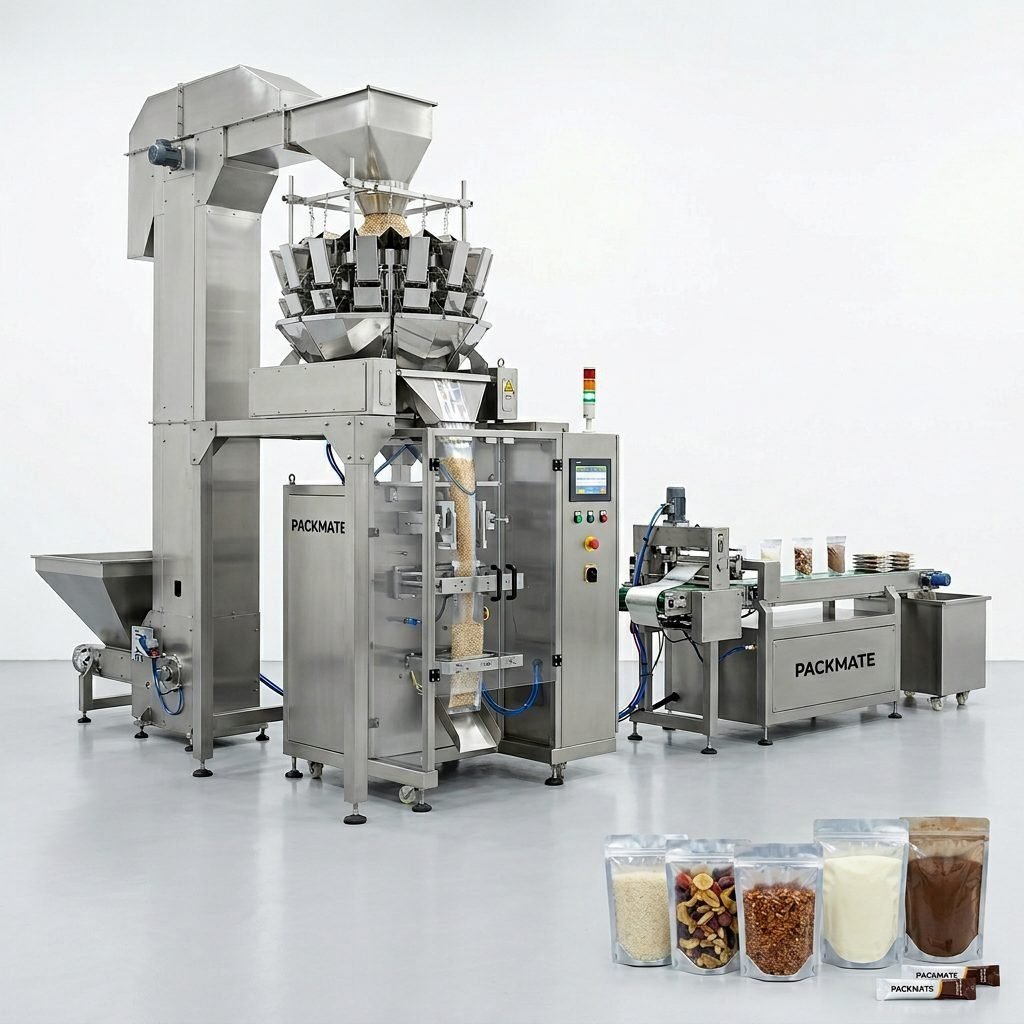
These machines are versatile workhorses, ideal for packaging a wide range of products from snacks and coffee to hardware and chemicals. They form, fill, and seal bags from a roll of film, offering flexibility in bag sizes and styles. Modern systems often integrate advanced features like gas flushing for modified atmosphere packaging (MAP) to extend shelf life.
Sachet and Stick Pack Machines
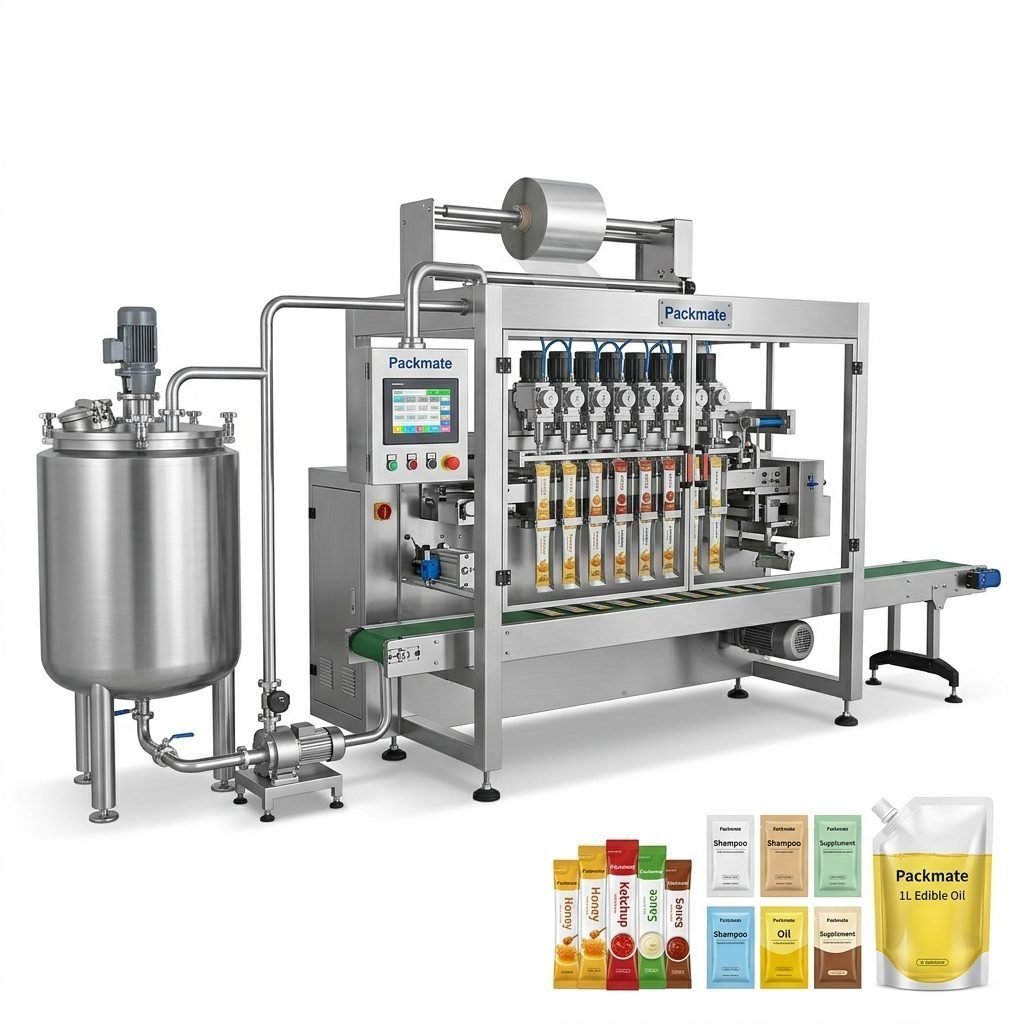
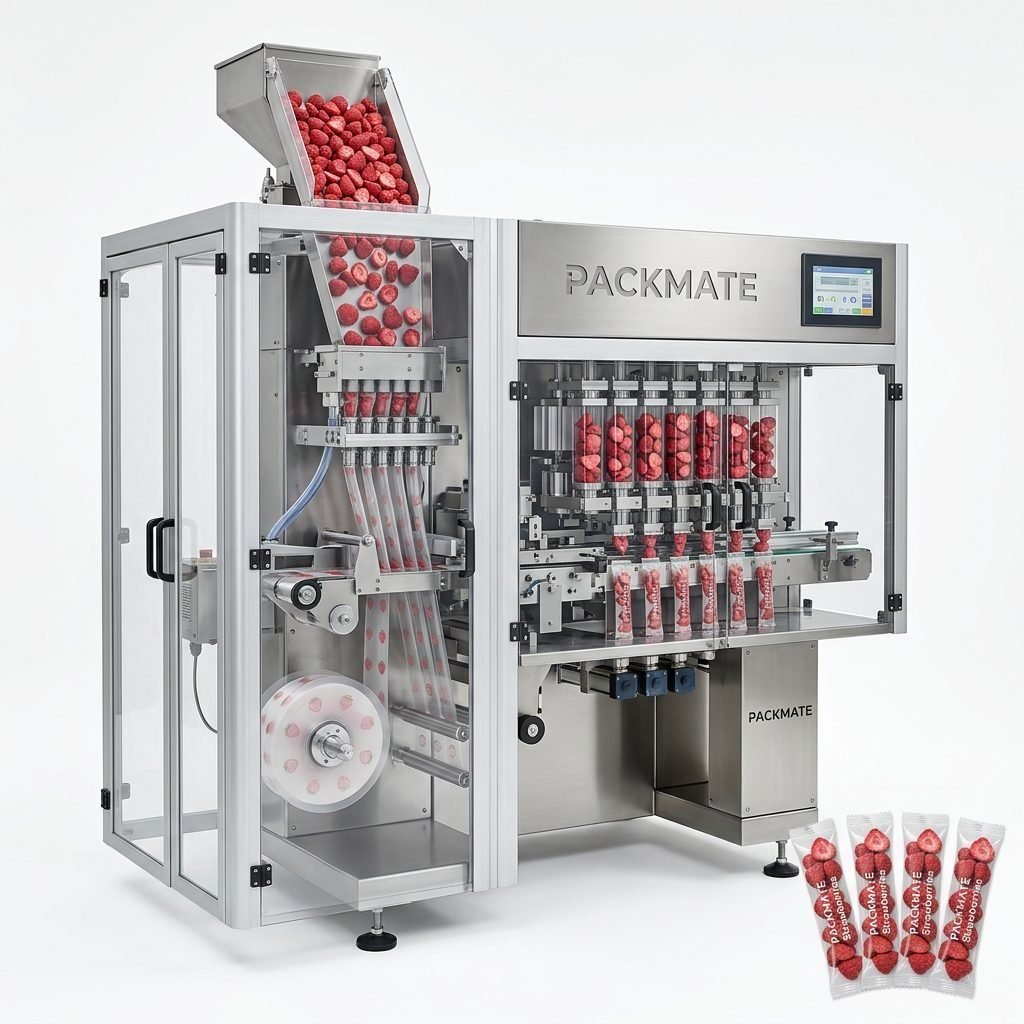
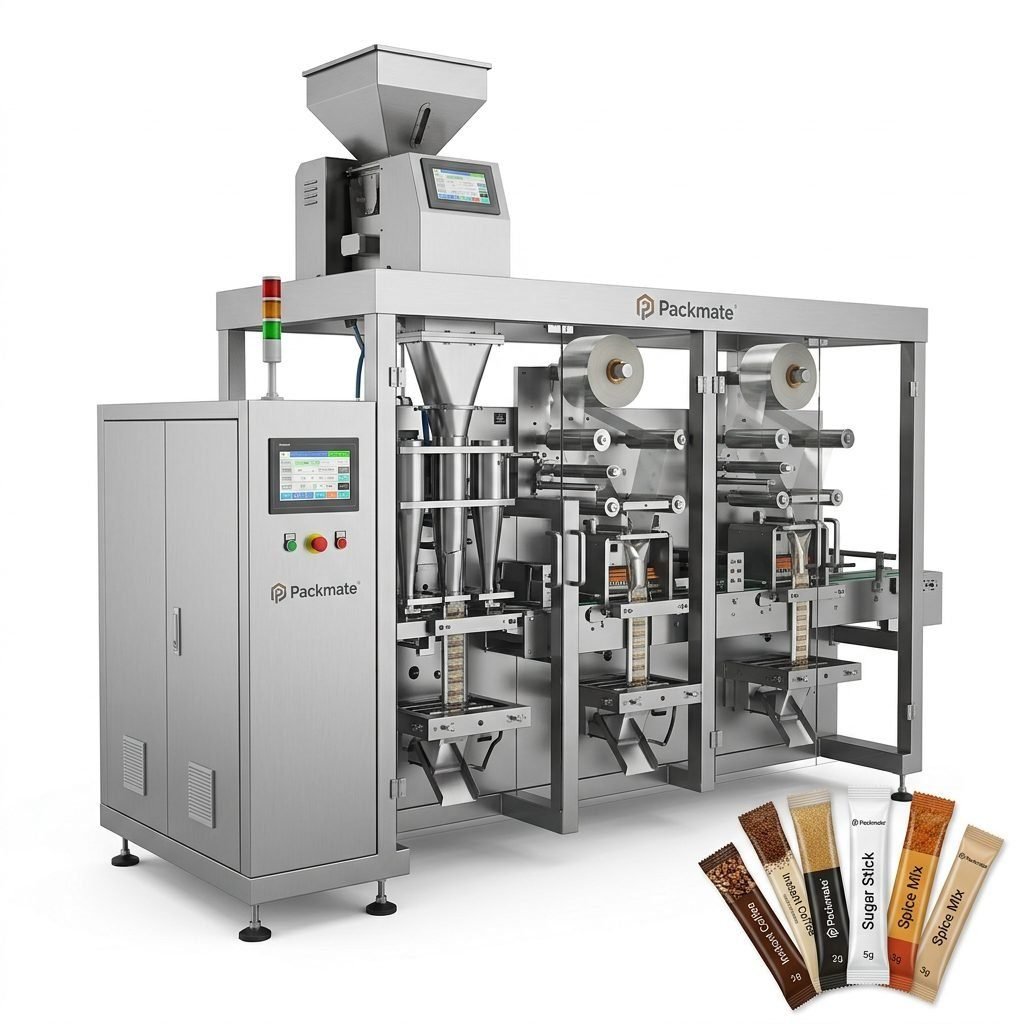
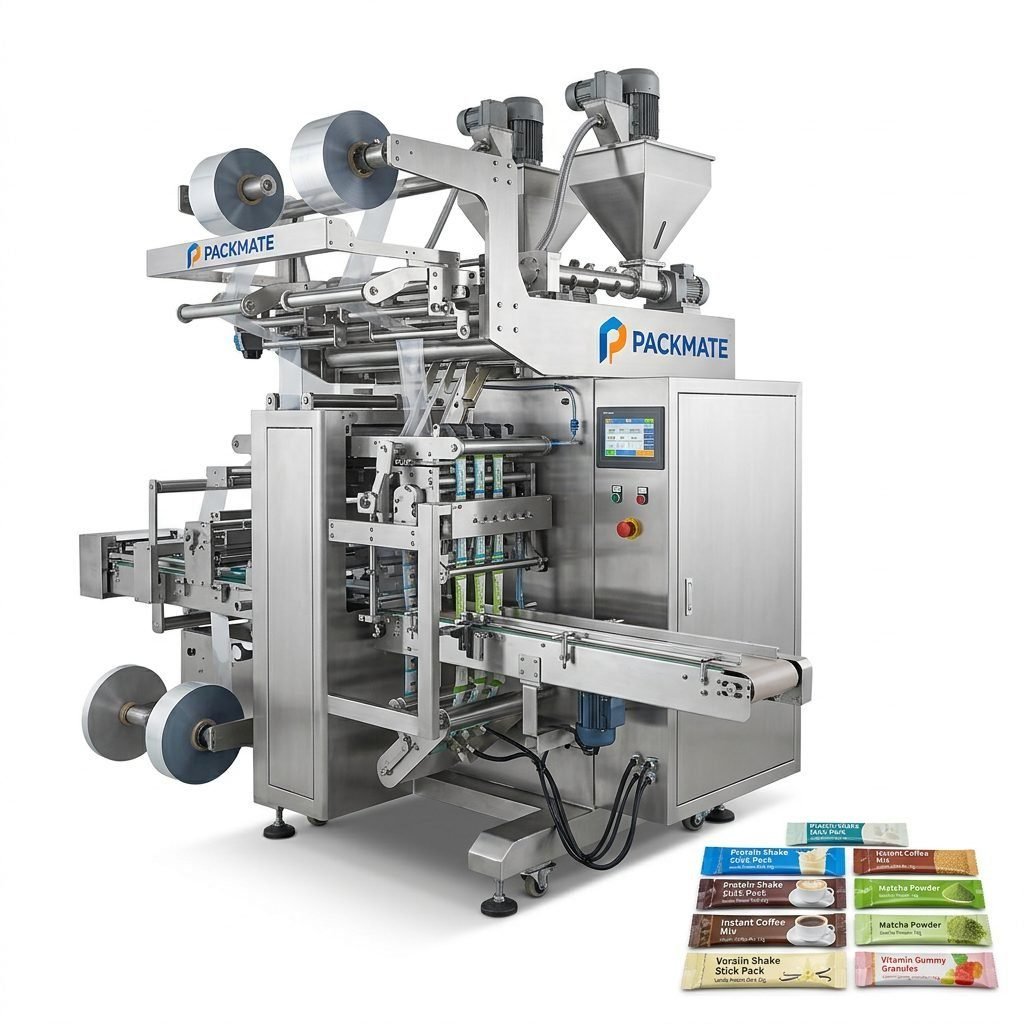
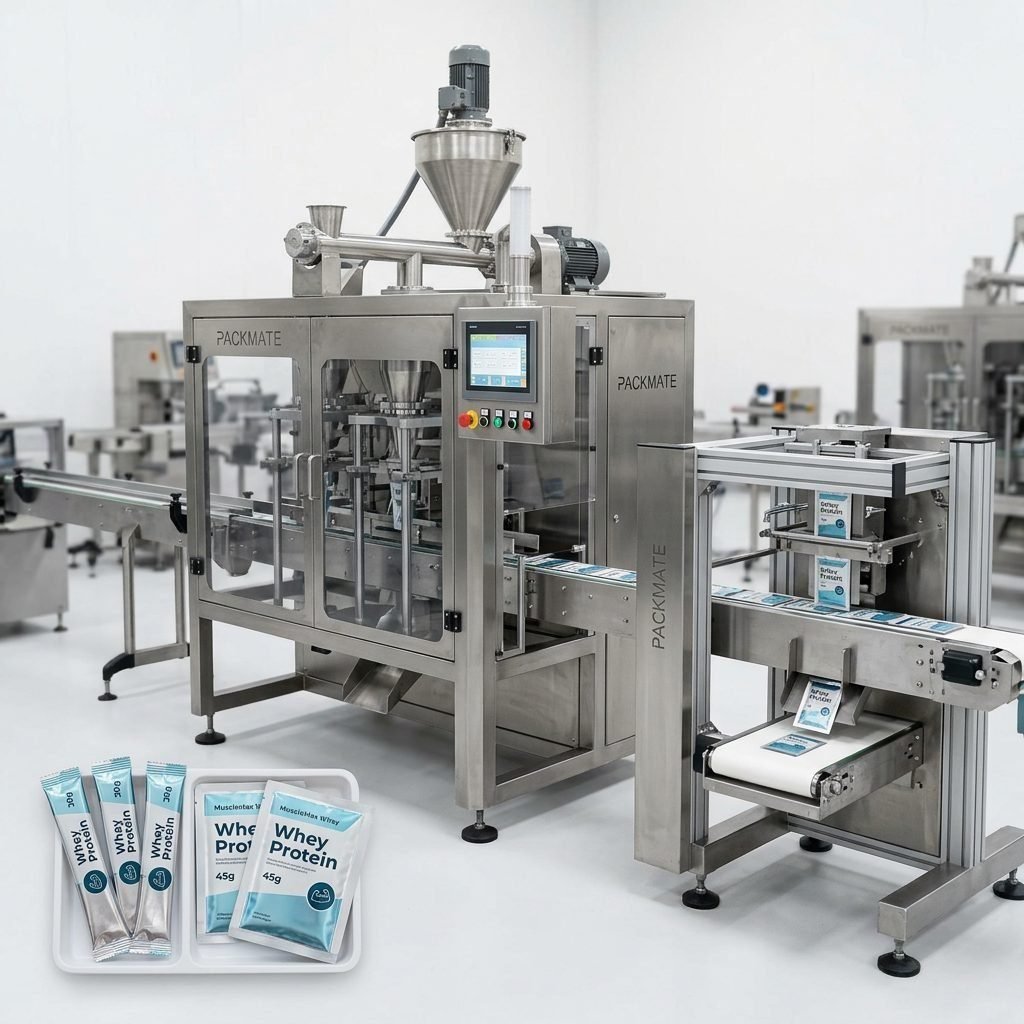
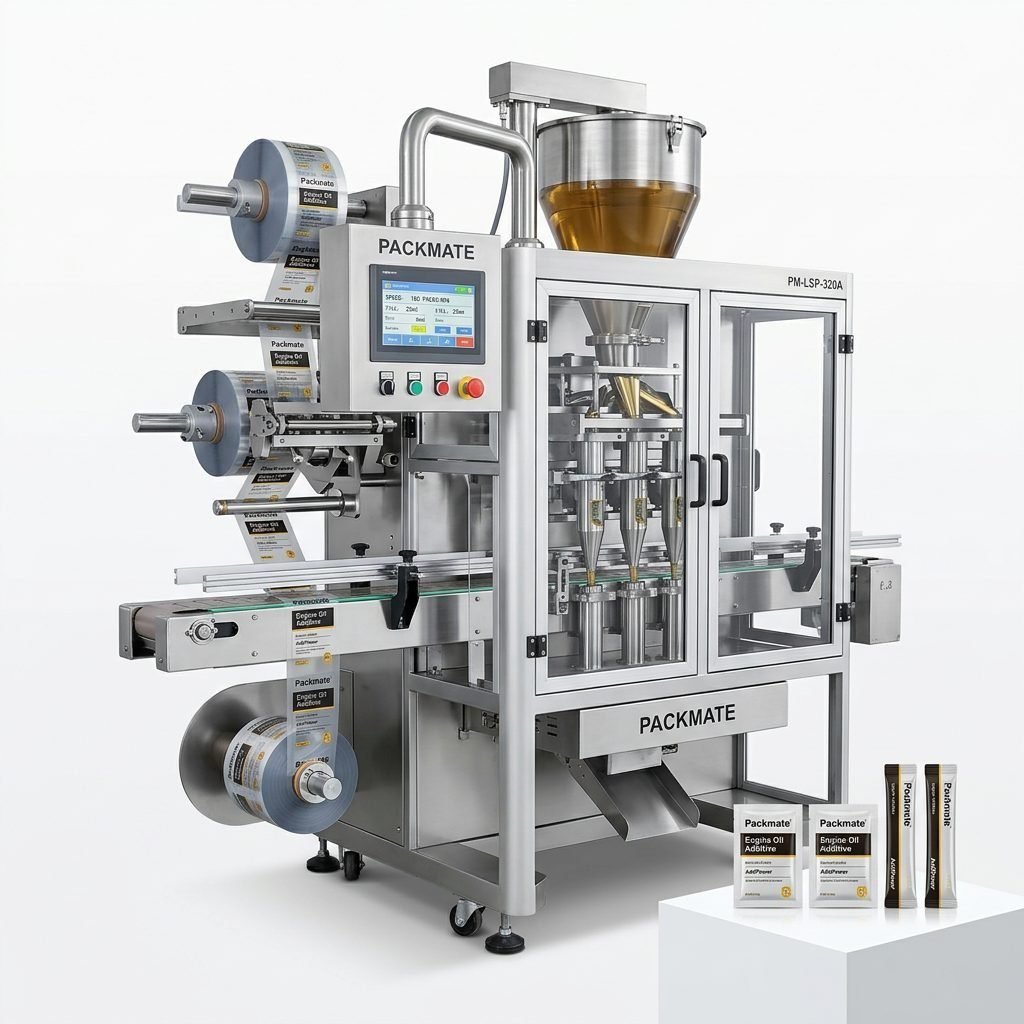
Perfect for single-serve portions of powders, granules, or liquids, these machines are highly popular in the food, beverage, and pharmaceutical sectors. They offer excellent barrier properties and consumer convenience. Multi-lane configurations, like those offered by industry leaders such as Packmate Machinery, dramatically increase output by running several packaging lines simultaneously from a single feeder.
Weighing and Packaging Systems
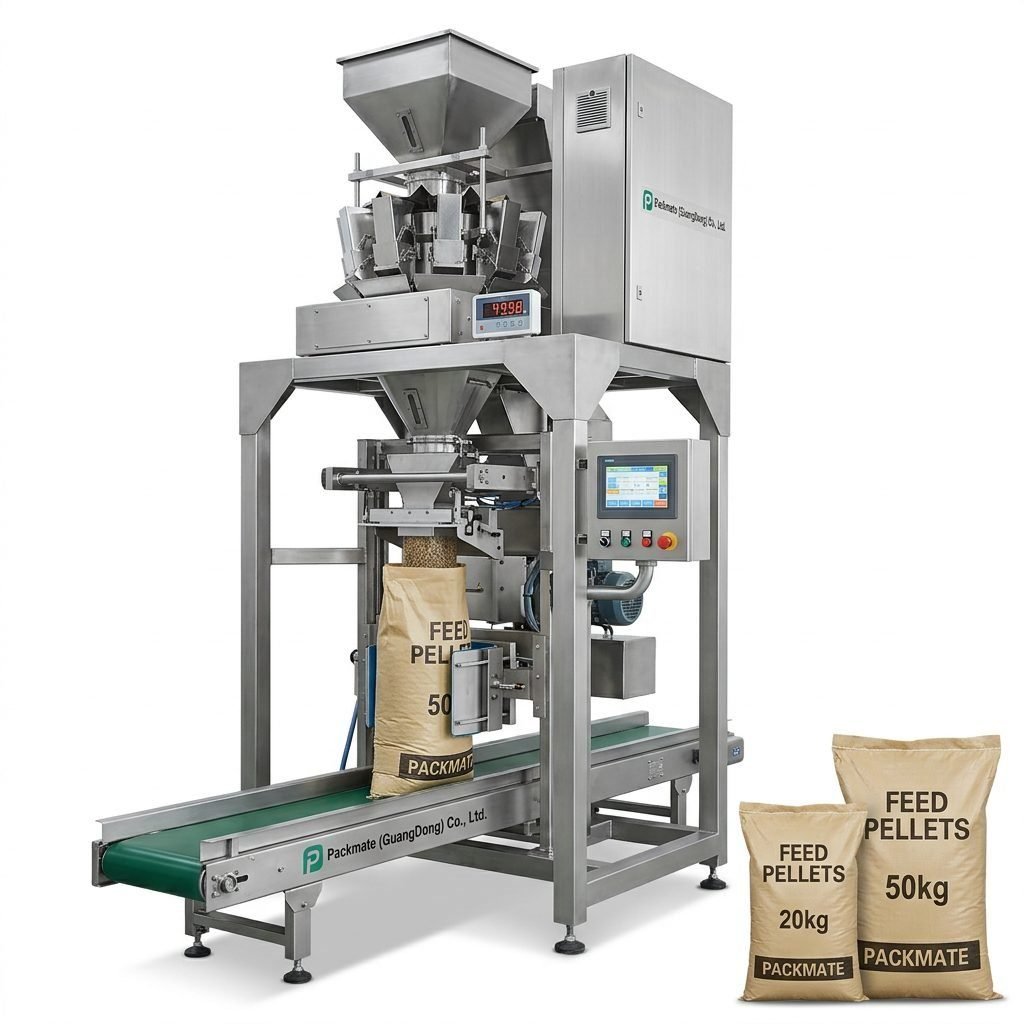
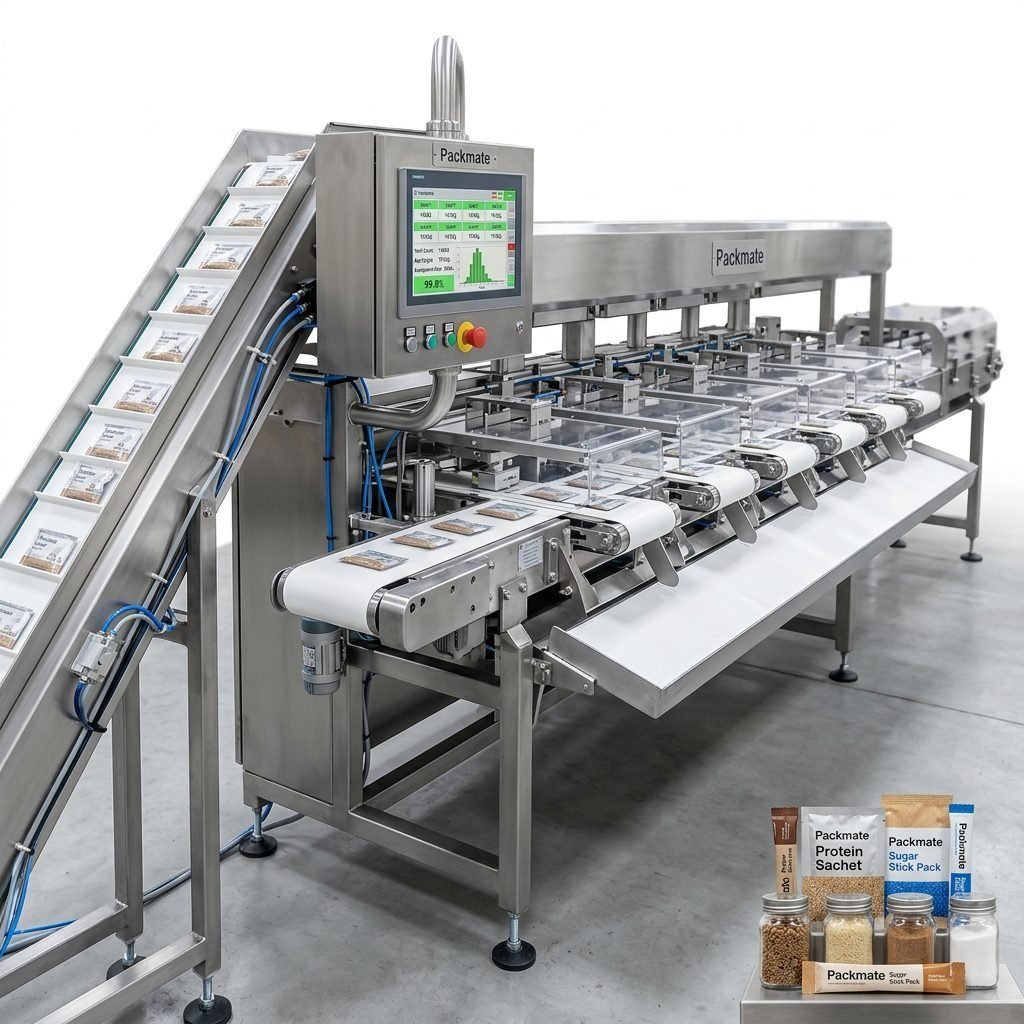
Accuracy is paramount, especially when dealing with expensive ingredients or regulated products. These integrated systems combine precision multi-head weighers or auger fillers with packaging machines. They ensure each pouch or bag contains the exact weight specified, minimizing product giveaway and ensuring compliance, which is crucial for industries with strict regulatory standards.
Complete Filling and Packaging Lines
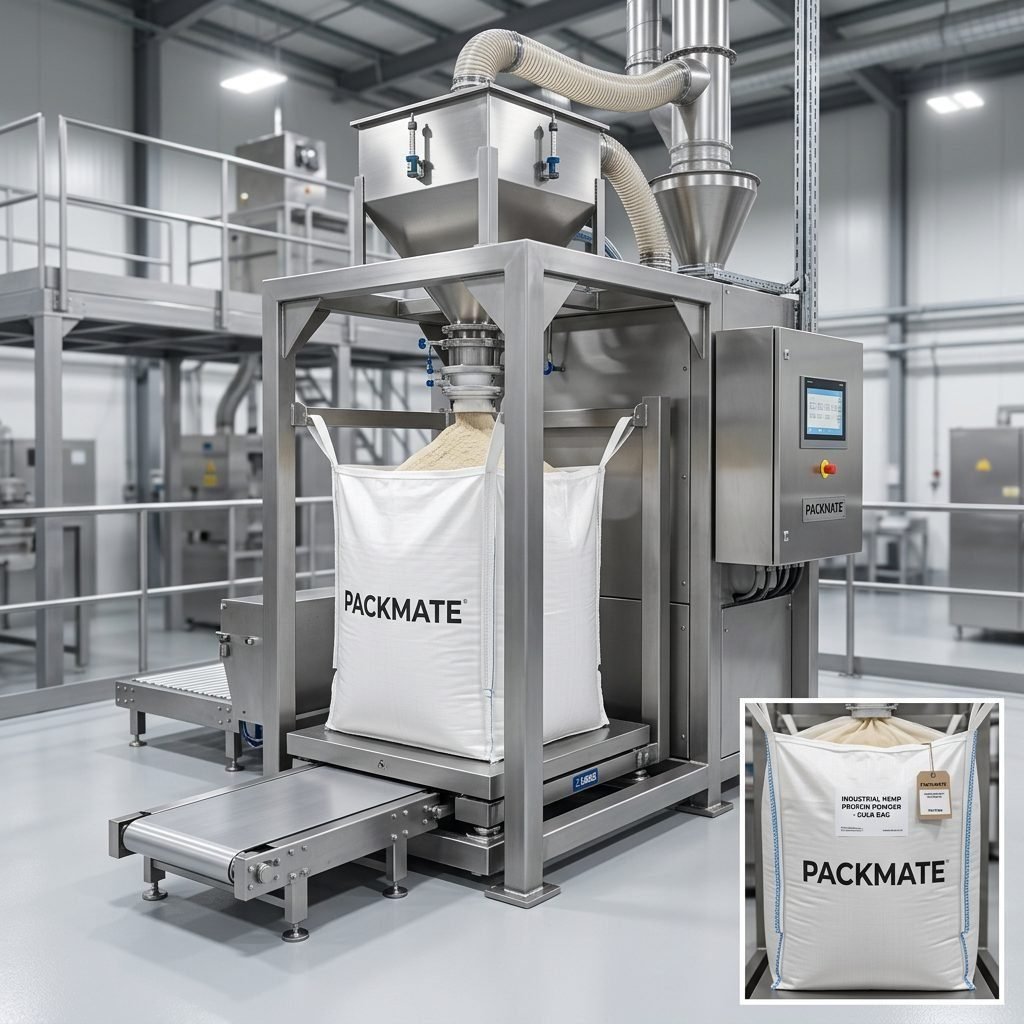
For large-scale operations, a turnkey line that orchestrates multiple processes—from product feeding and filling to sealing, coding, and cartoning—is essential. These filling and packaging lines represent the pinnacle of automation, maximizing throughput while minimizing labor and the potential for contamination or error.
Key Benefits of Investing in Advanced Packaging Equipment
Upgrading from manual or semi-automatic processes to advanced machinery delivers a compelling return on investment through multiple channels.
Enhanced Productivity and Output
Automated machines operate at consistent, high speeds 24/7, far surpassing manual capabilities. A multi-lane stick pack machine, for instance, can produce hundreds of thousands of units per day. This scalability allows businesses to meet surges in demand without proportionally increasing labor costs.
Superior Product Consistency and Quality
Human error in filling, sealing, or handling is virtually eliminated. Advanced equipment ensures every package has the same precise weight, a strong, hermetic seal, and a professional appearance. This consistency builds brand trust and reduces customer complaints and returns.
Reduced Operational Costs: While the initial investment is significant, the long-term savings are substantial. Automation reduces direct labor requirements, minimizes material waste through precise dosing, and lowers energy consumption with efficient servo-driven systems. The overall cost per unit packaged drops dramatically.
Improved Safety and Hygiene: Automated systems limit direct human contact with the product, which is a critical advantage in food and pharmaceutical packaging. This creates a more hygienic environment, reduces contamination risks, and enhances workplace safety by moving operators away from repetitive motion tasks.
Essential Selection Tips for Your Business
Choosing the right equipment is a strategic decision. Here’s a framework to guide your evaluation process.
1. Define Your Product and Material Specifications
This is the foundation. Be precise about your product’s form (powder, granule, liquid, solid), its characteristics (abrasive, oily, hygroscopic), and your packaging material (film type, thickness, barrier properties). The machine must be compatible with all these factors to ensure smooth operation and package integrity.
2. Analyze Your Required Output and Speed
Calculate your current and projected future production volumes. Don’t just buy for today’s needs; consider a machine with 20-30% additional capacity for growth. Speed (packages per minute) must align with your upstream and downstream processes to avoid bottlenecks. Exploring different machine models with varying capacities is crucial at this stage.
3. Prioritize Flexibility and Changeover Ease
If you run multiple SKUs with different bag sizes or products, look for machines with quick-change features. Systems with digital settings that store recipes for different packages can reduce changeover time from hours to minutes, maximizing uptime and operational agility.
4. Evaluate Technology and Control Systems
Modern machines with programmable logic controllers (PLCs) and touch-screen human-machine interfaces (HMIs) offer greater control, diagnostics, and data logging. Features like automatic film tracking, self-diagnostic alarms, and connectivity for Industry 4.0 integration are valuable for maintaining efficiency and predictive maintenance.
5. Assess Manufacturer Support and Reliability
The machine is only as good as the company behind it. Investigate the manufacturer’s reputation, experience, and after-sales support. A provider with a long track record, like Packmate Machinery with over two decades in the industry, offers peace of mind. Consider the availability of training, spare parts, technical support, and warranty terms. Reviewing real-world application cases can provide practical insights.
The Importance of Total Cost of Ownership (TCO)
Look beyond the initial purchase price. Calculate the Total Cost of Ownership, which includes energy consumption, expected maintenance costs, spare parts pricing, required operator skill level, and potential downtime. A slightly more expensive machine with higher reliability and lower operating costs often provides a better long-term investment than a cheaper, less robust alternative.
Frequently Asked Questions (FAQs)
What is the typical lead time for receiving a new packaging machine?
Lead times vary significantly based on the machine’s complexity, customization level, and manufacturer’s backlog. For standard models, it can range from 8 to 16 weeks. For fully customized turnkey lines, planning for 20 weeks or more is advisable. Always confirm timelines with your supplier during the quotation process.
How do I ensure the machine will work with my specific product?
The most reliable method is to conduct a product test at the manufacturer’s facility or with a machine in your region. Reputable suppliers offer testing services using your actual product and packaging materials to validate performance, speed, and seal quality before you commit to a purchase.
What are the most common maintenance requirements for automated packaging equipment?
Daily and weekly cleaning to prevent product buildup is essential. Regular lubrication of moving parts, inspection and replacement of wear items like sealing jaws, cutter blades, and film guides, and checking for mechanical looseness are standard. Following the manufacturer’s preventative maintenance schedule is key to avoiding unplanned downtime.
Can older packaging machinery be upgraded or retrofitted with new features?
In many cases, yes. Common retrofits include upgrading drives to servo motors for better accuracy, adding new control systems (PLCs/HMIs), or integrating vision inspection systems. It’s best to consult with the original equipment manufacturer or a specialized service provider to assess the feasibility and cost-effectiveness for your specific machine.
What training is provided for our operators and maintenance staff?
Professional suppliers typically provide comprehensive training, both at their facility during factory acceptance tests (FAT) and on-site during installation and commissioning. Training should cover normal operation, changeover procedures, basic troubleshooting, routine maintenance, and safety protocols. Ensure this is clearly outlined in your purchase agreement.