In the fast-paced world of manufacturing, packaging machine downtime can be a costly and disruptive event. Ensuring the continuous operation of your packaging line is crucial for meeting production targets and maintaining profitability. This comprehensive guide delves into the essential aspects of packaging machine repair services and provides practical troubleshooting solutions to help you minimize downtime and maximize efficiency.
Understanding the Need for Professional Repair Services
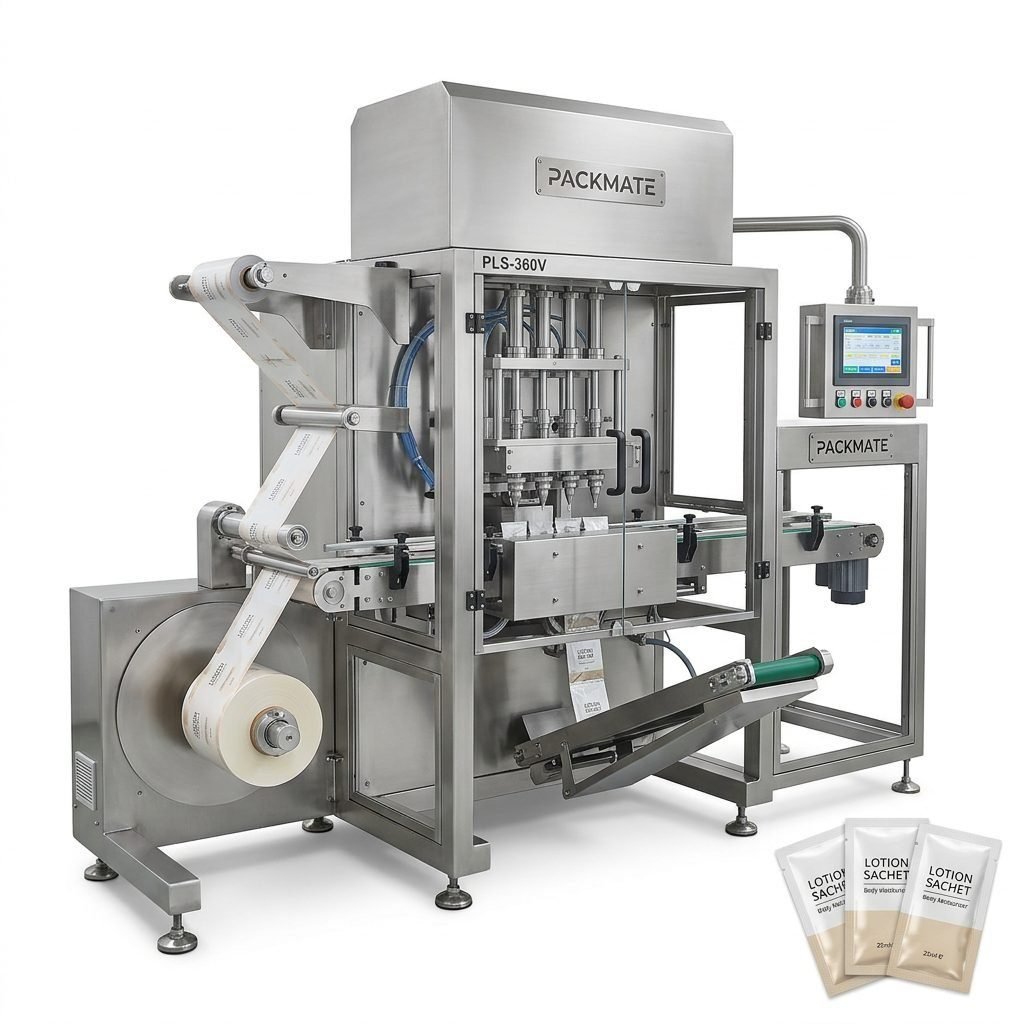
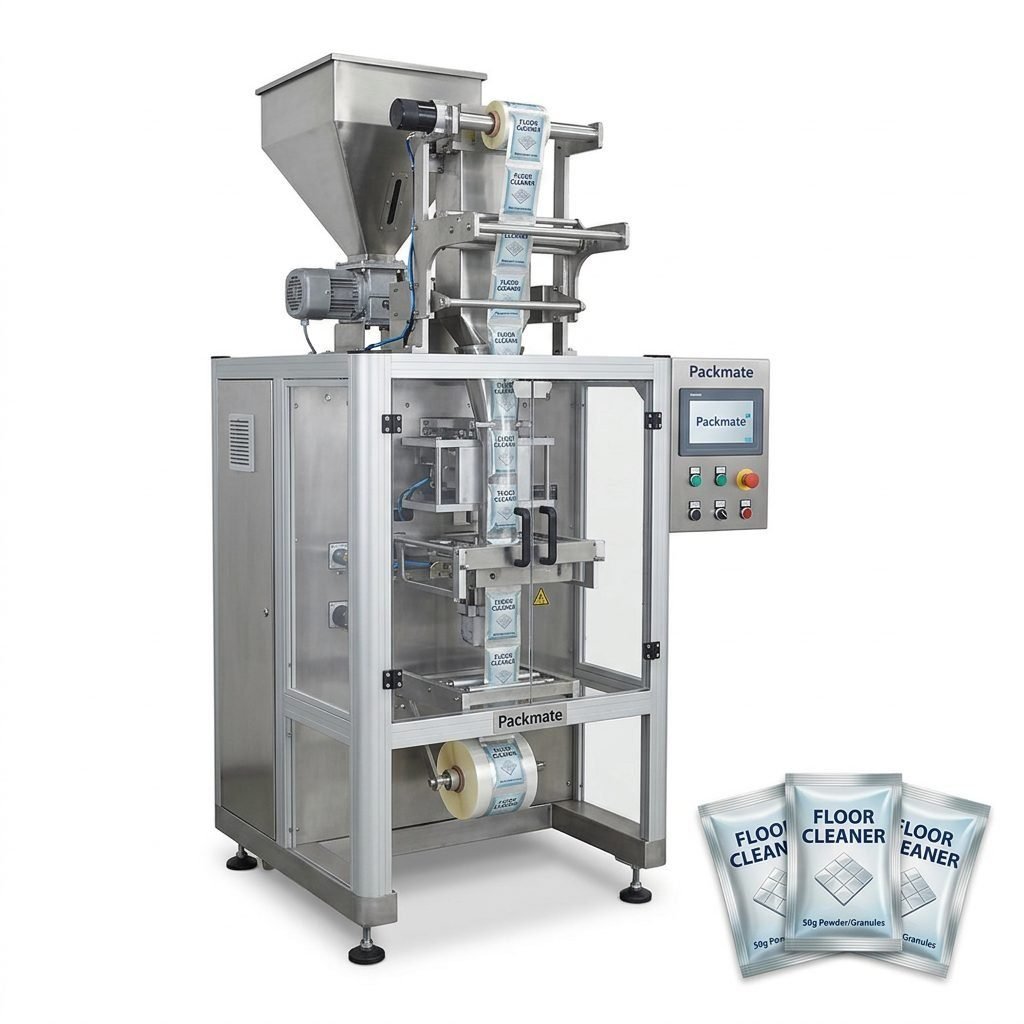
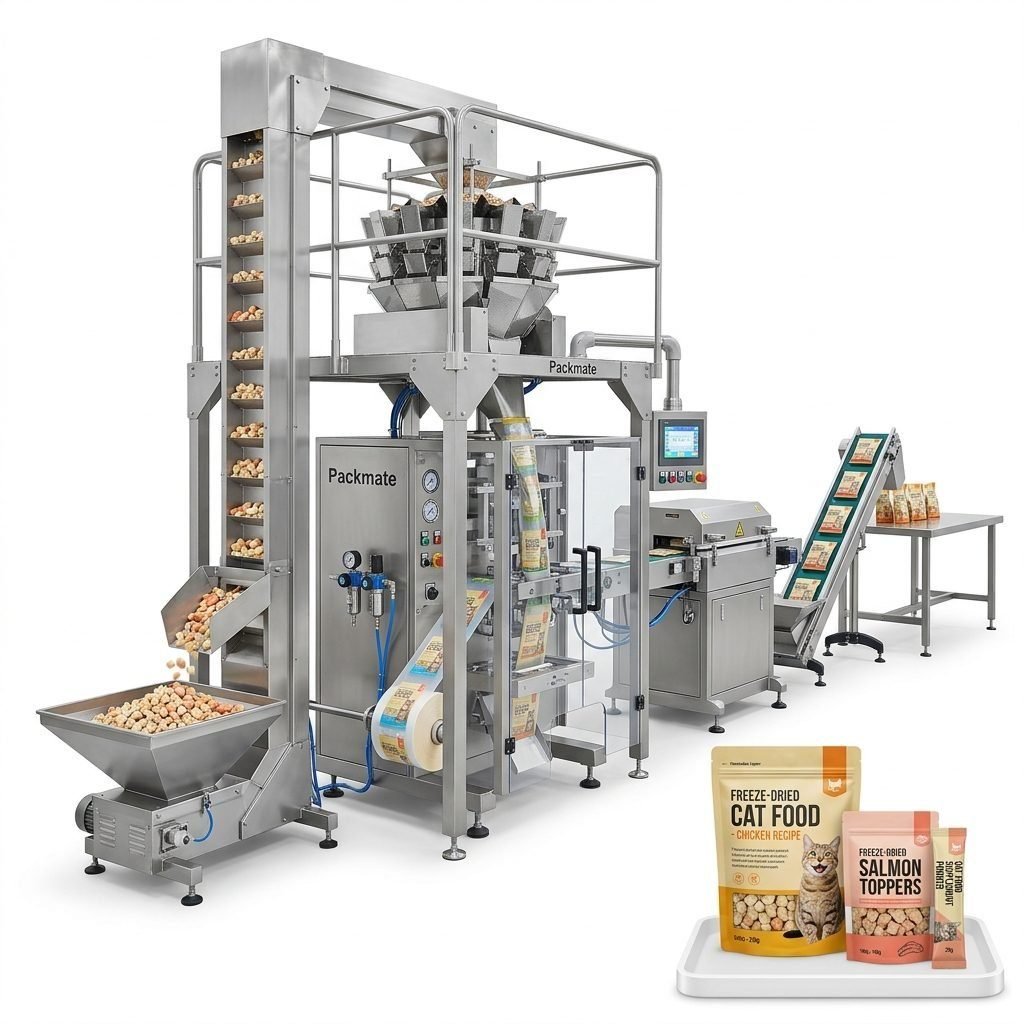
Packaging machinery, from sophisticated sachet & stick pack machines to robust filling & packaging lines, is complex. While basic maintenance can be performed in-house, significant malfunctions require expert intervention. Professional repair services bring specialized knowledge, genuine parts, and diagnostic tools that are often unavailable on the factory floor.
A professional technician doesn’t just fix the immediate problem; they perform a root cause analysis. This approach prevents recurring issues, extends the machine’s lifespan, and ensures it operates within its original design specifications for optimal performance and product quality.
Common Packaging Machine Issues and Immediate Troubleshooting
Before calling in a service team, operators can often diagnose and sometimes resolve common issues. Here are frequent problems and initial steps:
1. Inconsistent Sealing or Poor Seal Quality
Possible Causes: Contaminated sealing jaws, incorrect temperature or pressure settings, worn Teflon coating, or misaligned film.
Troubleshooting Steps:
- Clean the sealing jaws thoroughly with approved solvents to remove product residue or film debris.
- Verify and recalibrate the temperature and pressure settings according to the film manufacturer’s specifications.
- Inspect the Teflon or non-stick coating on the jaws for cracks or wear and replace if necessary.
- Check the film path for correct alignment and ensure it is feeding smoothly without tension variations.
2. Inaccurate Filling or Dosing
Possible Causes: Clogged nozzles or funnels, calibration drift in weigh cells, worn piston seals (for liquid fillers), or incorrect auger settings (for powder fillers).
Troubleshooting Steps:
- Stop the machine and clear any blockages in the filling system. For sticky products, implement more frequent cleaning cycles.
- Run a calibration sequence for the weighing system as per the machine manual.
- For volumetric fillers, inspect pistons and seals for wear and replace them during scheduled maintenance.
- Check that the product’s characteristics (e.g., density, flowability) match the machine’s configuration.
3. Frequent Film Breaks or Web Tears
Possible Causes: Misaligned film rolls, damaged or dirty film guides, incorrect tension settings, or sharp edges on forming collars or tubes.
Troubleshooting Steps:
- Re-align the film roll on the unwind shaft to ensure it feeds centrally.
- Inspect all guides and rollers for scratches, grooves, or accumulated dirt and clean or replace them.
- Adjust the film brake or tension control to provide steady, even pull without over-stressing the material.
- Feel along the forming tube and collar for any burrs or sharp spots that could score the film.
When to Escalate to Professional Repair Services
While operator-level troubleshooting is valuable, certain situations demand professional expertise. Contact a certified service provider like Packmate’s service team when you encounter:
Electrical or Control System Failures: Error codes on the PLC/HMI, unresponsive drives, or motor faults.
Major Mechanical Breakdowns: Broken gears, damaged shafts, or significant bearing failures.
Persistent, Unresolved Issues: Problems that recur after basic fixes, indicating a deeper systemic fault.
Safety System Interventions: If safety guards, light curtains, or emergency stops have been triggered and require resetting or repair.
Performance Optimization: When you need to recalibrate the entire machine for a new product or to achieve higher speeds and efficiency.
The Value of Partnering with an OEM Service Team
Choosing repair services from the Original Equipment Manufacturer (OEM) offers distinct advantages. Companies like Packmate (GuangDong) Co., Ltd., with over 30 years of expertise in intelligent packaging equipment, provide unparalleled support. Their deep knowledge of machine design, from bag & pouch packaging machines to complex integrated lines, ensures repairs are done correctly.
OEM services guarantee the use of genuine, precision-made parts that fit perfectly and perform as intended. This maintains the machine’s integrity and reliability. Furthermore, OEM technicians are trained on the latest software updates and technological upgrades, offering solutions that go beyond repair to include performance enhancements.
Implementing a Proactive Maintenance Strategy
The most effective “repair” strategy is to prevent breakdowns from happening. A proactive maintenance plan, often provided as part of a comprehensive service contract, is essential.
Key Components of a Proactive Plan:
- Scheduled Inspections: Regular check-ups by trained technicians to identify wear and tear before it causes failure.
- Predictive Maintenance: Using vibration analysis, thermal imaging, or other tools to monitor machine condition and predict component life.
- Preventive Parts Replacement: Systematically replacing high-wear items like seals, belts, and filters on a schedule, not just when they fail.
- Operator Training: Ensuring your team knows how to operate the machine correctly and perform daily cleaning and basic checks, which is the first line of defense against downtime.
Adopting this strategy transforms your approach from reactive firefighting to controlled, planned management of your equipment’s health.
Summary of Common Questions (FAQ)
Here are answers to some of the most frequently asked questions regarding packaging machine repair and troubleshooting.
Q1: How can I tell if a problem needs a professional repair vs. in-house troubleshooting?
A: If the issue involves the machine’s core electrical systems (PLC, drives, sensors), major mechanical components (gearboxes, main shafts), or persists after you’ve addressed all obvious causes (cleaning, realignment, basic settings), it’s time to call a professional. Safety-related faults should always be handled by certified technicians.
Q2: What are the risks of using non-OEM or counterfeit spare parts?
A: Non-genuine parts may have inferior materials or imprecise tolerances. This can lead to premature failure, cause damage to other machine components, void your machine’s warranty, and often result in more frequent downtime and higher long-term costs compared to using OEM-approved parts.
Q3: How often should I schedule professional preventive maintenance for my packaging line?
A: The frequency depends on your machine’s hours of operation, the type of product being packaged (abrasive, corrosive, etc.), and environmental conditions. A general guideline is a minor service every 3-6 months and a major comprehensive inspection annually. Your OEM service provider can recommend an optimal schedule based on your specific usage.
Q4: Can old packaging machines be upgraded or retrofitted instead of fully replaced?
A: Yes, in many cases. Retrofitting with new drives, updated control systems (like a modern HMI/PLC), or adding new features like enhanced checkweighers or vision inspection systems can significantly boost an older machine’s performance, accuracy, and connectivity. A professional service assessment can determine the feasibility and ROI of such upgrades.
Q5: What information should I have ready when I call for service support?
A: To expedite support, have your machine model and serial number, a clear description of the problem (including any error codes), details about the product and packaging material being used, and a record of any troubleshooting steps already taken. Photos or short videos of the issue can be extremely helpful for remote diagnosis.