In today’s fast-paced manufacturing environment, efficiency and reliability are paramount. For businesses packaging products like powders, granules, liquids, or small solid items, selecting the right hand packaging machine is a critical decision that directly impacts productivity, product presentation, and operational costs. These machines, often the final touchpoint before a product reaches the customer, must balance speed with precision.
Understanding Hand Packaging Machines
Hand packaging machines, also known as semi-automatic packaging machines, are designed for operations where manual product loading is paired with automated sealing, wrapping, or forming. They represent a perfect middle ground for small to medium-sized enterprises (SMEs) or production lines with moderate output requirements. Unlike fully automatic lines, they offer significant advantages in terms of lower initial investment, flexibility for short runs, and easier operator control.
The core function of these machines is to consistently and securely wrap a product using materials like film, foil, or pre-formed pouches. Key processes include heat sealing, vacuum sealing, shrink wrapping, and form-fill-seal for sachets. The operator’s role is typically to place the product into the machine, initiate the cycle, and then remove the finished pack. This human-machine collaboration ensures quality checks are integrated into the workflow.
Key Features of Top-Performing Machines
When evaluating hand packaging machines, several features distinguish the best from the rest. Look for models with adjustable sealing parameters (time and temperature) to handle diverse packaging materials, from delicate films to multi-layer laminates. A robust and easy-to-clean stainless steel construction is essential for hygiene, especially in food and pharmaceutical applications like those served by Packmate Machinery.
User-friendly touchscreen interfaces with programmable settings for different products drastically reduce changeover time and operator training. Safety features, including emergency stops, thermal guards, and clear safety guarding, are non-negotiable. Furthermore, machines designed with quick-change parts for different pouch sizes or sealing jaws enhance versatility, allowing a single machine to support multiple product lines.
Benefits for Operational Efficiency
Implementing a well-chosen hand packaging machine transforms a packaging station from a bottleneck into a productivity hub. The primary benefit is a significant increase in output speed compared to purely manual methods, often by 300% or more. This directly translates to lower labor costs per unit and the ability to meet higher demand without expanding the workforce.
Consistency is another major advantage. Automated sealing ensures every package has the same professional finish, tight seal, and attractive appearance, enhancing brand credibility. This reduces material waste from failed seals and product spoilage. The ergonomic design of top machines also reduces operator fatigue and strain, leading to a happier, more productive workforce and fewer work-related injuries.
Selecting the Right Machine for Your Product
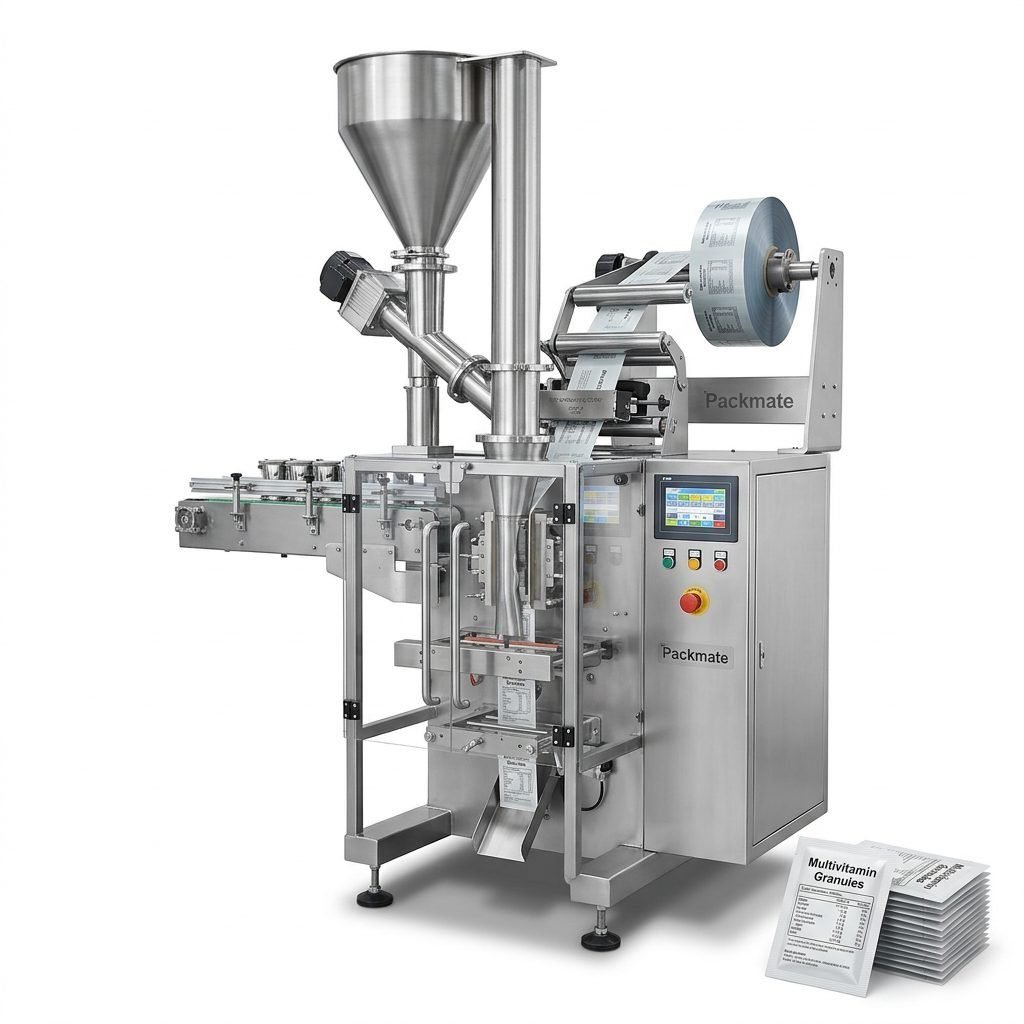
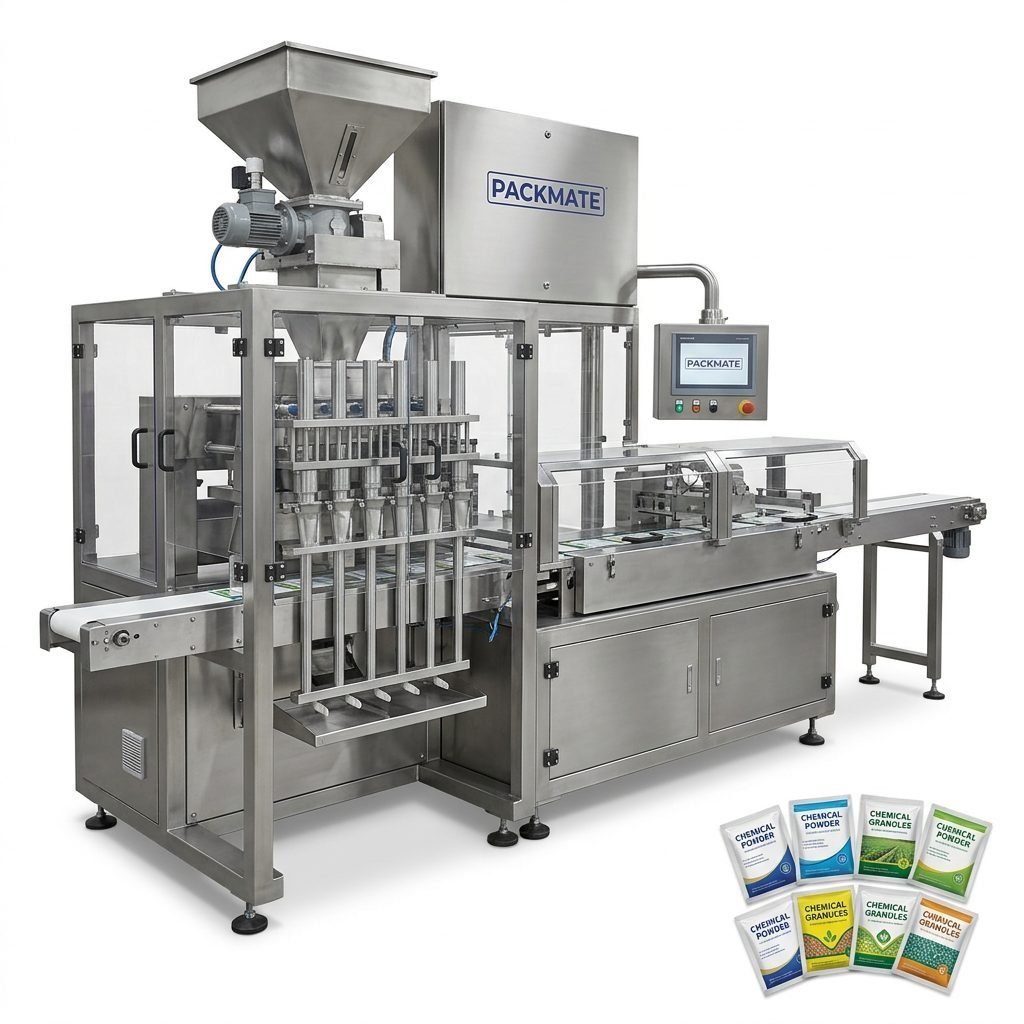
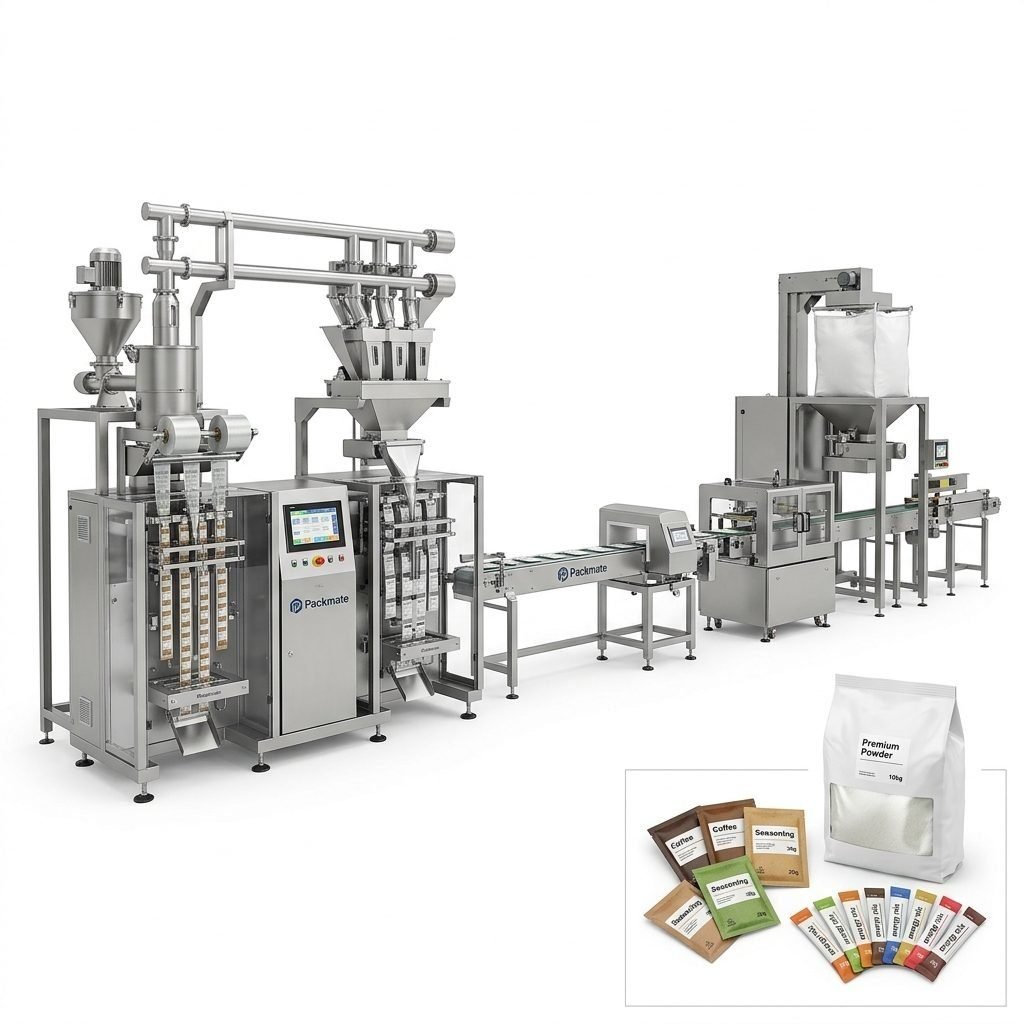
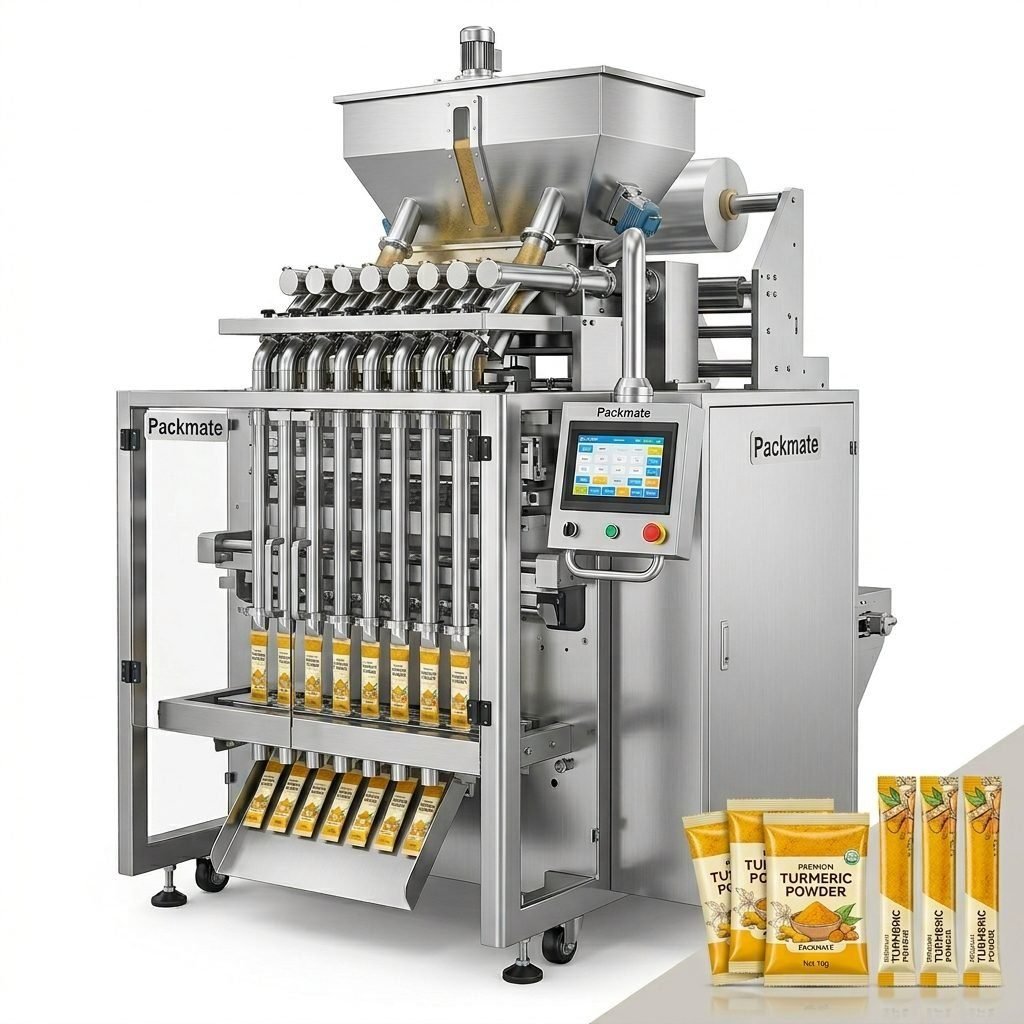
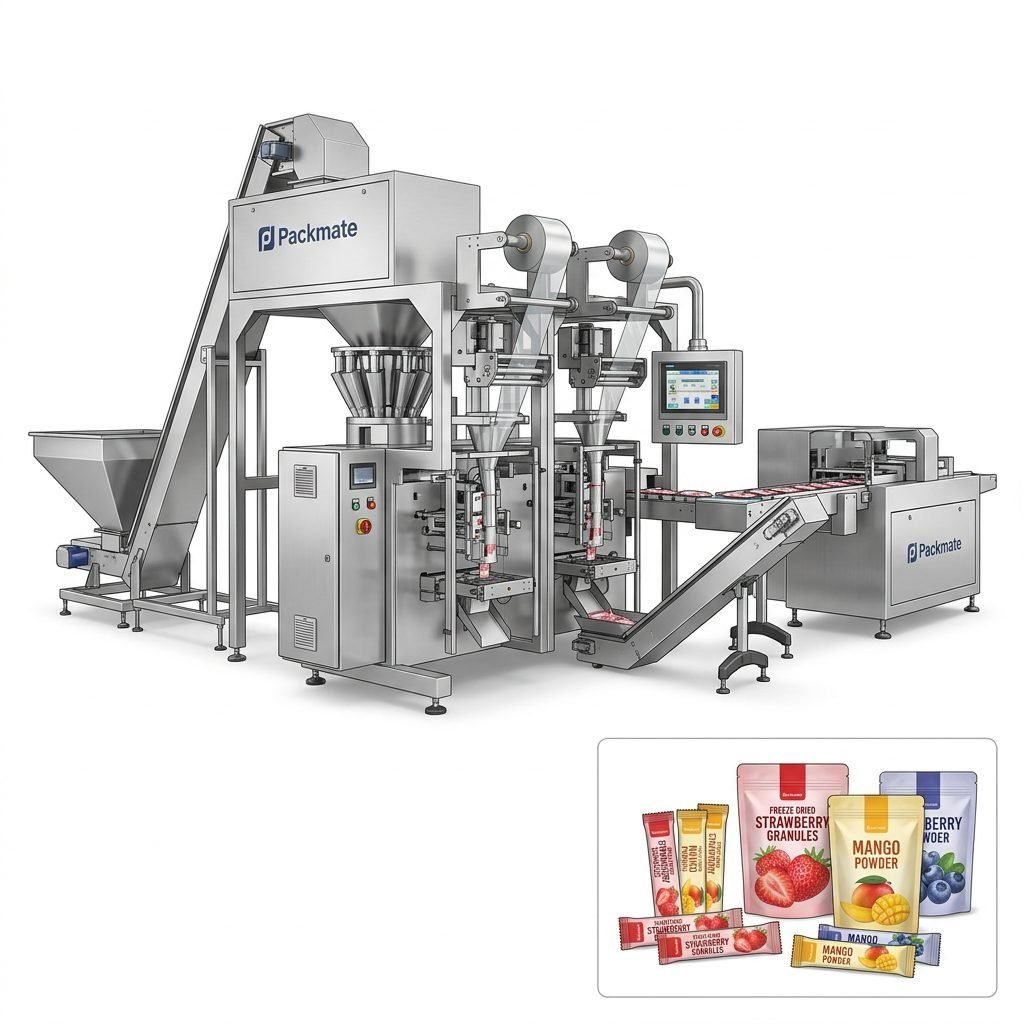
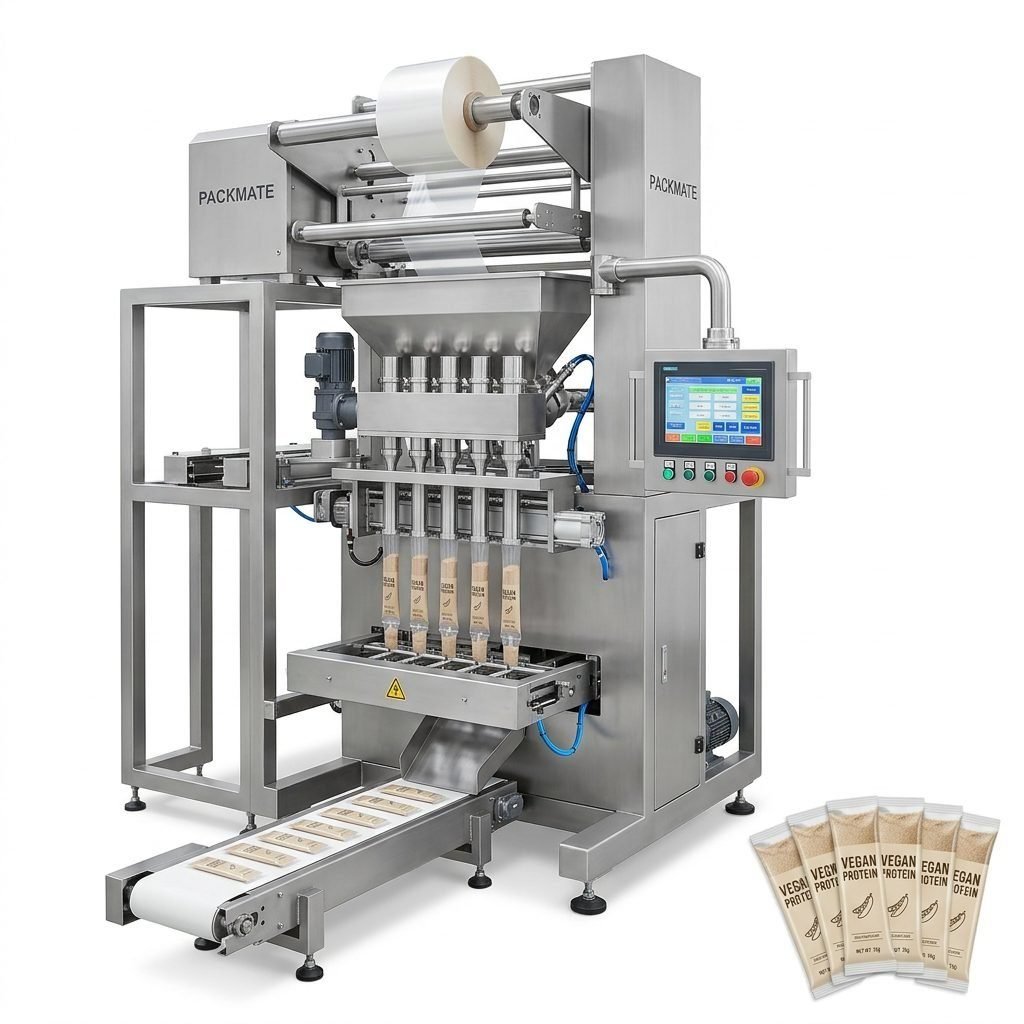
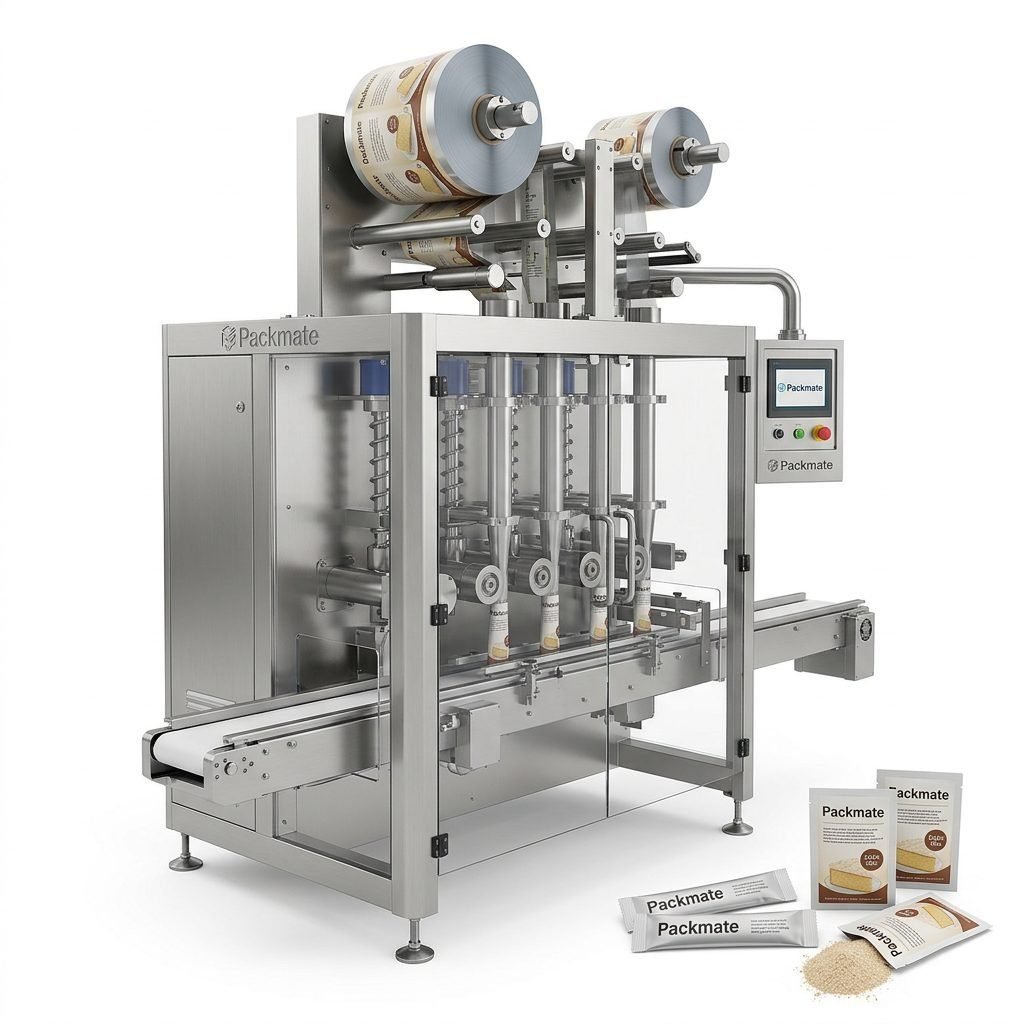
The “best” machine is entirely dependent on your specific product characteristics and packaging goals. For granules and powders (like coffee, spices, or supplements), a semi-automatic vertical form-fill-seal (VFFS) machine or a auger-filling sachet machine is ideal. These can accurately measure and fill doses into pouches created from a roll of film. Companies like Packmate offer specialized solutions in this area, such as their range of Sachet & Stick Pack Machines.
For liquid and viscous products (sauces, oils, cosmetics), a liquid filling machine paired with a heat sealer is necessary. Key considerations include the pump type (e.g., piston for accuracy, peristaltic for shear-sensitive products) and compatibility with the product’s viscosity. For solid items (tools, hardware, baked goods), a shrink wrapping machine or a vacuum sealer might be the perfect fit, providing a clear, tamper-evident, and protective barrier.
Always request product samples and conduct trials with potential machine suppliers. Testing your actual product on the machine is the only way to verify sealing integrity, speed, and overall suitability. Reputable manufacturers, such as Packmate with its 20,000㎡ facility and over 50 machine models, typically offer this service to ensure client success.
Integration into Existing Workflows
A hand packaging machine rarely operates in isolation. Its effectiveness is multiplied when integrated into a smooth workflow. Consider the upstream process: how will products be presented to the operator? Conveyors, feeding systems, or simple organizing bins can prevent clutter. Downstream, consider labeling, coding, and cartoning. Some advanced hand machines can be equipped with integrated date coders or labelers.
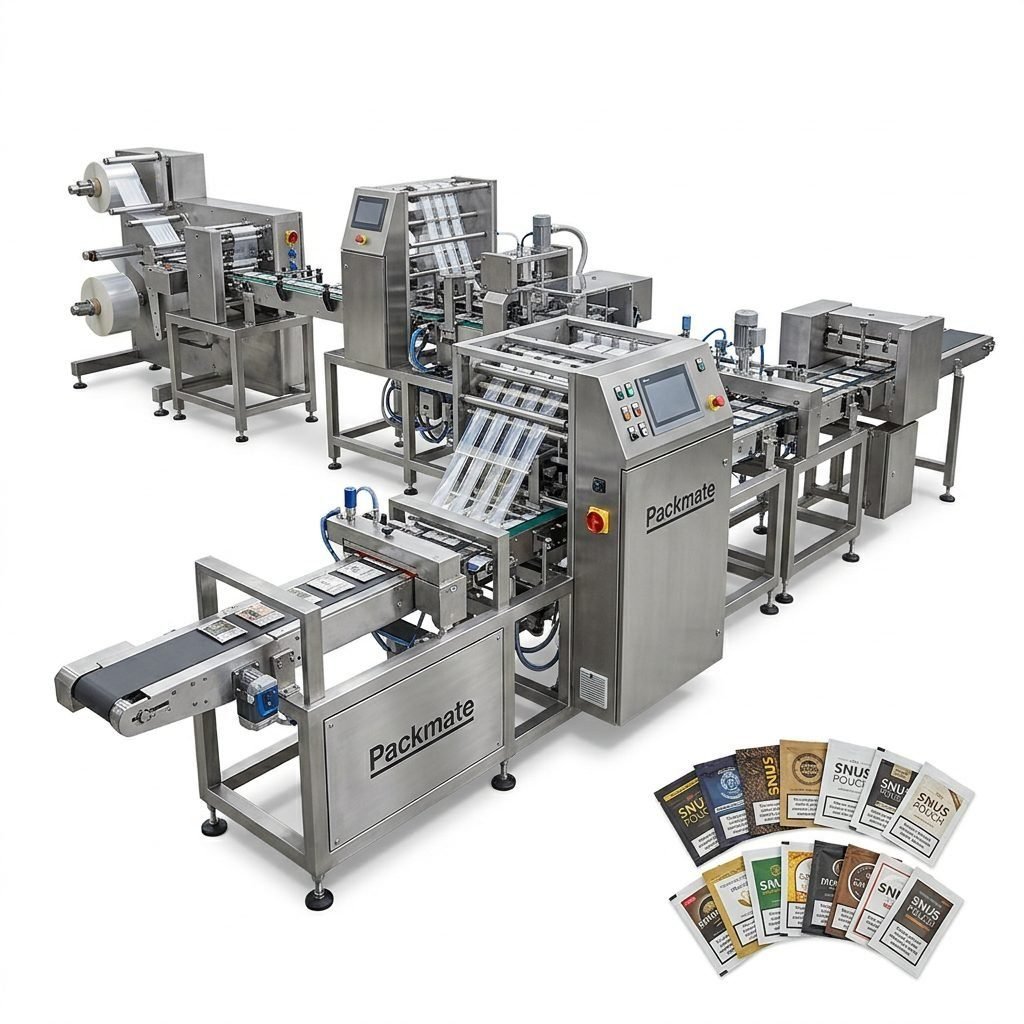
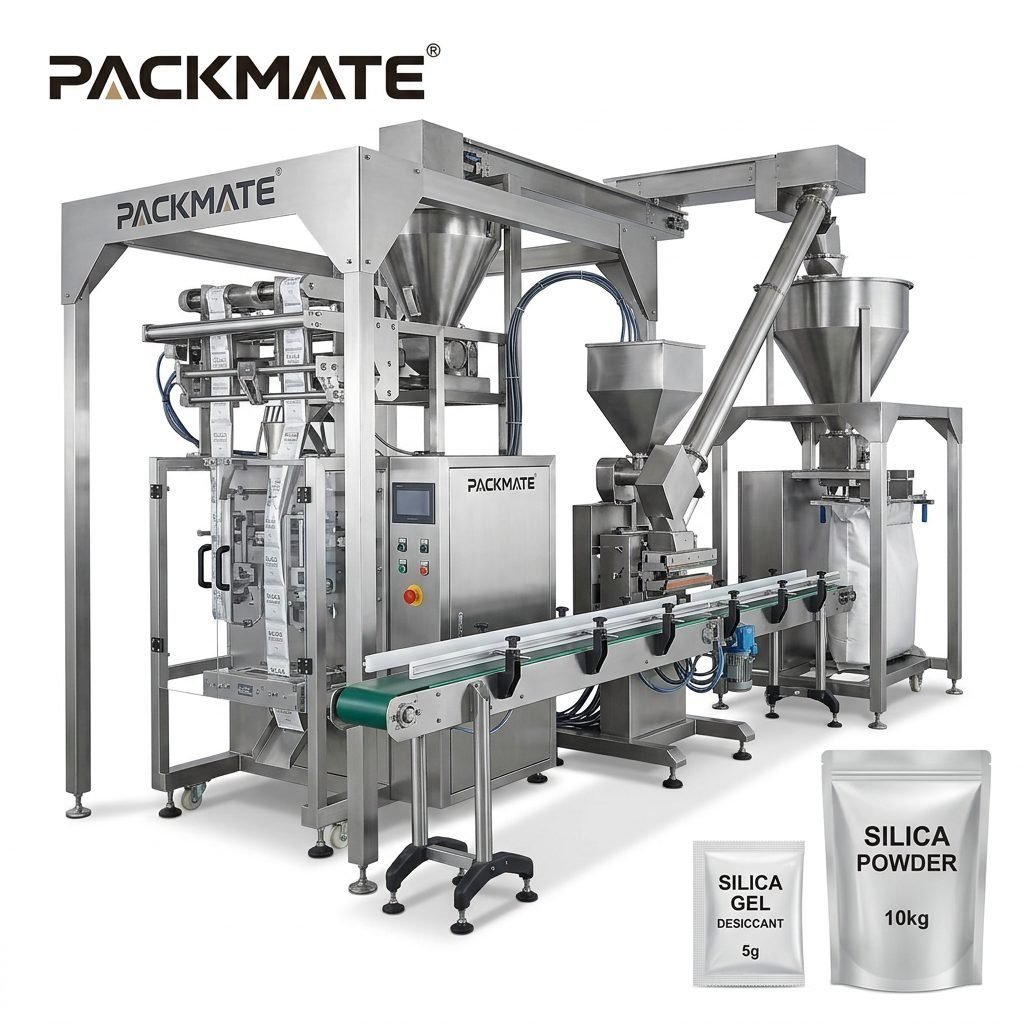
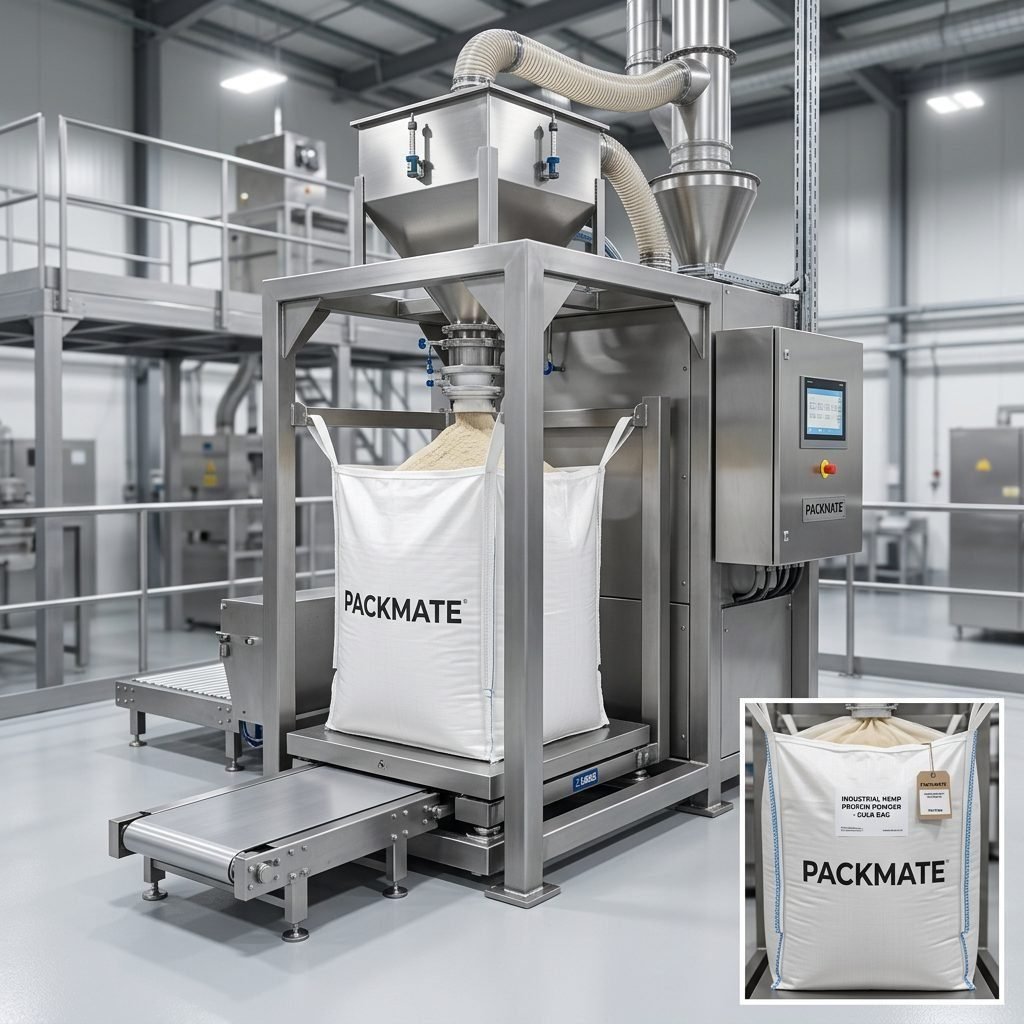
Space planning is crucial. Ensure there is ample room for the operator to work comfortably, for material reels to be loaded, and for finished packages to be collected. Electrical and, if needed, compressed air requirements must be met. Planning for integration from the start, perhaps by consulting experts who provide complete filling & packaging lines, prevents costly reworks and downtime later.
Maintenance and Long-Term Reliability
To protect your investment and ensure continuous operation, a proactive maintenance regimen is essential. Daily tasks include cleaning sealing jaws and surfaces to prevent residue build-up, which can cause poor seals. Weekly checks might involve inspecting wear parts like Teflon sealing strips or cutting blades. Lubrication of moving parts should follow the manufacturer’s schedule precisely.
Choosing a machine from a manufacturer with a strong track record of quality and support is perhaps the most important long-term decision. A company with deep expertise, like Packmate which boasts over 30 years in the industry, will build machines with reliability in mind and offer comprehensive spare parts and service support. This minimizes the risk of prolonged, costly breakdowns.
Cost Considerations and ROI
The total cost of ownership extends beyond the purchase price. Factor in the cost of training operators, routine maintenance, spare parts, and utilities (electricity and compressed air). However, the return on investment (ROI) calculation should focus on the gains: increased output, reduced labor costs, lower material waste, and improved product quality leading to higher customer satisfaction and potentially increased sales.
For many businesses, a hand packaging machine pays for itself within 6 to 18 months. The key is to accurately quantify your current manual packaging costs (labor time, material waste, error rates) and compare them against the projected performance of the new machine. This data-driven approach justifies the investment and sets clear performance benchmarks.
Future-Proofing Your Packaging Operation
As your business grows, your packaging needs will evolve. Selecting a machine with some degree of scalability is wise. Can the machine handle a slightly wider range of products? Can its speed be upgraded? Some manufacturers design modular systems where a semi-automatic machine can later be integrated with automatic feeders and conveyors to become part of a full automatic line.
Staying informed about trends in packaging materials, such as the shift towards more sustainable and recyclable films, is also important. Ensure your chosen machine supplier is innovative and can advise on compatibility with new materials. A partner committed to innovation and collaboration, as reflected in Packmate’s company mission, can be a valuable asset in navigating future challenges and opportunities.
Frequently Asked Questions (FAQs)
What is the main difference between a hand packaging machine and a fully automatic one?
The core difference lies in the level of automation. A hand (semi-automatic) machine requires an operator to manually load the product for each cycle, while the machine automates the sealing/wrapping process. A fully automatic machine uses feeders, robots, or conveyors to load products without constant human intervention, offering much higher speeds but at a significantly higher cost and complexity.
Can a hand packaging machine handle different package sizes?
Most high-quality hand packaging machines are designed for quick changeover. They often feature adjustable guides, interchangeable sealing dies or jaws, and programmable settings for different lengths. The ease and time required for changeover vary by model, so it’s a key point to discuss with the supplier during trials.
How do I ensure the machine creates a strong, reliable seal for my product?
A reliable seal depends on the correct combination of sealing temperature, pressure, and dwell time, all tailored to your specific packaging material (film type, thickness). Reputable manufacturers perform extensive tests during the machine commissioning and operator training to establish the perfect parameters for your product, ensuring seal integrity.
What kind of maintenance does these machines typically require?
Maintenance is generally straightforward. Daily cleaning of sealing surfaces, periodic inspection and replacement of consumable parts like Teflon strips or cutting blades, and regular lubrication of moving components as per the manual are standard. Choosing a machine with a simple, robust design and good access to parts makes maintenance easier.
Where can I see these machines in action or get a trial for my product?
Many established manufacturers have showrooms or factory test labs. You can also often see machinery at relevant industry trade shows. The best approach is to contact the manufacturer directly, like visiting the Packmate contact page, to arrange a product trial. Sending your samples for a live test run provides the most accurate assessment of performance.