In the competitive landscape of modern manufacturing, the efficiency of a production line is paramount. For industries handling oils—from culinary and cosmetic to pharmaceutical and industrial lubricants—the choice of packaging machinery is a critical decision that directly impacts output, product integrity, and operational costs. Selecting the right oil packaging machine can transform a production line, ensuring speed, accuracy, and minimal waste. This article explores the top types of oil packaging machines designed to optimize your efficient production lines.
The Core of Efficiency: Automated Filling and Sealing Systems
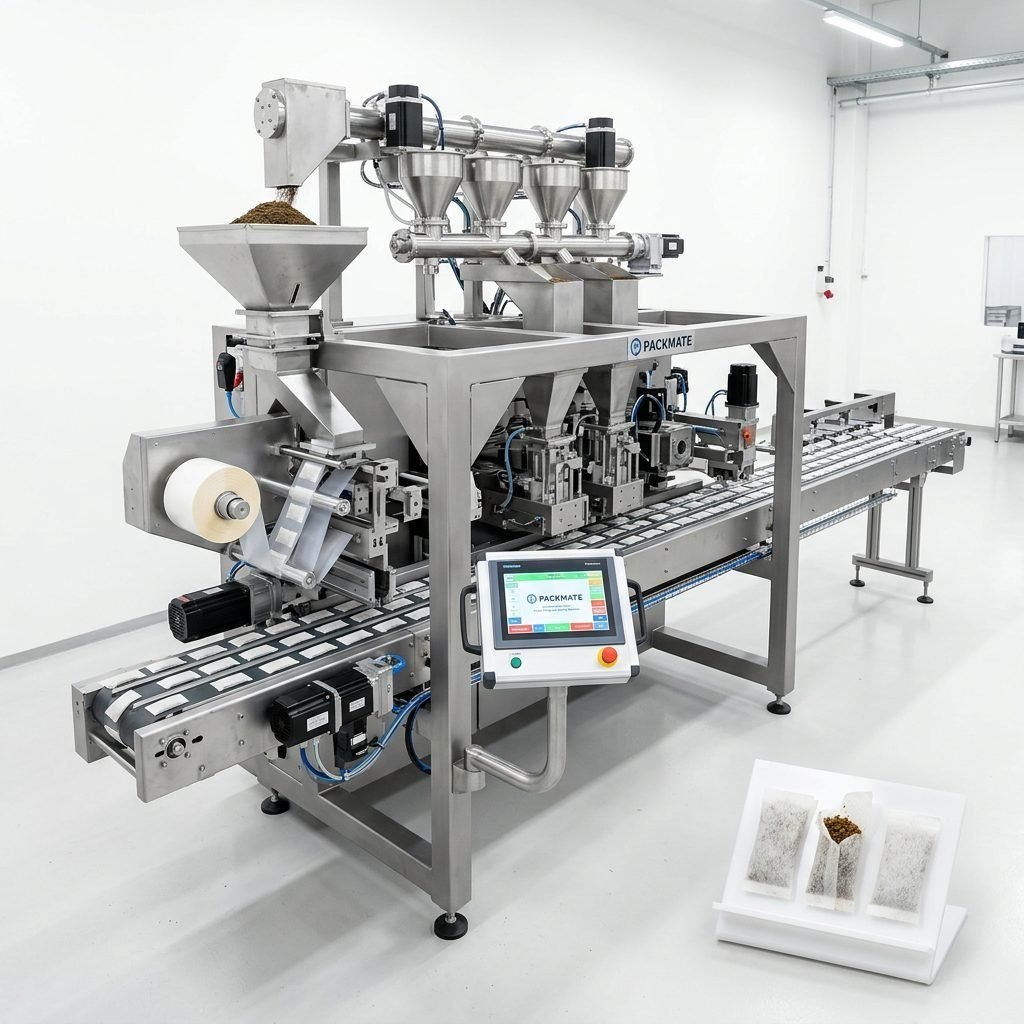
At the heart of any high-speed oil packaging operation lies the filling and sealing system. Modern machines go beyond simple pouring; they integrate precision volumetric or gravimetric filling technology. This ensures each bottle, sachet, or pouch receives the exact amount of product, crucial for maintaining batch consistency and regulatory compliance, especially in the food and pharmaceutical sectors. Automated sealing, whether it’s cap tightening for bottles or heat sealing for flexible pouches, guarantees a perfect, leak-proof closure every time. This level of automation minimizes human error and significantly boosts line speed. For a comprehensive look at integrated solutions, explore our range of Filling & Packaging Lines.
Key Advantage: The shift from semi-automatic to fully automated filling and sealing can increase production throughput by over 200%, while reducing product giveaway and rework due to sealing faults.
Versatility in Form: Pouch and Sachet Packaging Machines
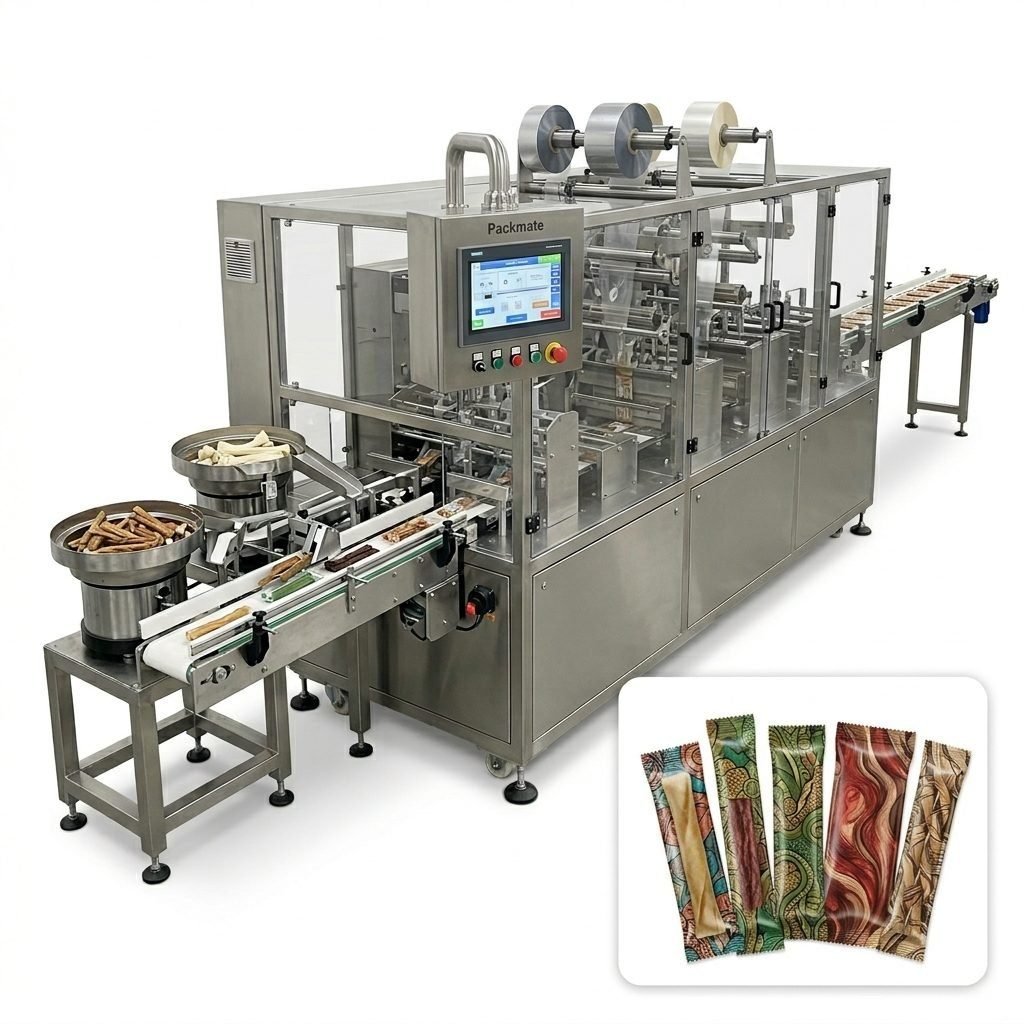
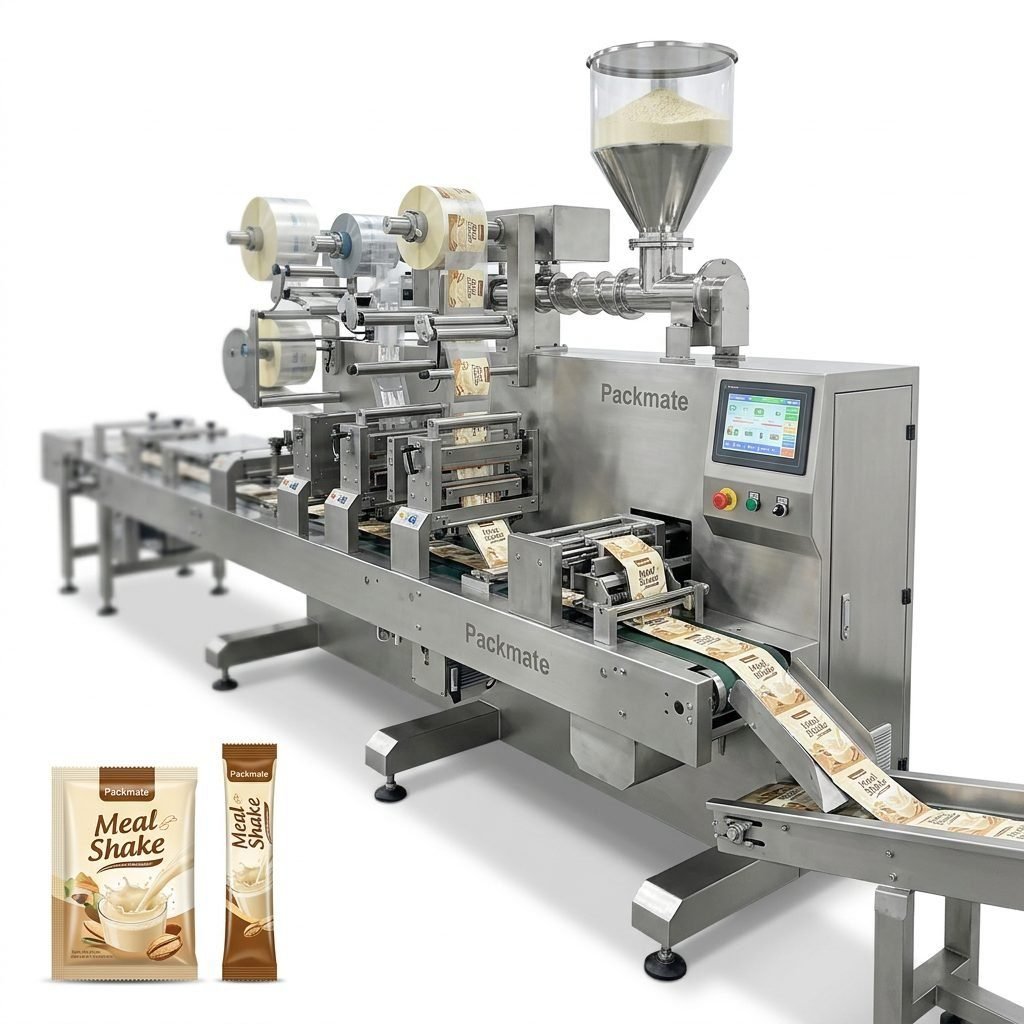
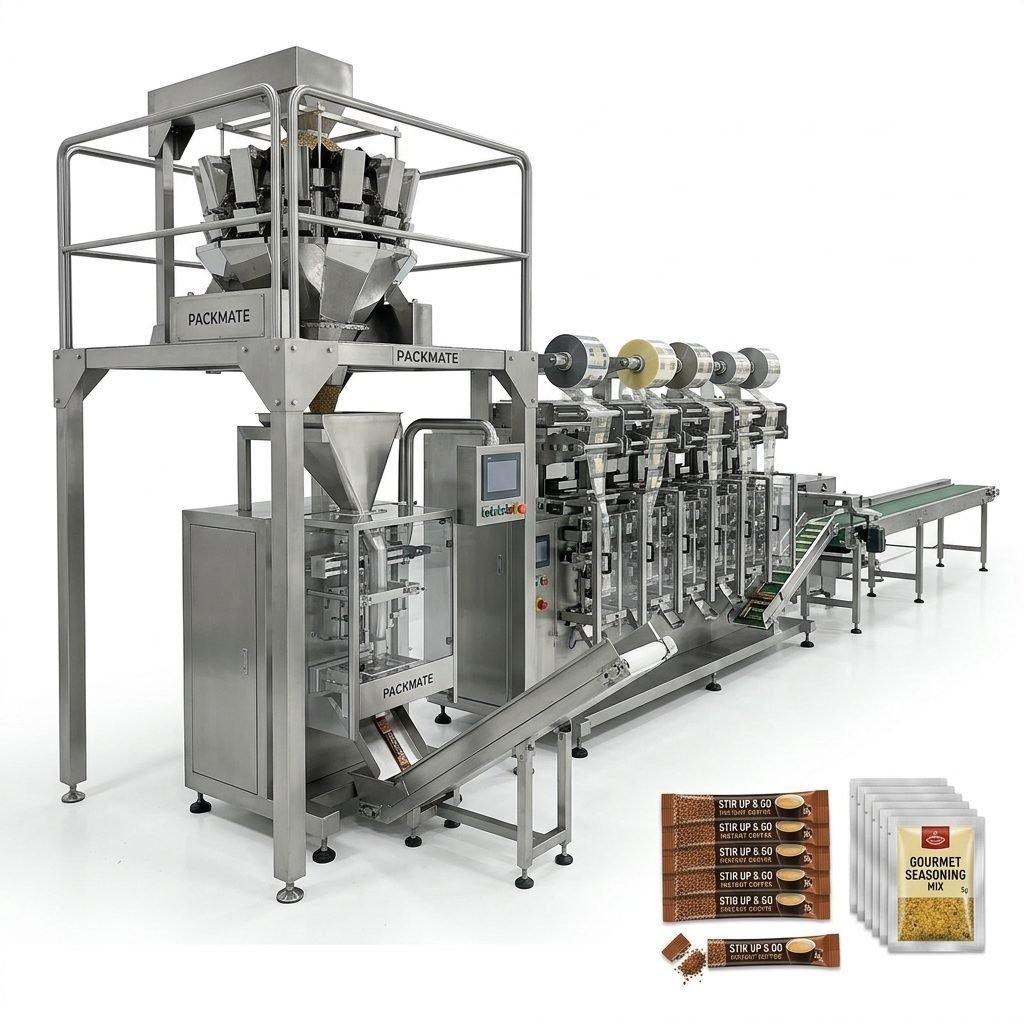
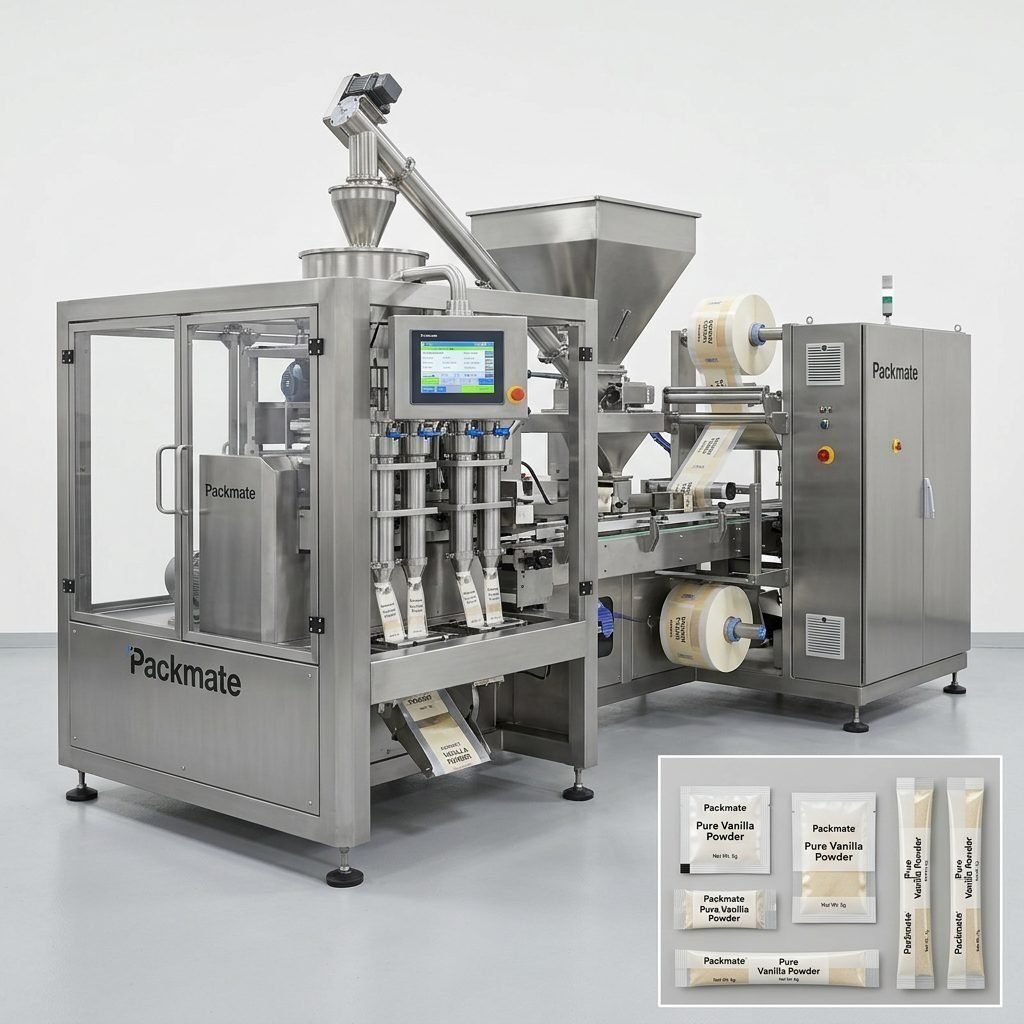
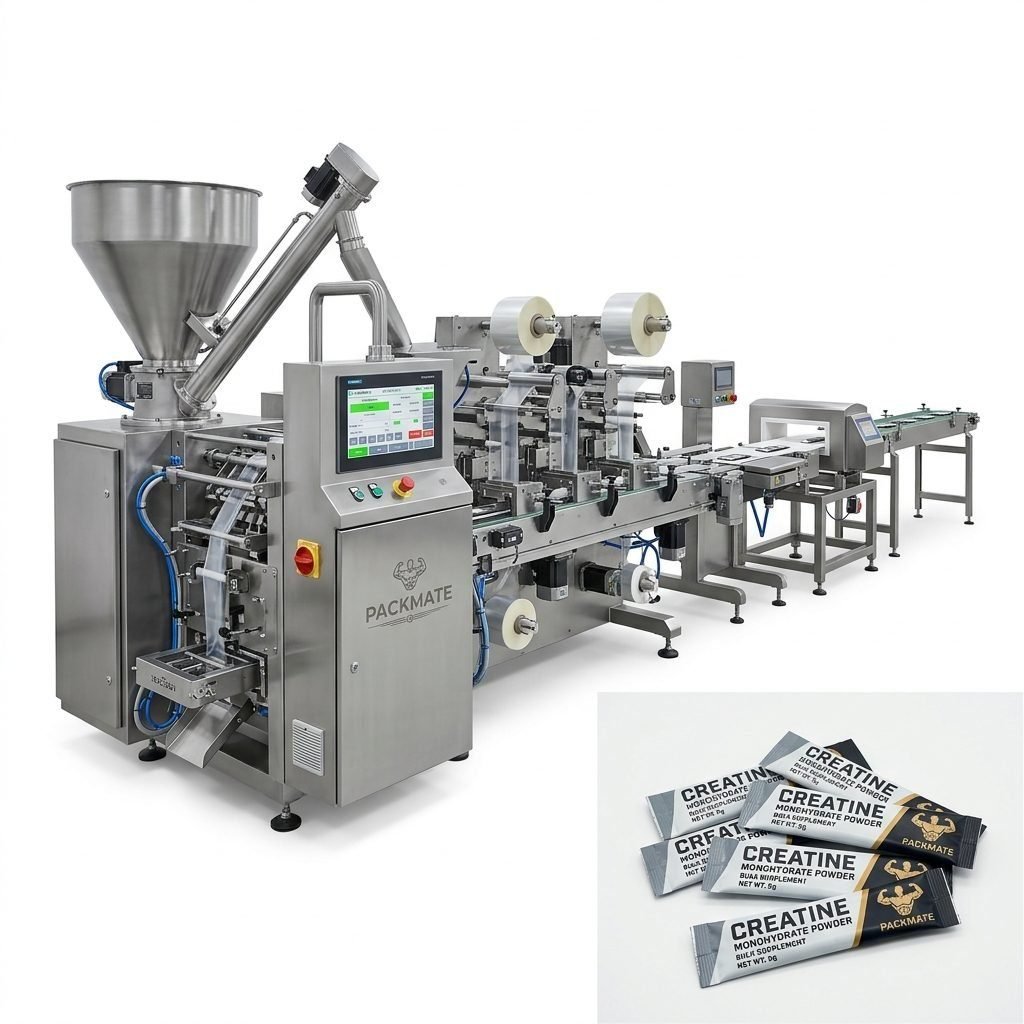
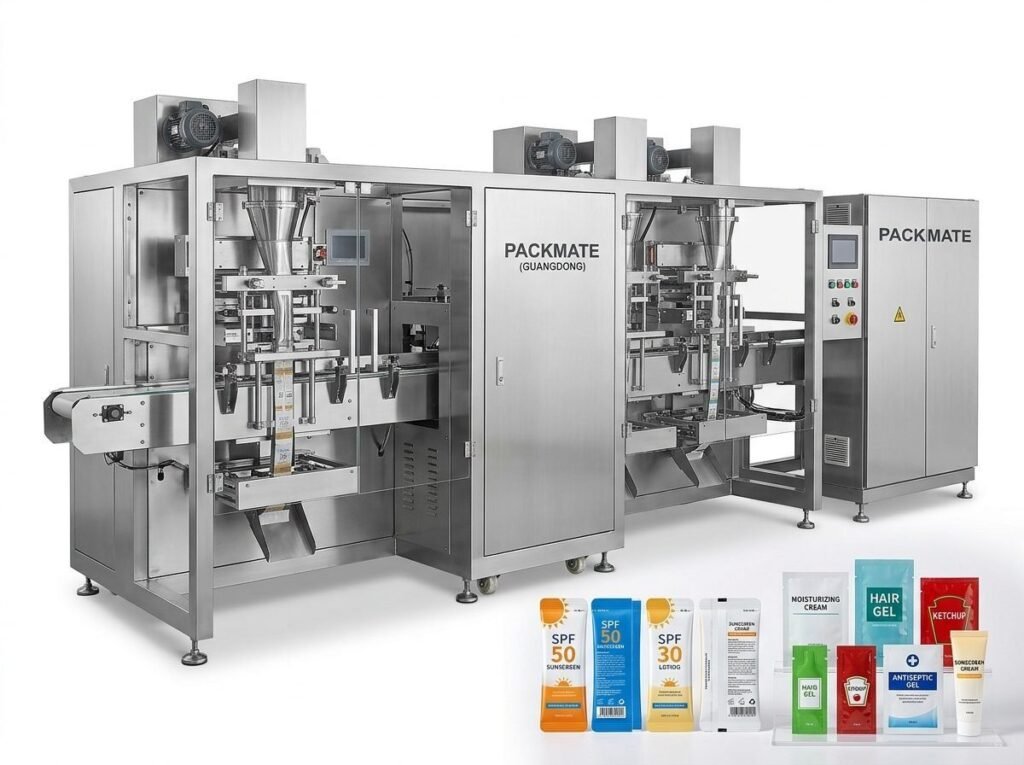
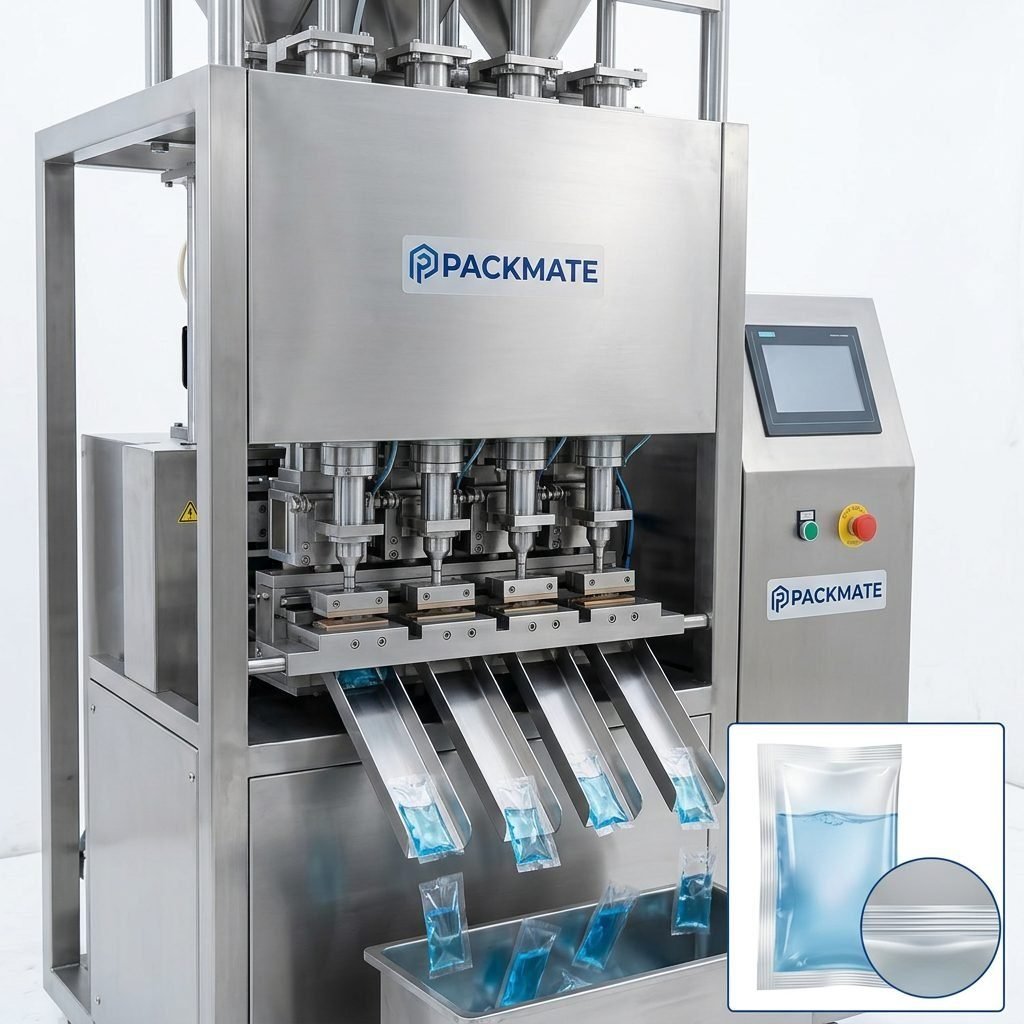
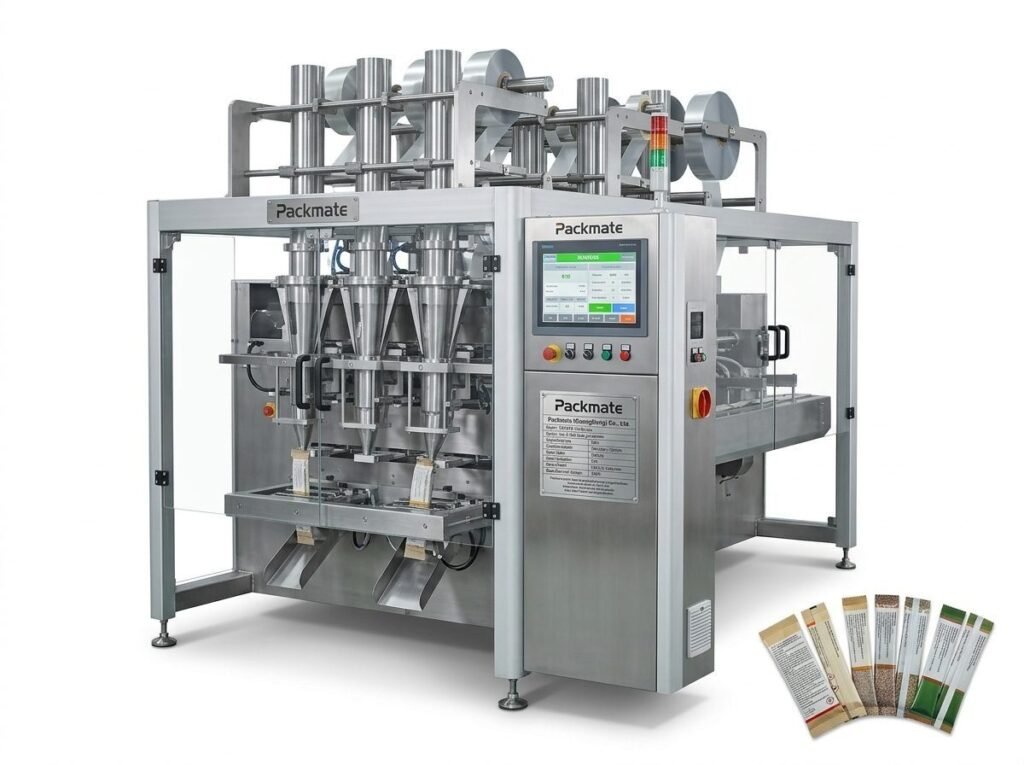
For single-serve portions, promotional samples, or space-saving retail units, pouch and sachet packaging is incredibly popular. Advanced Sachet & Stick Pack Machines are engineered for oils with varying viscosities. These machines form, fill, and seal packaging from a roll of film in a continuous motion. The best machines feature easy changeover systems, allowing producers to switch between sachet sizes or shapes with minimal downtime, making them ideal for production lines running multiple SKUs. Their compact design and high-speed capabilities make them a top choice for efficiency-driven operations looking to maximize output per square foot of factory space.
Rigid Container Specialists: Bottling Lines
When packaging oil in bottles, jars, or cans, a synchronized bottling line is essential. A complete line integrates a bottle unscrambler, filler, capper, labeler, and case packer. The filler is the star component, with piston fillers being exceptionally accurate for thick oils and pumps ideal for free-flowing liquids. Modern bottling lines are controlled by sophisticated PLC systems that monitor every step, ensuring any malfunction is instantly identified and addressed. This seamless integration is key to achieving a smooth, uninterrupted flow on the production line, preventing bottlenecks that cripple efficiency.
Choosing the Right Machine: A Quick Checklist
• Product Viscosity: From light essential oils to heavy gear oils, your machine must handle it consistently.
• Required Output Speed: Calculate your needed units per minute/hour to match machine specifications.
• Packaging Material: Ensure compatibility with plastic, glass, laminated film, or metal.
• Changeover Frequency: If you run multiple products, prioritize machines with quick-change tooling.
• Integration Potential: The machine should communicate seamlessly with upstream and downstream equipment.
Beyond the Primary Machine: Auxiliary Systems for Peak Performance
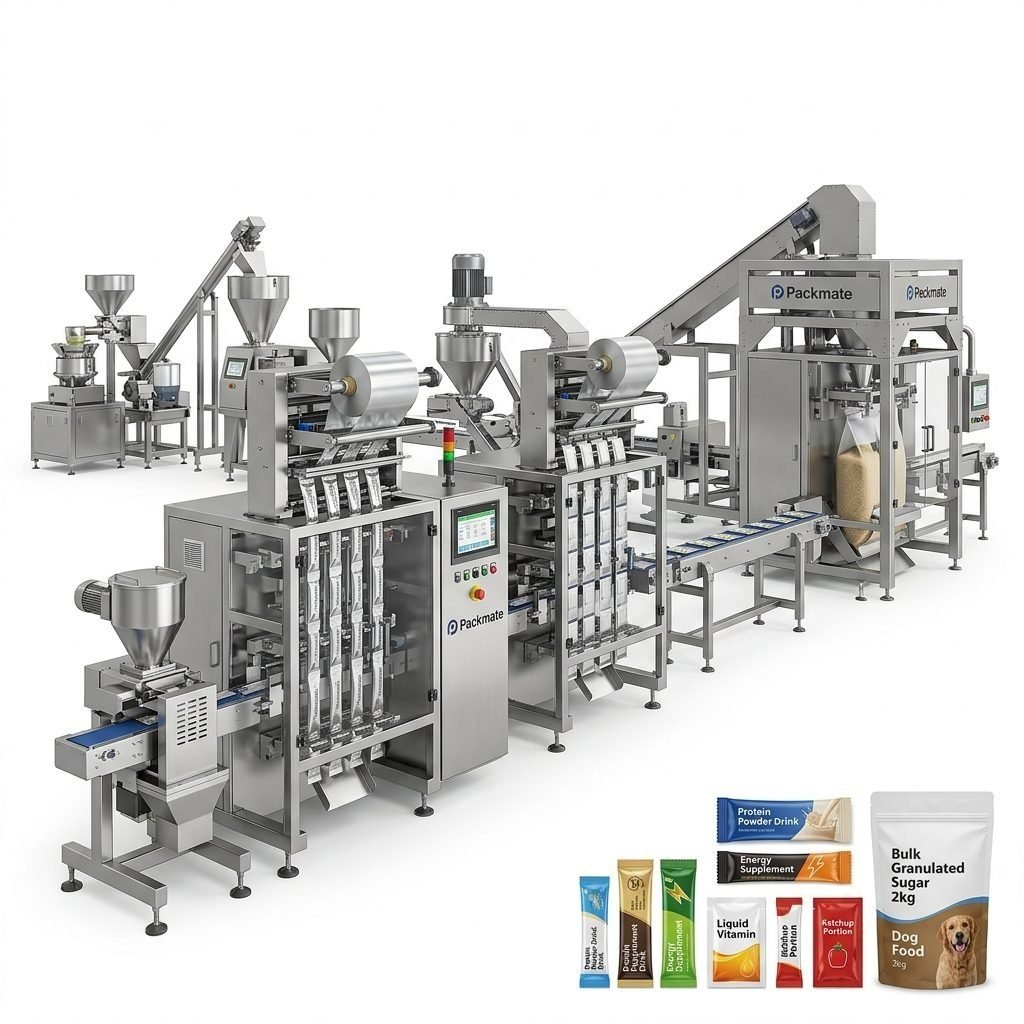
Efficiency isn’t created by a single machine but by a harmonious system. Auxiliary equipment plays a vital supporting role. This includes precision checkweighers that verify every filled package is within tolerance, rejecting under or over-filled items to protect your brand and comply with trade laws. Similarly, vision inspection systems can detect sealing defects, low fill levels, or misapplied labels. Conveyors, accumulation tables, and case packers ensure smooth material handling between stations. Investing in robust Auxiliary Packaging Equipment is not an afterthought; it’s a strategic move to safeguard the efficiency gains of your primary packaging machines.
The Role of Weighing and Dosing Systems
For bulk oils or ingredients where precision is non-negotiable, multi-head weighers and automated dosing systems are indispensable. These systems, often used in combination with Bag & Pouch Packaging Machines for larger volumes, use computer-controlled scales to achieve astonishing accuracy at high speeds. They are perfect for pre-mixed oil blends or packaging cooking oils into large pouches for the food service industry. By automating the most measurement-sensitive step, they eliminate a major source of variance and waste.
Innovation Spotlight: The latest generation of oil packaging machines incorporates IoT (Internet of Things) capabilities. This allows for real-time monitoring of production data, predictive maintenance alerts, and remote troubleshooting, taking line efficiency and uptime to a whole new level of reliability.
Partnering for Success: The Importance of a Reliable Supplier
Choosing top machinery is only half the battle. Partnering with an experienced and reliable manufacturer like Packmate Machinery ensures you get more than just hardware. With over 30 years of expertise in packaging solutions, a partner provides crucial support: customized engineering to fit your specific line layout, comprehensive training for your operators, readily available spare parts, and responsive technical service. This holistic support system is what guarantees your investment continues to deliver peak efficiency year after year, minimizing costly downtime and maximizing your return on investment.
Conclusion: Building Your Efficient Future
Investing in top-tier oil packaging machinery is a strategic decision to build a more resilient, productive, and profitable operation. From high-speed sachet machines to fully integrated bottling lines and intelligent auxiliary systems, the right technology streamlines your process, enhances product quality, and reduces operational costs. By focusing on precision, automation, integration, and strong supplier partnership, you can construct a production line that isn’t just efficient today but is also adaptable and competitive for the challenges of tomorrow.
Frequently Asked Questions (FAQs)
What is the most important factor when choosing an oil packaging machine?
The compatibility between your specific oil product (its viscosity, temperature, and chemical properties) and the machine’s filling technology is the most critical factor. An inaccurate match will lead to poor performance, spills, and frequent breakdowns.
How can I improve the efficiency of my existing oil packaging line?
Conduct a line audit to identify bottlenecks. Often, efficiency can be significantly boosted by upgrading a single slow component (like the filler or sealer), adding automation to manual stations, or integrating better monitoring and control systems for predictive maintenance.
Are multi-purpose packaging machines a good choice for oil?
While versatile, they often involve compromises. For high-volume, dedicated oil production, a machine specialized for liquids will typically offer superior speed, accuracy, and cleanliness. Multi-purpose machines are better suited for low-volume or pilot lines with frequent product changes.
What maintenance is required for high-speed oil packaging equipment?
Regular, scheduled maintenance is key. This includes daily cleaning to prevent oil residue buildup, weekly checks of seals and gaskets, and lubrication of moving parts as per the manufacturer’s manual. Following the OEM’s maintenance schedule is the best way to ensure longevity and prevent unplanned stops.
Can packaging machines handle different oil viscosities on the same line?
Yes, but it requires careful planning. Machines with adjustable filling parameters and easy-to-clean change parts are necessary. The changeover process between vastly different products (e.g., from thick grease to light oil) will require a full purge and cleaning cycle, which impacts overall line efficiency.