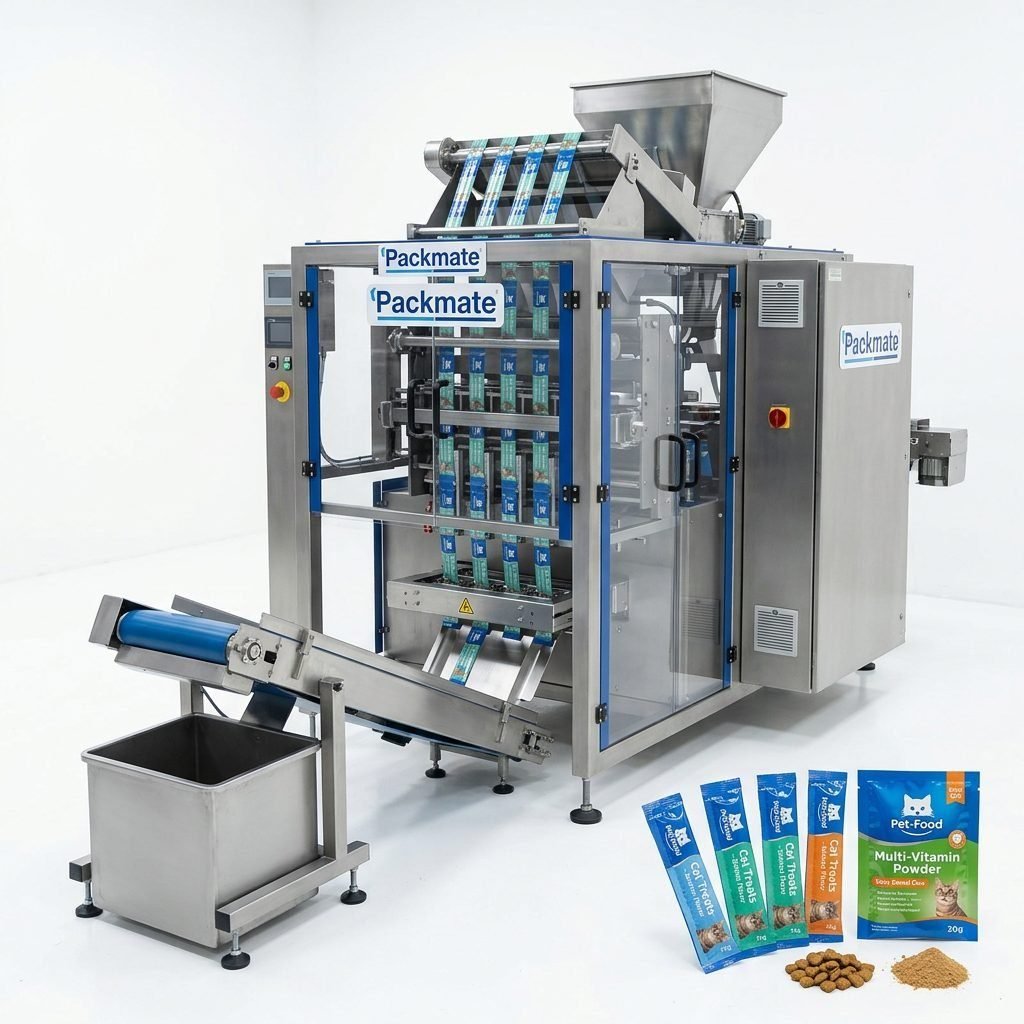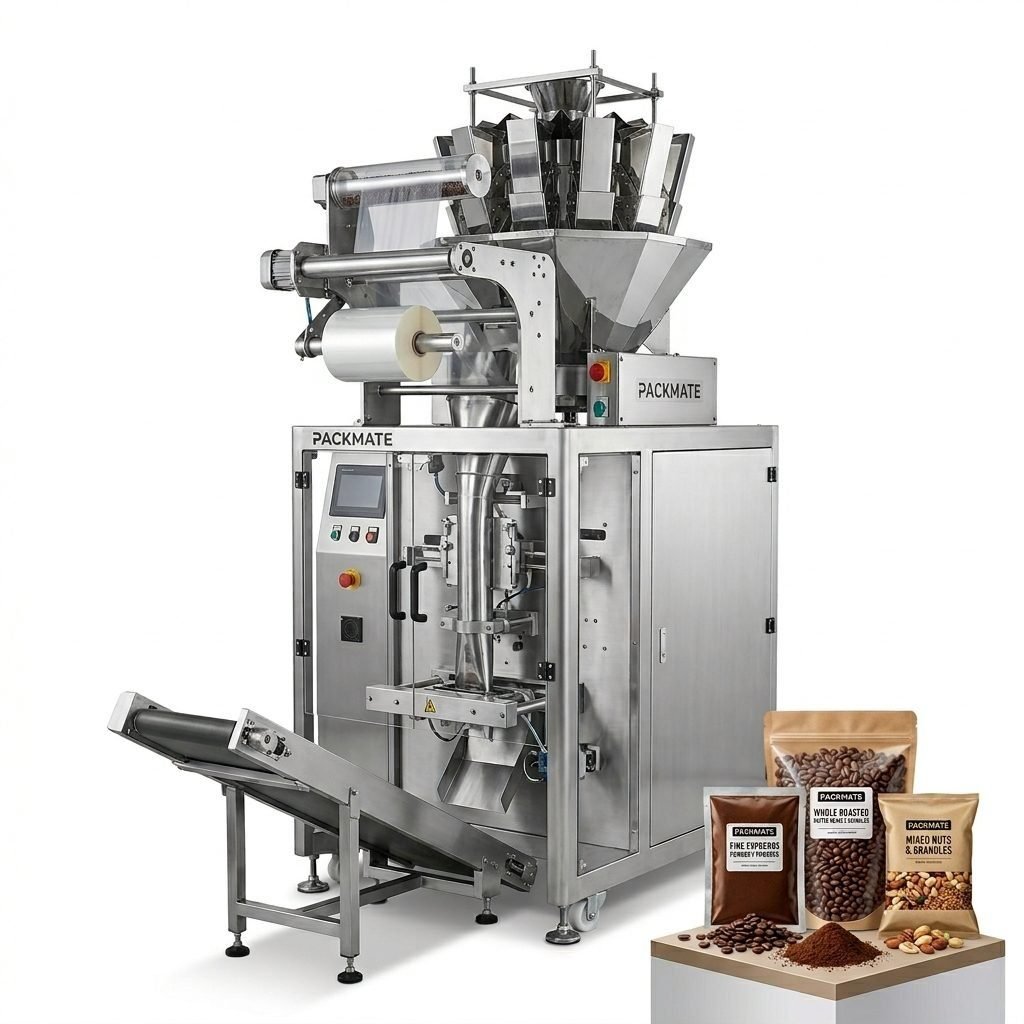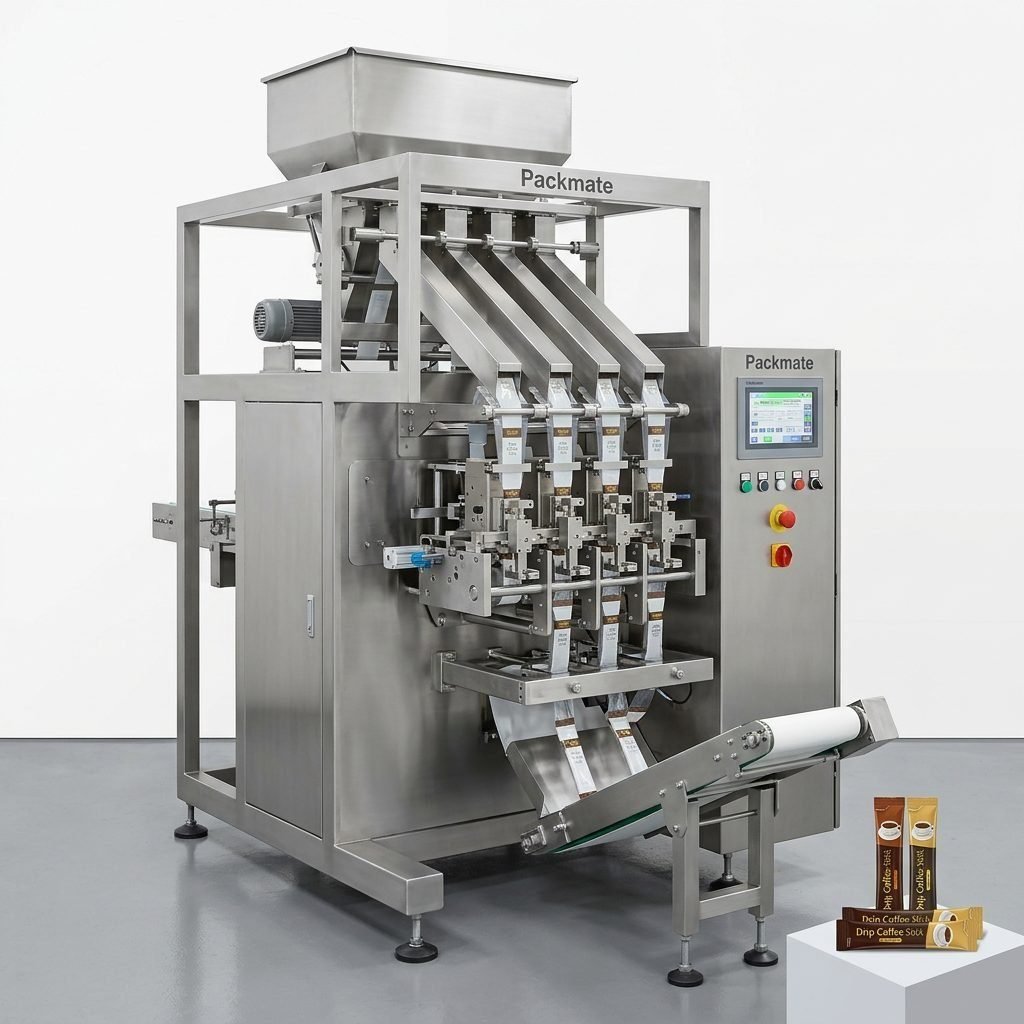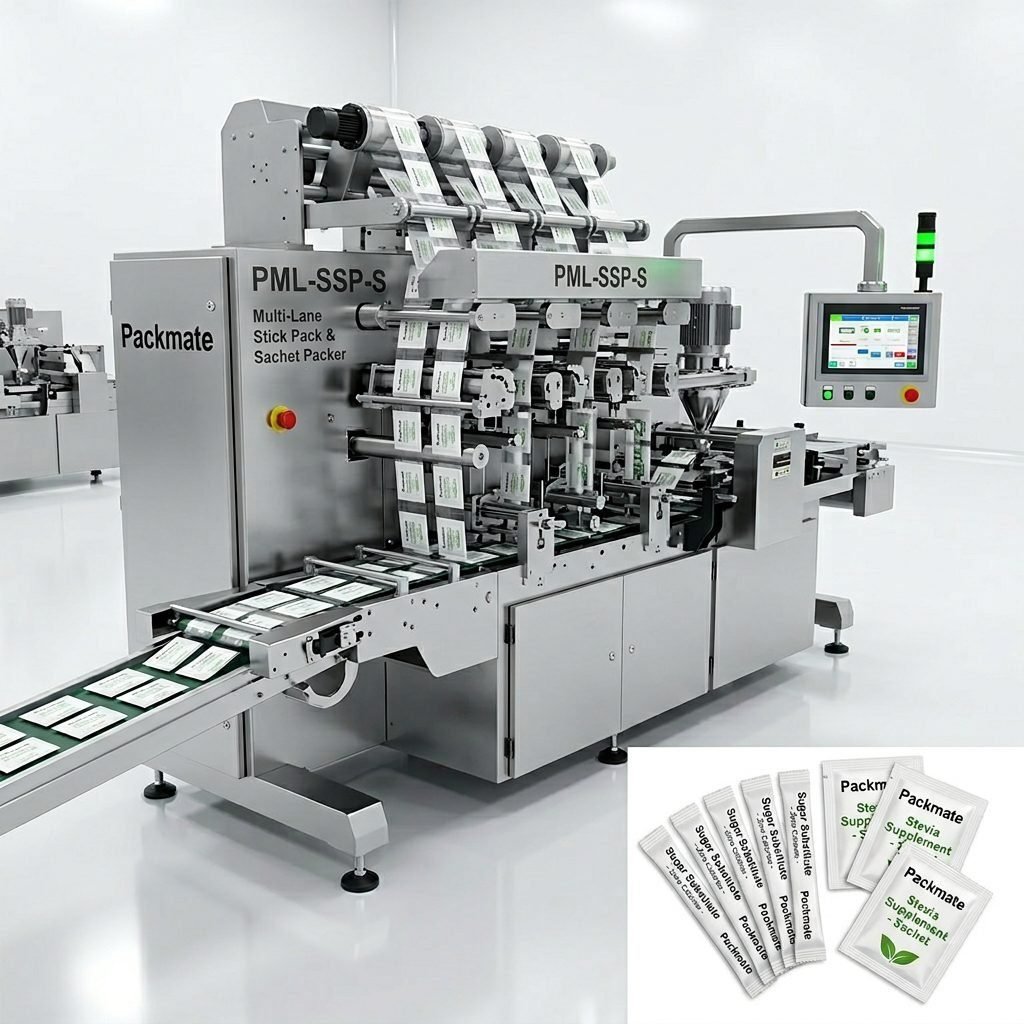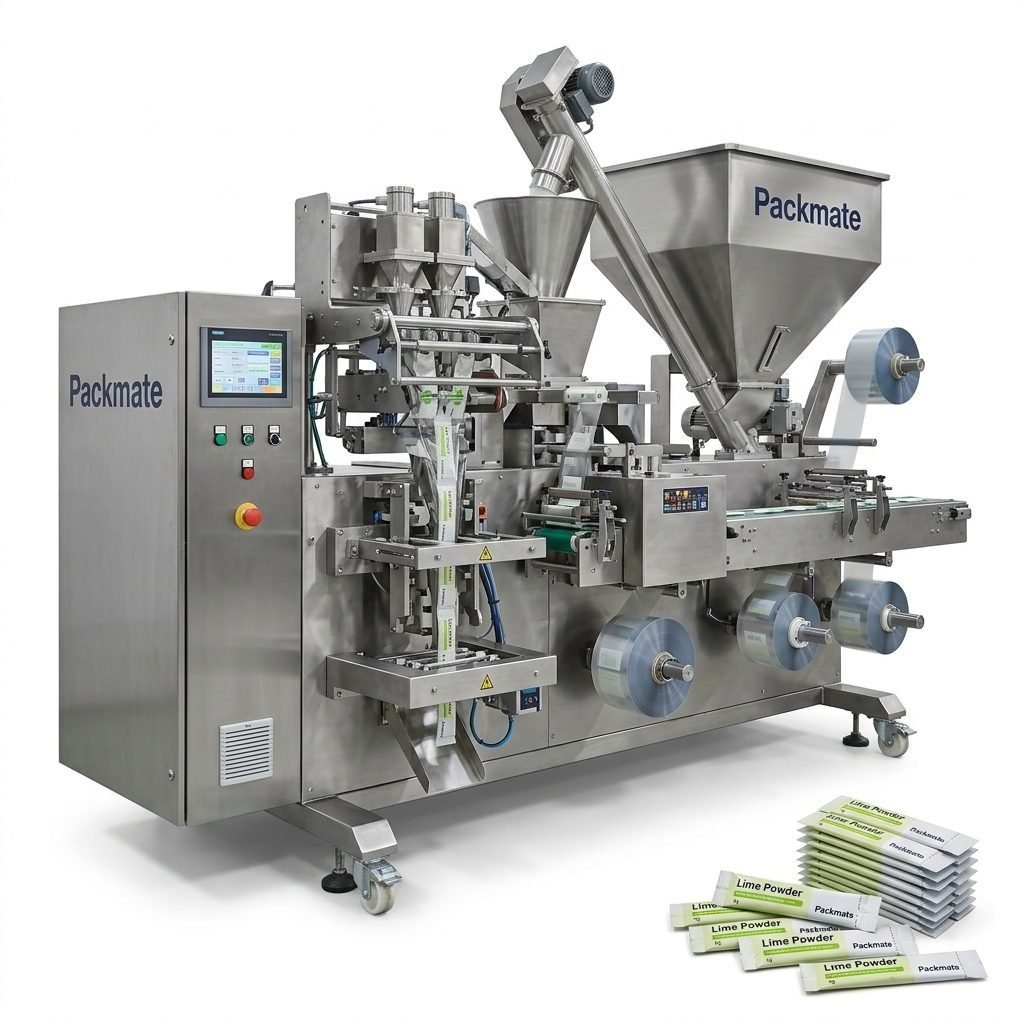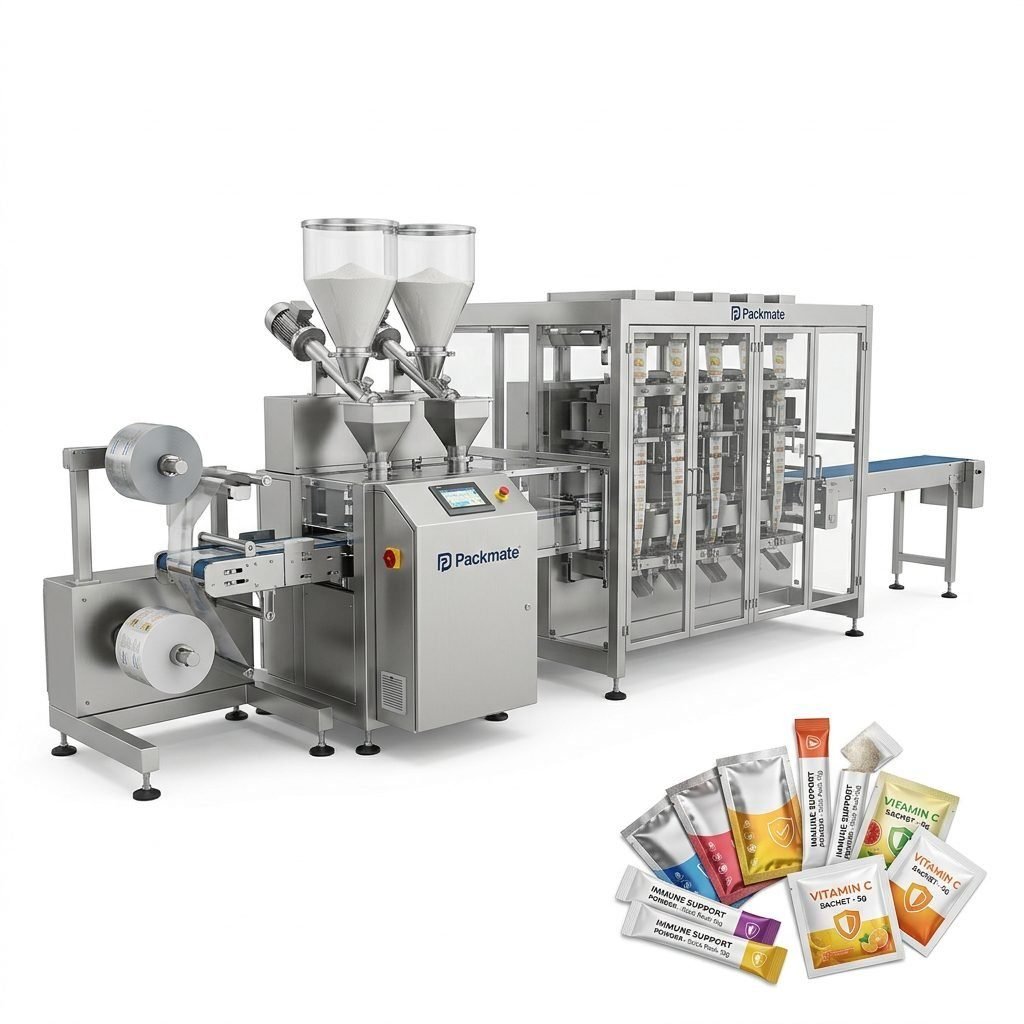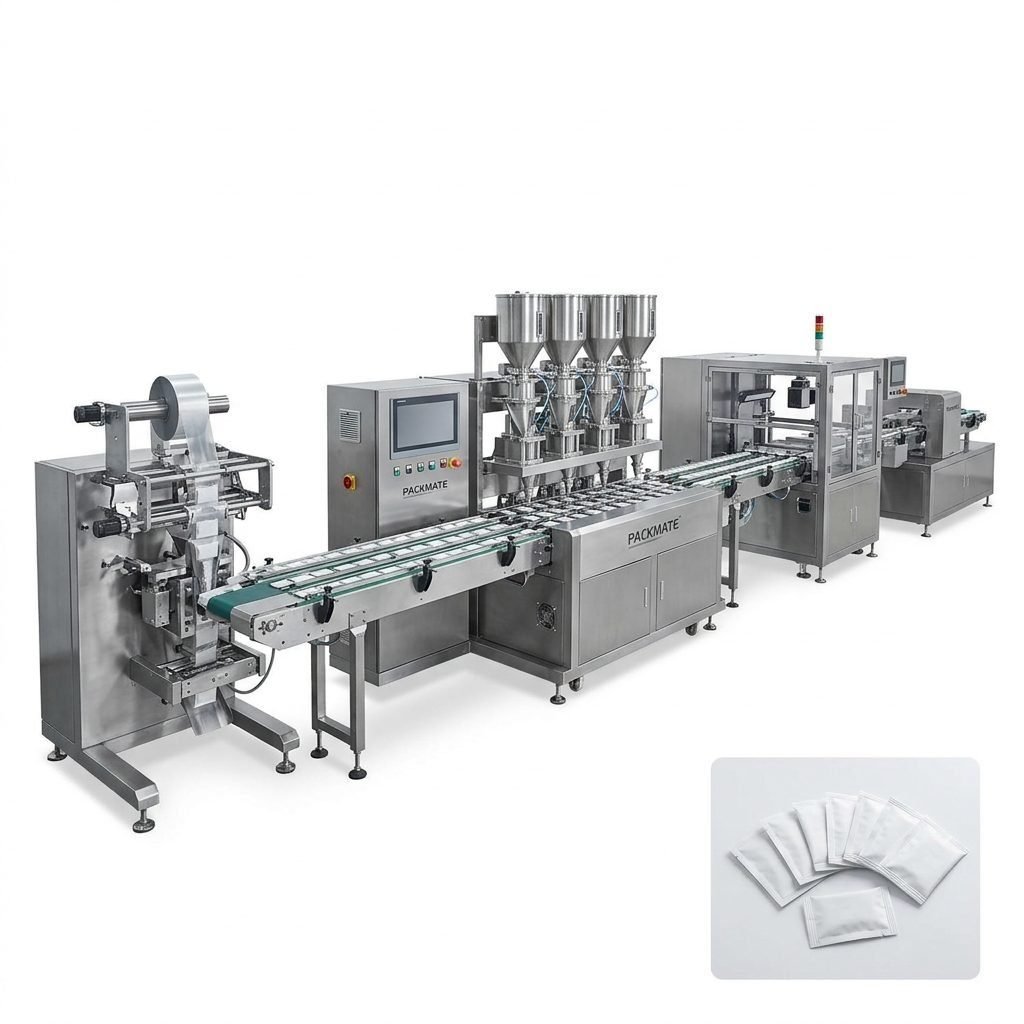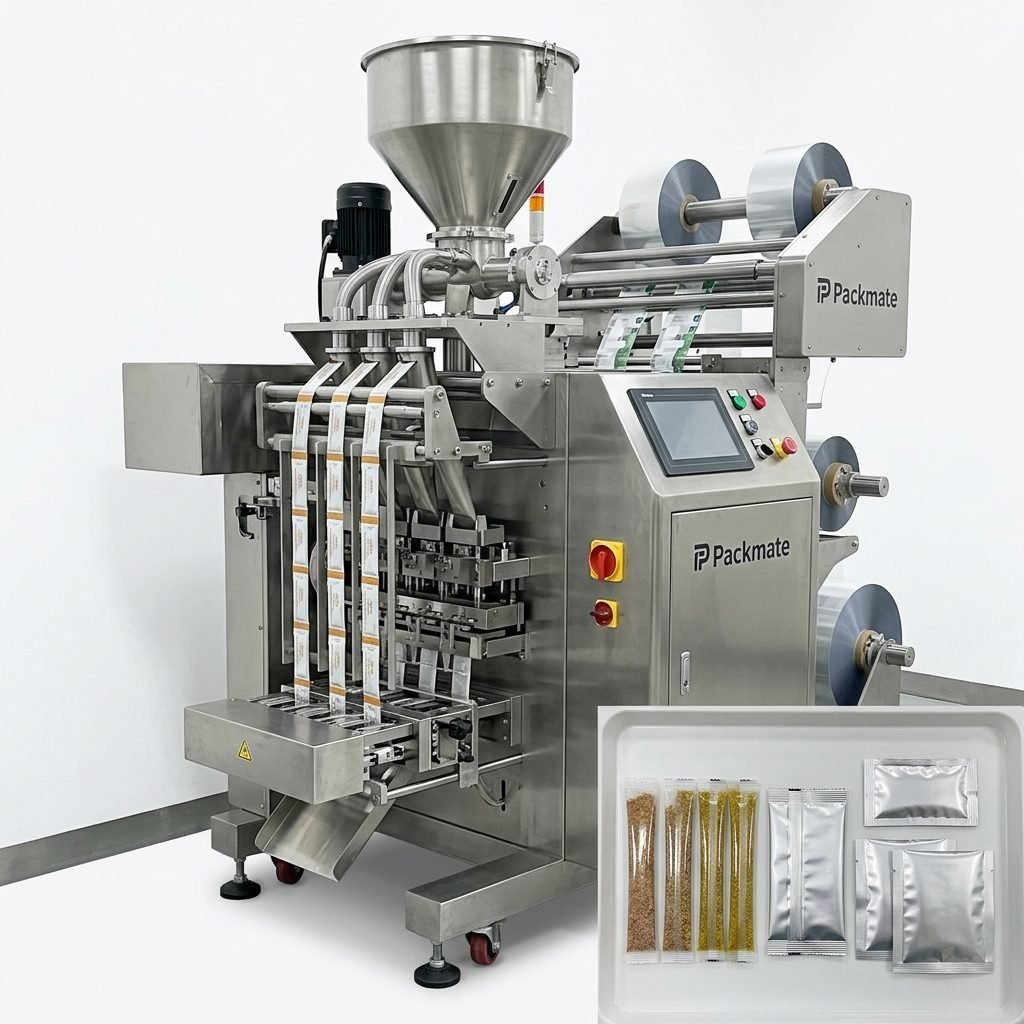
Finding the right packaging machine supplier is a critical decision for any business looking to enhance efficiency, ensure product integrity, and scale operations. The search for reliable CCH packaging machines often leads buyers to a crossroads: should they engage directly with a manufacturer or work through a trading company? Each path offers distinct advantages, and understanding these can help you secure the best equipment and partnership for your specific needs.
The Manufacturer Advantage: Direct Source for CCH Machines
Partnering directly with a manufacturer like Packmate Machinery provides unparalleled access to the source. This direct relationship often translates into better pricing, as there are no intermediary markups. More importantly, it grants you direct communication with the engineering and production teams. This is invaluable for customizing machines to handle unique products, such as specific granule sizes or viscous liquids, ensuring the CCH packaging machine is perfectly tailored to your production line.
A manufacturer’s deep expertise, built over decades, becomes your asset. With over 30 years in the industry and a portfolio of more than 50 machine models, a seasoned manufacturer understands the nuances of packaging different materials. They can offer insights on machine longevity, maintenance schedules, and future upgrades that a trader might not possess.
Evaluating a Manufacturer’s Credentials
When considering a manufacturer, look beyond the sales pitch. Assess their infrastructure. A substantial manufacturing facility, like Packmate’s 20,000㎡ factory equipped with advanced production and testing lines, is a strong indicator of capacity and quality control. Review their company history for stability and growth; a journey from a small workshop in 1993 to a formalized company in 2003 and subsequent restructuring in 2020 demonstrates resilience and strategic adaptation.
The Trading Company Option: Convenience and Consolidation
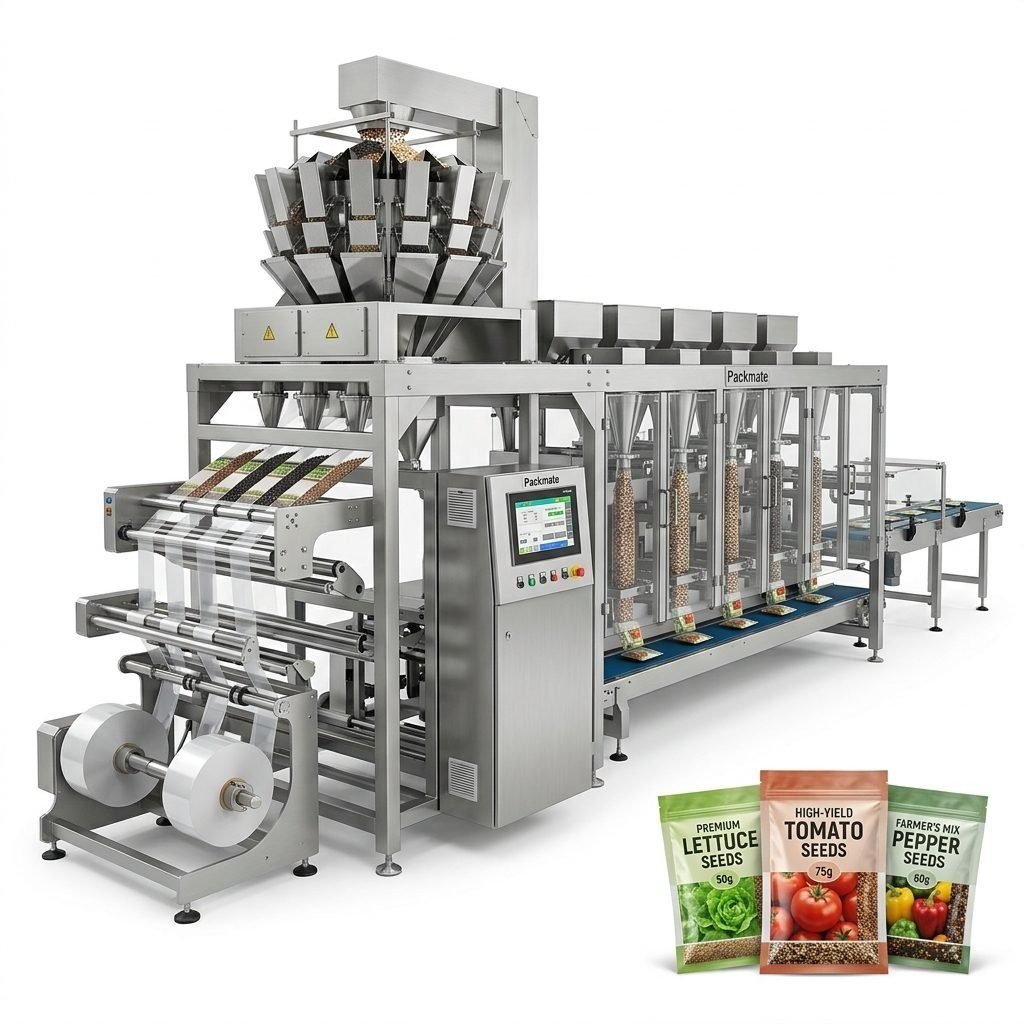
Alternatively, trading companies act as aggregators, offering machines from various manufacturers. Their primary value lies in convenience. If your needs span different types of equipment—perhaps a sachet machine for sauces and a separate weighing system for powders—a trader can potentially source both from different specialists, simplifying your procurement process.
Traders often handle logistics, documentation, and international shipping, which can be beneficial for businesses without dedicated import departments. They might also carry inventory, offering faster delivery times for standard models compared to a manufacturer’s build-to-order timeline.
Key Considerations When Using a Trader
The trade-off for convenience is often a lack of deep technical knowledge for any single machine type. It’s crucial to verify the trader’s reputation, ensure they provide clear information on the original manufacturer, and confirm that warranty and after-sales service are robust and clearly defined. The ultimate responsibility for machine performance should not be lost in the chain.
Core Decision Factors: Beyond the Supplier Type
Whether you choose a manufacturer or trader, several non-negotiable factors must guide your decision for CCH packaging machines.
1. Technical Support and After-Sales Service
This is arguably the most critical factor. Packaging machines are complex investments. Does the supplier offer comprehensive installation, training, and troubleshooting support? What is their spare parts policy and response time for technical issues? A manufacturer typically has more direct control over their service network and parts inventory.
2. Customization and R&D Capability
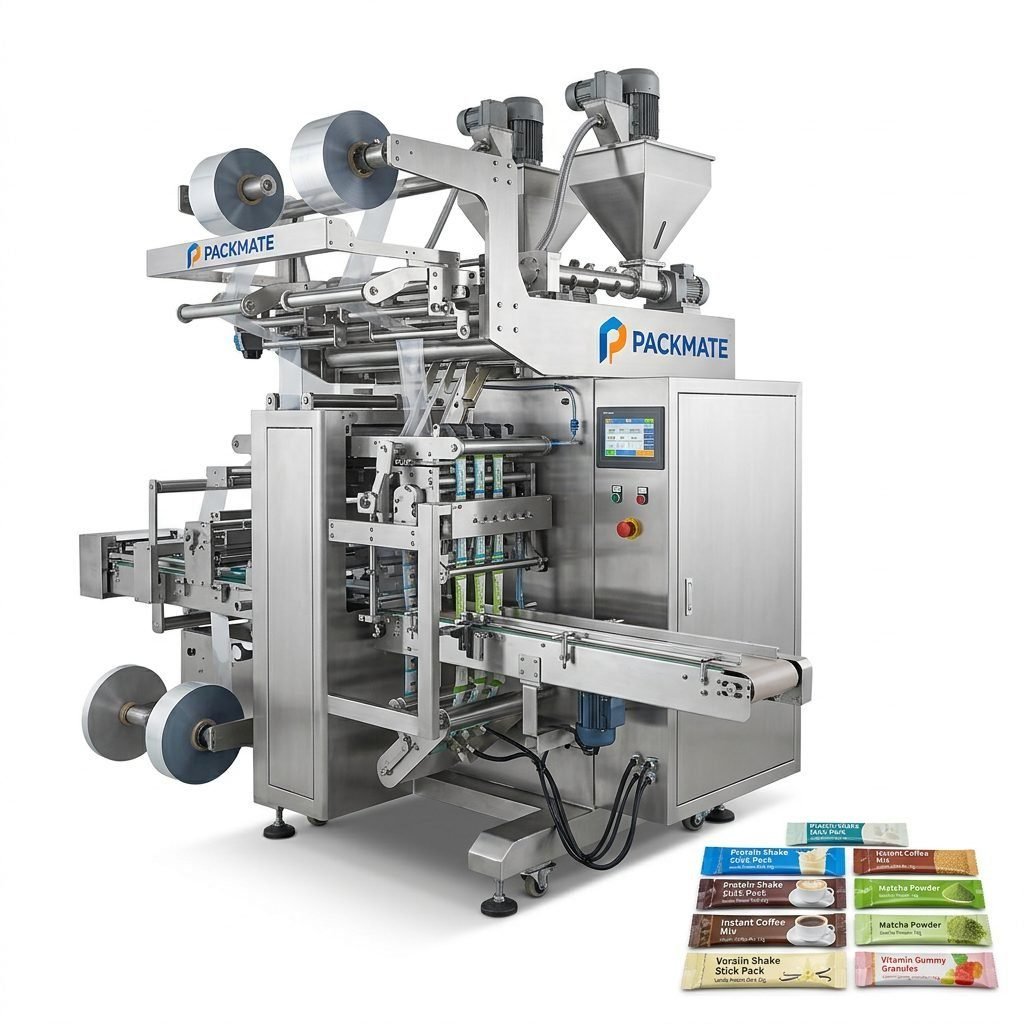
Your products are unique. Can the supplier’s machines adapt? Examine their R&D history. A company that evolved from single sachet machines in 2003 to multi-lane stick pack lines by 2012 and now offers complete turnkey packaging solutions demonstrates a proactive R&D culture focused on solving client problems.
A strong R&D team is your gateway to future-proofing. As packaging trends shift towards sustainability and smarter integration, a partner with in-house innovation can help you adapt your filling and packaging lines without needing to replace entire systems.
3. Quality Assurance and Certifications
Request details on quality control processes during manufacturing. International certifications (like CE) are a baseline. Inquire about the testing each machine undergoes before shipment. A reputable supplier will be transparent about their standards and proud to share their certificates of compliance.
4. Industry-Specific Experience
Experience in your specific sector—food, pharmaceutical, health products—is invaluable. Regulations, hygiene standards, and packaging integrity requirements vary greatly. A supplier familiar with your industry’s challenges can pre-empt issues and recommend the most reliable configurations.
Making an Informed Choice for Your Business
The choice between a manufacturer and a trader is not inherently right or wrong; it’s about fit. For businesses seeking high customization, direct technical collaboration, and long-term partnership on core packaging lines, a direct relationship with a proven manufacturer is often the superior path. It aligns your success directly with their expertise and investment in product development.
For businesses needing a variety of standard equipment quickly, or those new to international sourcing, a reputable trading company can provide a valuable service layer. The key is to perform due diligence, ask detailed questions about origin and support, and never compromise on the fundamental pillars of quality, service, and reliability.
Frequently Asked Questions (FAQs)
1. What are the main benefits of buying CCH packaging machines directly from a manufacturer?
Buying directly typically offers better pricing (no middleman costs), direct access to engineering teams for customization, deeper technical support, and greater assurance of consistent quality control from production to delivery. It fosters a closer partnership for long-term operational success.
2. When might using a trading company for packaging equipment be advantageous?
A trading company is advantageous when you need to source multiple types of equipment from different specialists in one transaction, require faster delivery of standard models from stock, or prefer to outsource complex international logistics, documentation, and shipping arrangements.
3. How can I verify the quality and reliability of a packaging machine supplier?
Key verification steps include: reviewing their company history and facility size (e.g., 20,000㎡ factory), checking international certifications, asking for client references or case studies, inquiring about their quality control and testing procedures, and assessing the depth of their after-sales service and spare parts network.
4. What should I look for in after-sales service for packaging machinery?
Look for clear provisions covering installation supervision, operator training, warranty duration and scope, availability of spare parts, and remote and on-site technical support response times. A reliable supplier will have a structured service program to minimize your downtime.
5. Can packaging machines be customized for my specific product, like unusual granules or liquids?
Yes, reputable manufacturers specialize in customization. This involves adapting filling systems, sealing mechanisms, and machine components to handle your product’s specific characteristics (size, flowability, viscosity). Discuss your product samples and requirements in detail during the consultation phase to ensure feasibility.