In the competitive world of dairy production, efficiency and hygiene are paramount. Yogurt, with its delicate nature and diverse formats—from single-serve cups to large family tubs and drinkable pouches—demands specialized packaging solutions. Selecting the right yogurt packaging machine is not just about sealing a container; it’s about ensuring product integrity, maximizing shelf life, minimizing waste, and streamlining your entire production line for optimal output and profitability.
Key Considerations for Choosing a Yogurt Packaging Machine
Before diving into specific machine types, it’s crucial to understand the factors that define an efficient packaging line for yogurt products.
Product Type & Consistency: The machine must handle your specific yogurt type—set, stirred, drinking, or Greek-style—without damaging its texture. Viscosity is a critical factor.
Packaging Material: Compatibility with materials like PP cups, PS tubs, laminated pouches, or PET bottles is essential for a reliable seal and barrier protection.
Output Speed (Packages Per Minute – PPM): This must align with your filling and upstream processing capacity to avoid bottlenecks. Speeds can range from modest to high-volume.
Hygiene & Sanitation Design: Machines should feature easy-clean designs, often with stainless steel contact parts, to meet stringent food safety standards like HACCP and GMP.
Automation Level & Integration: From semi-automatic to fully automated lines with robotic palletizing, the level of automation impacts labor costs and overall line efficiency.
1. Cup Filling and Sealing Machines
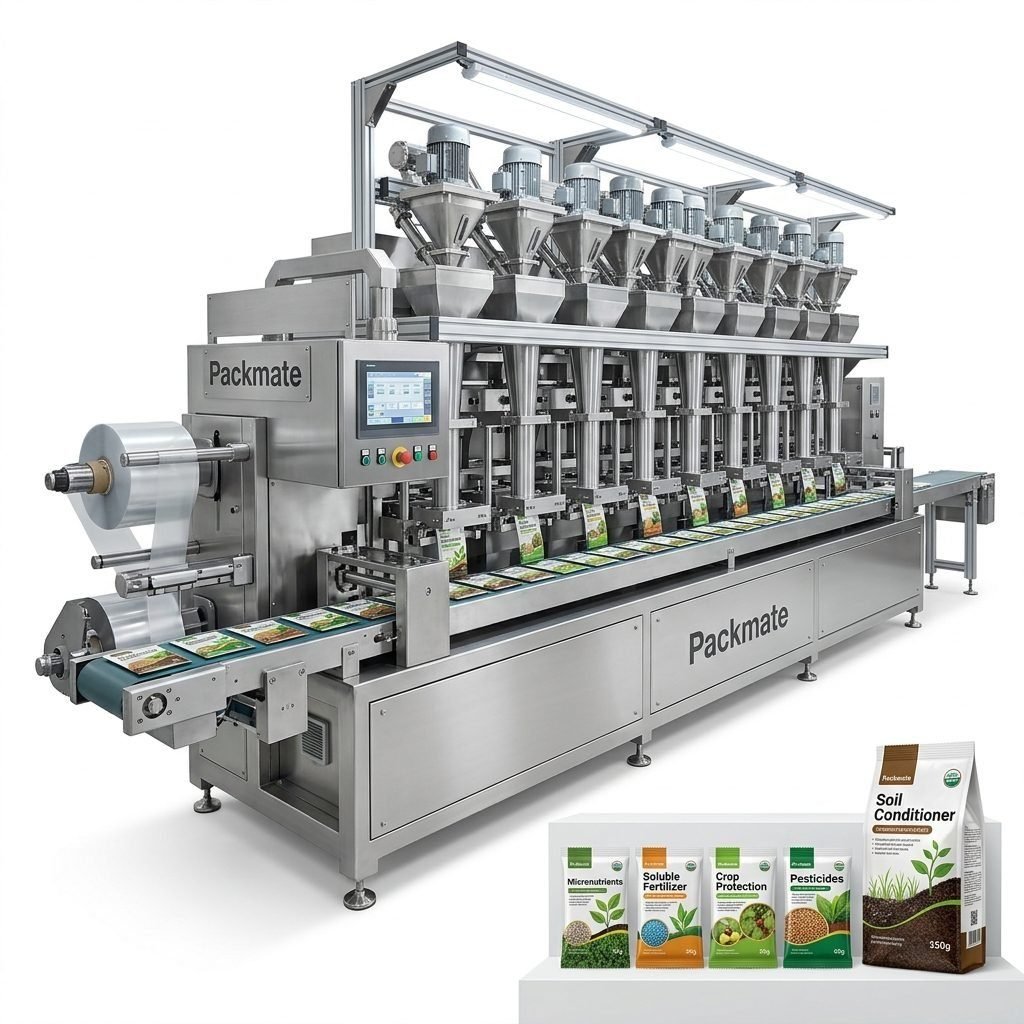
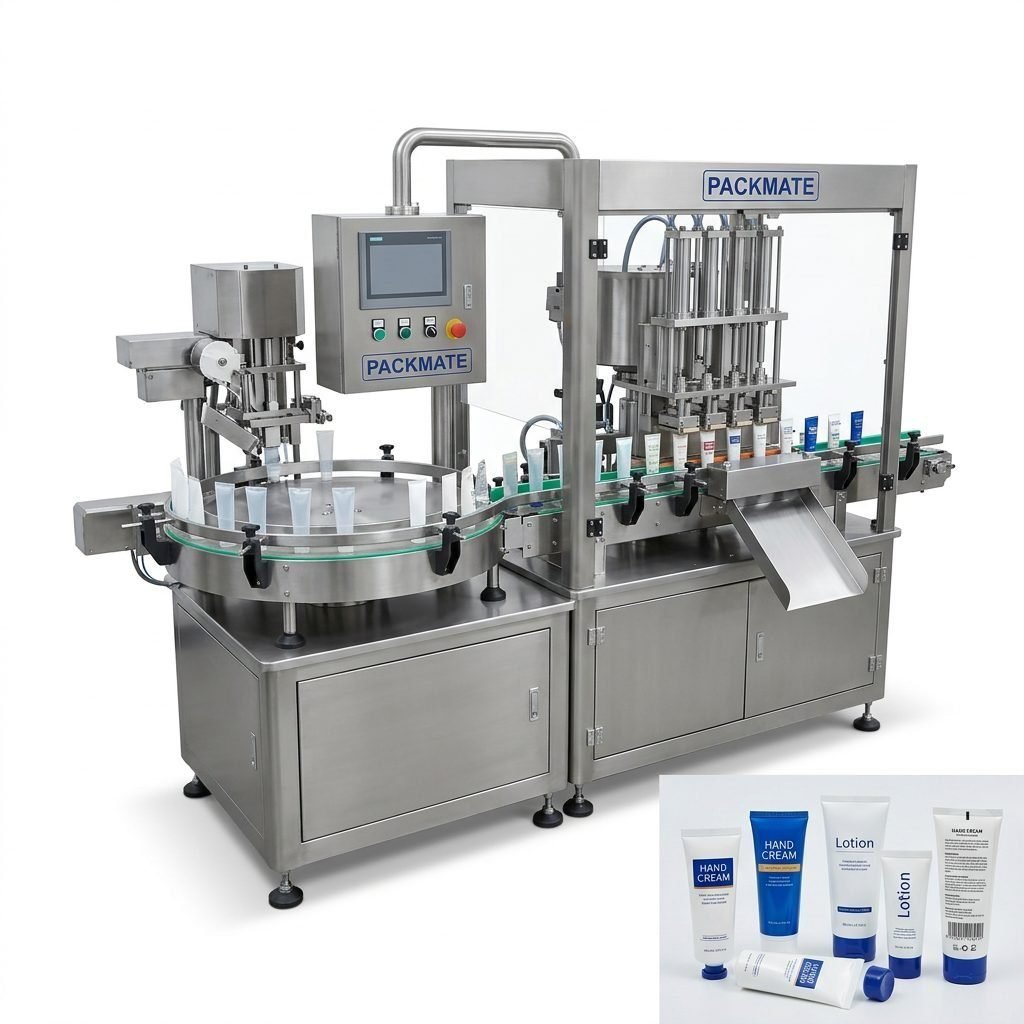
For the ubiquitous single-serve yogurt cup, thermoforming or pre-formed cup filling and sealing machines are industry staples. These systems typically involve a cup unscrambler, a precision filler, a foil lid applicator, and a heat sealing station. Advanced models offer multi-lane configurations to dramatically increase output. The sealing process is vital, creating an airtight environment that protects the yogurt and often allows for the inclusion of separate compartments for fruit or granola toppings. When integrated with a complete filling and packaging line, these machines ensure a seamless flow from cup to case.
2. Pouch Packaging Machines for Drinkable Yogurt
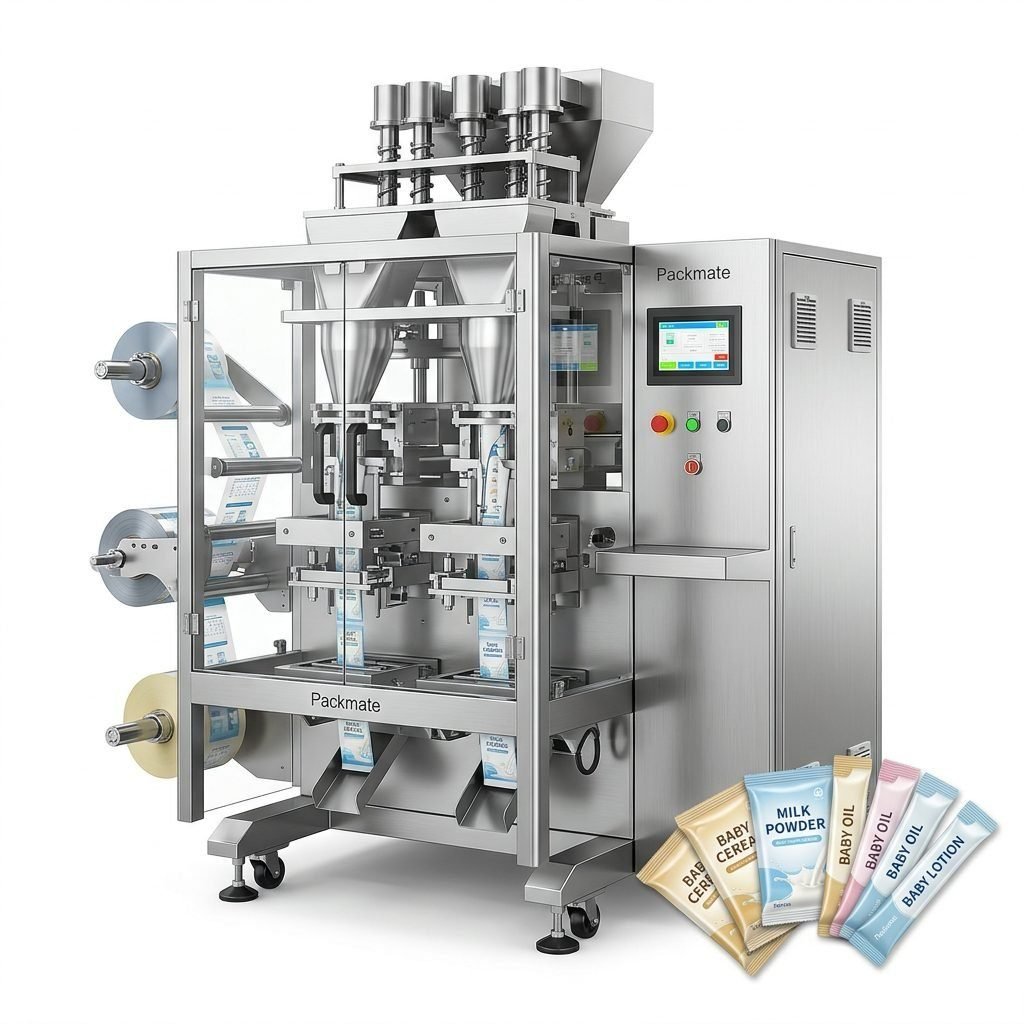
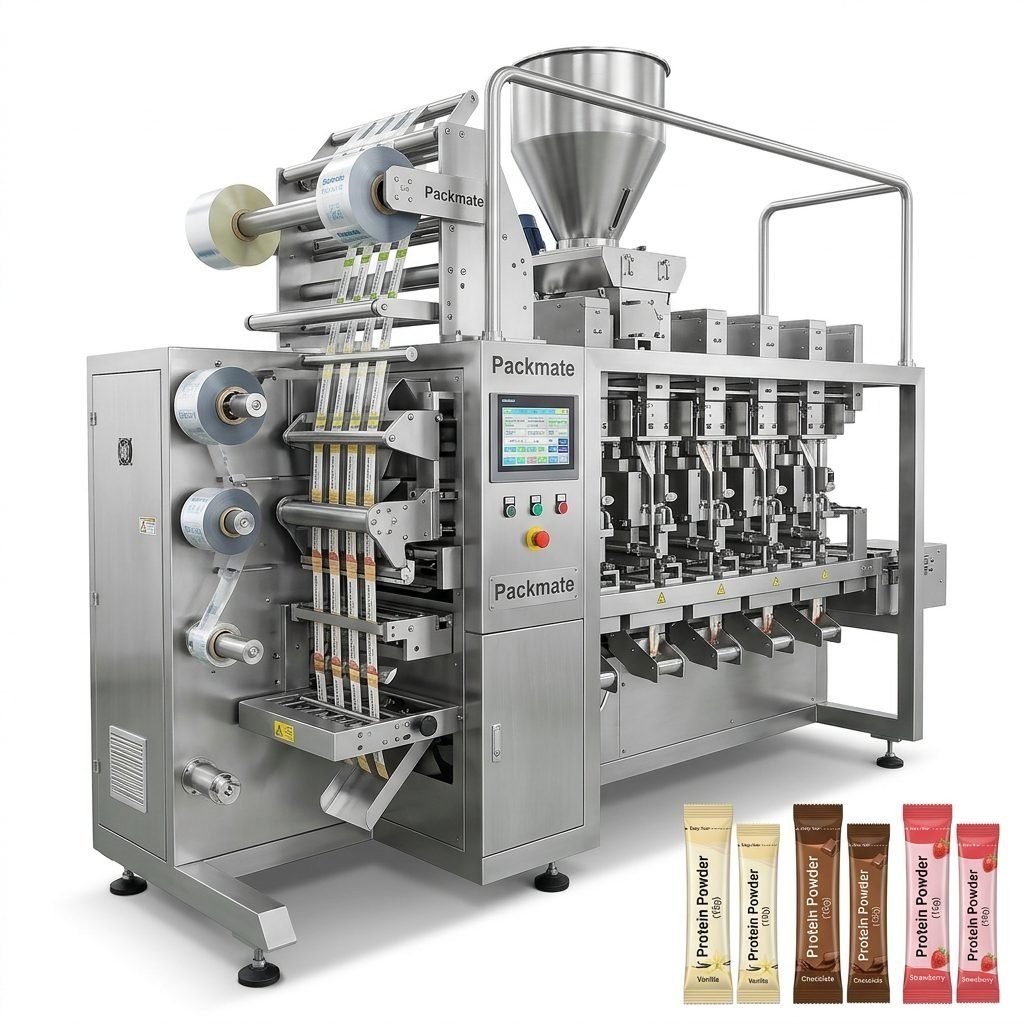
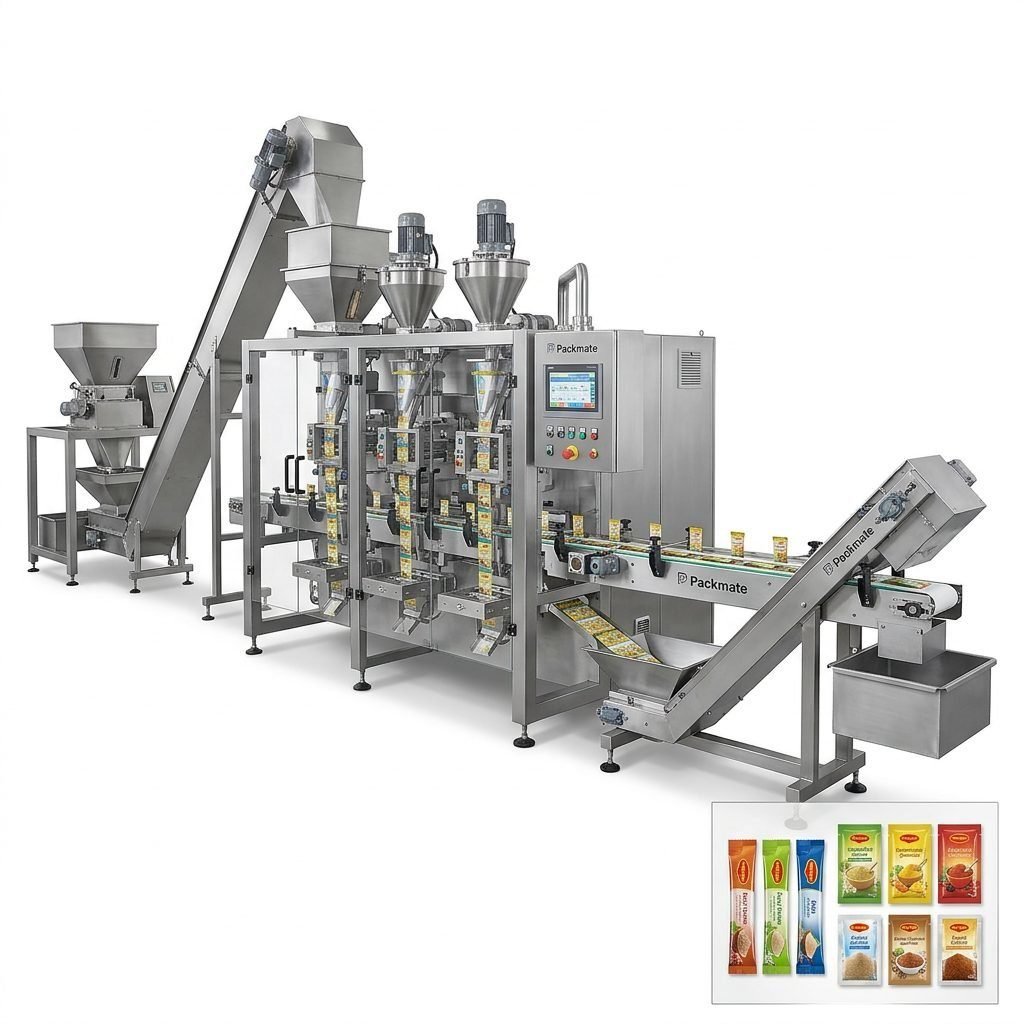
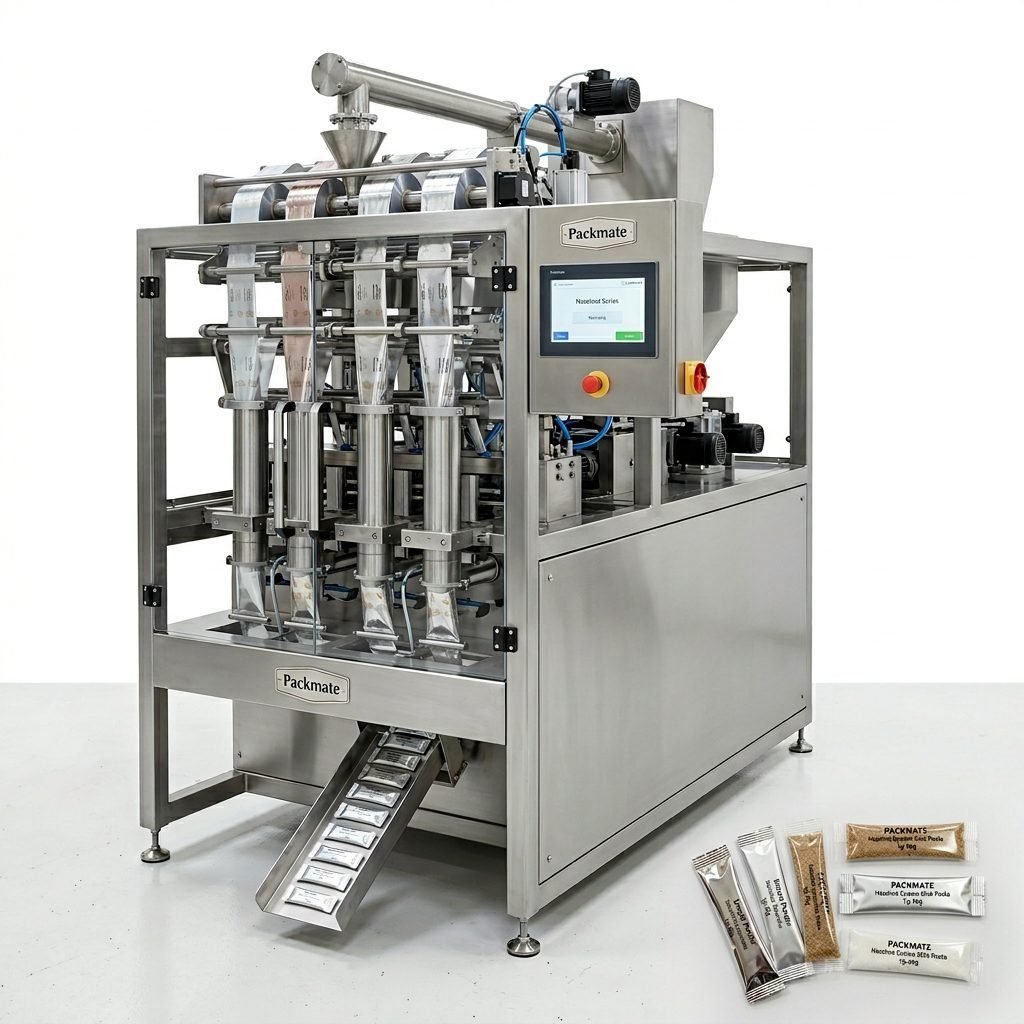
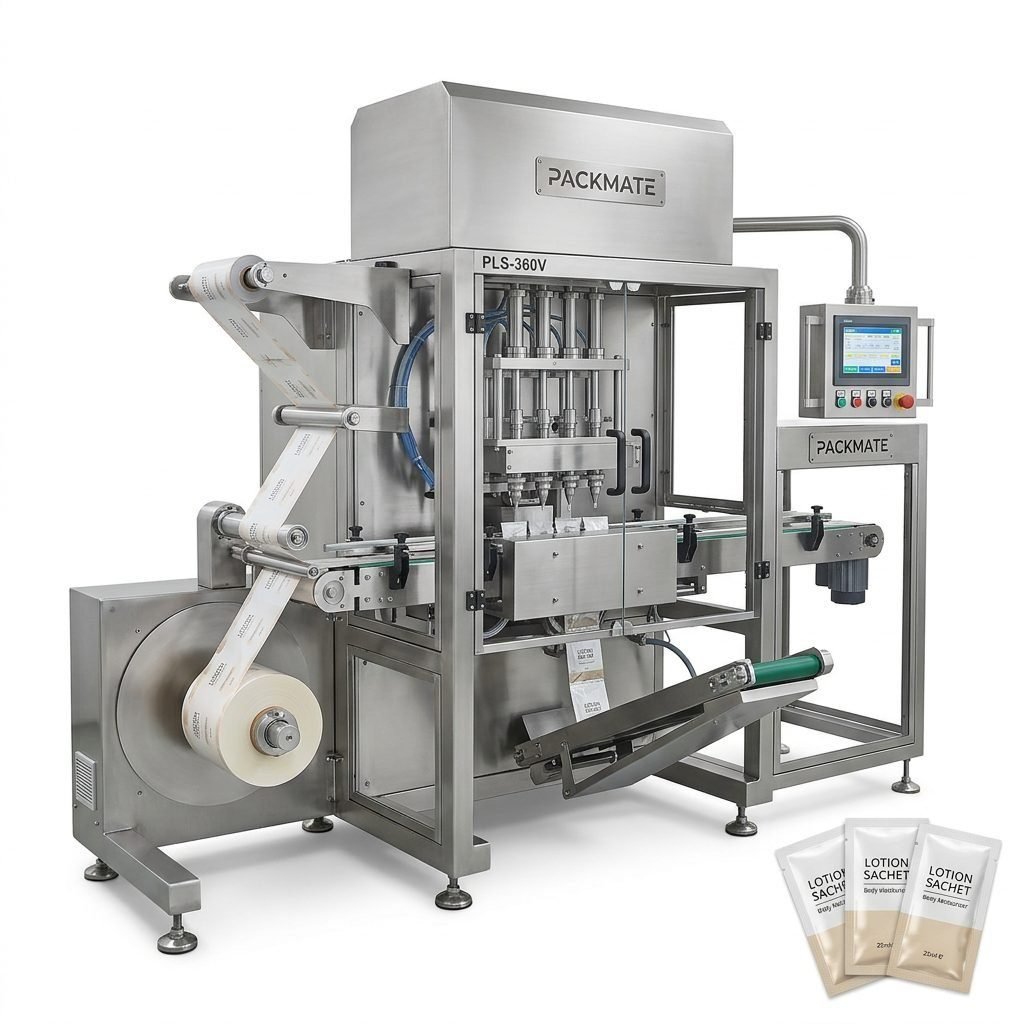
The demand for on-the-go, drinkable yogurt has surged, making vertical form-fill-seal (VFFS) machines a top choice. These versatile machines form pouches from a roll of film, fill them with a precise volume of liquid yogurt, and seal them in a continuous motion. They are exceptionally efficient for medium to high-volume production. Key features to look for include gentle product handling to preserve texture, nitrogen flushing capabilities to extend shelf life by displacing oxygen, and the ability to create various pouch styles like spouted or stand-up pouches. For specialized needs, exploring sachet and stick pack machines can also be relevant for smaller, portion-controlled formats.
3. Tub and Container Filling Systems
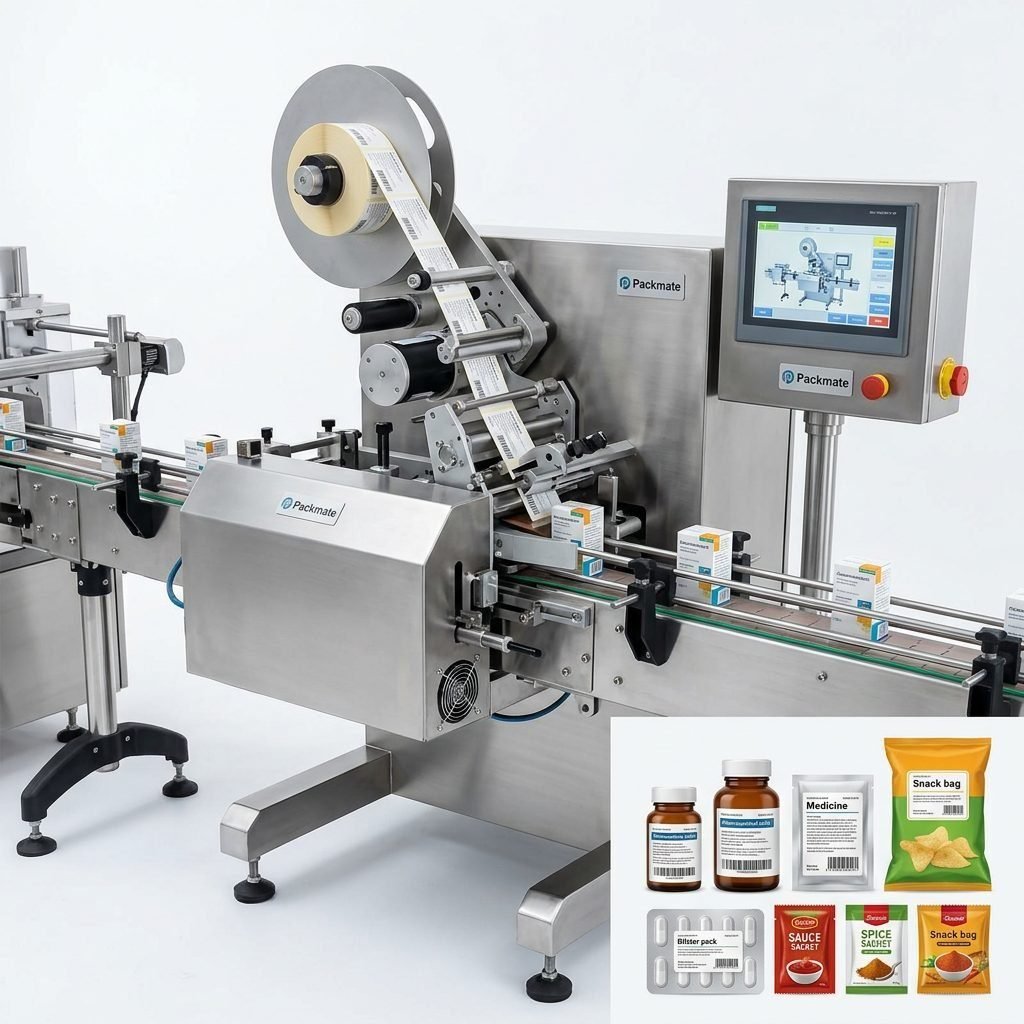
Larger family-size yogurt tubs require robust rotary or in-line piston filling machines. These systems are designed for accuracy and speed when dealing with thicker, high-viscosity products like Greek yogurt. They often incorporate weight-checking systems downstream to guarantee each container meets the declared net weight, ensuring compliance and reducing giveaway. The integration of lidding, date coding, and labeling in a single, synchronized line is a hallmark of an efficient setup. The reliability of such core equipment is foundational, much like the engineering philosophy behind established manufacturers such as Packmate Machinery, which emphasizes durable and innovative design.
Maximizing Line Efficiency: Beyond the Primary Machine
An efficient production line is an ecosystem. The primary packaging machine must be supported by robust upstream and downstream auxiliary equipment.
- Upstream: Efficient product supply via pumps and hoppers, consistent mixing and de-aeration tanks.
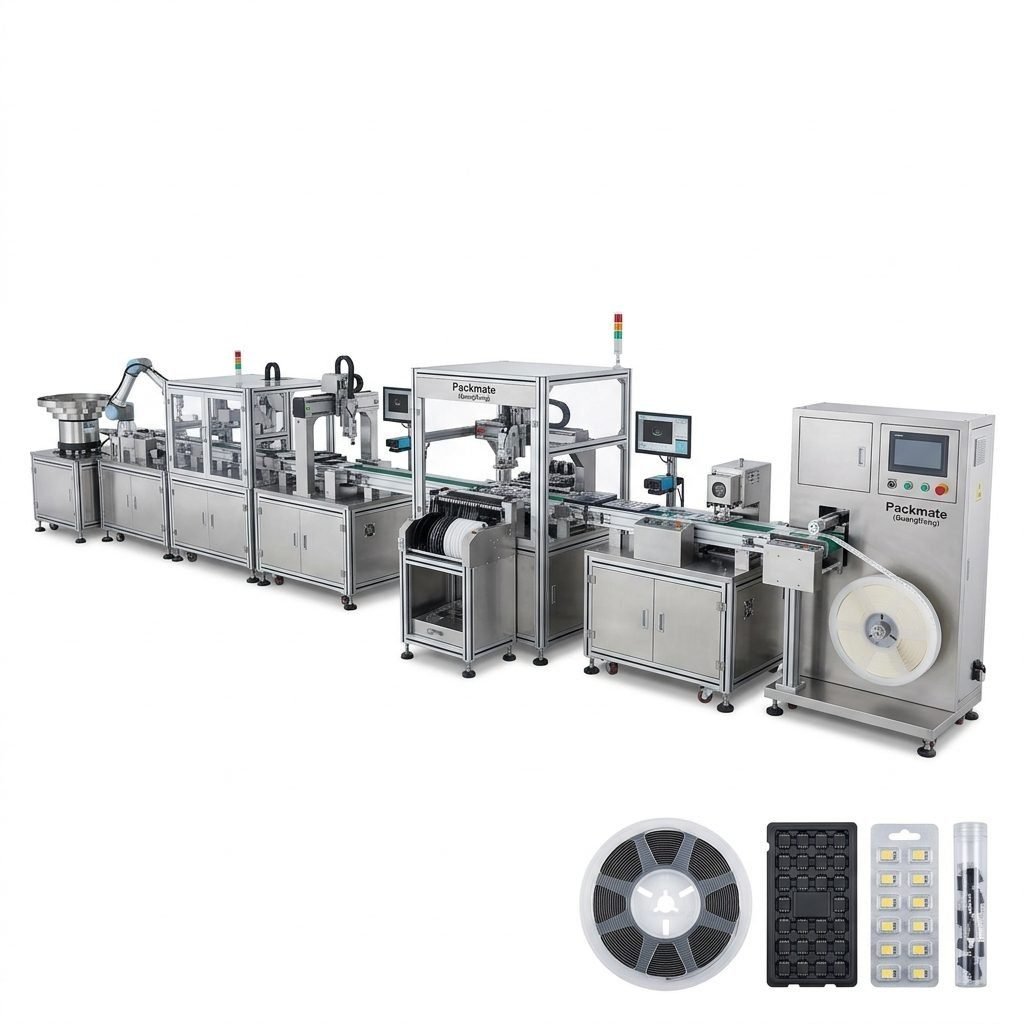
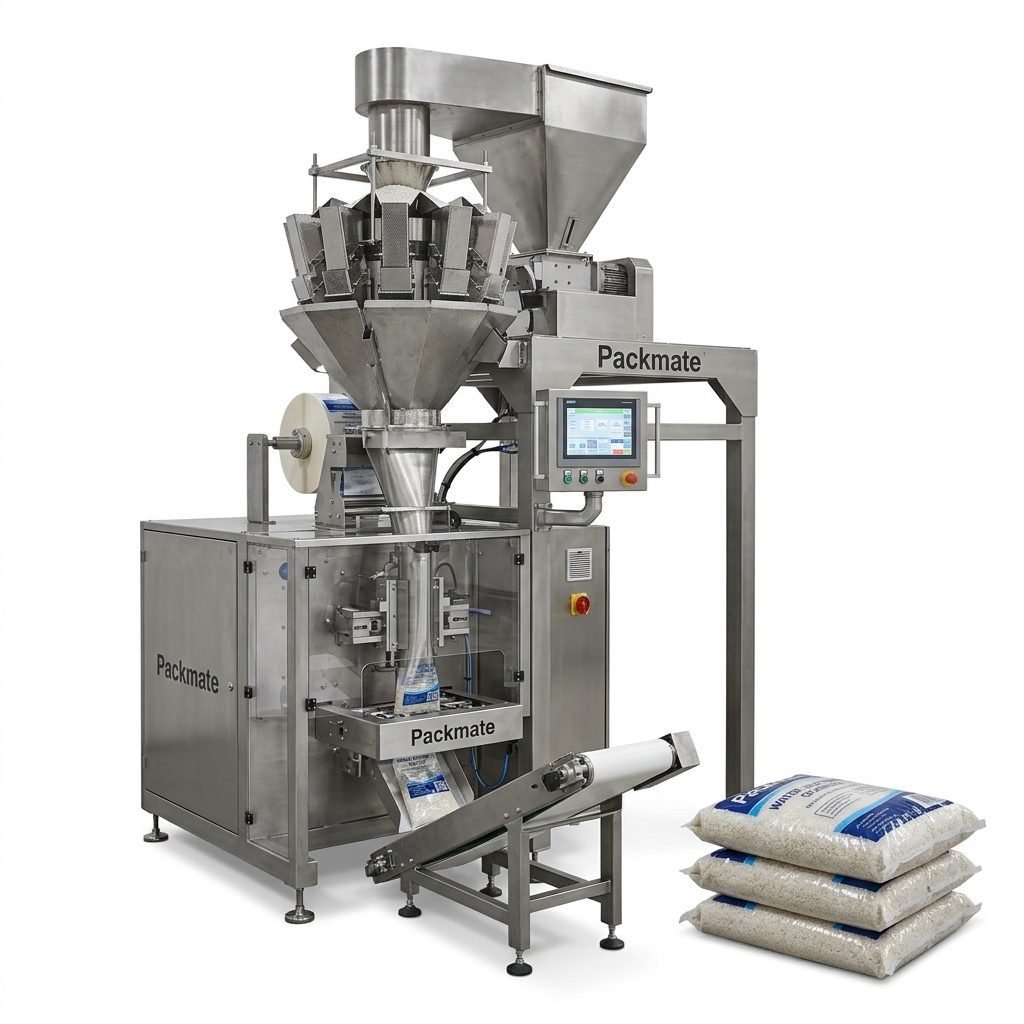
- Downstream: Automatic case packers, cartoners, palletizers, and stretch wrappers. Conveyor systems that link all stages smoothly are critical. Investing in a well-integrated weighing and packaging system can be a game-changer for accuracy and speed.
Furthermore, modern machines with Industry 4.0 capabilities—featuring PLC controls, touchscreen HMIs, and data collection for OEE (Overall Equipment Effectiveness) tracking—provide the insights needed for continuous improvement and predictive maintenance.
4. Aseptic Packaging Solutions
For yogurt products requiring ambient shelf stability without refrigeration, aseptic packaging technology is essential. These highly sophisticated lines sterilize both the product (via UHT treatment) and the packaging material in a sterile environment before filling and sealing. This process destroys microorganisms and prevents recontamination, allowing for long shelf lives. While representing a significant capital investment, aseptic lines are the pinnacle of efficiency for brands targeting extensive distribution networks and export markets where cold chain logistics are a challenge.
Investing for Long-Term Success
Choosing a yogurt packaging machine is a strategic investment. Beyond the initial purchase price, consider the total cost of ownership, which includes energy consumption, maintenance needs, spare part availability, and the supplier’s technical support. Partnering with a manufacturer that offers comprehensive service and support, from installation and training to ongoing maintenance, is invaluable. A reliable machine from a trusted partner minimizes downtime, protects your brand reputation, and ensures your production line remains a source of competitive advantage for years to come.
Frequently Asked Questions (FAQs)
1. What is the typical output speed for a standard cup-filling yogurt packaging line?
Output speeds vary widely based on cup size, number of filling lanes, and automation level. A standard single-lane machine may run at 60-120 cups per minute (CPM), while high-speed multi-lane systems from leading manufacturers can achieve speeds exceeding 400 CPM. The key is to match the speed to your filler and upstream capacity.
2. How important is the sanitation design of the machine for yogurt packaging?
It is absolutely critical. Yogurt is a dairy product prone to bacterial spoilage. Machines must be designed with smooth, crevice-free surfaces (preferably stainless steel), easy disassembly for cleaning, and compatibility with CIP (Clean-in-Place) or SIP (Sterilize-in-Place) systems. This is non-negotiable for meeting global food safety standards.
3. Can one machine handle different yogurt viscosities and package sizes?
Many modern machines are designed with flexibility in mind. By changing parts like filling nozzles, pumps, and forming tools, a single machine can often handle a range of viscosities and package sizes. However, significant format changes (e.g., from cups to pouches) typically require different primary packaging machines. Always discuss your product portfolio with the equipment supplier.
4. What are the key maintenance requirements for these machines?
Regular maintenance is vital for longevity and consistent performance. Daily cleaning and lubrication of guide rails, weekly inspection of seals and gaskets, and periodic calibration of weighing and filling systems are common tasks. Following the manufacturer’s maintenance schedule and using genuine spare parts is highly recommended to avoid unexpected breakdowns.
5. How do I choose between a thermoforming and a pre-formed cup system?
Thermoforming machines create the cup from a roll of plastic sheet immediately before filling, which can be more cost-effective on material and offer greater design flexibility. Pre-formed cup systems use ready-made cups, which often provide better cup clarity and rigidity and are generally faster. The choice depends on your volume, budget, packaging aesthetics, and desired production speed.