In the modern food processing industry, efficiency and hygiene are paramount. A salad dressing filling machine is a specialized piece of equipment designed to accurately and cleanly dispense various liquid and semi-liquid dressings—such as vinaigrettes, creamy ranch, Caesar, or honey mustard—into containers like bottles, pouches, or cups. For businesses looking to scale production, maintain consistency, and reduce waste, investing in the right filling machine is a critical decision. This guide will explore the different types of machines available, factors affecting their prices, and provide a comprehensive buying guide to help you make an informed choice.
Understanding Different Types of Salad Dressing Filling Machines
The choice of filling machine largely depends on your product’s viscosity, production volume, and container type. Here are the primary types used in the industry.
Gravity Fillers
Gravity fillers are ideal for free-flowing, thin salad dressings like simple oil and vinegar mixtures. They operate by allowing the product to flow into the container under its own weight until a predetermined level is reached. These machines are relatively simple, cost-effective, and easy to clean, making them a good starting point for smaller operations.
Piston Fillers
For thicker, more viscous dressings such as creamy ranch, blue cheese, or mayonnaise, piston fillers are the industry standard. A piston draws a precise volume of product from a hopper and then pushes it into the container. They offer high accuracy (typically within ±0.5%) and are excellent for handling products with particulates, like dressings containing herbs or spices.
Pump Fillers
Pump fillers use rotary pumps, lobe pumps, or peristaltic pumps to move product. They are versatile and can handle a wide range of viscosities. Peristaltic pumps are particularly valued for their hygienic design, as the product only contacts the tubing, which simplifies cleanup and prevents cross-contamination—a key concern in food production.
Volumetric Cup Fillers
These machines use adjustable cups to scoop a specific volume of product before dumping it into the container. They are suitable for semi-viscous dressings and are often used in lower-speed production lines. Their mechanical simplicity can be an advantage for certain applications.
Form-Fill-Seal (FFS) Machines
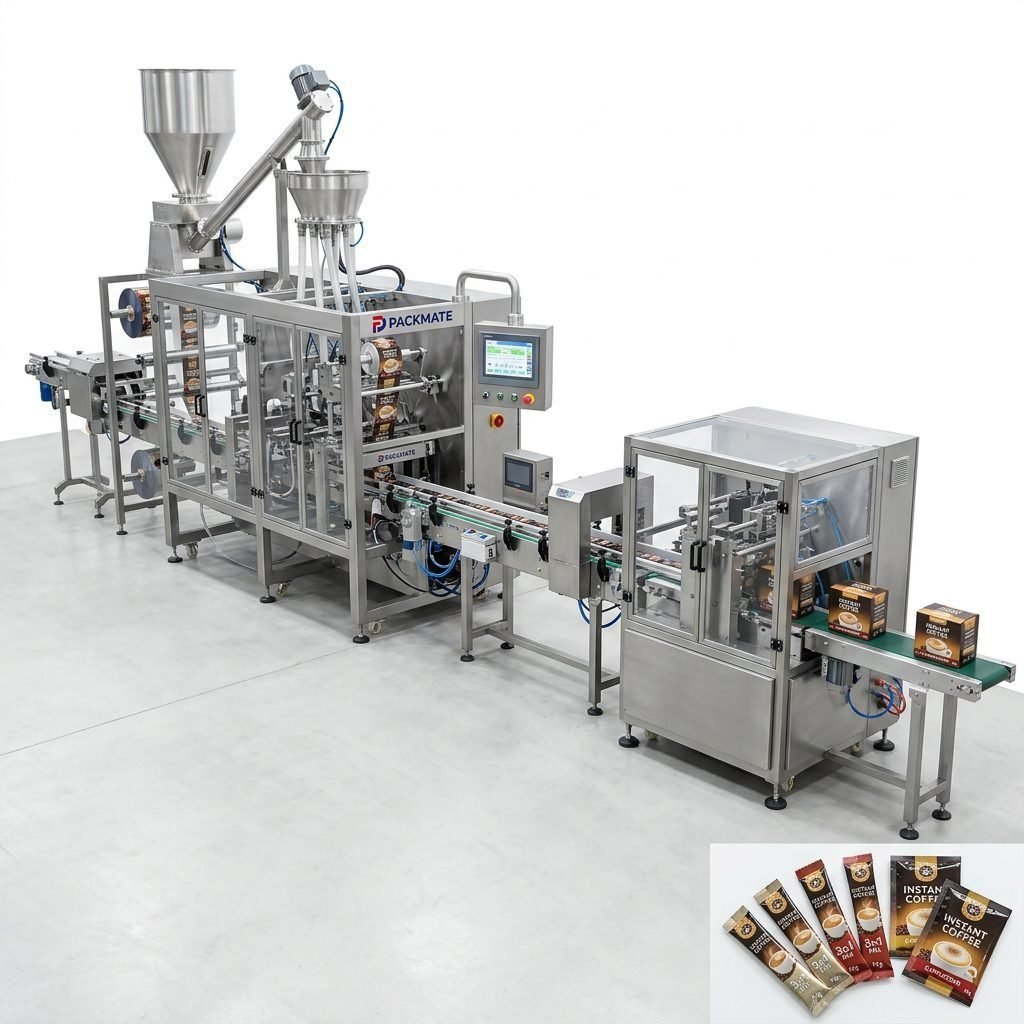
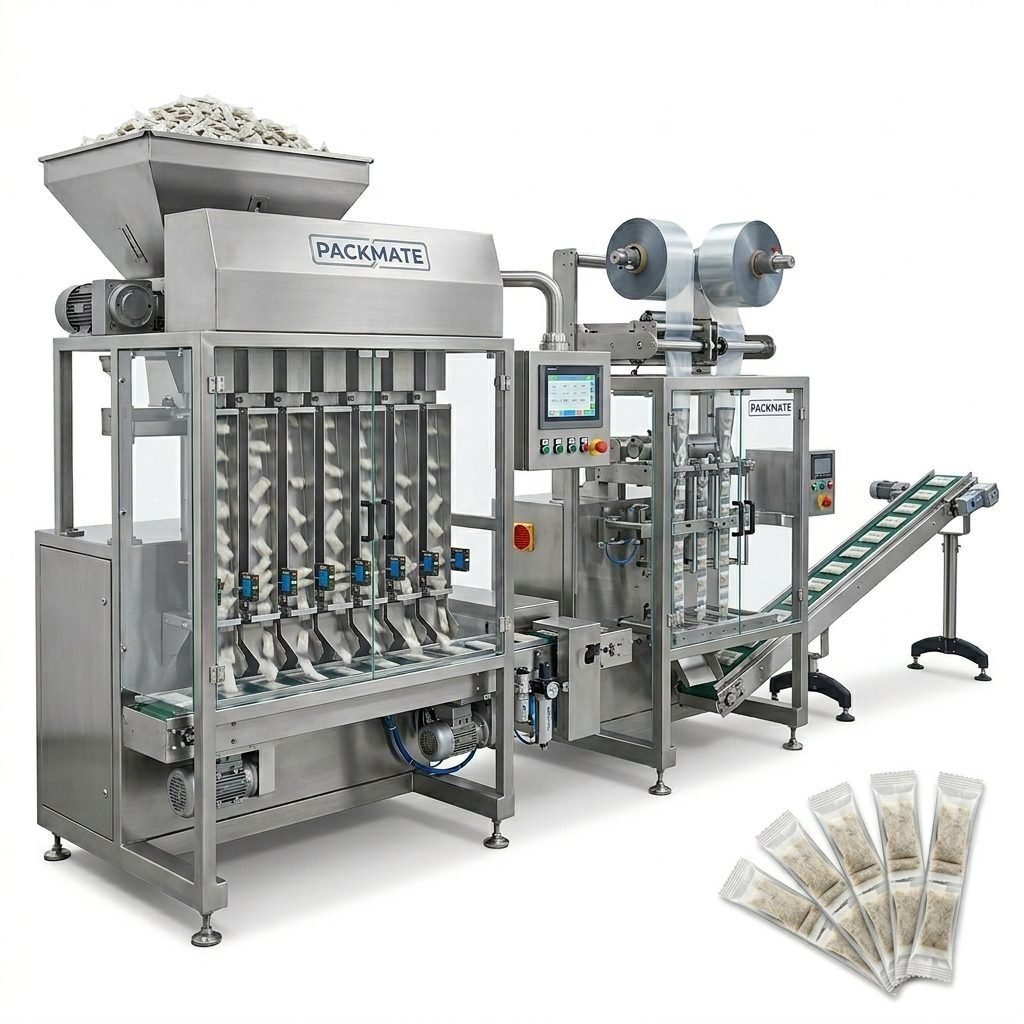
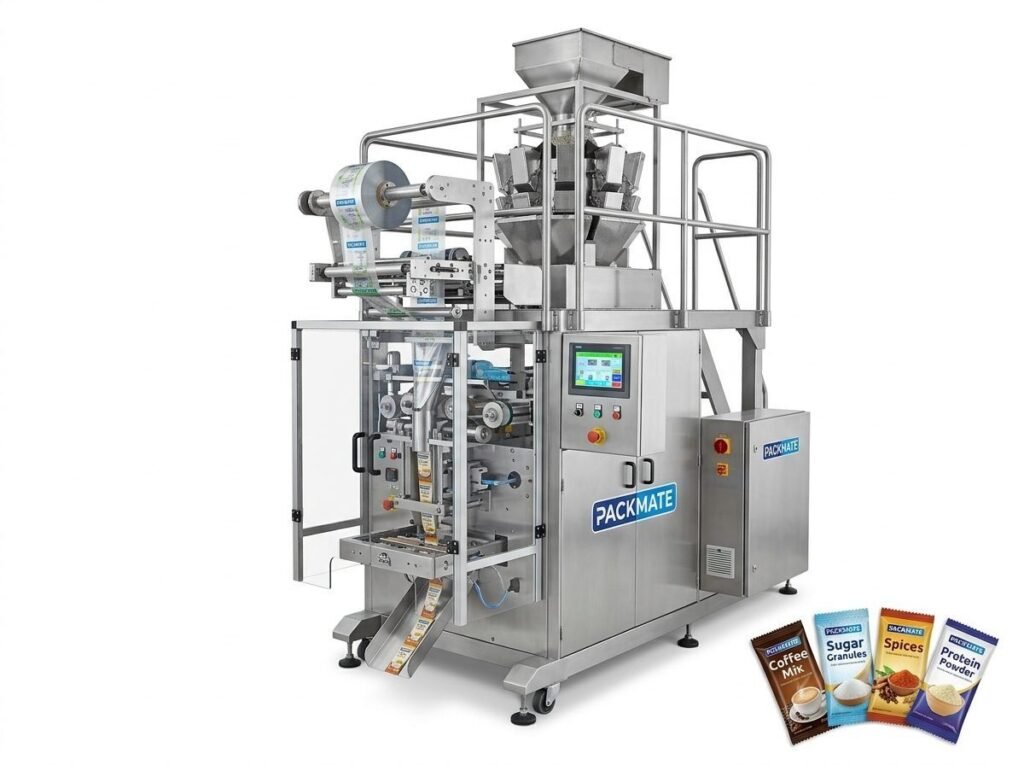
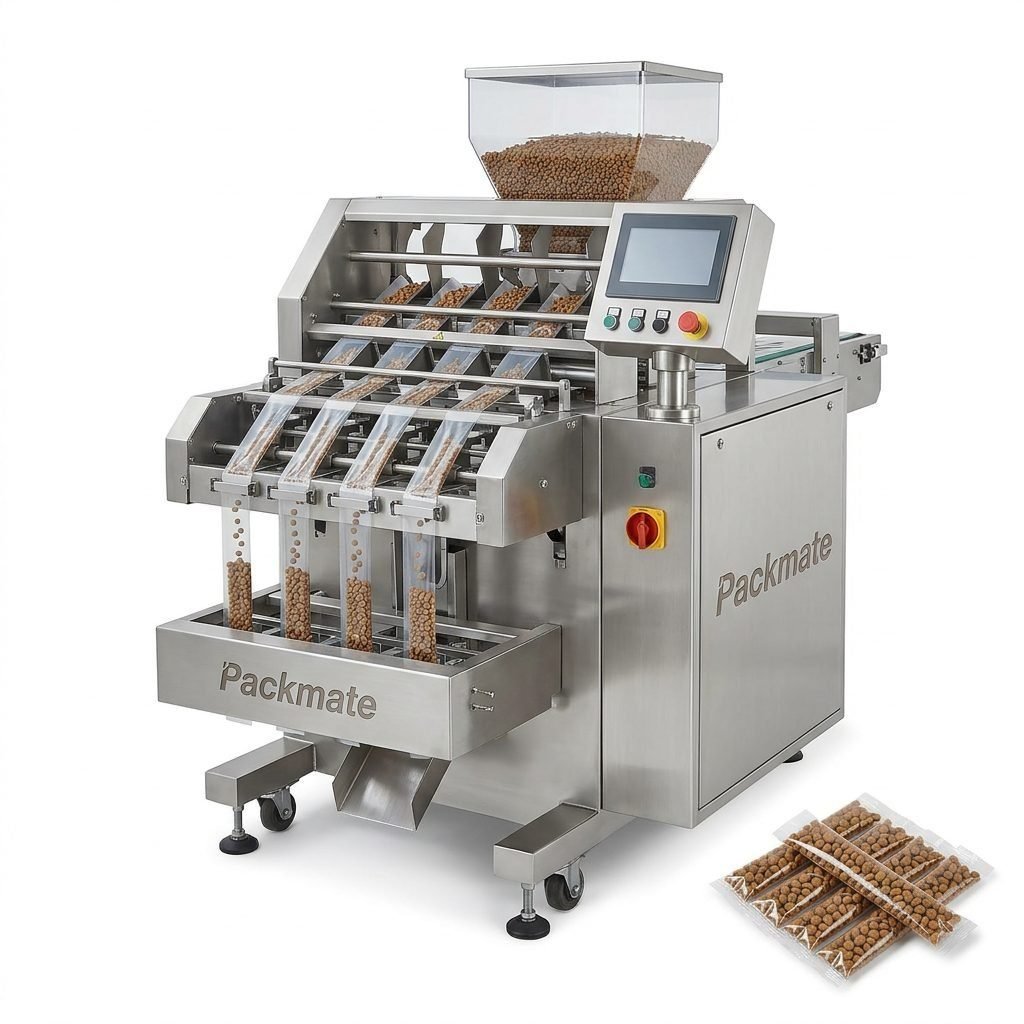
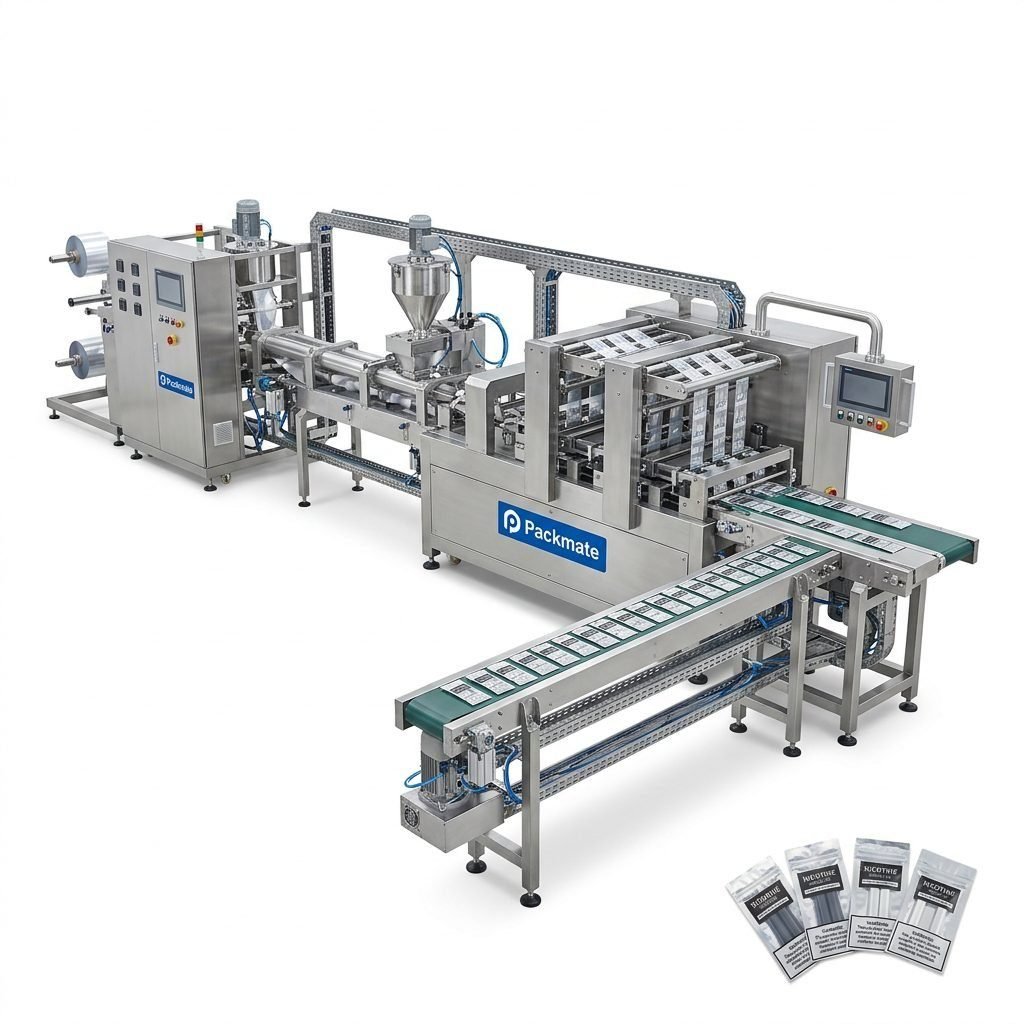
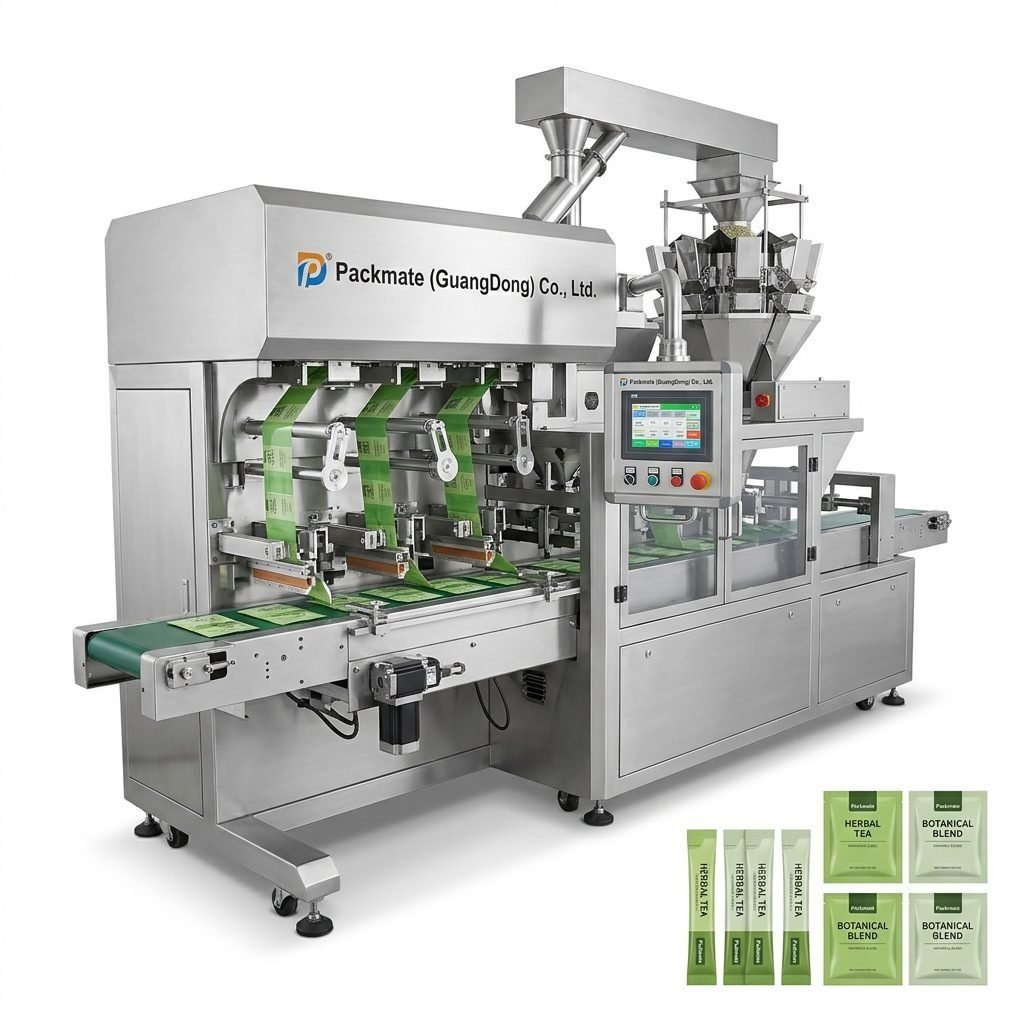
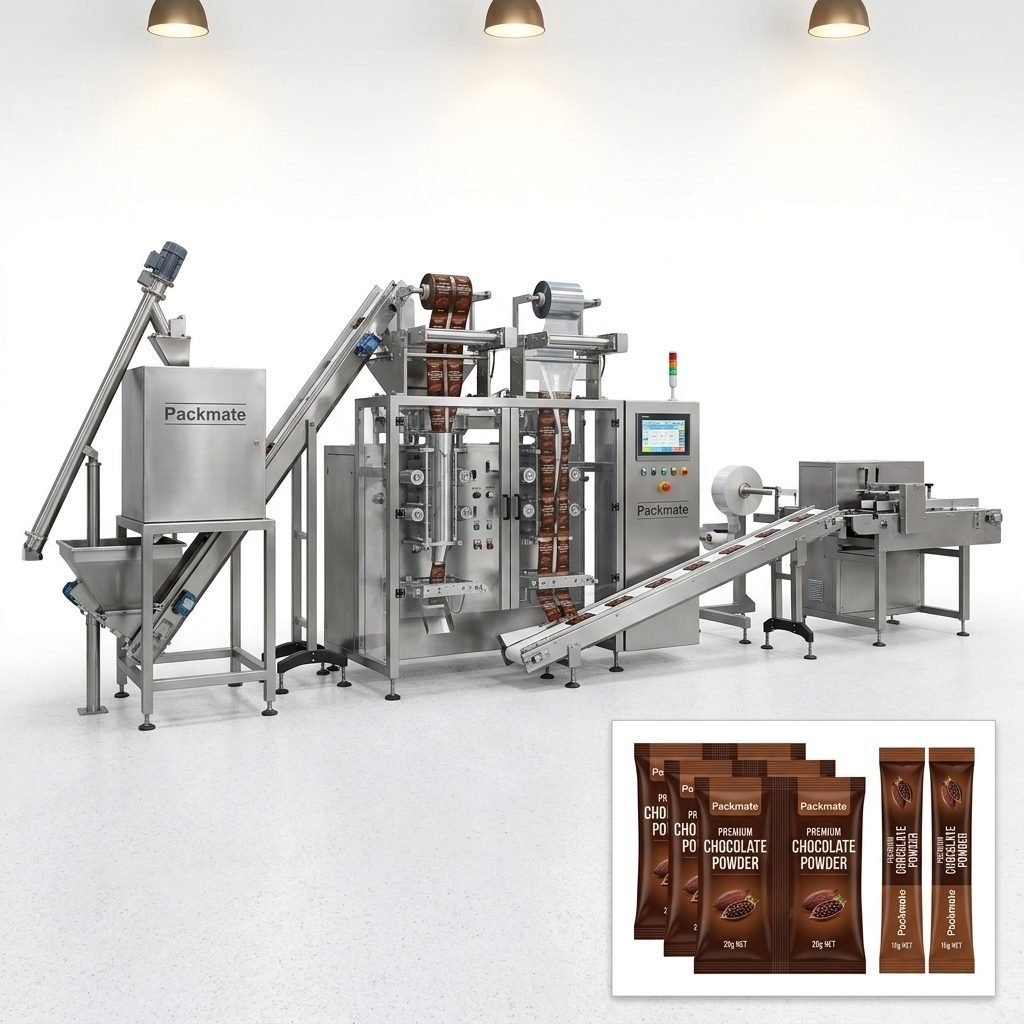
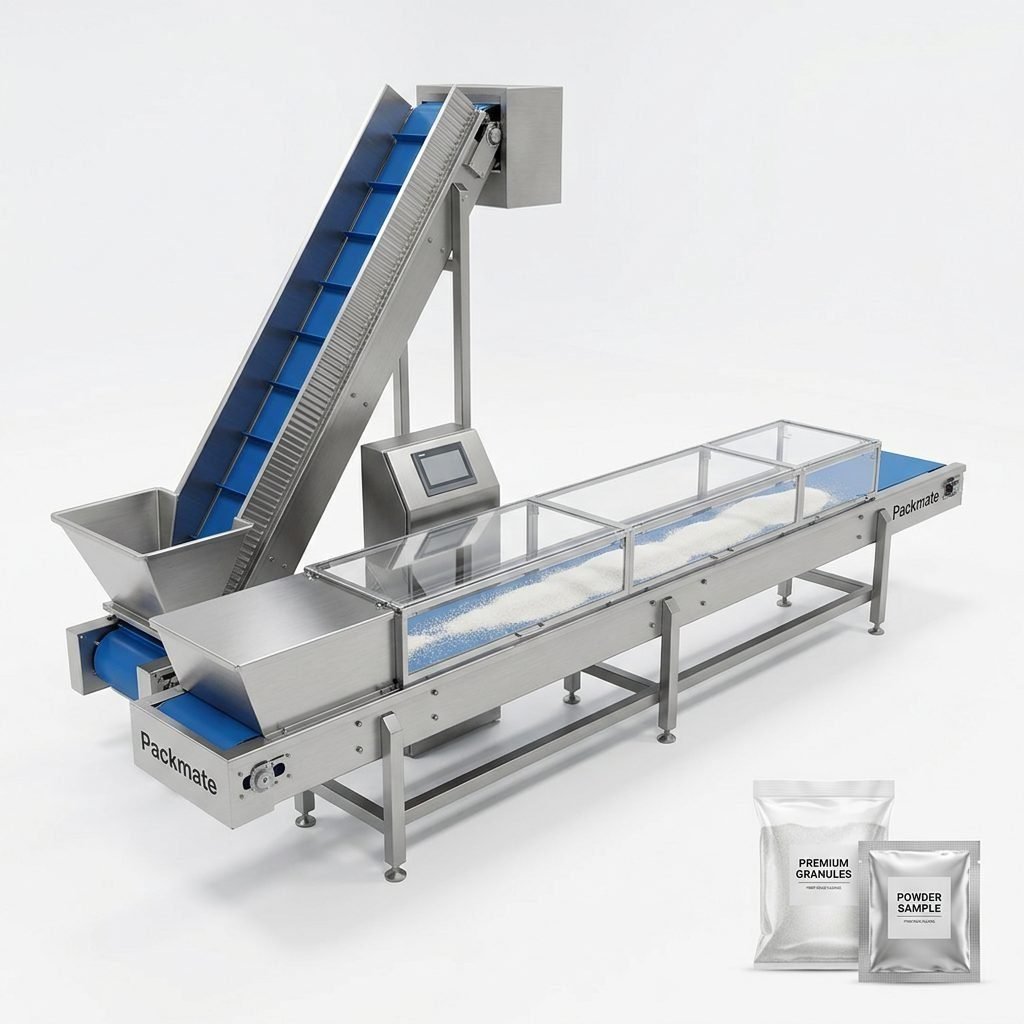
For businesses packaging dressing in single-serve sachets or stick packs, an integrated Form-Fill-Seal system is the solution. These machines form the pouch from a roll of film, fill it with a precise amount of dressing, and then seal it—all in one continuous operation. They offer superb efficiency and reduce packaging material costs. Companies like Packmate Machinery specialize in advanced sachet and stick pack packaging lines perfect for this application.
Key Factors Influencing Machine Prices
The price of a salad dressing filling machine is not a single figure; it varies widely based on several technical and operational factors.
Production Speed & Automation Level
A basic semi-automatic machine, requiring an operator to place each container, may cost between $5,000 and $15,000. Fully automatic, rotary filling systems integrated into a complete filling and packaging line can range from $50,000 to over $200,000, depending on speed (e.g., 200 bottles per minute vs. 50).
Number of Filling Heads & Accuracy
More filling heads allow simultaneous filling of multiple containers, drastically increasing output. High-precision heads with servo-driven technology for ±0.1% accuracy command a premium over standard mechanical systems.
Construction Materials & Hygiene Standards
Machines built with 304 or 316 stainless steel for all product-contact parts are essential for food safety and durability but are more expensive than those with partial stainless construction. Machines designed for easy cleaning (CIP – Clean-in-Place) also add to the cost.
Brand, Customization, and After-Sales Support
Established brands with a proven history of quality and innovation often have higher price points, justified by reliability and support. Customization for unique container shapes or complex products will increase the initial investment but ensure a perfect fit for your needs.
Comprehensive Buying Guide: How to Choose the Right Machine
Selecting the perfect filling machine requires a careful assessment of your current and future needs.
Step 1: Analyze Your Product and Production Goals
First, define your product’s characteristics: viscosity, acidity, presence of solids, and sensitivity to air. Then, establish clear output targets (bottles/hour) and consider future scalability. A machine that can barely meet today’s demand will become a bottleneck tomorrow.
Step 2: Evaluate Key Machine Features
- Accuracy & Repeatability: Look for machines with a proven track record of filling consistency to minimize giveaway and ensure every bottle meets label claim.
- Changeover Flexibility: How quickly and easily can you switch between different dressing types or container sizes? Quick-change parts are invaluable for plants running multiple SKUs.
- Ease of Cleaning & Maintenance: Prioritize designs with minimal disassembly requirements for cleaning. Good supplier support for spare parts, like those offered through comprehensive service networks, is crucial for minimizing downtime.
Step 3: Research and Select a Reliable Supplier
Do not base your decision on price alone. Investigate the manufacturer’s reputation, experience in the food industry, and quality control processes. Review their case studies or project portfolios to see machines in action for similar applications. A supplier with over 20 years of experience, like Packmate Machinery, brings invaluable expertise to the table.
Always request a live demonstration or a trial using your actual product and containers. This is the best way to verify performance claims. Finally, scrutinize the warranty terms, training offered, and the availability of technical support.
Final Considerations Before Purchase
Remember to account for the total cost of ownership, which includes not just the machine price, but also installation, utilities consumption, ongoing maintenance, and potential future upgrades. Ensure the machine complies with relevant food safety regulations in your target market (e.g., FDA, CE, EHEDG). Choosing a robust and appropriately sized machine from a reputable supplier is an investment that will pay dividends in product quality, operational efficiency, and brand reputation for years to come.
Frequently Asked Questions (FAQs)
1. What type of filling machine is best for thick, creamy dressings?
Piston fillers are generally considered the best choice for thick, creamy dressings like ranch or Caesar. They provide the necessary pressure to handle high viscosity and offer excellent volumetric accuracy, even with products containing small particulates.
2. Can one machine handle both oil-based vinaigrettes and creamy dressings?
It is challenging for a single machine to optimally handle both extremes without adjustments. However, versatile pump fillers (especially with changeable pump types) or well-designed piston fillers with quick-change cylinders can often be configured to handle a reasonably wide viscosity range, though some compromise on speed or accuracy may occur.
3. How important is the construction material (e.g., stainless steel) for the machine?
It is critically important. For food safety, durability, and corrosion resistance, all parts that come into contact with the product must be made of food-grade stainless steel (typically 304 or 316). This prevents contamination, withstands rigorous cleaning, and ensures a long machine lifespan.
4. What is the typical lead time for receiving a new filling machine?
Lead times vary significantly. For standard models from stock, it could be 4-8 weeks. For customized or high-speed automated lines, lead times can range from 3 to 6 months or more, factoring in design, manufacturing, factory testing, and shipping.
5. What kind of after-sales support should I expect from the manufacturer?
You should expect comprehensive support including: detailed installation guidance (or on-site installation), operator and maintenance training, a clear warranty (often 12-24 months), readily available spare parts, and access to technical support via phone, email, or remote diagnostics. A reliable supplier will partner with you for the long-term operation of your equipment.