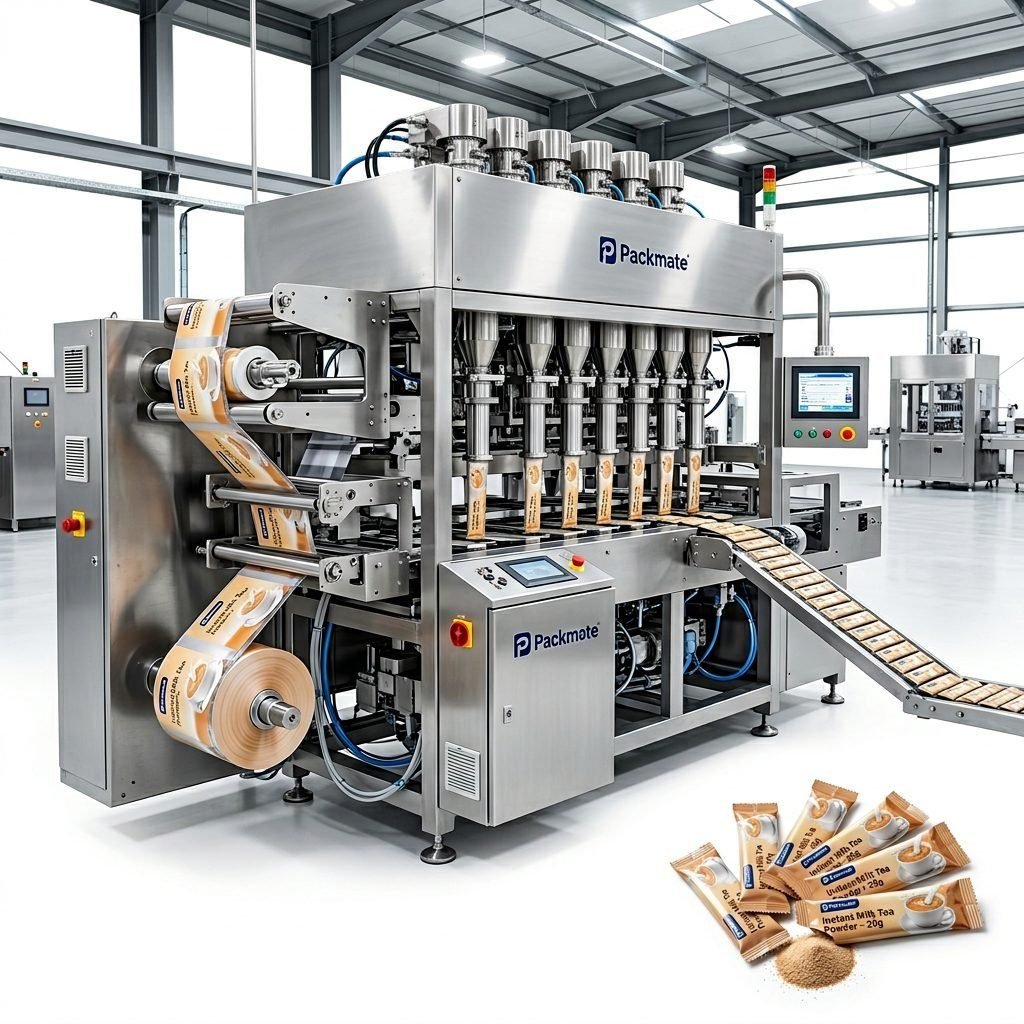
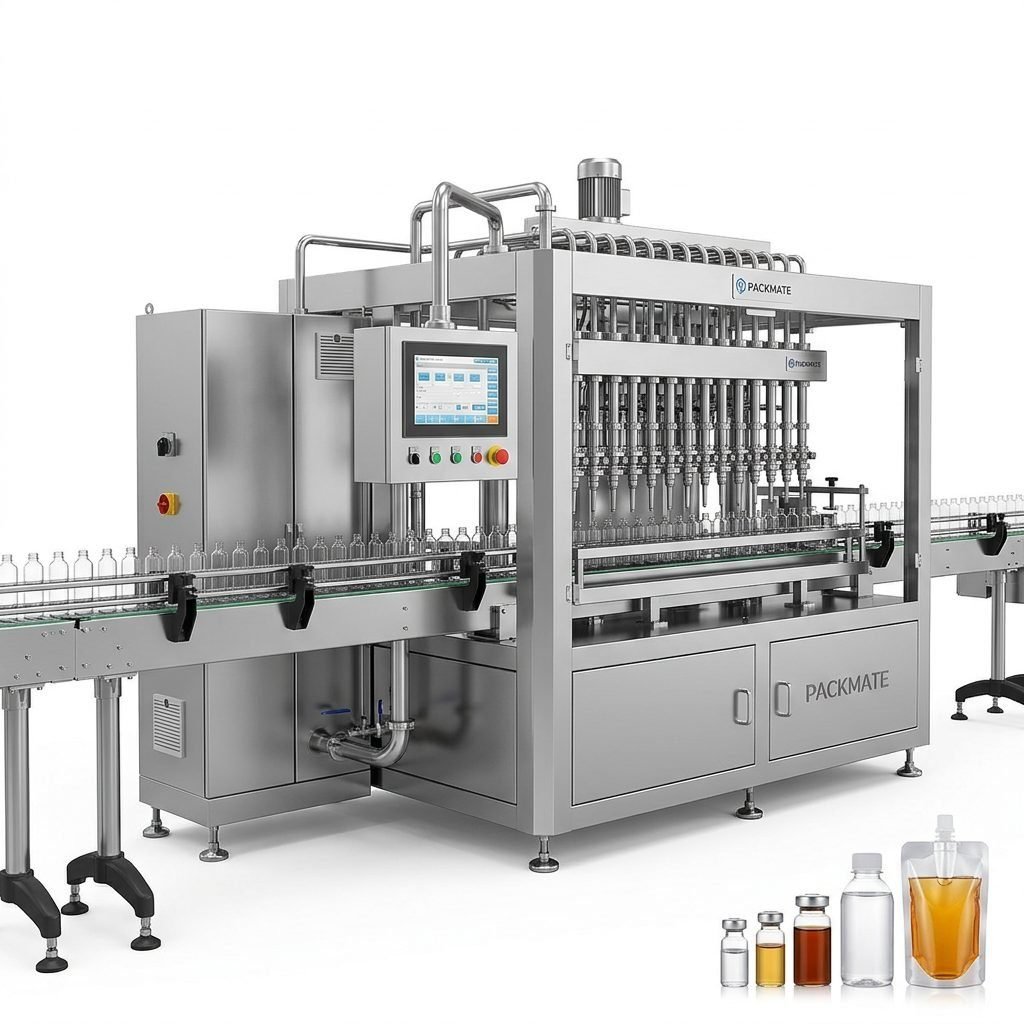
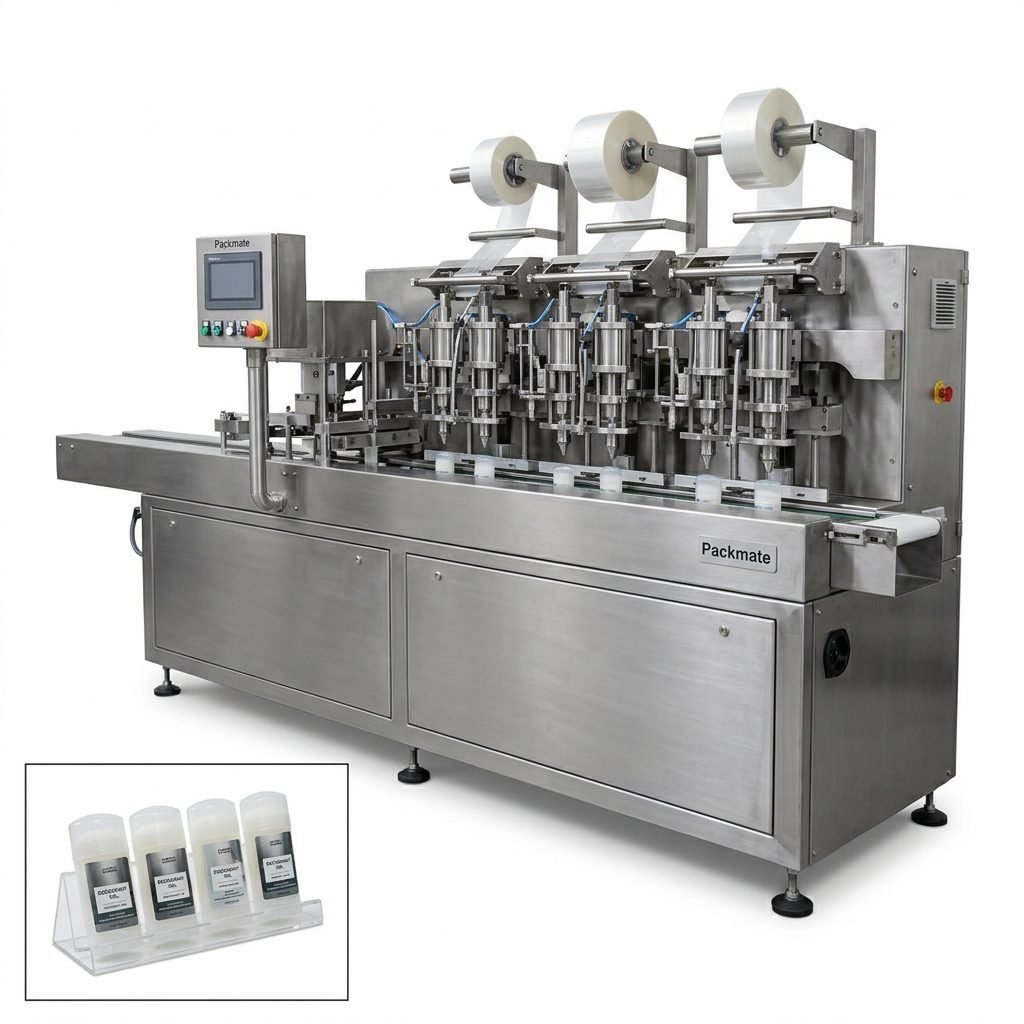
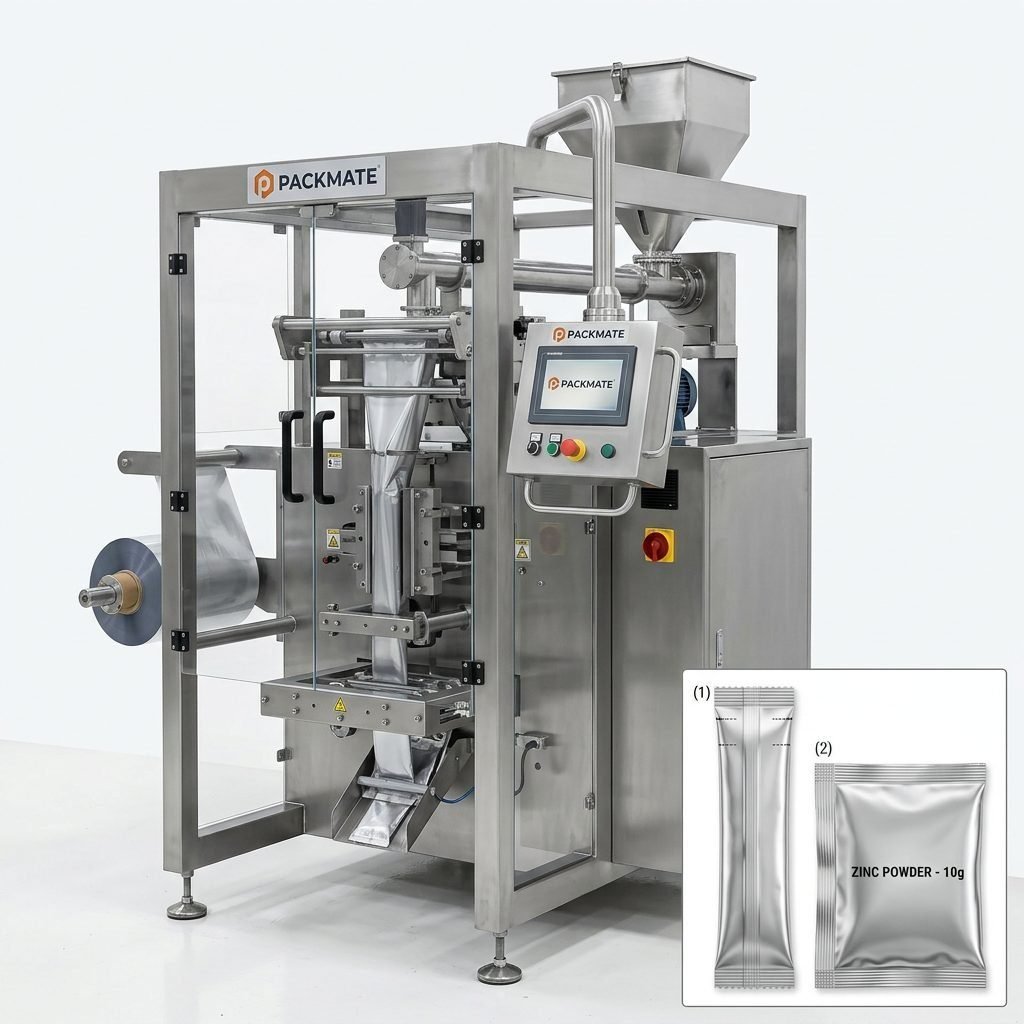
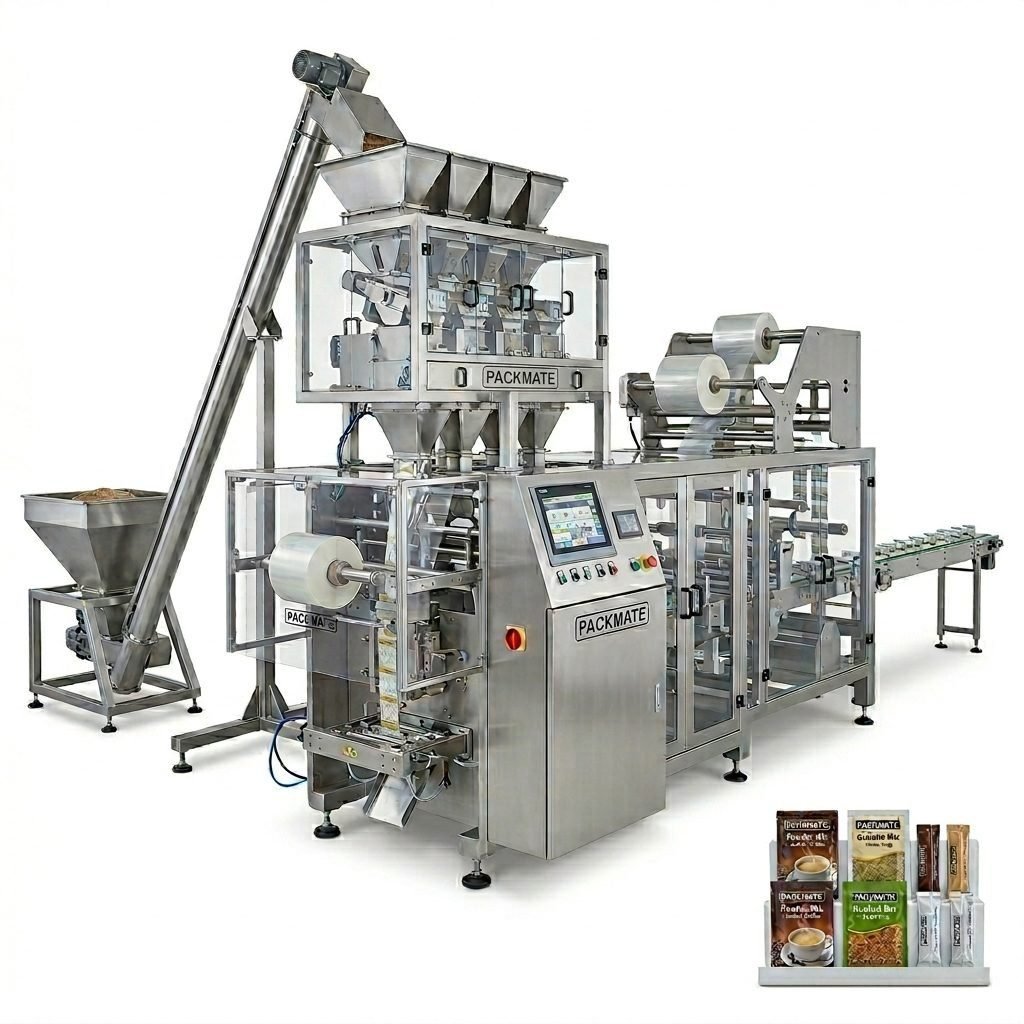
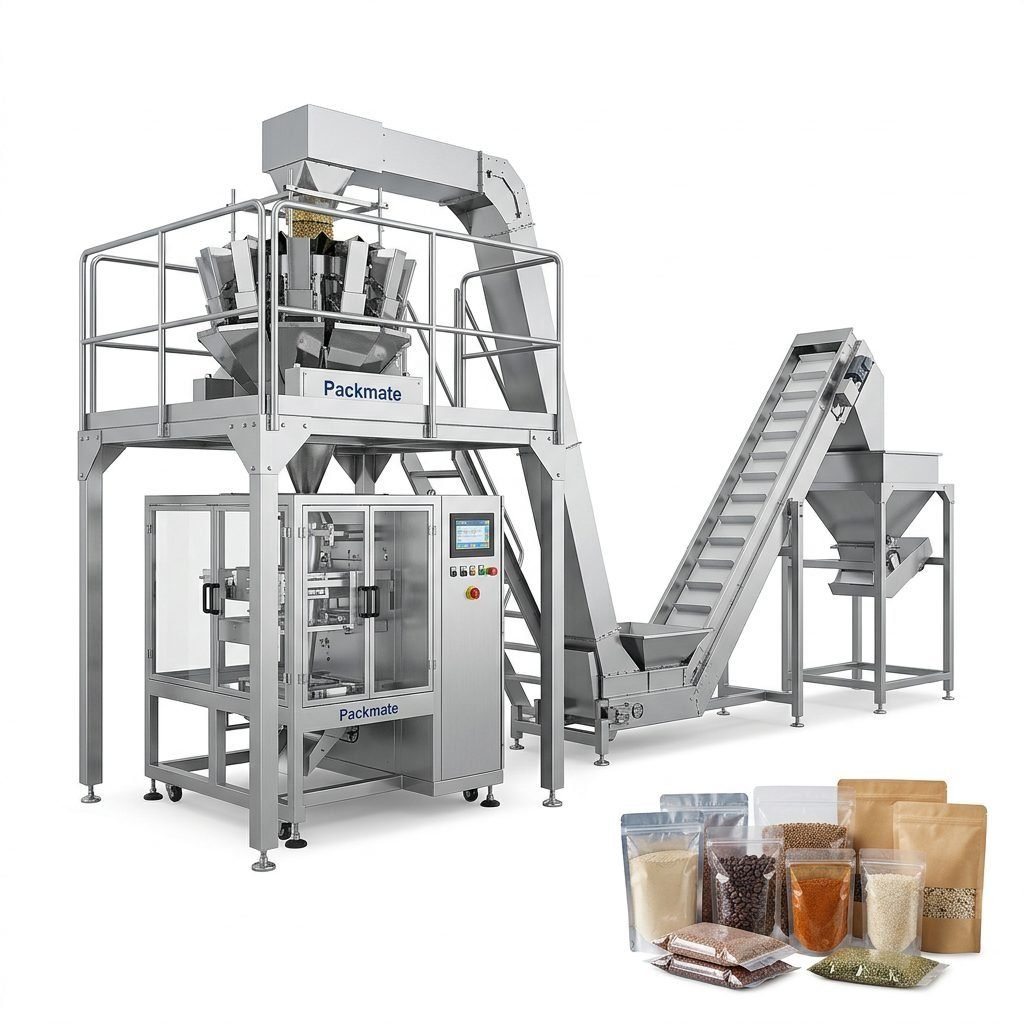
Navigating the global market for smart full automatic packaging equipment requires insight into top exporters who combine technological innovation with reliable performance. This guide explores key players and factors to consider when selecting machinery for your production needs.
Understanding Smart Full Automatic Packaging Systems
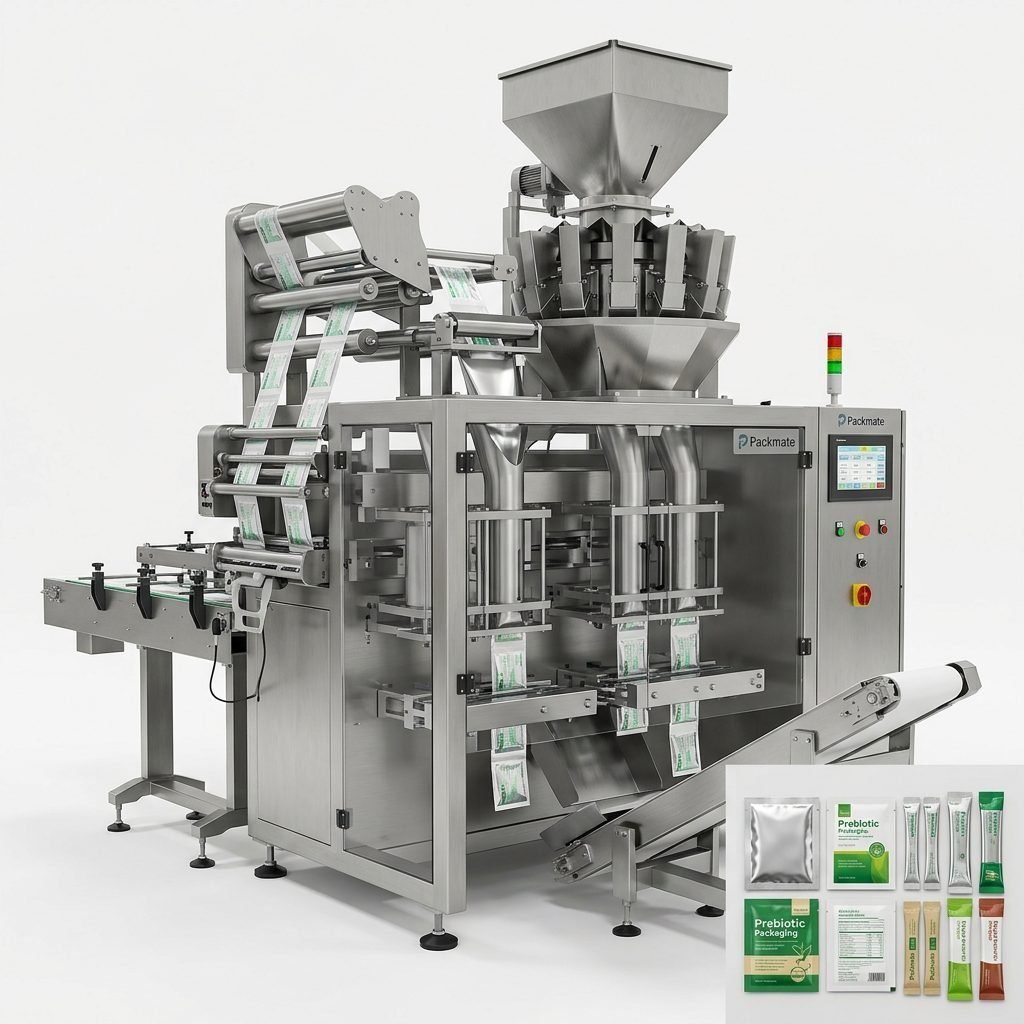
Modern packaging lines integrate sensors, PLC controls, and servo motors to achieve high-speed, precise operations. These systems handle various materials—from food granules to pharmaceutical powders—with minimal human intervention. The shift toward automation is driven by demands for hygiene, consistency, and scalability in production.
Core Technologies in Automated Packaging
Key advancements include vision inspection systems for quality control, multi-axis robots for flexible handling, and IoT connectivity for real-time monitoring. These technologies reduce waste and downtime while ensuring compliance with international safety standards.
Evaluating Top Exporters: Key Criteria
When assessing exporters, consider their technical support, customization capabilities, and after-sales service. A supplier’s experience in your specific industry—whether food, pharmaceuticals, or cosmetics—is critical. For instance, Packmate Machinery leverages over 30 years of expertise to provide turnkey solutions for diverse sectors.
Manufacturing Scale and Innovation
Leading exporters operate large-scale facilities with R&D departments dedicated to improving machine efficiency. Packmate’s 20,000㎡ factory in Guangdong, for example, houses advanced production lines and testing labs, enabling rapid prototyping and stringent quality checks.
Why Customization Matters
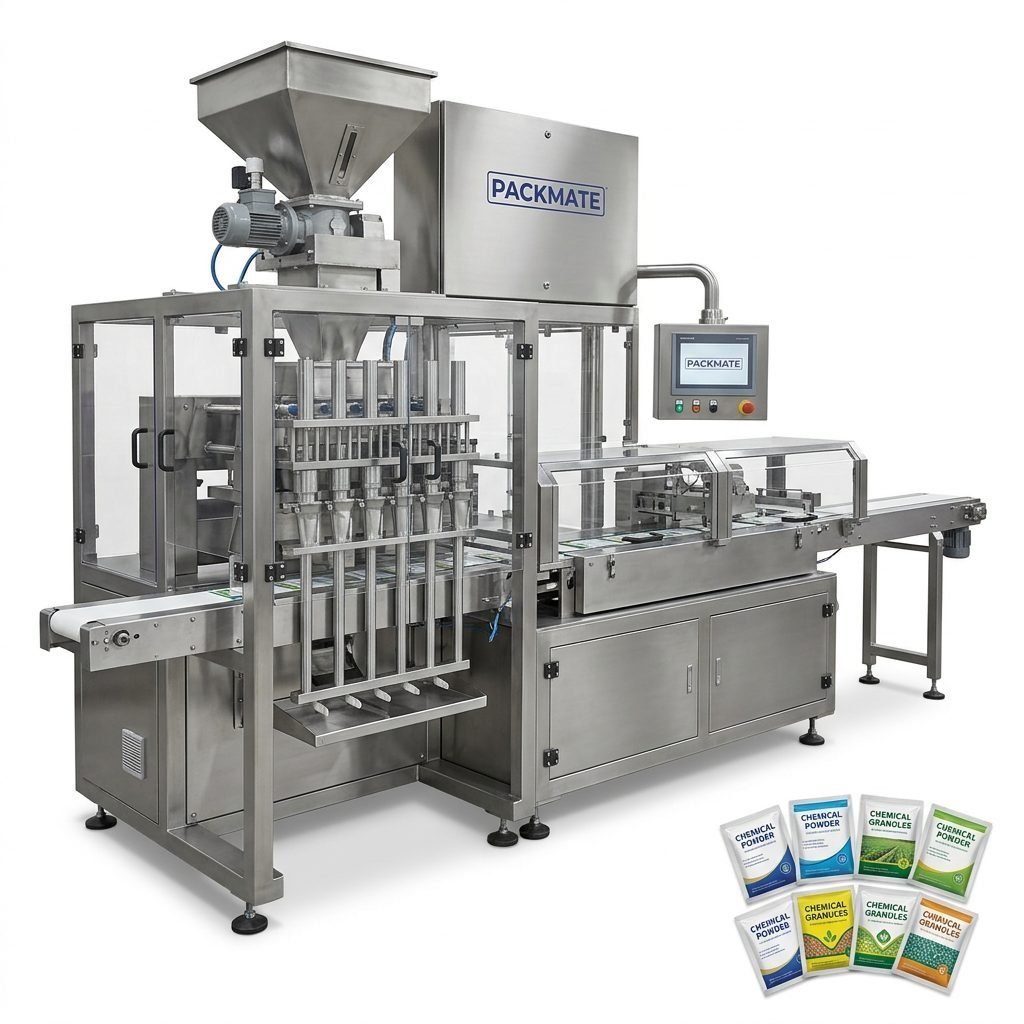
Off-the-shelf machines may not suit unique product shapes or packaging materials. Top exporters offer tailored configurations—such as modified filling systems for viscous liquids or specialized sealing for moisture-sensitive products. Explore Packmate’s product range to see examples of adaptable designs.
Global Market Trends and Regional Preferences
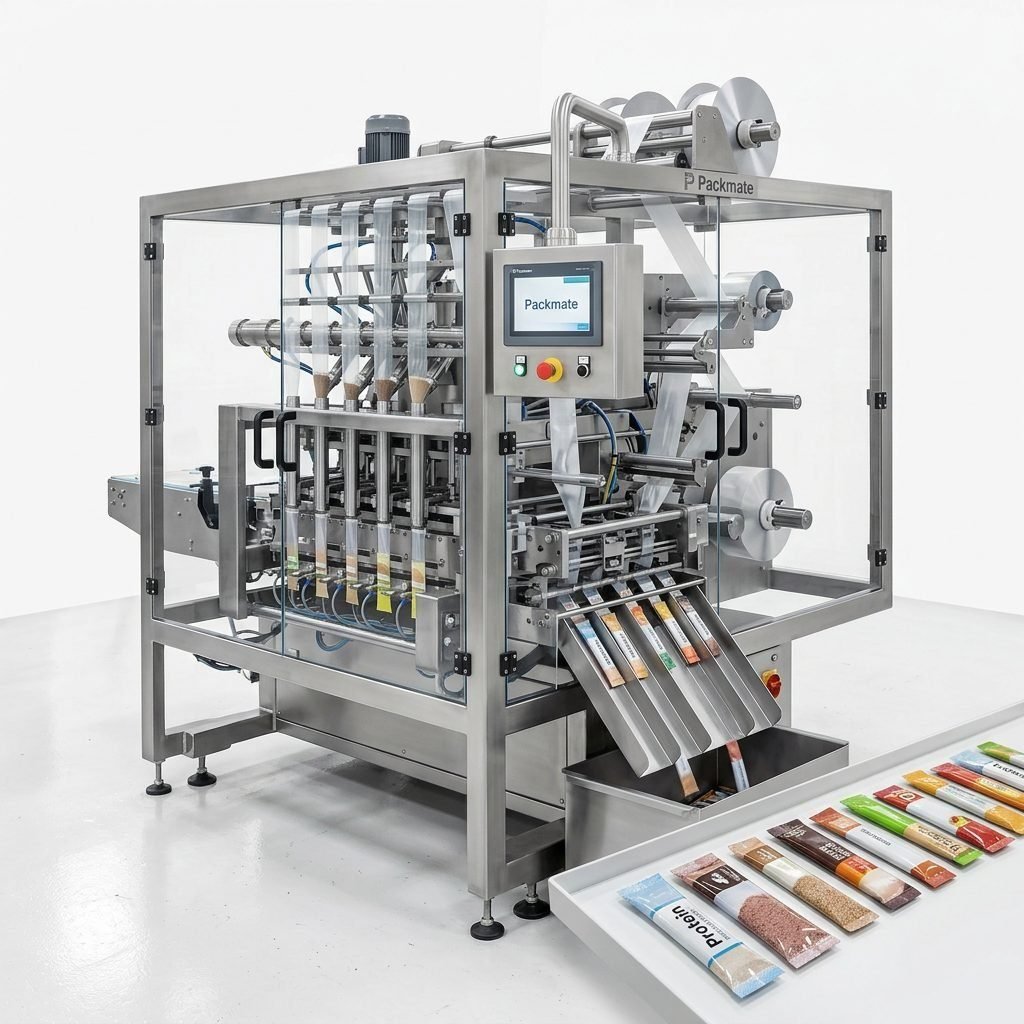
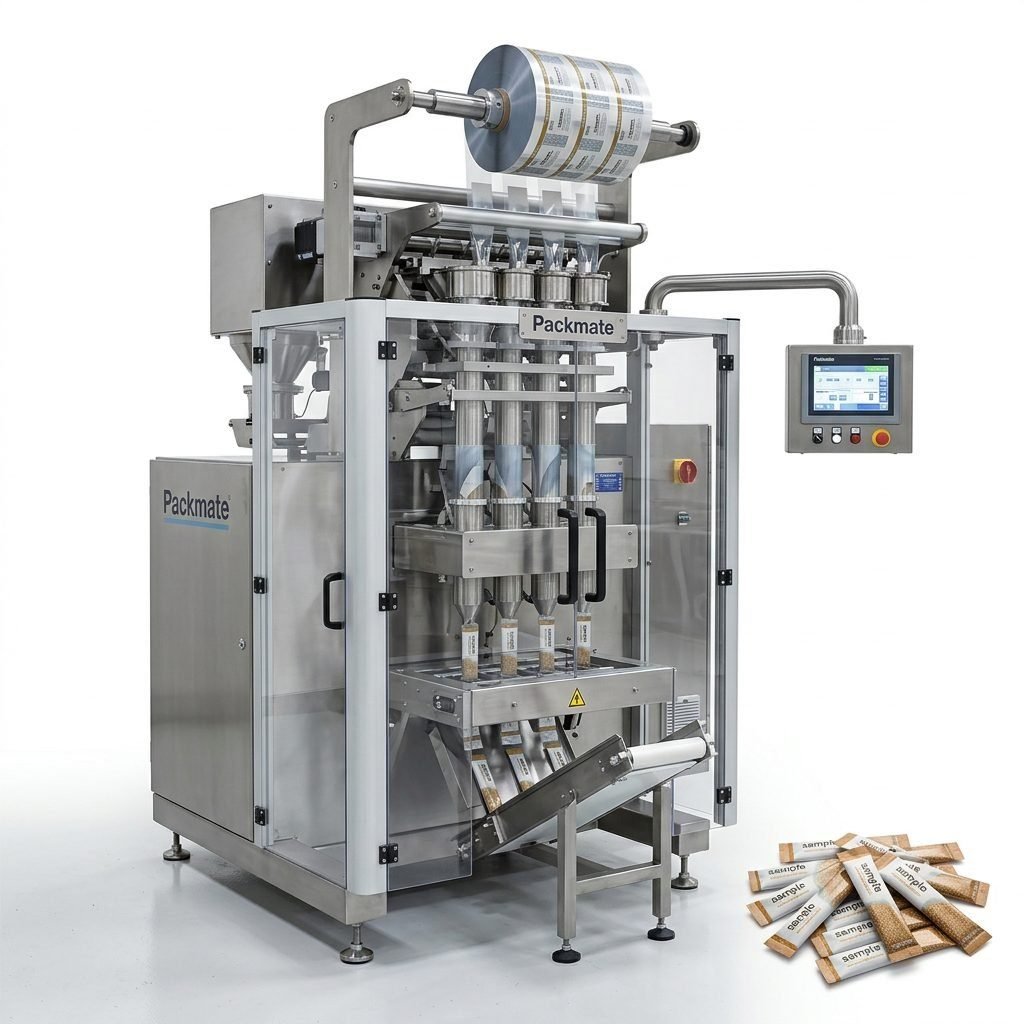
Exporters must adapt to regional regulations and consumer habits. In North America, demand focuses on high-speed stick pack machines for supplements and single-serve beverages. European markets prioritize sustainable packaging solutions with reduced material usage. Asian manufacturers often seek compact, multi-purpose equipment for cost-effective production.
Compliance and Certification
International certifications like CE, FDA, and ISO are non-negotiable for exporters targeting regulated industries. Verify that suppliers maintain up-to-date credentials and conduct regular audits. Packmate’s certifications demonstrate adherence to global safety and quality benchmarks.
Selecting the Right Partner: Practical Steps
Begin by reviewing the exporter’s project portfolio and client testimonials. Request live demonstrations or video footage of machines in operation. Assess their logistics network—efficient shipping and installation support minimize startup delays. For a comprehensive overview, visit the Packmate homepage to explore their global service framework.
Post-Purchase Support Essentials
Reliable exporters provide detailed training, spare parts inventories, and remote troubleshooting. Ensure your supplier offers multilingual technical documentation and responsive communication channels. This reduces operational risks and extends equipment lifespan.
Cost Considerations and ROI
While upfront investment is significant, automated packaging lines deliver rapid returns through labor savings and reduced error rates. Calculate total cost of ownership, including energy consumption, maintenance, and potential upgrades. Many exporters offer financing options or lease-to-own plans to ease budget constraints.
Future Outlook: AI and Sustainable Packaging
Next-generation equipment will incorporate AI-driven predictive maintenance and biodegradable material compatibility. Exporters investing in these areas will lead the market. For insights into innovative solutions, review Packmate’s integrated lines that emphasize eco-friendly operations.
Choosing a top exporter of smart full automatic packaging equipment involves balancing technological prowess with practical support. By prioritizing suppliers with proven industry experience and robust service networks, businesses can enhance productivity and stay competitive in evolving markets.
Frequently Asked Questions
What is the typical lead time for delivery of automated packaging equipment?
Lead times vary based on machine complexity and customization. Standard models may ship in 8-12 weeks, while fully customized lines can take 16-20 weeks. Exporters like Packmate provide detailed timelines after assessing specific requirements.
How do I ensure the equipment meets my country’s safety regulations?
Verify that the exporter holds relevant certifications (CE, FDA, etc.) for your region. Request compliance documentation and consider third-party inspection services before shipment.
Can existing production lines be upgraded with new automated systems?
Yes, many exporters offer retrofitting services to integrate smart modules into legacy equipment. This approach modernizes operations without complete line replacement.
What training is provided for operating and maintaining the machinery?
Reputable suppliers include on-site training during installation, plus digital manuals and video tutorials. Some offer ongoing workshops or remote support sessions.
Are spare parts readily available internationally?
Top exporters maintain global spare part networks or partner with local distributors to ensure quick access to components, minimizing downtime.