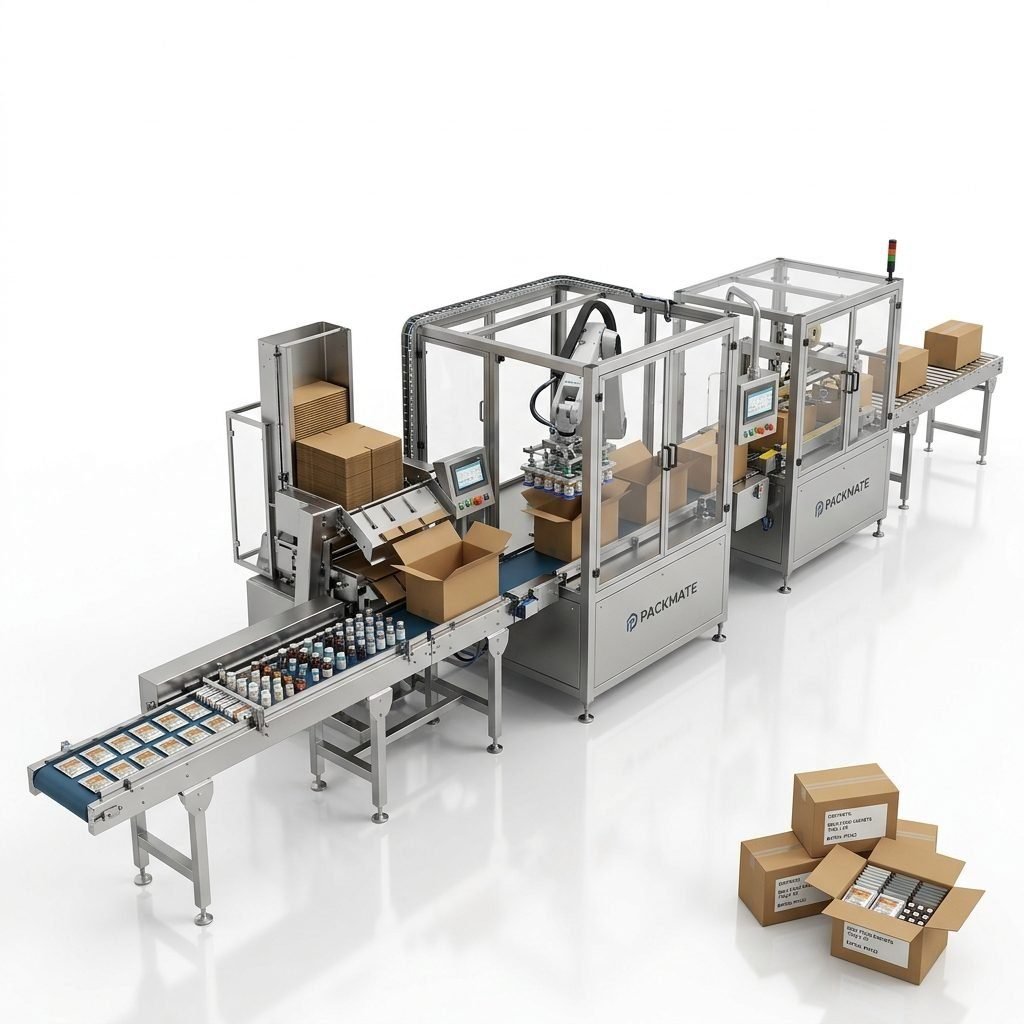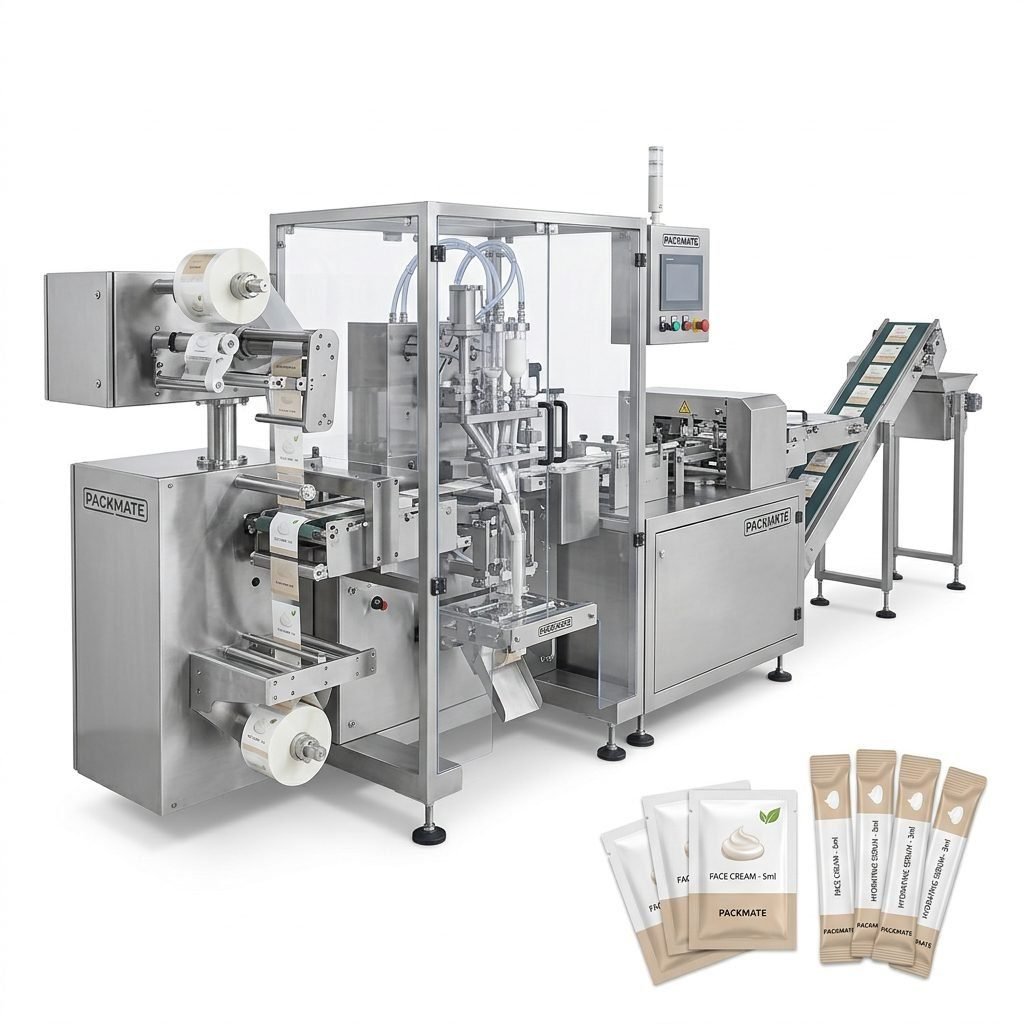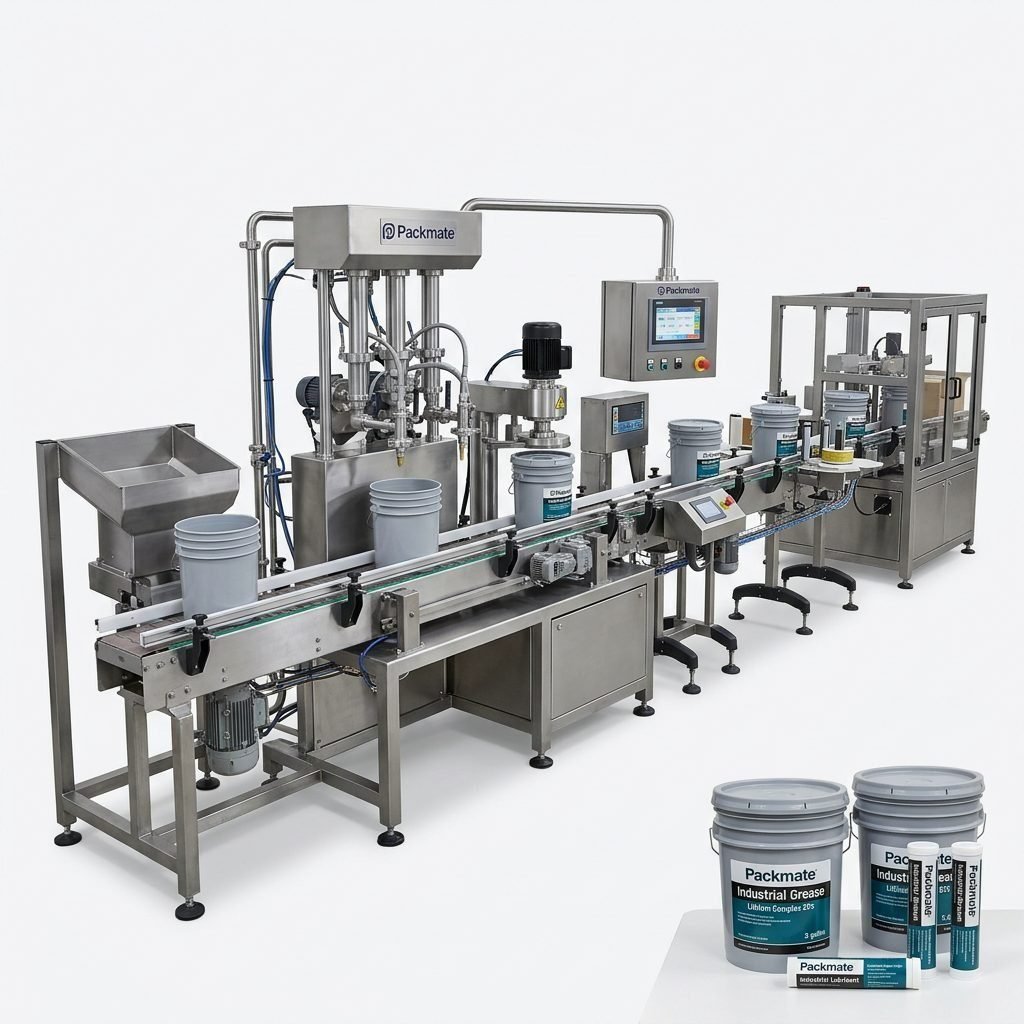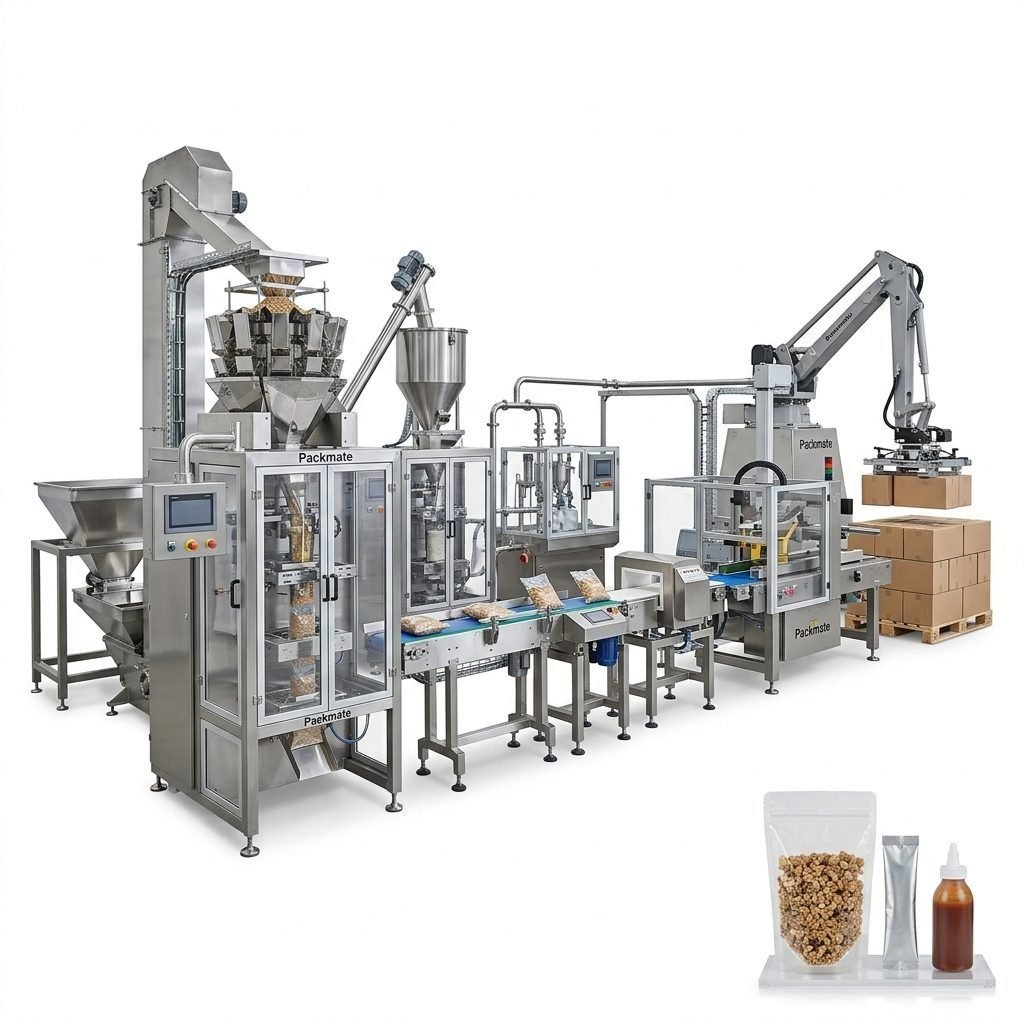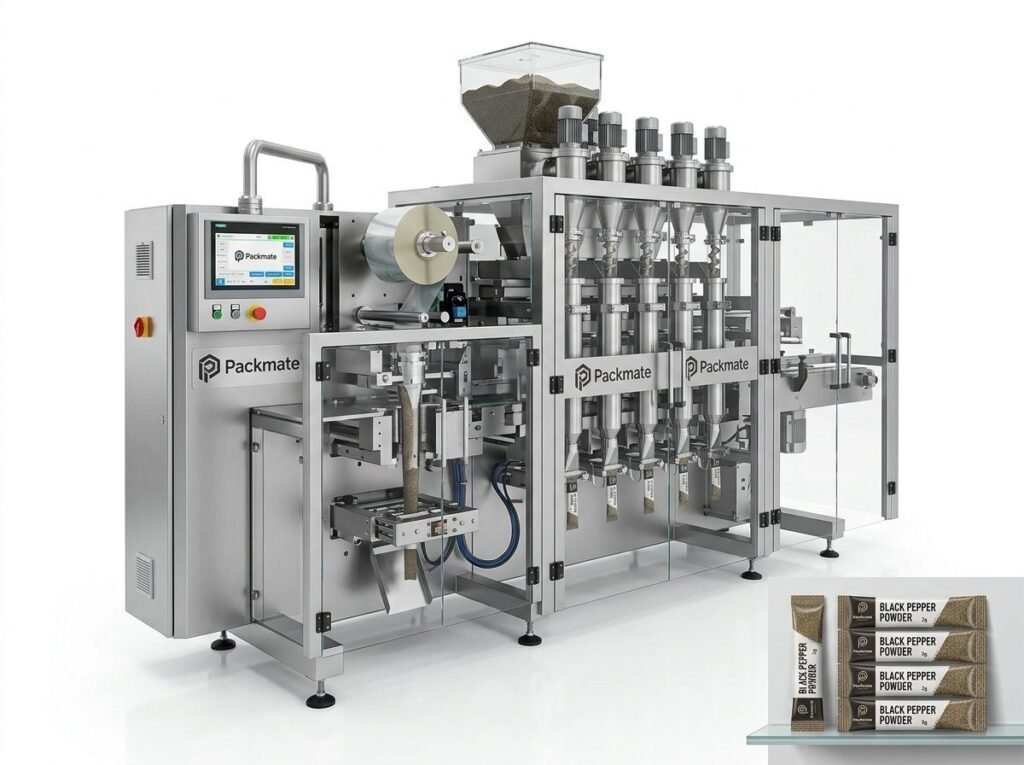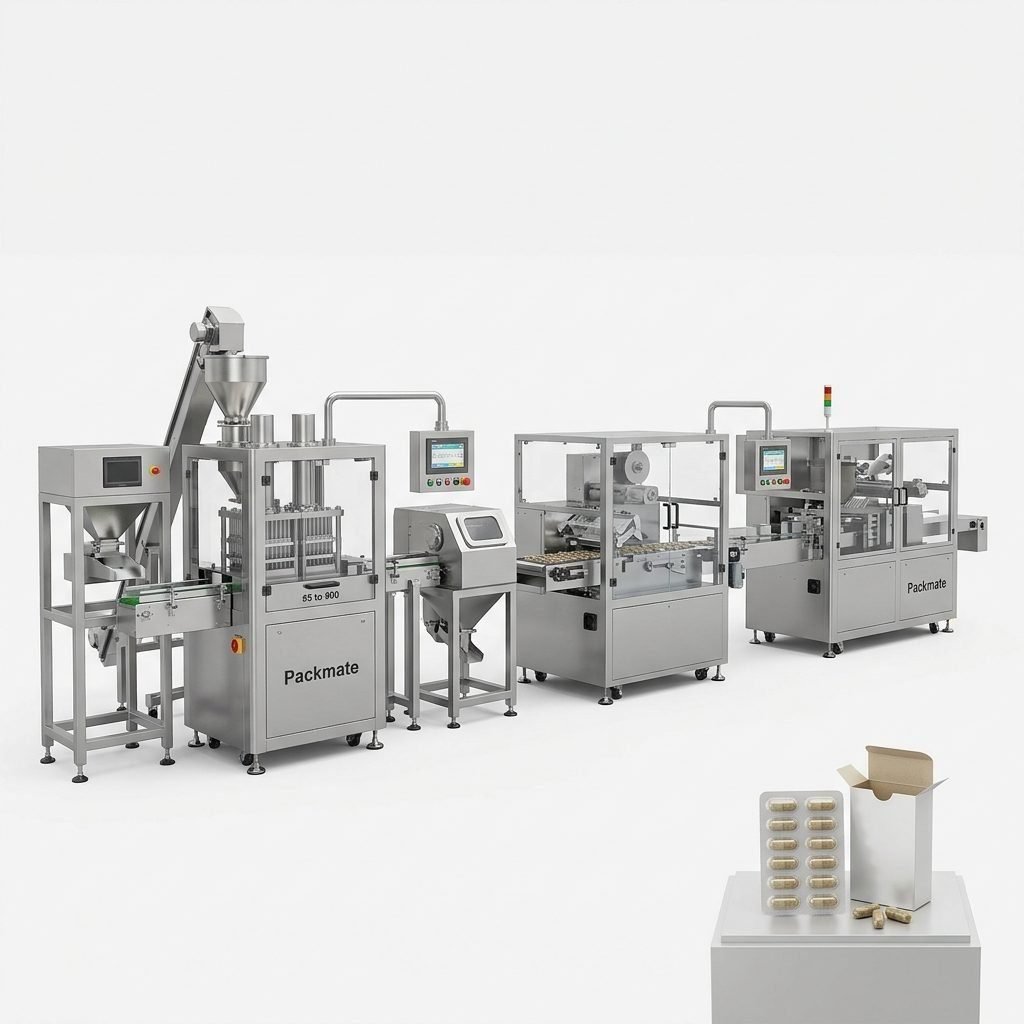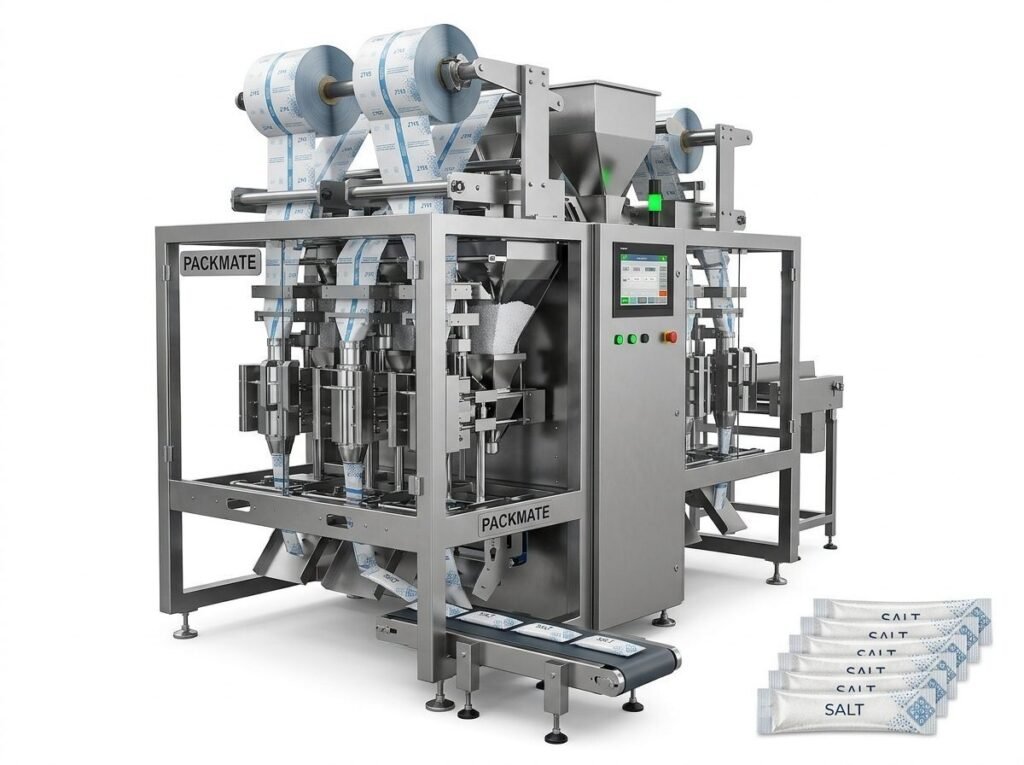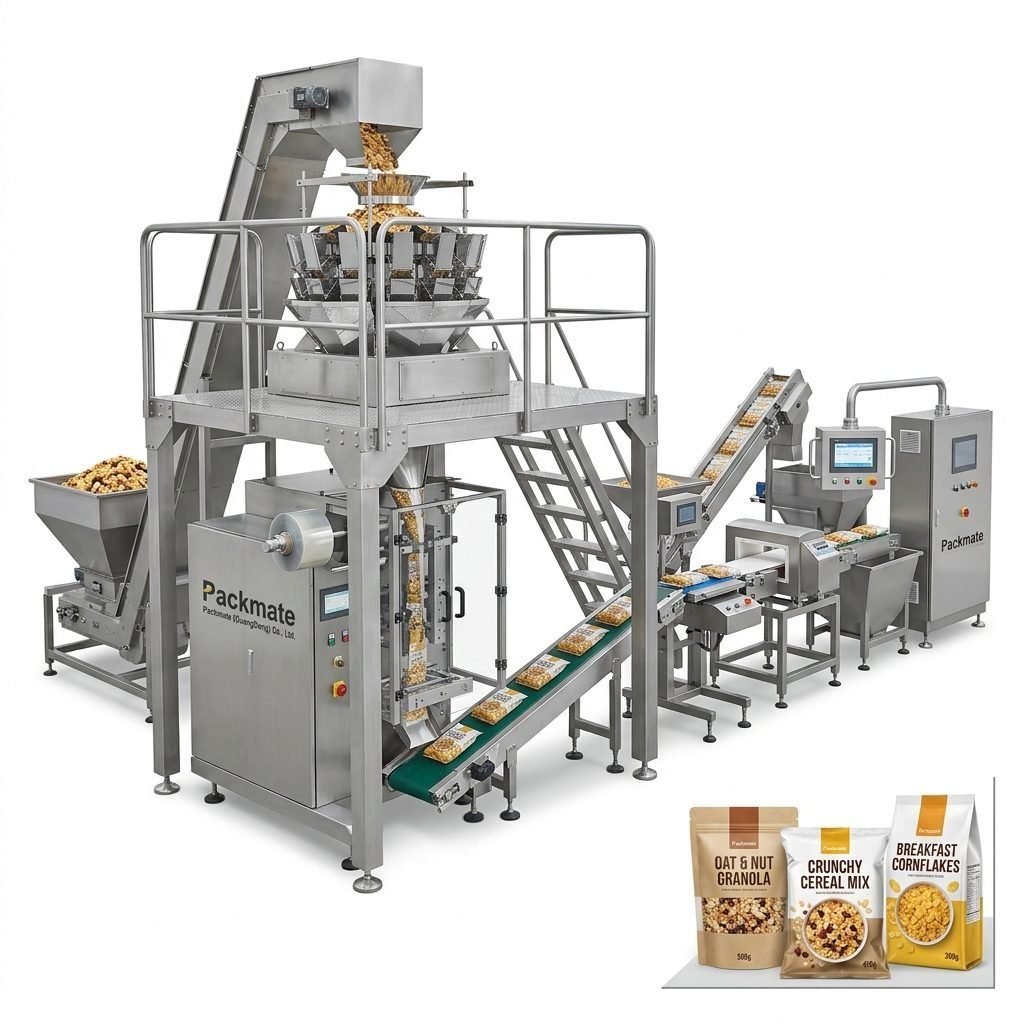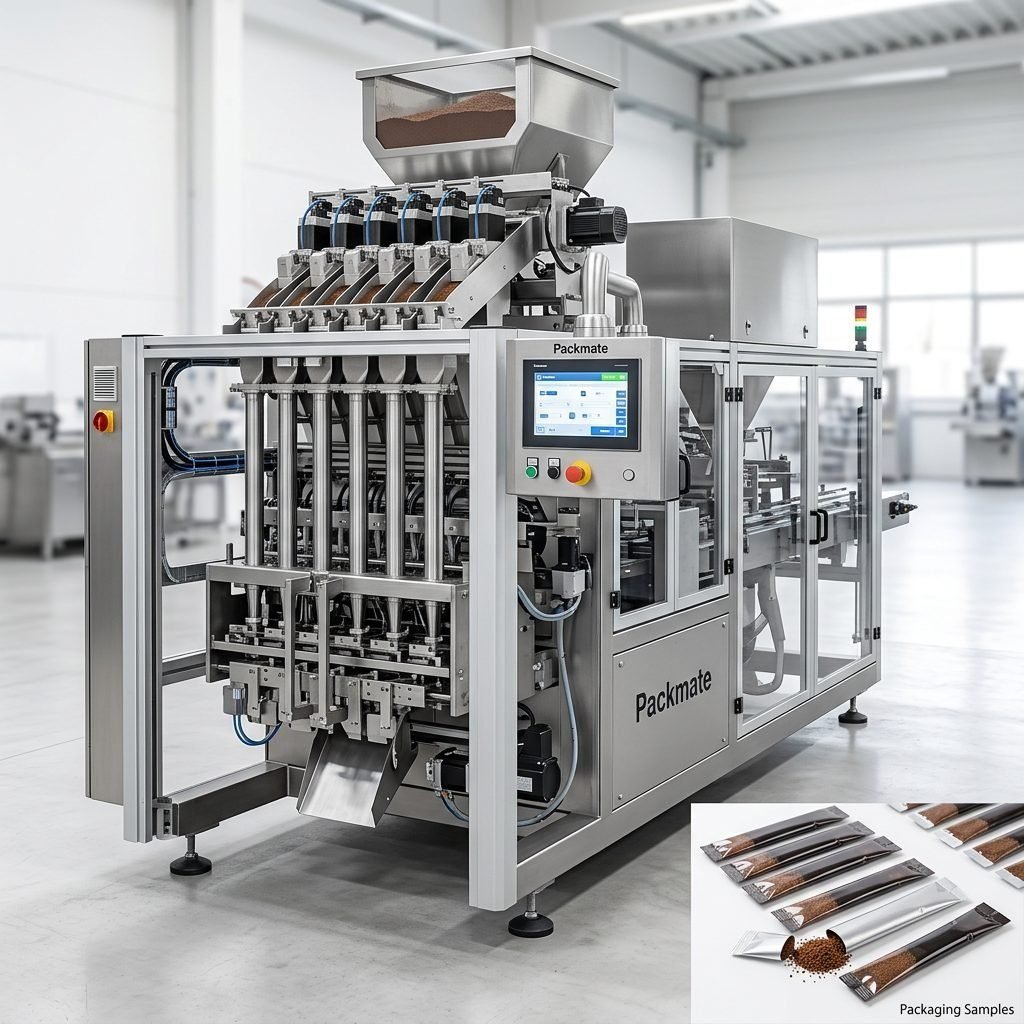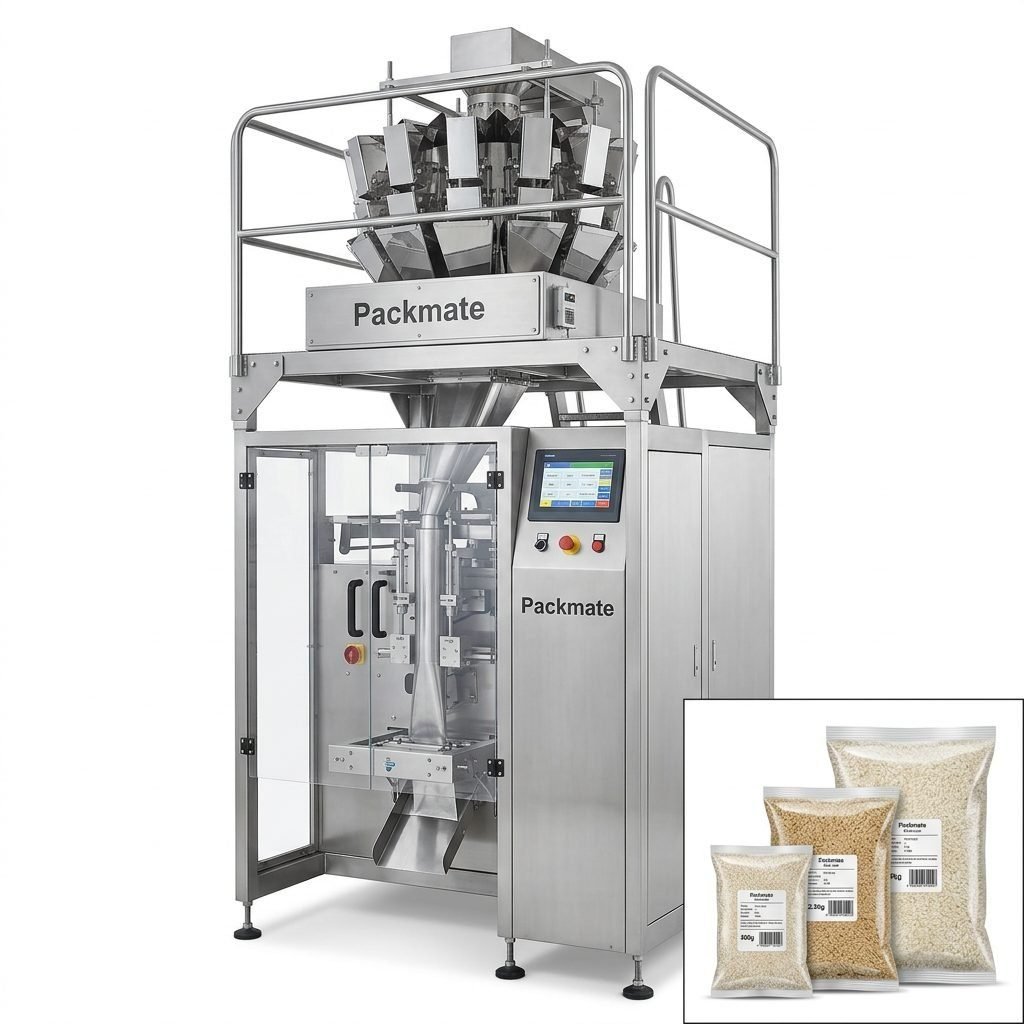
In the fast-paced world of packaging, equipment downtime is more than an inconvenience—it’s a direct hit to productivity and profitability. Whether you’re running a multi-lane stick pack line for pharmaceuticals or a sachet machine for food seasonings, understanding how to quickly identify and resolve common issues is crucial. This guide provides a practical overview of frequent problems encountered with modern packaging equipment and offers actionable solutions to get your line back up and running efficiently.
Understanding Your Packaging System
Before diving into specific problems, it’s essential to have a foundational understanding of your packaging system’s key components. Modern lines, like the integrated filling and packaging lines offered by industry leaders, are complex integrations of feeding, weighing, forming, sealing, and cutting mechanisms. A holistic view helps in pinpointing where a fault originates.
Core Components to Monitor:
Feeding & Weighing System: Ensures accurate product dosage. Issues here often lead to under or over-filling.
Film Web Handling & Forming: Manages the packaging material. Wrinkles, tears, or misalignment start in this zone.
Heat Sealing Jaws: Critical for creating a hermetic seal. Temperature and pressure inconsistencies are common culprits.
Cutting Mechanism: Responsible for separating individual packs. Dull blades or misaligned cutters cause poor seals or jagged edges.
Control Panel & Sensors: The brain of the operation. Electrical faults or sensor misreads can halt the entire line.
Common Mechanical Issues & Solutions
Mechanical wear and tear are inevitable. Regular preventive maintenance is your first line of defense against these common failures.
1. Film Jams and Web Breaks
This is one of the most frequent stoppages. It can occur during unwinding, forming, or sealing.
Possible Causes:
- Misaligned film roll on the unwind spindle.
- Incorrect tension settings (too tight or too loose).
- Worn or dirty guide rollers causing friction.
- Sharp edges on forming collars or seals.
Solutions:
- Always ensure the film roll is mounted centrally and rotates freely.
- Consult your machine manual to adjust the web tension to the manufacturer’s specification for your specific material.
- Regularly clean and inspect all guide rollers and forming tubes for burrs or residue buildup.
- For persistent issues with specific materials, consider consulting with your supplier about machine compatibility.
2. Inconsistent or Weak Seals
A poor seal compromises product integrity, leading to spoilage, leakage, and customer complaints.
Primary Checkpoints for Seal Integrity:
Temperature: Use a contact pyrometer to verify the actual jaw temperature matches the setpoint. Heating elements can degrade over time.
Pressure: Inspect the pneumatic system. Low air pressure or worn seals in cylinders can reduce clamping force.
Dwell Time: Ensure the sealing time is sufficient for the material thickness. Faster machine speeds may require adjustment.
Jaw Condition: Check for contamination (product dust, film residue) or damage on the sealing surfaces. Clean with appropriate solvents and a brass brush.
For high-speed applications like sachet and stick pack machines, even minor fluctuations in these parameters can cause significant seal failures.
Electrical and Control System Faults
Modern packaging equipment relies heavily on PLCs, servo drives, and a network of sensors. Electrical issues can be intermittent and tricky to diagnose.
3. Sensor Misalignment or Failure
Photo-eyes, proximity sensors, and encoders provide critical feedback for positioning and timing.
Symptoms: Machine stops unexpectedly, misplaces seals, or miscounts packages.
Solutions:
- Clean the Lens: Dust and grime are the most common causes. Gently clean optical sensor lenses.
- Check Alignment: Ensure the sensor is correctly aligned with its target (e.g., a registration mark on the film or a metal flag).
- Verify Wiring: Look for loose connections or damaged cables in the sensor circuit.
- Test Output: Use the machine’s diagnostic mode or a multimeter to see if the sensor is sending a signal when triggered.
4. Servo Drive Alarms or Faults
Servo motors provide precise motion control. An alarm typically indicates overload, overheating, or communication loss.
Immediate Actions:
- Note the specific error code on the drive or HMI (Human-Machine Interface).
- Power down the machine completely and restart. This can clear transient faults.
- Check for mechanical binding. Manually rotate the driven component (like a auger or cutter) to ensure it moves freely.
- Inspect motor and drive cooling fans for blockage.
Persistent servo issues often require technical support from the machine manufacturer, such as the team behind precision weighing and packaging systems.
Product-Related and Operational Challenges
Sometimes, the issue isn’t the machine itself, but the product or material being run.
5. Inaccurate Filling or Dosing
This affects product weight, which is a critical quality and compliance metric, especially in food and pharmaceuticals.
Causes and Corrections:
- Product Characteristics: Changes in product density, flowability (e.g., clumping powder), or particle size can throw off volumetric or auger fillers. Re-calibrate for the new batch.
- Weigh Cell Issues: For net weigh scales, ensure the scale is isolated from vibration and is periodically calibrated. Check for product buildup on the weigh bucket.
- Auger Wear: Over time, auger flights can wear, changing the volume per revolution. Inspect and replace worn augers.
6. Excessive Product Spillage or Dust
Spillage wastes product, creates a messy work environment, and can interfere with seals.
Mitigation Strategies:
Adjust the timing between the filler discharge and the closing of the forming tube. Optimizing this “fill point” is key.
Utilize auxiliary equipment like dust extraction systems or funnel attachments designed for your specific machine model.
For powders, consider implementing a vibration or tapping mechanism on the filler to ensure a complete discharge.
Preventive Maintenance: The Best “Solution”
The most effective troubleshooting is preventing problems before they start. A robust preventive maintenance (PM) schedule is non-negotiable.
Daily: Clean the machine thoroughly, especially sealing jaws and product contact areas. Lubricate guide rails and bearings as per the manual. Check for loose fasteners.
Weekly/Monthly: Inspect wear parts like cutting blades, gaskets, and guide rollers. Check belt tensions and chain lubrication. Verify calibration of scales and temperature controllers.
Annually: Schedule a comprehensive inspection by a qualified technician. This should include deep electrical checks, servo system diagnostics, and mechanical alignment verification.
Adhering to a PM plan not only minimizes downtime but also extends the lifespan of your valuable equipment, protecting your investment in technology from brands committed to quality and innovation.
Summary of Common Packaging Equipment Issues
To recap, here are some of the most frequent challenges operators face, distilled into key questions:
Why does my packaging film keep jamming or breaking?
This is typically caused by incorrect web tension, misaligned rollers, or damage to the forming collar. Start by checking the film roll alignment and tension settings, then inspect all film path components for wear or sharp edges.
What causes inconsistent or weak heat seals on my packages?
The main culprits are incorrect temperature, insufficient pressure, or contaminated sealing jaws. Systematically verify the actual jaw temperature, check pneumatic pressure, and ensure jaws are clean and undamaged.
My machine is stopping randomly with sensor errors. How do I fix it?
Intermittent sensor faults are often due to dirt on optical lenses, loose wiring, or slight misalignment. Clean all critical sensors (photo-eyes, proximity sensors) and secure their connections as a first step.
How can I improve the accuracy of my powder or granule filling?
Inaccurate filling usually stems from changes in product flow characteristics, worn augers, or uncalibrated weigh scales. Re-calibrate your filler for the current product batch and inspect augers and weigh buckets for wear or buildup.
What is the single most important thing I can do to reduce downtime?
Implement and strictly adhere to a detailed preventive maintenance schedule. Regular cleaning, lubrication, and inspection of wear parts will prevent the majority of common mechanical and operational failures before they occur.