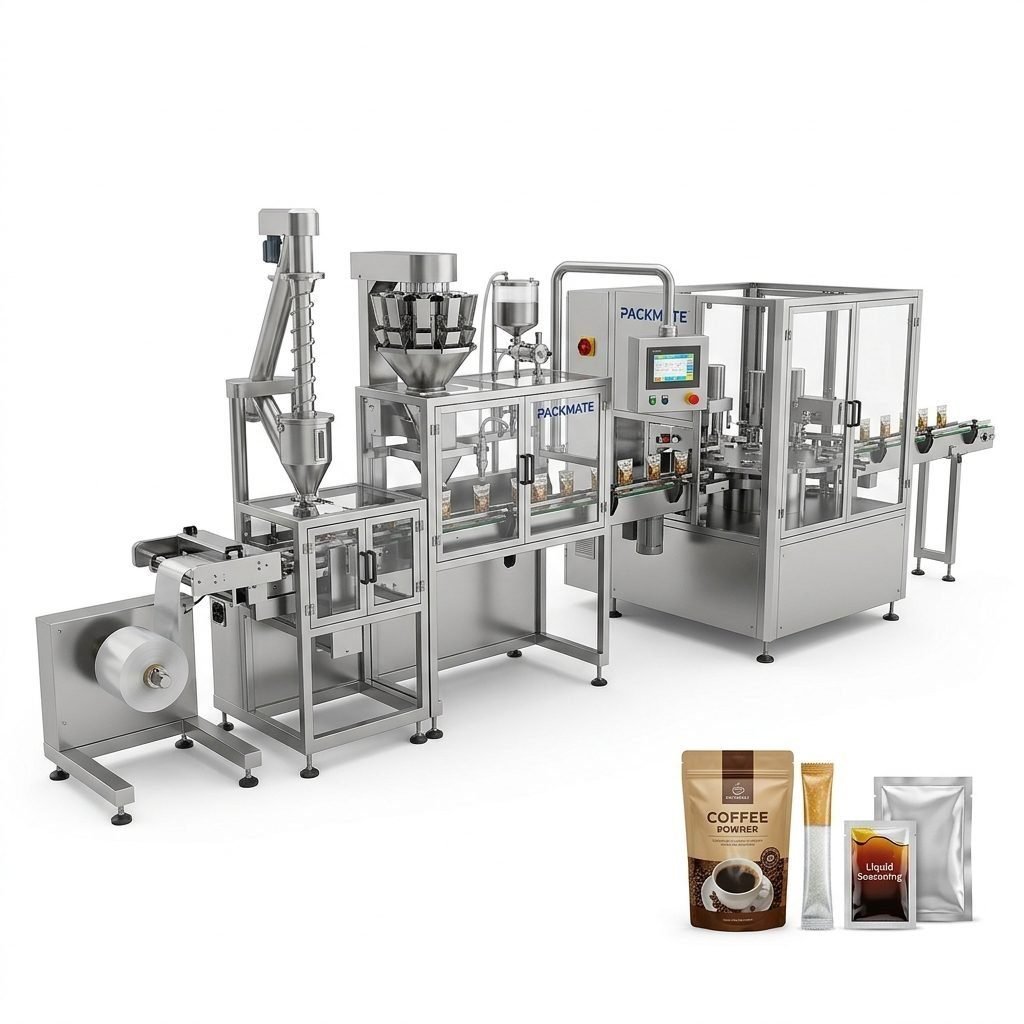
The consumer goods packaging landscape is undergoing a profound transformation, driven by shifting market demands, technological innovation, and an ever-increasing focus on sustainability and efficiency. For manufacturers across the food, pharmaceutical, and health industries, selecting the right packaging equipment is no longer just about sealing a product—it’s about creating a competitive edge, ensuring product integrity, and meeting the sophisticated expectations of modern consumers. This article delves into the top solutions and defining trends shaping the future of packaging operations.
Core Packaging Equipment Solutions for Modern Production
Modern production lines require a symphony of specialized machines, each playing a critical role. The foundation lies in versatile primary packaging systems designed for different product formats and market needs.
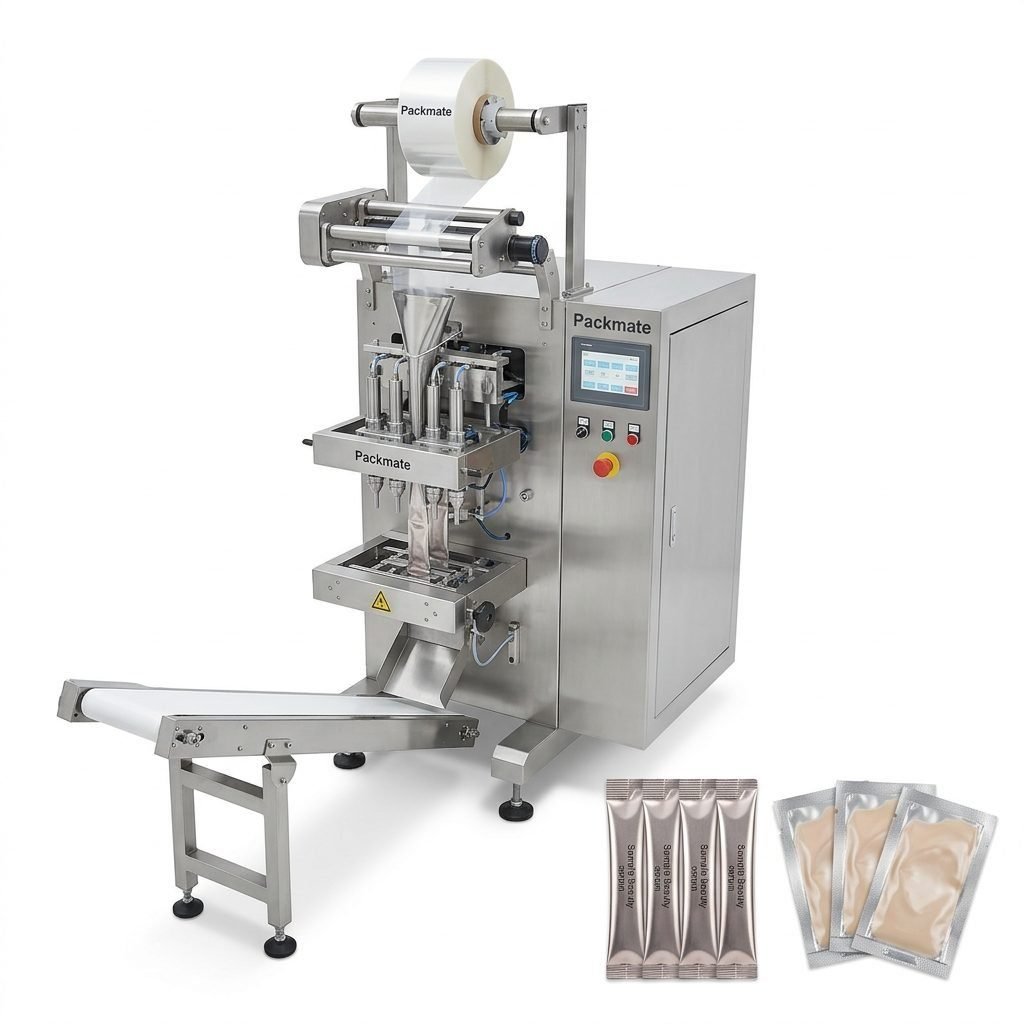
High-Speed Sachet & Stick Pack Machines
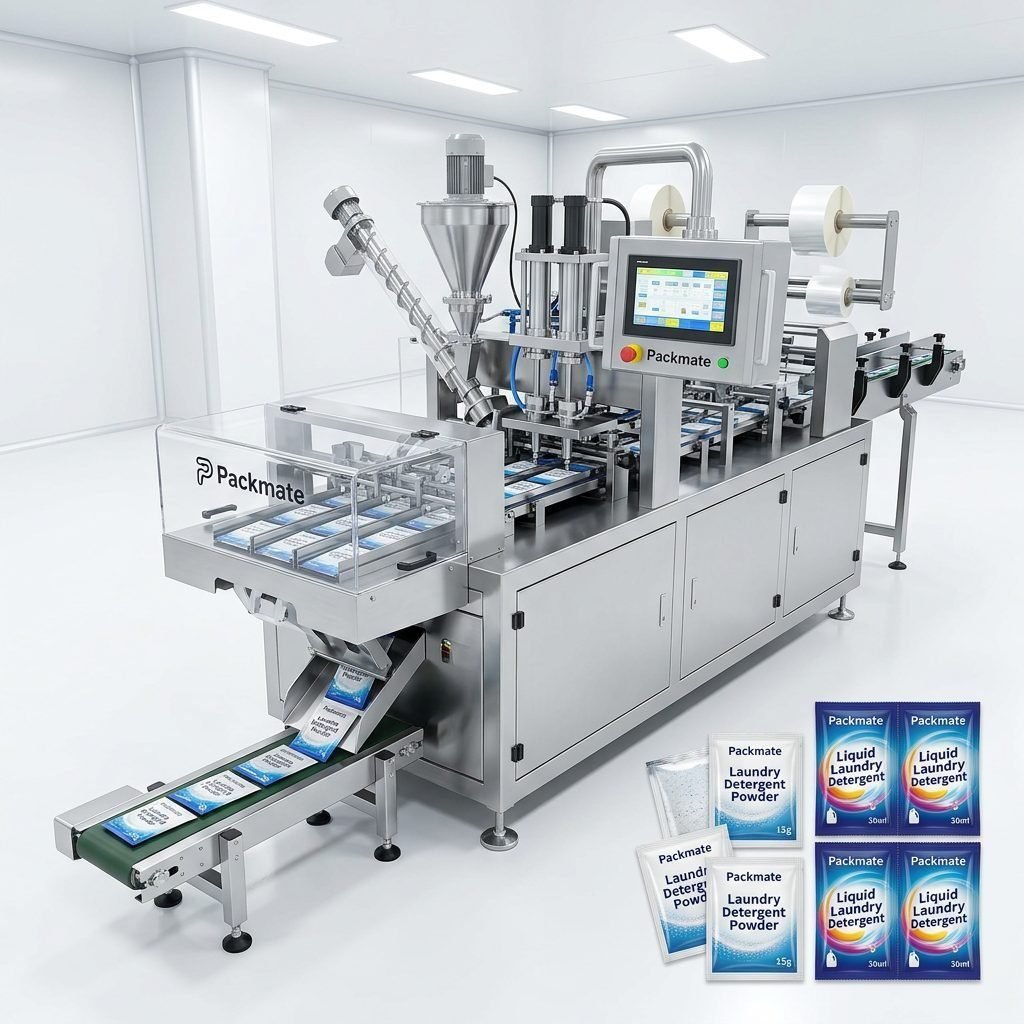
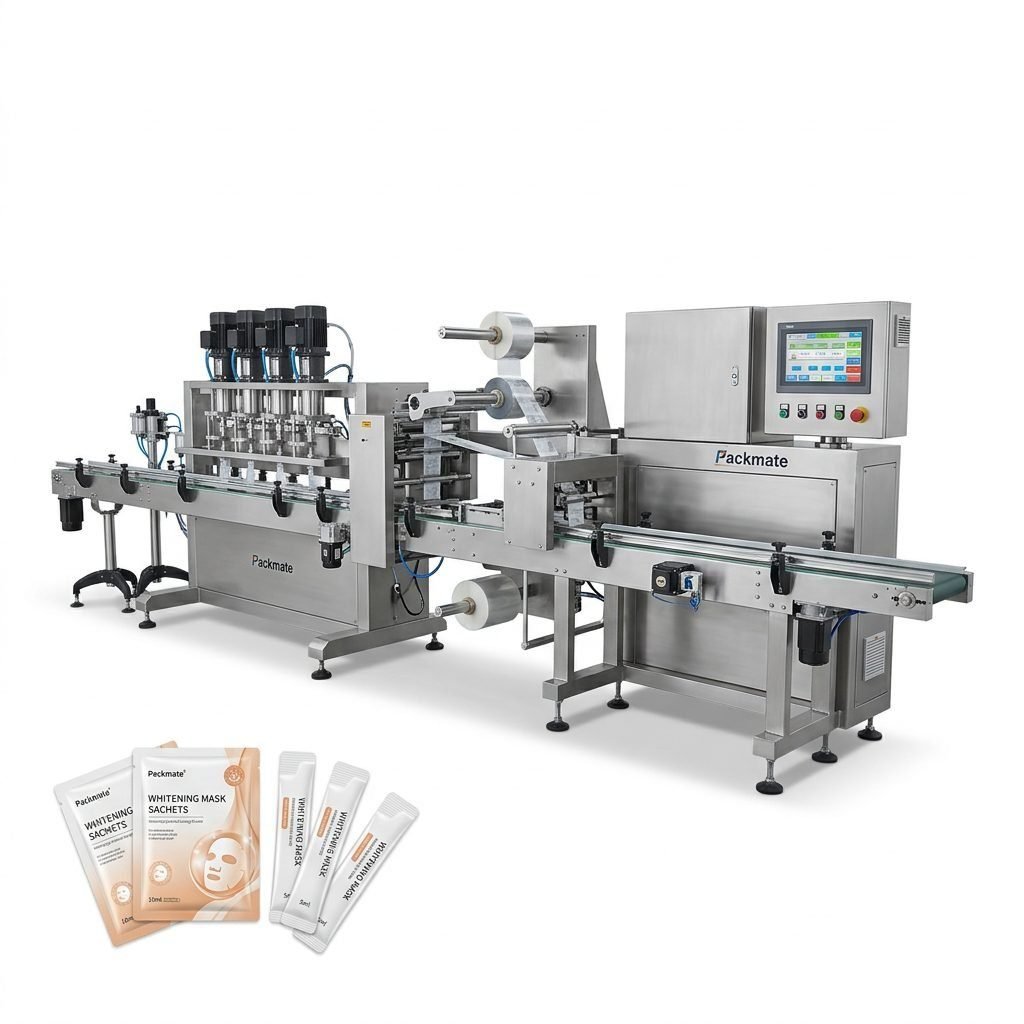
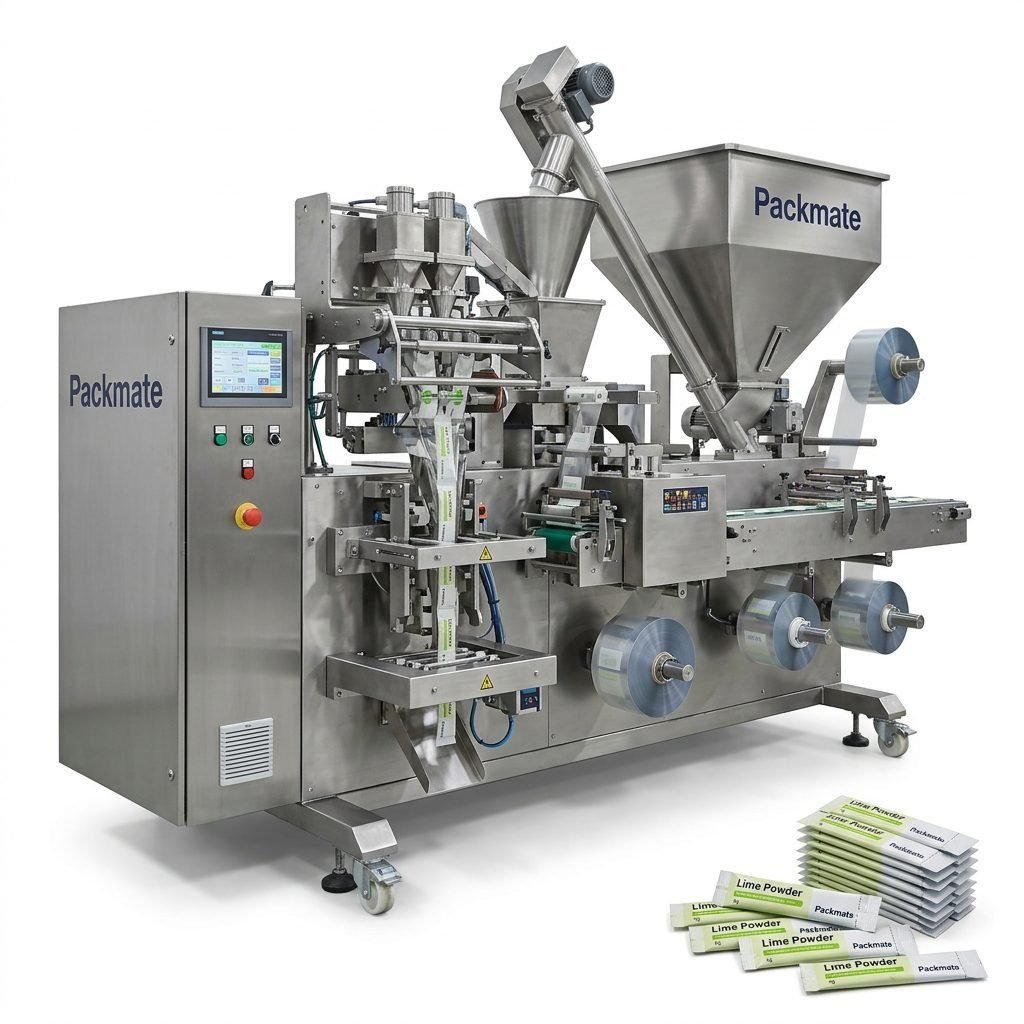
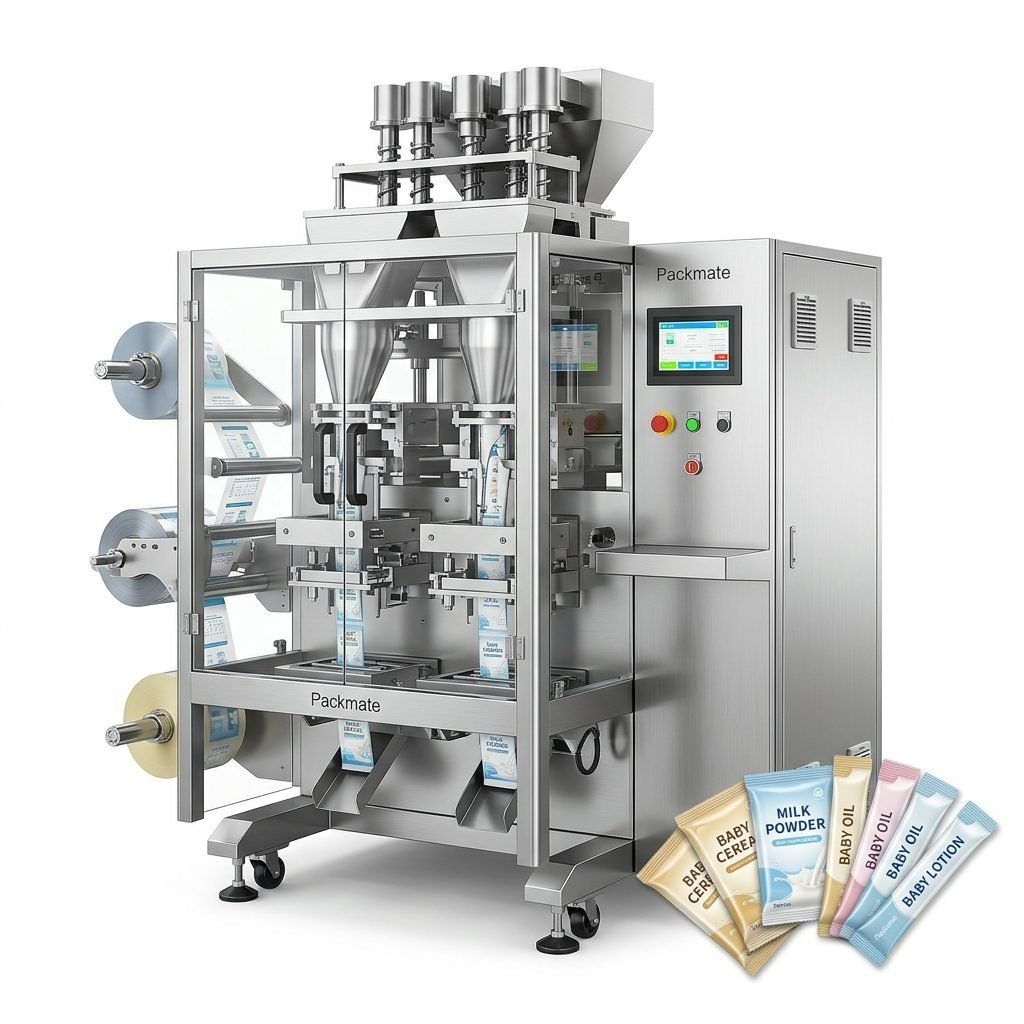
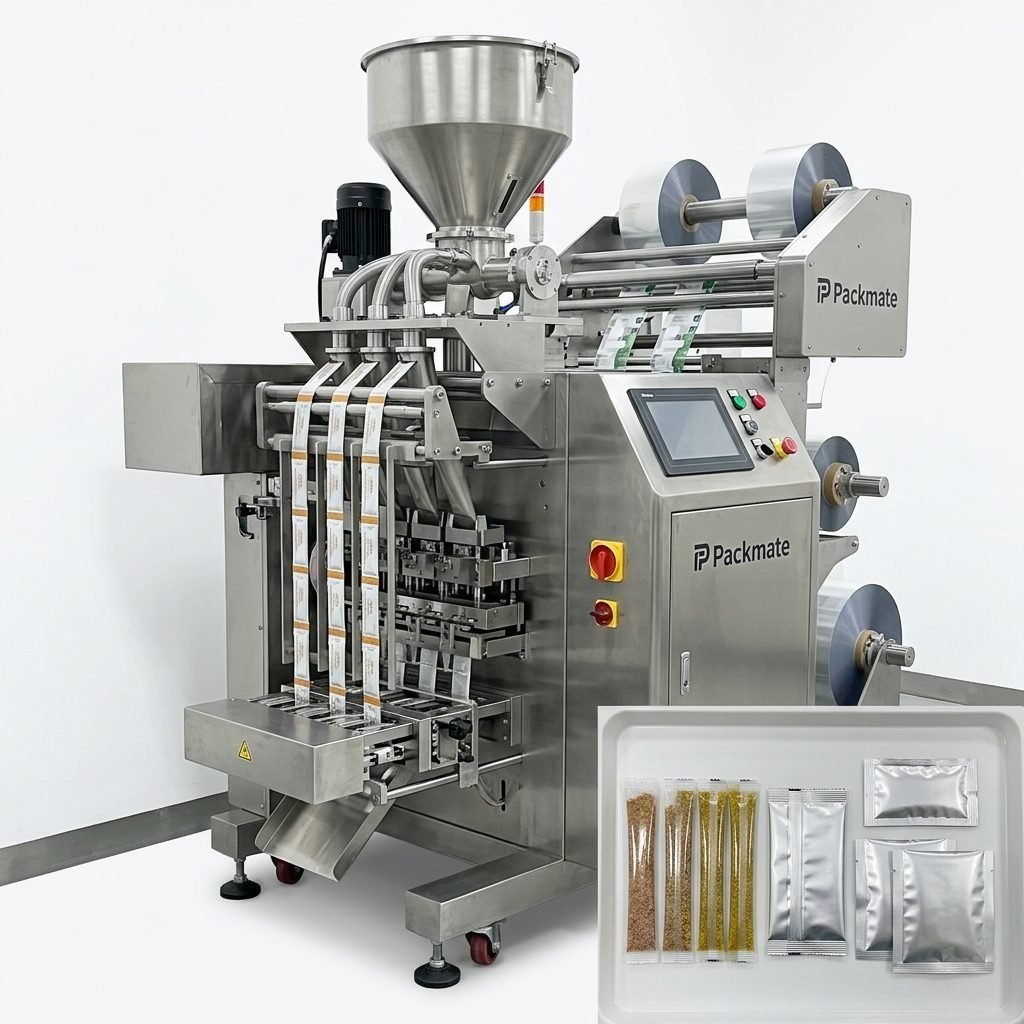
For single-serve portions of powders, granules, liquids, or gels—from instant coffee and sugar to pharmaceuticals and cosmetics—sachet and stick pack machines are indispensable. The latest multi-lane models offer unparalleled speed and precision, dramatically increasing output while minimizing material waste. These systems are perfect for products requiring high hygiene standards and excellent barrier properties.
Beyond single-serve formats, bag and pouch packaging machines cater to a wider range of product sizes, from small condiment packets to larger retail bags. Advanced models feature integrated weighing systems, gas flushing for extended shelf life (modified atmosphere packaging), and sophisticated sealing technologies that ensure both durability and a premium look.
Integrated Weighing & Filling Systems: The Heart of Accuracy
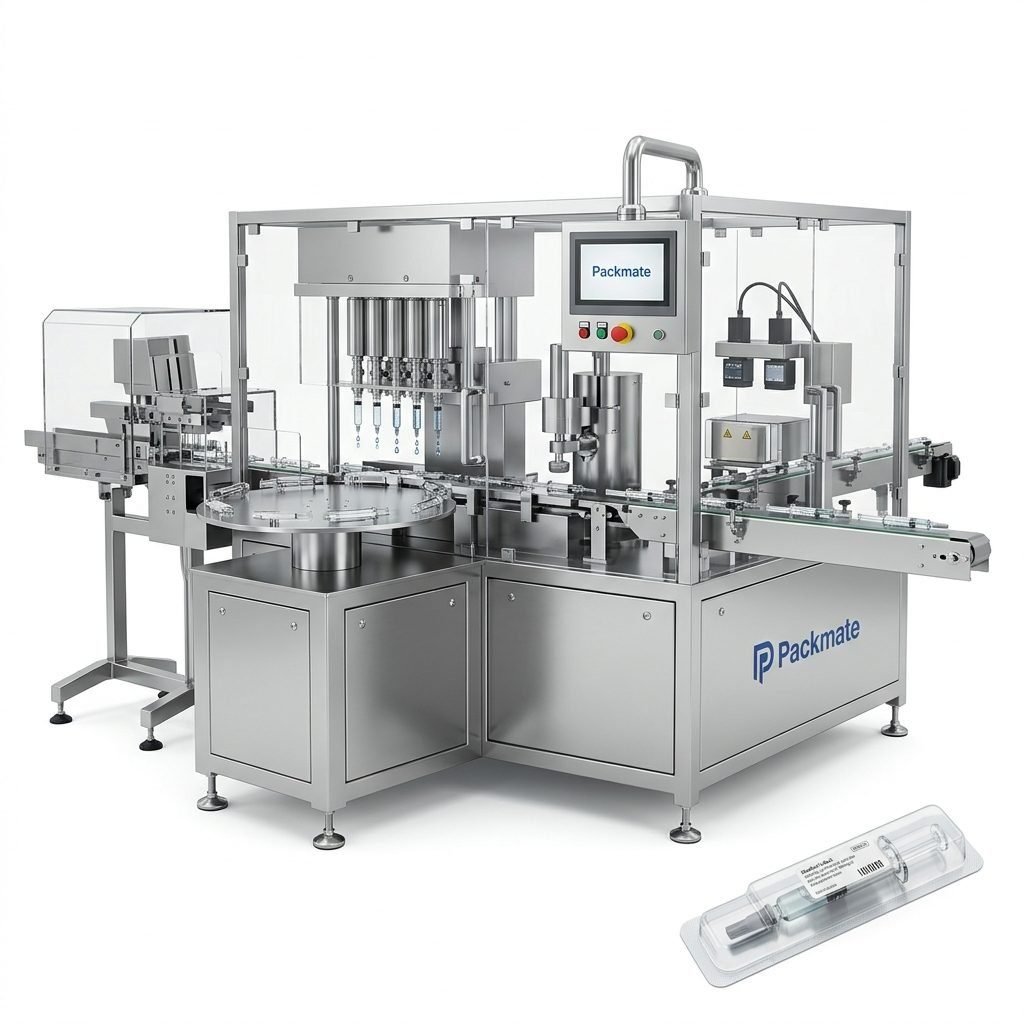
Accuracy in filling is non-negotiable, especially in industries with strict regulatory compliance like pharmaceuticals or high-value food products. Modern weighing and packaging systems utilize multi-head weighers, auger fillers, and liquid piston fillers that deliver precise doses every time. This precision directly translates to cost savings by reducing product giveaway and ensuring consistent quality for every unit that reaches the consumer.
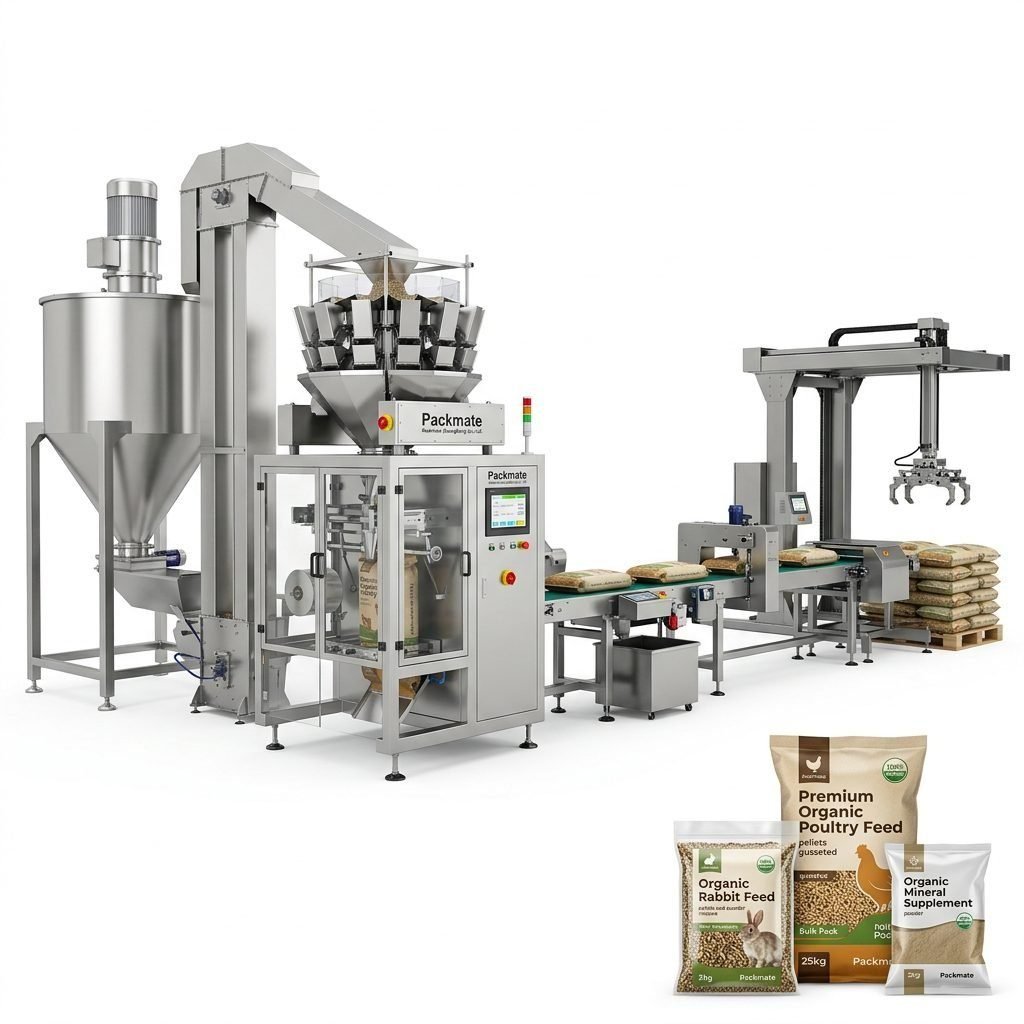
For complete end-to-line automation, turnkey filling and packaging lines integrate these core machines with auxiliary equipment—such as cartoners, case packers, and palletizers—creating a seamless, high-volume production flow. This holistic approach minimizes manual handling, boosts overall equipment effectiveness (OEE), and provides a scalable solution for growing businesses.
Dominant Trends Reshaping the Packaging Industry
The evolution of packaging equipment is being steered by several powerful macro-trends that reflect broader societal and technological shifts.
1. Sustainability and The Circular Economy
Consumer and regulatory pressure for eco-friendly packaging is at an all-time high. Equipment trends are responding by enabling the use of:
- Monomaterials and Recyclable Films: Machines are being adapted to reliably run thinner, single-material films that are easier to recycle.
- Compostable and Bio-based Materials: New sealing parameters and handling systems are developed for materials like PLA, which require different thermal properties than traditional plastics.
- Source Reduction: Advanced servo-driven technology allows for precise film feeding and cutting, significantly reducing material usage per pack without compromising seal integrity.
2. Smart Manufacturing and Industry 4.0 Integration
The era of the “smart factory” has arrived in packaging. Modern equipment is no longer an isolated unit but a data node. Key features include:
IoT Connectivity & Real-Time Monitoring: Machines equipped with sensors provide live data on production speed, downtime causes, maintenance alerts, and energy consumption, all accessible via cloud-based dashboards.
Predictive Maintenance: By analyzing performance data, systems can predict component failures before they happen, scheduling maintenance during planned stops to avoid costly unplanned downtime.
Digital Twins & Remote Support: Manufacturers can create virtual models of their packaging lines for simulation and optimization. Furthermore, technicians can perform remote diagnostics and guidance, drastically reducing service response times.
3. Flexibility and Quick Changeover
The demand for smaller batch sizes, personalized products, and rapid response to market trends requires extreme flexibility. Leading-edge packaging machines now feature:
Tool-less Changeovers: Designs that allow switching between different pack sizes or formats in minutes, not hours, maximizing production uptime.
Modular Designs: Equipment built on a modular platform allows manufacturers to easily add or reconfigure functions (e.g., adding a capping station or a checkweigher) as their product portfolio evolves.
4. Enhanced Hygiene and Safety Standards
Post-pandemic and with ongoing strict regulations in food and pharma, hygienic design is paramount. Trends include:
- Stainless steel construction with smooth, crevice-free surfaces that are easy to clean and disinfect.
- Integrated Clean-in-Place (CIP) and Sterilize-in-Place (SIP) systems for liquid filling lines.
- Enclosed machine frames to prevent contamination from external environments and protect operators.
Choosing the Right Partner for Your Packaging Evolution
Navigating this complex landscape of solutions and trends requires more than just buying a machine; it requires a strategic partnership. A partner with deep application knowledge, proven engineering expertise, and a commitment to innovation can transform your packaging operation from a cost center into a value driver.
Companies like Packmate Machinery exemplify this approach. With over 30 years of specialized expertise in packaging equipment for granules, powders, and liquids, they have evolved from a focused workshop to a leader providing complete turnkey packaging solutions. Their journey, beginning with Mr. Jiang Sha’s passion for automation in 1993 and formalizing into Packmate (GuangDong) Co., Ltd. in 2003, is built on a foundation of solving real-world production challenges. Operating from a modern 20,000㎡ facility in the Greater Bay Area, they develop and manufacture a wide range of over 50 machine models, from sophisticated multi-lane stick pack machines to comprehensive filling lines. This blend of experience, scale, and technological focus allows them to deliver reliable, innovative equipment that meets today’s demands while anticipating tomorrow’s trends.
Frequently Asked Questions (FAQs)
Q: What are the key factors to consider when upgrading to a new packaging line?
A: Focus on total cost of ownership (not just purchase price), including energy efficiency, maintenance costs, and changeover speed. Assess the machine’s flexibility for future products, its hygienic design for your industry, and the manufacturer’s ability to provide comprehensive support, training, and spare parts.
Q: How can smart packaging equipment improve my bottom line?
A: Smart equipment boosts profitability by minimizing unplanned downtime through predictive maintenance, reducing material waste via precise control, optimizing energy use, and providing data to continuously improve overall line efficiency and output quality.
Q: Is sustainable packaging compatible with high-speed production?
A: Absolutely. While some novel sustainable materials may initially present runnability challenges, modern, servo-driven machines with precise temperature and tension control are increasingly adept at handling them. The key is to work closely with both your material supplier and equipment partner to fine-tune the machine parameters for optimal performance.
Q: What is the advantage of a turnkey solution versus buying individual machines?
A: A turnkey solution provides a single point of responsibility for the entire line’s integration, performance, and warranty. It ensures all components (filling, sealing, conveying, etc.) are perfectly matched and communicate seamlessly, eliminating compatibility issues and reducing the time and risk involved in commissioning a line from multiple vendors.
Q: How important is the manufacturer’s experience and after-sales service?
A: It is critical. Deep application experience means the manufacturer understands your specific challenges and can recommend the most effective solution. Robust after-sales service—including readily available spare parts, remote support, and on-site technician training—is essential for maintaining high equipment uptime and protecting your long-term investment.