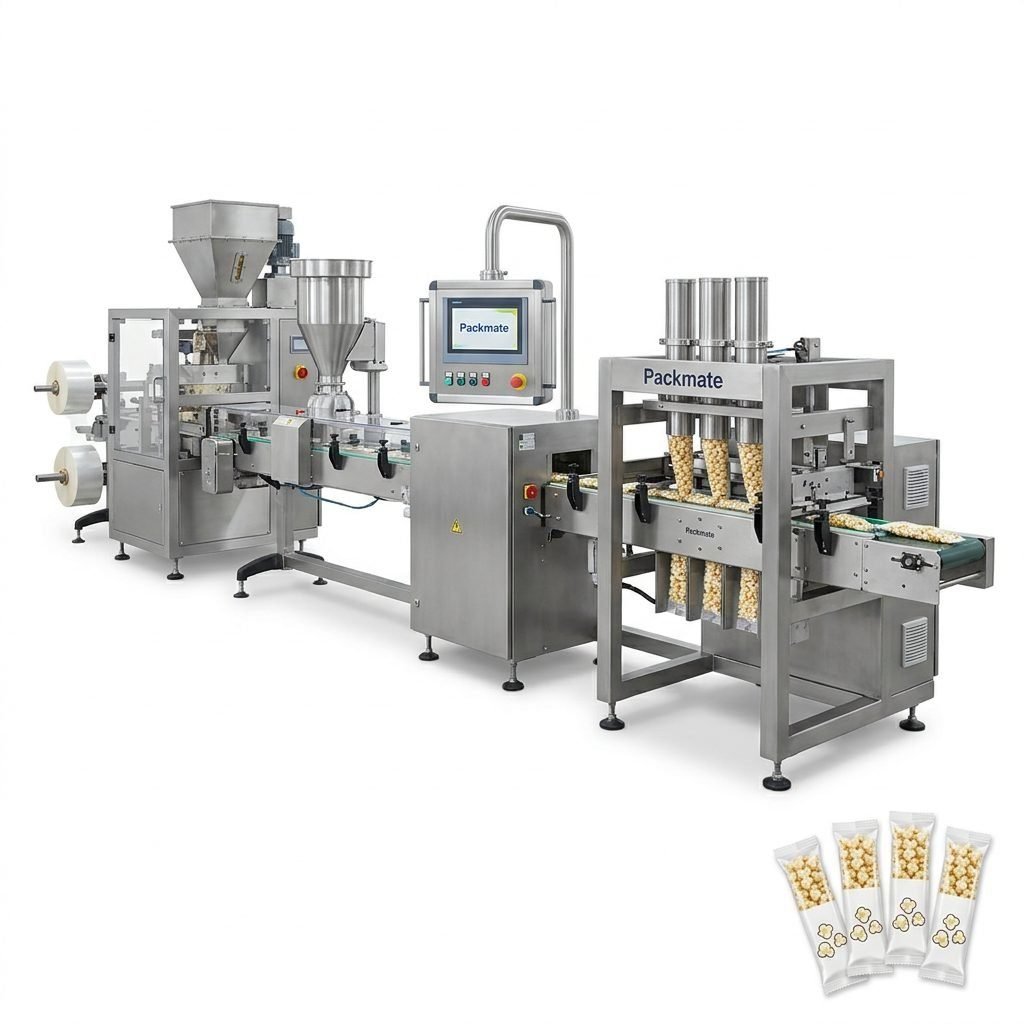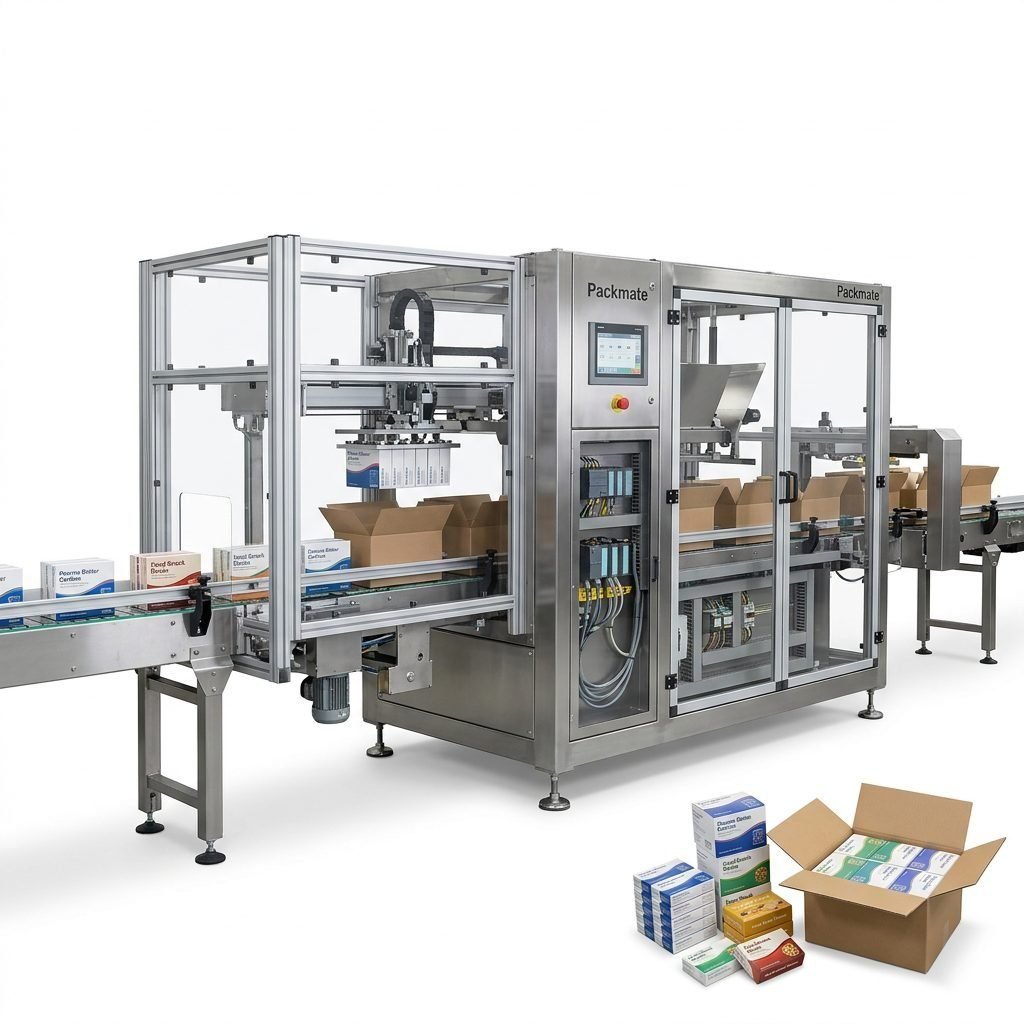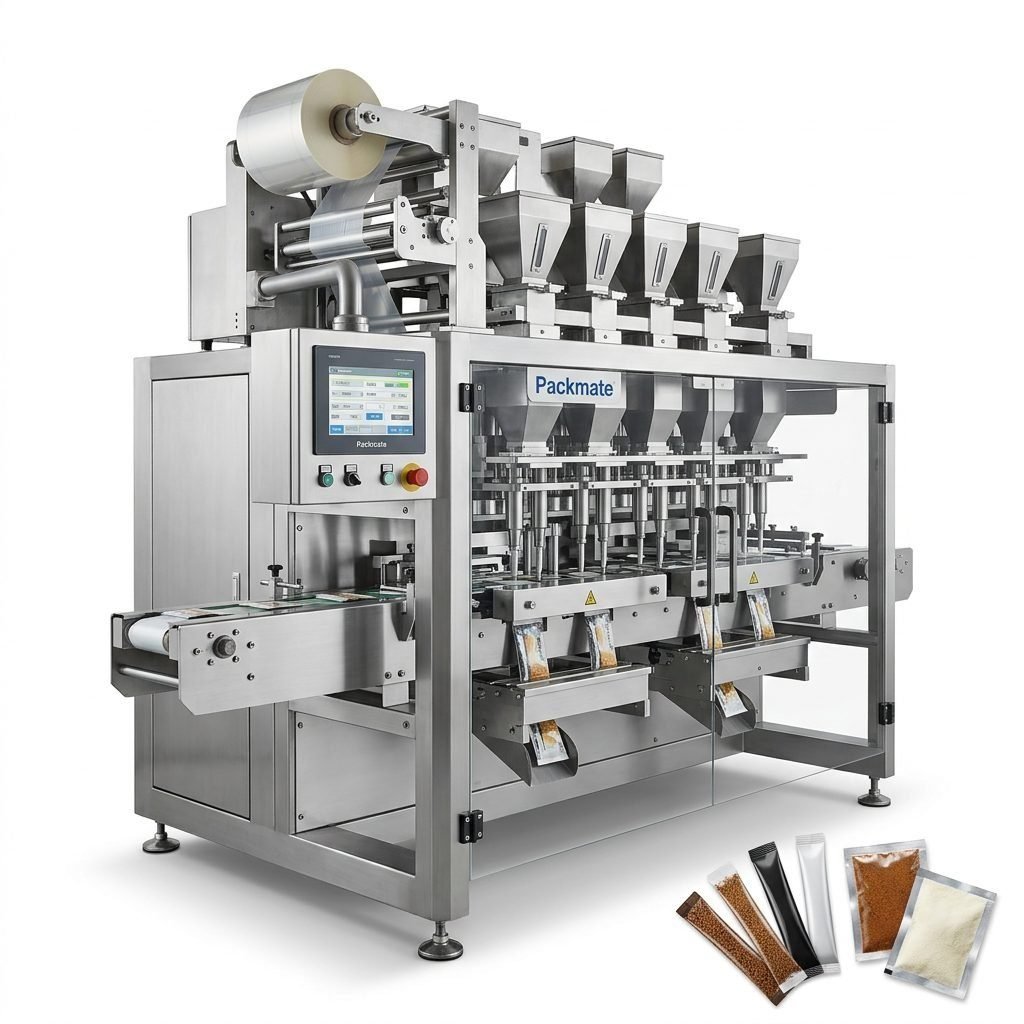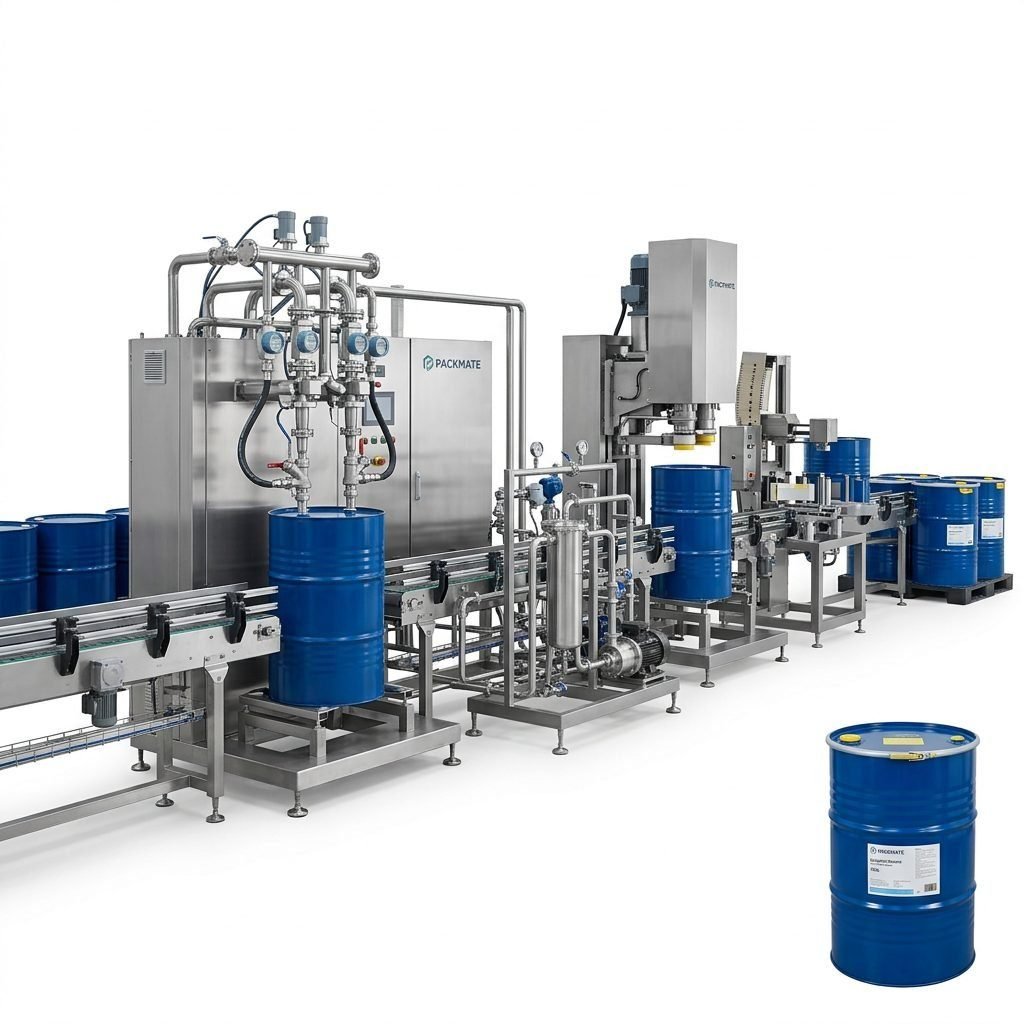
Selecting the right bottle packaging machine manufacturer is a critical decision that can significantly impact your production efficiency, product quality, and overall business profitability. The ideal partner combines robust engineering, innovative technology, and deep industry understanding to deliver solutions tailored to your specific needs. In a competitive market, partnering with a top-tier manufacturer ensures your packaging line is reliable, scalable, and capable of meeting both current demands and future growth.
Key Factors in Choosing a Bottle Packaging Machine Manufacturer
When evaluating potential manufacturers, several core factors must be considered to ensure a successful long-term partnership. These elements go beyond the initial machine specification and delve into the company’s capability to support your entire operation.
Engineering Expertise and Customization
The best manufacturers don’t just sell standard machines; they provide engineered solutions. Look for a partner with a strong R&D department and a proven track record of customizing equipment. Whether you need specific filling accuracy for pharmaceuticals, unique capping solutions for cosmetics, or specialized handling for food-grade liquids, the manufacturer’s ability to adapt is paramount. A company like Packmate Machinery, with over 30 years of experience, exemplifies this approach, having developed more than 50 machine models to address diverse industry challenges.
Production Scale and Technological Capability
Assess the manufacturer’s own production facility. A modern, sizable factory is often indicative of advanced manufacturing processes, quality control, and the capacity to handle large or complex orders. Facilities equipped with CNC machining centers, automated assembly lines, and comprehensive testing labs ensure higher precision and reliability in the final product. For instance, operating from a 20,000㎡ modern manufacturing facility allows for stringent quality checks at every production stage, from component fabrication to final machine run-off.
Comprehensive After-Sales Support and Service
The relationship with your manufacturer begins after the sale. Comprehensive support includes detailed installation guidance, thorough operator training, readily available spare parts, and responsive technical service. A global service network is crucial for international businesses to minimize downtime. Prospective partners should transparently outline their service structure and support commitments. The goal is to find a manufacturer that acts as a true partner, invested in the continuous performance of your packaging line.
The Role of Innovation in Modern Bottle Packaging
Innovation drives efficiency and opens new market opportunities. Leading manufacturers invest significantly in developing smarter, faster, and more sustainable packaging technologies.
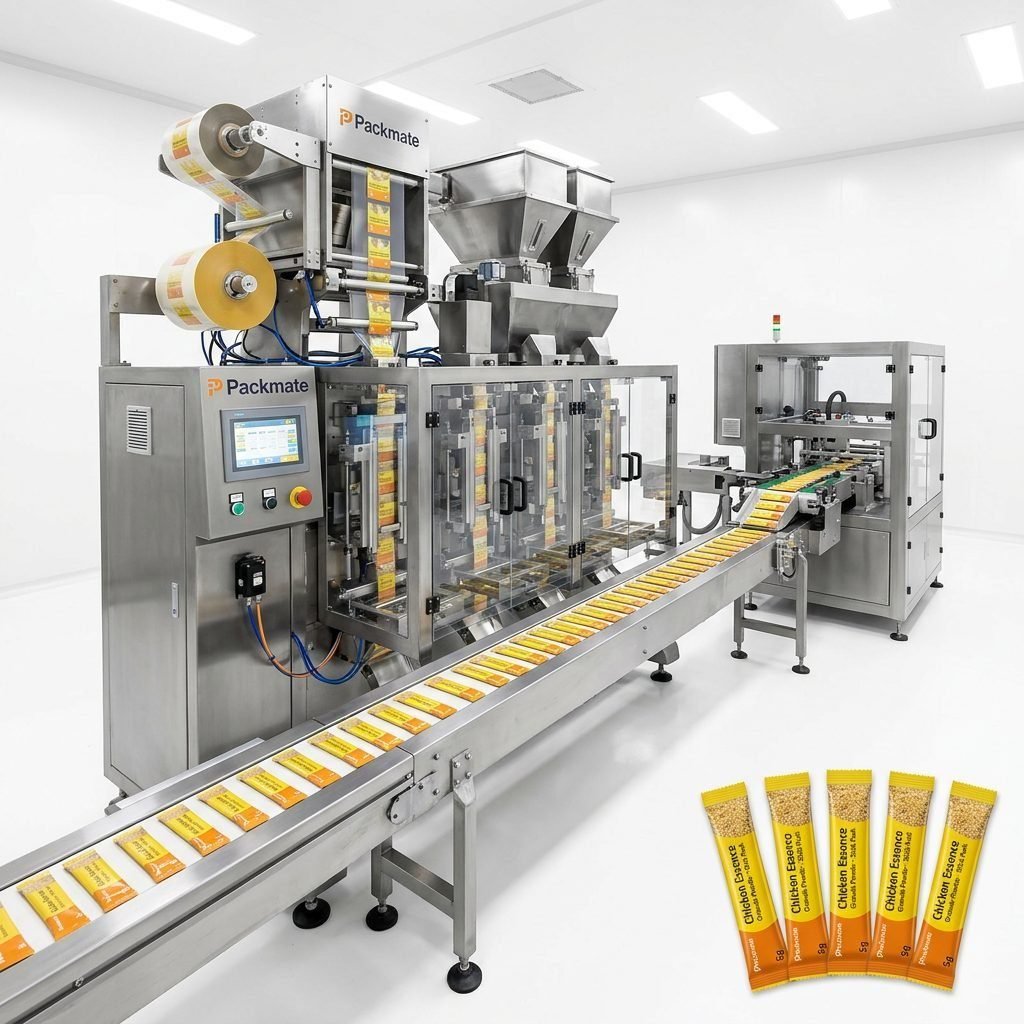
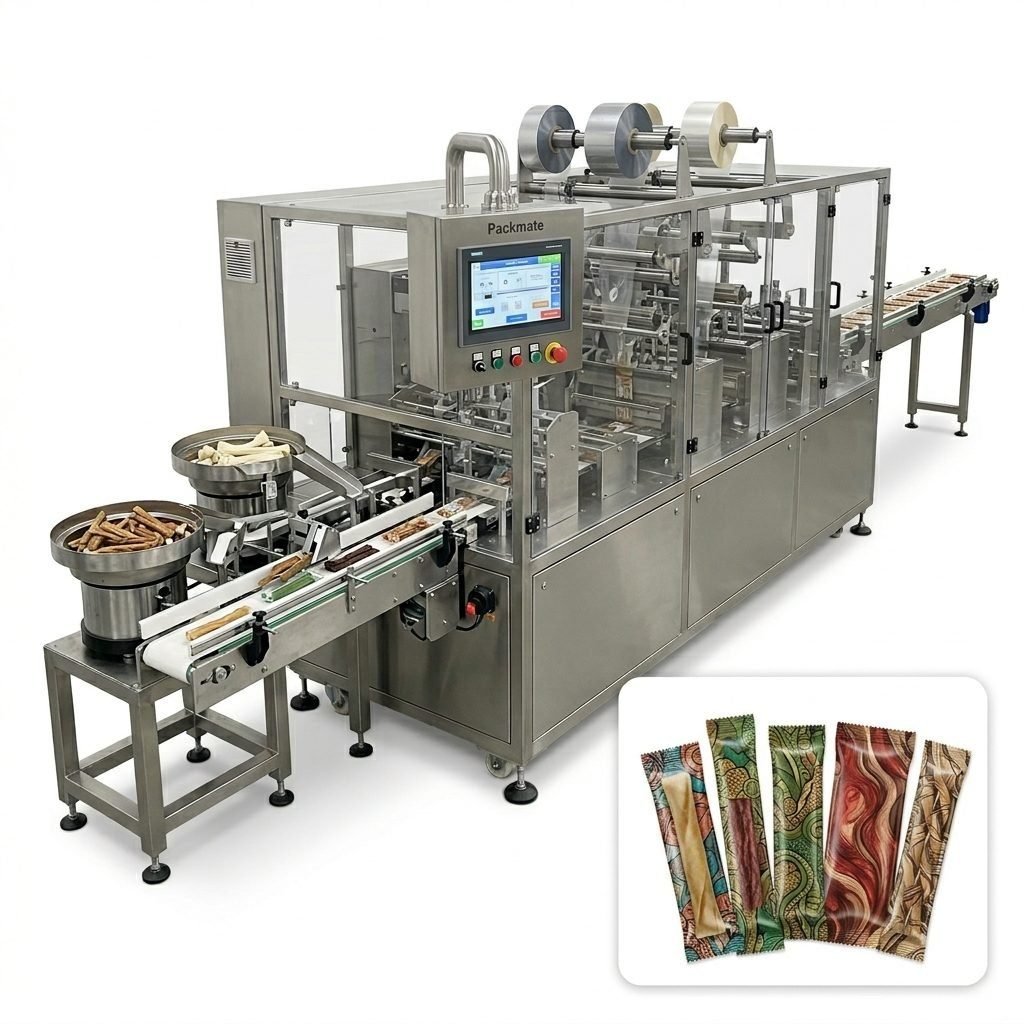
Automation and Integration: The trend is toward fully integrated, automated lines that handle filling, capping, labeling, and casing with minimal human intervention. This reduces labor costs, improves consistency, and enhances hygiene—a critical factor in food and pharmaceutical applications. Exploring a manufacturer’s range of complete filling and packaging lines can reveal their capability to provide these turnkey solutions.
Sustainability and Flexibility
Modern consumers and regulations demand sustainable packaging. Forward-thinking manufacturers are innovating machines that handle recycled materials, reduce material waste through precision dosing, and accommodate lightweight or novel bio-based bottles. Furthermore, flexibility is key; a single line that can quickly switch between different bottle sizes, shapes, and products allows manufacturers to respond agilely to market changes. This requires sophisticated mechanical design and advanced programmable logic controller (PLC) systems.
Evaluating Manufacturer Credibility and Track Record
Due diligence is essential. A manufacturer’s history and client portfolio speak volumes about their reliability and expertise.
Company Longevity and Evolution: A company that has navigated market shifts over decades, like Packmate which evolved from a small workshop in 1993 to a formalized company in 2003 and a major player today, demonstrates resilience and adaptive growth. Review their project case studies to see real-world applications of their equipment across different industries.
Industry Certifications and Standards: Compliance with international standards (e.g., ISO, CE, FDA guidelines for food and pharmaceutical contact) is non-negotiable. These certifications are independent validations of a company’s commitment to quality management, safety, and manufacturing excellence. Always verify the relevant certifications for your industry.
Global Reach and Local Understanding: A manufacturer with a global clientele brings a wealth of cross-industry experience. However, they should also demonstrate an understanding of local market nuances, regulations, and support logistics. Their participation in international trade shows can be a good indicator of their global engagement and commitment to showcasing innovation.
Making the Final Decision: Partnership Over Transaction
Choosing a bottle packaging machine manufacturer is ultimately about selecting a strategic partner. The right partner will work collaboratively to understand your unique challenges, propose optimal solutions—whether for granules, powders, or liquids—and stand behind their equipment with unwavering support. They should view your success as integral to their own reputation.
Initiate conversations with shortlisted manufacturers. Discuss your specific production goals, volume requirements, and future plans. Request a detailed proposal, visit their facility if possible, and speak with existing clients. This holistic evaluation will lead you to a manufacturer that not only provides a machine but delivers a robust, efficient, and future-proof packaging solution for your business.
Frequently Asked Questions (FAQs)
What is the typical lead time for a custom bottle packaging line?
Lead times vary significantly based on the complexity and customization of the line. For standard models, it might be 8-12 weeks. For fully custom, integrated systems involving multiple machines like fillers, cappers, and labelers, the engineering, manufacturing, and testing process can take 4 to 6 months or more. A reputable manufacturer will provide a detailed project timeline after the initial technical review.
Can one machine handle different bottle sizes and shapes?
Many modern machines are designed with changeover flexibility in mind. This is achieved through quick-change parts like adjustable guide rails, interchangeable filling nozzles, and tool-less changeover systems for capping heads. The degree of flexibility and the time required for changeover (from minutes to a few hours) are key specifications to discuss with the manufacturer based on your production needs.
How important is after-sales service, and what should it include?
After-sales service is critical for minimizing costly downtime. A comprehensive service package should include detailed installation supervision (onsite or remote), thorough training for your operators and maintenance staff, a clear warranty policy, readily available spare parts inventory, and access to 24/7 remote technical support. Ensure the manufacturer has service engineers in your region or a reliable partner network.
What are the key maintenance requirements for a bottle packaging machine?
Regular preventive maintenance is essential for longevity and consistent performance. Common tasks include daily cleaning (especially for food/pharma), lubrication of moving parts as per the manual, inspection and replacement of wear parts like seals and gaskets, and calibration of weighing or filling systems. The manufacturer should provide a clear maintenance schedule and checklist.
How do I ensure the machine meets my industry’s hygiene and safety standards?
Clearly communicate your industry’s specific standards (e.g., FDA, EHEDG, GMP) during the initial quotation phase. The manufacturer should design the machine accordingly, using appropriate materials (e.g., stainless-steel grades), implementing smooth, cleanable surfaces, and incorporating safety interlocks and guarding. Always request and verify the relevant compliance certificates and documentation before purchase.