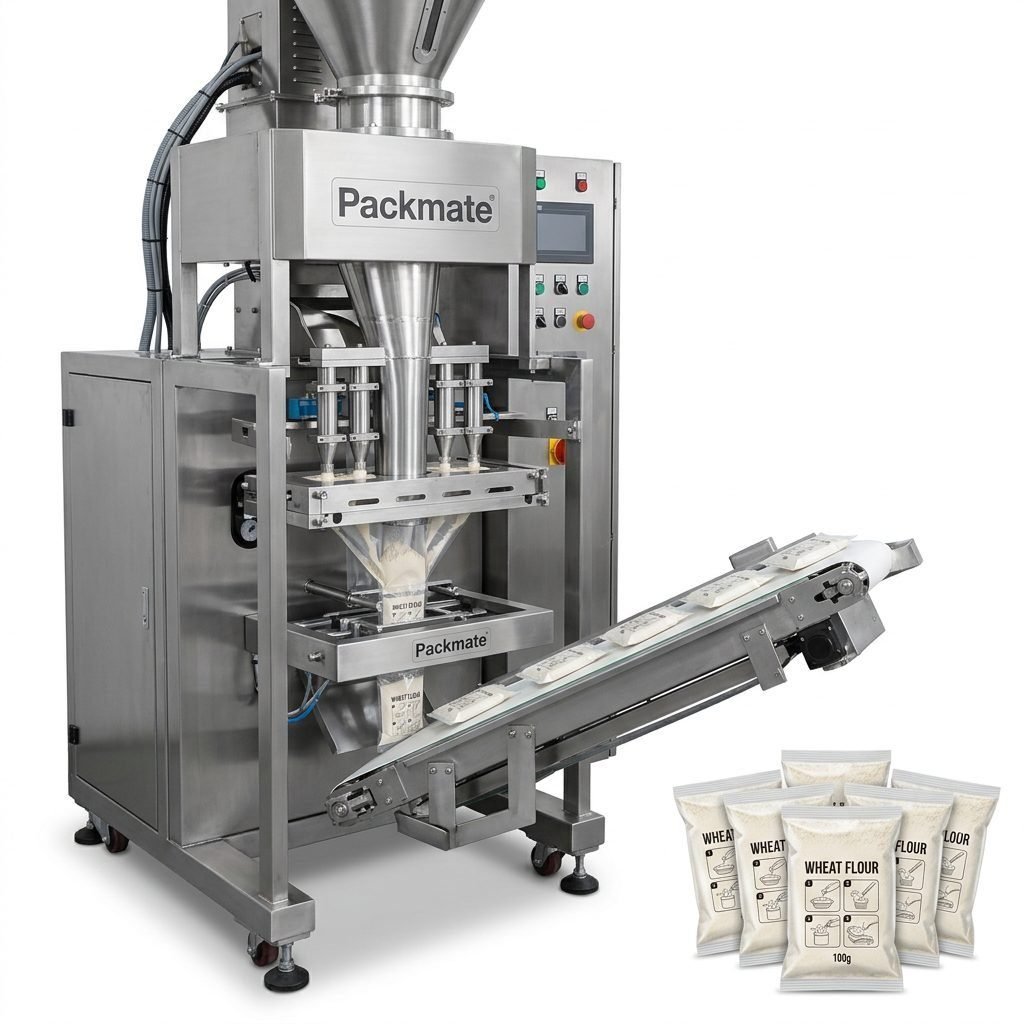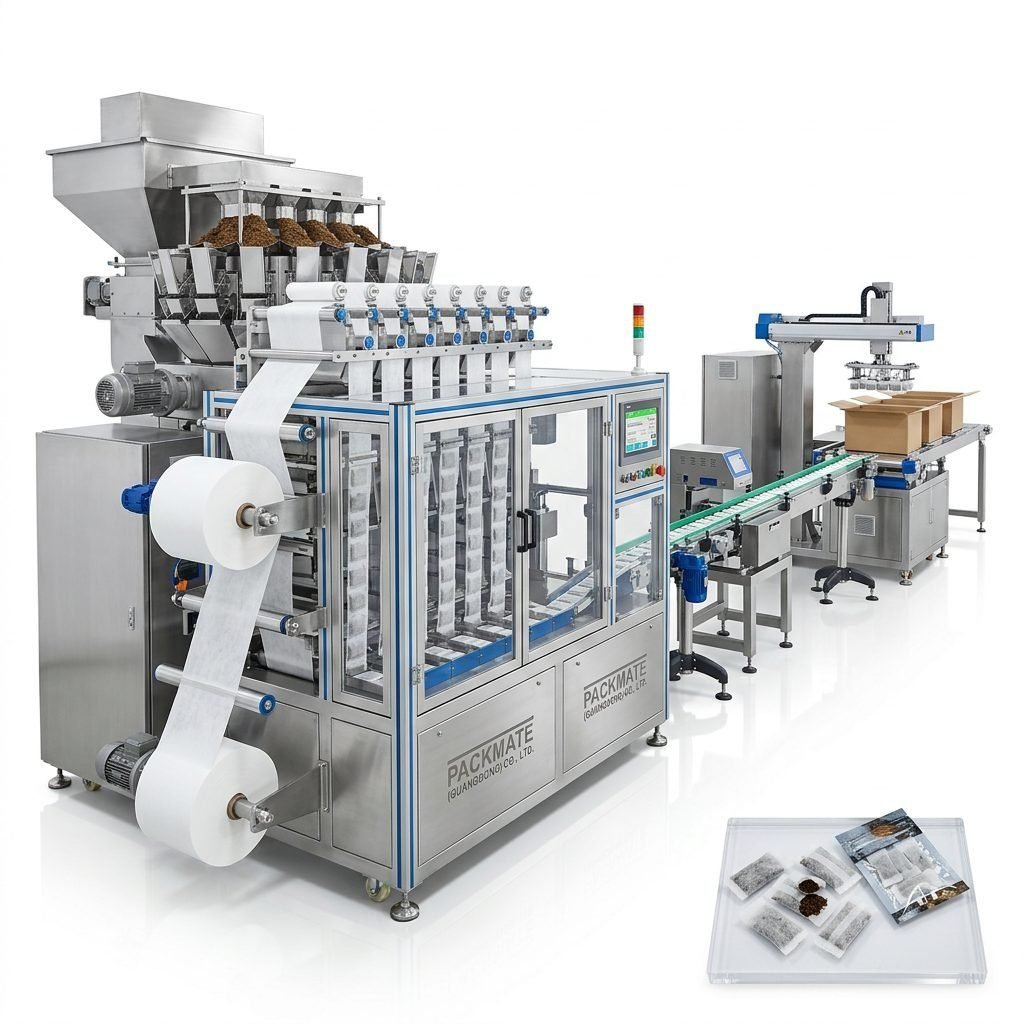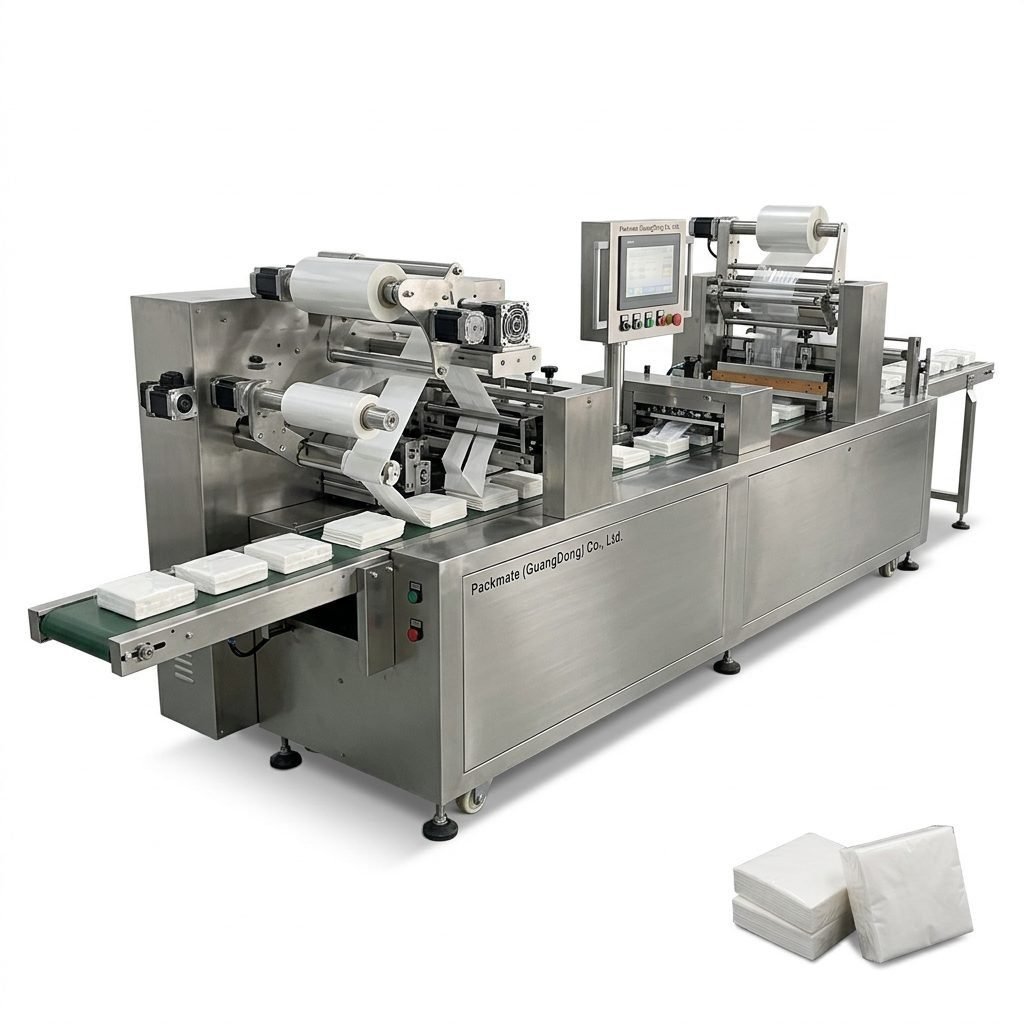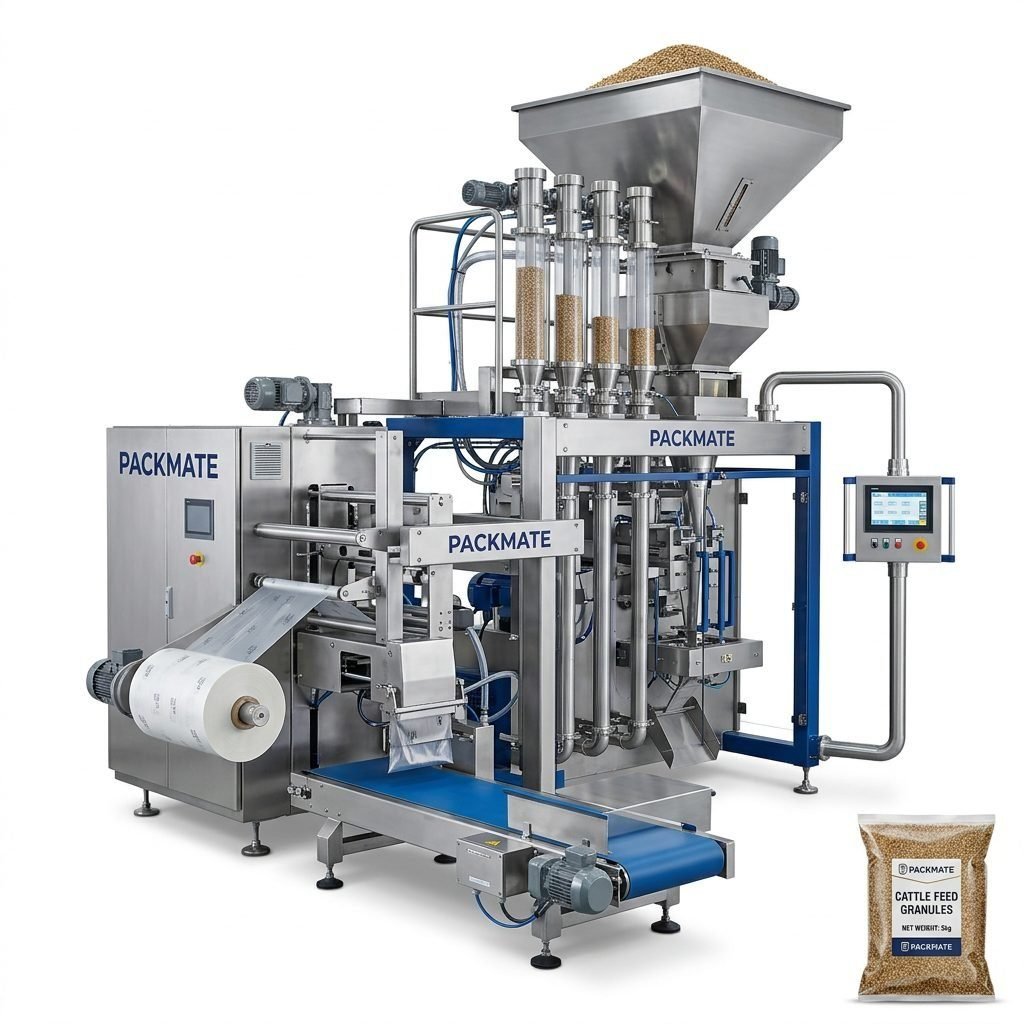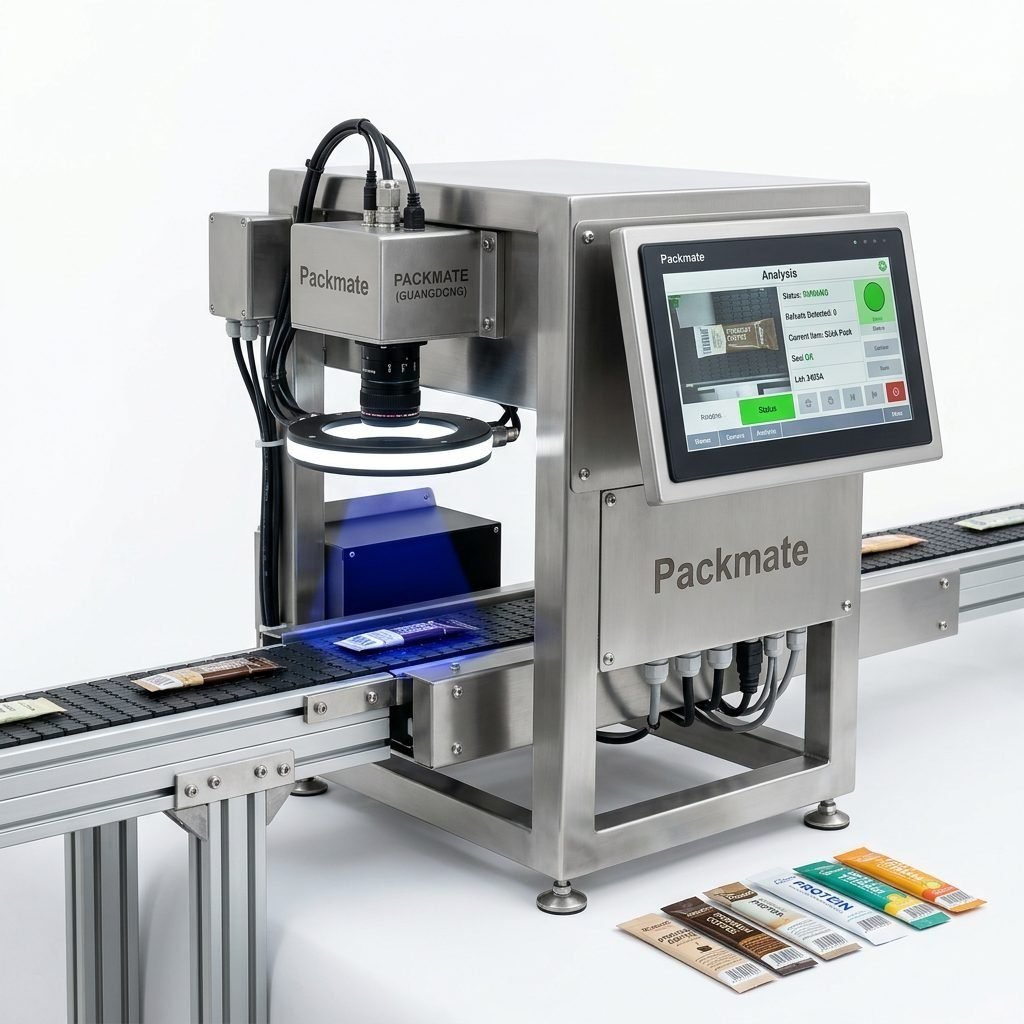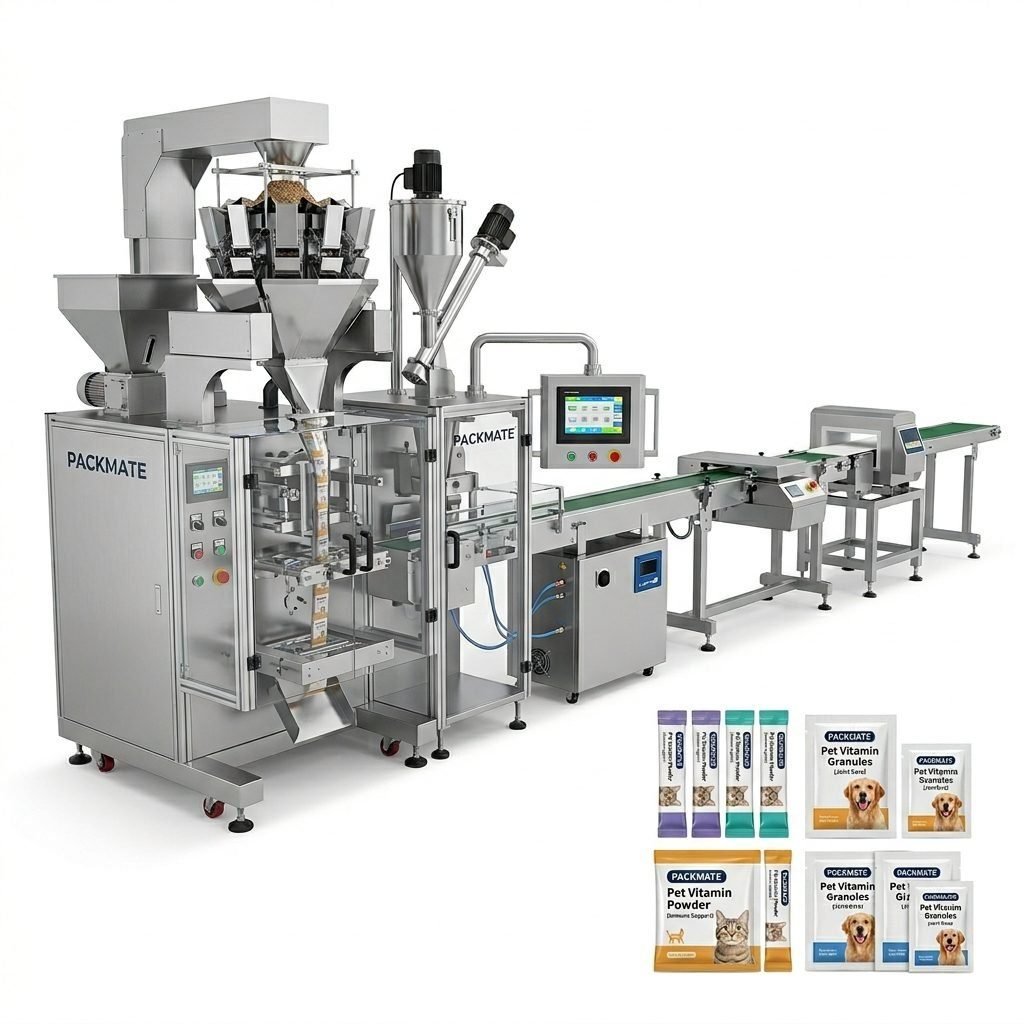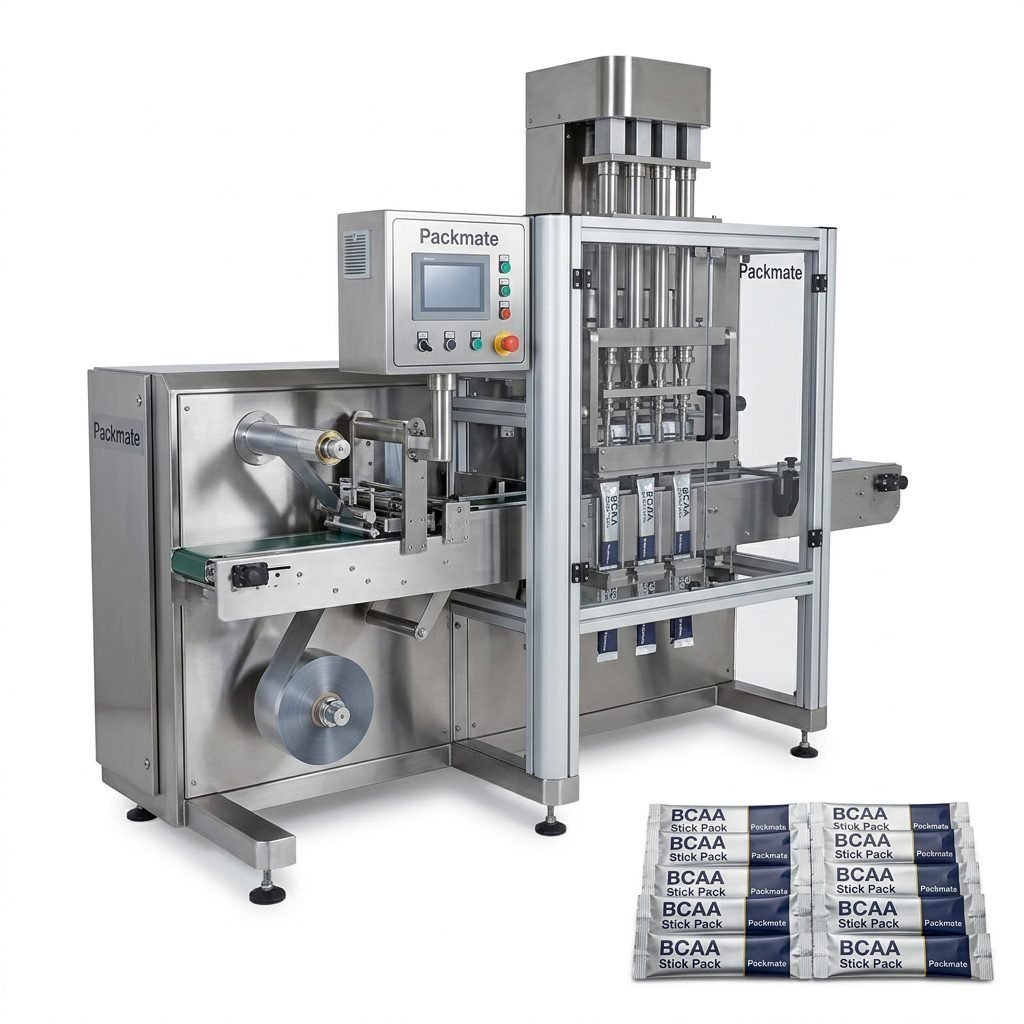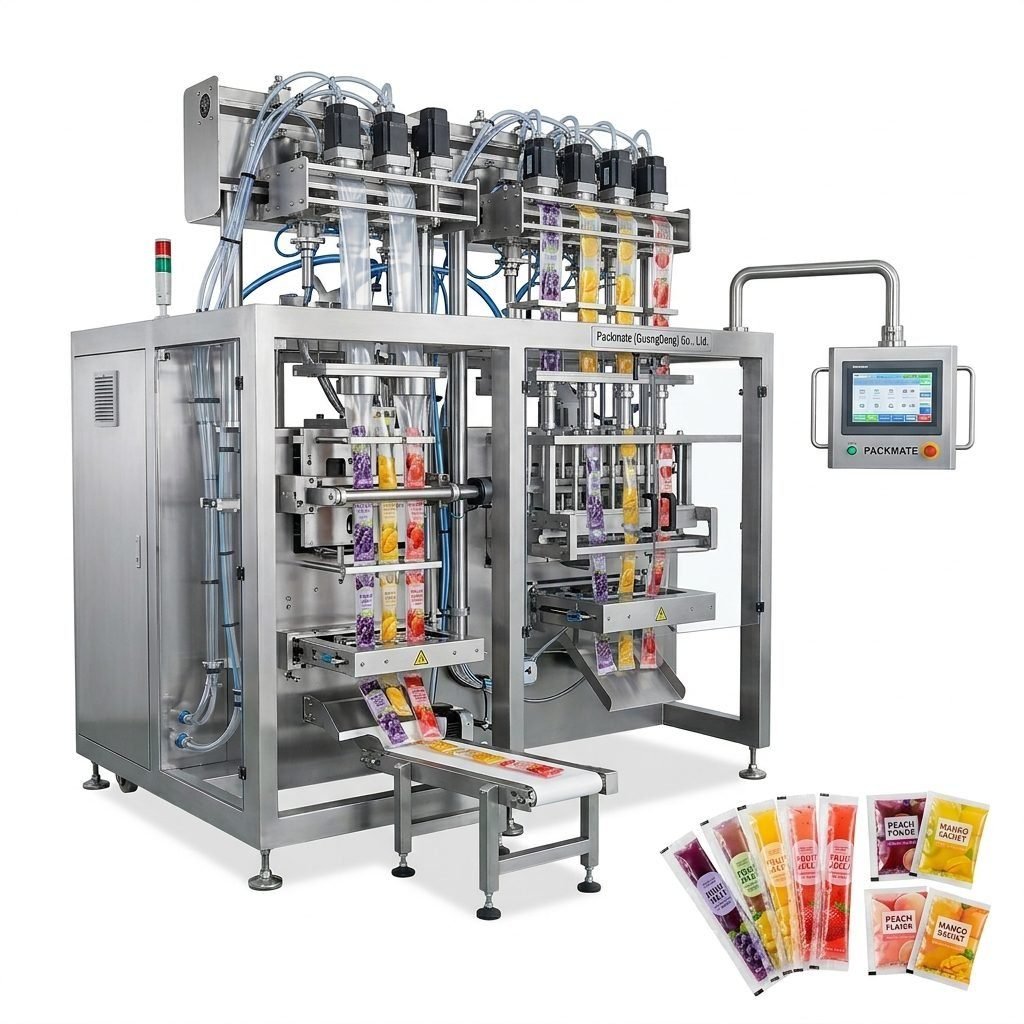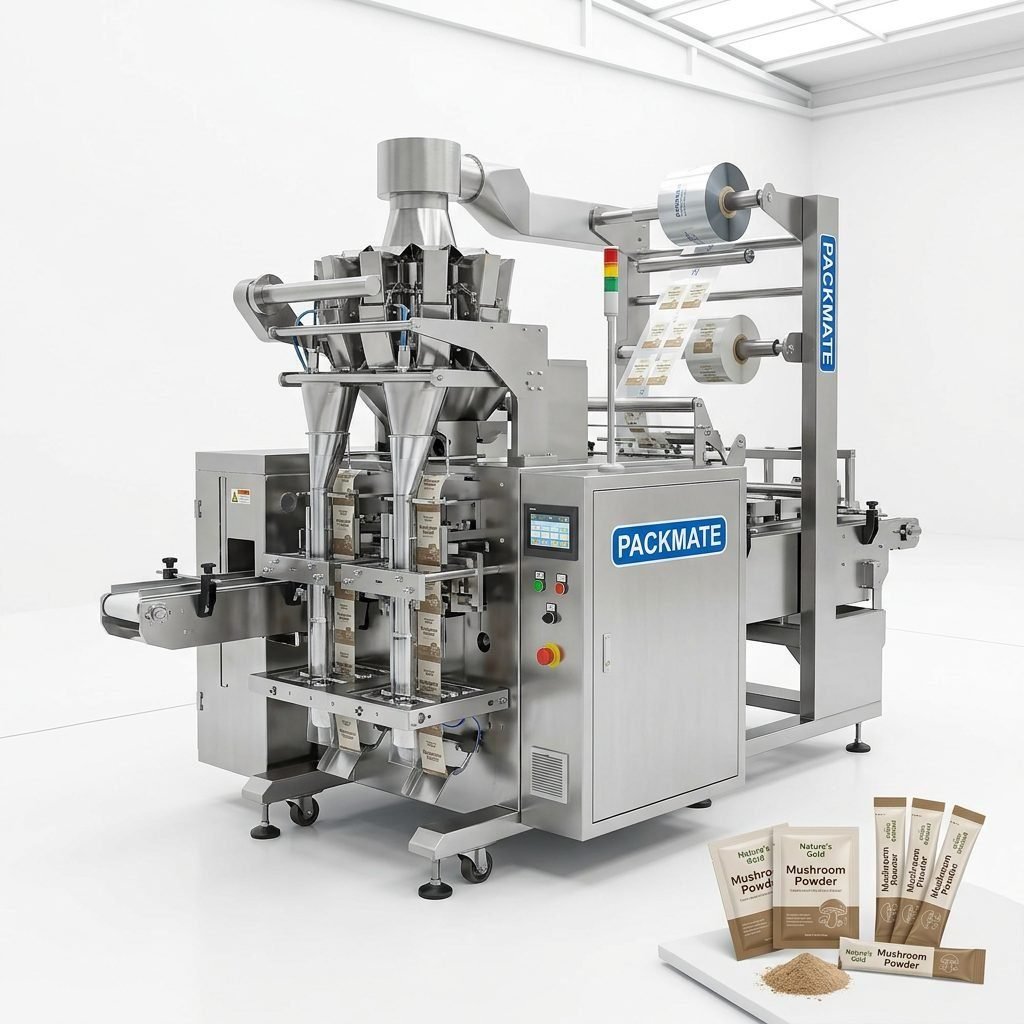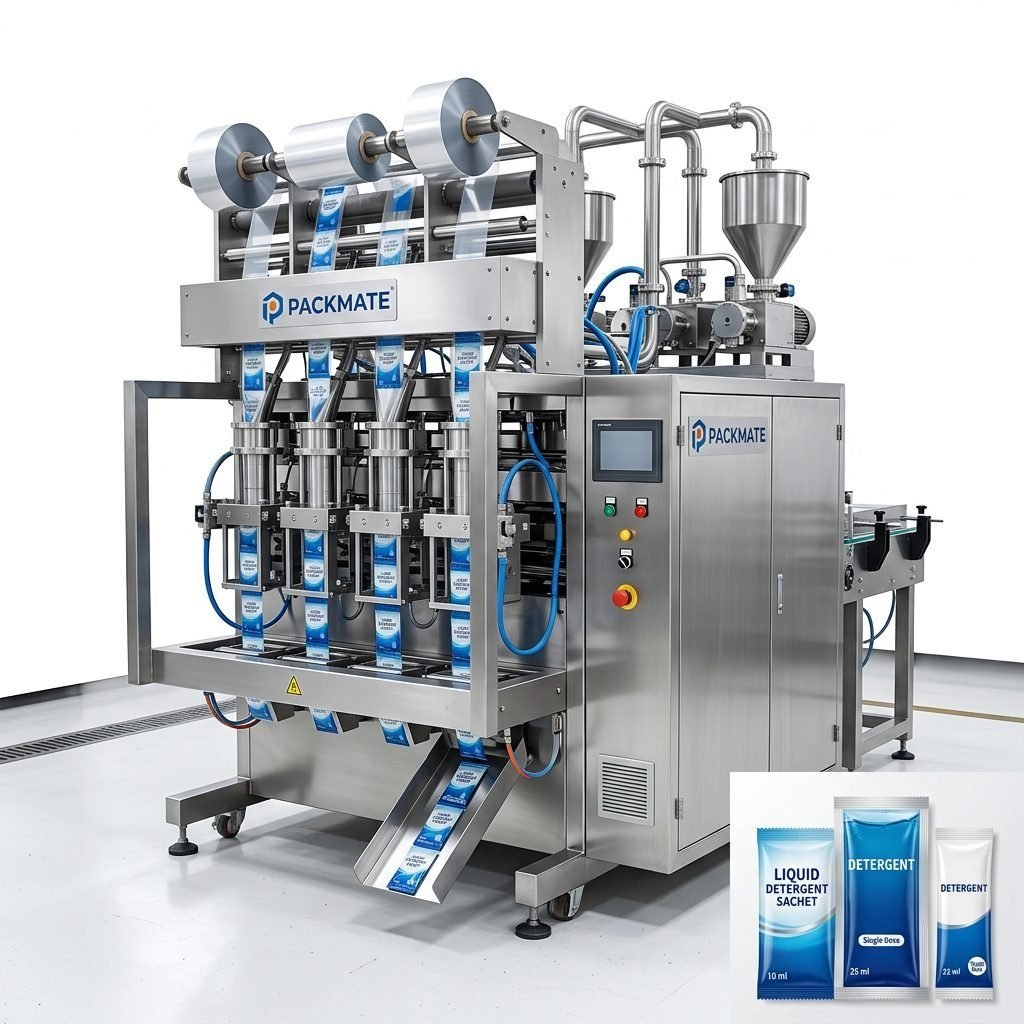
The food packaging industry operates on precision, speed, and reliability. When a packaging machine fails, it doesn’t just halt a single piece of equipment—it stops an entire production line, leading to significant downtime, product loss, and missed deadlines. This makes professional Food Packaging Machine Repair & Maintenance Services not just a support function but a critical component of operational continuity and profitability. This comprehensive market guide explores the essential aspects of these services, helping businesses make informed decisions to protect their investments.
The Critical Role of Repair & Maintenance in Modern Food Packaging
Modern food packaging lines are complex integrations of mechanical, electrical, and often software-driven systems. From high-speed sachet and stick pack machines to volumetric fillers and sealing units, each component must function flawlessly. Proactive maintenance and skilled repair services ensure:
Maximized Uptime: Scheduled maintenance prevents unexpected breakdowns, keeping your production schedule on track.
Consistent Product Quality: Properly calibrated and maintained machines ensure accurate filling, consistent sealing, and adherence to hygiene standards, which is paramount in food safety.
Extended Equipment Lifespan: Regular care reduces wear and tear, protecting your capital investment for years beyond its expected operational life.
Safety Compliance: Well-maintained equipment is safer for operators and helps facilities comply with stringent industry regulations like GMP and HACCP.
Understanding the Service Market Landscape
The market for packaging machine services is diverse, ranging from the original equipment manufacturer (OEM) support to third-party specialized technicians. Choosing the right partner is crucial. Key players include:
OEM Service Teams: Manufacturers like Packmate Machinery offer direct support. Their deep knowledge of proprietary systems and access to genuine parts is invaluable for complex repairs and software updates.
Independent Specialized Firms: These companies often employ former OEM technicians and can offer competitive rates for common machine types, providing flexibility and rapid local response.
In-House Maintenance Departments: Larger facilities with extensive machinery portfolios may build their own teams, focusing on daily preventative tasks and minor repairs.
Core Components of a Comprehensive Service Program
A robust service offering goes beyond fixing broken machines. It encompasses a full lifecycle support model.
Preventive Maintenance (PM)
This is the cornerstone of reliability. A typical PM visit includes mechanical inspection (belts, chains, bearings), lubrication, calibration of weighing and filling systems, electrical system checks, and safety device testing. A detailed report should follow each visit.
Corrective Repair & Troubleshooting
When failures occur, rapid and accurate diagnosis is key. Quality service providers use systematic troubleshooting to identify root causes—whether mechanical, electrical, pneumatic, or software-related—and execute lasting repairs.
Parts & Components Support
Access to high-quality, compatible parts is non-negotiable. OEM parts guarantee fit and function, while reliable third-party alternatives can be cost-effective for non-critical components. Services should include parts sourcing, inventory management, and expedited logistics.
Technical Training & Operational Support
Empowering your staff is a force multiplier. Look for providers that offer on-site or remote training on proper operation, routine cleaning, and basic troubleshooting for your specific packing machines.
Selecting the Right Service Partner: Key Evaluation Criteria
Your choice of service partner directly impacts your bottom line. Consider these factors:
Technical Expertise & Certifications: Verify the team’s experience with your specific machine models and brands. Certifications from industry bodies or OEMs are a strong plus.
Response Time & Service Level Agreements (SLAs): In food production, time is perishable. Clarify guaranteed response times for emergency calls and standard service requests.
Transparent Pricing Structure: Understand the pricing model—hourly rates, service contracts, or per-incident fees. Beware of hidden costs for travel, diagnostics, or “minimum charge” hours.
Quality of Parts & Warranty: Insist on warranties for both labor and replaced parts. The use of genuine or high-grade components ensures repair longevity.
Proactive Communication & Reporting: A good partner provides clear quotes, explains issues in understandable terms, and delivers detailed post-service reports with recommendations.
The Value of OEM-Led Services: A Case for Manufacturer Support
While third-party options exist, there is undeniable value in engaging the original manufacturer for critical support. Companies with a long-standing commitment to their equipment ecosystem, such as Packmate, built over 22+ years of development, offer unique advantages:
- Unmatched Machine Knowledge: Engineers who designed and built the machines possess intimate knowledge of every subsystem, leading to faster, more accurate diagnostics.
- Genuine Parts Guarantee: Direct access to OEM parts ensures perfect compatibility, optimal performance, and preserves the machine’s original specifications and safety certifications.
- Future-Proofing through Updates: Manufacturers often release firmware updates, performance upgrades, or retrofits that can only be properly installed by their trained technicians.
- Holistic System Understanding: For integrated filling and packaging lines, the OEM understands how each machine interacts, preventing solutions that fix one problem but create another downstream.
Implementing a Proactive Maintenance Strategy
Transitioning from a reactive “fix-it-when-it-breaks” model to a proactive strategy requires planning. Start by:
1. Auditing Your Equipment: Create a detailed register of all packaging assets, including model numbers, serial numbers, and critical component histories.
2. Establishing Maintenance Schedules: Based on manufacturer recommendations and operational intensity (shifts per day, product types), set calendar-based or runtime-based maintenance intervals.
3. Investing in Training: Train operators to perform daily checks, basic cleaning, and to recognize early warning signs like unusual noises or minor leaks.
4. Leveraging Technology: Utilize service management software to track work orders, maintenance history, and parts inventory. Some advanced machines offer remote monitoring for predictive maintenance.
Conclusion: Viewing Service as a Strategic Investment
In the competitive food industry, packaging efficiency is a direct contributor to market success. Viewing repair and maintenance not as a cost center, but as a strategic investment in reliability, quality, and brand protection, is essential. By partnering with a skilled, responsive, and trustworthy service provider—whether the dedicated OEM team or a highly qualified specialist—you secure the uninterrupted flow of your production, safeguard your product quality, and ensure the long-term return on your packaging machinery investment.
Frequently Asked Questions (FAQs)
What is the typical cost difference between OEM and third-party repair services?
OEM services often have a higher upfront hourly rate due to specialized expertise and genuine parts. However, they can provide faster, more durable solutions, potentially reducing total cost of ownership through fewer repeat failures and less downtime. Third-party services can be more cost-effective for older machines or routine maintenance but require careful vetting for quality.
How often should preventive maintenance be performed on a high-speed food packaging machine?
The frequency depends on usage. For machines running 24/7, maintenance might be needed quarterly or even monthly. For single-shift operations, semi-annual service is common. Always consult the machine’s manual and base the final schedule on the service provider’s assessment of your specific operating environment and output.
Can regular maintenance help my packaging machine comply with food safety regulations?
Absolutely. A key part of maintenance is cleaning validation and ensuring all food-contact surfaces and seals are intact. Proper lubrication with food-grade oils and calibration of scales for accurate ingredient declaration are direct contributors to meeting standards like FDA regulations and retailer codes of practice.
What information should I have ready when calling for emergency repair service?
To expedite the process, have the machine model and serial number, a clear description of the problem (including any error codes), the product being run when it failed, and details of any recent maintenance or modifications. Photos or short videos of the issue can be extremely helpful for remote diagnostics.
Is it worth investing in a comprehensive annual service contract?
For critical packaging assets, a service contract is highly recommended. It typically bundles scheduled PM visits, priority response, and discounted parts/labor into a predictable annual cost. This model promotes proactive care, minimizes surprise expenses, and often includes valuable benefits like periodic safety inspections and software updates.