The world of snack production is fast-paced, dynamic, and essential to our modern food supply chain. At the heart of this industry are the skilled professionals who operate the sophisticated machinery that packages our favorite chips, nuts, candies, and more. Becoming a packaging machine operator in snack production is a rewarding career path that combines technical skill with attention to detail. This role is crucial for ensuring products are sealed safely, efficiently, and attractively before they reach store shelves.
Understanding the Role and Its Importance
A packaging machine operator is responsible for setting up, operating, monitoring, and maintaining the equipment that forms, fills, and seals snack packages. This isn’t just about pressing buttons; it involves understanding machine mechanics, conducting quality checks, performing basic troubleshooting, and adhering to strict food safety and hygiene standards. In high-volume snack production facilities, the efficiency and reliability of these operators directly impact productivity and profitability.
Key Takeaway: The operator is the critical link between the production line and the final product quality. Their vigilance ensures that packaging is consistent, secure, and meets both company and regulatory standards.
Essential Skills and Qualifications
While formal education requirements can vary, most employers look for a high school diploma or equivalent. The real focus is on a specific set of skills and attributes:
- Mechanical Aptitude: A natural understanding of how machines work is fundamental. You’ll need to learn how different parts interact, from the film unwinder to the sealing jaws.
- Attention to Detail: Spotting a misaligned seal, an incorrect weight, or a printing error requires a sharp eye. Consistency is paramount in packaging.
- Problem-Solving Skills: When a machine jams or a sensor fails, you need to follow logical steps to diagnose and resolve the issue quickly to minimize downtime.
- Basic Math and Computer Skills: Operators often need to calculate settings, track production counts, and interface with machine control panels.
- Physical Stamina: The role may involve standing for long periods, lifting moderate weights (like rolls of packaging film), and working in an environment that can be noisy.
- Reliability and Teamwork: Production lines depend on every team member. Showing up on time and communicating effectively with colleagues and supervisors is essential.
Typical Career Pathway and Training
Many packaging machine operators start in entry-level production positions, such as a packaging line assistant or quality control inspector, to gain familiarity with the factory environment. On-the-job training is the most common way to learn. A senior operator or maintenance technician will train you on specific machines, covering:
- Safety Procedures: Lock-out/tag-out protocols, proper handling of materials, and personal protective equipment (PPE) requirements.
- Machine Setup & Changeover: Learning how to install forming tubes, change sealing dies, adjust film guides, and input parameters for different package sizes—a critical skill for runs of various snack products.
- Operation & Monitoring: Starting, stopping, and running the machine at optimal speed while monitoring for defects.
- Preventive Maintenance: Performing routine cleaning, lubrication, and part inspections to prevent unexpected breakdowns.
- Quality Control Checks: Using scales, checkweighers, and visual inspection to ensure every bag meets weight, seal integrity, and appearance standards.
Some technical schools or community colleges offer certificates in mechatronics, industrial maintenance, or packaging technology, which can make you a more competitive candidate. Manufacturers of advanced packaging machinery, like Packmate Machinery, often provide detailed operational training for their clients, which is invaluable knowledge for an operator.
A Day in the Life
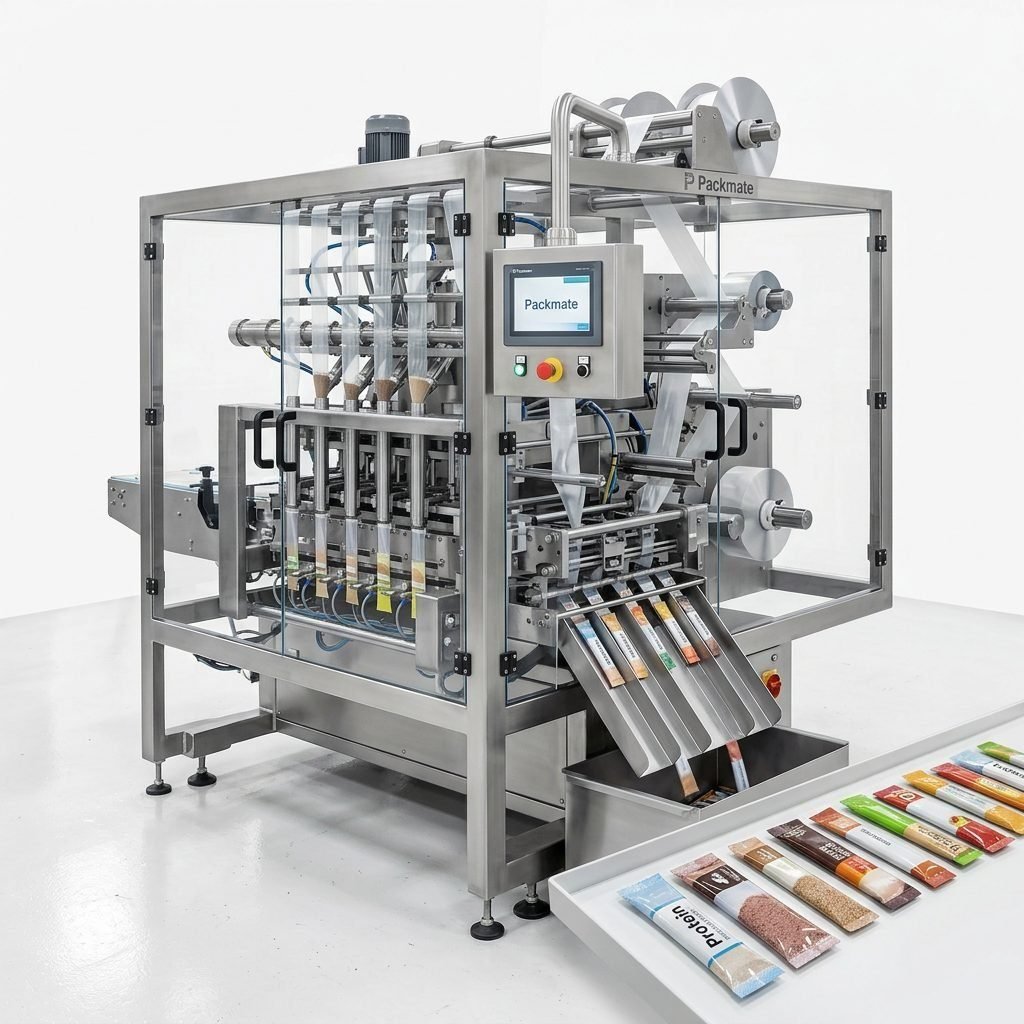
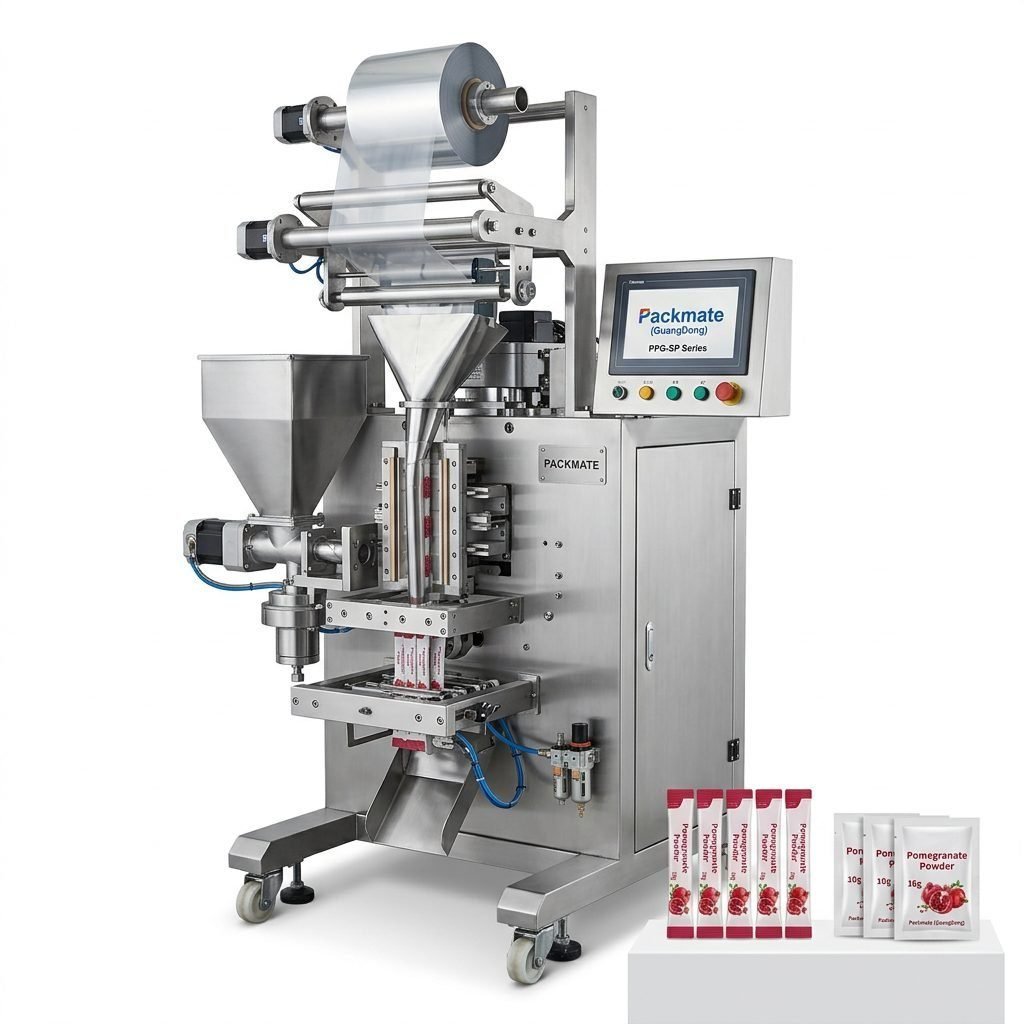
A typical shift might begin with a review of the production schedule. You would then perform a pre-start checklist on your assigned machine, perhaps a high-speed stick pack machine for seasoning or powdered snacks. After setting up for the first product run, you start production, constantly monitoring the seal quality and fill weight. You log hourly production data, clear minor film jams, and replenish packaging materials. At the end of the run, you complete a thorough cleaning and prepare the machine for the next product, demonstrating the versatility and responsibility the role demands.
Working with Different Types of Snack Packaging Machines
The snack industry uses a variety of packaging formats, each requiring specific machinery. An operator might work with:
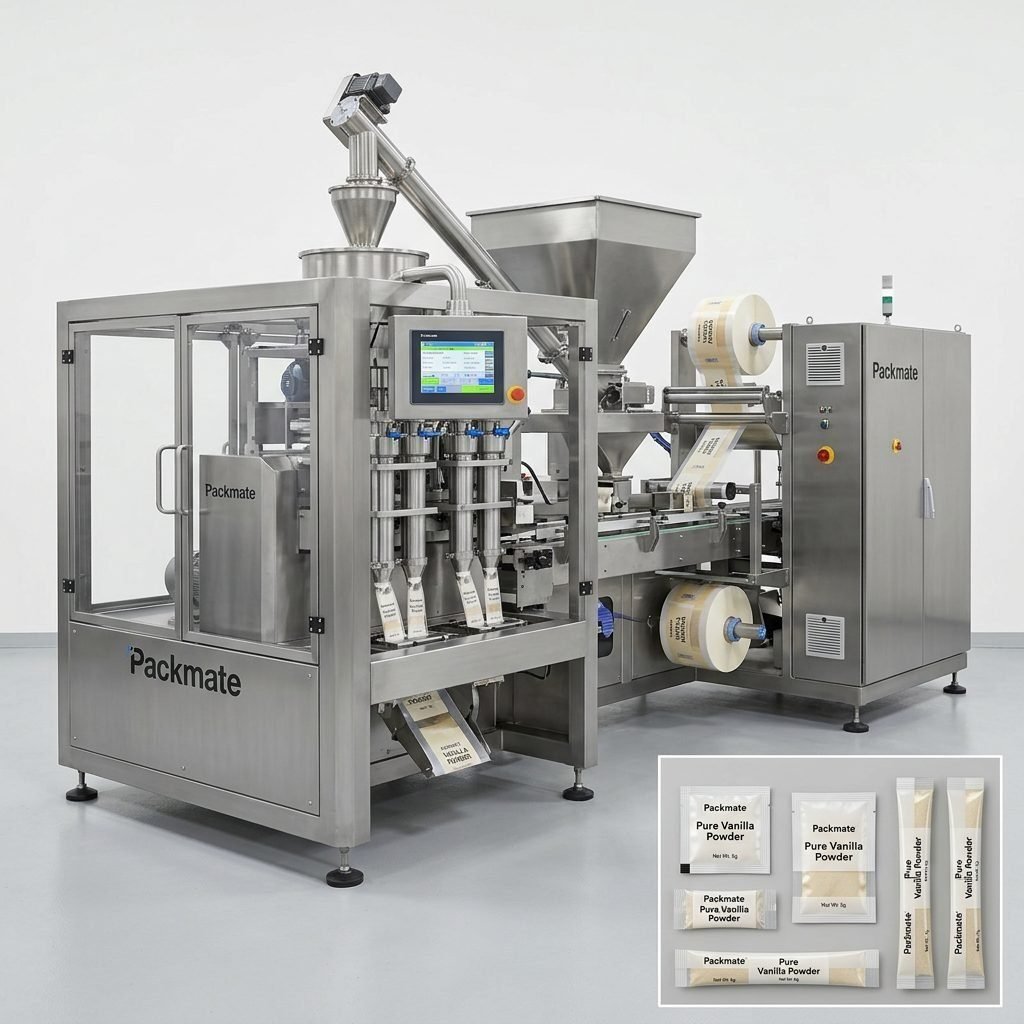
- Vertical Form-Fill-Seal (VFFS) Machines: The most common type for bags of chips, pretzels, or nuts. They form a bag from a roll of film, fill it, and seal it in one continuous motion.
- Horizontal Form-Fill-Seal (HFFS) Machines: Often used for bar wrappers or multi-pack bundling.
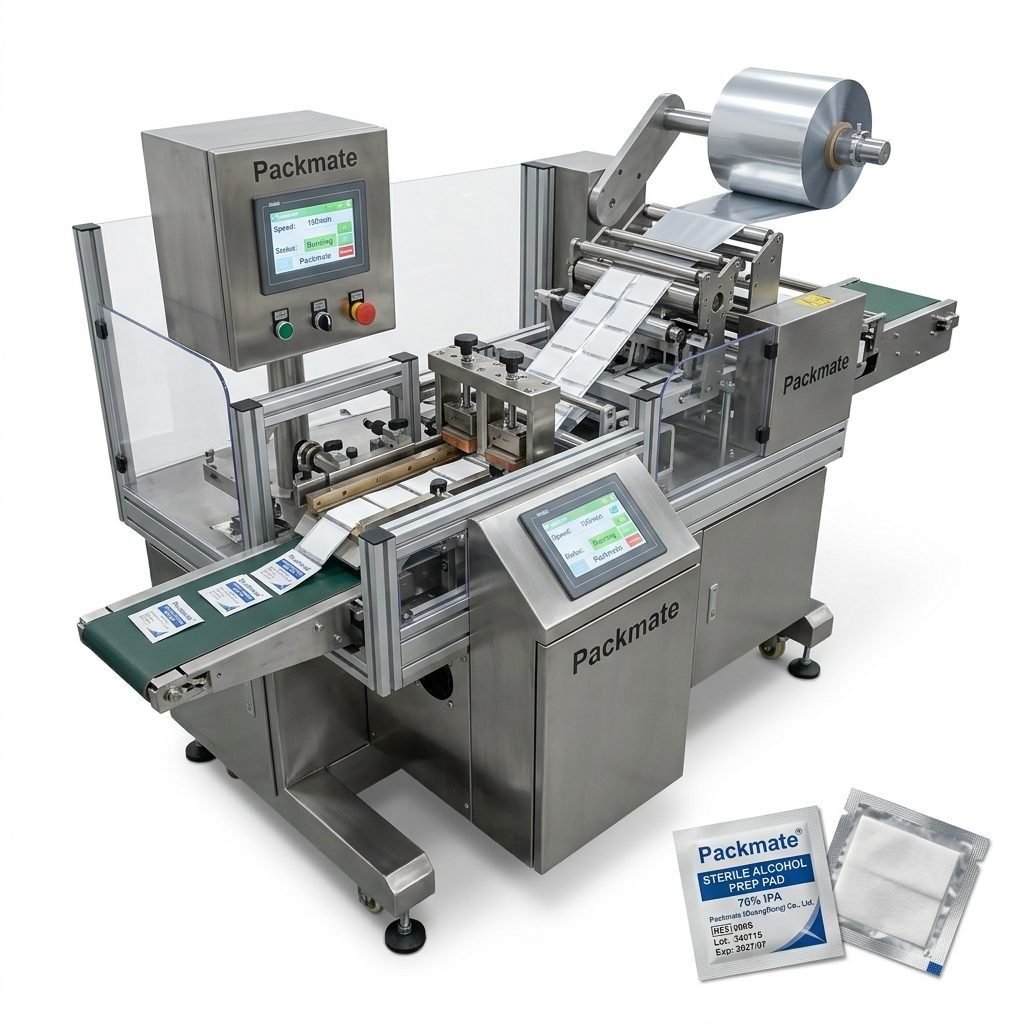
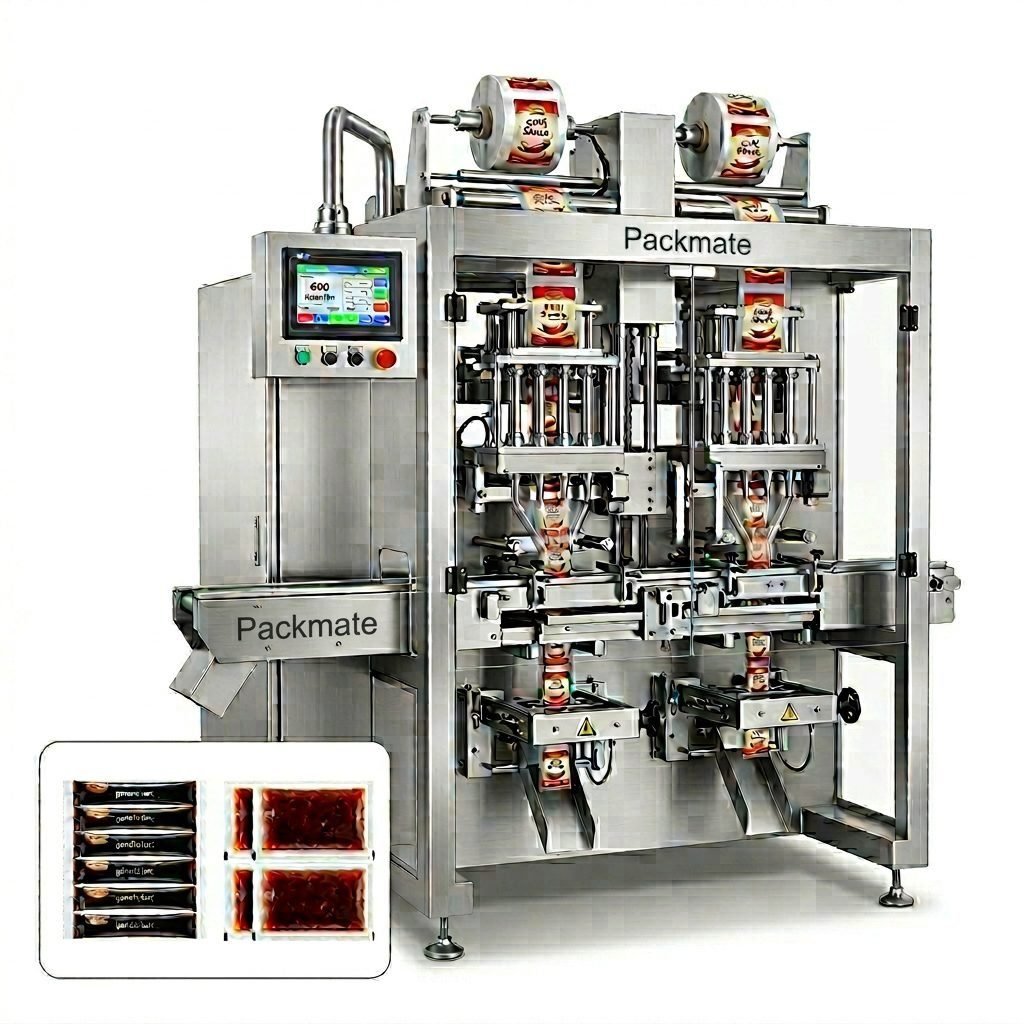
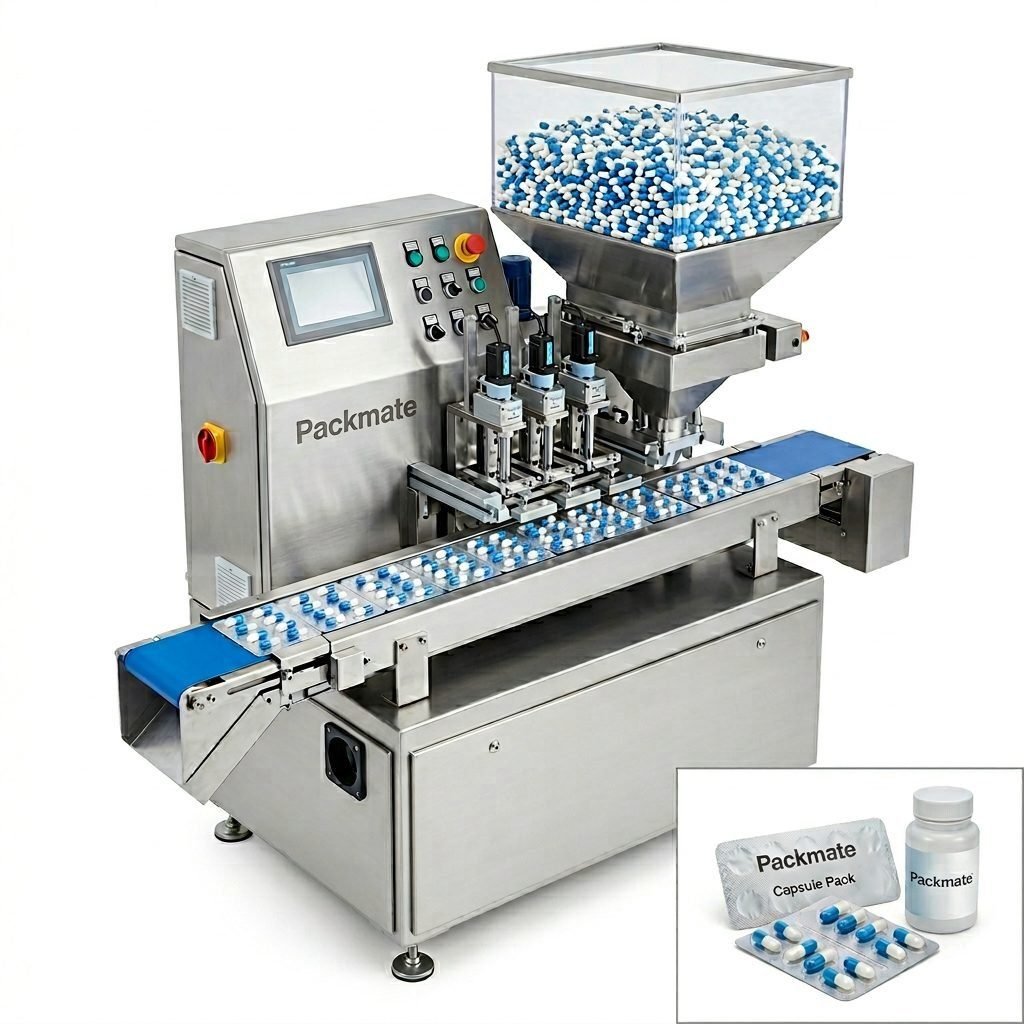
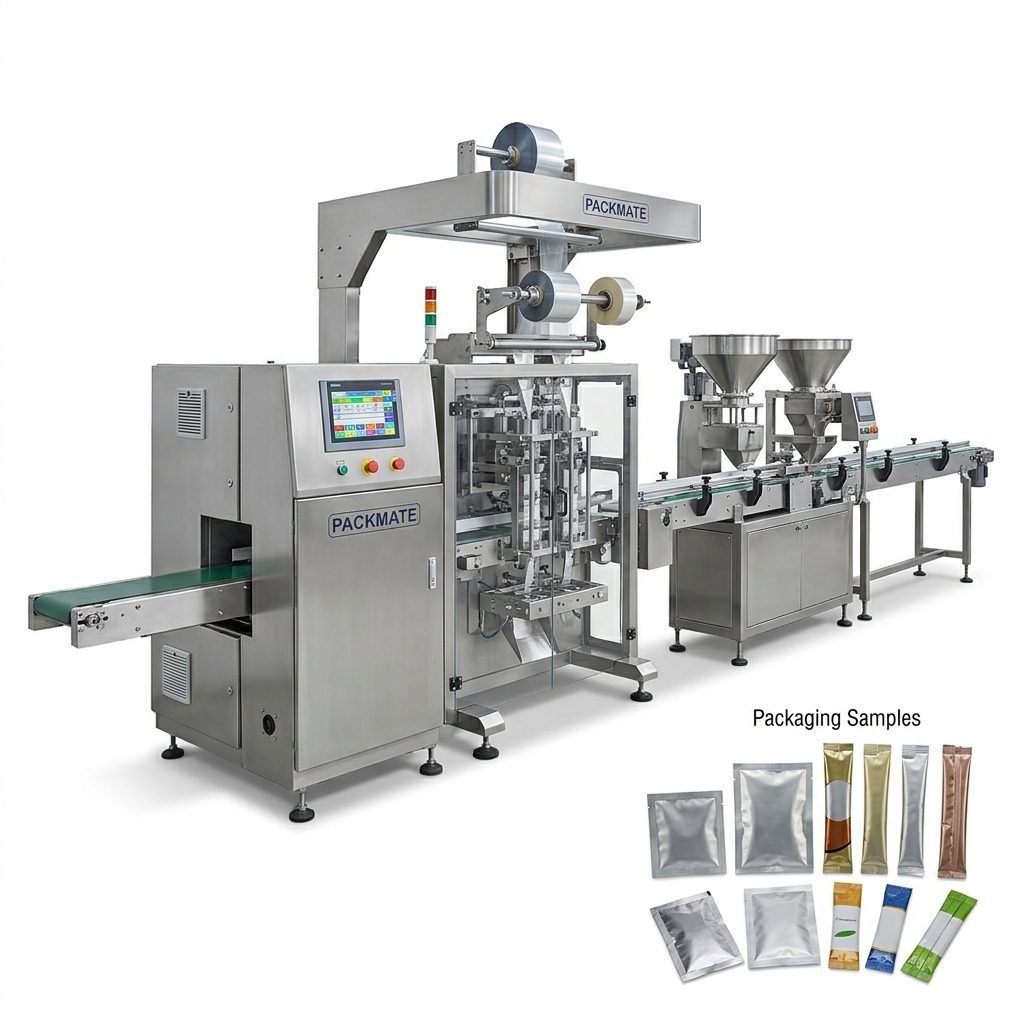
- Stick Pack and Sachet Machines: For single-serve portions of powders, liquids, or granules. These require precision for small, tight seals. Companies like Packmate specialize in advanced bag and pouch packaging solutions in this category.
- Cartoning and Case Packing Equipment: For placing individual bags into boxes or cases for shipping.
Understanding the principles behind these systems makes an operator adaptable and valuable. The technology is always advancing, with more automation, integrated vision inspection systems, and data connectivity for Industry 4.0 smart factories.
Advancement Opportunities
Experience as a packaging machine operator opens doors to several career advancements. With proven skill and initiative, you could move into:
- Lead Operator or Line Supervisor: Overseeing a team of operators and ensuring overall line efficiency.
- Maintenance Technician: Specializing in the repair and deeper mechanical/electrical troubleshooting of packaging and other plant equipment.
- Quality Assurance Technician: Focusing more deeply on product standards, compliance, and auditing processes.
- Production Management: With further education and experience, moving into planning and managing entire production departments.
The foundational hands-on experience gained on the production floor is highly respected and forms the basis for these advanced roles.
Conclusion
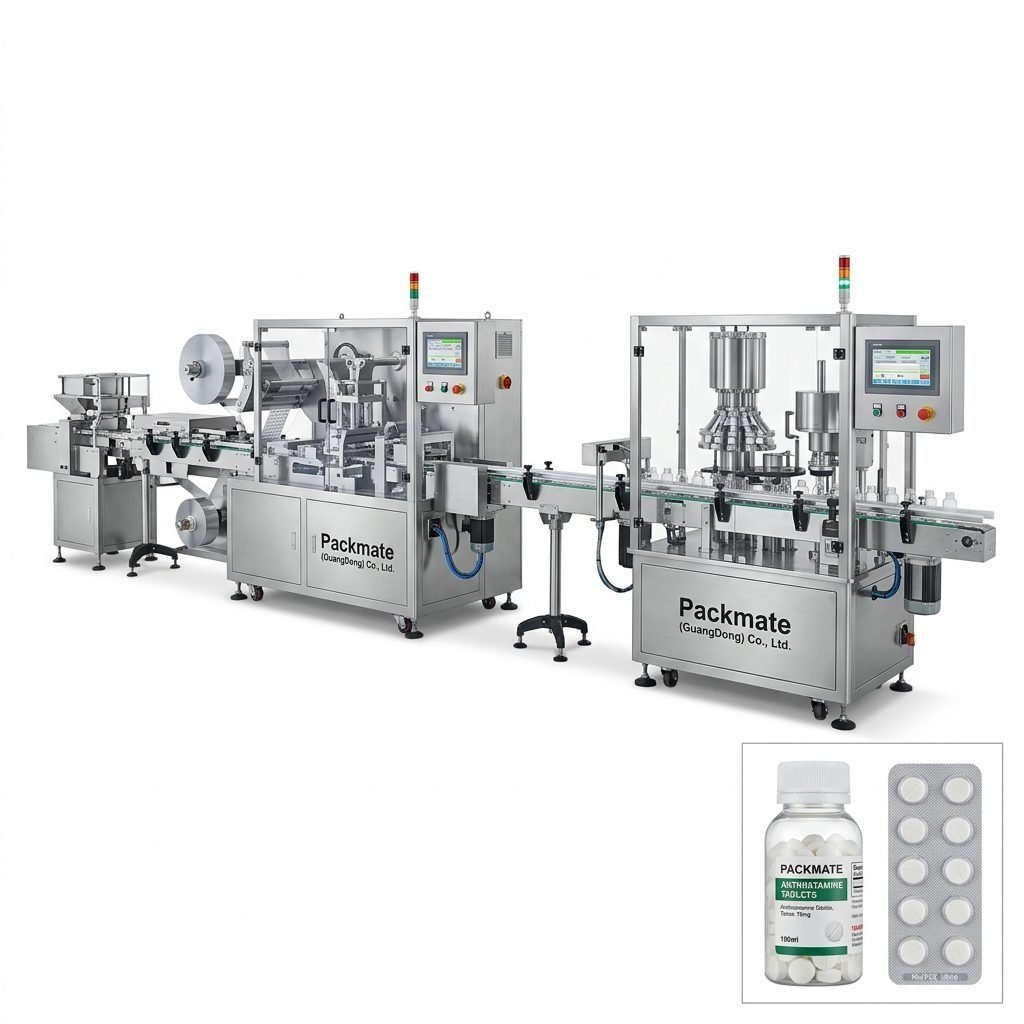
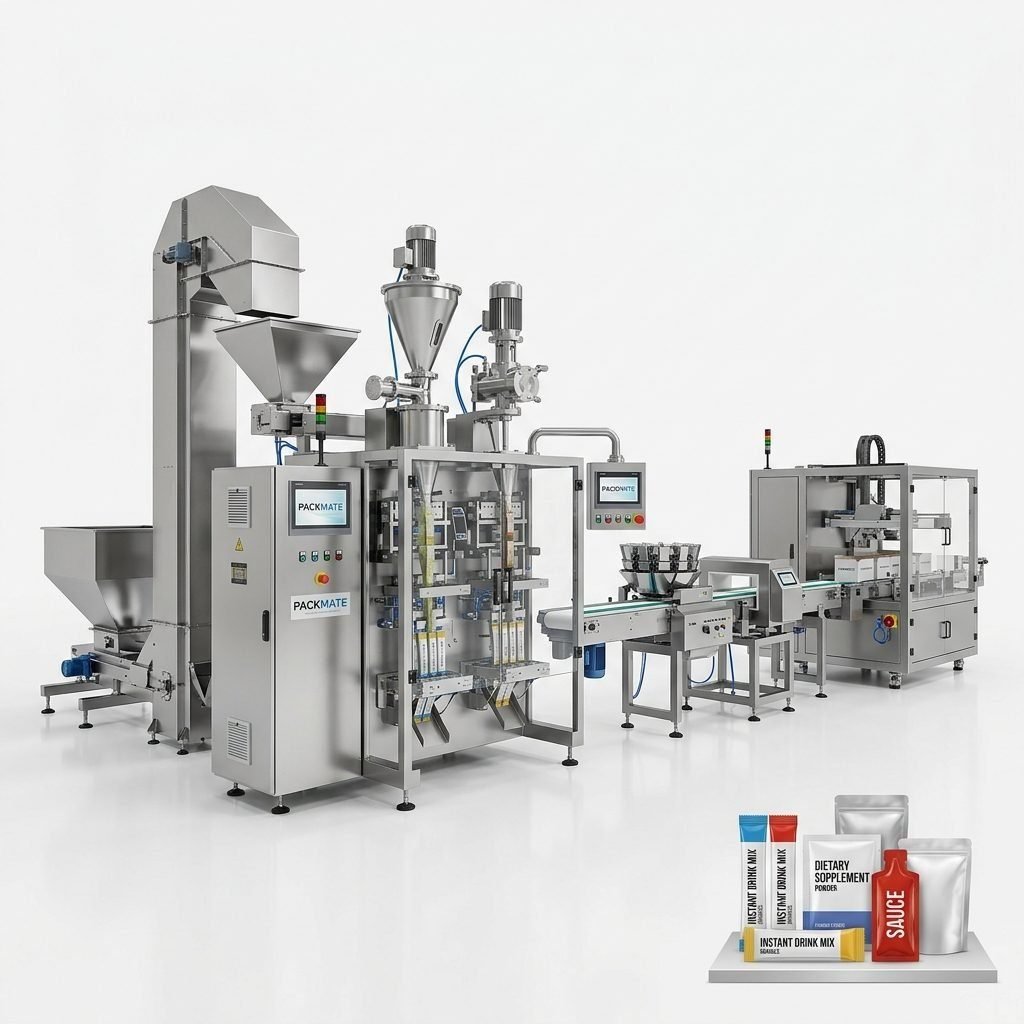
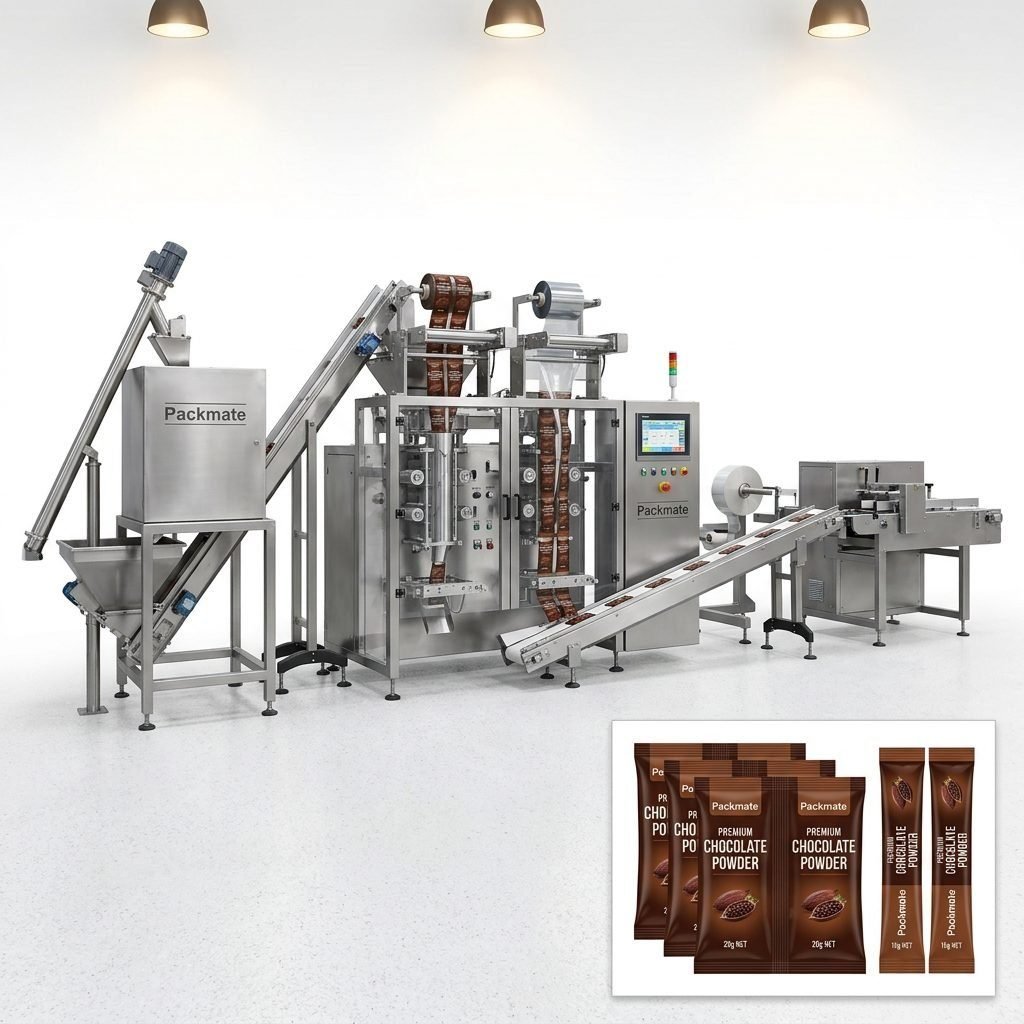
Becoming a packaging machine operator in snack production is a hands-on, technical career that plays a vital role in the food industry. It requires a blend of mechanical skill, diligence, and a commitment to quality and safety. Through on-the-job training and a willingness to learn complex equipment—from standard VFFS machines to sophisticated complete filling and packaging lines—individuals can build a stable and progressive career. As automation and packaging technology evolve, the skilled operator who can work seamlessly with this technology will remain in high demand.
Frequently Asked Questions (FAQs)
What is the most challenging part of being a packaging machine operator?
The most challenging aspects often involve managing unexpected machine breakdowns and performing efficient changeovers between different product runs. Both require deep knowledge of the equipment, problem-solving under time pressure, and meticulous attention to detail to avoid costly errors or downtime.
Do I need a certification to become a packaging machine operator?
While not always mandatory, certifications in industrial maintenance, mechatronics, or forklift operation can be significant advantages. Most crucial is the site-specific, on-the-job training provided by the employer. Some equipment suppliers also offer certified training programs for their machinery.
How does the work environment in a snack production plant differ from other manufacturing?
Snack production environments must adhere to stringent food safety standards (like GMPs – Good Manufacturing Practices). This means a strong emphasis on cleanliness, hygiene, and proper attire (hairnets, beard nets, sanitized footwear). The environment can also be noisy and may involve exposure to food aromas and powders.
What are the prospects for career growth in this field?
Career growth prospects are solid. Experienced operators are consistently in demand. Growth can lead to supervisory roles, specialized maintenance positions, or quality control. As you gain experience with complex machinery, such as integrated weighing and packaging systems, your technical expertise becomes highly valuable for advancement.
Is this job at risk due to increasing automation?
While automation is reducing the number of purely manual roles, it is increasing the demand for skilled operators who can program, monitor, and troubleshoot automated systems. The role is evolving from manual operation to a more technical, analytical, and maintenance-focused position, ensuring job security for those who upskill alongside the technology.