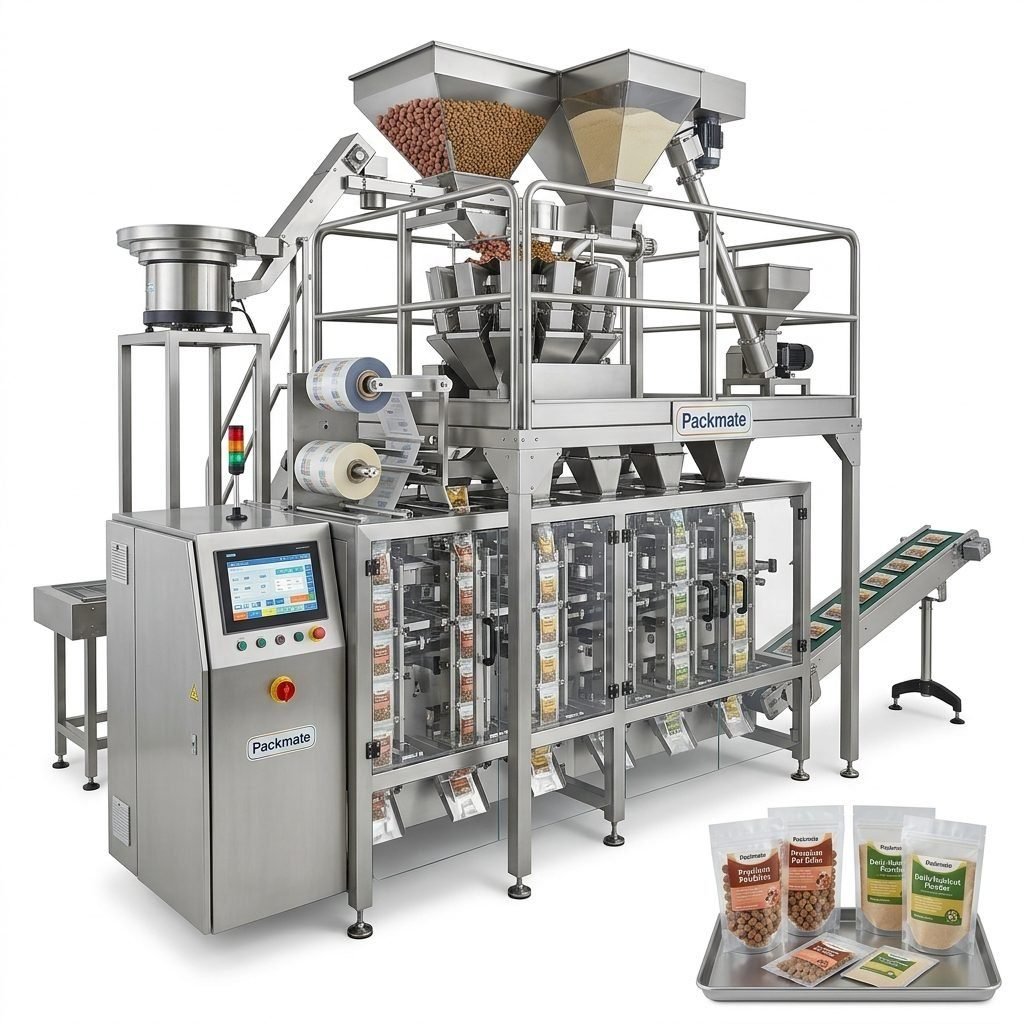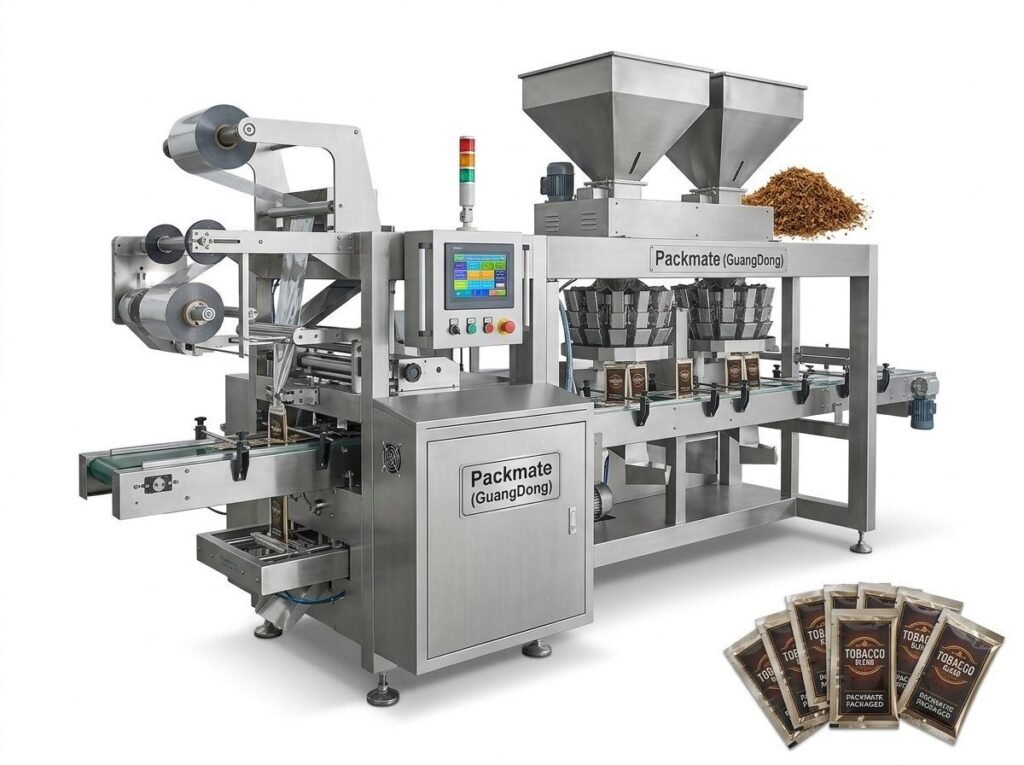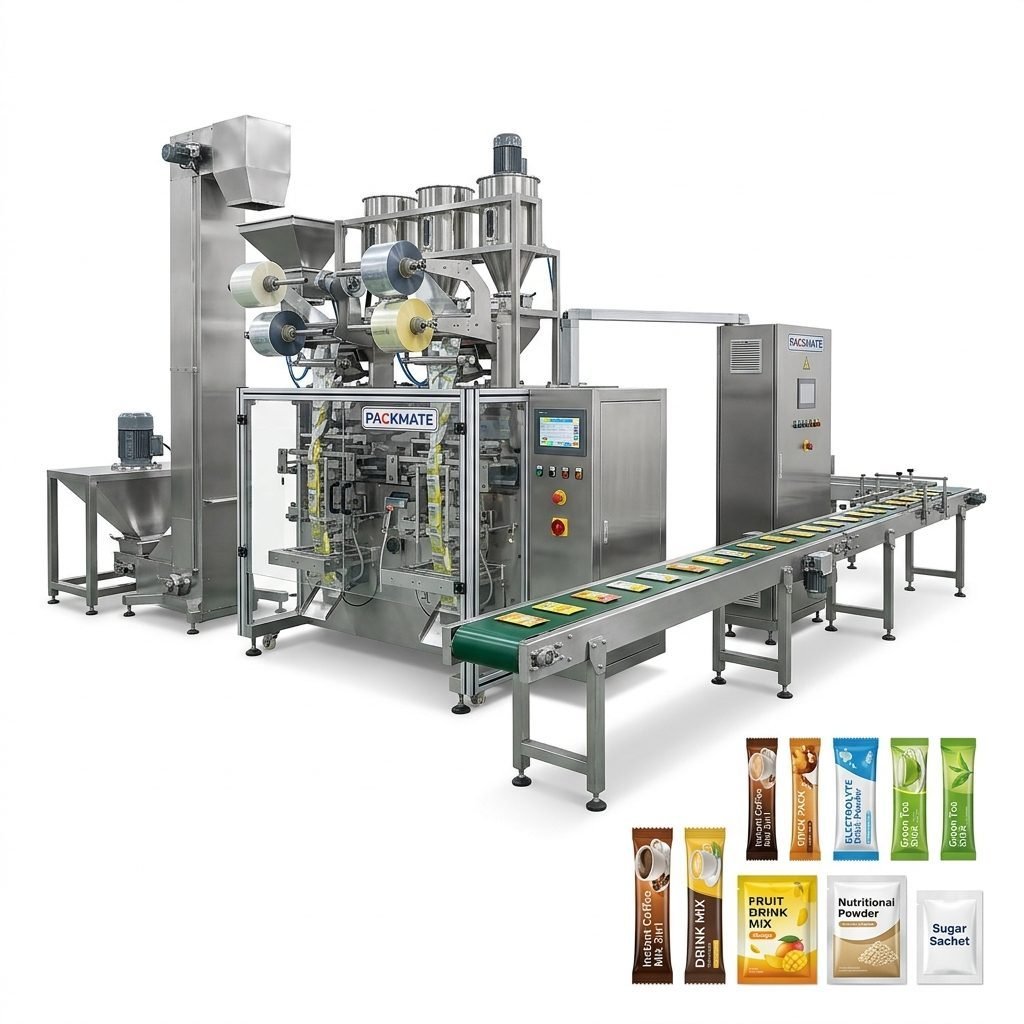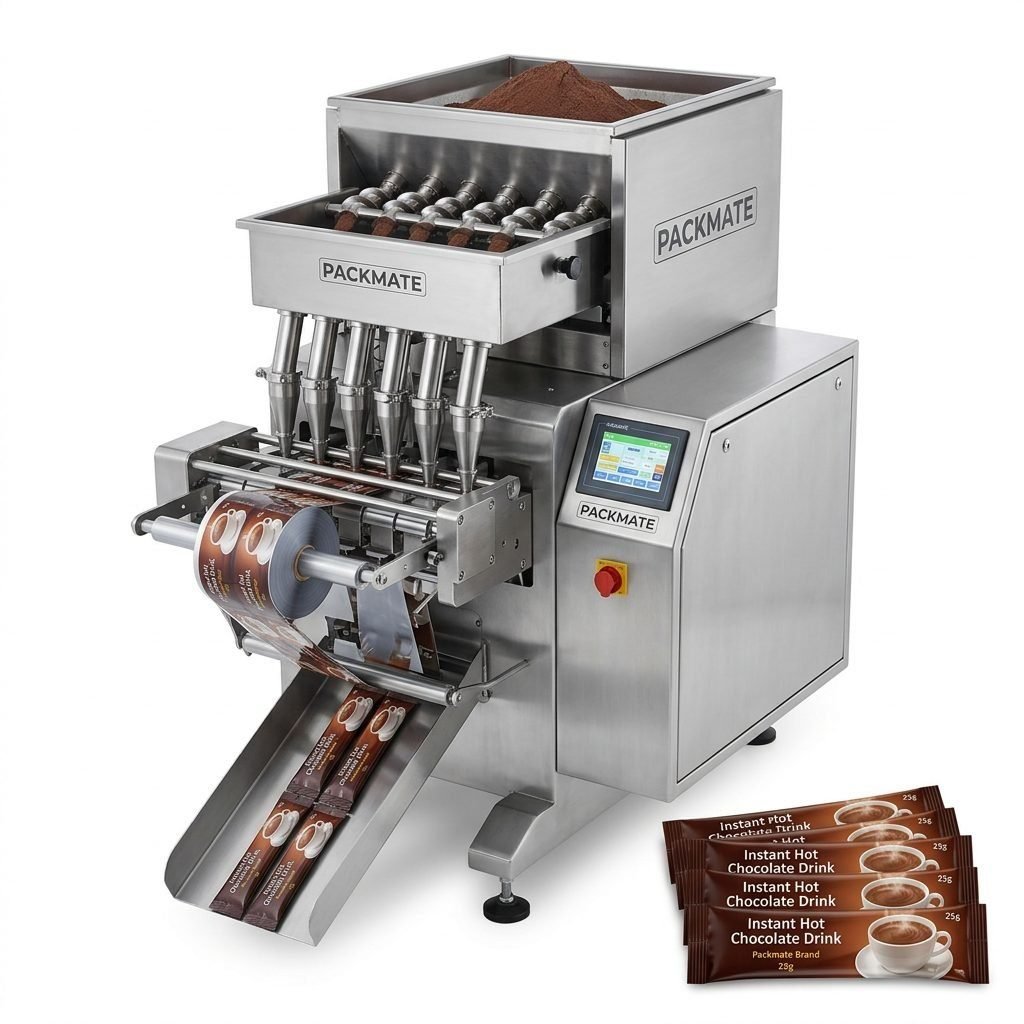
In the competitive world of confectionery manufacturing, the final presentation of a product is just as crucial as its taste. For chocolate tablets, the packaging serves as the primary interface with the consumer, protecting the delicate product, ensuring freshness, and communicating brand value. Selecting the right chocolate tablet packaging machine is therefore a critical investment that directly impacts production efficiency, product quality, and market success. This guide provides a comprehensive overview of the machinery, solutions, and key considerations for automating your chocolate tablet packaging line.
Understanding Chocolate Tablet Packaging Requirements
Chocolate tablets have specific packaging needs that differentiate them from other confectionery items. They are sensitive to temperature, humidity, and physical pressure, requiring packaging that provides an excellent barrier against environmental factors. The packaging must also be visually appealing, often featuring high-quality printing for branding and nutritional information. Furthermore, the machinery must handle the product gently to prevent breakage or scuffing of the chocolate surface. Common packaging formats for tablets include flow wraps (individual wrapping), cartoning (placing wrapped tablets into boxes), and shrink wrapping for multi-packs.
Key Packaging Challenges for Chocolate Tablets:
- Product Protection: Shielding from moisture, oxygen, and light to prevent bloom and preserve flavor.
- Gentle Handling: Avoiding cracks or breaks during the feeding and wrapping process.
- High-Speed Efficiency: Meeting large-scale production demands without compromising on wrap quality.
- Material Compatibility: Working effectively with various films, including polypropylene, polyethylene, and laminates.
Types of Chocolate Tablet Packaging Machines
The core of any packaging line is the primary wrapping machine. For chocolate tablets, the most prevalent technology is the horizontal flow wrapper.
Horizontal Flow Wrapping Machines
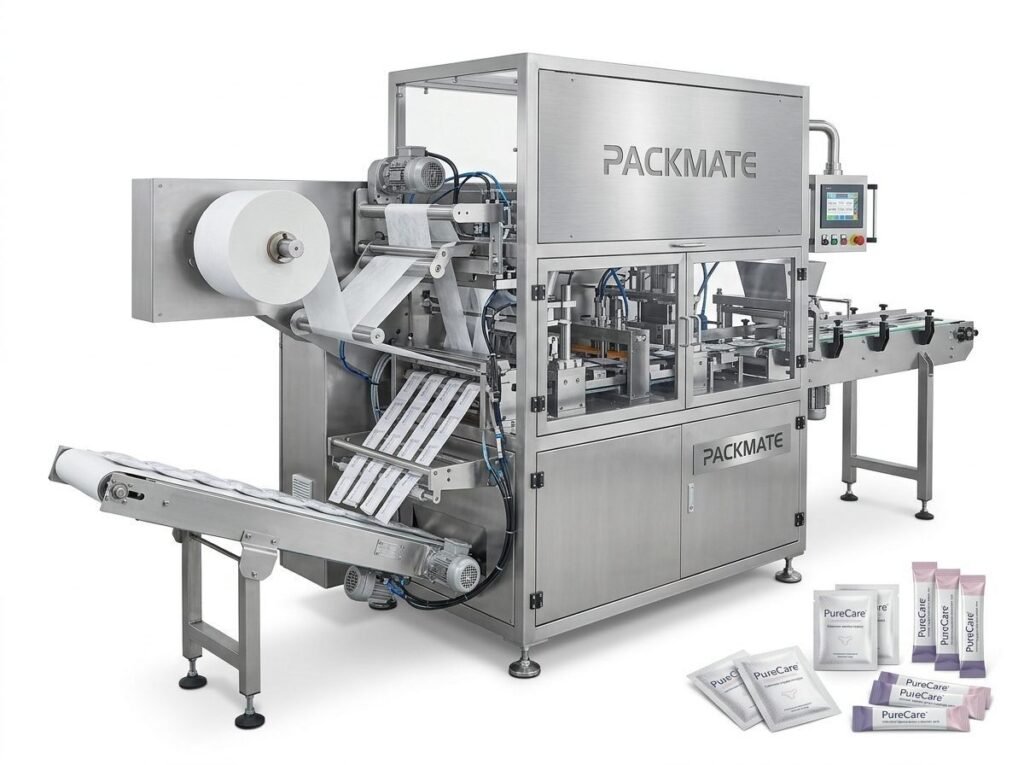
These machines are the industry standard for individually wrapping chocolate bars and tablets. The process involves feeding the tablet into a forming collar where a roll of film is shaped around it. The longitudinal seal is created, followed by end seals that are crimped and cut. Modern flow wrappers offer precise temperature control for sealing and can integrate checkweighers and metal detectors for quality assurance. For a robust selection of primary packaging solutions, explore our range of Bag & Pouch Packaging Machines which include advanced flow wrapping technologies.
Cartoning Machines
After individual wrapping, tablets are often grouped and placed into cartons or boxes. Automatic cartoning machines erect pre-glued cartons, insert the product (sometimes with leaflets), and close the flaps. For premium chocolate brands, the carton is a significant part of the unboxing experience, requiring machines that handle materials with high precision and care.
End-of-Line Solutions: Bundling & Case Packing
For shipping and retail display, wrapped cartons are grouped into multi-packs via shrink wrapping or tray packing. Case packers then automatically load these bundles into shipping cases. This stage is vital for logistics efficiency. Our integrated Filling & Packaging Lines are designed to seamlessly connect primary wrapping with secondary and tertiary packaging stages.
Critical Features in a High-Performance Packaging Machine
Not all packaging machines are created equal. When investing in equipment for chocolate, several features are non-negotiable for ensuring product integrity and line productivity.
Essential Machine Specifications:
Precision Servo Drives: Ensure accurate film feeding, cutting, and product placement, minimizing waste and ensuring consistent seal quality.
Gentle Product Handling Systems: Look for soft-touch belts, low-friction guides, and carefully designed transfer points to prevent product damage.
Advanced Thermal Controls: Precise temperature management for sealing jaws is critical for creating strong, hermetic seals without burning the film or affecting the chocolate.
Quick Changeover Capability: Tools-less or quick-change parts allow for fast switching between different tablet sizes or packaging formats, maximizing uptime.
Hygienic Design: Easy-clean surfaces, minimal crevices, and food-grade materials are essential for maintaining food safety standards.
Designing Your Complete Packaging Line Solution
A single machine is rarely sufficient. A complete, turnkey line integrates multiple systems into a synchronized workflow. A typical line might start with a feeding system that orients the tablets, followed by the flow wrapper. An integrated checkweigher rejects under or over-weight packs. The wrapped tablets then move to a collator, which groups them for entry into the cartoner. Finally, a case packer prepares the cartons for palletizing. Partnering with a manufacturer that provides end-to-end solutions ensures compatibility between all line components and simplifies service and support. Discover how Packmate approaches holistic solutions on our About Us page, detailing our philosophy of complete turnkey projects.
The Role of Ancillary Equipment
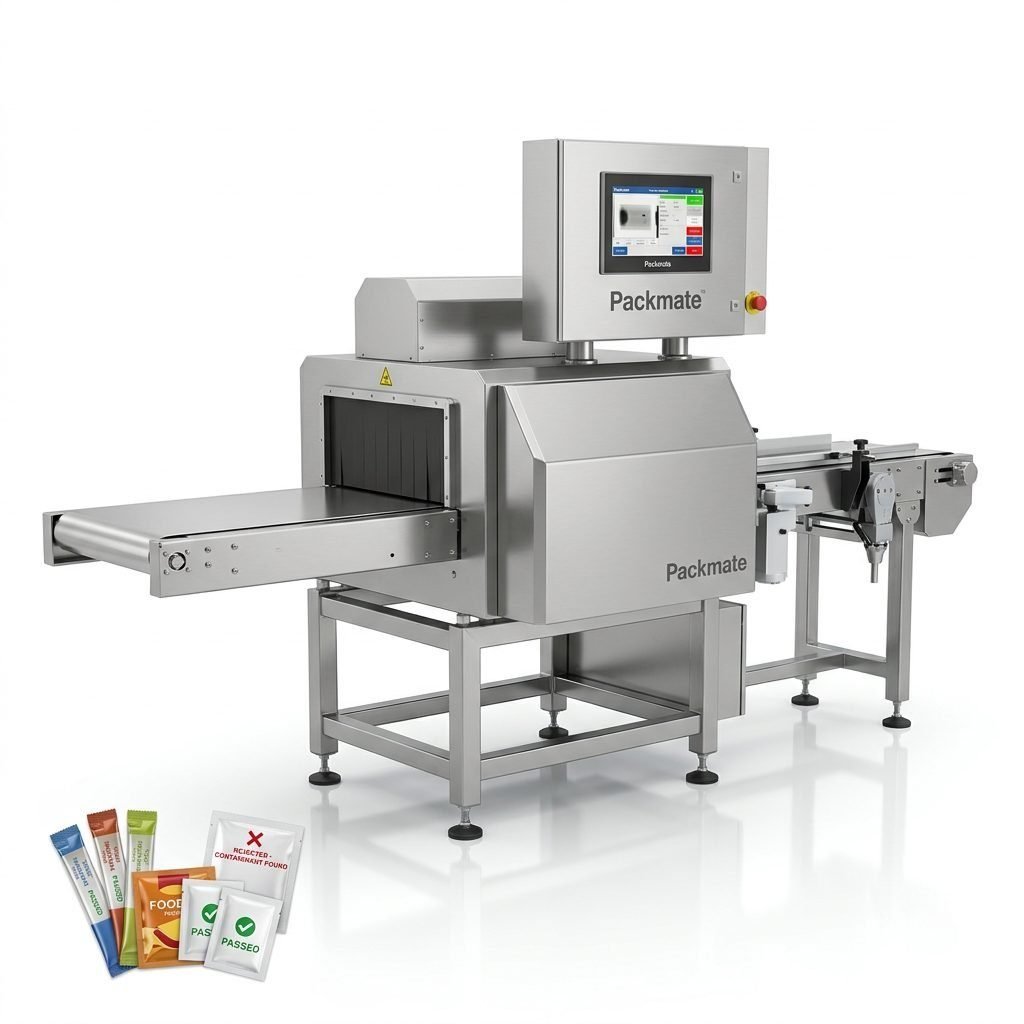
Supporting equipment is vital for line efficiency. This includes film unwind units with tension control, code printers and vision systems for date/batch coding and inspection, and rejection systems for faulty packs. Effective integration of this Auxiliary Packaging Equipment is what transforms a collection of machines into a reliable production asset.
Choosing the Right Partner: Beyond the Machine
The manufacturer you choose is as important as the machine specifications. Look for a partner with proven experience in the food and confectionery sector. They should offer comprehensive support, including:
- Customization: Ability to tailor the machine to your specific tablet dimensions, packaging materials, and output speed.
- Testing and Validation: Offering factory acceptance tests (FAT) with your actual product and packaging materials.
- Training and Documentation: Thorough training for your operators and maintenance technicians.
- Global Service and Parts Network: Ensuring prompt technical support and availability of spare parts to minimize downtime.
With over 30 years of expertise and a modern 20,000㎡ facility, Packmate Machinery embodies this partner approach, dedicated to providing reliable and intelligent packaging solutions from initial consultation to ongoing service.
Summary and Key Takeaways
Investing in a chocolate tablet packaging machine is a strategic decision that extends far beyond the purchase of equipment. It involves selecting the right technology (like horizontal flow wrappers), ensuring it has critical features for gentle handling and precise sealing, and integrating it into a complete line with ancillary systems. Most importantly, it requires partnering with an experienced manufacturer who can deliver a customized, turnkey solution backed by strong support. By focusing on these areas, manufacturers can achieve a packaging operation that ensures product quality, maximizes efficiency, and strengthens brand presence in the marketplace.
Frequently Asked Questions (FAQs)
1. What is the typical output speed of a chocolate tablet flow wrapper?
Speeds vary based on machine model and tablet size. Standard machines can range from 200 to 500 packs per minute. High-speed models can exceed 700 packs per minute. The optimal speed depends on your production volume, packaging material, and required precision.
2. Can one machine handle different sizes of chocolate tablets?
Yes, most modern machines are designed for quick changeover. By changing the forming collar, feed chain, and sometimes sealing jaws, a single machine can be adjusted to accommodate different tablet dimensions and thicknesses, often in under 30 minutes.
3. What packaging film is best for chocolate tablets?
High-barrier films are essential. Common choices include metallized polypropylene (PP), polyethylene (PE) laminates, or polyester (PET)-based films. The best material depends on the required shelf life, moisture/oxygen barrier needs, and the machinability on your specific equipment. Your machine supplier can recommend compatible materials.
4. How important is a checkweigher in the packaging line?
Extremely important. An in-line checkweigher ensures every pack meets weight regulations, preventing under-weight products (which are illegal in many markets) and over-weight products (which cost you in giveaway). It is a critical tool for quality control and cost management. Explore our Weighing & Packaging Systems for integrated solutions.
5. What kind of after-sales support should I expect?
Comprehensive support should include installation supervision, operator and maintenance training, a detailed parts manual, and access to a responsive technical service team. Ensure your supplier offers remote support capabilities and maintains an inventory of commonly needed spare parts to ensure your line’s uptime.