In the world of physical media and specialized packaging, DVD packaging machines remain a critical component for manufacturers, distributors, and businesses involved in media production, software distribution, or promotional material. Selecting the right machine is paramount for efficiency, cost-effectiveness, and product presentation. This guide delves into the various types of DVD packaging machines available and provides essential buying tips to help you make an informed investment.
Understanding DVD Packaging Machines
DVD packaging machines automate the process of placing discs into cases, sleeves, or other protective containers. This automation is crucial for high-volume operations, ensuring consistency, reducing labor costs, and minimizing handling damage. The core function involves precise picking, placing, and sealing—a process that demands reliability and accuracy from the equipment.
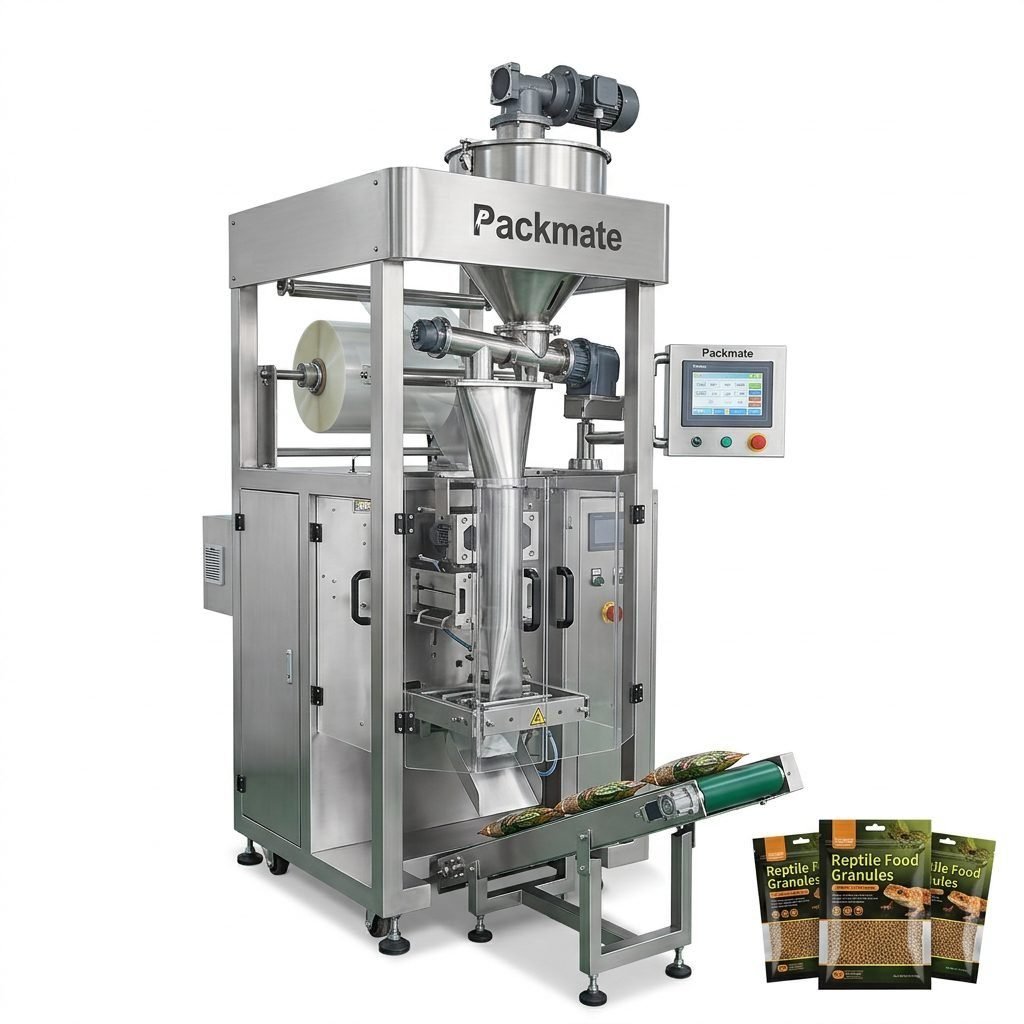
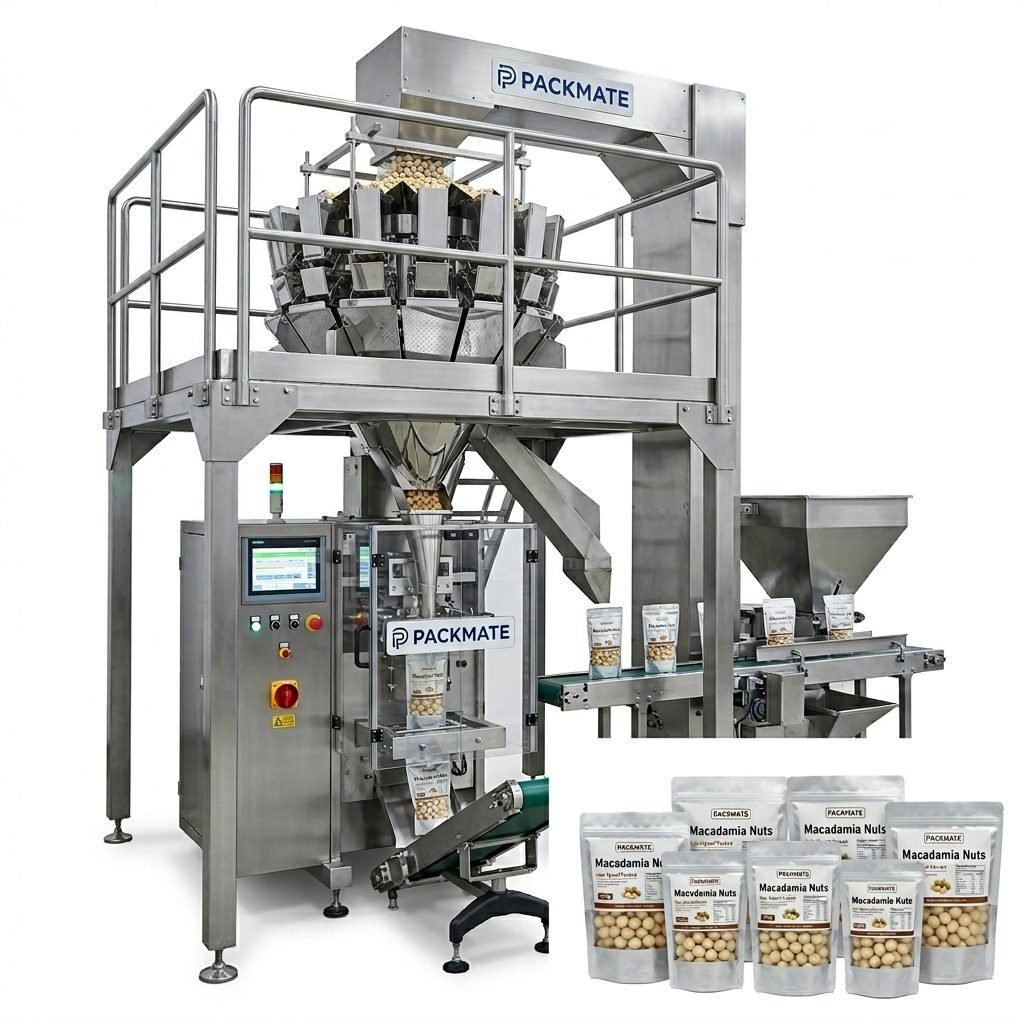
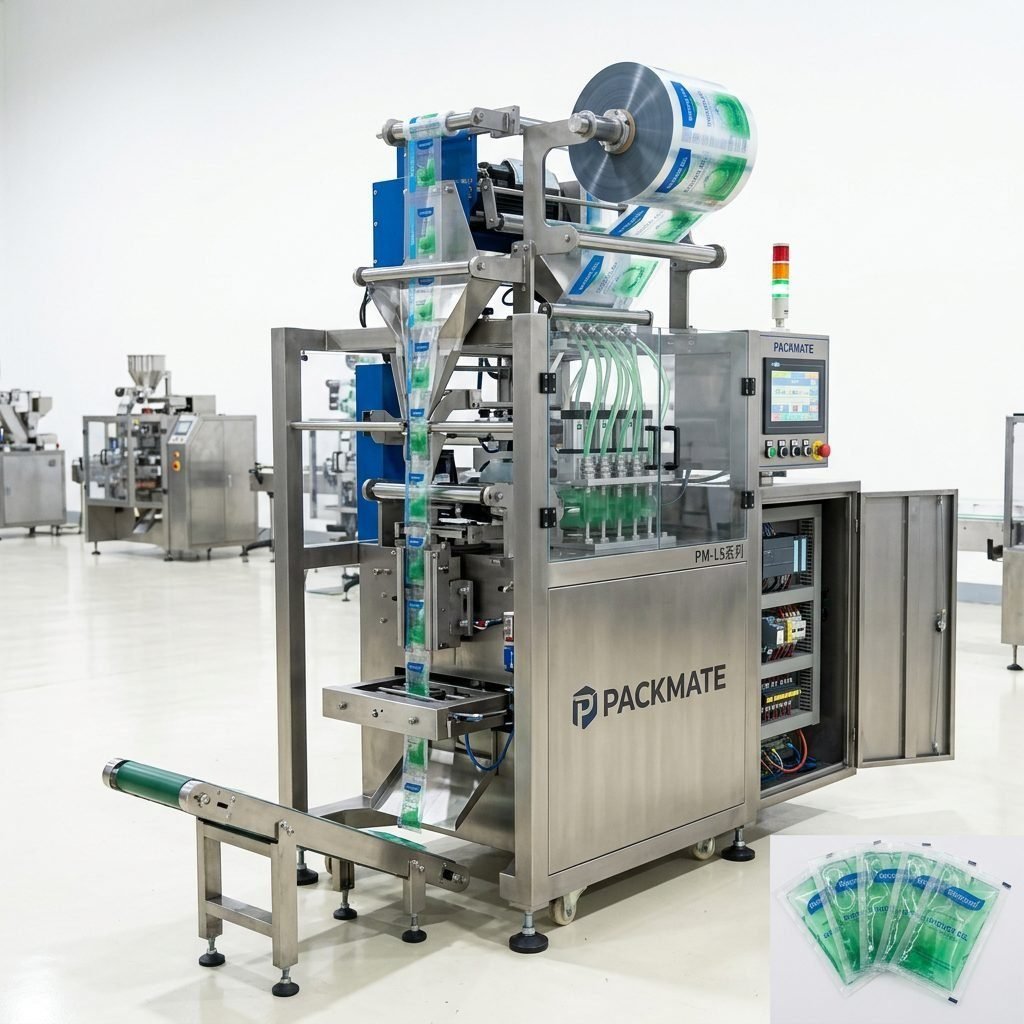
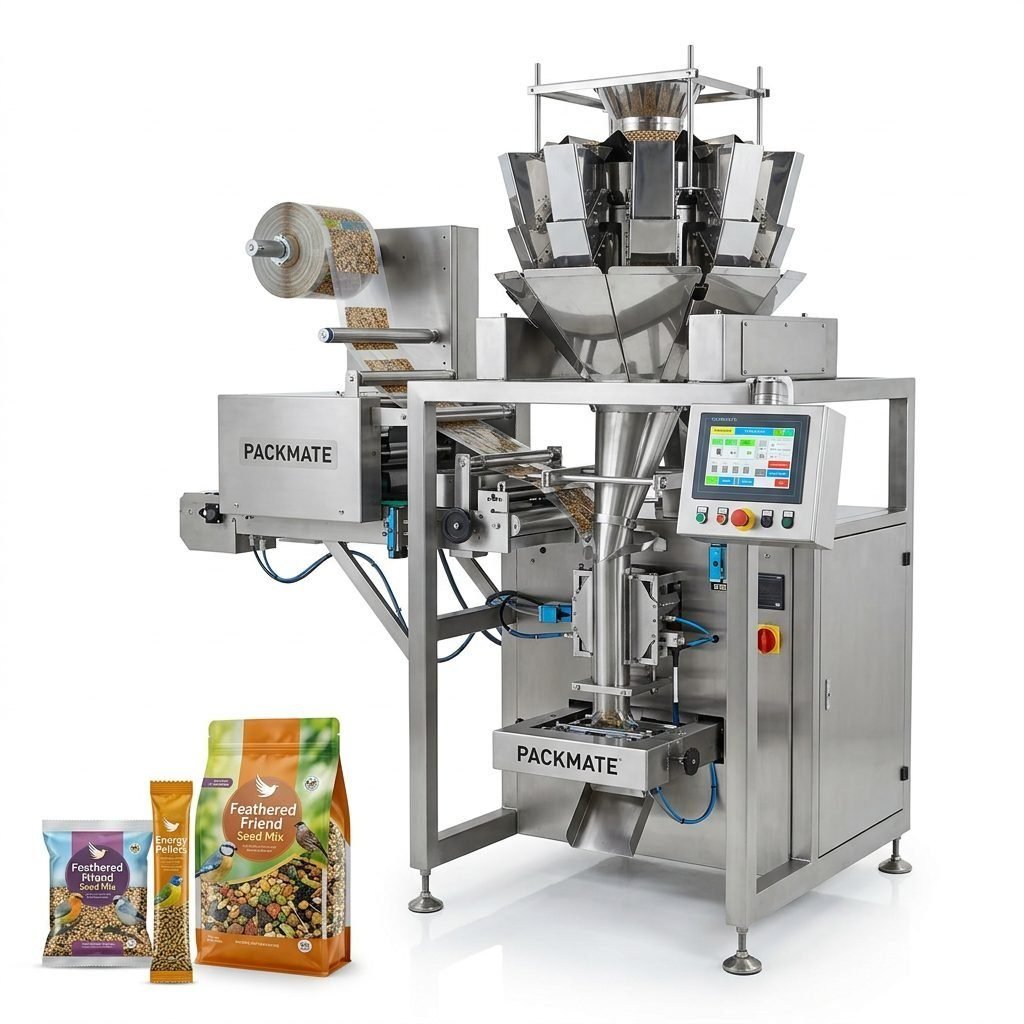
For businesses looking beyond DVD-specific machinery to broader packaging solutions, exploring a range of bag & pouch packaging machines can offer insights into versatile automation technologies applicable across different product types.
Primary Types of DVD Packaging Machines
The market offers several machine types, each suited to different packaging formats and production scales. Understanding these categories is the first step in narrowing down your options.
1. Disc Insertion Machines
These are the workhorses of DVD packaging. They are designed to pick a disc from a stack and accurately place it into the hub of a DVD case (like Amaray cases) or a cardboard sleeve. High-speed models can handle thousands of units per hour. Key considerations include the machine’s compatibility with different case sizes and its tolerance for disc variations.
2. Case Closing and Sealing Machines
Once the disc is inserted, these machines automate the closing of the case and the application of a security seal or shrink wrap. This step is vital for retail-ready products, providing tamper evidence and a polished finish. Some advanced systems integrate both insertion and sealing into a single, continuous line.
3. Sleeve Packaging Systems
For eco-friendly or cost-sensitive projects, cardboard or paper sleeves are a popular alternative to plastic cases. Sleeve packaging machines fold and glue the sleeve around the disc. These systems are often simpler and faster than case-based systems but require precise folding mechanics to avoid damaging the disc surface.
4. Complete Turnkey Packaging Lines
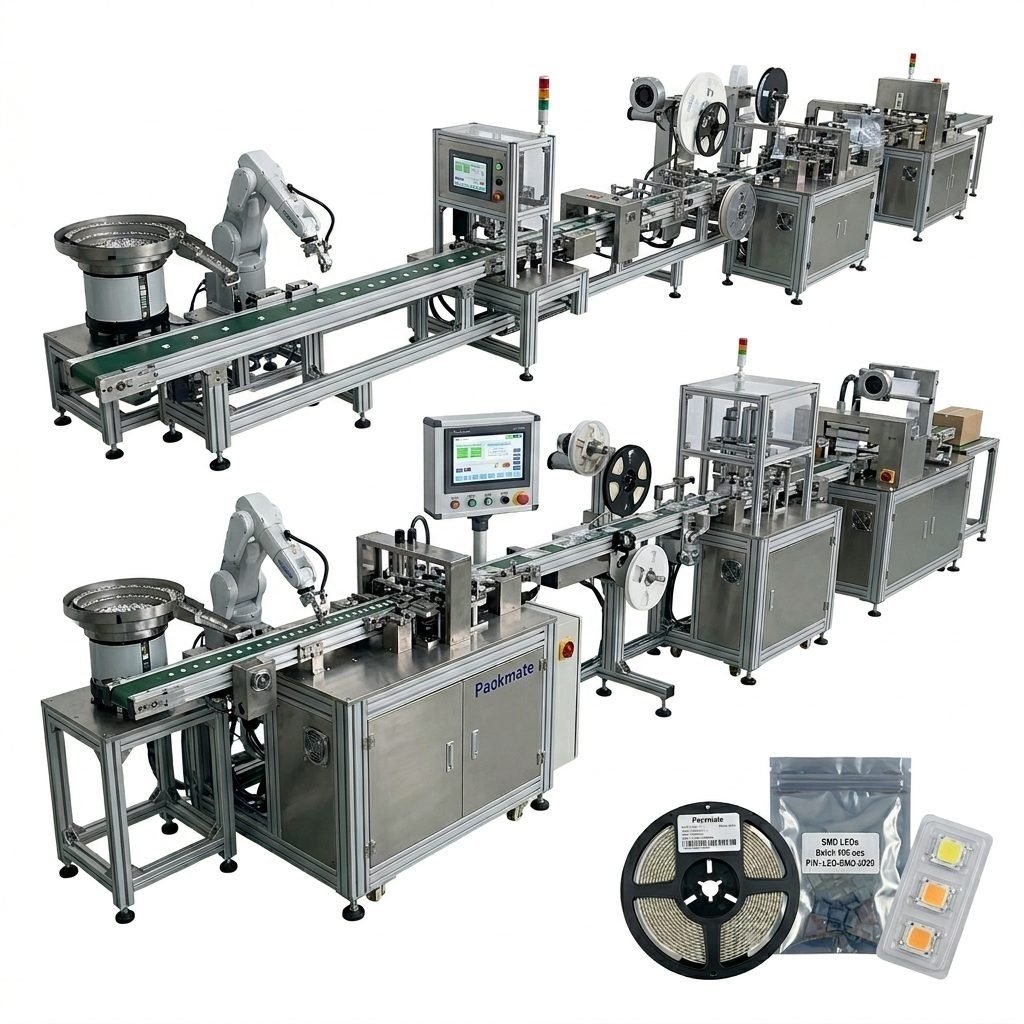
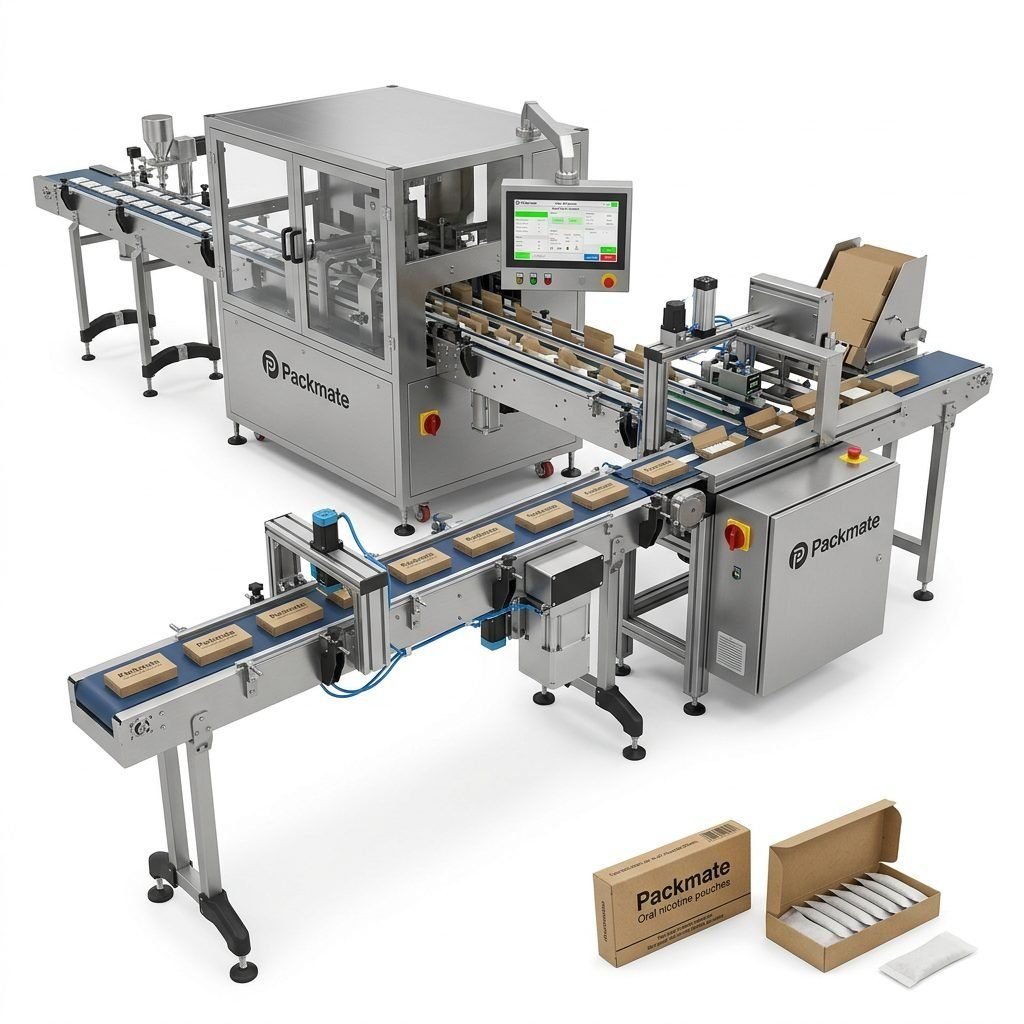
For large-scale production, a fully integrated line is the ultimate solution. These lines combine disc insertion, booklet/leaflet insertion, case closing, sealing, and even cartoning into one automated process. Investing in a turnkey line, similar to the comprehensive filling & packaging lines offered for other industries, maximizes throughput and minimizes manual intervention.
Critical Buying Tips for Your Investment
Purchasing a DVD packaging machine is a significant decision. Here are the key factors to evaluate to ensure you choose equipment that delivers a strong return on investment.
Assess Your Production Volume and Speed Requirements
Clearly define your current and projected output. Machines are rated by units per hour (UPH). A benchtop semi-automatic machine might suffice for small batches or variable jobs, while dedicated, high-speed automatic lines are necessary for mass production. Over-specifying can lead to unnecessary capital expenditure, while under-specifying creates bottlenecks.
Evaluate Machine Flexibility and Changeover Time
If you package DVDs in multiple case styles (single, double, digipak) or sizes, machine flexibility is non-negotiable. Investigate how quickly and easily the machine can be adjusted for different formats. Long changeover times drastically reduce overall equipment effectiveness (OEE). Look for machines with quick-change parts and user-friendly adjustment mechanisms.
Focus on Reliability and Build Quality
Downtime is the enemy of productivity. Prioritize machines built with robust components—high-grade metals, precision actuators, and durable drives. Research the manufacturer’s reputation for reliability. A machine from an established provider with a track record of quality, such as Packmate Machinery known for its over 30 years in packaging solutions, often proves more cost-effective in the long run despite a potentially higher initial price.
Consider Integration with Existing Workflow
The machine should seamlessly integrate with your upstream and downstream processes. Check compatibility with your disc feeders, case conveyors, and labeling systems. Consider the footprint and utility requirements (electrical, compressed air). Planning for integration upfront prevents costly modifications later.
Prioritize After-Sales Support and Service
Technical support, availability of spare parts, and comprehensive training are critical. Ensure the supplier offers reliable service and has clear documentation. A strong support network minimizes downtime if issues arise. Reviewing a manufacturer’s service commitments can provide peace of mind for your long-term operational needs.
Analyze the Total Cost of Ownership (TCO)
Look beyond the purchase price. Calculate TCO by factoring in energy consumption, maintenance costs, required consumables (like seals or glue), and potential upgrade paths. A slightly more expensive machine with lower operating costs and higher reliability often provides better value.
Future-Proofing Your Packaging Operation
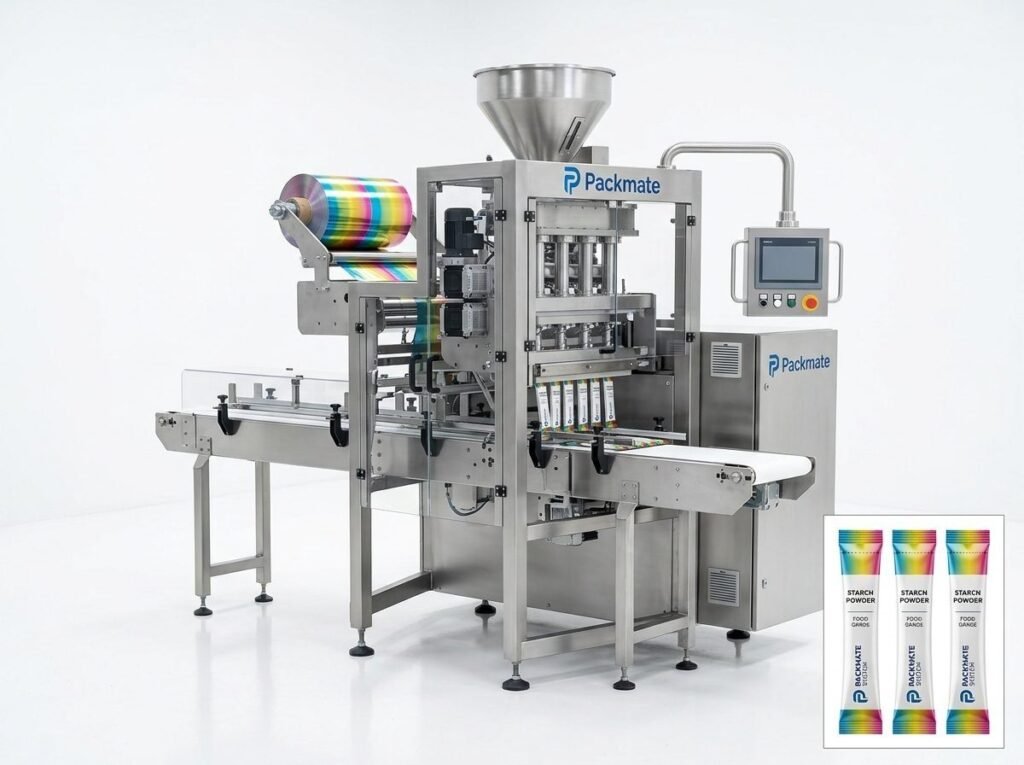
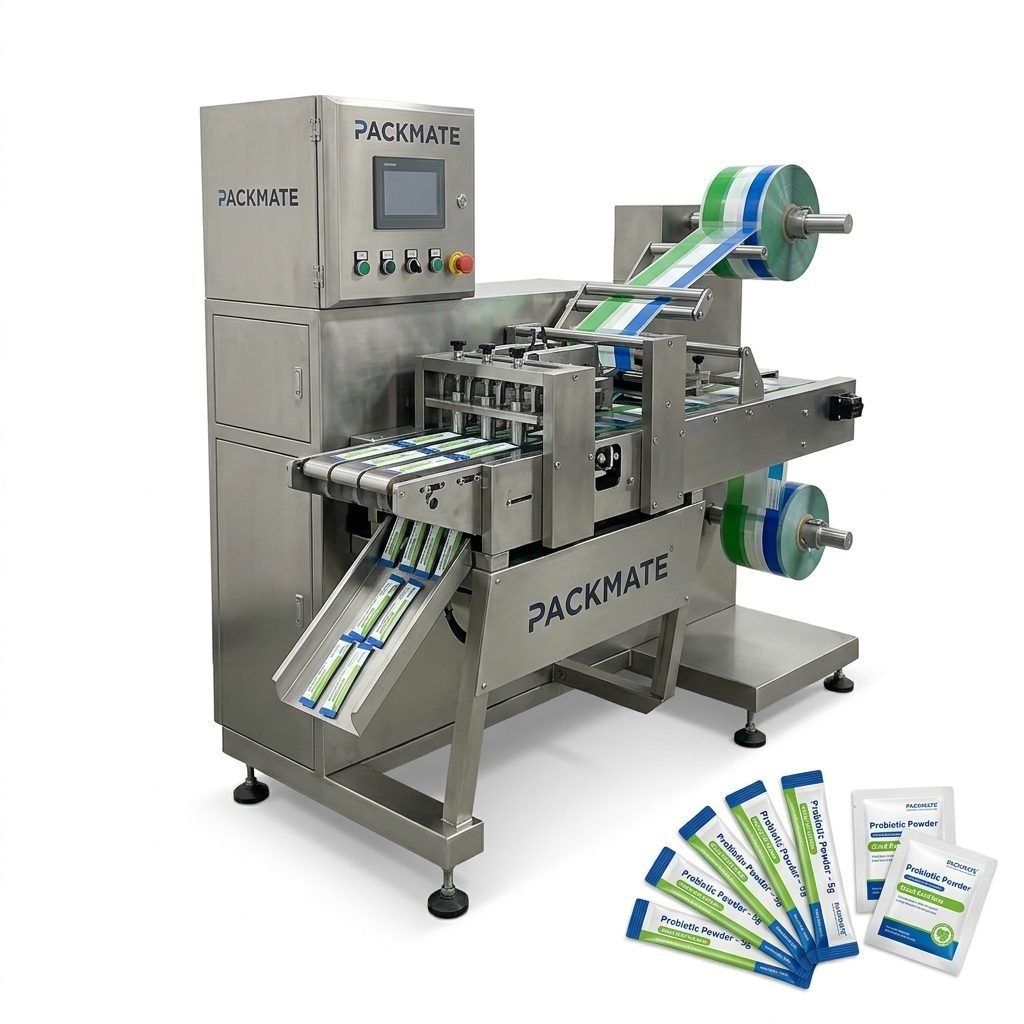
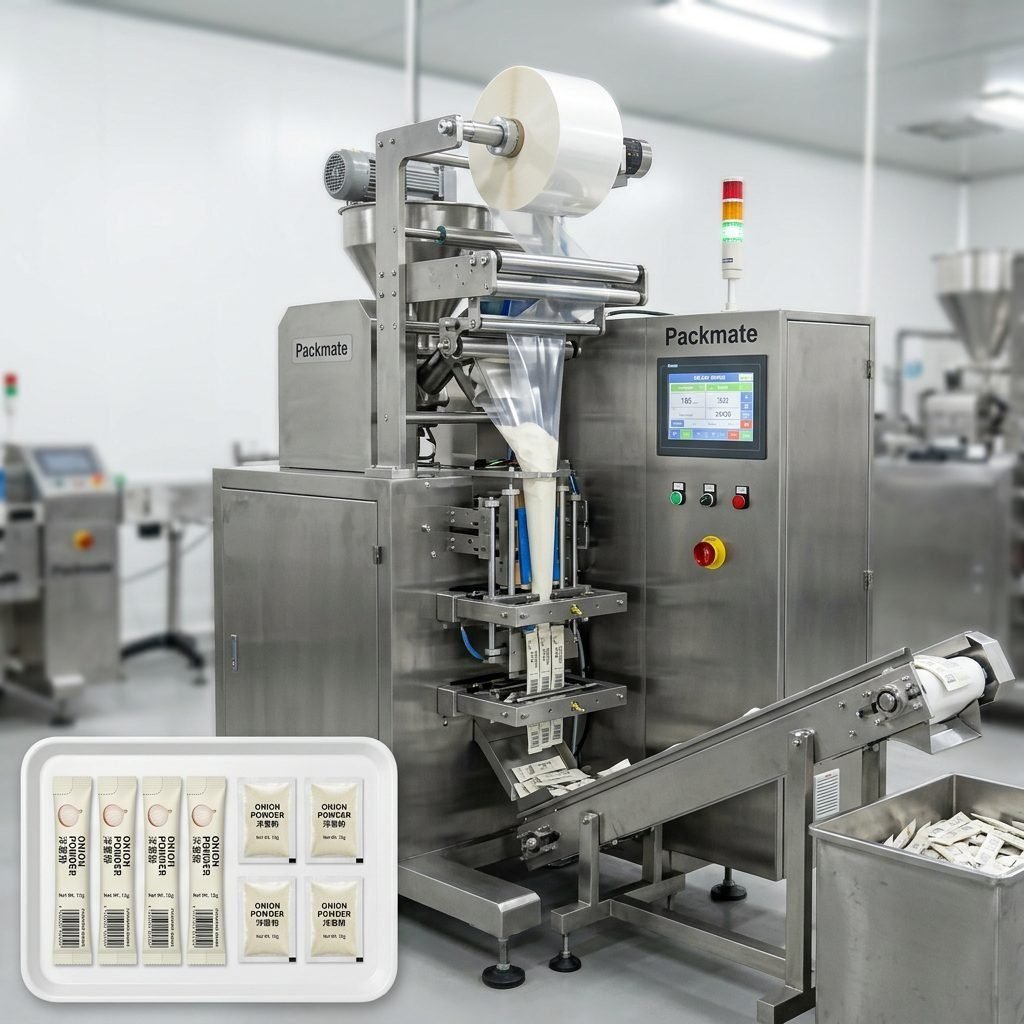
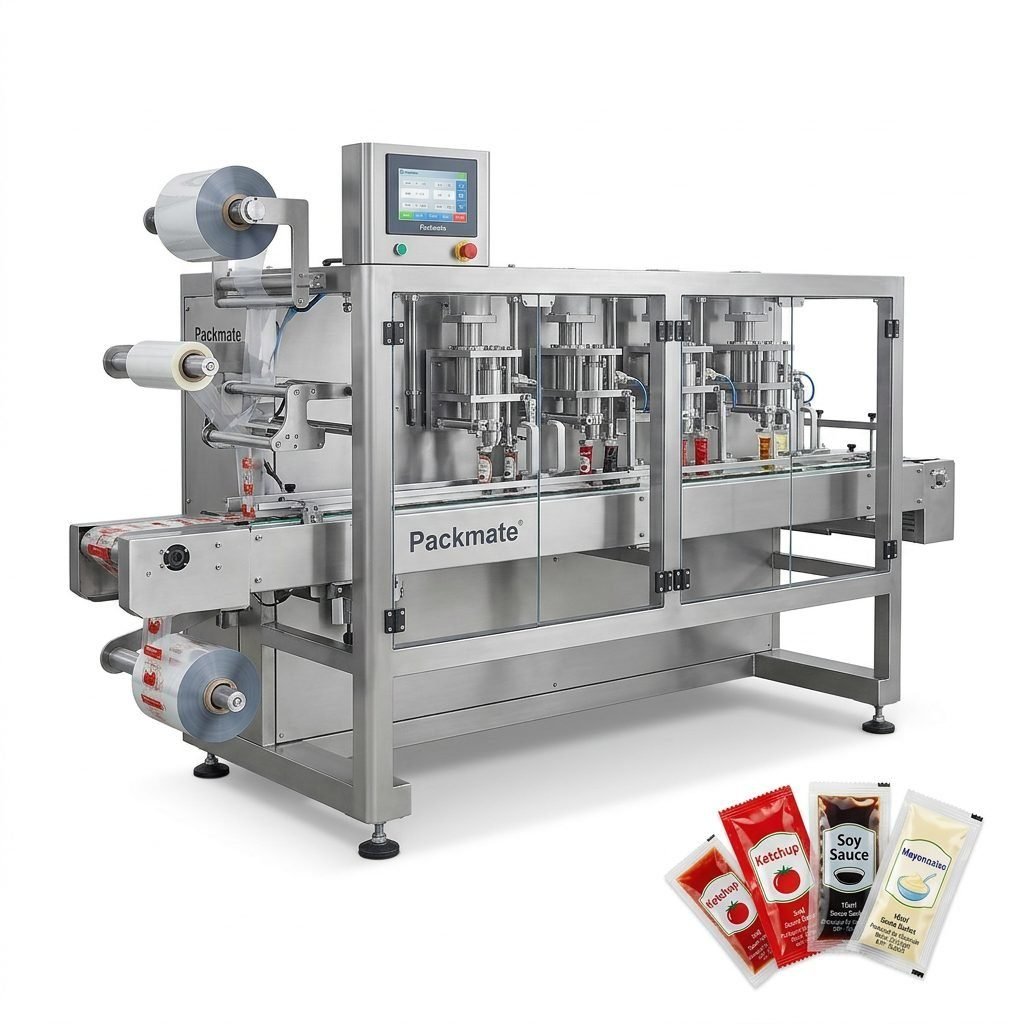
The media landscape evolves, and so might your packaging needs. While DVDs are specific, the principles of automation apply broadly. The expertise behind specialized DVD packaging mirrors the engineering found in other precision packaging sectors, such as sachet & stick pack machines for food or pharmaceuticals. Investing in a machine from a company with broad engineering expertise can offer advantages in support and adaptability.
Ultimately, the right DVD packaging machine balances speed, flexibility, reliability, and cost. By thoroughly analyzing your requirements against the types of machines available and rigorously applying the buying tips outlined, you can secure equipment that enhances your operational efficiency and protects your product quality for years to come.
Frequently Asked Questions (FAQs)
What is the typical output speed of an automatic DVD packaging machine?
Speeds vary widely. Entry-level automatic machines may operate at 1,000-2,000 units per hour (UPH), while high-end, integrated lines can exceed 6,000 UPH. Your required speed should be based on peak production demands with some capacity headroom.
Can one machine handle different DVD case sizes and styles?
Many machines are designed with flexibility in mind. Look for models with adjustable guides, interchangeable pick-up heads, and programmable settings. However, switching between vastly different formats (e.g., a standard Amaray case to a slim-line case) may require a changeover kit or partial disassembly, impacting changeover time.
How important is machine automation for a small business?
Even for small businesses, automation reduces repetitive strain on employees, ensures consistent packaging quality, and frees up staff for higher-value tasks. Semi-automatic machines, where an operator feeds cases and the machine inserts discs, offer a cost-effective middle ground that boosts productivity without a full automation investment.
What are the most common maintenance requirements?
Regular maintenance typically includes cleaning optical sensors and vacuum pick-up heads, lubricating moving parts as specified by the manufacturer, checking belt tensions, and inspecting wear parts like grippers and guides. A preventative maintenance schedule is crucial to avoid unplanned downtime.
Where can I find technical support or spare parts for my machine?
This should be a key factor in your purchasing decision. Choose a supplier or manufacturer with a proven track record of customer support. Before buying, confirm the availability of spare parts, the terms of the warranty, and the responsiveness of their technical support team, whether locally or internationally based.