In the fast-paced world of food processing, efficiency, hygiene, and product integrity are non-negotiable. For businesses handling ground meat—from beef and pork to poultry and beyond—the packaging stage is critical. Selecting the right ground meat packaging machine can dramatically impact your operation’s speed, cost-effectiveness, and compliance with stringent food safety standards. This guide delves into the best types of packaging machines for ground meat, exploring their features, benefits, and how they contribute to a streamlined, efficient production line.
Why Specialized Packaging is Crucial for Ground Meat
Ground meat presents unique challenges. It is highly perishable, prone to oxidation which leads to discoloration, and requires strict temperature control. Furthermore, consumer demand for fresh, visually appealing, and safely sealed products is higher than ever. Standard packaging equipment often falls short. Specialized ground meat packaging machines are engineered to address these specific issues. They often incorporate modified atmosphere packaging (MAP) technology, which replaces the air inside the package with a gas mixture (like carbon dioxide and nitrogen) to drastically extend shelf life and maintain the meat’s fresh, red color.
Key Benefit: Beyond preservation, the right machine ensures consistent portion control, reduces product giveaway, and provides a professional, leak-proof seal that builds brand trust and reduces waste throughout the supply chain.
Top Machine Types for Ground Meat Processing
The “best” machine depends on your production volume, package type, and budget. Here are the most effective systems used in the industry today.
1. Vertical Form-Fill-Seal (VFFS) Machines with Auger Filler
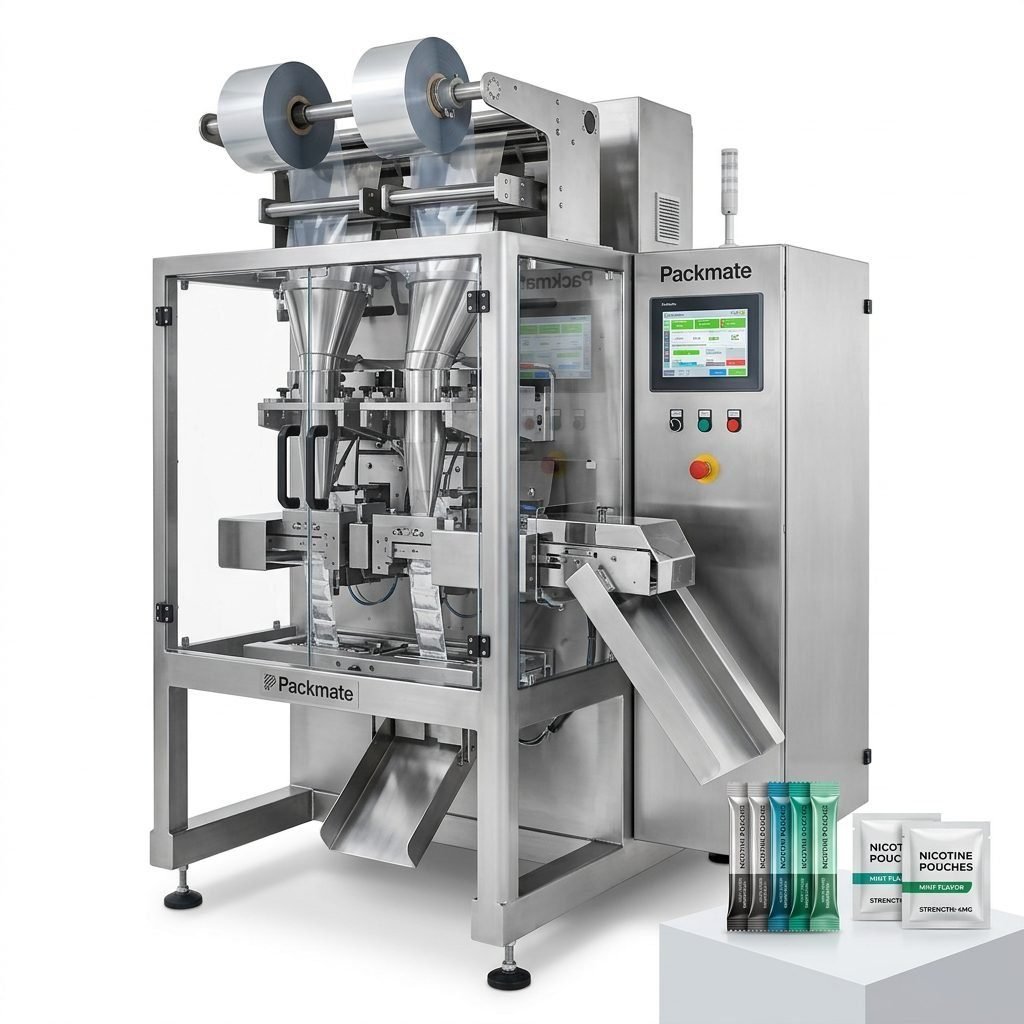
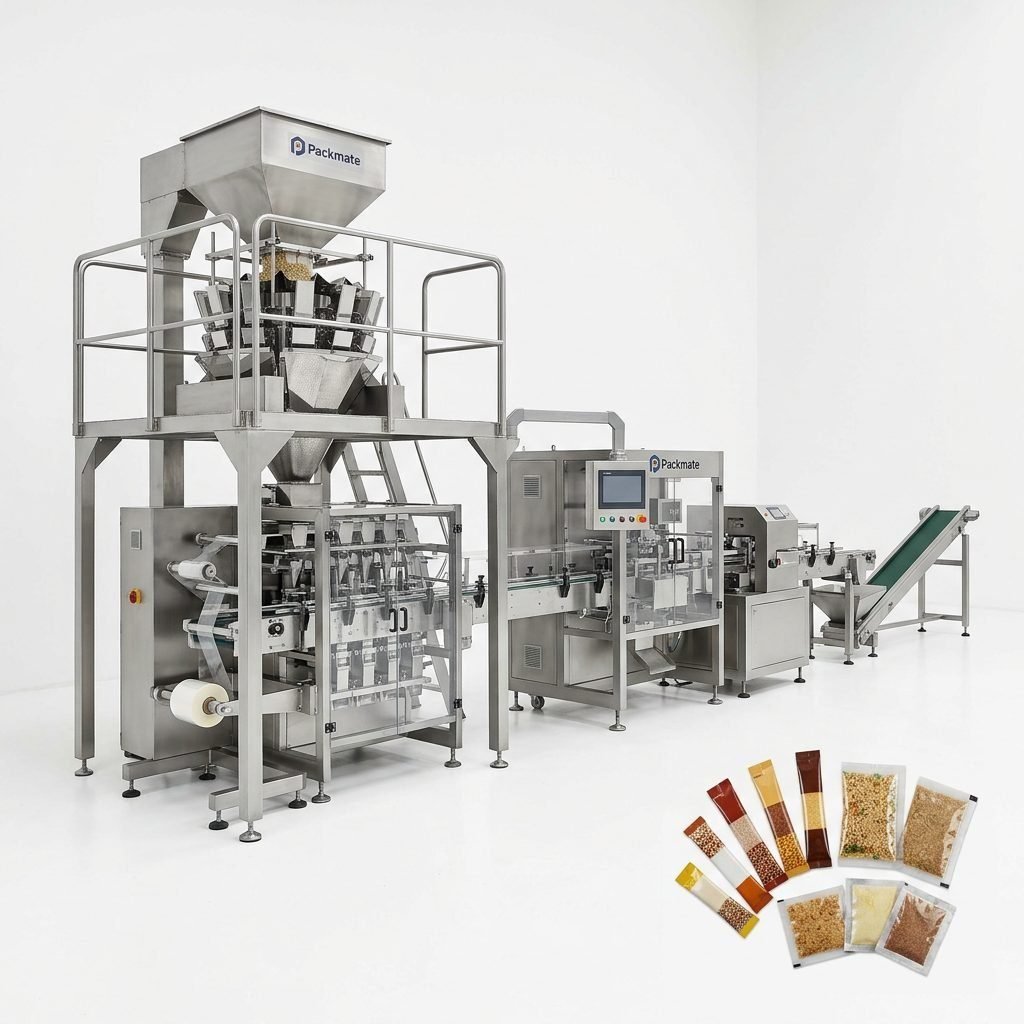
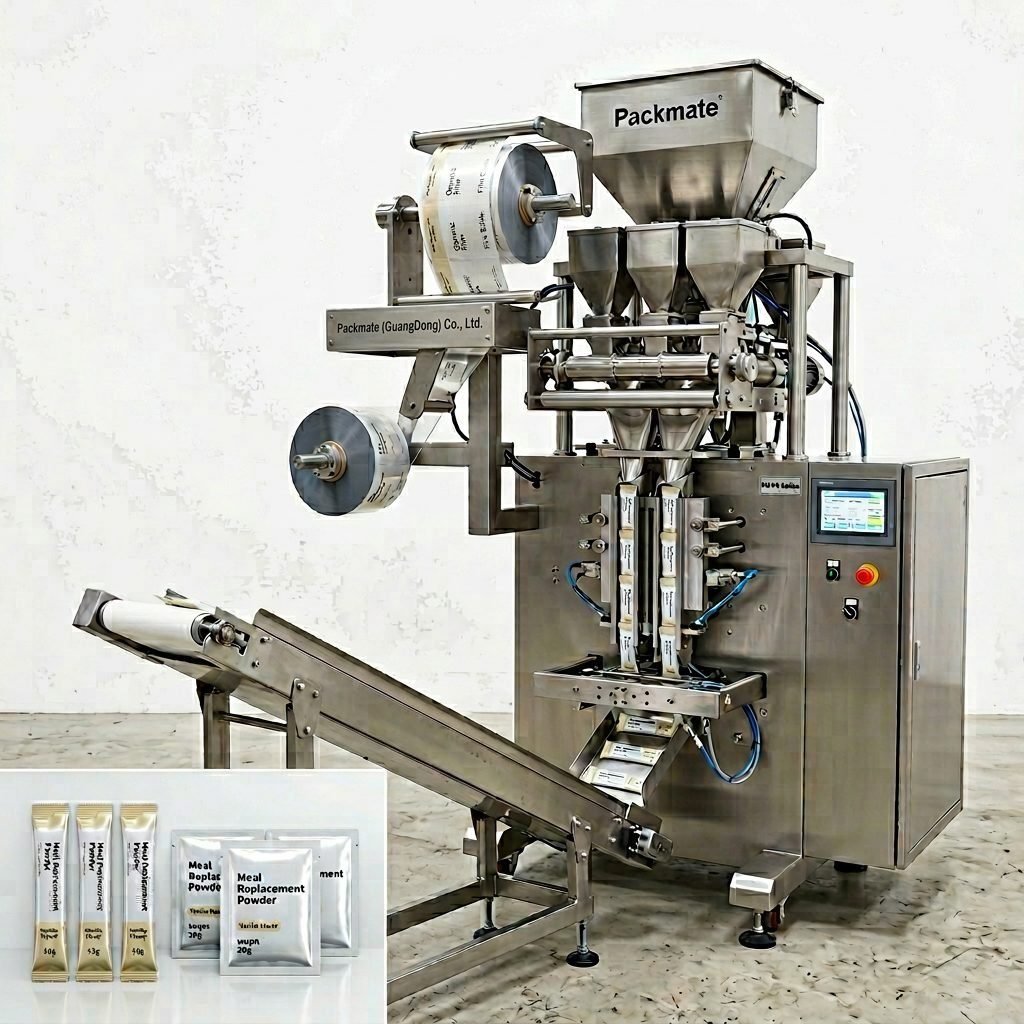
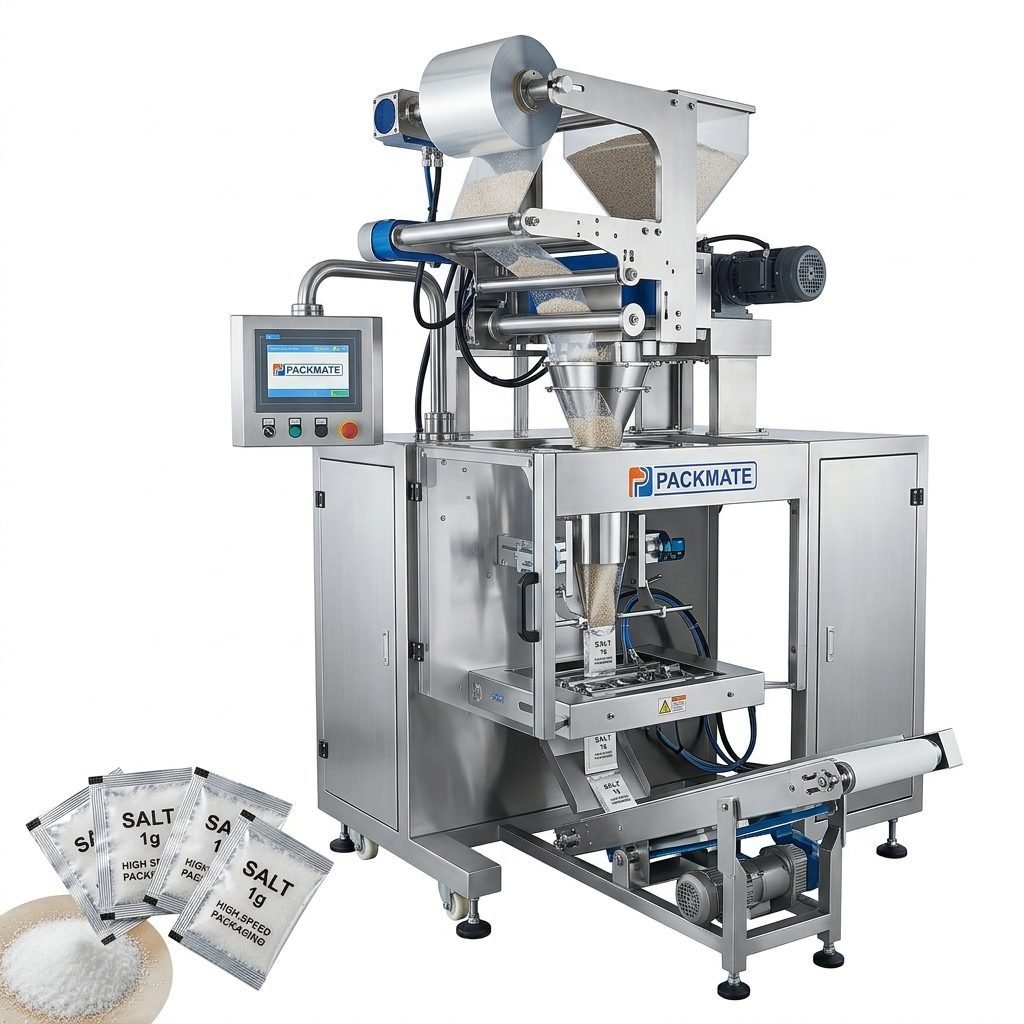
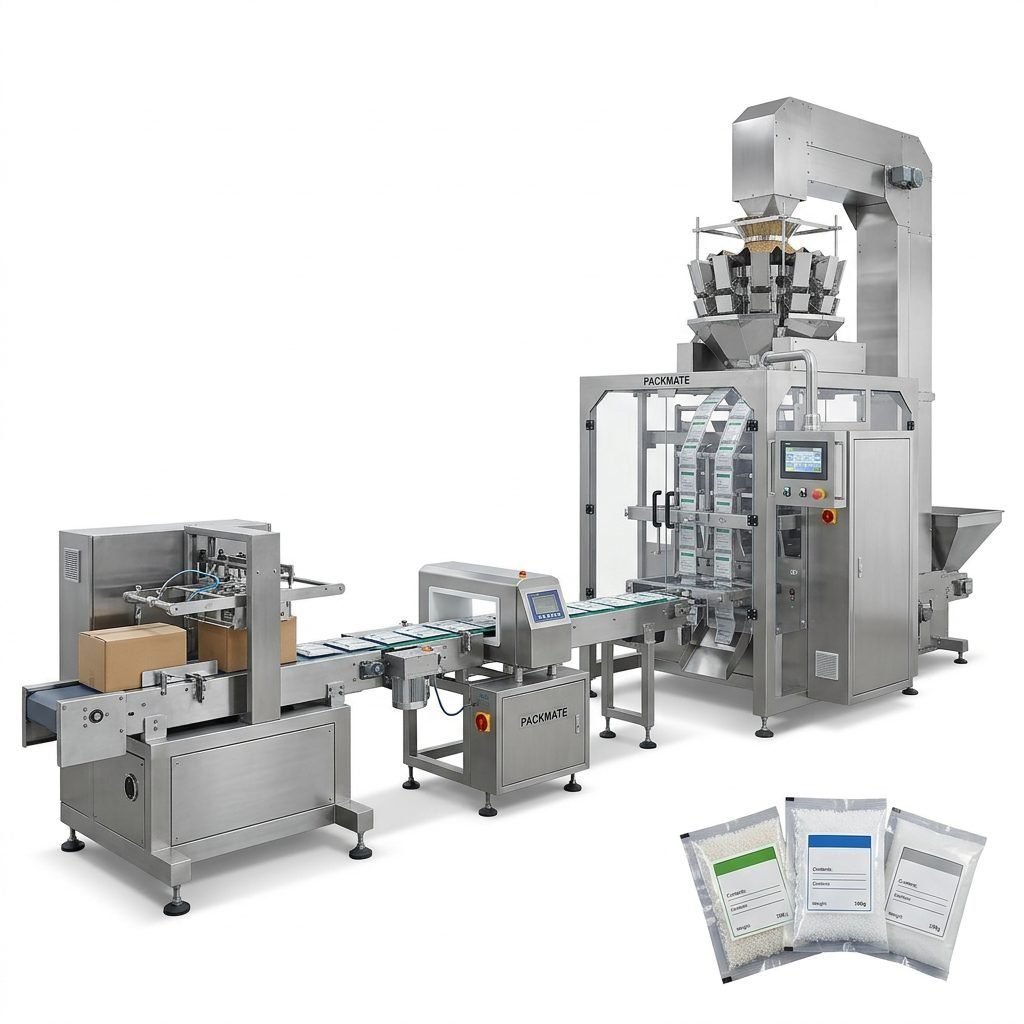
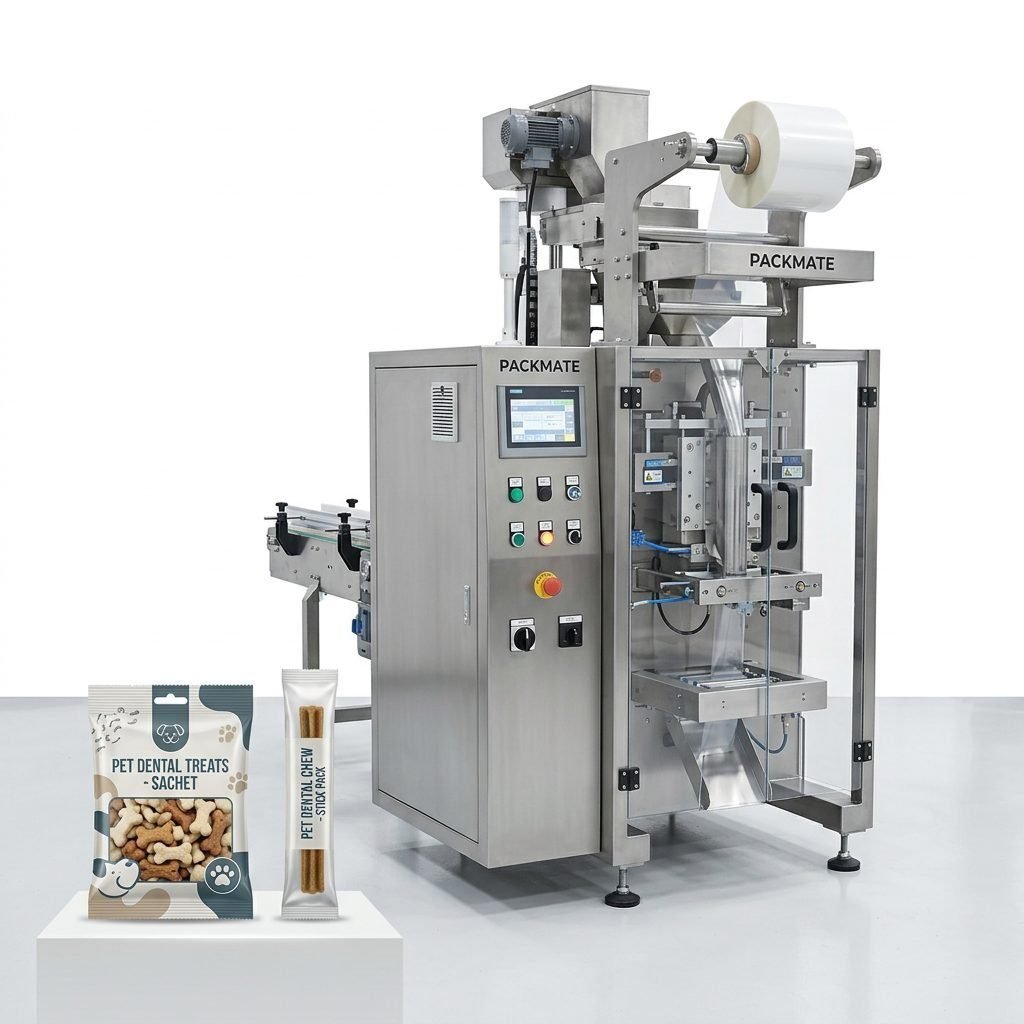
VFFS machines are the workhorses of the granular and semi-solid packaging world. For ground meat, they are often equipped with a specialized piston or auger filler designed to handle viscous, chunky products without damaging the texture. The machine forms a bag from a roll of film, fills it with a precise weight of meat, and seals it—all in one continuous, high-speed operation. This is ideal for producing retail-ready trays or pillow bags of ground meat. Companies like Packmate Machinery offer advanced VFFS solutions that integrate seamlessly into larger processing lines.
2. Tray Sealing Machines with MAP Capability
For pre-formed trays or clamshells, tray sealers are indispensable. The process involves placing a portion of ground meat into a tray, lidding it with a top film, and sealing it under a controlled atmosphere. This method is superior for maximizing shelf life and presenting the product attractively in supermarkets. Modern tray sealers are highly automated, with in-line denesters, precise gas flushing systems, and robust sealing mechanisms that ensure tamper-evident, secure packages.
3. Horizontal Form-Fill-Seal (HFFS) Machines
HFFS machines are typically used for more solid products but have evolved to handle ground meat in specific applications, such as forming and sealing chub packs (tube-shaped packages) or flat pillow packs. They offer excellent flexibility in package design and can run at very high speeds, making them suitable for large-scale operations focused on volume output of consistent packages.
Choosing the Right Partner: Beyond the Machine
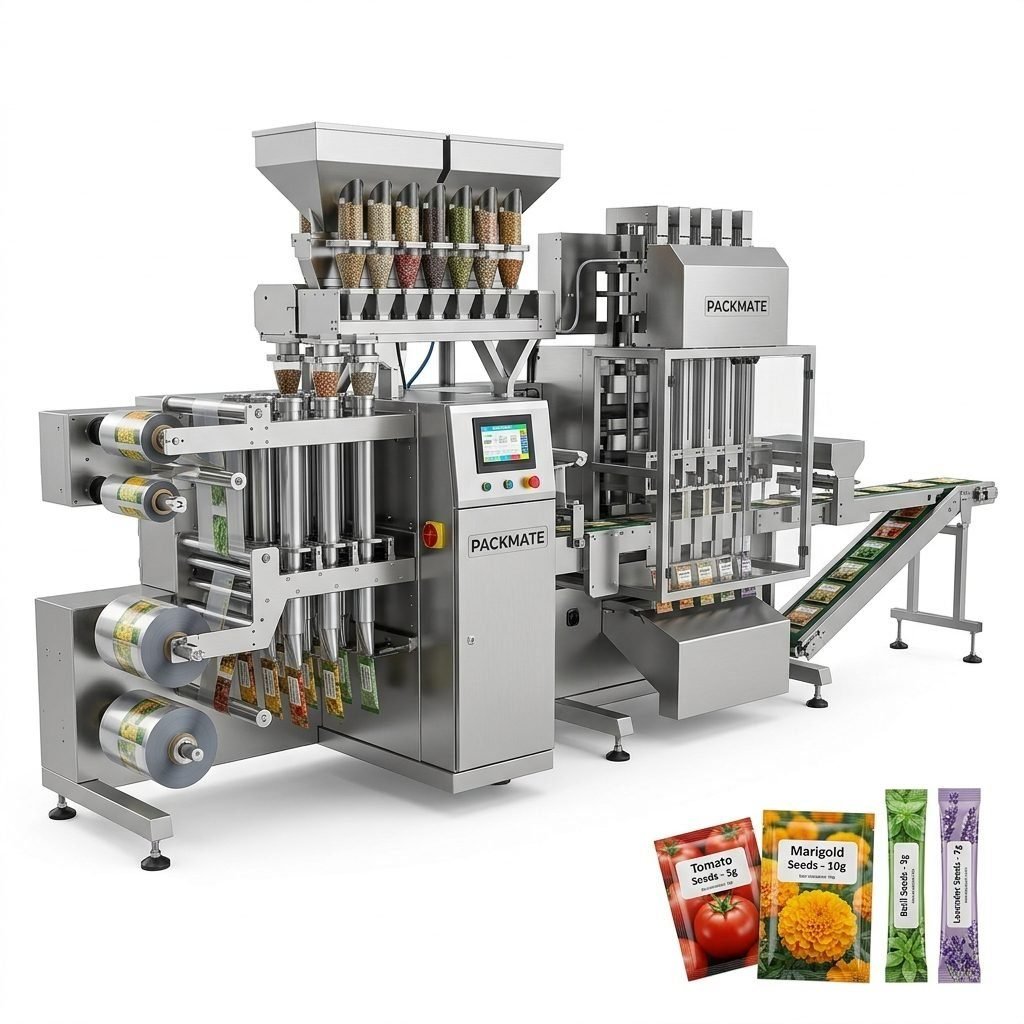
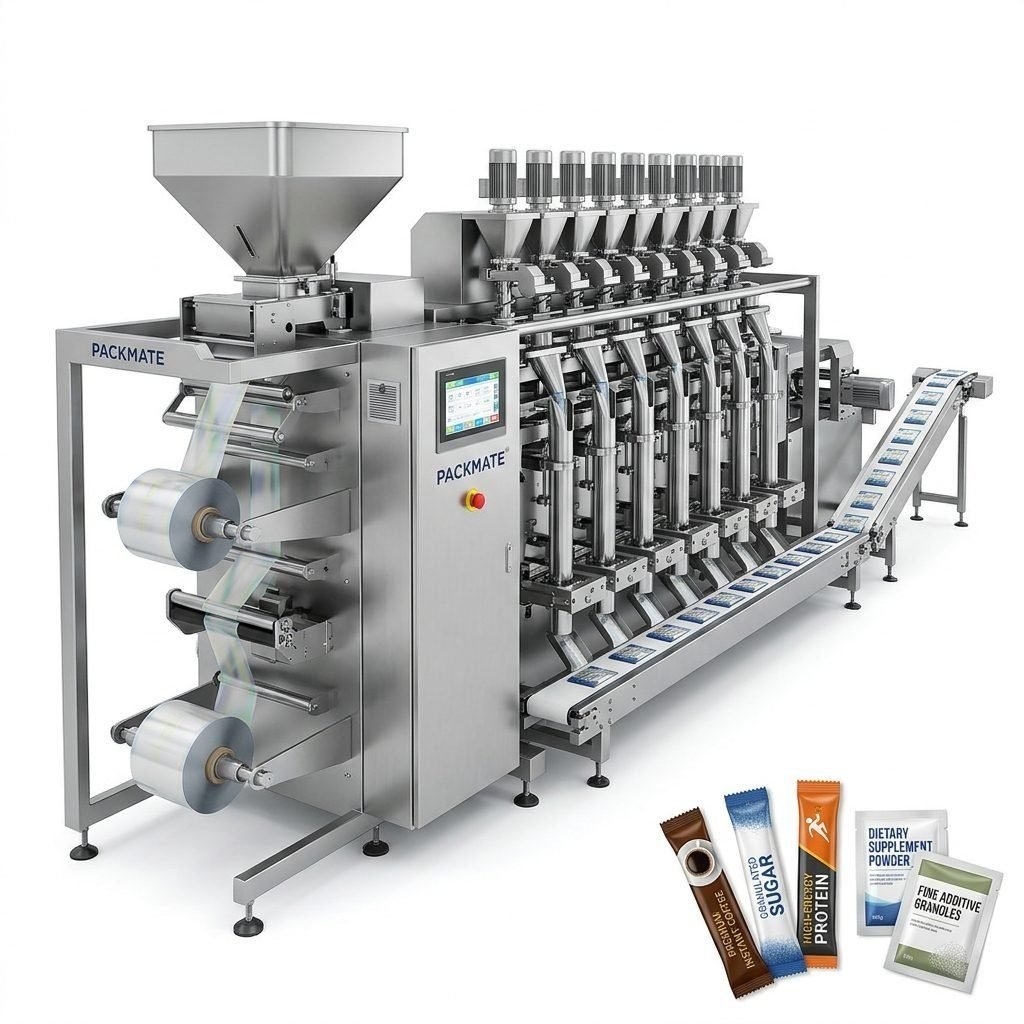
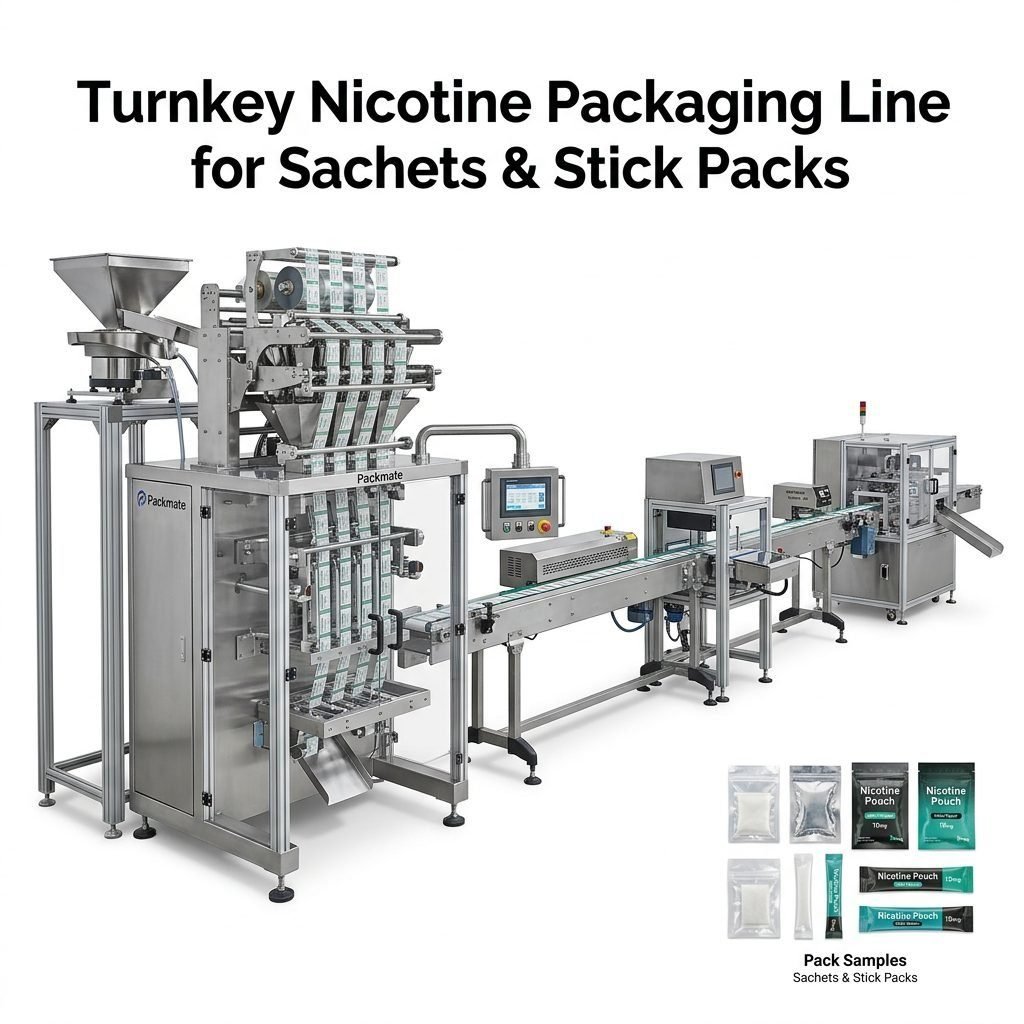
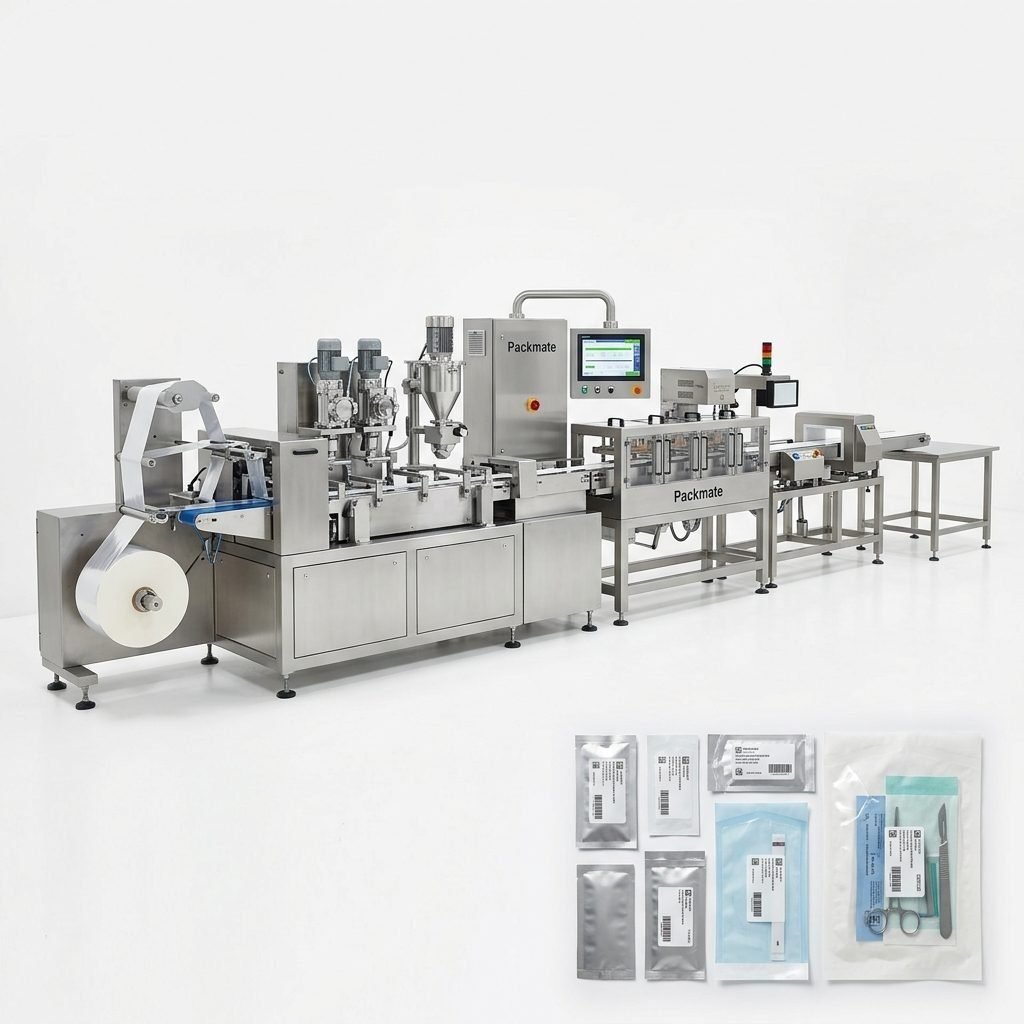
Investing in a packaging machine is investing in a partnership. The manufacturer’s expertise, support, and ability to provide a complete turnkey solution are as important as the machine’s specifications. A leader in this field, Packmate (GuangDong) Co., Ltd., exemplifies this approach. With over 30 years of expertise, they don’t just sell equipment; they deliver reliable, intelligent packaging solutions. Their 20,000㎡ modern facility and development of over 50 machine models, including complex multi-lane systems, demonstrate a capacity to handle the specific demands of food processors worldwide. Exploring their range of Filling & Packaging Lines can provide insights into integrated systems designed for efficiency.
Features to Prioritize for Ground Meat Applications
When evaluating machines, focus on these critical features:
- Sanitary Design: All surfaces should be easy to clean, with minimal crevices. Stainless steel construction (grade 304 or 316) is standard for food contact parts.
- Precision Weighing & Filling: Look for multi-head weighers or servo-driven piston fillers that ensure accurate weight control, crucial for cost management and regulatory compliance.
- Robust Sealing: The sealing jaws must create a strong, hermetic seal even through potential grease or juice contamination from the meat.
- Gas Flushing Efficiency: For MAP, the machine’s ability to achieve a low residual oxygen level (typically below 0.5%) is a key performance indicator.
- Ease of Changeover: Quick and tool-less changeovers between package sizes or types minimize downtime and increase line flexibility.
The Impact on Operational Efficiency
Implementing the best ground meat packaging machine transforms your operation. Automation reduces labor costs and human contact with the product, enhancing food safety. High-speed packaging (from dozens to hundreds of packs per minute) increases throughput. Reduced product waste from improved accuracy directly boosts profitability. Finally, the consistent, high-quality package protects the product better, leading to fewer customer complaints and returns, and strengthening your brand’s reputation in the market. For businesses looking to scale, integrating these machines with upstream grinders and mixers and downstream labeling and casing equipment, such as auxiliary packaging equipment, creates a seamless, high-efficiency pipeline.
Conclusion
Selecting the best ground meat packaging machine is a strategic decision that goes beyond a simple equipment purchase. It requires careful analysis of your product needs, production goals, and the technological capabilities of potential suppliers. Whether it’s a versatile VFFS, a shelf-life-extending tray sealer, or a high-speed HFFS system, the right machine is the cornerstone of an efficient, profitable, and compliant food processing operation. Partnering with an experienced manufacturer with a proven track record in food-grade automation ensures you get not just a machine, but a reliable solution for long-term success.
Frequently Asked Questions (FAQs)
1. What is the primary benefit of using a Modified Atmosphere Packaging (MAP) machine for ground meat?
The primary benefit is a significantly extended shelf life. By replacing the oxygen in the package with a mixture of gases like carbon dioxide and nitrogen, MAP slows down bacterial growth and oxidation. This keeps the ground meat looking fresh and red for much longer, reducing spoilage and expanding distribution possibilities.
2. How do I choose between a Vertical (VFFS) and a Horizontal (HFFS) form-fill-seal machine for ground meat?
The choice often depends on the desired package style and production speed. VFFS machines are typically preferred for standard pillow bags or trays and are excellent for granular/paste products with an auger filler. HFFS machines may be better for specific shapes like chub packs or flat-bottom bags. VFFS often has a smaller footprint, while HFFS can offer higher speeds for certain applications. Consulting with an expert like Packmate Machinery is recommended for a tailored assessment.
3. How important is the sanitary design of a ground meat packaging machine?
It is absolutely critical. Ground meat is a high-risk product for microbial contamination. Machines must be constructed with food-grade stainless steel, have smooth, crevice-free surfaces, and be designed for easy, rapid cleaning and sanitization (CIP/SIP where possible). This is non-negotiable for meeting HACCP and other food safety standards.
4. Can one machine handle different types of ground meat (e.g., beef, pork, chicken) and package sizes?
Yes, most modern machines are designed for flexibility. The key is a quick changeover system. Look for machines that allow for easy adjustment of filling heads, sealing jaw widths, and film guides. The ability to switch between products and package sizes with minimal downtime is a major factor in operational efficiency for processors running multiple SKUs.
5. What kind of after-sales support should I expect from the machine manufacturer?
Comprehensive support is essential. Expect detailed installation and training, readily available spare parts, remote troubleshooting assistance, and access to on-site service technicians. A reputable manufacturer will offer service contracts and have a deep knowledge base, like the resources available through Packmate’s service division, to ensure your machine maintains optimal performance throughout its lifecycle.