In the fast-paced world of food processing, efficiency, hygiene, and product preservation are paramount. For poultry producers, selecting the right packaging machinery is not just an operational decision—it’s a critical factor in maintaining quality, extending shelf life, and meeting stringent safety standards. The journey from processing plant to consumer plate demands packaging solutions that are robust, precise, and adaptable. This guide explores the top categories of poultry packaging machines that form the backbone of efficient modern food processing lines, ensuring your products are protected, presented, and preserved to the highest standard.
The Critical Role of Packaging in Poultry Processing
Packaging is the final, crucial shield for poultry products. It protects against contamination, physical damage, moisture loss, and oxidation. More than just a container, effective packaging maintains the color, texture, and flavor that consumers expect. In an industry where margins can be tight and regulations strict, investing in the right packaging machinery translates directly into reduced waste, enhanced brand reputation, and improved profitability. A reliable packaging line ensures consistent portion control, accurate labeling, and seamless integration into the cold chain.
Key Packaging Challenges for Poultry
Poultry presents unique challenges: managing juices, preventing bacterial growth, handling irregular shapes (like whole birds vs. fillets), and complying with food safety labeling requirements. The machinery must be easy to clean, often requiring stainless steel construction and sanitary design to prevent biofilm formation. Furthermore, speed is essential to keep up with high-volume processing lines without creating bottlenecks.
Top Machine Categories for Poultry Packaging
The ideal packaging line is often a combination of several specialized machines. Here are the top categories essential for a streamlined poultry operation.
1. Vacuum Packaging Machines
Vacuum packaging is a cornerstone of poultry preservation. By removing air from the package, these machines drastically slow down spoilage caused by aerobic bacteria and oxidation. This extends shelf life significantly, often by 3 to 5 times compared to aerobic storage. For poultry, this means fresher product for longer, reduced purge (liquid loss), and better retention of natural color. Modern rotary chamber vacuum sealers offer high speeds for bulk operations, while single-chamber machines provide flexibility for smaller batches or premium cuts. The key is to match the machine’s pump strength and seal bar quality to the volume and type of poultry packaging film used.
Benefits for Poultry:
- Maximized Shelf Life: Creates an anaerobic environment inhibiting spoilage microbes.
- Reduced Freezer Burn: Tight packaging prevents moisture sublimation in frozen products.
- Improved Product Presentation: Skin-tight packaging enhances the visual appeal of cuts.
- Space Efficiency: Vacuum-packed products take up less space in storage and transport.
2. Modified Atmosphere Packaging (MAP) Machines
For fresh poultry products destined for retail shelves, Modified Atmosphere Packaging (MAP) is the gold standard. These machines flush the package with a controlled mixture of gases (typically carbon dioxide, nitrogen, and sometimes oxygen) before sealing. Carbon dioxide inhibits bacterial and fungal growth, nitrogen acts as a filler gas to prevent package collapse, and a small amount of oxygen is sometimes used to maintain the desirable red color of certain meats. Tray sealers are the most common MAP machines for poultry, handling pre-formed trays with a top film. The precision of gas flushing is critical; even small deviations can affect product safety and quality.
3. Automatic Weighing and Filling Systems
Accuracy and speed in portioning are non-negotiable. Automatic weighing systems, often using multi-head weighers or linear weighers, ensure each package contains the exact weight of product advertised. This is vital for consumer trust and regulatory compliance. These systems are integrated with filling and packaging lines to automatically dispense the weighed poultry—whether diced, ground, or whole pieces—into bags, trays, or pouches. Advanced systems use feedback loops to constantly calibrate for optimal accuracy, minimizing giveaway (overfilling) which directly impacts the bottom line.
4. Shrink Wrapping and Bundling Machines
For multi-packs of individual portions or for securing trays with an outer layer of protection, shrink wrapping is essential. These machines apply a loose sleeve or wrap of plastic film around the product(s), which then passes through a heat tunnel. The film shrinks tightly to form a durable, tamper-evident, and waterproof bundle. This is ideal for grouping several vacuum packs or for creating promotional multi-packs. The technology ensures stability during palletization and transport, protecting the primary packages inside.
Choosing the Right Machine: A Quick Checklist
Production Volume: Match machine speed (packages per minute) to your line output.
Product Form: Whole bird, parts, ground, or cooked? Each may need different handling.
Package Type: Bags, trays, pouches, or vacuum rolls?
Space & Layout: Ensure the machine footprint fits your factory floor plan.
Hygiene & Cleanability: Look for stainless steel, smooth surfaces, and easy access for cleaning.
After-Sales Support: Reliable technical service and spare parts availability are crucial.
Integration and the Turnkey Solution Advantage
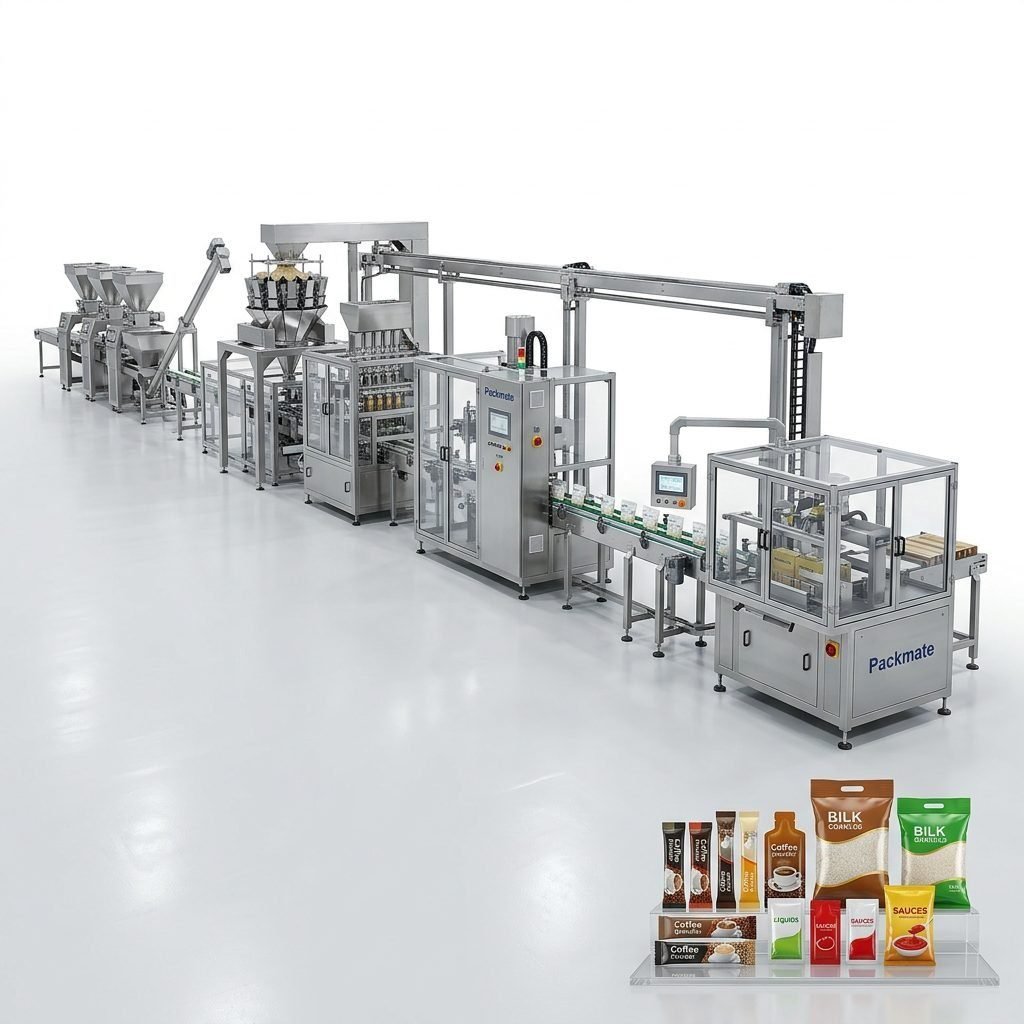
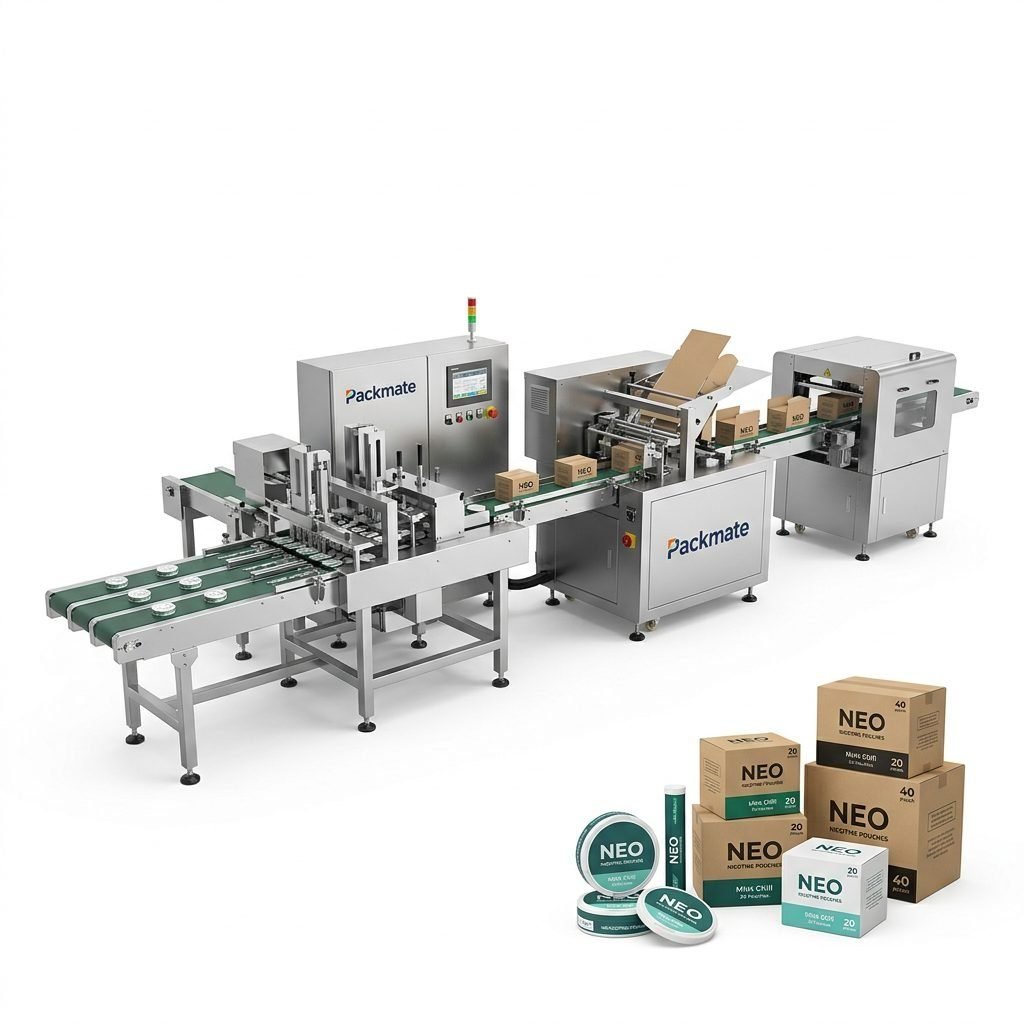
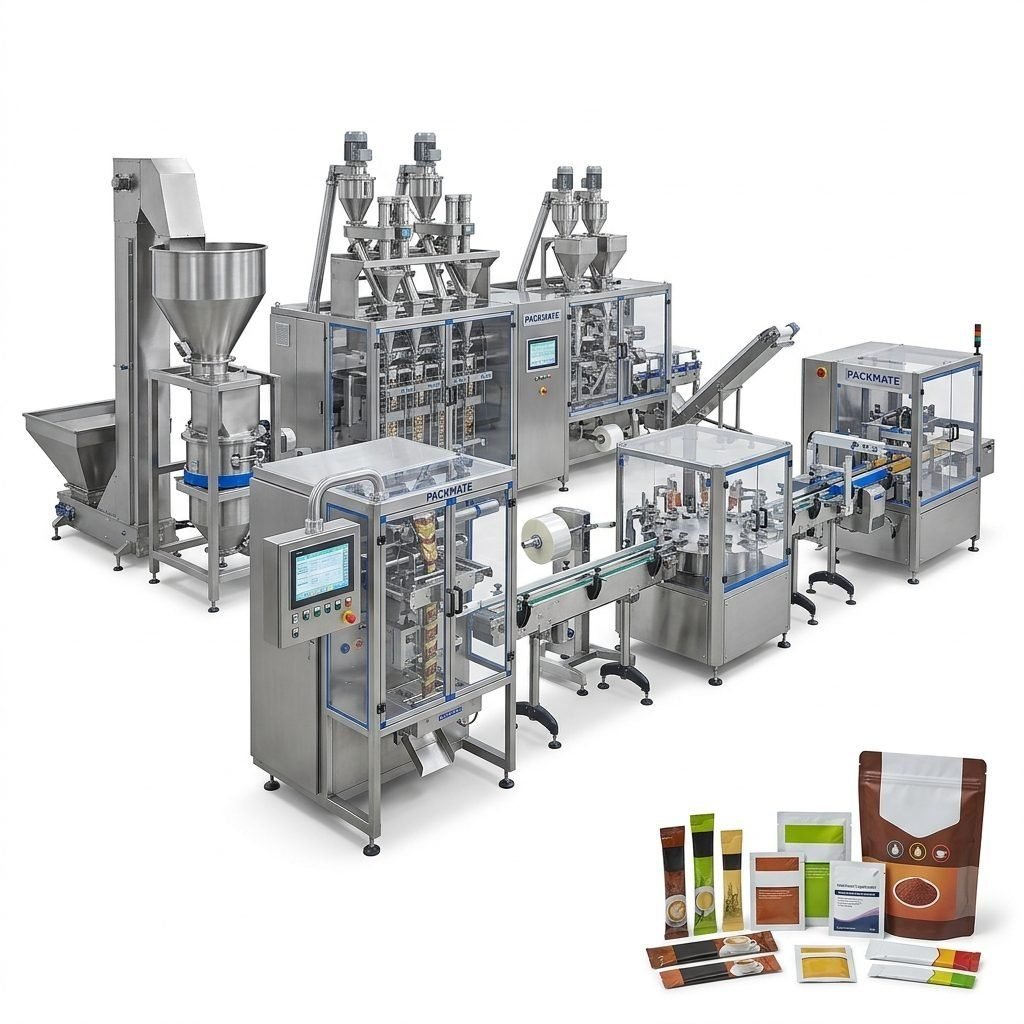
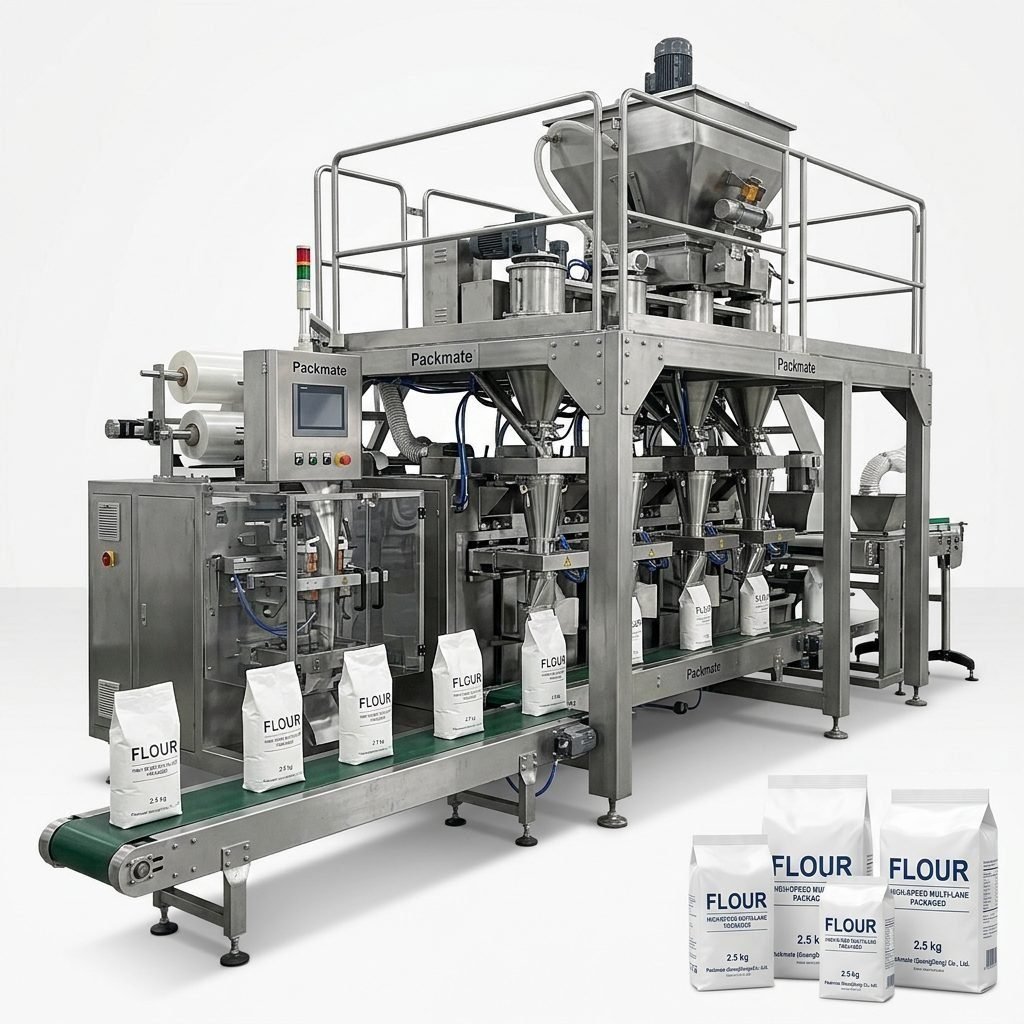
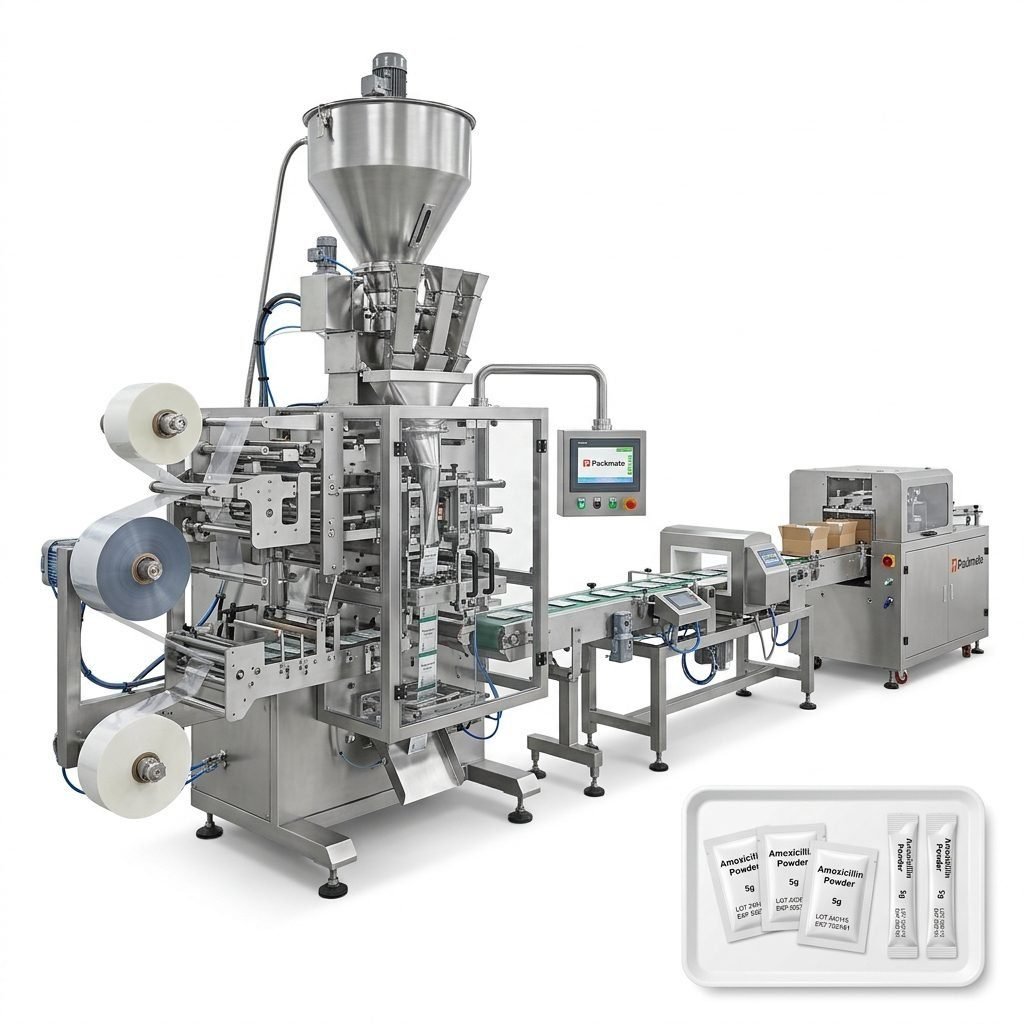
The true power of these machines is realized when they are integrated into a cohesive, automated line. A turnkey packaging solution handles the product from the end of processing through to the palletized finished goods. This involves conveyor systems, robotic palletizers, labeling systems, and central control software. Companies like Packmate Machinery, with decades of experience in building intelligent packaging lines, understand this holistic approach. Their expertise in creating synchronized systems for various industries ensures minimal downtime, consistent output, and simplified operation and maintenance for poultry processors.
Investing in top-tier poultry packaging machinery is an investment in product integrity, operational efficiency, and brand equity. From vacuum sealers that lock in freshness to MAP trayers that create shelf appeal, each machine plays a vital role. By carefully selecting equipment that addresses the specific challenges of poultry and integrating it into a smooth workflow, processors can achieve significant gains in productivity, safety, and profitability. The right packaging line is not just a cost center; it’s a strategic asset that protects your product and your reputation all the way to the consumer’s table.
Frequently Asked Questions (FAQs)
1. What is the main difference between vacuum packaging and MAP for poultry?
Vacuum packaging removes almost all air from the package, ideal for freezing and long-term storage as it prevents freezer burn and slows spoilage. MAP replaces the air inside the package with a protective gas mix (like CO2 and N2), and is primarily used for fresh, refrigerated poultry sold at retail, as it better maintains the product’s color and texture while extending shelf life in the cooler.
2. How important is the hygiene design of a poultry packaging machine?
Extremely important. Poultry is a high-risk product for bacterial contamination like Salmonella. Machines must be constructed with food-grade stainless steel, have smooth, crevice-free surfaces, and be designed for easy, fast disassembly for cleaning and sanitization. This is a critical factor in preventing cross-contamination and ensuring food safety compliance.
3. Can one machine handle different cuts of poultry (e.g., whole birds and fillets)?
Some versatile machines can be adjusted or have changeover parts to handle different product forms, but there are often limitations. A machine optimized for vacuum packing whole birds may not be as efficient for delicate fillets. It’s best to discuss your specific product mix and volume with the equipment supplier to determine if a multi-purpose machine is suitable or if dedicated lines are more efficient.
4. What should I look for in terms of after-sales service and support?
Prioritize suppliers who offer comprehensive technical support, readily available spare parts, and operator training. Look for companies with a global service network or reliable local agents. Check if they provide detailed machine manuals, online support, and have a track record of responsive service. Downtime in packaging can halt your entire production, making reliable support essential.
5. How do I determine the right speed/capacity for my packaging line?
Analyze your current and projected production output (e.g., kilograms or units per hour). The packaging machine’s speed (packages per minute) should match or slightly exceed this rate to avoid bottlenecks. Always factor in potential future growth. A reputable supplier like Packmate can help you audit your process and recommend a line configuration with the optimal capacity and scalability.