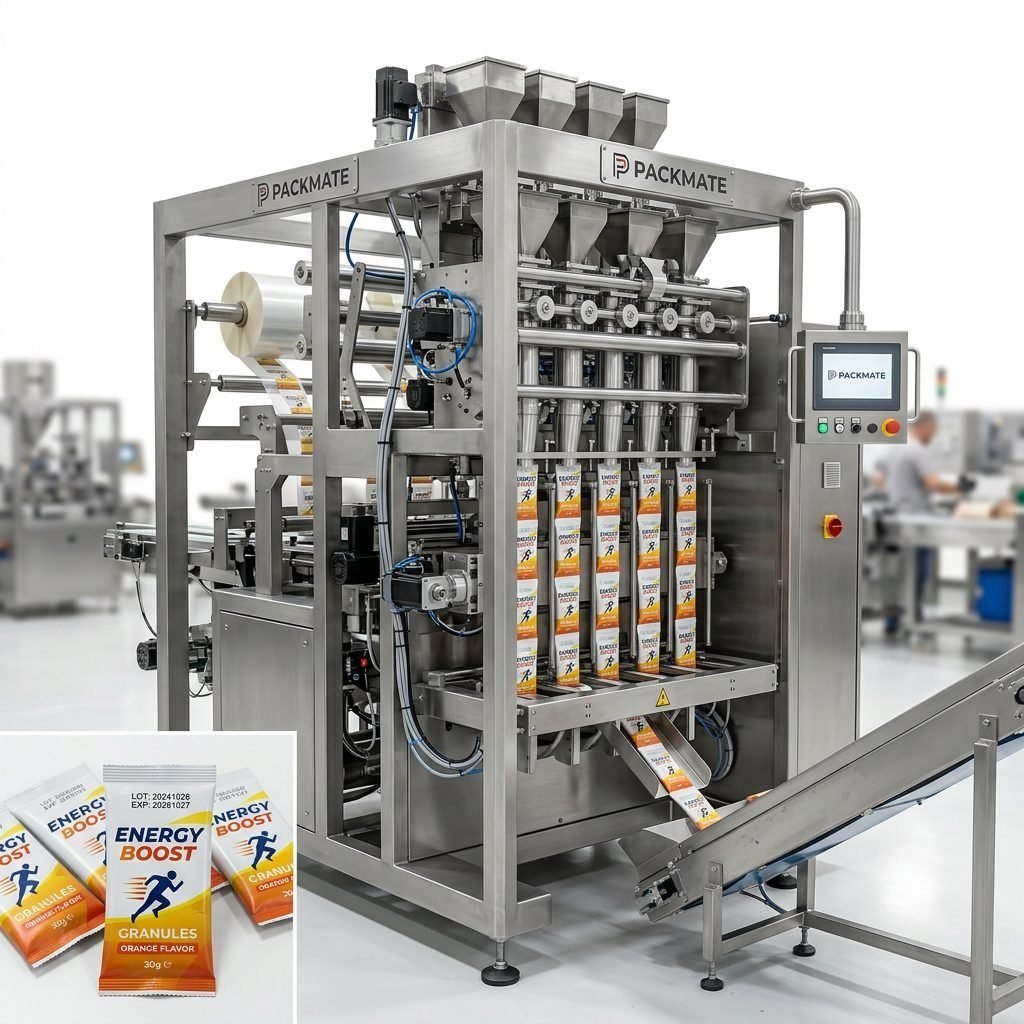
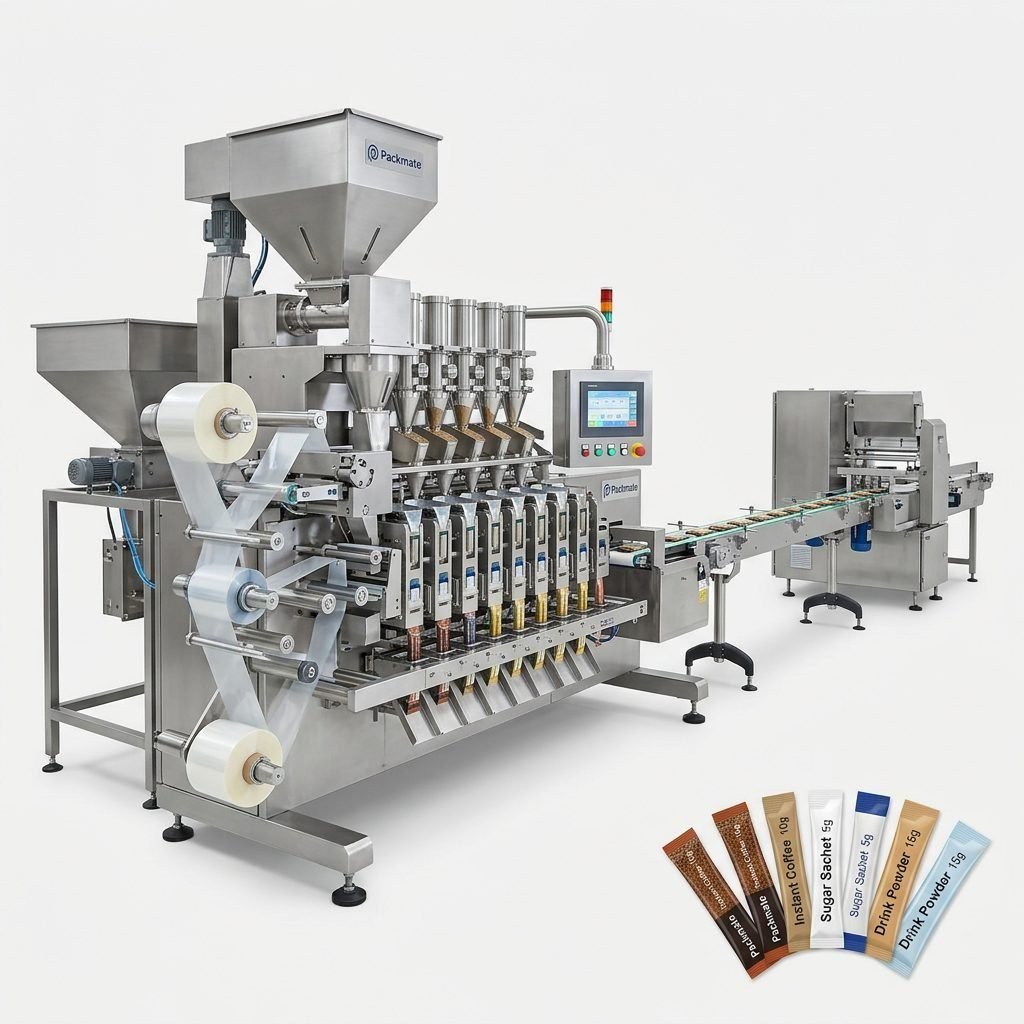
Selecting the right pharmaceutical packaging equipment manufacturer is a critical decision that impacts product safety, regulatory compliance, and production efficiency. This guide explores the key players and factors to consider when sourcing reliable packaging machinery for the pharmaceutical industry.
Key Considerations When Choosing a Manufacturer
Pharmaceutical packaging demands the highest standards of precision, hygiene, and reliability. When evaluating manufacturers, several non-negotiable factors come into play.
First and foremost is regulatory compliance. Equipment must be designed to meet stringent global standards such as cGMP (current Good Manufacturing Practice) and FDA requirements. This ensures the machinery supports the production of safe, uncontaminated products.
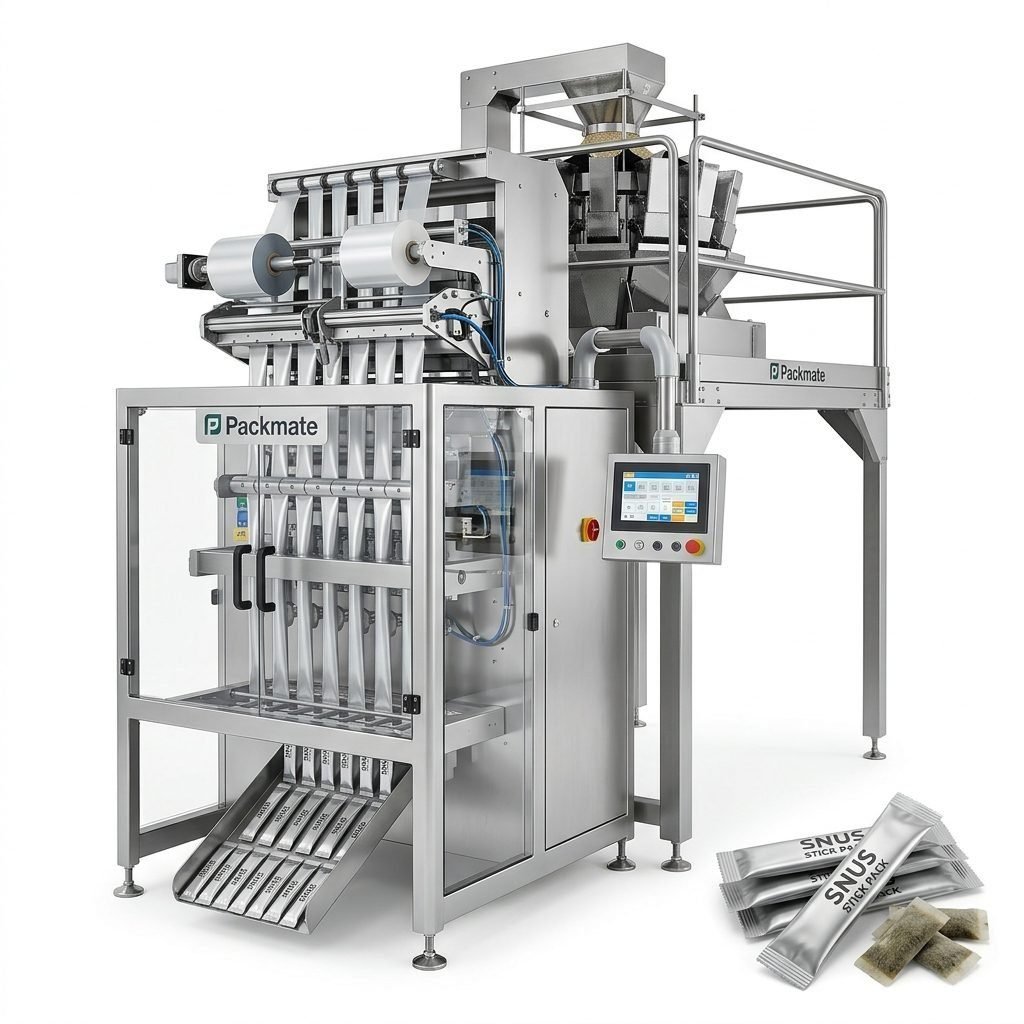
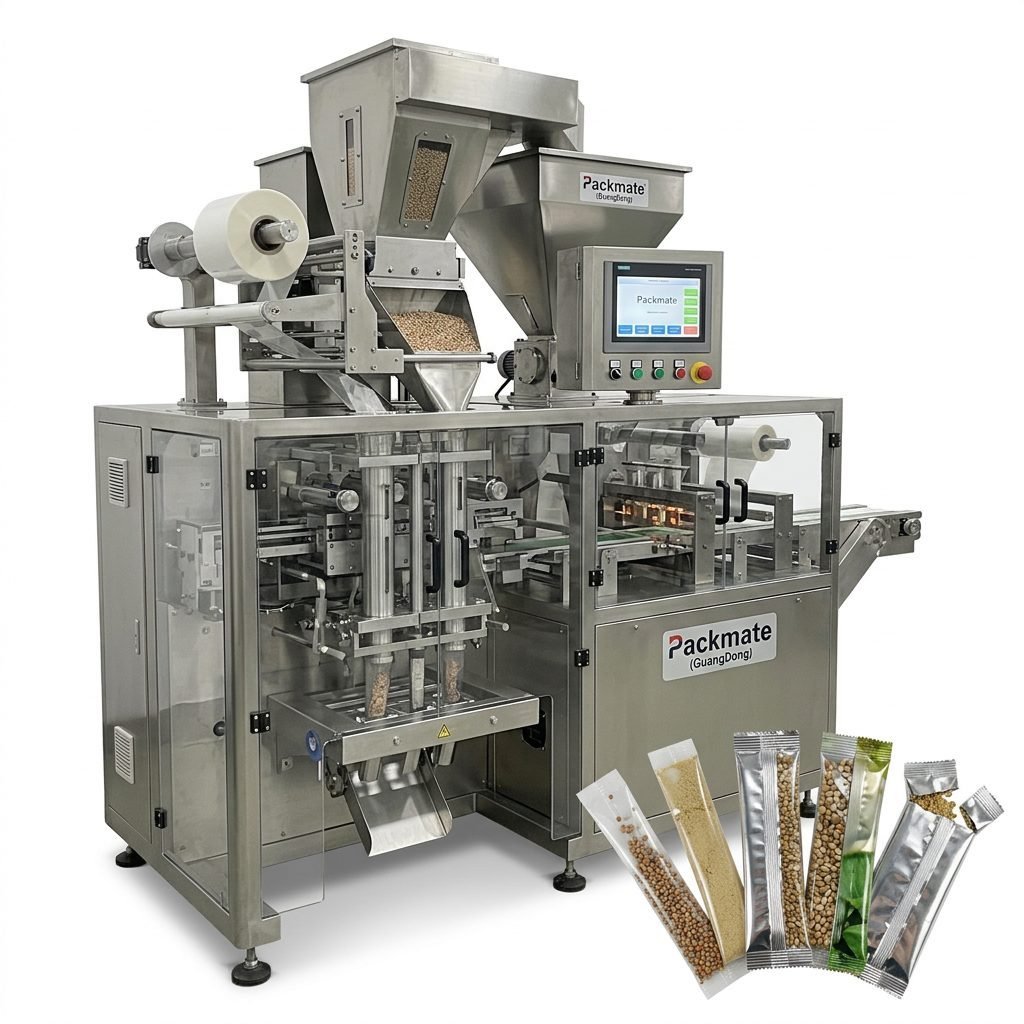
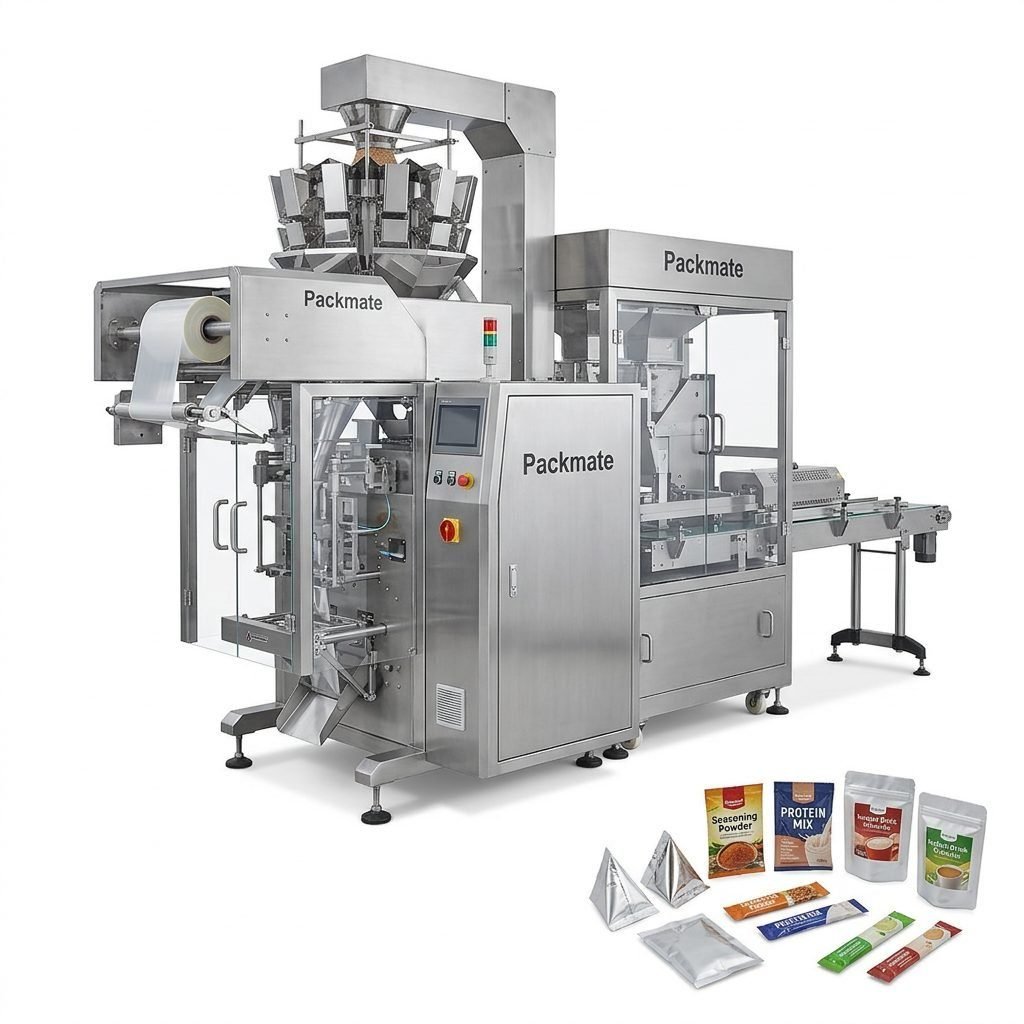
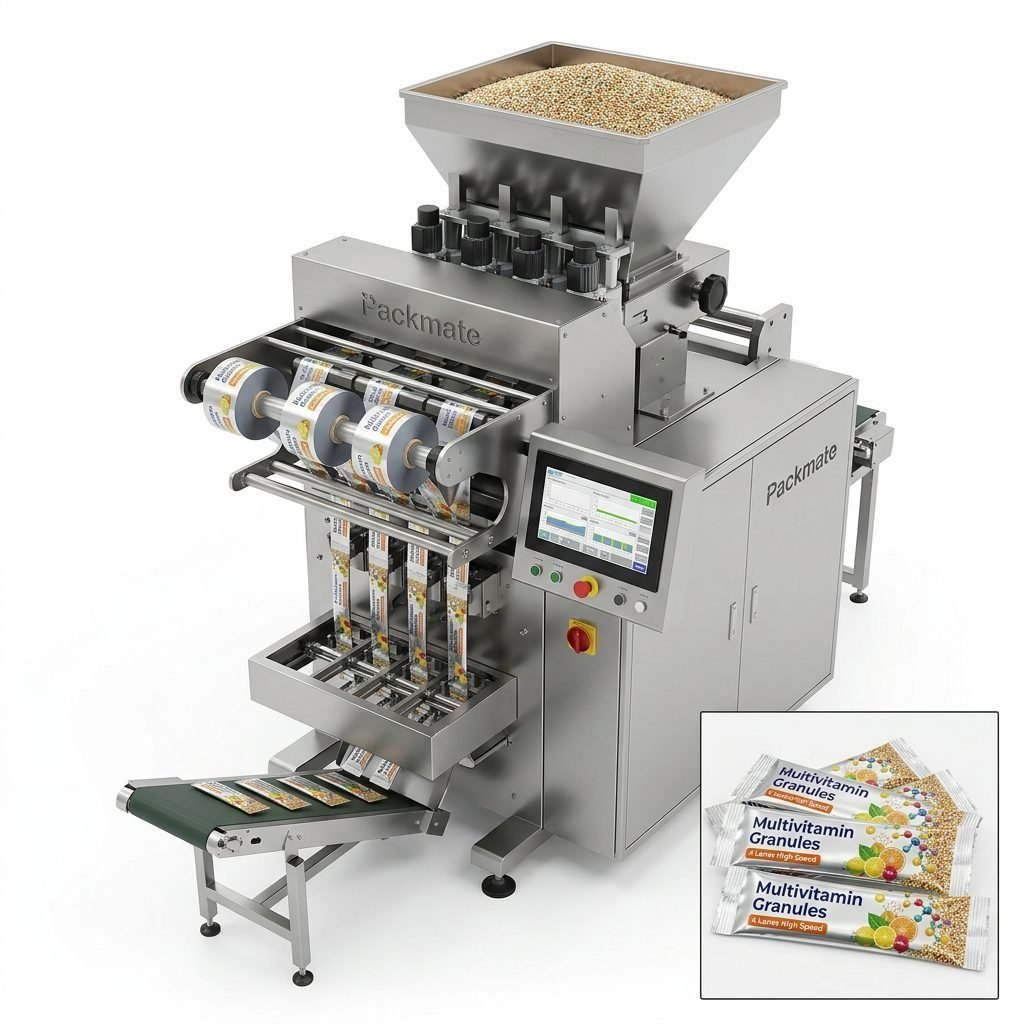
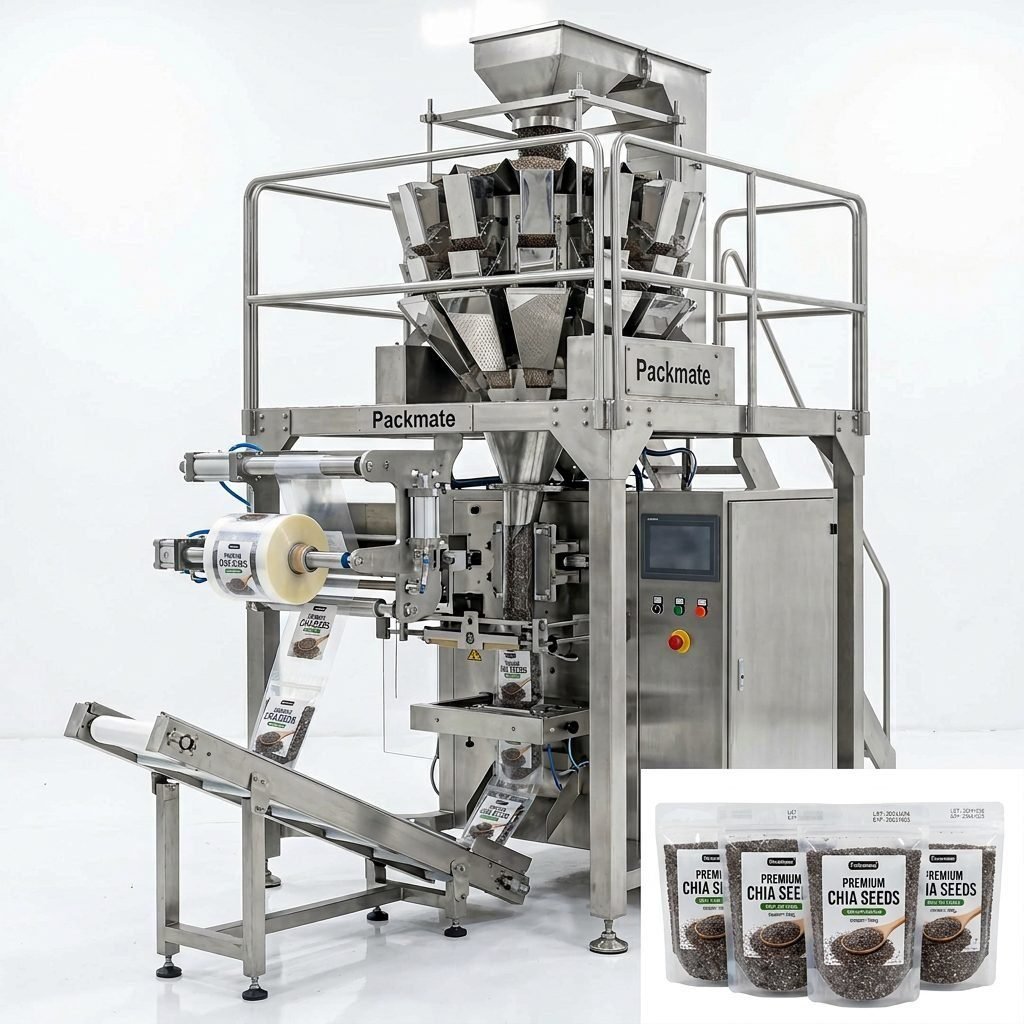
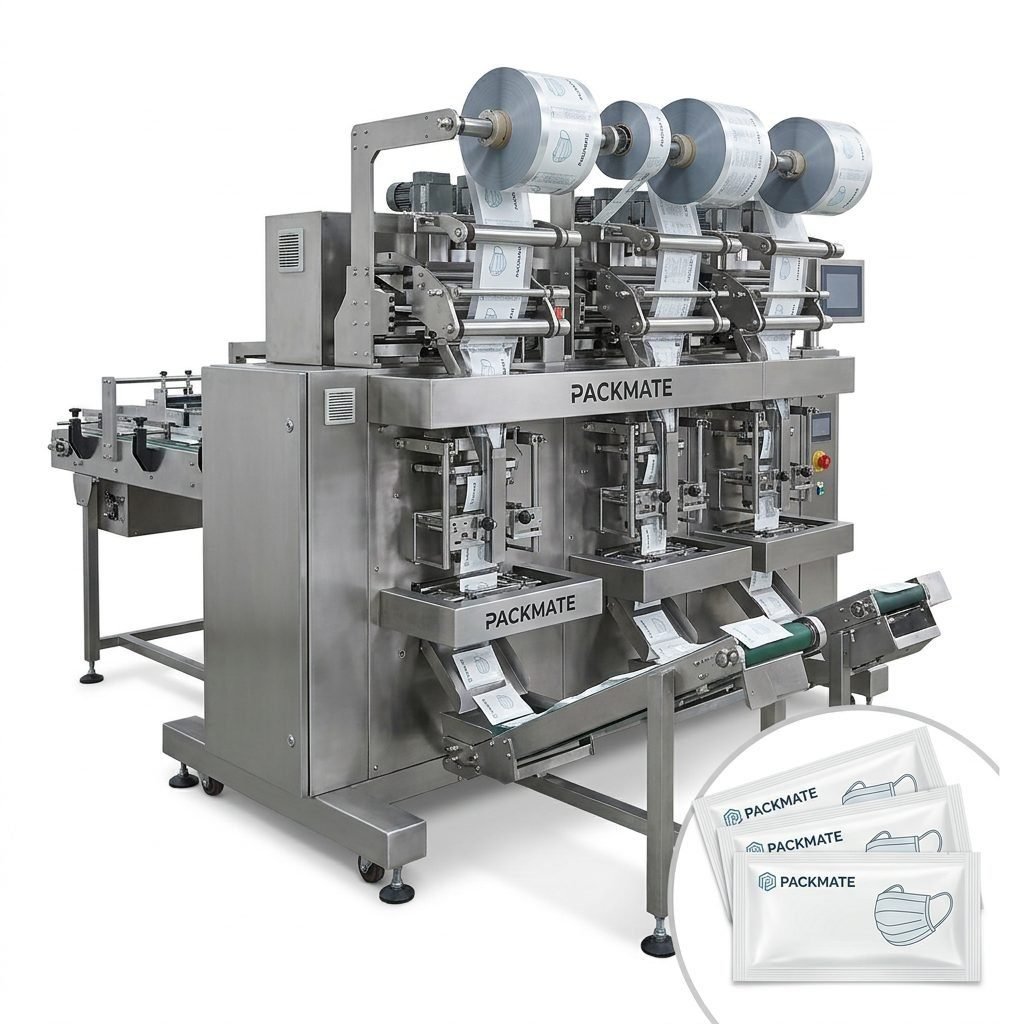
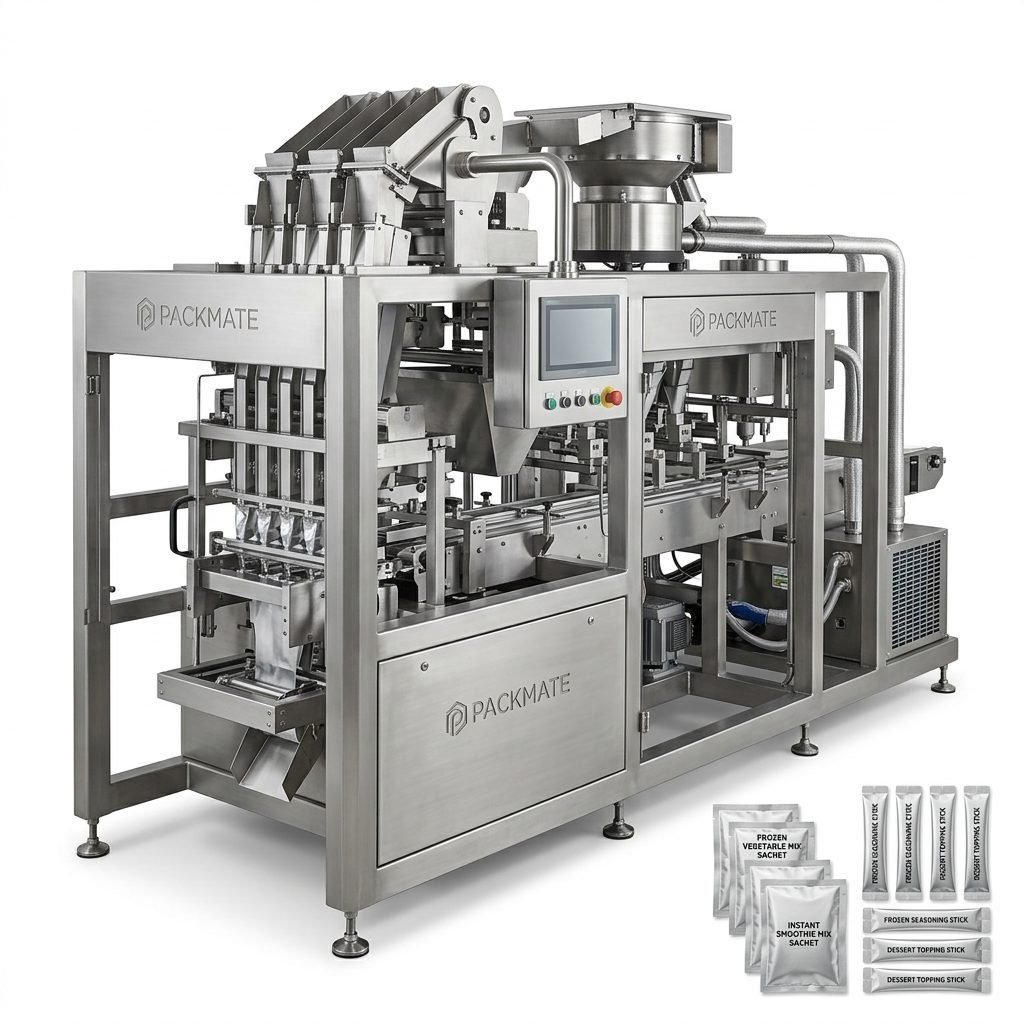
Secondly, consider the range and flexibility of the equipment. A top-tier manufacturer should offer solutions for various packaging formats—whether you need blister packaging, vial filling, sachet packaging, or stick pack machines for powders and granules. Versatility in handling different materials and product types is a significant advantage.
Technological Innovation and R&D Investment
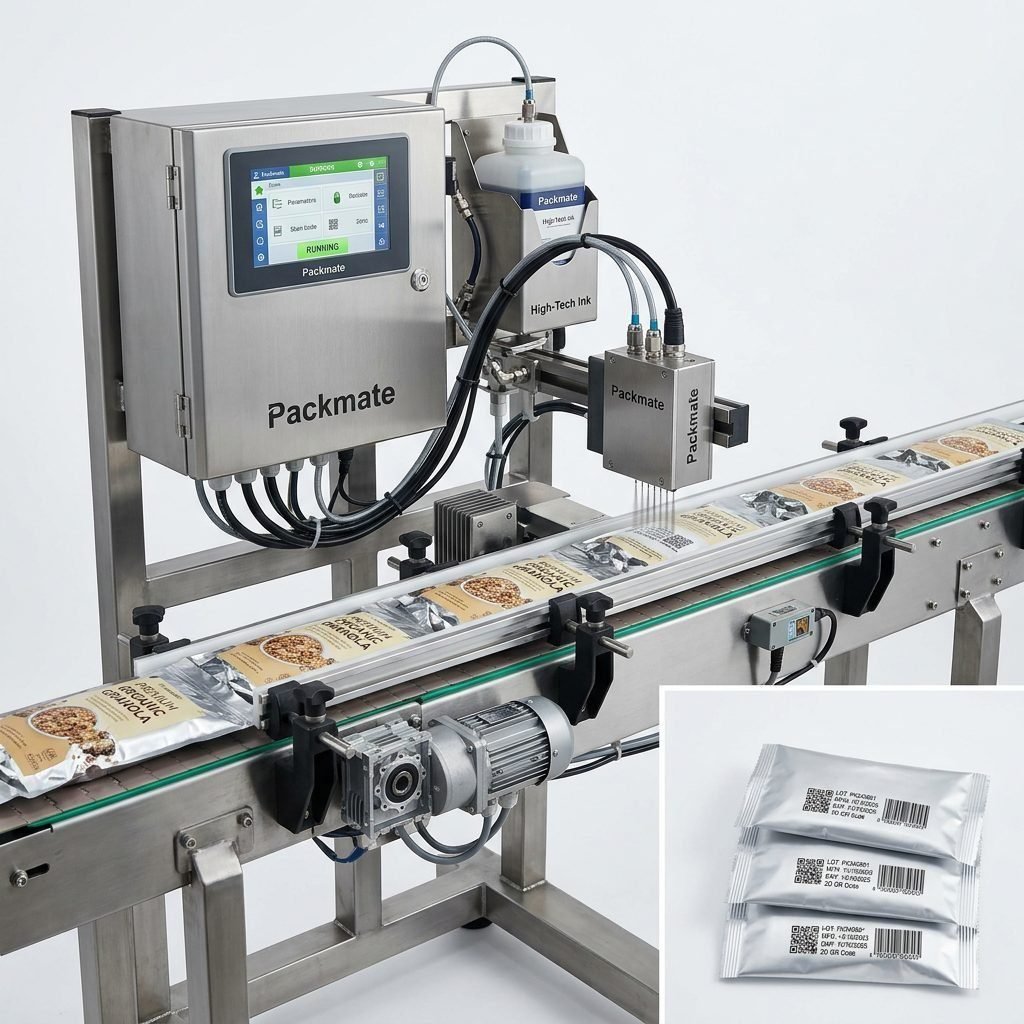
The pace of innovation in pharma packaging is rapid. Leading manufacturers distinguish themselves through continuous research and development. This investment translates into machines with advanced features like integrated vision inspection systems, automated changeover capabilities, and sophisticated data tracking for full traceability.
Companies that prioritize R&D are better equipped to provide future-proof solutions that can adapt to new regulations and market demands, offering a better long-term return on investment.
Spotlight on Industry Leaders and Specialists
The global market features a mix of large, multi-national corporations and specialized, agile manufacturers. Each brings unique strengths to the table.
Large-scale manufacturers often provide comprehensive, turnkey production lines and have extensive global service networks. On the other hand, specialized manufacturers, like Packmate Machinery, often excel in niche areas. With over 30 years of expertise, Packmate focuses on intelligent packaging for granules, powders, and liquids, offering a deep understanding of specific challenges in the pharmaceutical and health industries.
Their portfolio, including advanced sachet and stick pack machines, demonstrates how specialization can lead to highly optimized and reliable equipment for particular applications.
The Importance of After-Sales Support and Service
High-quality machinery is only one part of the equation. Robust after-sales support is crucial for minimizing downtime and ensuring continuous operation. Evaluate a manufacturer’s service offerings:
- Technical Support: Availability of remote diagnostics and on-site engineers.
- Spare Parts Logistics: A global network for fast delivery of genuine parts.
- Training Programs: Comprehensive training for your operators and maintenance staff.
- Preventive Maintenance Plans: Scheduled services to prevent unexpected failures.
A manufacturer’s commitment to its clients extends far beyond the initial sale. Exploring a company’s dedicated service page can provide clear insight into their support philosophy.
Evaluating Manufacturing Capabilities and Quality Control
A tour of a potential supplier’s manufacturing facility, either virtual or in-person, is highly revealing. Look for a clean, organized plant with modern CNC machining centers, automated assembly lines, and stringent quality control checkpoints.
For instance, Packmate (GuangDong) Co., Ltd. operates from a 20,000㎡ factory equipped with advanced production and testing facilities. This scale and investment in infrastructure are strong indicators of a company’s capacity to deliver consistent quality and handle large-volume orders reliably. Their journey from a small workshop in 1993 to a formalized company in 2003 underscores a proven track record of growth and stability.
Customization and Project Collaboration
Standard machines may not always fit unique production needs. The ability of a manufacturer to offer customization is vital. This involves collaborative engineering to tailor machine speed, size, material compatibility, and integration with existing production lines.
Effective manufacturers work as partners, understanding the client’s specific product characteristics and end-goals to propose the most effective filling and packaging line solution.
Making the Final Decision: A Checklist
Before finalizing your choice, run through this essential checklist:
- Verify compliance certifications and industry-specific approvals.
- Request detailed case studies or references from similar pharmaceutical clients.
- Analyze the total cost of ownership, including energy efficiency and maintenance costs.
- Assess the scalability of the equipment for future production increases.
- Confirm the warranty terms and the responsiveness of the support team.
Taking these steps will help you partner with a manufacturer who is not just a vendor but a long-term ally in your production success.
Frequently Asked Questions (FAQs)
What are the most critical certifications for pharmaceutical packaging equipment?
Equipment should comply with cGMP guidelines and relevant regional regulations like those from the FDA (U.S.) or EMA (Europe). Certifications such as CE for the European market are also essential. Always request the manufacturer’s certification documents for review.
How important is machine flexibility for handling different product types?
Extremely important. Flexibility, through features like quick-change parts and adjustable parameters, reduces downtime when switching between product lines or packaging formats. This adaptability is key for manufacturers with diverse product portfolios or those planning future expansions.
Can manufacturers provide complete, integrated packaging lines?
Yes, many leading manufacturers, often called “turnkey solution providers,” can supply and integrate the entire line—from feeding and filling to sealing, labeling, and cartoning. This single-source responsibility simplifies project management and ensures compatibility between all line components.
What should I look for in after-sales service?
Prioritize manufacturers that offer 24/7 technical support, a readily available inventory of spare parts, on-site engineer dispatch, and comprehensive operator training programs. A strong service commitment is a primary indicator of a reliable long-term partner.
How do I evaluate the durability and longevity of the equipment?
Examine the construction materials (e.g., stainless-steel grades), the quality of critical components like servos and PLCs, and ask for mean time between failures (MTBF) data. Client testimonials and the manufacturer’s history in the industry, like Packmate’s 22+ years of development, are strong indicators of proven durability.