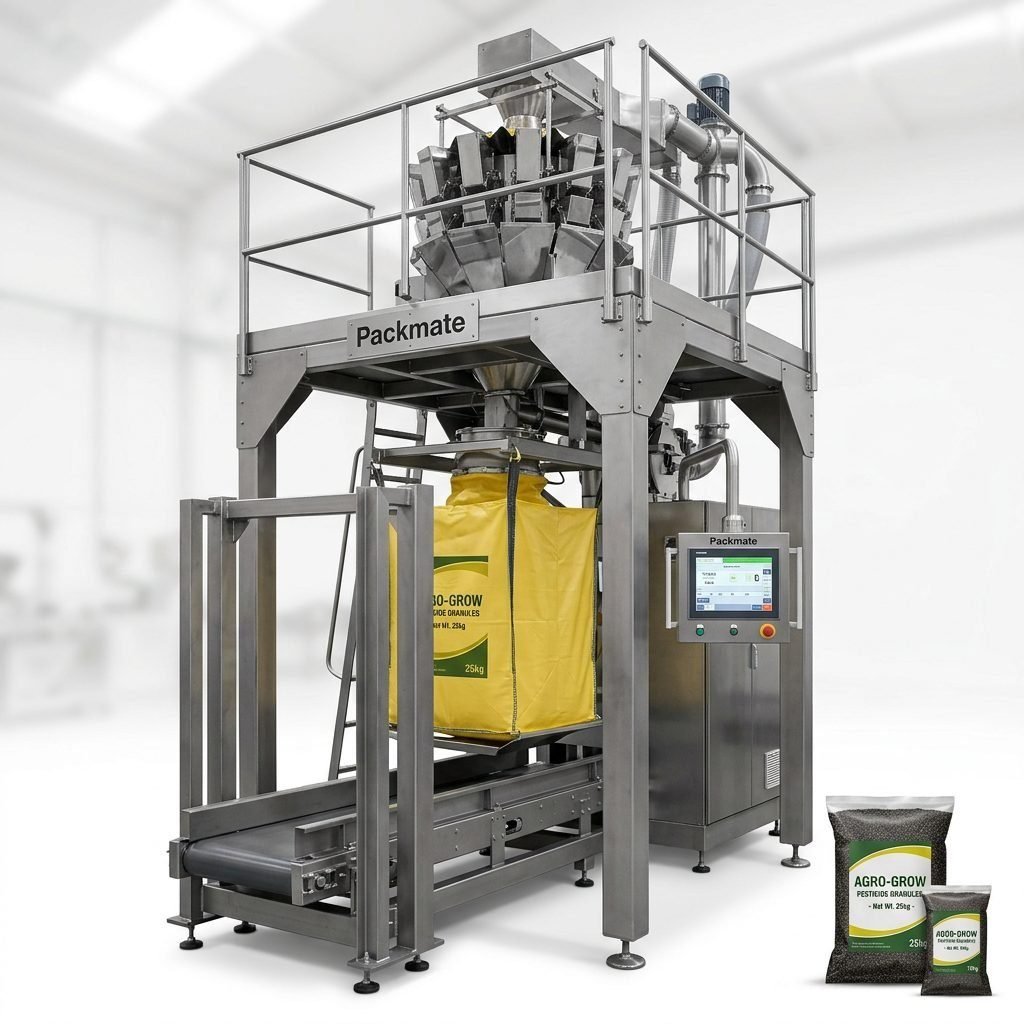
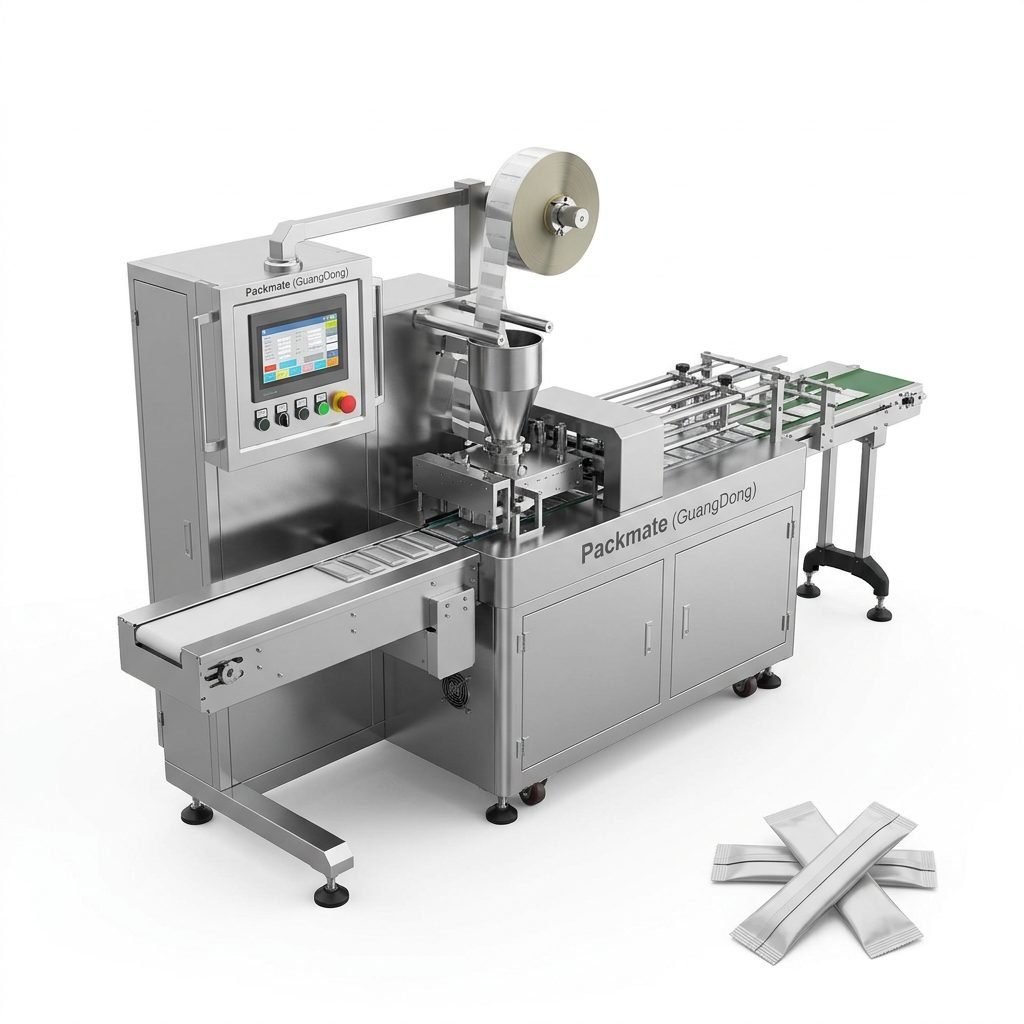
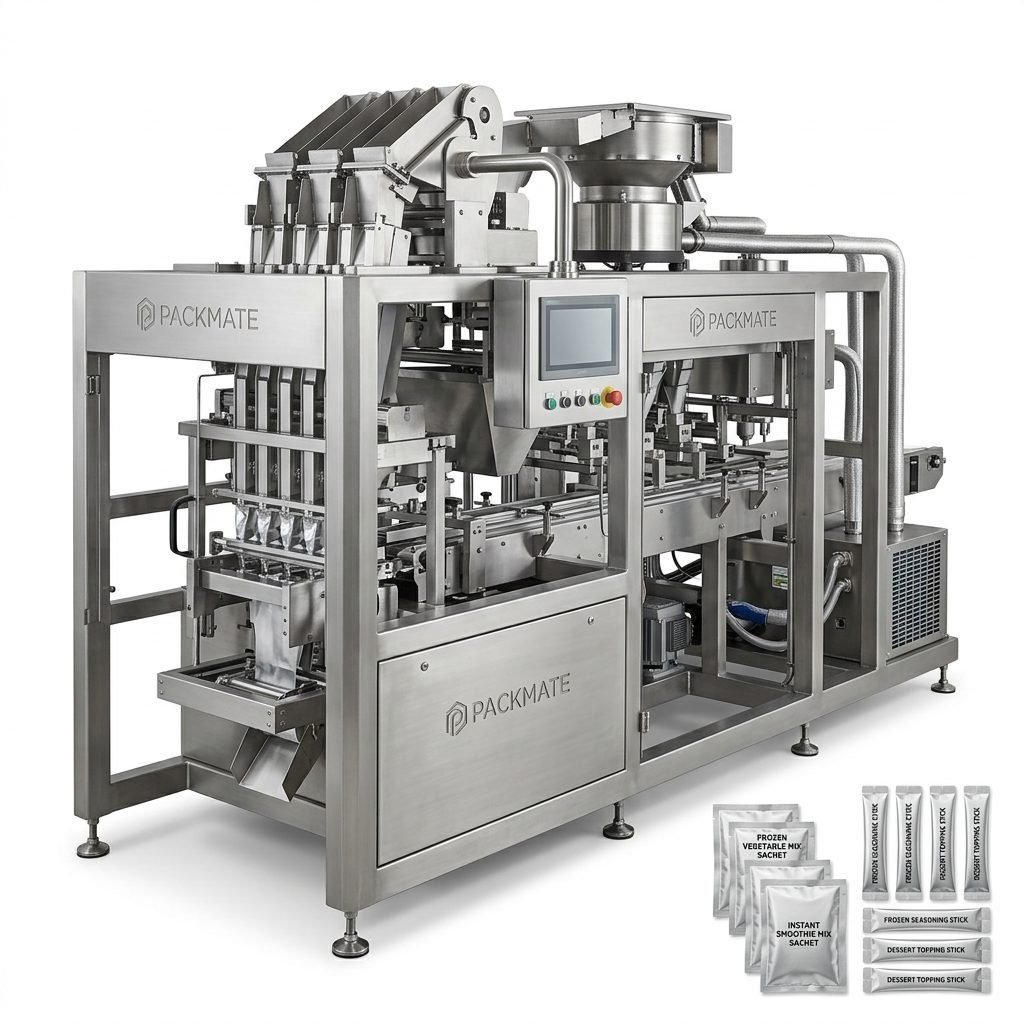
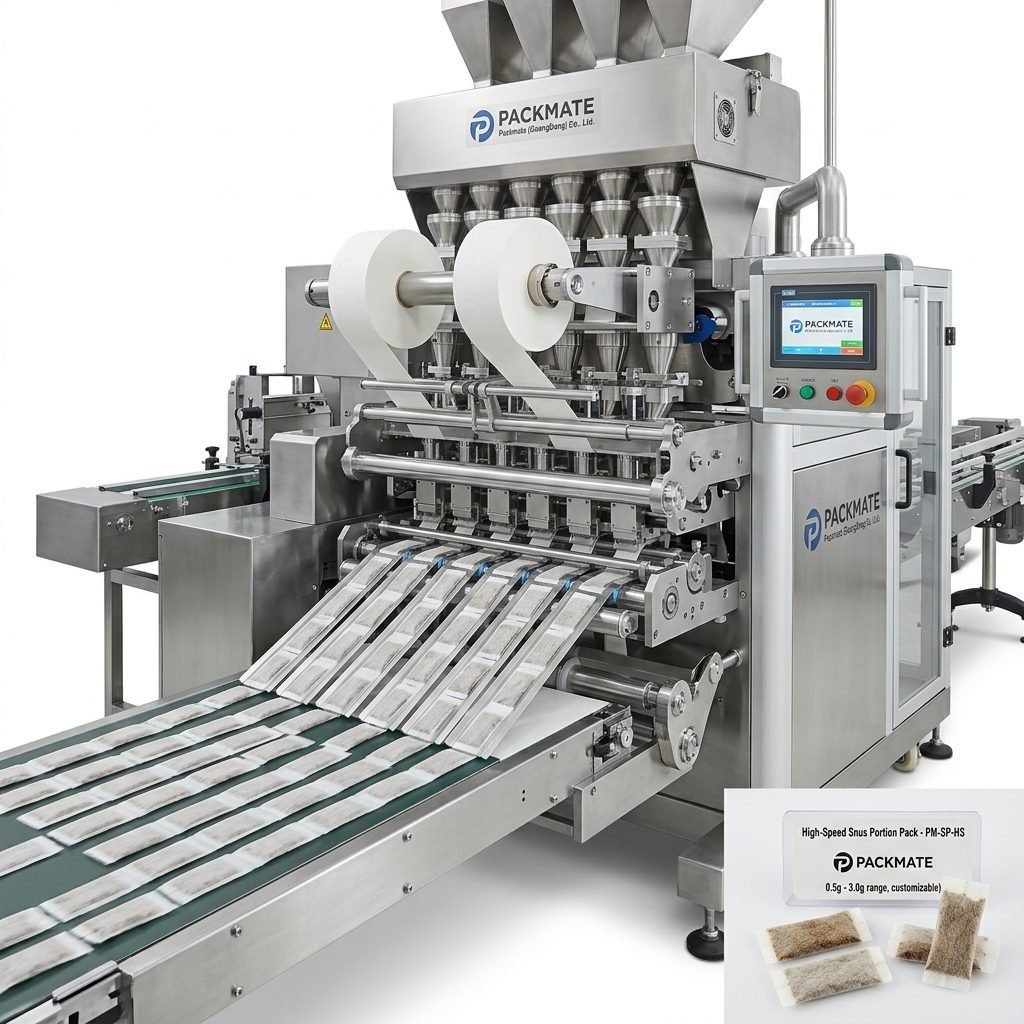
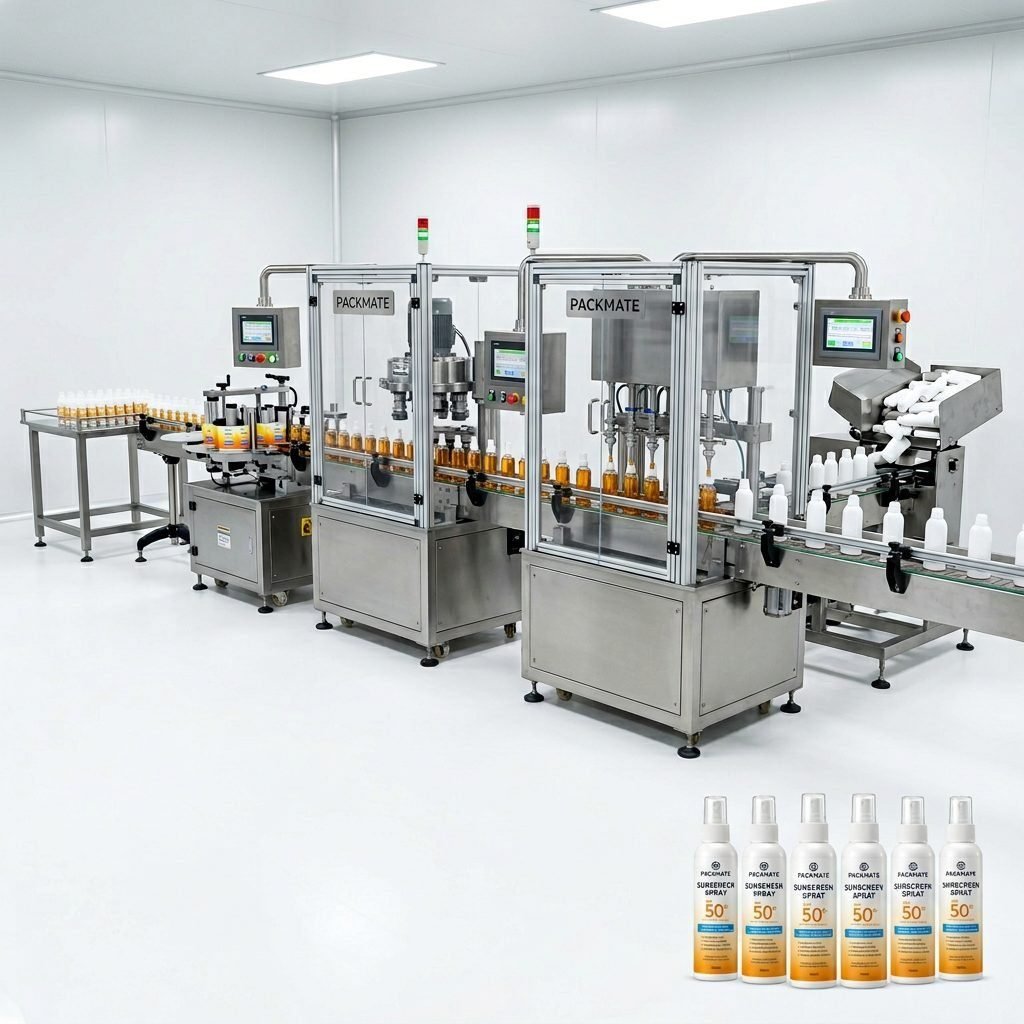
In the fast-paced snack industry, efficient and reliable packaging is crucial for maintaining product freshness, ensuring safety, and driving sales. Snack packaging machinery automates the process of filling, sealing, and labeling, enabling manufacturers to meet high production demands with consistency and precision. This guide explores the various types of snack packaging machines, their core functions, and provides essential insights for making an informed purchase decision.
Primary Types of Snack Packaging Machinery
The market offers a diverse range of machinery tailored to different snack formats, production speeds, and packaging materials. Understanding these types is the first step in selecting the right equipment.
Vertical Form-Fill-Seal (VFFS) Machines
These are among the most common and versatile machines. They form a bag from a roll of flat film, fill it with the product, and then seal it—all in a continuous vertical motion. They are ideal for packing chips, nuts, candies, and powdered snacks into pillow bags or stand-up pouches. Their flexibility in bag size and moderate to high speed make them a staple in many production lines.
Horizontal Form-Fill-Seal (HFFS) Machines
HFFS machines are typically used for more complex packaging styles, such as flow-wrap packs for granola bars, biscuits, or multi-packs. The film wraps around the product horizontally, creating a tight, neat seal. This type is excellent for providing a high-quality finish and is often used for products that require a rigid structure or specific branding presentation.
Stick Pack and Sachet Machines
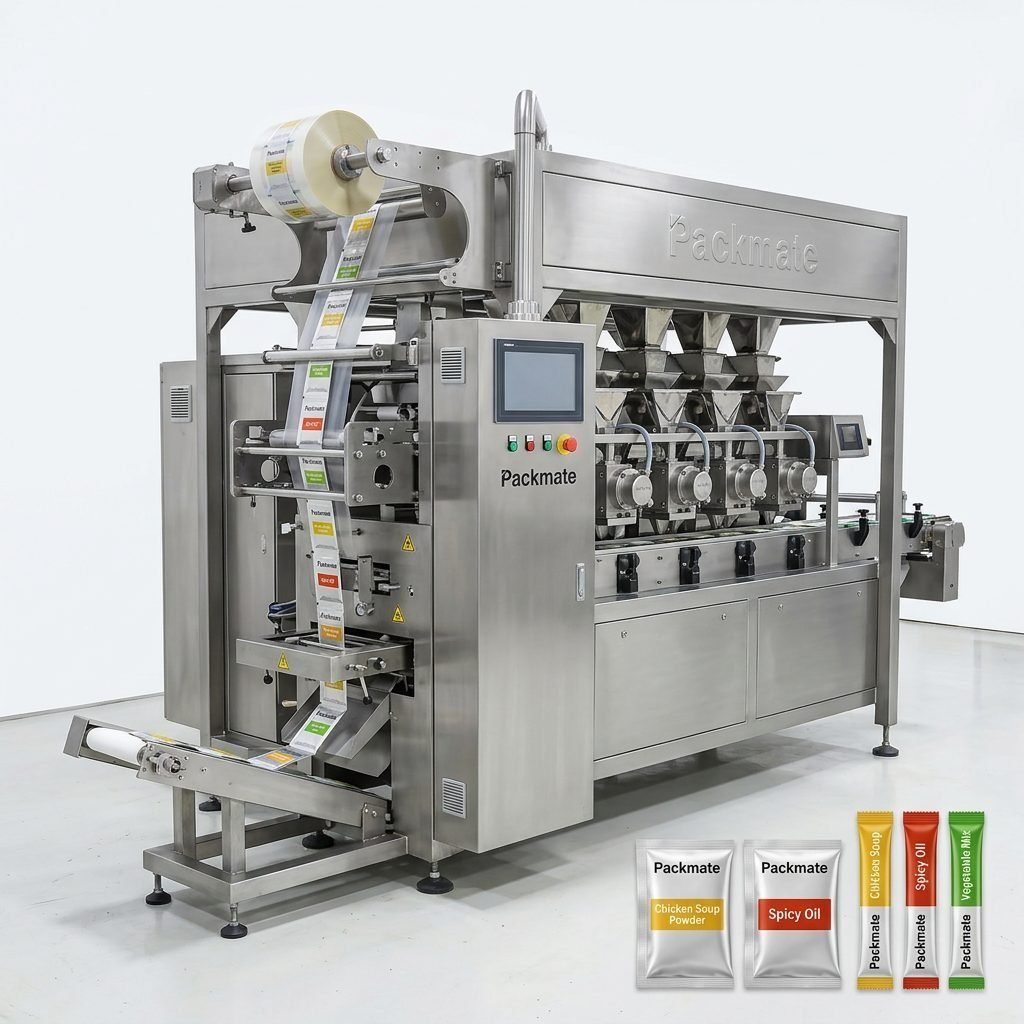
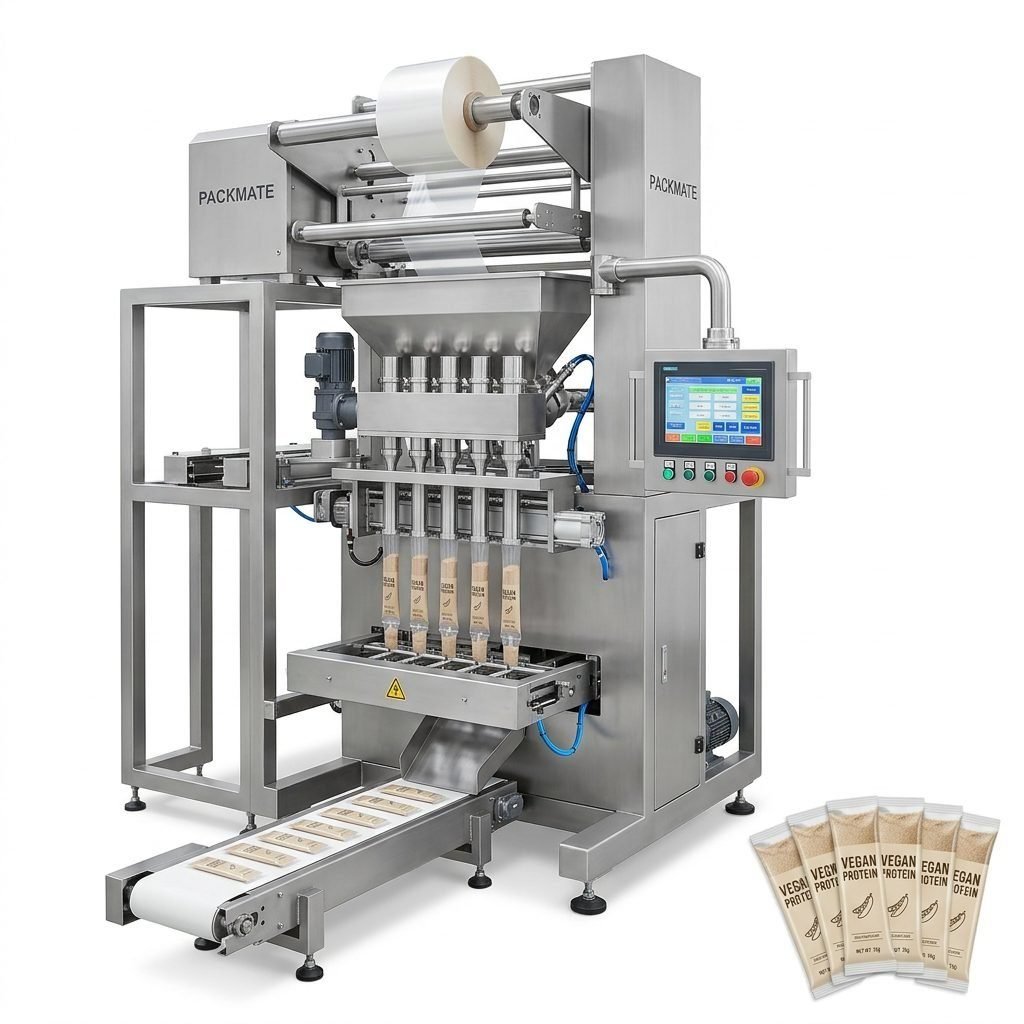
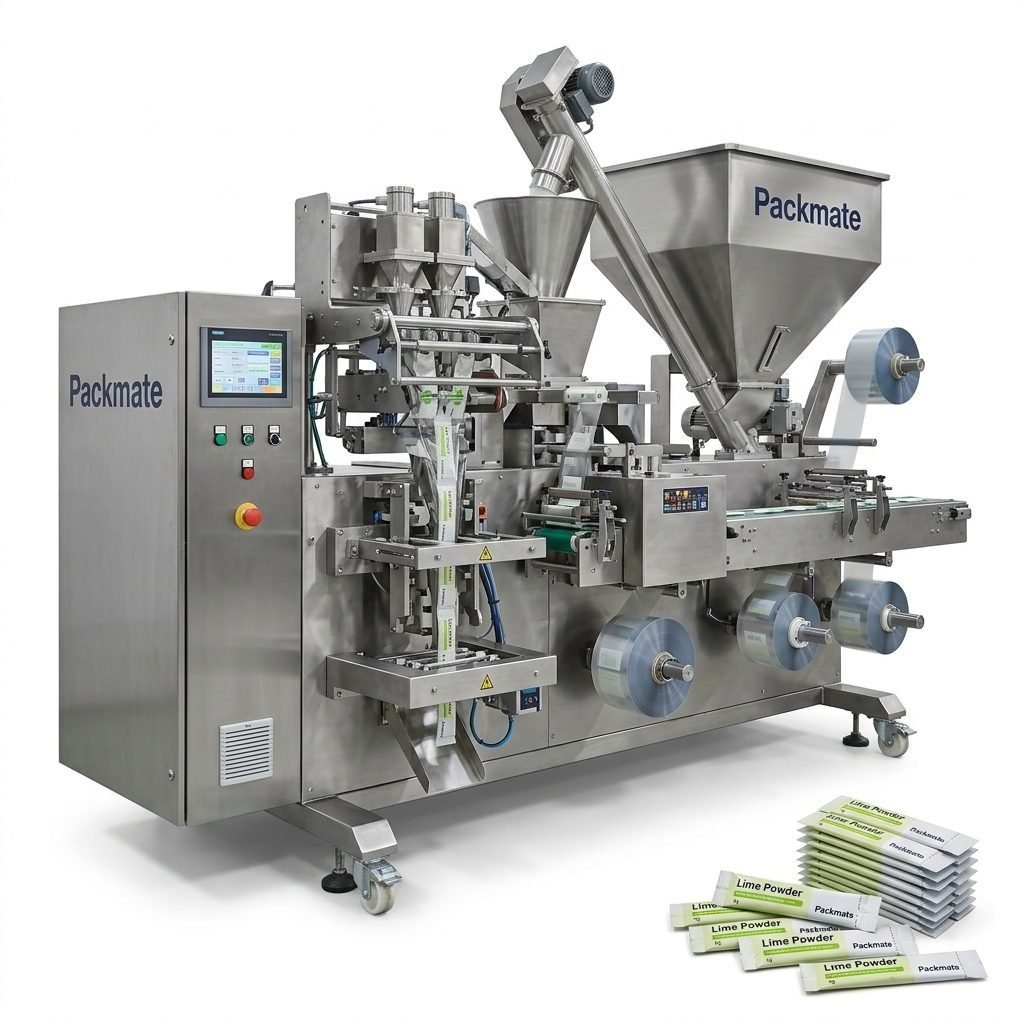
Designed for single-serve portions of powders, liquids, or granules (like instant coffee, sugar, or sauce toppings), these machines create slim, elongated packets. They are perfect for high-volume production of small, portable snack accompaniments. Leading manufacturers like Packmate Machinery offer advanced multi-lane stick pack lines that significantly boost output.
Weighing and Dosing Systems
Accuracy is non-negotiable in snack packaging. These systems, which can be volumetric, auger-based, or multi-head weighers, ensure each package contains the exact predetermined weight. This is critical for cost control, regulatory compliance, and consumer trust. They are often integrated with VFFS or HFFS machines to create a complete automated line.
Core Functions and Technological Features
Modern snack packaging machines go beyond basic sealing. They incorporate advanced features to enhance efficiency, hygiene, and intelligence.
Precision Filling: Utilizing servo motors and sophisticated sensors, today’s machines achieve filling accuracy within fractions of a gram, minimizing product giveaway.
Gas Flushing and Modified Atmosphere Packaging (MAP): To extend shelf life, many machines can replace the air inside the package with an inert gas mixture (like nitrogen), slowing oxidation and preserving crispness.
Intelligent Control Systems: Touch-screen HMIs (Human-Machine Interfaces) allow for easy recipe changes, speed adjustments, and real-time monitoring of production data, downtime, and efficiency (OEE).
Quick Changeover Capabilities: Modular designs and tool-less adjustments enable faster switching between different bag sizes or products, which is vital for manufacturers running multiple SKUs.
Comprehensive Buying Guide: Key Considerations
Investing in snack packaging machinery is a significant decision. Here are the critical factors to evaluate to ensure you choose equipment that aligns with your business goals.
1. Define Your Product and Output Requirements
Start by analyzing your specific snack product—its form (solid, granular, powder), fragility, and oil content. Then, determine your required production speed (bags per minute) and the range of bag sizes you need. This will narrow down the machine type (e.g., VFFS for loose-fill nuts, HFFS for wrapped bars).
2. Evaluate Machine Durability and Construction
Look for robust frames, food-grade stainless steel contact parts, and high-quality components from reputable brands (like Siemens or Mitsubishi for PLCs). A durable machine, like those built in Packmate’s 20,000㎡ facility, ensures longevity, less downtime, and a better return on investment.
3. Prioritize Ease of Use and Maintenance
A user-friendly interface and accessible components simplify operator training and daily cleaning. Ask about the availability of detailed manuals, training programs, and spare parts. Easy maintenance directly impacts your line’s overall uptime.
4. Consider Flexibility and Future-Proofing
Can the machine handle potential new products or package sizes? Opt for machinery that offers some degree of flexibility to accommodate future business growth without requiring a completely new investment.
5. Assess Supplier Credibility and Support
The manufacturer’s reputation is paramount. Investigate their experience, client portfolio, and after-sales service. A supplier with over 30 years of expertise, such as Packmate Machinery, can provide not just a machine, but reliable technical support, installation guidance, and prompt service. Review their range of packaging solutions to gauge their specialization.
6. Analyze Total Cost of Ownership (TCO)
Look beyond the initial purchase price. Factor in operational costs (energy consumption), maintenance expenses, potential downtime costs, and the machine’s expected lifespan. A slightly higher initial investment in a more reliable and efficient machine often leads to lower TCO.
Integration into a Complete Production Line
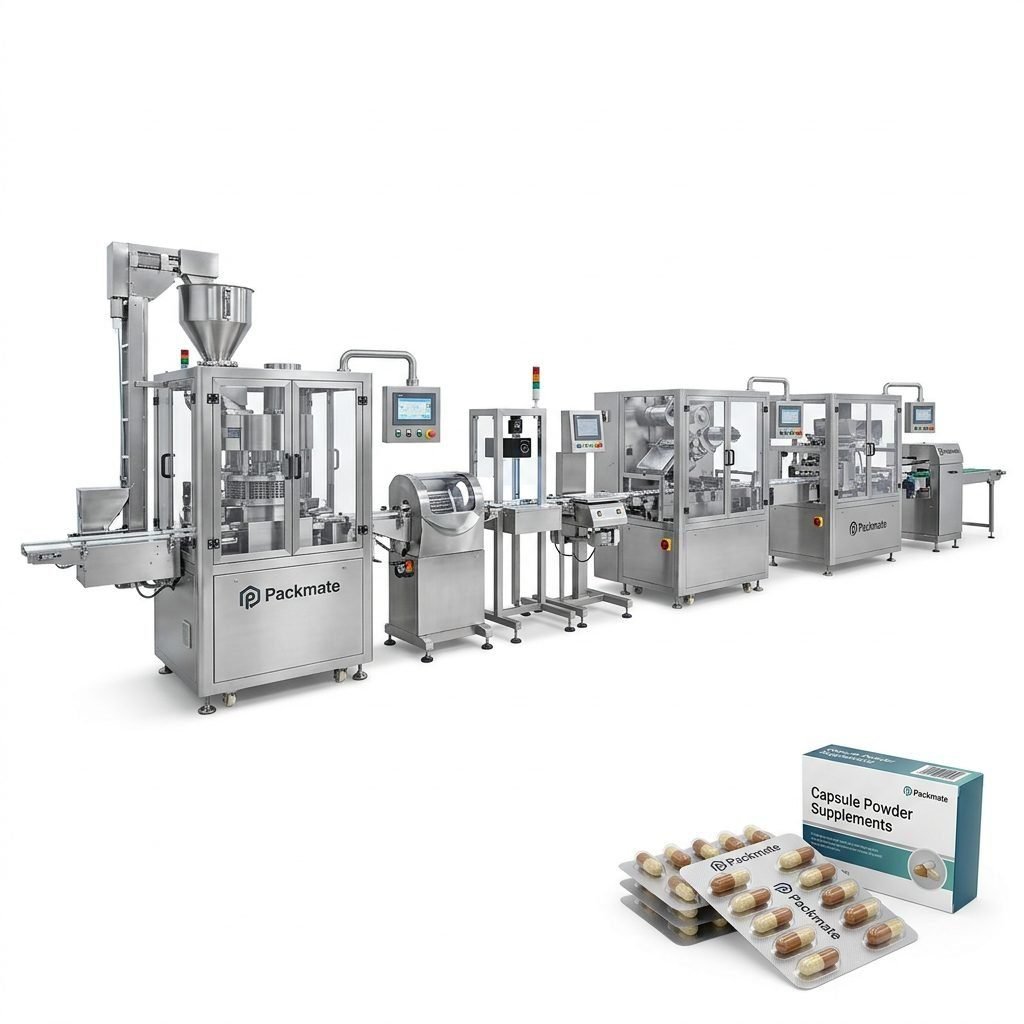
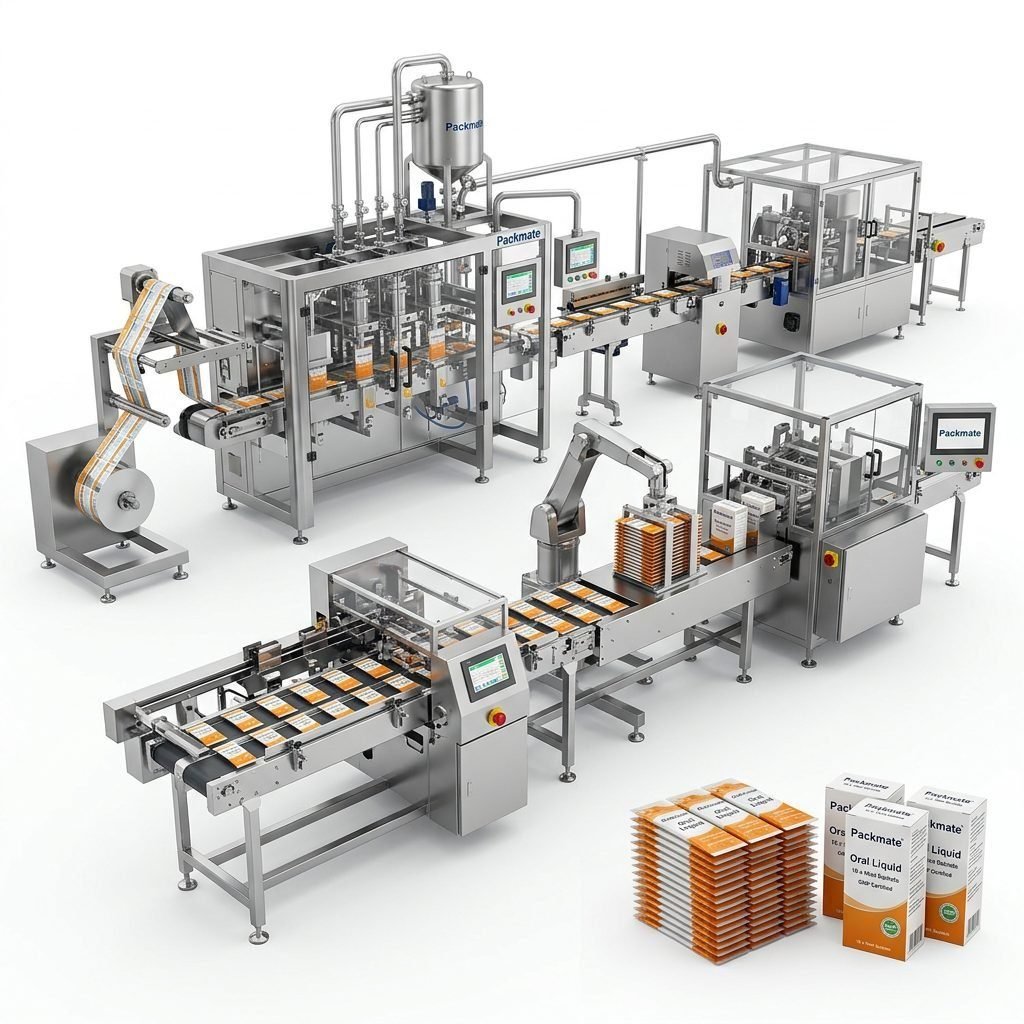
A packaging machine rarely works in isolation. It is typically the core of a larger system. Consider how it will integrate with upstream equipment (like mixers or ovens) and downstream systems (like cartoners or case packers). Planning for seamless integration from the start ensures smooth material flow and maximizes automation benefits. For complex needs, exploring turnkey solutions from a single provider can streamline the entire process.
Choosing the right snack packaging machinery is a strategic investment that impacts your product quality, operational efficiency, and bottom line. By thoroughly understanding the machine types, key features, and following a structured buying guide, you can select equipment that not only meets today’s needs but also supports your business’s future growth. Partnering with an established and innovative manufacturer provides the technological edge and support necessary to thrive in the competitive snack market.
Frequently Asked Questions (FAQs)
What is the typical production speed for a standard snack VFFS machine?
Speeds vary greatly based on bag size and product. A standard single-lane machine might range from 40 to 120 bags per minute. High-speed multi-lane systems, like some stick pack machines, can achieve outputs of several hundred packets per minute.
Can one machine handle different types of packaging films?
Most machines are designed to run a range of materials (e.g., laminates, metallized films, biodegradable films), but the sealing jaws and temperature settings may need adjustment. It’s crucial to consult with the manufacturer about your specific film requirements to ensure compatibility.
How important is after-sales service when buying packaging machinery?
Extremely important. Even the most reliable machines require maintenance and occasional troubleshooting. A supplier with a strong global service network, readily available spare parts, and responsive technical support, as emphasized by companies like Packmate, is essential for minimizing production disruptions.
What are the key hygiene features to look for in a snack packager?
Look for machines with smooth, crevice-free stainless steel surfaces, easy disassembly for cleaning, and designs that prevent product accumulation. Options like CIP (Clean-in-Place) systems or dust extraction ports are valuable for powdery products.
Is it better to buy a standalone machine or a complete integrated line?
This depends on your current setup and scale. A standalone machine is suitable for adding capacity to an existing line or for smaller operations. A complete, pre-integrated turnkey line is more efficient for new, large-scale projects as it ensures all components work harmoniously, reducing integration headaches and startup time.