In today’s fast-paced and hygiene-conscious world, aseptic packaging equipment stands as a cornerstone of modern food, pharmaceutical, and beverage industries. This technology ensures products remain free from harmful microorganisms without the need for refrigeration or preservatives, extending shelf life and maintaining nutritional value. For businesses, investing in the right aseptic packaging line is not just an operational decision but a strategic one that impacts product quality, safety, and market competitiveness.
Understanding Aseptic Packaging Technology
Aseptic packaging is a process where a commercially sterile product is filled into a sterile container within a sterile environment. The core principle is to achieve and maintain sterility throughout the entire packaging chain. This is distinct from traditional hot-fill or retort methods, as it allows heat-sensitive products to be packaged without compromising their organoleptic properties. The equipment achieves this through a combination of thermal sterilization (like steam or hot water), chemical sterilization (such as hydrogen peroxide), or radiation, ensuring both the product and the packaging material are free from contaminants before sealing.
The primary advantage of this technology is the dramatic extension of shelf life for products like milk, juices, soups, and sauces—often up to several months without refrigeration. This reduces food waste, expands distribution reach, and meets consumer demand for clean-label, preservative-free products. For pharmaceutical and health industries, it is indispensable for ensuring the sterility of sensitive liquids, ointments, and nutritional supplements.
Key Components of an Aseptic Packaging Line
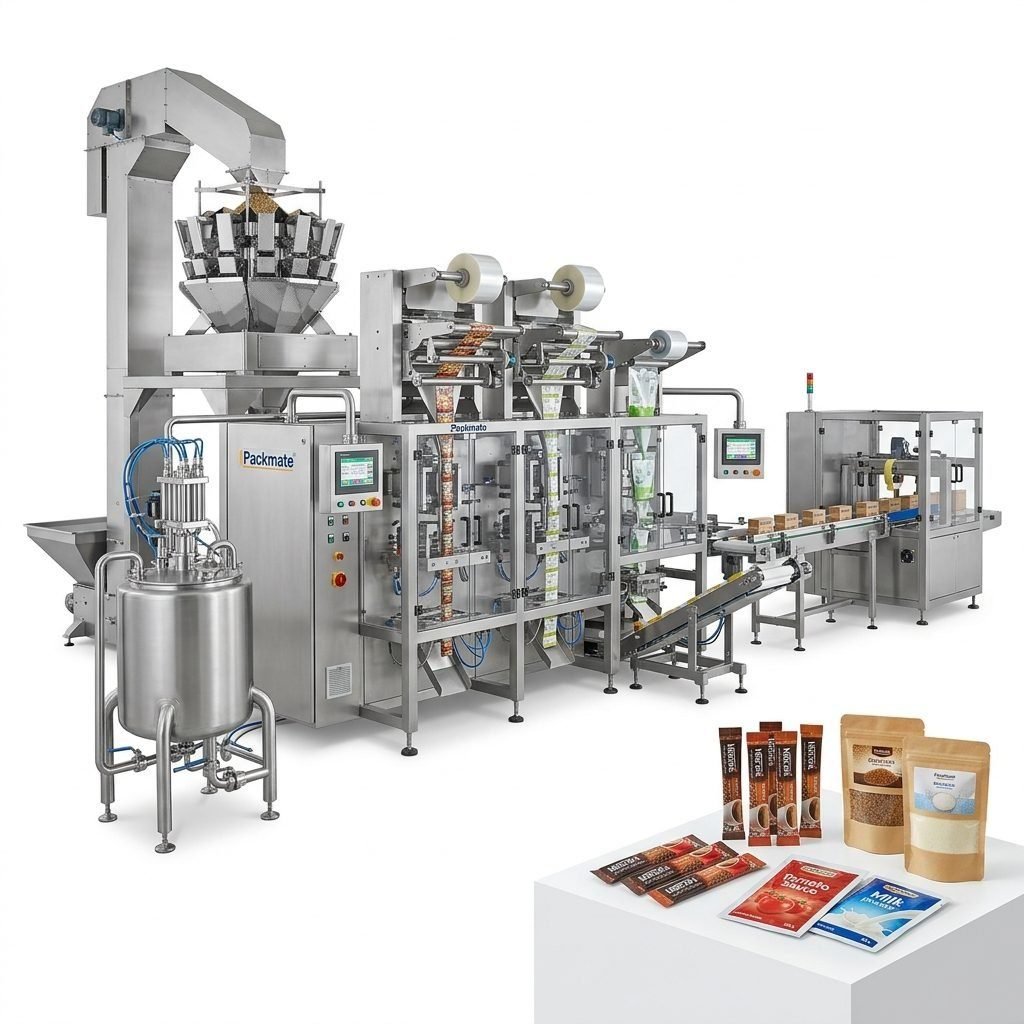
A complete aseptic packaging system is an integrated line comprising several critical machines working in harmony:
Sterilization Unit: This is the heart of the system, responsible for sterilizing the packaging material (e.g., carton blanks, plastic pouches, bottles) using methods like hydrogen peroxide spray, steam, or UV light.
Aseptic Filling Machine: Operating within a sterile chamber (often maintained by laminar flow of sterile air), this machine precisely fills the sterile product into the sterilized container. Accuracy and speed are paramount here.
Sealing/Closing Machine: Immediately after filling, the container is hermetically sealed in the sterile zone to prevent any post-filling contamination.
Secondary Packaging Equipment: This includes machines for cartoning, case packing, and palletizing the finished aseptic packages for distribution.
Main Types of Aseptic Packaging Equipment
The choice of equipment heavily depends on the packaging format and the product’s characteristics. Here are the predominant types:
1. Carton Aseptic Packaging Machines
These are the most recognizable, used for products like milk, juice, and broth. They form, fill, and seal paperboard cartons from a roll or pre-cut blanks. Brands like Tetra Pak popularized this format. The machines are high-speed and ideal for liquid products.
2. Pouch and Sachet Aseptic Fillers
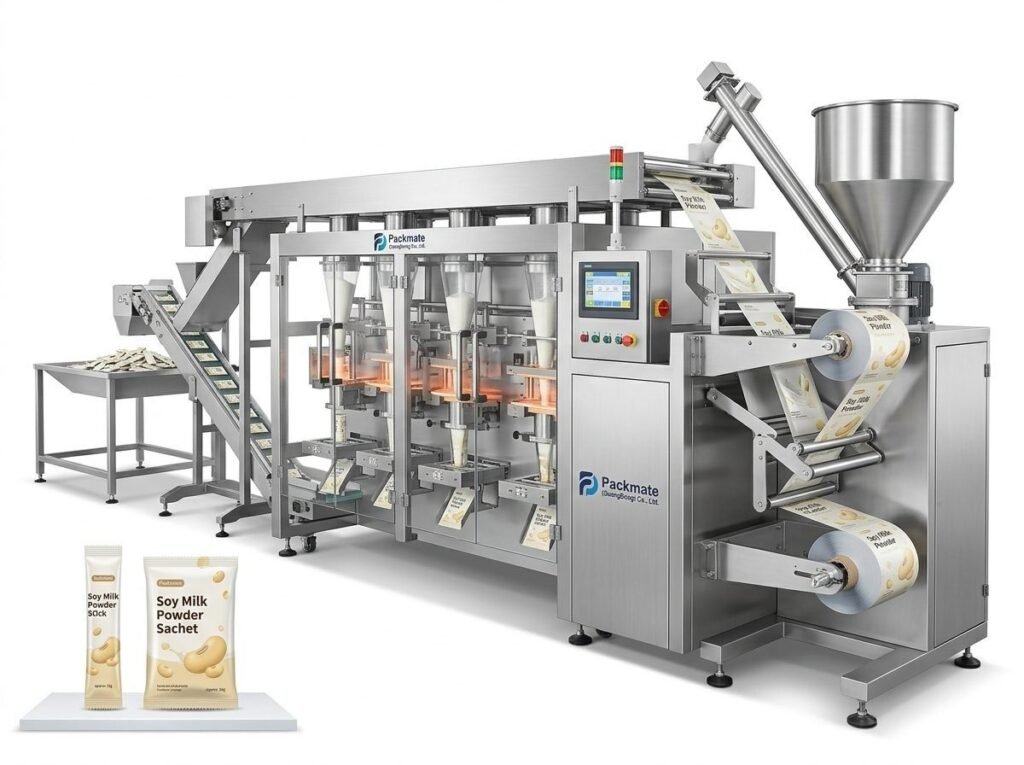
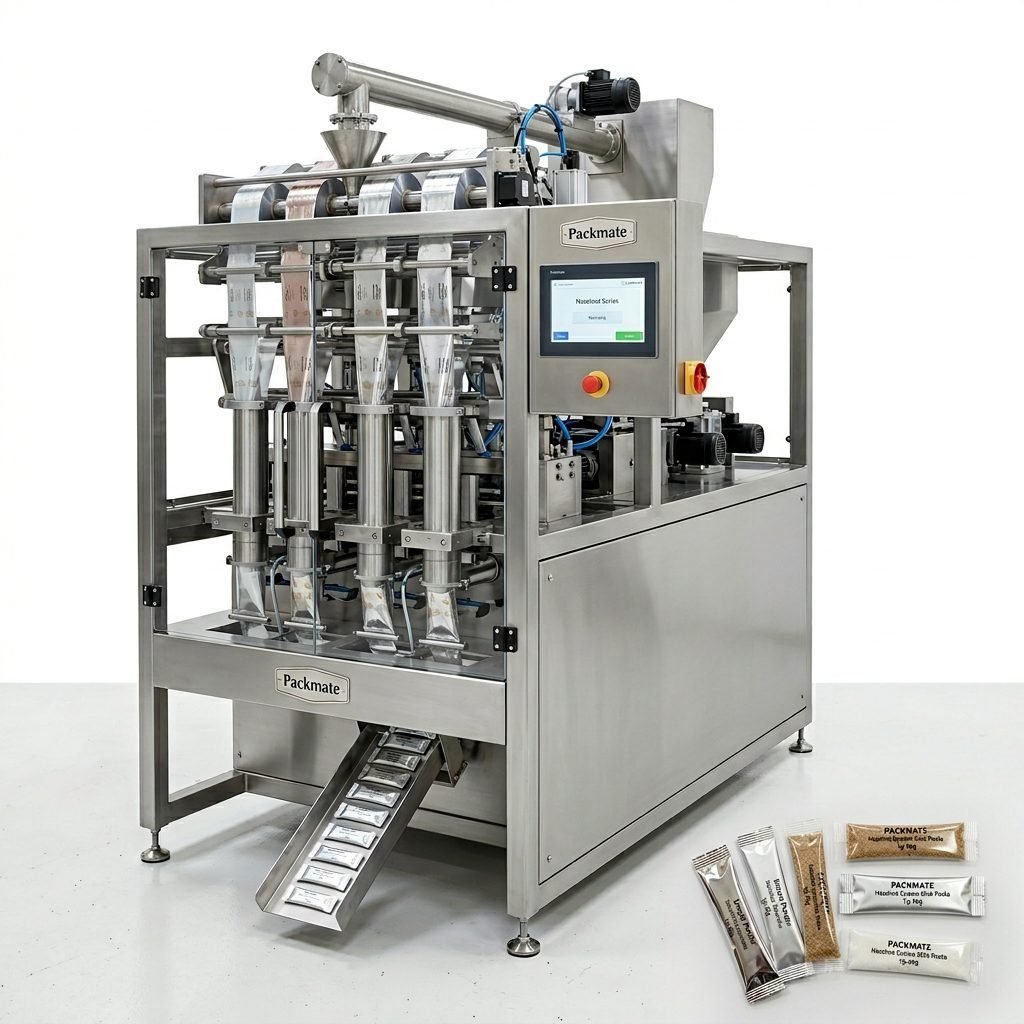
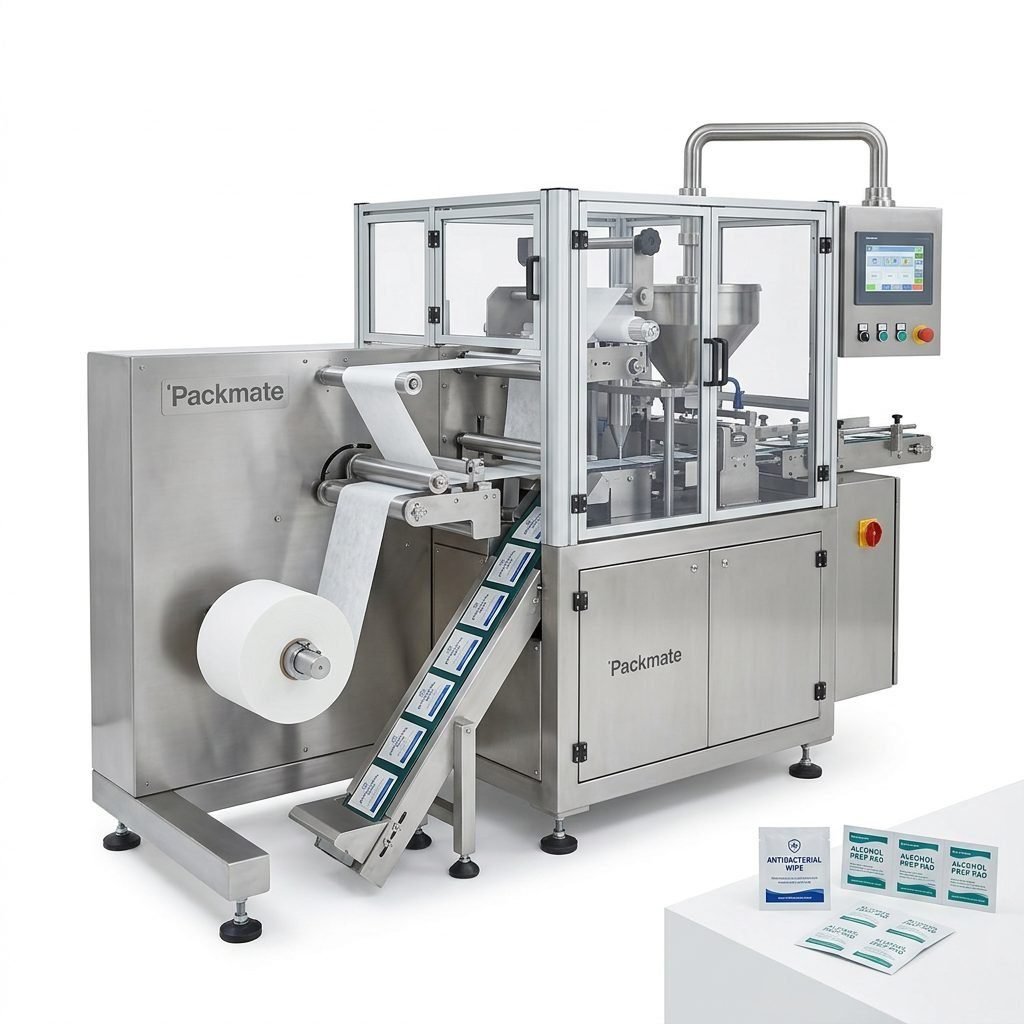
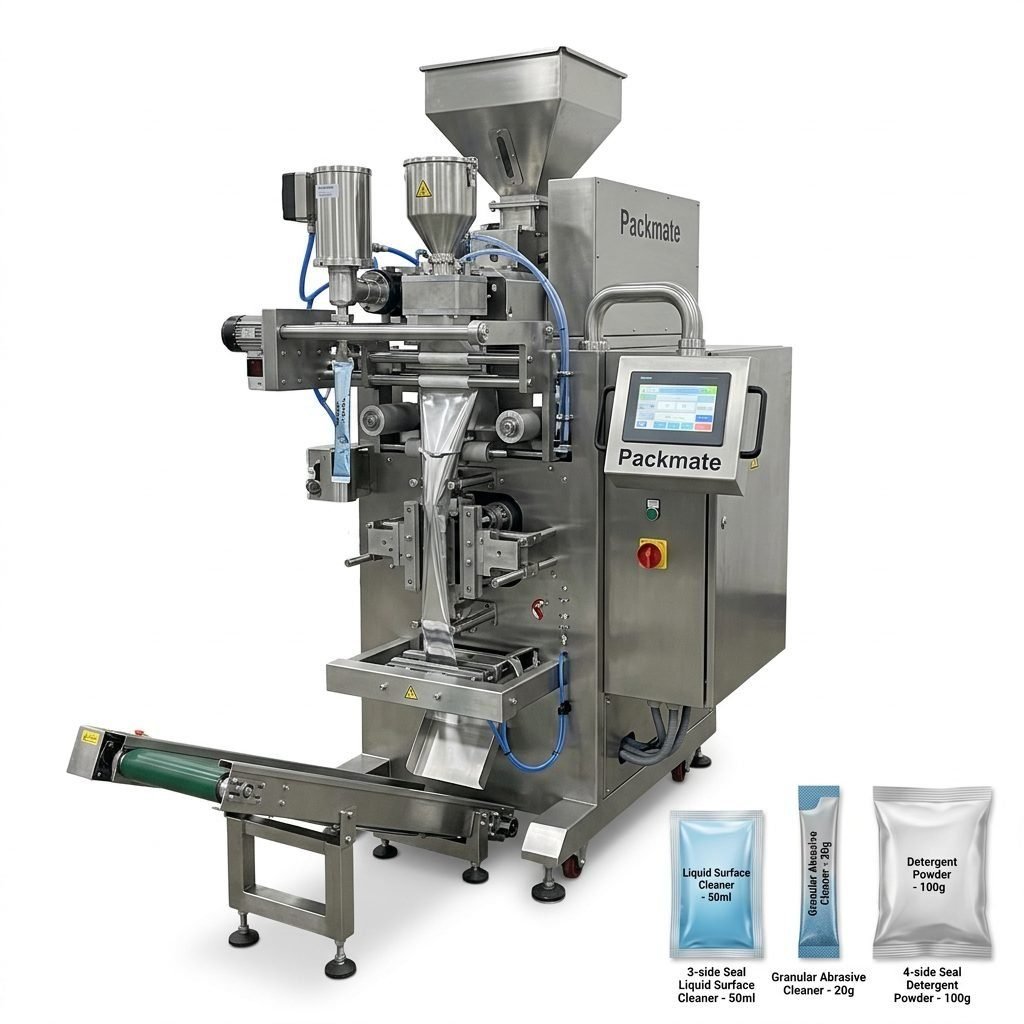
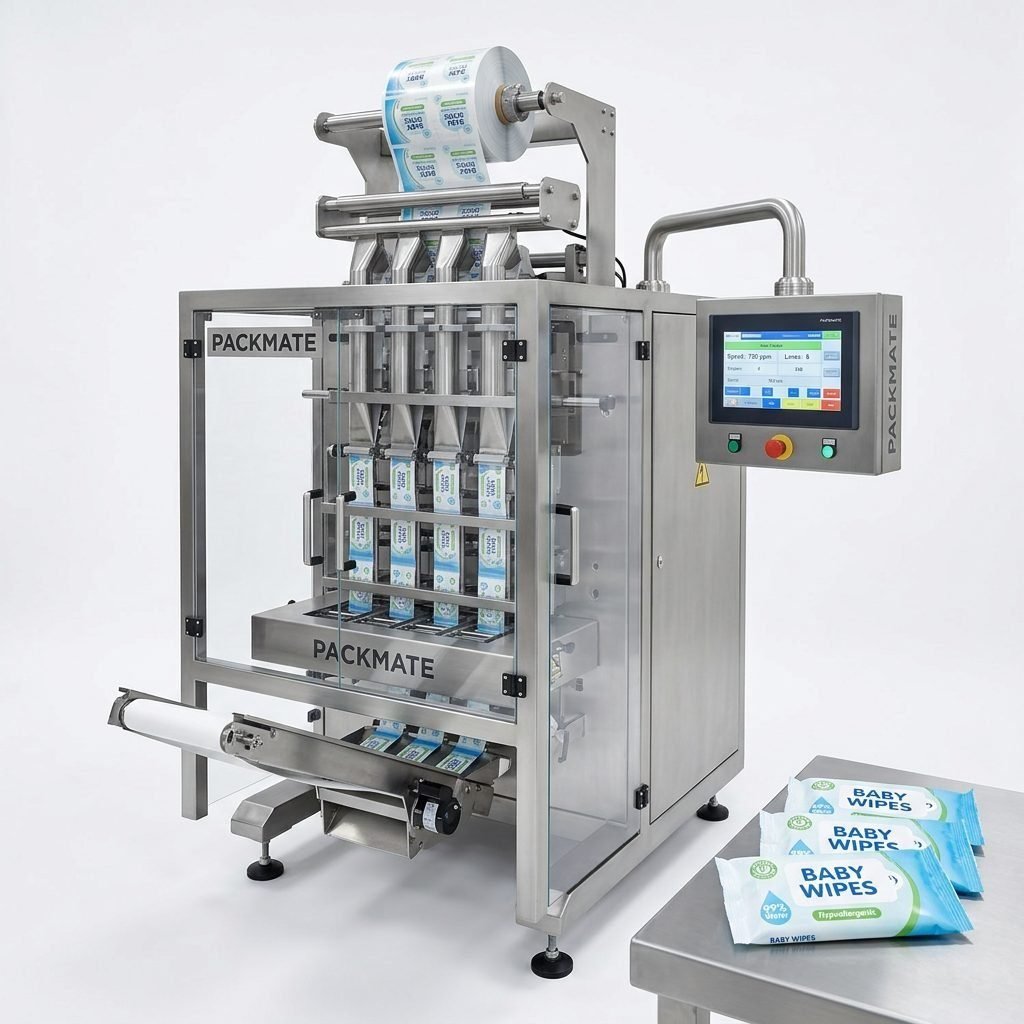
Increasingly popular for their flexibility and lower material cost, these machines fill and seal sterile product into pre-made or form-fill-seal pouches. They are excellent for sauces, condiments, dairy products, and even pharmaceutical powders. Companies like Packmate Machinery offer advanced multi-lane solutions for high-volume sachet production.
3. Bottle and Cup Fillers
Designed for plastic (PET, HDPE) or glass bottles and cups, these systems often use a “blow-fill-seal” technology where the container is formed, sterilized, filled, and sealed in one continuous, sterile operation. Common for water, teas, and dairy drinks.
4. Bag-in-Box and Drum Fillers
Used for bulk packaging of liquid or viscous products for foodservice or industrial use. A sterile bag is placed inside a corrugated box or drum and filled aseptically, allowing for safe, large-volume storage and dispensing.
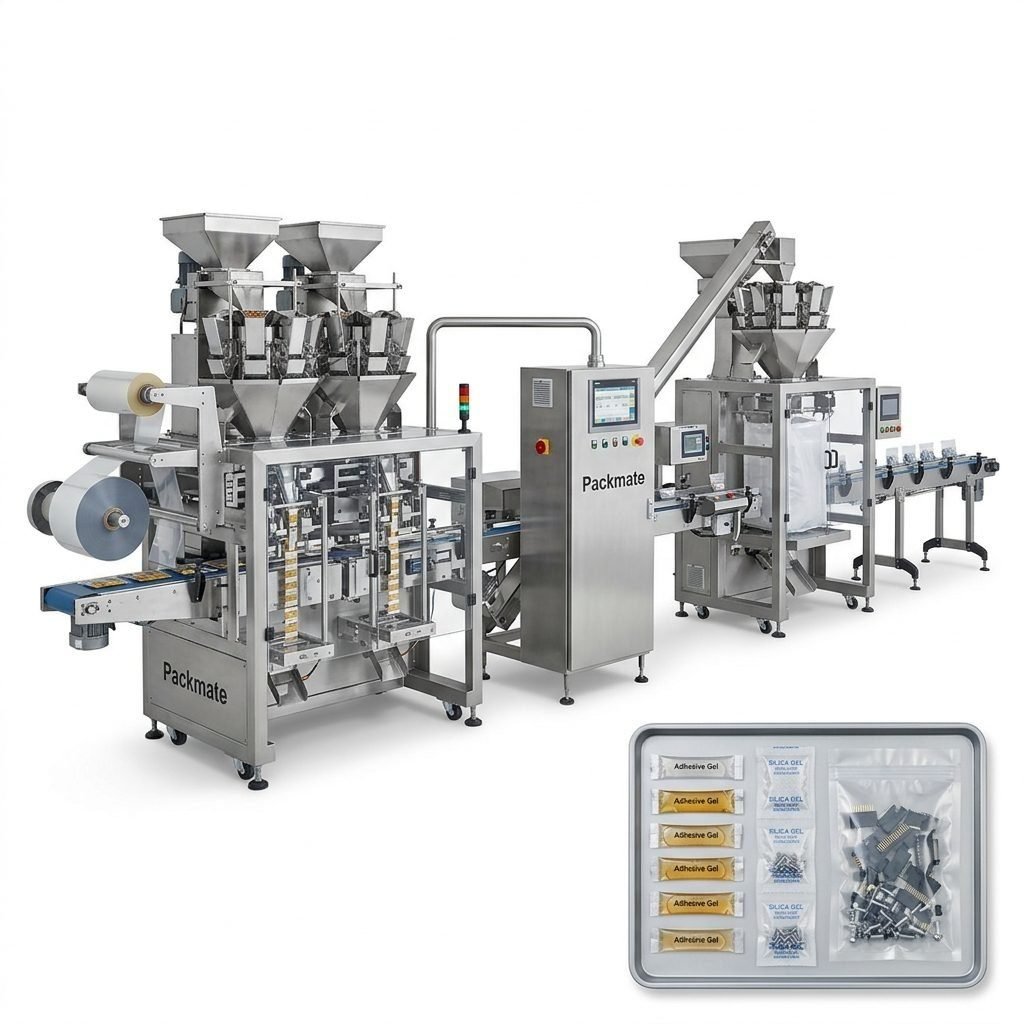
When selecting equipment, consider your product viscosity, required shelf life, production speed (output per hour), and the packaging material. A complete turnkey packaging line from a reputable supplier ensures all components are perfectly matched for optimal performance.
Critical Uses and Applications Across Industries
The application of aseptic packaging is vast and growing, driven by consumer trends and regulatory standards.
Food & Beverage: This is the largest application sector. From dairy (UHT milk, yogurt drinks) and juices to plant-based beverages, soups, and sauces, aseptic packaging locks in freshness and flavor. It enables global distribution of perishable goods.
Pharmaceuticals: Sterility is non-negotiable. Aseptic fillers are used for parenteral nutrition, intravenous solutions, ophthalmics, and other sterile liquid medications. The equipment must comply with stringent cGMP (Current Good Manufacturing Practice) standards.
Health & Nutritional Supplements: Probiotic drinks, protein shakes, and vitamin supplements often require aseptic processing to maintain the viability of live cultures and active ingredients without chemical preservatives.
Cosmetics: High-end serums, lotions, and creams are increasingly using aseptic or clean-room filling to ensure product purity and extend shelf life, appealing to beauty-conscious consumers.
Buying Guide: How to Choose the Right Equipment
Investing in aseptic packaging machinery is significant. Here is a structured guide to making an informed decision:
1. Define Your Product and Process Requirements:
Start with your product’s physical properties (viscosity, acidity, particulate content) and the desired packaging format (carton, pouch, bottle). Determine your target production capacity and required sterility assurance level (SAL).
2. Evaluate Machine Capabilities and Technology:
Scrutinize the sterilization method (H2O2 vs. steam vs. peracetic acid), filling accuracy, and sealing integrity. Look for machines with easy-to-clean designs (CIP/SIP – Clean-in-Place/Sterilize-in-Place) to minimize downtime. Modern machines often feature sophisticated PLC controls and HMI interfaces for precise operation and data logging.
3. Assess Supplier Credibility and Support:
The manufacturer’s experience is critical. A supplier with a long track record, like Packmate Machinery with over 30 years in packaging automation, brings invaluable expertise. Review their project case studies and client testimonials. Ensure they offer comprehensive after-sales service, training, and ready access to spare parts.
4. Consider Total Cost of Ownership (TCO):
Look beyond the initial purchase price. Factor in operational costs (energy, consumables like sterilization agents), maintenance costs, and potential downtime. A more reliable, efficient machine from a quality supplier may have a higher upfront cost but a lower TCO.
5. Plan for Validation and Compliance:
For pharmaceuticals and certain foods, equipment validation (IQ/OQ/PQ – Installation/Operational/Performance Qualification) is mandatory. Choose a supplier who can provide documentation and support throughout this rigorous process to meet FDA, EU, or other regional regulations.
Ultimately, the goal is to find a balance between performance, reliability, and cost. Partnering with a manufacturer that views your project as a collaborative partnership, offering end-to-end service from design to installation, is the key to a successful investment that will pay dividends for years to come.
Frequently Asked Questions (FAQs)
What is the main difference between aseptic and sterile packaging?
While the terms are often used interchangeably, “aseptic” typically refers to the process of achieving sterility by separately sterilizing the product and package before combining them in a sterile environment. “Sterile” is the resulting condition of being free from viable microorganisms. All aseptic packaging aims to produce a sterile product.
How long can products last in aseptic packaging?
Shelf life varies by product but is significantly extended. For example, UHT milk in aseptic cartons can last 6-12 months unrefrigerated. Fruit juices may last up to a year or more. The exact shelf life depends on the product, processing parameters, and packaging material barrier properties.
Is aseptic packaging more expensive than traditional methods?
The initial investment in equipment is generally higher. However, it can be more cost-effective overall due to savings on refrigeration during storage and transport, reduced packaging material weight (compared to cans or glass), and lower distribution costs. It also minimizes product spoilage losses.
Can aseptic equipment handle products with solid pieces or particulates?Yes, but it is more challenging. Specialized aseptic systems exist for products like soups with vegetables or fruit juices with pulp. These often use tubular or scraped-surface heat exchangers for sterilization and require careful design to ensure even heating and filling of particulates without damage.
What maintenance does an aseptic packaging line require?
Regular and meticulous maintenance is crucial. This includes daily cleaning and sterilization cycles, periodic calibration of sensors and fillers, seal integrity checks, and preventive replacement of wear parts like pumps, valves, and seals. Adherence to the manufacturer’s maintenance schedule is essential for consistent sterility and machine uptime.