In the fast-paced world of manufacturing, efficiency, precision, and hygiene are paramount. For industries handling pharmaceuticals, food items, or consumer goods, packaging is a critical final step. Enter the automated blister packaging machine—a sophisticated piece of equipment that has revolutionized how products are sealed, protected, and presented. This guide delves into everything you need to know about these machines, from their core functions to selecting the right one for your needs.
What is an Automated Blister Packaging Machine?
An automated blister packaging machine is a system designed to form, fill, and seal blister packs—those familiar plastic or aluminum cavities holding individual product units. The process is fully automated: a roll of forming film is heated and molded into blisters, products are precisely placed into each cavity, a lidding material (often foil) is applied, and the pack is sealed and cut. This method is exceptionally popular for tablets, capsules, lozenges, small hardware, and electronic components due to its excellent barrier properties and consumer-friendly design.
Core Components and Workflow
The machine’s operation can be broken down into several integrated stations:
Unwinding & Forming: A roll of thermoplastic film (like PVC, PVDC, or Aclar) is fed into a heating station. The softened film is then pressed into a mold by a forming die, using either thermoforming (heat and pressure) or cold forming (high pressure) techniques to create the blisters.
Product Loading: This is a critical phase for accuracy. Products are transferred into the blisters using systems like vibratory feeders, pick-and-place robots, or multi-head weighers. High-speed machines can achieve impressive outputs, sometimes exceeding thousands of packs per minute.
Sealing: A lidding material—typically a heat-sealable aluminum foil laminate—is placed over the filled blisters. A heated sealing station applies precise pressure and temperature to create a hermetic seal, ensuring product integrity.
Punching & Cutting: Finally, the continuous sealed web is die-cut into individual blister cards or strips. Scrap film is rewound for recycling, minimizing waste.
Key Benefits of Automation in Blister Packaging
Shifting from manual or semi-automatic processes to a fully automated blister line offers transformative advantages:
• Unmatched Speed and Output: Automated systems dramatically increase production rates, allowing businesses to scale operations and meet large-volume demands efficiently.
• Superior Accuracy and Consistency: Automated product handling eliminates human error in counting and placement. Every blister pack contains the exact same number of items, crucial for pharmaceutical dosing and regulatory compliance.
• Enhanced Hygiene and Contamination Control: Closed, automated systems limit human contact with the product, which is a non-negotiable requirement in pharmaceutical and food packaging.
• Reduced Labor Costs and Operational Expenses: While the initial investment is significant, automation leads to substantial long-term savings by reducing the workforce needed for repetitive tasks and minimizing material waste.
• Improved Traceability: Modern machines can integrate with vision inspection systems and data logging software, allowing for real-time quality control and complete batch traceability.
Choosing the Right Machine: Thermoforming vs. Cold Forming
Not all blister machines are the same. The choice between thermoforming and cold forming is fundamental and depends on your product’s needs.
Thermoforming Machines are the most common. They use heat and pressure to form blisters from a single sheet of plastic film. They are highly versatile, cost-effective for most applications, and perfect for standard tablets, capsules, and dry goods. Their tooling is generally less expensive.
Cold Forming Machines (Aluminum-Aluminum Blistering) use two layers of aluminum foil. The forming foil is mechanically drawn into cavities under immense pressure at room temperature, and the lidding foil is sealed on top. This process creates an exceptional barrier against moisture, oxygen, and light, making it the gold standard for moisture-sensitive drugs, hygroscopic products, and items requiring very long shelf life. The tooling is more complex and costly.
Integration with Complete Packaging Lines
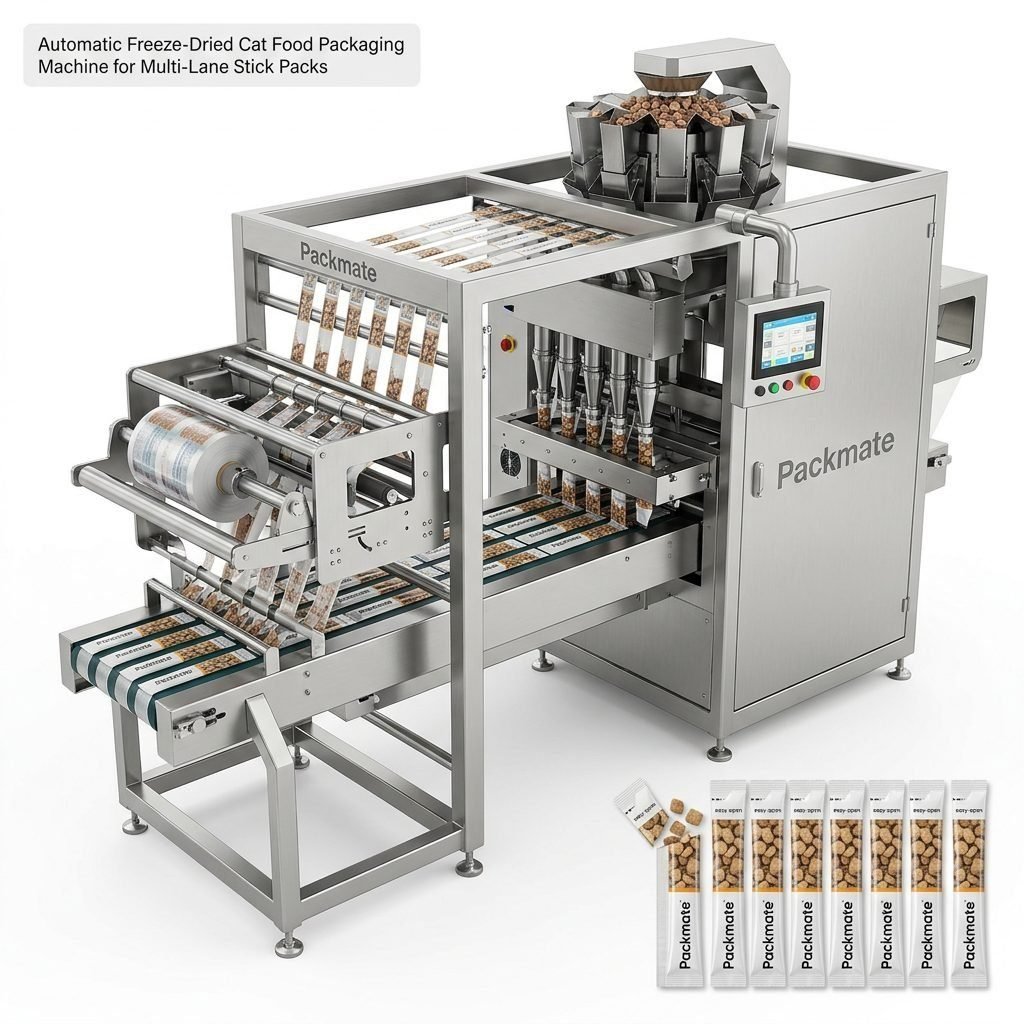
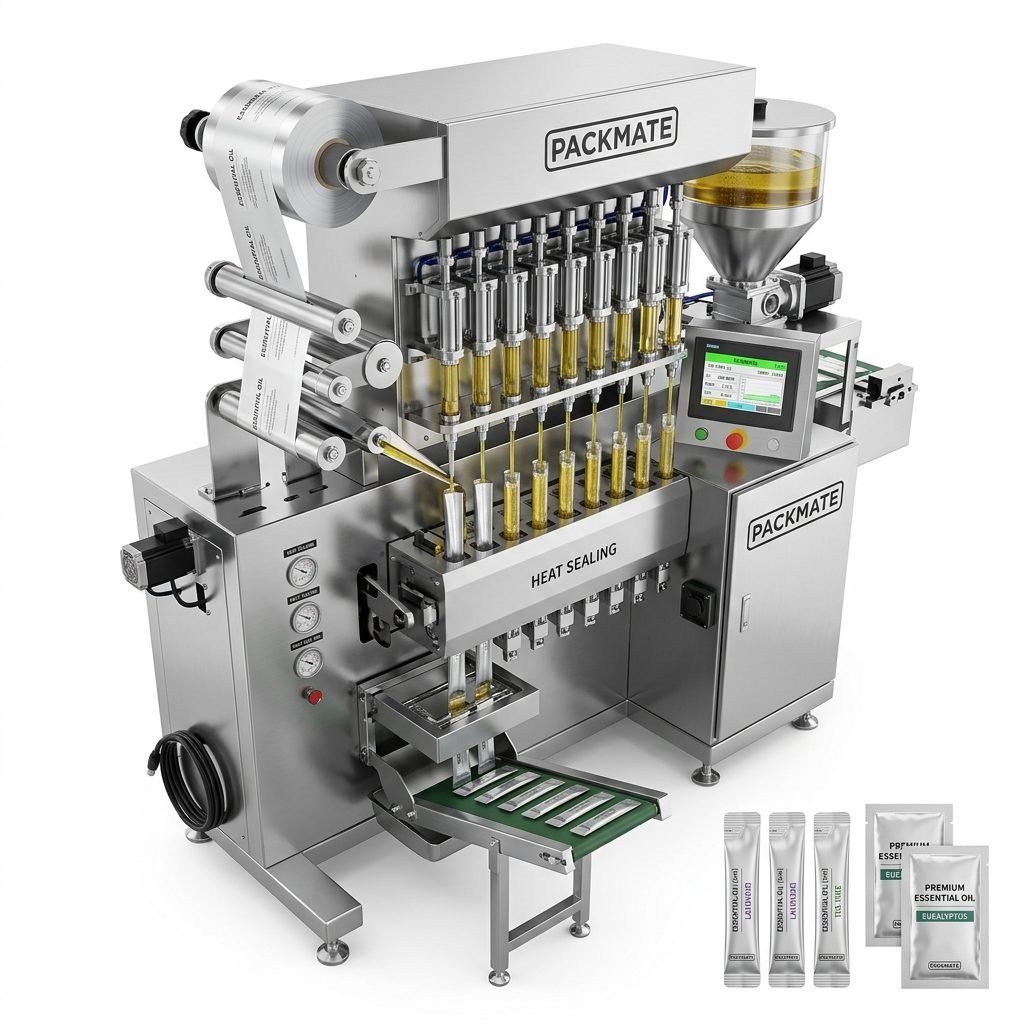
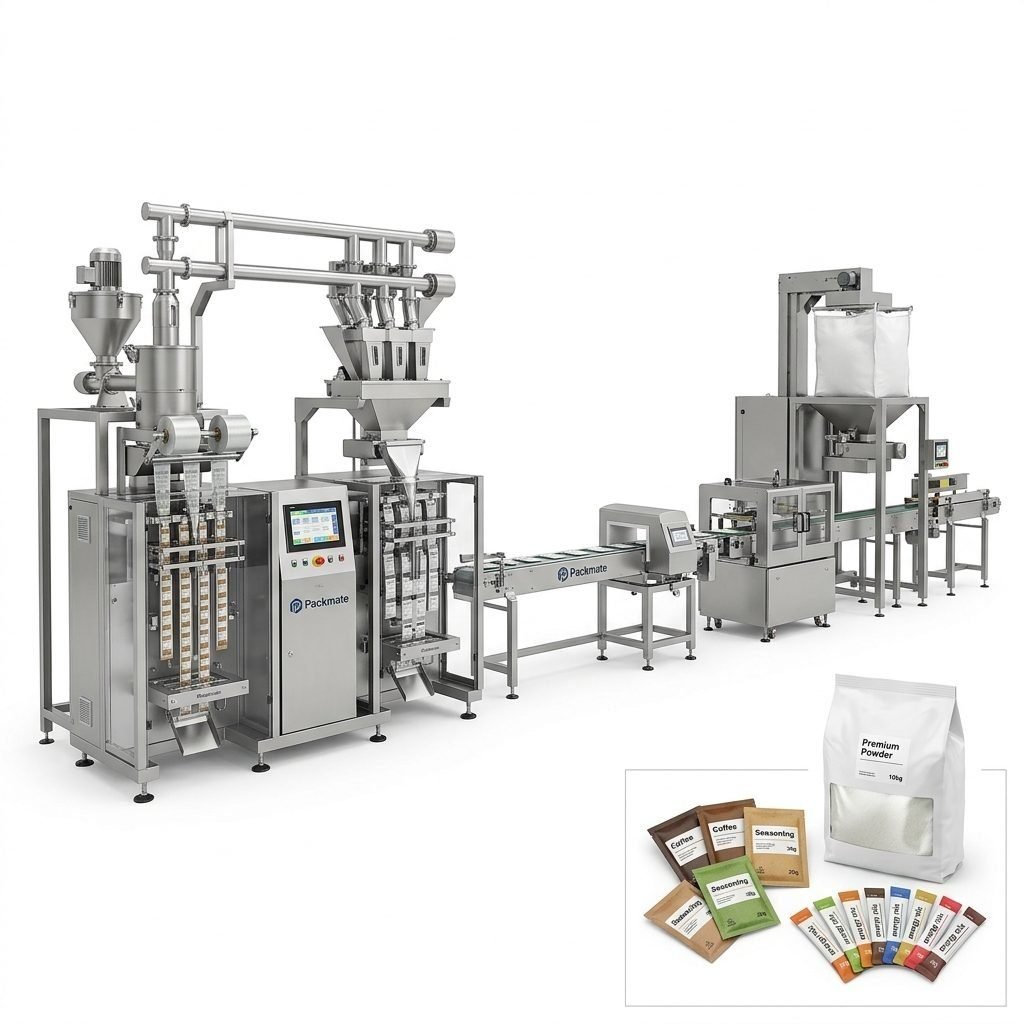
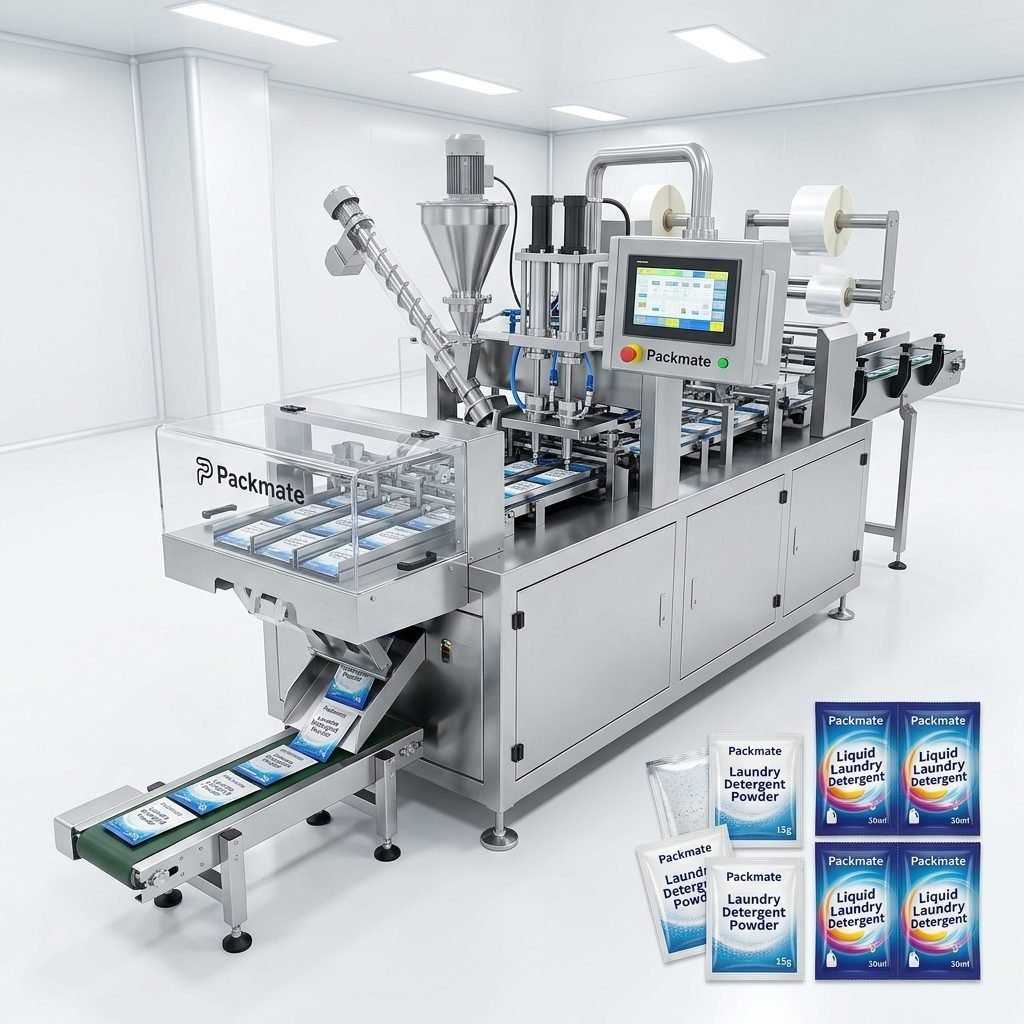
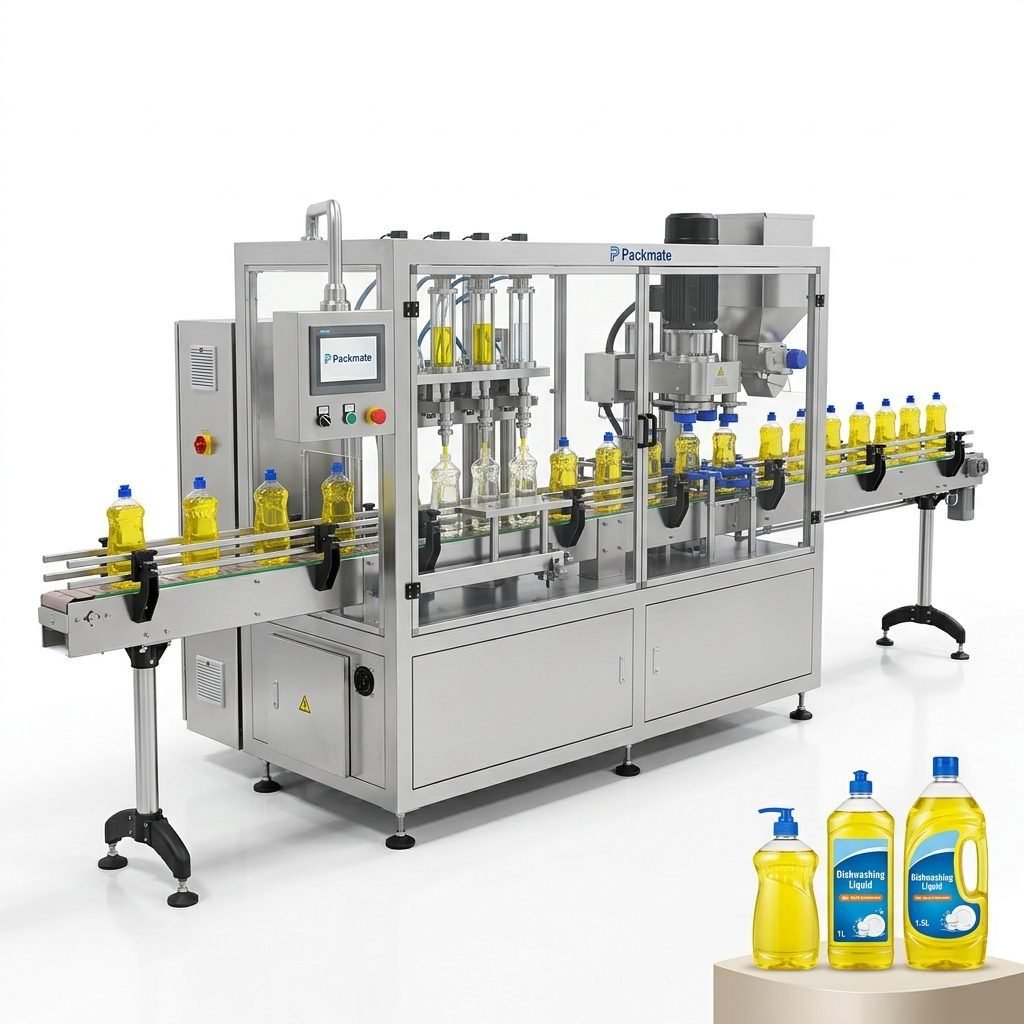
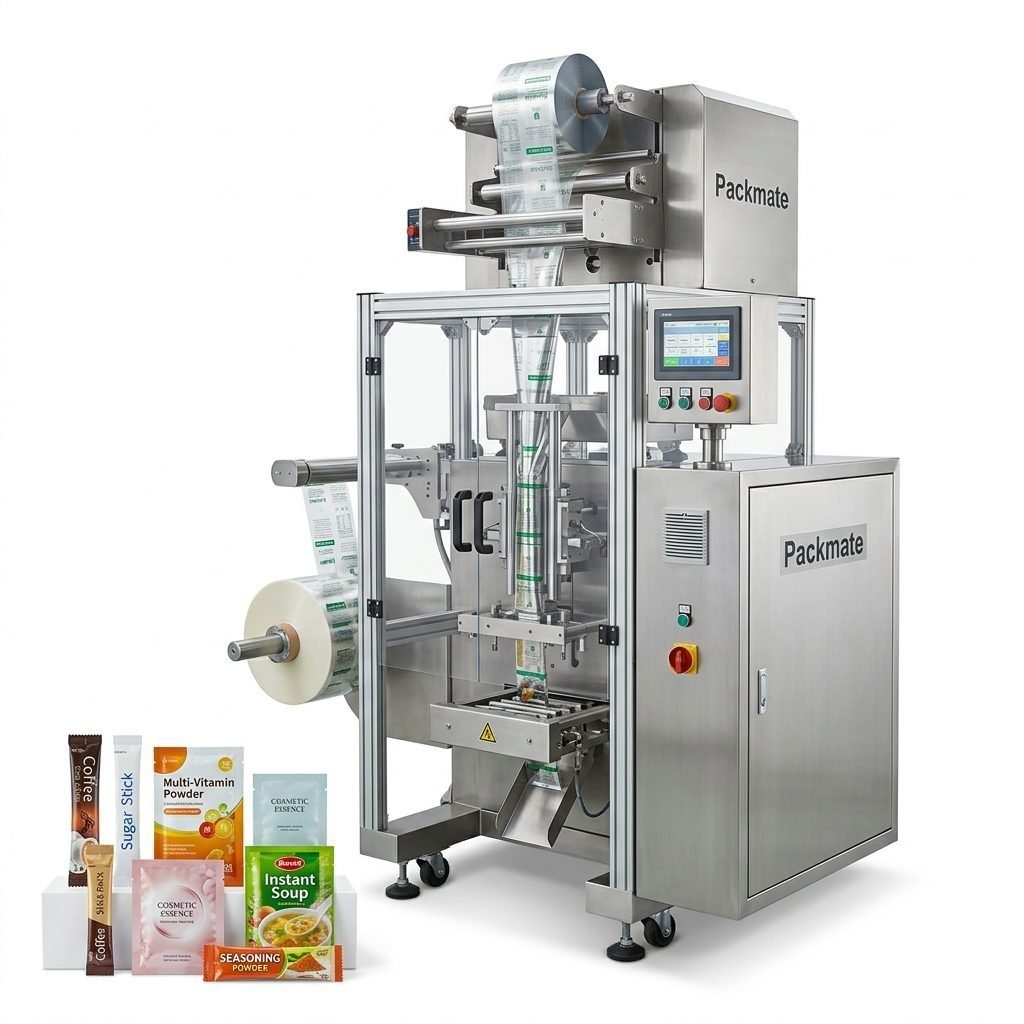
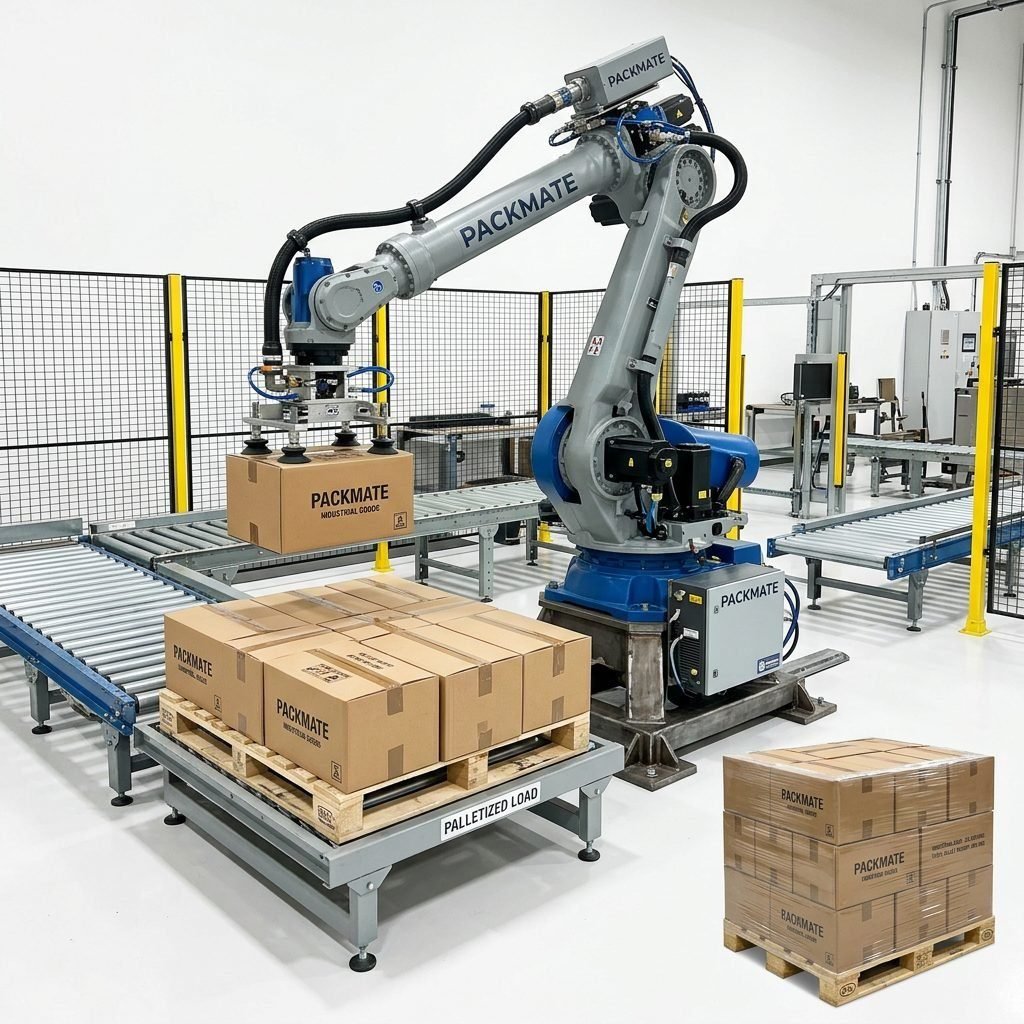
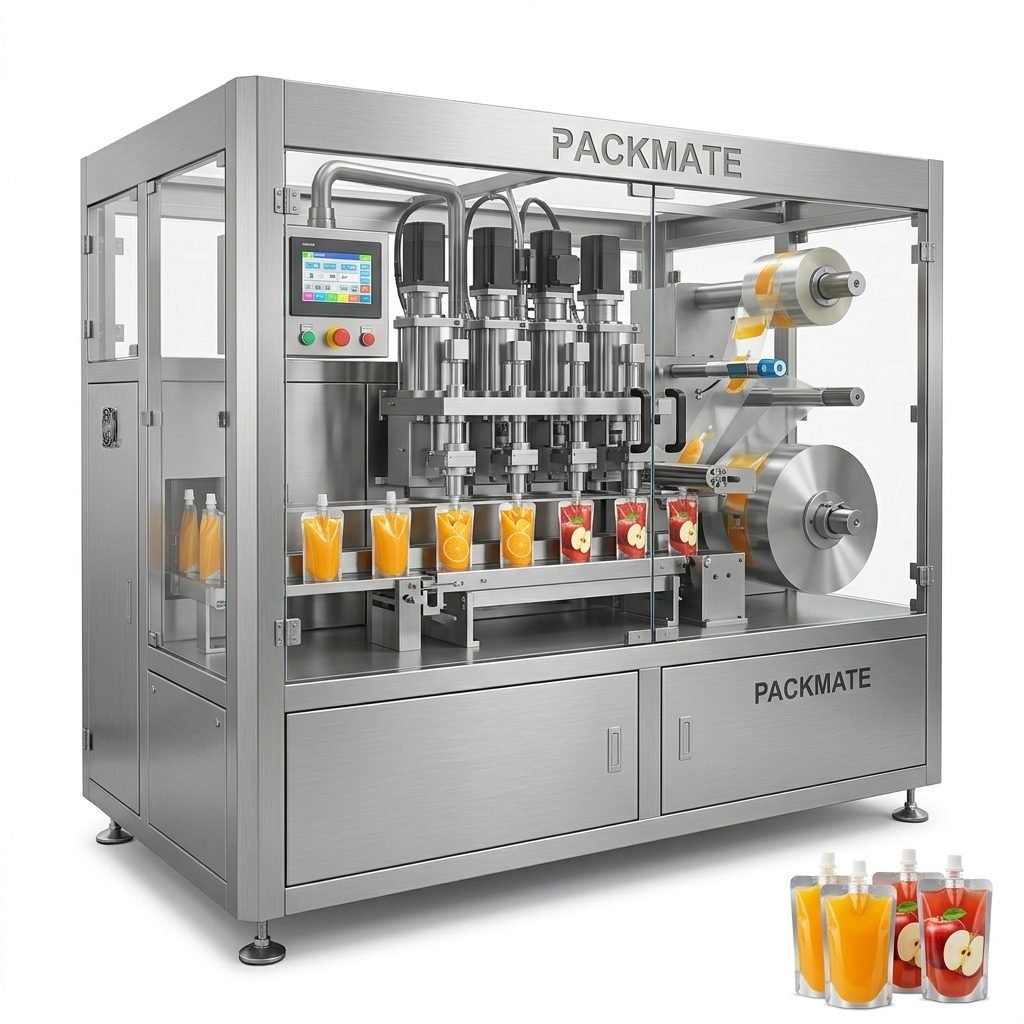
An automated blister machine rarely works in isolation. It is the heart of a larger packaging line. Upstream, it may be fed by product handling systems like tablet dedusters or counters. Downstream, the output blister packs often proceed to cartoners for secondary packaging, then to case packers and palletizers. Choosing a supplier like Packmate Machinery, which understands total line integration, is vital for seamless operation. Their expertise in sachet and stick pack machines also highlights the breadth of solutions available for different primary packaging formats.
Critical Considerations for Selection and Operation
Before investing, carefully evaluate these factors:
Product Characteristics: Size, shape, fragility, and sensitivity to heat or pressure will dictate the forming method and handling system.
Required Output Speed (Packs/Minute): Match the machine’s capacity to your current and future production goals.
Film and Material Compatibility: Ensure the machine can handle the specific grades of forming film and lidding foil you plan to use.
Changeover Flexibility: How quickly and easily can the machine be adjusted for different blister sizes or products? Look for features like quick-change tooling and recipe storage.
Regulatory Compliance: For pharmaceutical use, the machine must be designed to meet cGMP (Current Good Manufacturing Practice) standards, with features like easy cleaning, validated processes, and documentation support.
Supplier Support: The quality of after-sales service, availability of spare parts, and technical training are as important as the machine itself. A partner with a strong track record, like Packmate with its 22+ years of development and modern 20,000㎡ facility, provides invaluable long-term security.
Future Trends in Blister Packaging Automation
The evolution continues toward greater intelligence and sustainability. Industry 4.0 integration allows machines to communicate data for predictive maintenance and optimized production scheduling. Advanced vision inspection systems using AI can detect microscopic defects in seals or product placement. Furthermore, there is a strong push toward using more sustainable, recyclable, or mono-material films to reduce environmental impact without compromising product protection.
Frequently Asked Questions (FAQs)
1. What is the main difference between a blister pack and a strip pack?
Blister packs have individual product cavities formed from a single sheet, while strip packs typically seal products between two flat sheets of film, creating a “strip” of connected pouches. Blisters offer better product visibility and physical protection.
2. How do I determine if I need a thermoforming or cold forming blister machine?
If your product is sensitive to moisture, oxygen, or requires an ultra-high barrier (e.g., certain pharmaceuticals), cold forming (aluminum-aluminum) is necessary. For most other applications like standard pills, candies, or small parts, thermoforming is the more economical and common choice.
3. What are the typical maintenance requirements for an automated blister machine?
Regular maintenance includes daily cleaning of forming and sealing stations, lubrication of moving parts as per the manual, inspection and replacement of wear parts like sealing dies and cutting knives, and periodic calibration of sensors and heaters. A good supplier will provide a detailed maintenance schedule.
4. Can one machine handle multiple different blister card sizes and shapes?
Yes, most modern machines are designed for changeover. However, the ease and speed depend on the machine’s design. Machines with quick-change mold systems and digital recipe storage significantly reduce downtime when switching products.
5. What safety features are standard on automated blister packaging machines?
Essential safety features include guarded moving parts, emergency stop buttons at multiple points, safety interlocks that prevent operation when guards are open, and fault detection systems that halt the machine if a material web breaks or a product is misfed.