In the fast-paced world of packaging, efficiency, hygiene, and product integrity are paramount. For businesses handling powders, granules, liquids, and other free-flowing products, the Vertical Form Fill Seal (VFFS) packaging machine stands as a cornerstone technology. This comprehensive guide delves into the workings, benefits, and critical selection criteria for VFFS machines, empowering you to make an informed investment that boosts your production line’s performance.
Understanding the Vertical Form Fill Seal Machine
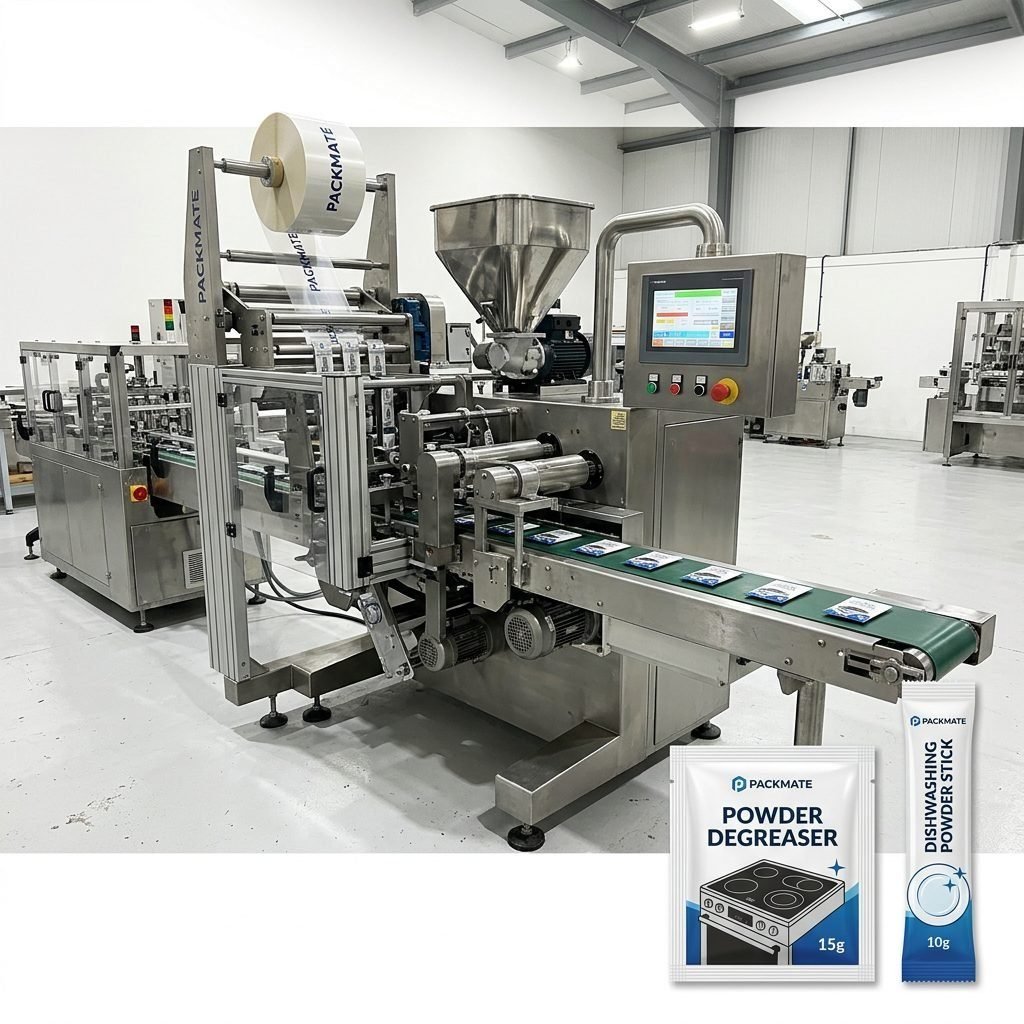
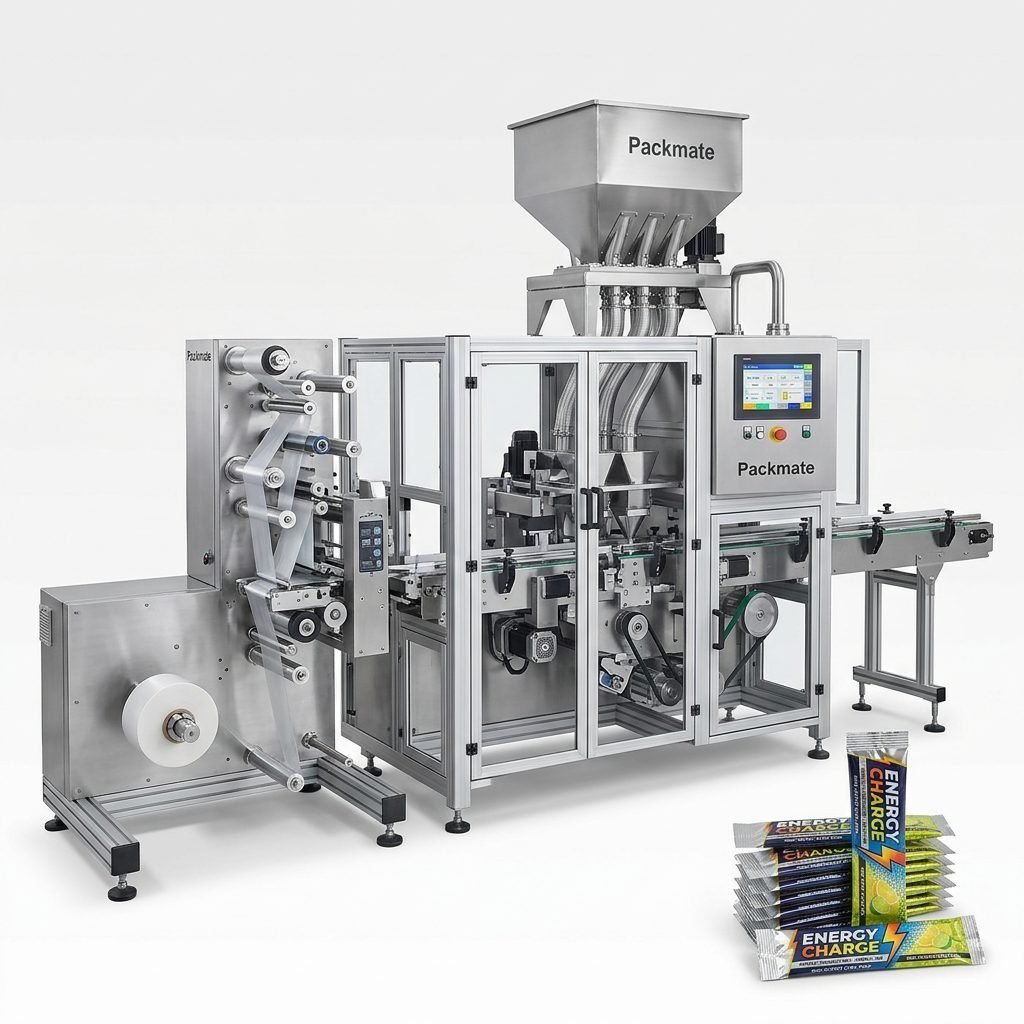
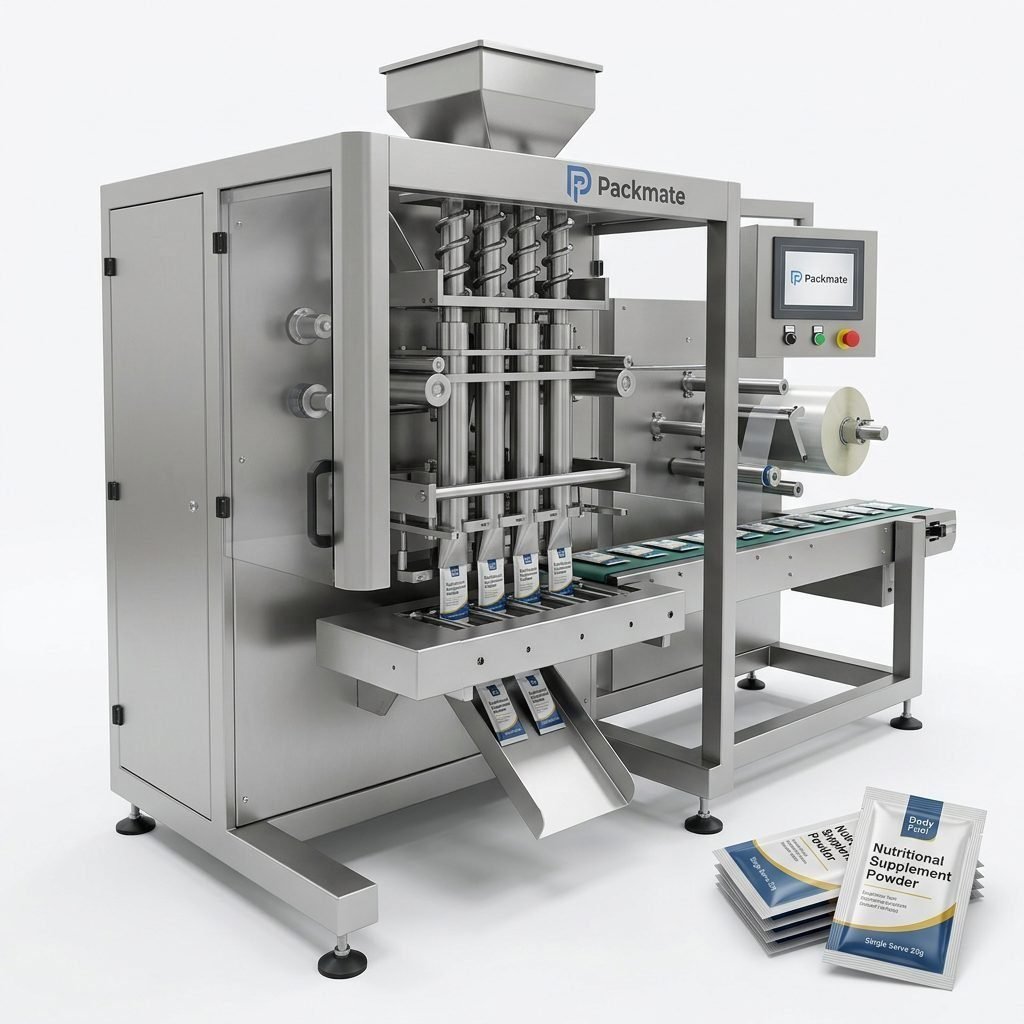
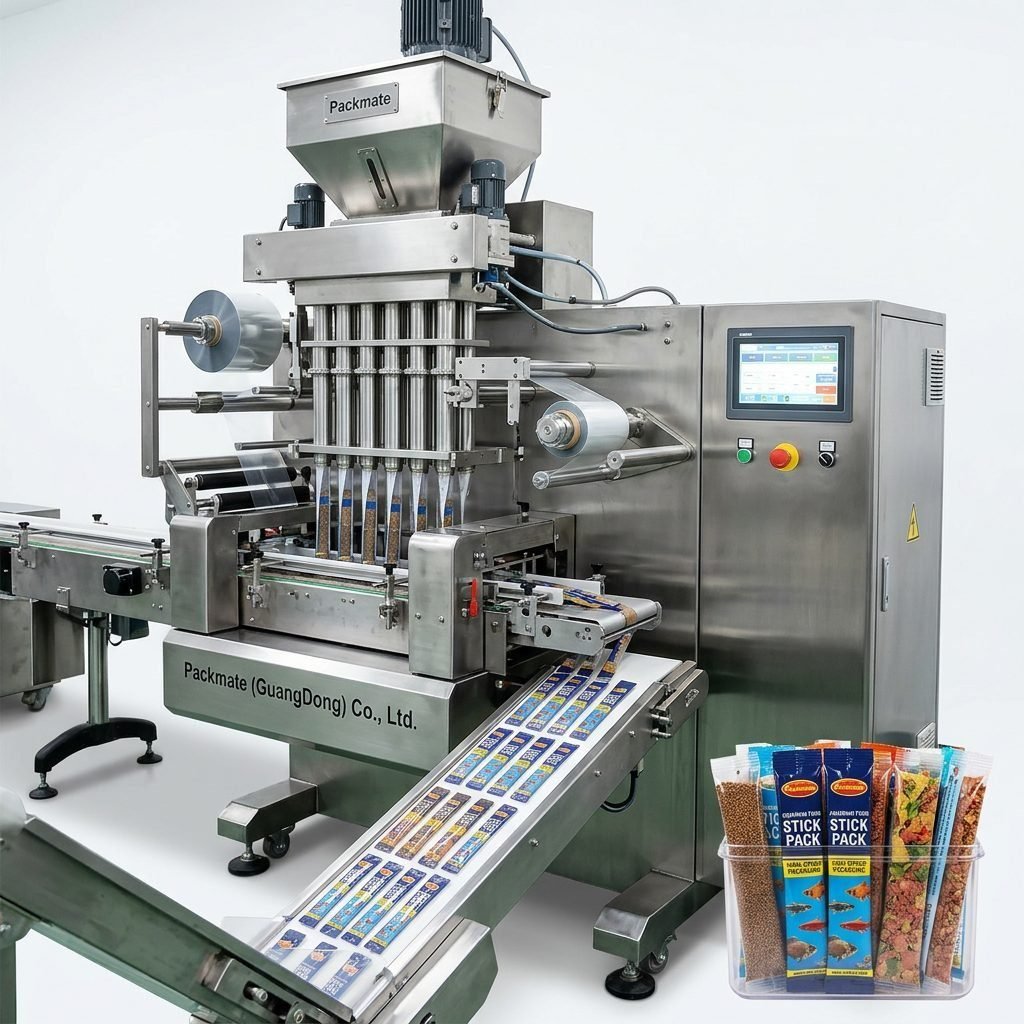
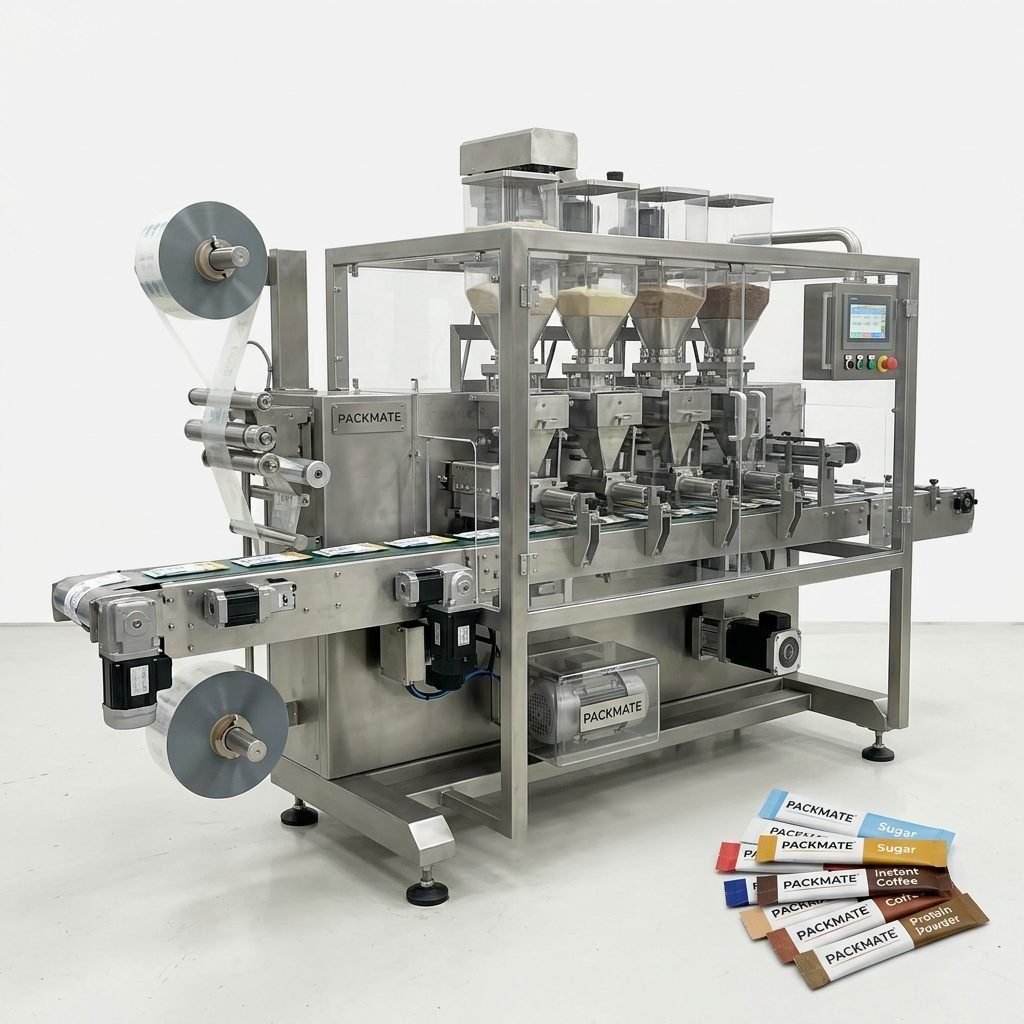
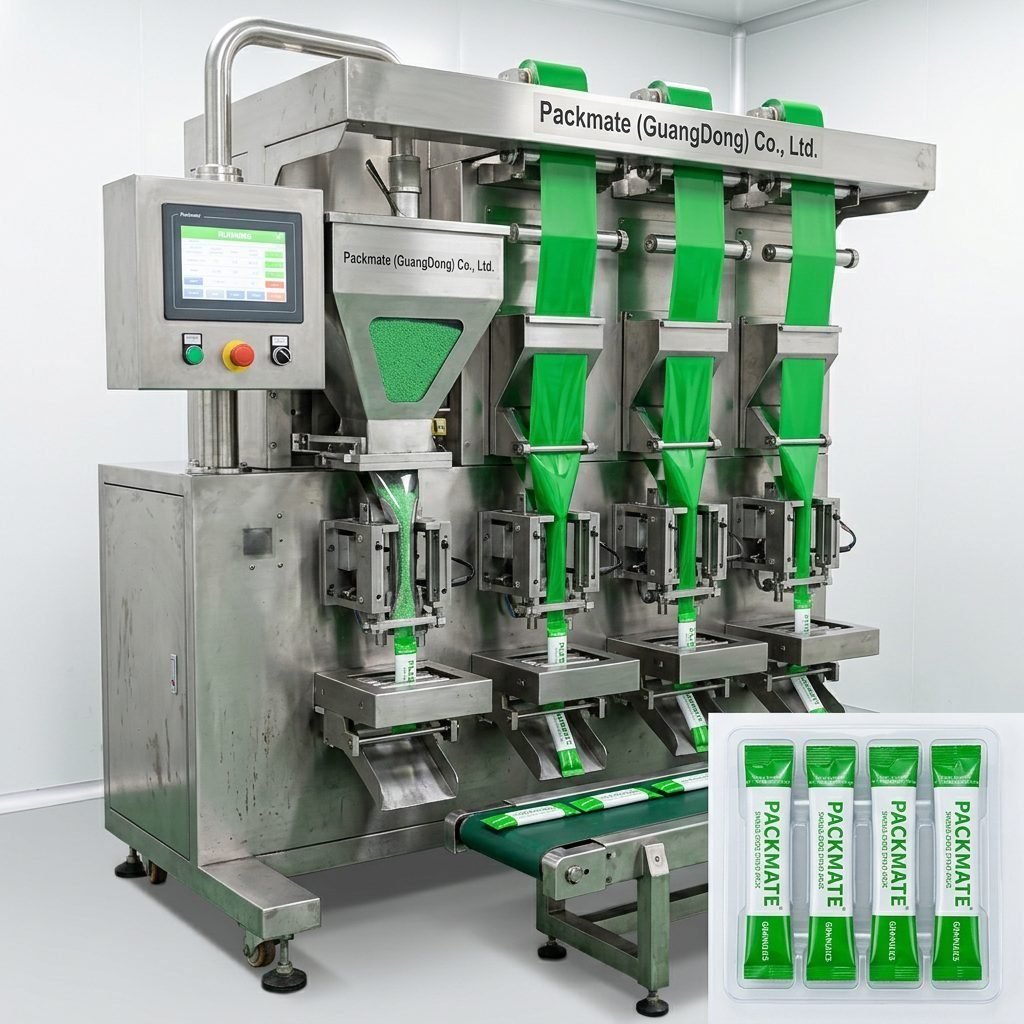
A Vertical Form Fill Seal machine is an automated system that forms bags from a roll of flat packaging film, fills them with a precise amount of product, and seals them—all in a continuous vertical motion. The process begins with the film being drawn downward over a forming tube, shaping it into a tube. The vertical back seal is created, and the bottom of the tube is sealed to form the first bag’s bottom. The product is then dispensed through the forming tube into the waiting bag. Finally, the top of the filled bag is sealed, simultaneously creating the bottom seal for the next bag, before being cut off and discharged.
Core Advantage: The primary strength of the VFFS system is its high-speed, continuous operation, which minimizes downtime and maximizes output. It is exceptionally versatile, capable of producing various bag styles like pillow bags, gusseted bags, or bags with zippers, making it ideal for industries from food and pharmaceuticals to chemicals and agriculture.
Key Components and Their Functions
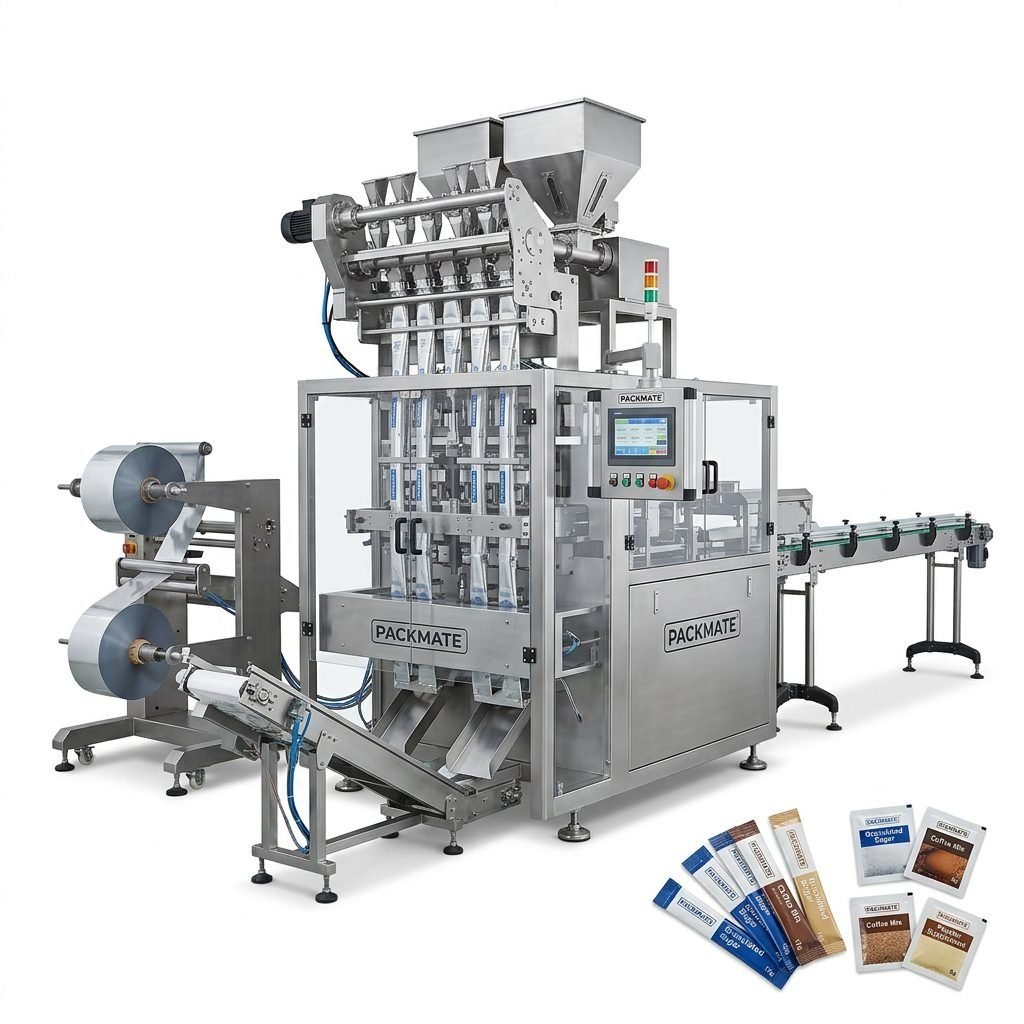
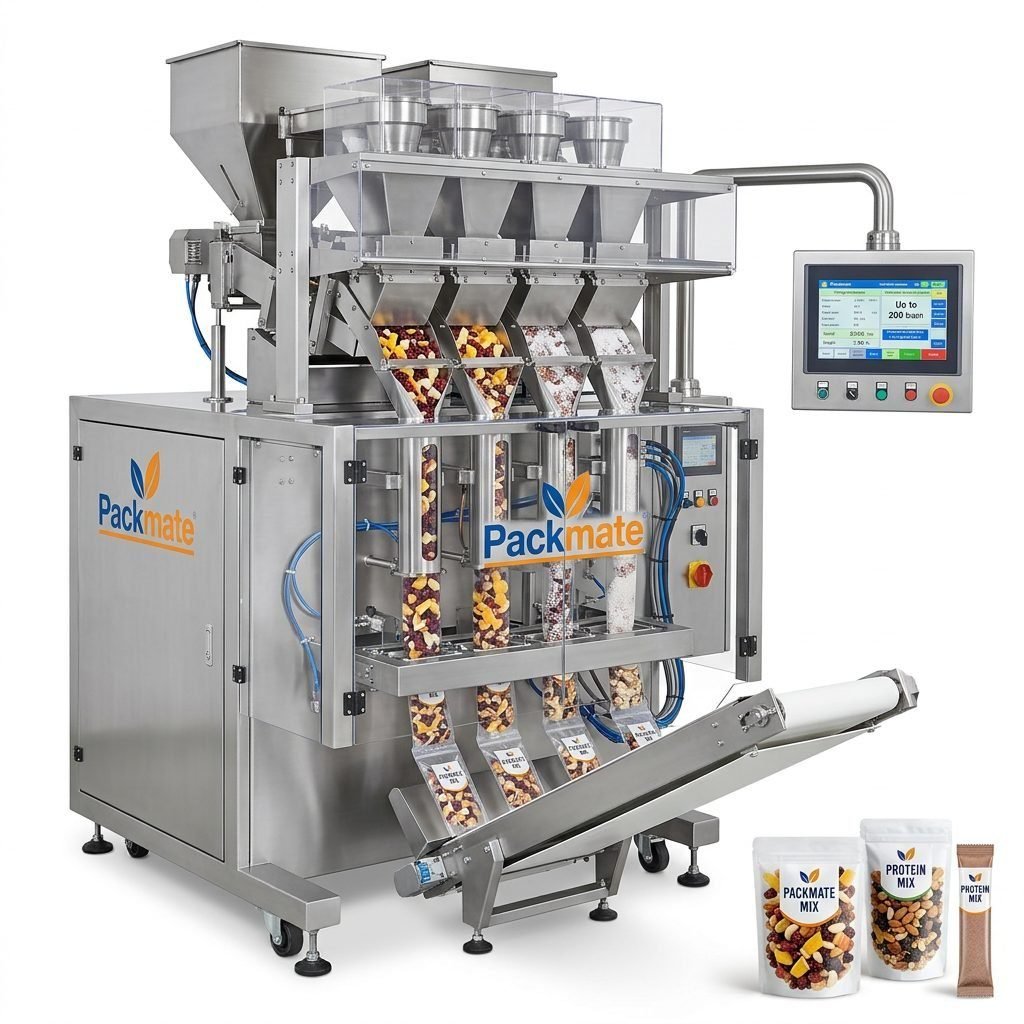
To appreciate its efficiency, let’s break down the main components:
Film Unwind System: Holds and feeds the roll of packaging material (laminate, polyethylene, etc.) with consistent tension.
Forming Collar and Tube: Gently shapes the flat film into a consistent tube around the product delivery system.
Dosing System: The heart of accuracy. This can be a volumetric cup, auger filler for powders, liquid pump, or multi-head weigher for granular products, ensuring each bag receives the exact pre-set weight or volume.
Sealing Jaws: Heated bars that create strong, hermetic seals (both back seal and top/bottom cross seals) to protect product freshness and prevent leakage.
Control Panel (HMI): The user interface for setting parameters like bag length, seal temperature, production speed, and weight targets, often featuring recipe memory for quick changeovers.
Why Choose a VFFS Packaging Machine?
Investing in a VFFS machine offers a compelling return on investment through multiple operational benefits.
Enhanced Efficiency & Cost Savings: Automation drastically reduces labor costs and human error. High-speed production meets large-volume demands. Furthermore, using film from rolls is typically more cost-effective than pre-made bags and reduces storage space requirements.
Superior Product Protection: The in-line forming and sealing process minimizes product exposure to contaminants. Hermetic seals extend shelf life by creating an effective barrier against moisture, oxygen, and light, which is crucial for food and sensitive products.
Remarkable Flexibility: With quick changeovers, a single VFFS machine can handle a range of products and bag sizes. This adaptability is vital for manufacturers with diverse product lines or those who need to respond quickly to market trends.
Reduced Material Waste: Precise control over bag length and seal integrity ensures minimal film waste compared to manual or semi-automatic processes, contributing to sustainability goals.
Industries Served by VFFS Technology
The application of VFFS machines is vast. In the food industry, they package snacks, pasta, coffee, sugar, and frozen vegetables. Pharmaceutical companies use them for powders, granules, and herbal teas. They are also indispensable in chemical, agricultural (seeds, fertilizers), and pet food sectors. For specialized needs like nicotine pouch production, customized VFFS solutions ensure precision and compliance.
Critical Selection Tips for Your Business
Choosing the right VFFS machine is not a one-size-fits-all decision. Here are the essential factors to evaluate.
1. Analyze Your Product Characteristics
The product’s physical properties dictate the machine’s core specifications. Is it a fine powder, abrasive granule, sticky paste, or free-flowing liquid? This determines the necessary dosing system (auger, pump, weigher) and the required sealing technology (hot seal, cold seal). Product density and flowability also impact the forming tube design and vibration systems used to settle the product.
2. Define Packaging Requirements
Consider your bag specifications: size range (length and width), desired bag style (pillow, block-bottom, side gusset), and film material (monolayer or complex laminate). The machine must accommodate your film roll’s maximum width and core size. Also, consider if you need additional features like gas flushing for modified atmosphere packaging (MAP) or date coding.
3. Evaluate Production Capacity Needs
Calculate your required output in bags per minute (BPM) based on current and projected demand. Machine speeds vary widely. A robust machine from an experienced manufacturer like Packmate Machinery can offer high speeds without compromising on accuracy or seal quality. Don’t forget to factor in time for changeovers and maintenance.
4. Prioritize Accuracy and Consistency
For cost control and regulatory compliance, filling accuracy is non-negotiable. Investigate the precision of the dosing system. Multi-head weighers offer exceptional accuracy for granules, while servo-driven auger fillers are excellent for powders. Look for machines with integrated checkweighers or feedback systems to automatically correct deviations.
5. Assess Ease of Use and Maintenance
A user-friendly Human-Machine Interface (HMI) with recipe storage simplifies operation and reduces changeover time. Easy access to sealing jaws, film paths, and dosing units is crucial for routine cleaning and maintenance, which ensures hygiene and prolongs machine life. Consider the supplier’s training and technical support availability.
6. Consider Integration and Future-Proofing
Will the machine integrate into an existing full packaging line with conveyors, cartoners, or case packers? Ensure compatibility. Also, consider scalability—can the machine be upgraded or reconfigured to handle future products or higher speeds?
Pro Tip: Always request a product sample test run at the manufacturer’s facility. This live demonstration is the best way to verify machine performance, accuracy, and suitability for your specific product and packaging material before purchase.
Partnering with the Right Manufacturer
The machine’s quality is intrinsically linked to the manufacturer’s expertise. A reputable partner provides more than just hardware; they offer a complete solution. Look for a company with a proven track record, like Packmate (GuangDong) Co., Ltd., which brings over 30 years of engineering experience to the table. Their 20,000㎡ modern facility and commitment to R&D ensure reliable and innovative equipment. Comprehensive after-sales service, including installation, training, spare parts supply, and prompt technical support, is vital for minimizing downtime and protecting your investment.
Frequently Asked Questions (FAQ)
What is the typical speed range of a VFFS machine?
Speeds vary greatly based on bag size, product, and machine model. They can range from 30 to over 200 bags per minute. High-speed models for simple granular products can achieve the upper end, while complex applications like liquid filling or large bags operate at slower, precise speeds.
Can one VFFS machine handle different types of products?
Yes, a key advantage of VFFS machines is their flexibility. With quick-change parts (like augers, forming tubes, and sealing jaws) and saved recipes in the HMI, a well-designed machine can switch between different powders, granules, or similar product types efficiently, reducing the need for multiple dedicated machines.
How important is the choice of packaging film?
It is critical. The film must be compatible with the machine’s sealing system (heat seal layer) and suitable for the product (barrier properties). Using the wrong film can lead to sealing failures, poor shelf life, or jams. Consult with both your film supplier and machine manufacturer to select the optimal material.
What maintenance does a VFFS machine require?
Regular daily cleaning of product contact parts (dosing system, forming tube) is essential for hygiene. Periodic maintenance includes checking and replacing wear parts like sealing jaw Teflon strips, cleaning filters, lubricating moving parts, and calibrating the weighing system as per the manufacturer’s schedule to ensure consistent performance.
What safety features should I look for?
Essential safety features include emergency stop buttons, safety guarding with interlocks that halt the machine when opened, overload protection for drives, and thermal protection for sealing jaws. Modern machines also offer user access levels on the HMI to prevent unauthorized parameter changes.