In the fast-paced world of manufacturing and product distribution, efficiency, product protection, and presentation are paramount. Horizontal packaging machines stand as a cornerstone technology in achieving these goals across diverse industries. These sophisticated systems automate the process of forming, filling, and sealing packages from a continuous roll of flexible film, creating a consistent and professional finish. This ultimate guide delves into the various types of horizontal packaging machines, explores their significant benefits, and highlights why choosing a seasoned manufacturer like Packmate Machinery is a strategic investment for your business.
Understanding Horizontal Packaging Machines
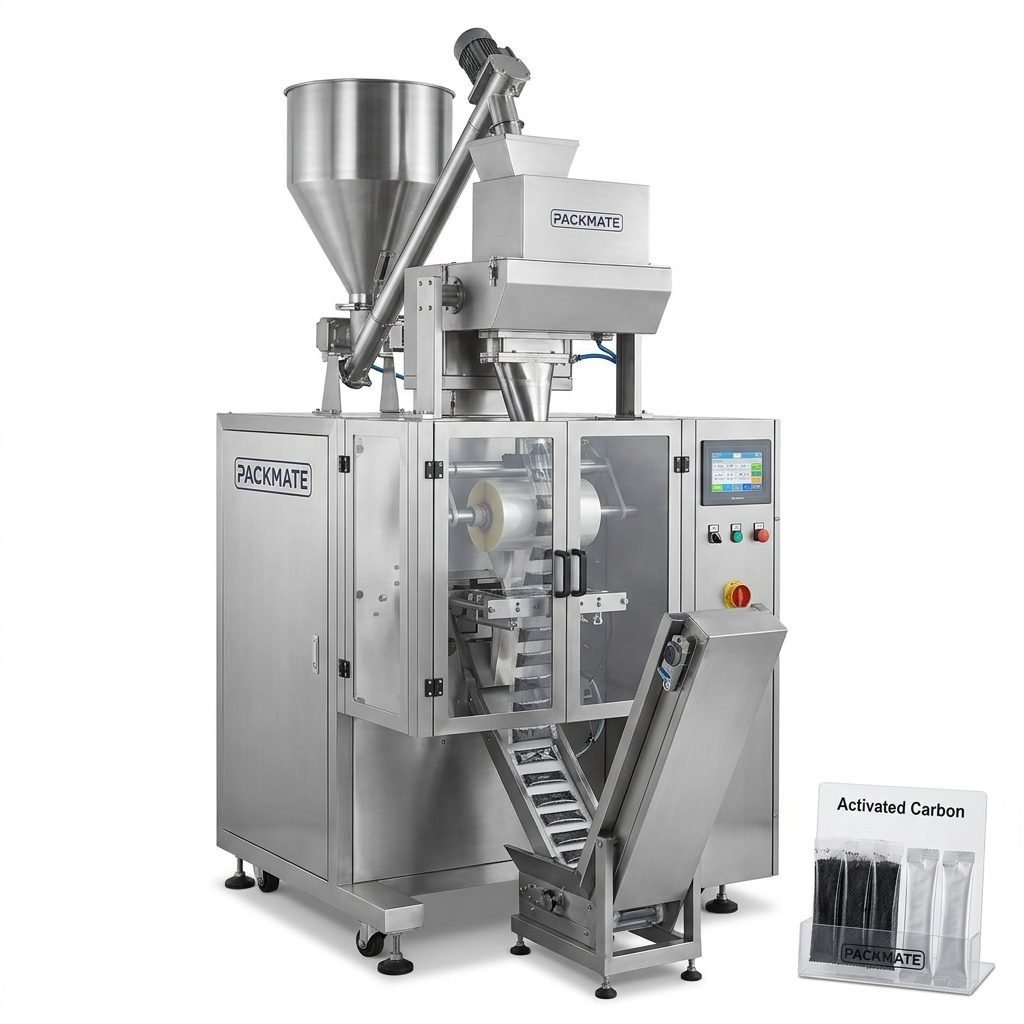
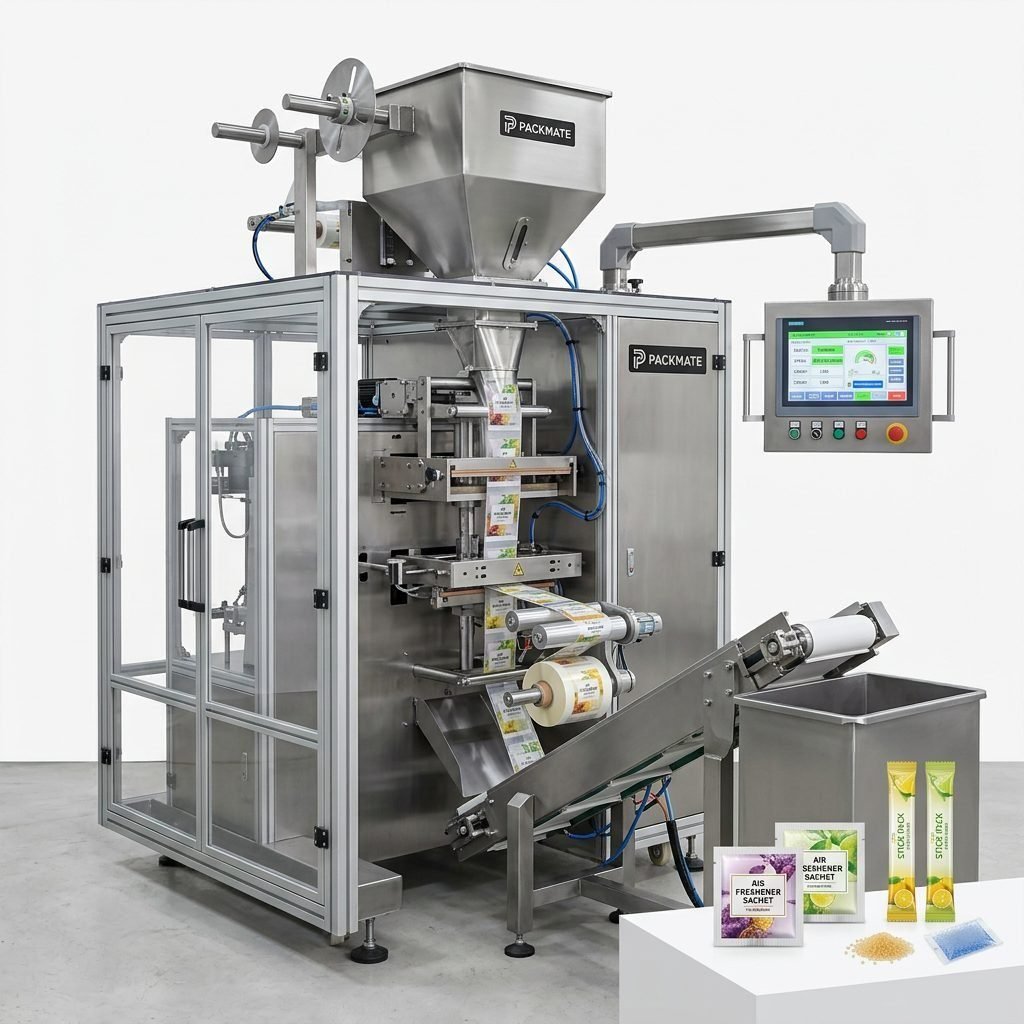
At its core, a horizontal packaging machine is an automated system designed to create pouches or bags on a horizontal plane. The process typically involves pulling a flat web of packaging film (often multi-layered for barrier properties) through a forming mechanism. This film is shaped into a tube, sealed along its vertical back seam, and then filled with the product. Finally, horizontal seals are made above and below the product, creating individual, finished packages that are then cut apart. This method is exceptionally versatile and is a go-to solution for a vast array of solid, granular, powdered, and liquid products.
Key Operational Stages:
- Film Unwinding: The packaging material is fed from a large roll.
- Forming: The film is guided through a forming collar to create a tube.
- Vertical Sealing: The longitudinal back seal is created.
- Product Feeding & Filling: The product is precisely measured and inserted into the tube.
- Horizontal Sealing & Cutting: Cross-seals are made, simultaneously sealing the top of one pouch and the bottom of the next, before cutting them apart.
Primary Types of Horizontal Packaging Machines
The market offers several configurations of horizontal packaging machines, each tailored to specific product characteristics, production speeds, and packaging styles. Understanding these types is crucial for selecting the right equipment.
1. Horizontal Flow Wrappers
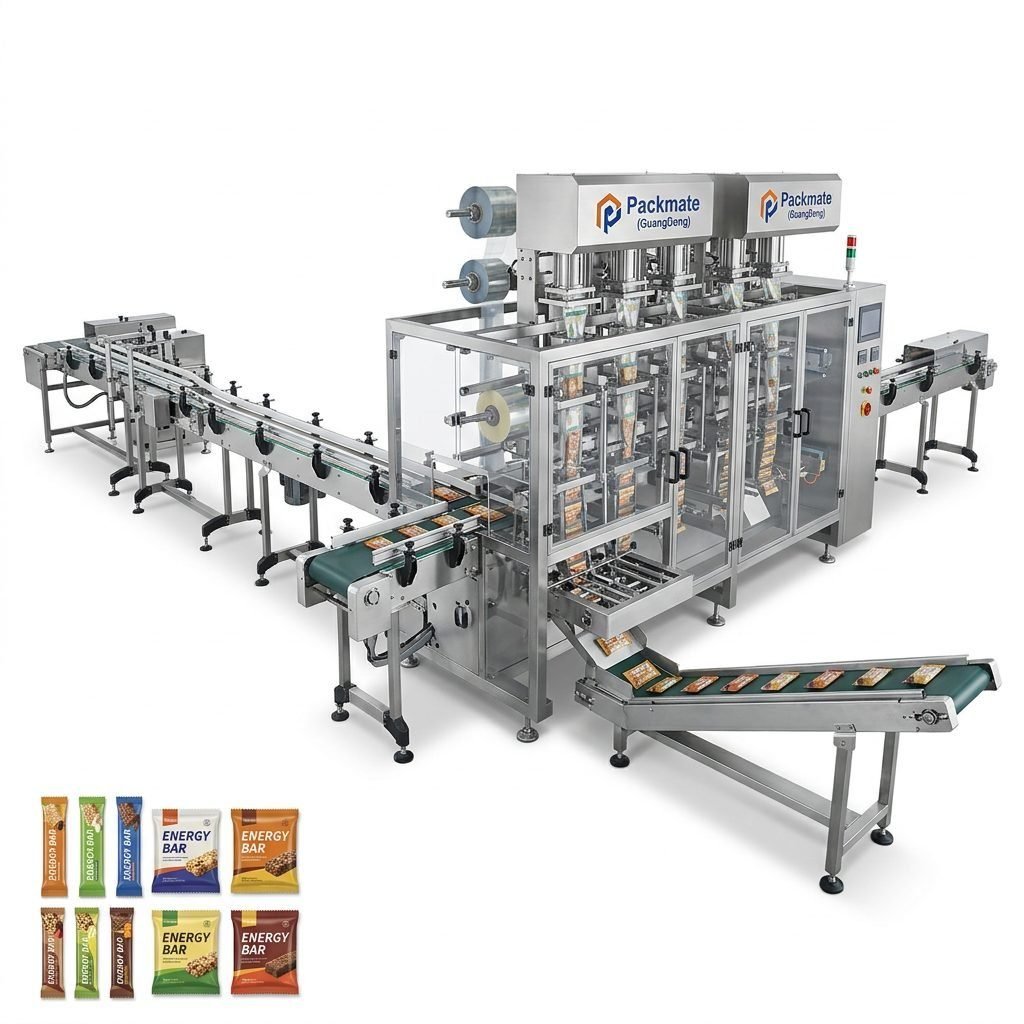
This is one of the most common types, ideal for wrapping individual solid items or grouped products. The product is placed on the incoming web of film, which is then wrapped around it. The longitudinal seal is made underneath, and the ends are neatly folded and sealed, creating a tight, secure package. They are perfect for candy bars, baked goods, medical devices, and software boxes.
2. Horizontal Form-Fill-Seal (FFS) Machines
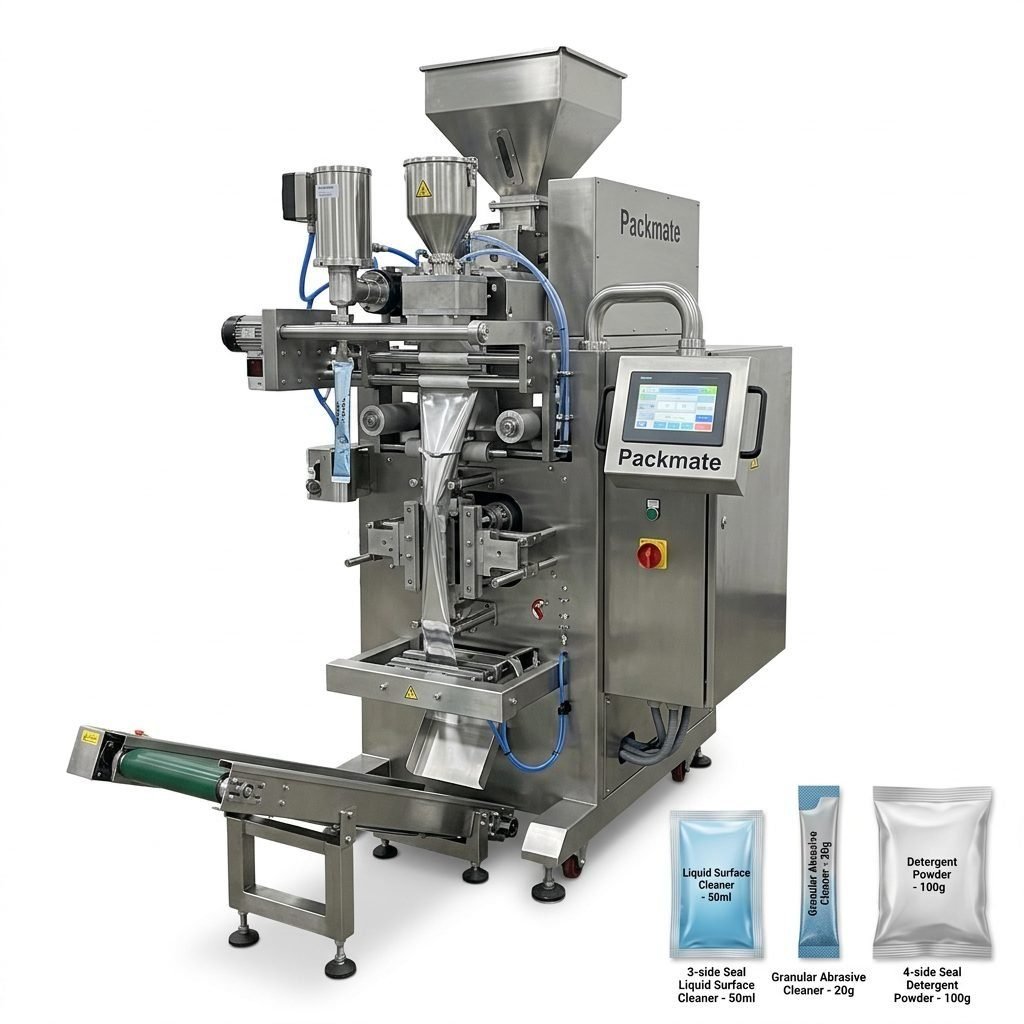
These are the workhorses for creating pouches from roll stock. They form the film into a tube, fill it, and then seal it. Horizontal FFS machines are highly adaptable and can produce a variety of pouch styles, including:
- Pillow Pouches: The standard bag with seals on all four sides.
- Gusseted Pouches: Feature expandable sides for bulkier products.
- Stand-up Pouches (Doypack): Include a bottom gusset that allows the bag to stand upright on shelves.
For businesses looking into specialized pouch solutions, exploring Bag & Pouch Packaging Machines can provide targeted options.
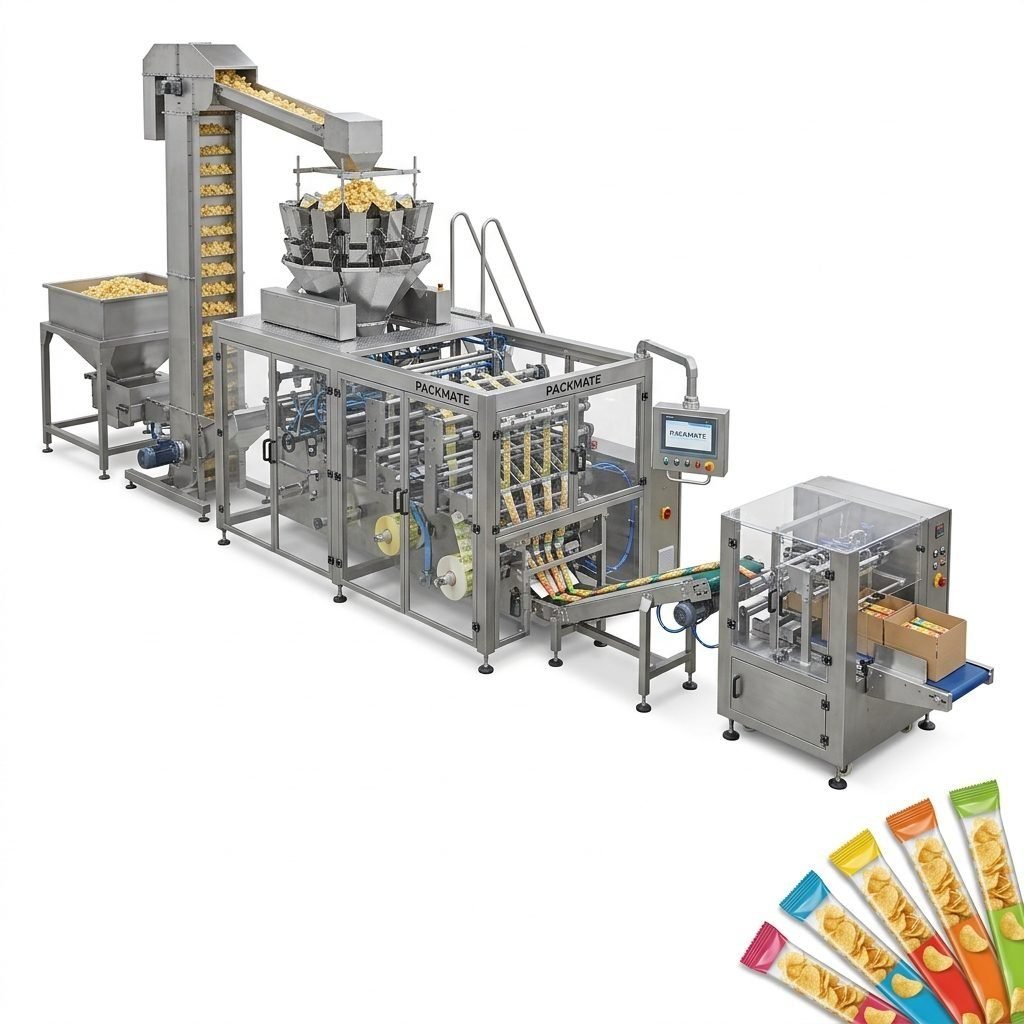
3. Multi-Lane Stick Pack & Sachet Machines
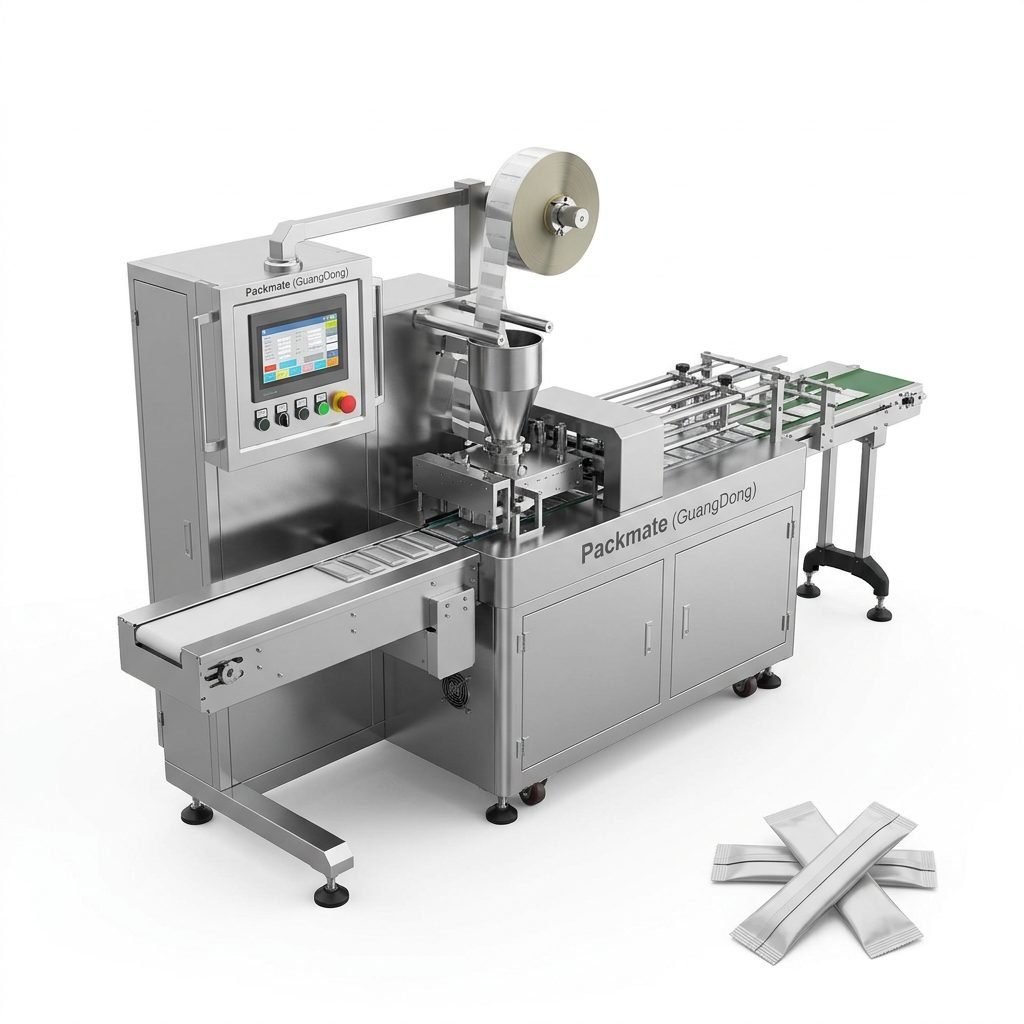
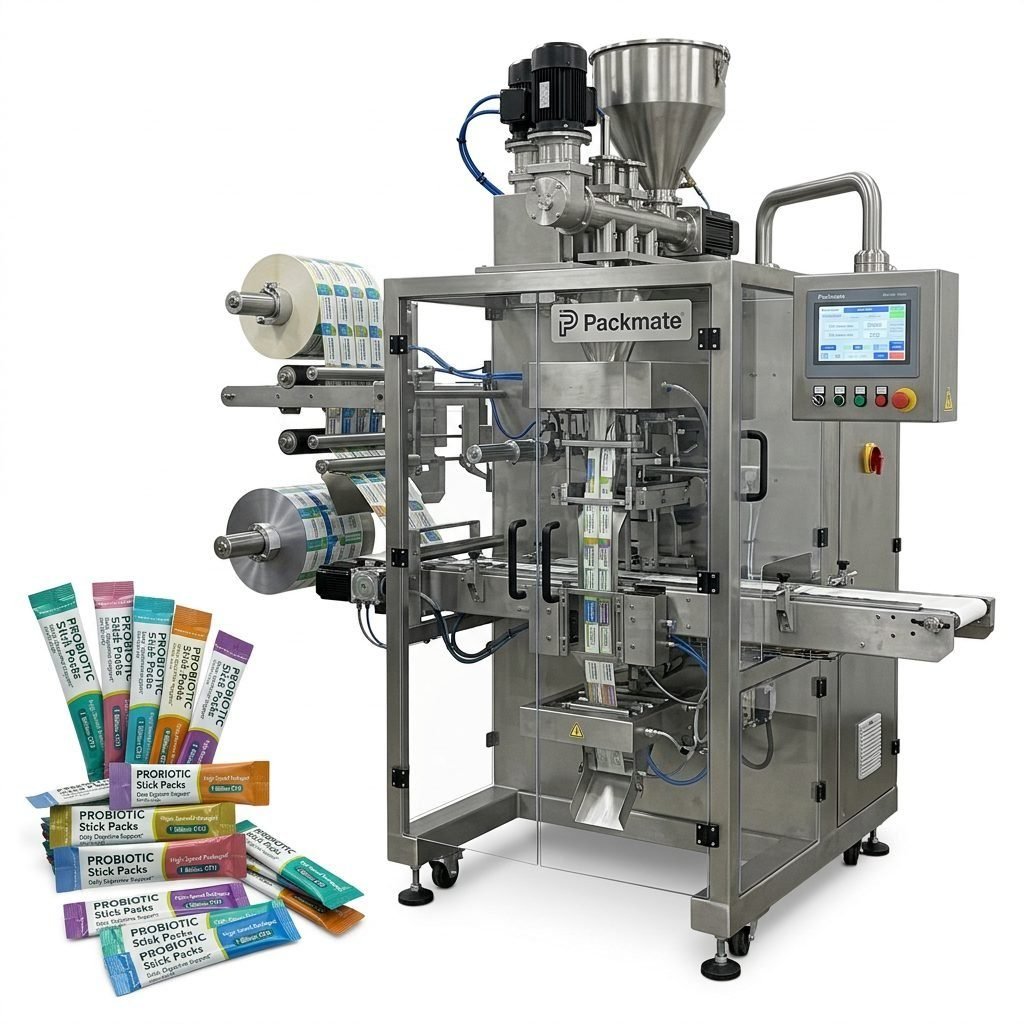
Designed for high-speed packaging of small unit doses, these machines operate multiple lanes in parallel. They are exceptionally efficient for packaging powders (like coffee, sugar, spices), liquids (sauces, shampoos), and granules. The output is small, slender stick packs or flat sachets, which are popular in the food service, pharmaceutical, and cosmetic industries. As a leader in this niche, Packmate Machinery offers advanced Sachet & Stick Pack Machines that maximize output while ensuring precision filling.
4. Specialized Horizontal Packaging Systems
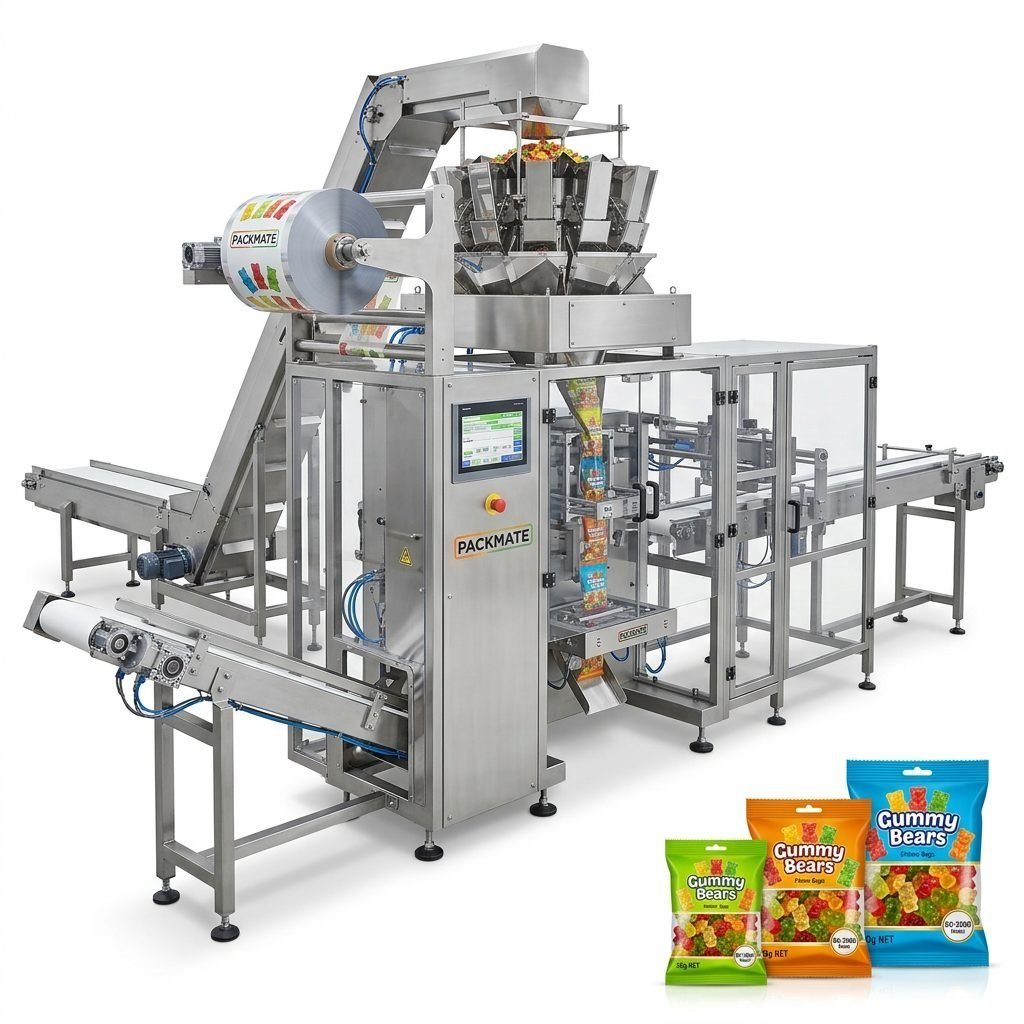
Beyond the standard types, specialized systems exist for unique applications. For instance, snus and nicotine pouch packaging requires precise moisture control and specialized sealing techniques. Similarly, products requiring exact weight measurement before packaging benefit from integrated weighing and packaging systems that combine multi-head weighers with horizontal FFS units for ultimate accuracy.
The Compelling Benefits of Automation with Horizontal Packers
Investing in a horizontal packaging machine translates into tangible operational and financial advantages.
Enhanced Efficiency & Productivity
Automation drastically increases output compared to manual packaging. Modern horizontal packers can produce hundreds, even thousands, of packages per minute, running continuously with minimal operator intervention. This allows businesses to scale production to meet market demand efficiently.
Superior Product Protection & Shelf Life
These machines often use laminated films that provide excellent barriers against moisture, oxygen, light, and contaminants. The consistent, hermetic seals ensure product freshness, extend shelf life, and reduce spoilage and waste, which is critical for food and pharmaceutical products.
Significant Cost Reduction
While the initial investment is notable, the long-term savings are substantial. Automation reduces labor costs, minimizes material waste through precise film usage, and lowers costs associated with product damage and returns. The use of roll stock film is generally more economical than pre-made bags.
Unmatched Consistency & Brand Image
Every package is identical in size, shape, and seal quality. This uniformity is impossible to achieve manually and is vital for building a professional, trustworthy brand image on retail shelves. It also ensures reliable performance in automated distribution and vending systems.
Remarkable Versatility & Flexibility
With quick changeover capabilities, a single horizontal packaging machine can handle a range of products and package sizes. This flexibility allows manufacturers to respond quickly to changing market trends, seasonal products, or custom orders without needing entirely separate packaging lines.
Why Partner with an Experienced Manufacturer Like Packmate?
Choosing the right equipment partner is as important as selecting the machine type. A manufacturer with deep industry experience brings invaluable expertise to the table. Packmate (GuangDong) Co., Ltd., with over 22 years of formal company development and roots stretching back to 1993, embodies this principle. Operating from a modern 20,000㎡ facility in the heart of China’s Greater Bay Area manufacturing hub, Packmate combines traditional engineering diligence with innovative technology.
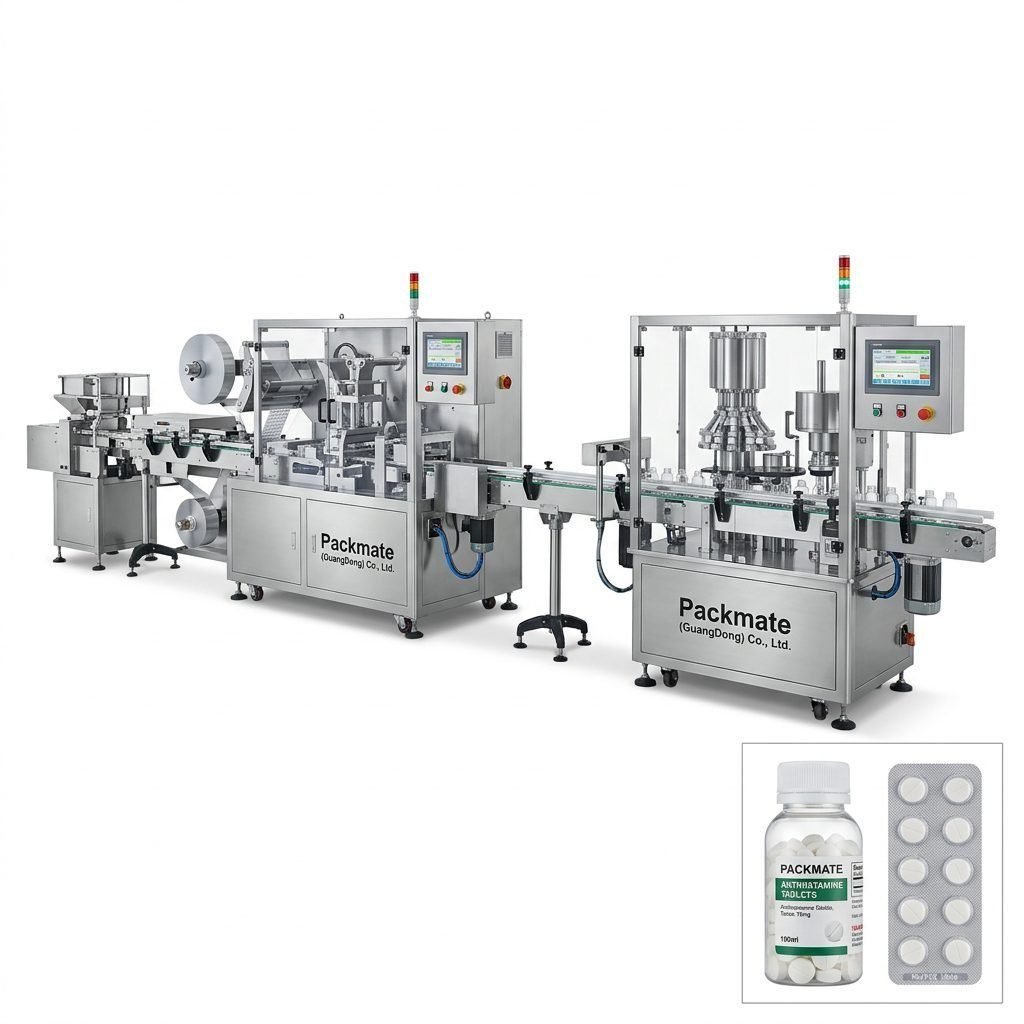
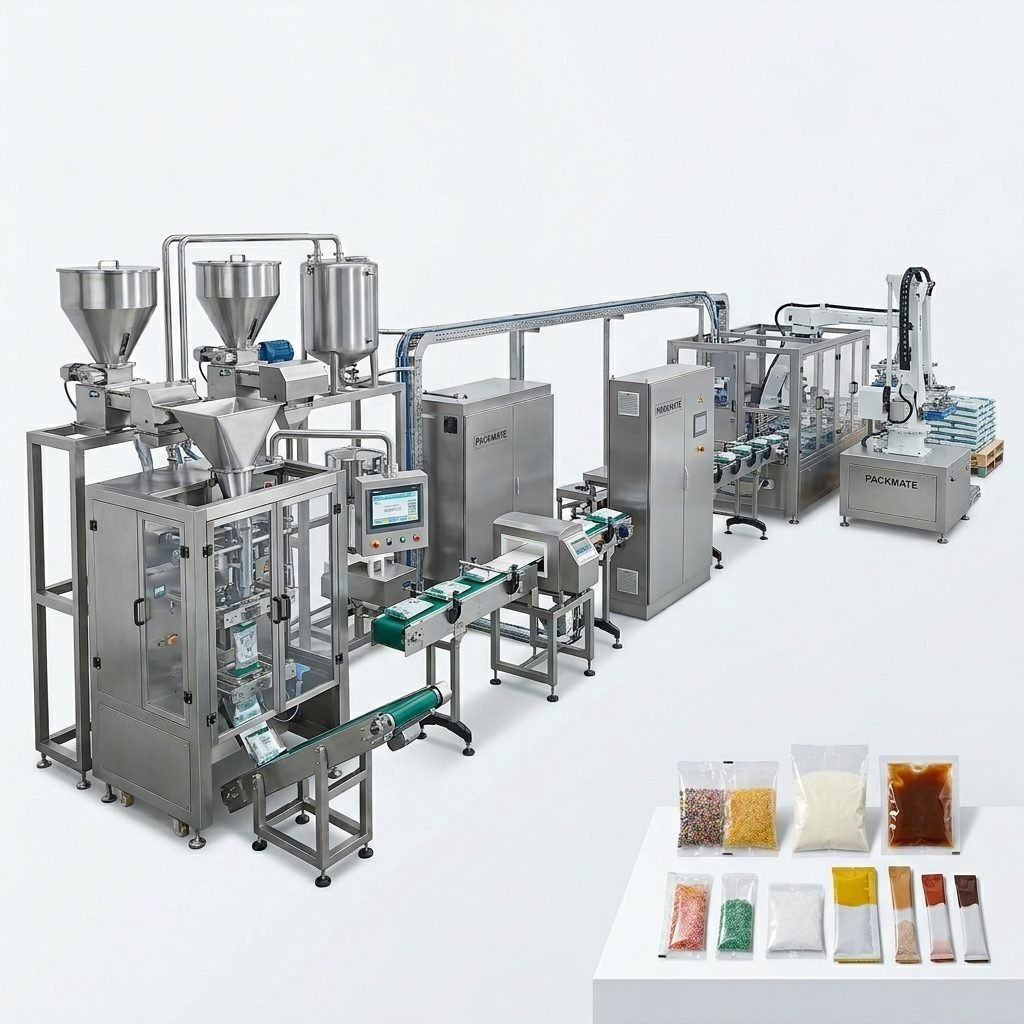
Their journey, from a small workshop focused on solving packaging challenges to a leading provider of over 50 machine models and complete turnkey packaging solutions, is built on a foundation of quality and reliability. This experience means they understand the real-world pressures of production floors and can recommend not just a machine, but an integrated system—whether it’s a standalone horizontal FFS unit or a fully synchronized Filling & Packaging Line—that aligns perfectly with your throughput goals, product characteristics, and budget.
Frequently Asked Questions (FAQs)
1. What types of products are best suited for horizontal packaging?
Horizontal packaging is incredibly versatile. It is ideal for a wide range of products including snacks, confectionery, frozen foods, pasta, rice, hardware items, pharmaceuticals, cosmetics, and liquid or powder supplements. Essentially, any free-flowing or solid item that can be fed into a tube can be packaged this way.
2. How do I choose between a horizontal flow wrapper and a horizontal form-fill-seal machine?
The choice depends on your product and desired package style. Choose a flow wrapper for wrapping solid, already-formed items (like a box or a trayed product). Choose a form-fill-seal machine if you need to create a pouch from roll stock to contain loose, granular, or liquid products.
3. What is the typical production speed of these machines?
Speeds vary widely based on the machine type, package size, and product. Simple single-lane machines may run at 30-60 bags per minute (bpm), while advanced multi-lane stick pack machines from manufacturers like Packmate can achieve speeds exceeding 800 stick packs per minute.
4. How important is after-sales service and technical support?
It is absolutely critical. Packaging machines are complex investments. A manufacturer that provides comprehensive installation, training, readily available spare parts, and responsive technical support ensures maximum uptime and a strong return on investment. Always inquire about the service structure before purchasing.
5. Can horizontal packaging machines handle sustainable or biodegradable films?
Yes, many modern machines are designed to be compatible with a variety of materials, including mono-material plastics and compostable films. However, it is essential to consult with the machine manufacturer to ensure the sealing jaws, temperatures, and film handling mechanisms are suitable for the specific sustainable material you plan to use.